Lisbon Local Food Guide Travel Guide
Plan your trip with our Lisbon local food guide. Discover top traditional spots, pastry shops, and food markets for a delicious Portuguese culinary adventure!
On this page
Lisbon Local Food Guide
Lisbon eats well and eats cheaply — at least if you know where to look. This lisbon local food guide covers the full range: traditional family-run tascas, modern chef-driven bistros, covered food markets, excellent pastry shops, and the best neighborhoods for eating in 2026. Whether you have three nights or three weeks, the city rewards anyone willing to wander off the tourist trail.
Portuguese food is built on Atlantic produce, aged cheeses, slow-cooked meats, and extraordinary olive oil. Lisbon is also a city of immigrants and returning colonists, which means you will find Mozambican, Cape Verdean, and Azorean cooking sitting alongside the most traditional dishes. Understanding a few basics before you arrive makes the whole experience sharper.
What Food Is Lisbon Known For?
Bacalhau — salted dried cod — is the undisputed national obsession. Locals joke there are 365 ways to prepare it, one for every day of the year. The most popular version in Lisbon is bacalhau à Bras, shredded cod mixed with matchstick potatoes and scrambled egg, found on almost every tasca menu for around €12–14. Grilled sardines are the summer staple: whole fish on sourdough, eaten outside, best from June to September.
Beyond fish, Alentejo-style dishes dominate the hearty end of the menu. Migas (bread mash cooked with garlic and pork fat), açorda (bread-thickened soup), and slow-braised pork cheeks show up in both traditional spots and modern bistros. Portuguese cheeses are exceptional — sheep's milk queijo de Azeitão and Serpa are worth seeking out at any market.
For drinks, local table wine from Alentejo is cheap and reliable. A glass at lunch rarely costs more than €2. Vinho verde from the Minho is the refreshing, slightly sparkling white that pairs perfectly with seafood. For something more concentrated, ask for a shot of Ginjinha, a sour cherry liqueur sold from tiny kiosks and bars around Rossio Square for about €1.50 a shot.
Practical Eating Tips Most Visitors Miss
The couvert system catches almost every first-time visitor off guard. When you sit down at a tasca, the waiter will place small dishes of olives, bread, butter, and perhaps cheese or sardine pâté on your table without asking. These are not free. Each item is typically €1.50–3 and will appear on your bill. If you do not want them, say so immediately or ask the waiter to remove them. Nobody will be offended.
Portion sizing works differently here too. In most tascas, a "dose" (full portion) is sized to feed two people generously. A "meia dose" (half portion) is the correct size for one. If you order full doses for every person at the table, you will end up with an absurd amount of food. Order one dish per two people and add extras as needed — your bill and waistline will thank you.
Lunch is the meal to prioritize for value. Almost every tasca offers a prato do dia (dish of the day) that includes soup, a main, bread, a drink, and sometimes dessert for €8–12. This same meal ordered à la carte in the evening could cost twice as much. Many of the best and most local restaurants only open for lunch at all. Plan your big meals between 12:30 and 15:00.
The couvert — the small dishes of olives, bread, and butter placed on your table — is not free. Each item costs €1.50–3 and appears on your bill. Ask the waiter to remove anything you did not order if you want to avoid the charge.
Food Markets in Lisbon
The Mercado da Ribeira, now operating as the Time Out Market, is the most famous and most debated food destination in the city. Located at Cais do Sodré on Avenida 24 de Julho, the market opened its food hall concept in 2014 and quickly became one of the most visited spots in Lisbon. Its two beautiful iron-domed halls bring together stalls from some of the city's top chefs, offering dishes from petiscos to ceviches to Ramiro-quality seafood under one roof. Expect to pay €10–18 per dish. It is loud, crowded, and excellent for quickly sampling a wide range, but locals increasingly avoid it — arriving before 12:00 or after 21:00 is the only way to get a seat without waiting.
For a more authentic neighborhood experience, the Mercado de Campo de Ourique in the residential district of the same name is a much better choice. It operates Tuesday to Saturday, 08:00–20:00, and mixes a traditional fresh-produce hall with a ring of small modern food stalls and wine bars. The atmosphere is calm, the prices are reasonable (€6–12 for a full lunch), and you will eat alongside Lisbon residents rather than tour groups. It takes a short tram ride from Chiado to reach it — Tram 28 stops nearby.
| Market | Location | Hours | Avg Lunch Price | Crowd Level |
|---|---|---|---|---|
| Time Out Market (Mercado da Ribeira) | Cais do Sodré | Daily, opens 10:00 | €10–18 per dish | Very high |
| Mercado de Campo de Ourique | Campo de Ourique | Tue–Sat, 08:00–20:00 | €6–12 | Low (locals) |
| Mercado de Arroios | Rua Ângela Pinto 40D | Mornings + all day cafés | €7–12 | Very low |
| Mercado da Encarnação Norte | Praça do Norte | Varies | €6–10 | Very low |
The Mercado de Arroios on Rua Ângela Pinto 40D is a genuine municipal market where several bistros and wine bars ring the domed structure. Several stalls offer vegan options alongside classic Portuguese petiscos. The market itself focuses on fresh produce in the mornings, while the surrounding tascas and cafés stay open all day. It is an honest, local spot with no tourist infrastructure — menus are often handwritten in Portuguese only.
The Mercado da Encarnação Norte at Praça do Norte is worth a mention for the adventurous eater. Inside its small food market is a traditional bistro called Saber e Sabor serving vegan burgers alongside cups of house wine. You can buy regional cheeses, craft beers, and seasonal produce here. The north side of the Encarnação neighborhood is calm and residential; note that locals advise keeping to the northern side rather than the southern area around the square.
Traditional Portuguese Restaurants in Lisbon
The classic Lisbon dining experience is the tasca: a small, family-run restaurant with paper tablecloths, football on the television, and a short handwritten menu. Zé dos Cornos in Mouraria at Beco Surradores 5 is a reliable favorite — order the ribs (Piano on the menu), served Portuguese-style with garlic and salt rather than barbecue sauce, with a tomato salad for around €12. There is usually a line but they will serve you a beer on the street while you wait, which is a fine arrangement.
Cervejaria Ramiro at Avenida Almirante Reis 1H is one of Lisbon's most famous seafood restaurants and has been for decades. The format is simple: pick your seafood by weight from the display, eat it at a shared table, finish with a prego (steak sandwich) as the traditional closer. The carabineiro (scarlet prawn) is exceptional. Prices are high by Lisbon standards — budget €35–50 per person — but the quality justifies it. They do not accept reservations for the main dining room; arrive early (before 19:00) or expect a wait of 30–60 minutes. The wait is genuinely worth it.
For grilled fish done properly, Ultimo Porto in Santos (R. Gen. Gomes Araújo 1) is the local choice. It opens for lunch only, tucked against the working docks. Pick a fish from the day's selection, watch it come off the charcoal grill, and pair it with clams in garlic and coriander. It is only open Monday to Friday. The address is tricky to find by GPS — head to Rocha do Conde d'Óbidos and cross the pedestrian swing bridge.
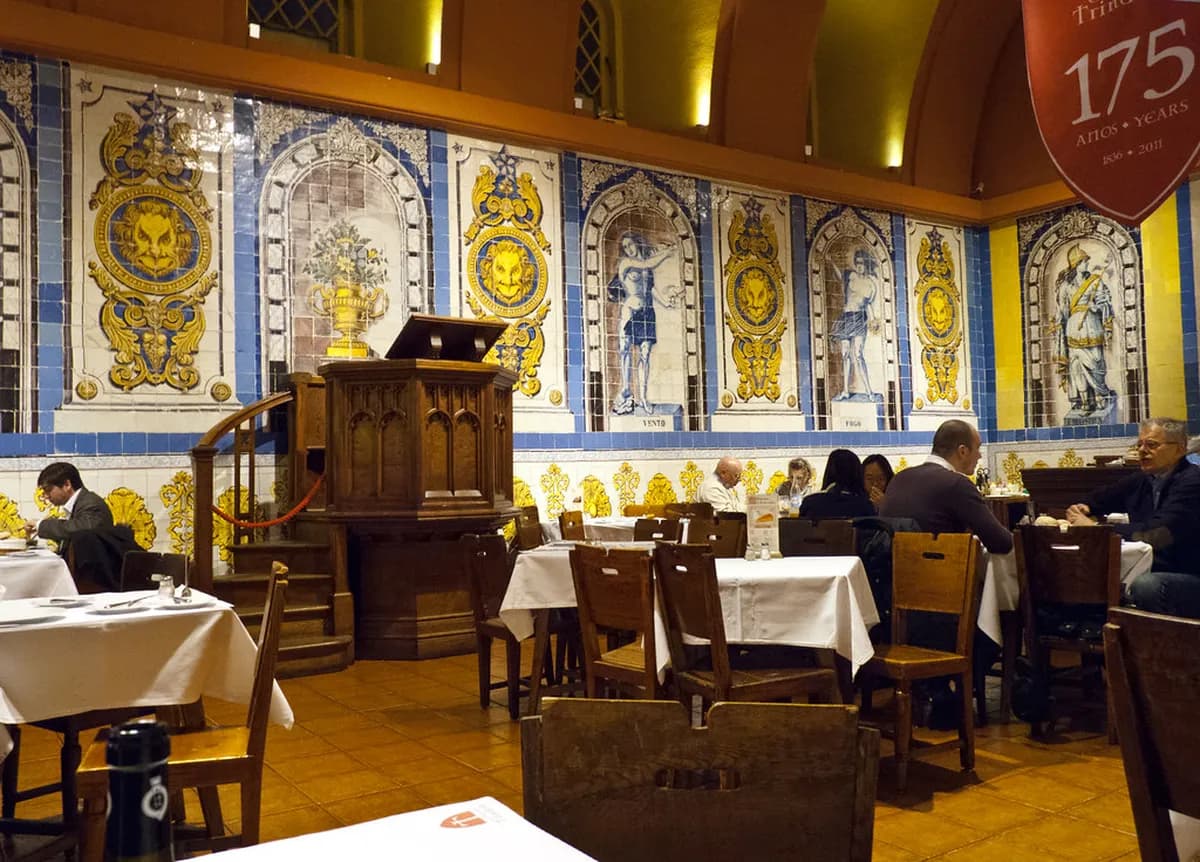
Casa do Alentejo at Rua das Portas de Santo Antão 58 occupies a spectacular historic palace in central Lisbon. The ground-floor tavern serves affordable small plates of flaming chorizo, migas, and cheese in a courtyard that looks like it belongs in Morocco. The upstairs restaurant is more formal with white tablecloths and longer menus. It is one of the few genuinely special dining experiences that requires zero advance planning — the terrace does not take bookings.
If you want to explore the restaurants around the historic old town, our Alfama Lisbon Travel Guide covers neighborhood context and the best streets for eating and drinking near the castle.
Modern and Progressive Portuguese Restaurants
Lisbon's progressive restaurant scene has matured quickly over the past decade. These are not fusion restaurants with no identity — they are chefs with deep roots in Portuguese cooking who apply precision, technique, and seasonal thinking to ingredients the country has always used. The results are often extraordinary without being inaccessible or overpriced.
Canalha in Belém at Rua da Junqueira 207 is the project of top chef João Rodrigues and represents the best of this movement. The daily specials follow what is fresh and what has come in from the fisherman. A lunch here can cost €20; a full evening with seafood can stretch to much more. Book ahead online — tables go quickly.
Corrupio at Rua Moeda 1 F/G near Cais do Sodré is a downtown diner built around a central bar. The kitchen puts modern spins on traditional dishes, the music is good Portuguese, and the wine list focuses on smaller local producers. The corvina (croaker) rice and the octopus salad are standouts. It is more relaxed than other progressive spots and easier to get a table.
Taberna da Rua das Flores at Rua das Flores 103–109 in Chiado is widely considered the original of Lisbon's modern tavern movement. Chef André Magalhães runs a seasonal blackboard menu using top-quality local produce alongside dishes inspired by the wider world. They do not take reservations — arrive when they open to avoid the queue. If scallops are on the board, order them.
Pastry Shops and Coffee Bars in Lisbon
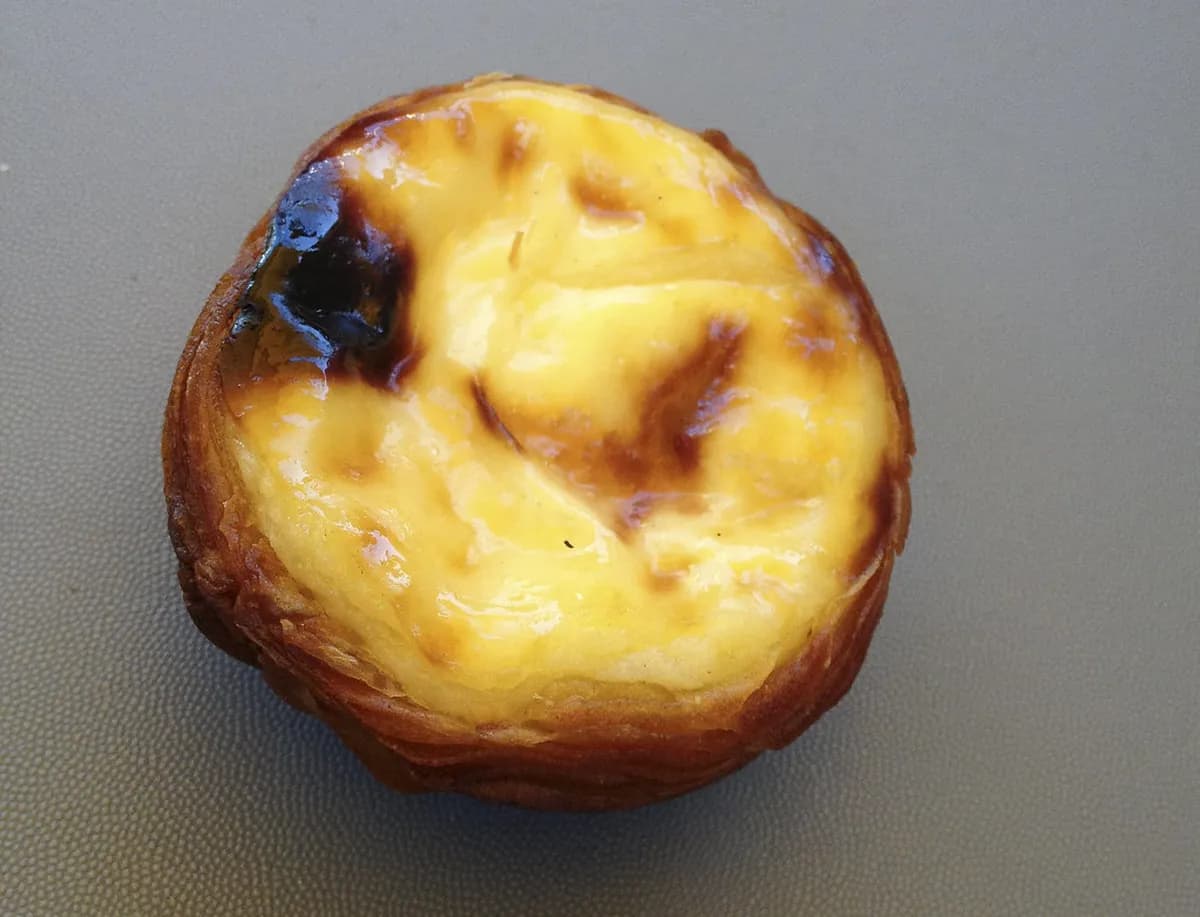
The Pastel de Nata is the most discussed pastry in Lisbon and for good reason. The custard tart — egg cream in a shatteringly crisp, caramelized shell, dusted with cinnamon — is sold at every bakery, supermarket, and cafe in the city. Quality varies widely. The most celebrated source is the original Pastéis de Belém on Rua de Belém 84, open since 1837, where the recipe remains secret and the tarts come out of the oven constantly. The queue stretches around the building by mid-morning; arrive before 09:00 or after 16:00 to avoid the worst of it. The price is around €1.40 per tart. Manteigaria in Chiado on Rua do Loreto 2 is the favorite alternative for most locals — shorter queue, excellent quality, and more central.
For specialty coffee, Fabrica Coffee Roasters in Intendente (Rua Dos Cupidos 7) roasts its own beans and serves some of the best espresso in the city. The space is small, prices are higher than a traditional café (an espresso runs €1.80–2.20 versus €0.80 at a neighborhood pastelaria), and seating fills quickly on weekday mornings. It is best suited to coffee enthusiasts comfortable paying a small premium for precision. For budget coffee — which is perfectly good — walk into any neighborhood cafe and order a bica (espresso) at the counter for under €1.
At any pastry shop, order Pastéis de Nata hot with cinnamon and an espresso at the counter rather than sitting down — a seated table in a tourist café can double the price for a noticeably worse experience.
Dear Breakfast near the waterfront is the city's most photographed brunch spot, with a minimalist interior and creative egg dishes paired with specialty coffee. Expect to pay €12–18 for a full brunch. It gets extremely busy on weekends; the wait can exceed 45 minutes by 10:00. For solo travelers or those who value time over aesthetics, a simple torrada (thick toast) and a galão (long coffee with milk) at a local pastelaria achieves a perfectly satisfying breakfast for under €3.
Forno de Sapadores bakery at Rua dos Sapadores 97 in the Arroios neighborhood is where locals go for pastries away from the tourist circuit. It bakes the Portuguese croissant — softer and less buttery than the French version, almost brioche-like in texture — alongside an excellent selection of regional pastries. The Pastéis de Nata here are reliably good and the lines are nonexistent.
Drinking Out in Lisbon
Lisbon is a genuinely late city. Most bars do not fill until 23:00 and the main nightlife neighborhoods — Bairro Alto, Cais do Sodré, and Intendente — are lively until 03:00 or later on weekends. Drinking outside is legal and widely practiced. Locals buy a beer or a glass of wine from a small bar and take it to a nearby square or miradouro (viewpoint). The Miradouro de São Pedro de Alcântara in Bairro Alto is one of the best spots for an early evening drink with views across the city — several small kiosks sell wine and beer from €2.50.
The natural wine scene in Lisbon has expanded significantly since 2022. Bars in Príncipe Real and Santos specialize in Portuguese natural producers from the Dão, Tejo, and Alentejo regions — wines you will not find in supermarkets. Our Príncipe Real Lisbon guide includes several of the best wine bars in this neighborhood. A glass typically runs €4–8.
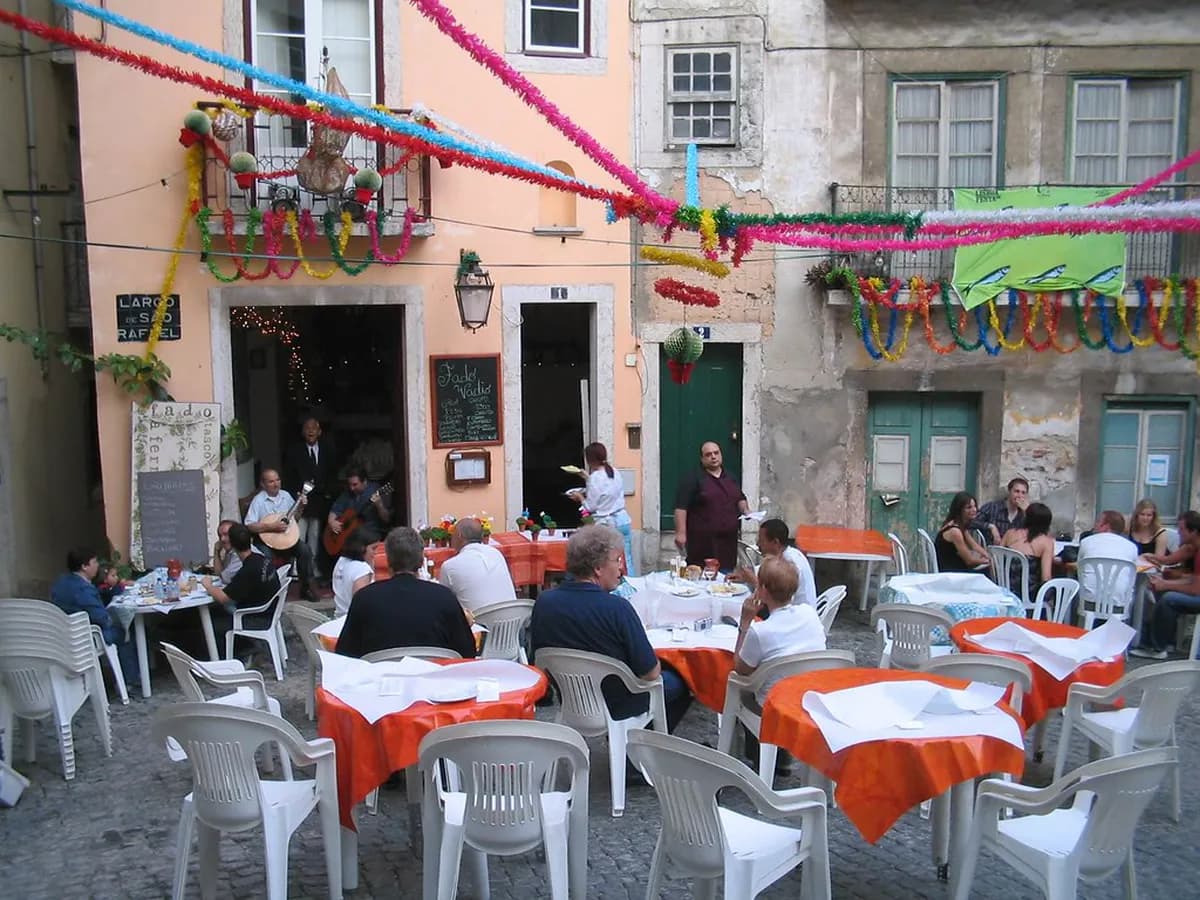
For a more traditional experience, Tasca do Chico at Rua do Diário de Notícias 39 in Bairro Alto combines simple petiscos with live Fado performances most evenings. The portions are small and the food is secondary to the music — order codfish croquettes, olives, and a carafe of house wine and settle in. The Fado shows start around 21:00. Bookings are recommended as it holds fewer than 30 people.
Ginjinha bars around Rossio Square are worth a stop regardless of your drinking preferences. A single shot of the sweet cherry liqueur costs €1.50 and is served in a small plastic or ceramic cup, sometimes with a whole preserved cherry at the bottom. It is the oldest recurring Lisbon tradition and requires no planning at all.
Vegetarian and Plant-Based Eating in Lisbon (2026)
Traditional Portuguese cuisine is built almost entirely around seafood and meat. A vegetarian arriving at a classic tasca will typically find very few options beyond salads, fried egg dishes, and soup. The situation has changed significantly in the past four years, however. Lisbon now has a genuine vegetarian and vegan infrastructure, concentrated in neighborhoods like Mouraria, Arroios, and Príncipe Real.
O Gambuzino at Rua dos Anjos 5A is the most celebrated vegan restaurant in the city. The kitchen uses fresh, locally sourced ingredients to produce creative plant-based dishes — the house-made kimchi and tempeh are particularly good, and the caramelized tofu is a recurring standout. Prices are reasonable (mains run €10–14). It fills quickly in the evenings; book ahead or arrive early.
Ortea at Rua Dom Luís I 19 (known informally as O Botanista) takes a more atmospheric approach, with edible flowers, a botanical interior, and Asian-inspired vegan dishes like gyoza and warm grain bowls. The food is more inventive than nutritionally dense — it suits a lunch or lighter dinner rather than a hearty meal after a day of walking. AO26 Vegan Food Project, run by the same owners, is the option for those wanting vegan takes on traditional Portuguese dishes like açorda or cozido.
At traditional markets, the trick for vegetarians is to look for vegetable-based petiscos. "Peixinhos da horta" — literally "little fish from the garden" — are green bean fritters battered and fried in the same style as tempura. They appear on menus across the city and are entirely vegetarian, despite the misleading name. Soups in Portugal are almost always vegetarian and frequently excellent.
Frequently Asked Questions
What food and drink is Lisbon known for?
Lisbon is famous for fresh seafood, particularly grilled sardines and salted cod known as bacalhau. The city is also globally renowned for Pastel de Nata, a delicious custard tart. For drinks, locals love Ginjinha, a sweet cherry liqueur, and crisp green wine from northern regions.
Where do local people eat in Lisbon?
Local people eat at traditional, family-run taverns called tascas scattered throughout residential neighborhoods. You can find authentic, affordable dishes in historic districts like Mouraria and Graca. Check out our Restaurants In Alfama Lisbon Travel Guide guide for great traditional options.
Is it expensive to eat and drink in Lisbon?
Eating out in Lisbon remains highly affordable compared to other major European capitals. A lunch special at a local tasca usually costs between eight and twelve euros. Fine dining and tourist-heavy areas like Baixa will naturally command much higher prices.
Can you walk and drink in Lisbon?
Yes, public consumption of alcohol is generally permitted in Lisbon. Many locals buy drinks from small bars and enjoy them outside in public squares. However, always remain respectful of local neighborhoods and avoid making excessive noise late at night.
Lisbon rewards curious eaters. The best meals here rarely involve a reservation, a dress code, or a celebrity chef — they involve finding a small tasca, ordering a meia dose of bacalhau, and staying longer than you planned. Use this guide to orient yourself, then let the city take over. The food culture is generous, the prices are honest, and the variety is far deeper than the tourist trail suggests.
Come hungry, go slowly, and always check what is on the blackboard. Lisbon in 2026 is one of Europe's best eating cities — it just does not particularly advertise that fact.
Continue exploring
More guides you'll find useful