Best Local Restaurants In Lisbon Travel Guide
Plan best local restaurants in lisbon with top picks, neighborhood context, timing tips, and practical booking advice for a smoother trip.
On this page
Best Local Restaurants In Lisbon
Lisbon punches well above its weight for food. Tiny tascas serve slow-braised pork for under €10, Michelin-starred chefs reinvent bacalhau, and food markets let you graze on a dozen different kitchens in one sitting. Knowing what to eat in Lisbon — and where — makes the difference between a memorable meal and an overpriced tourist trap. This guide covers specific restaurants with addresses, the right neighbourhoods for each budget, the dishes worth ordering, and the booking habits that stop you missing tables in high season.
The dining scene in 2026 is more competitive than ever. A wave of young Portuguese chefs trained abroad and returned home, bringing natural wine programs and farm-direct sourcing to a city that already had the best seafood in Europe. You can eat extraordinarily well for €15 at lunch or spend €120 per head at the chef's table. Both options are worth your time depending on the day.
Top Local Restaurants by Neighbourhood
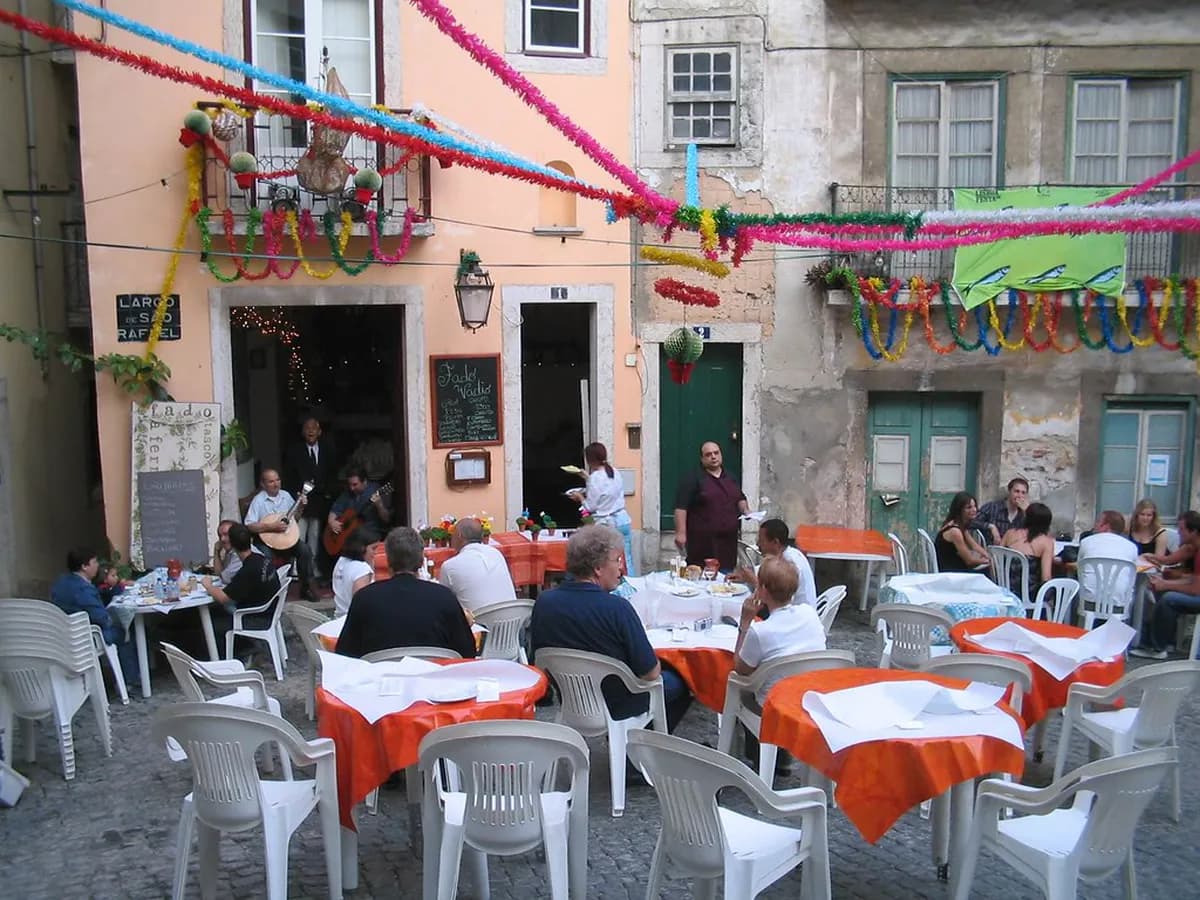
Alfama is the oldest district and the most atmospheric. Restaurant tables spill onto cobbled lanes, trams rattle past, and fado drifts through open windows at night. Antiga Wine Bar (R. Santo António da Sé 10, €€) is a standout here. The clams à Bulhão Pato — cooked in white wine, garlic, and coriander — are some of the best in the city. Tables fill fast, so arrive before noon for lunch or book ahead for dinner. Petit Café (Largo São Martinho, €€) is a quieter option in the same district with excellent octopus and a short but well-chosen wine list.
Chiado offers the widest range in a small area, from budget lunch counters to high-end tasting menus. Prado Wine Bar (Travessa das Pedras Negras 2, €€) is the neighbourhood's most consistently praised modern restaurant. Chef António Galapito runs a nose-to-tail and whole-fish kitchen where the mussels and beef tartare wrapped in a cabbage leaf have been menu fixtures since day one. Seats are limited — book at least three days ahead during summer. Rosamar (R. da Rosa 317, €€) sits nearby and delivers modern Portuguese cooking with warm, attentive service.
Cais do Sodré has transformed from a dockworkers' neighbourhood into one of the best dining areas in the city. Fabric (Rua de S. Paulo 190, €€) is a natural wine bar with excellent small plates — the whipped feta with pita and the fresh mussels are reliable highlights. Further along the waterfront, Time Out Mercado da Ribeira (Av. 24 de Julho 50, €) houses stalls from some of the city's best kitchens under one roof. It gets crowded on weekends but remains the most efficient way to sample broadly on a short trip.
What to Order: Portuguese Dishes Worth Eating
Bacalhau — salt cod — is the cornerstone of the menu. There are said to be 365 ways to cook it and the best tascas cycle through a dozen in any given week. Bacalhau à brás (scrambled with potato sticks and olives) and bacalhau com natas (baked with cream and potato) are the two most common. O Velho Eurico (Largo São Cristóvão 3, €€) near Alfama does both well, alongside cabidela — blood chicken rice — which is harder to find and worth trying.
Fresh seafood is where Lisbon has a genuine edge over most European capitals. Order baby squid fried with lemon, whole grilled sea bream with olive oil and boiled potatoes, or mussels in white wine. At Nunes Real Marisqueira (R. Bartolomeu Dias 112, Belém, €€€) the seafood is sold by the gram from a live display counter. Carabineiro prawns — large red deep-water shrimp — appear occasionally and are exceptional if you see them on the specials board.
For a quick street-food lunch, order a bifana. This is a pork steak sandwich dipped in garlic-pork fat sauce, finished with Savora mustard and served in soft white bread. As Bifanas do Afonso (R. da Madalena 146, €) near the cathedral charges around €4 and is one of the most satisfying cheap eats in the city. Pair it with a Sagres draught and a cod fritter (patanisca de bacalhau) standing at the counter.
Fine Dining in Lisbon: When to Splurge
Chef José Avillez runs the most talked-about upper end of the Lisbon dining scene. Belcanto (Largo de São Carlos, Chiado, €€€€) holds two Michelin stars and serves a tasting menu that reimagines classic Portuguese dishes with contemporary technique. Reservations need to be made months in advance, especially for a chef's table seat. The meal runs around €180 per head before wine. Encanto by José Avillez (Largo de São Carlos 10, €€€), one door along, focuses on vegetarian haute cuisine. Every course is a surprise and the progression is genuinely creative — it books out weeks ahead.
For a more theatrical experience, Mini Bar Teatro (R. António Maria Cardoso 58, €€€) occupies a converted theatre. The twelve-course menu is structured like a playbill with "support actors," "dramas," and "leading ladies." Dishes include an explosive olive and a homemade Ferrero Rocher with edible gold leaf. It is more whimsical than strictly serious but delivers on execution. Book well ahead for evening sittings.
An outlier worth knowing about: Oven (R. dos Fanqueiros 232, €€€) was included in the Michelin Guide Portugal in 2025, making it the first Nepalese restaurant to achieve that. Chef Hari Chapagain fires a custom-built clay-and-copper tandoor at 400°C. The naan, lamb chops, and chicken tikka are exceptional. It does not feel like a fine-dining splurge in the traditional sense but the quality is at that level. Restaurants In Alfama Lisbon Travel Guide cover more mid-range options if you want to keep the budget lower.
The Couvert Rule and Other Things First-Timers Get Wrong
Every sit-down restaurant in Lisbon will put bread, butter, olives, and sometimes cured meats on your table without asking. This is the couvert and you will be charged for it — typically €1.50–€3 per person. You are not obligated to accept it. If you do not want it, say "não quero, obrigado" before touching anything. Once you eat from it the charge stands. This catches almost every first-time visitor and is not a scam — it is standard practice — but knowing about it in advance prevents a surprised look at the bill.
The couvert (bread, butter, olives, and sometimes charcuterie placed automatically on your table) is charged at €1.50–€3 per person. Say "não quero, obrigado" before touching it if you want to decline. Once eaten, the charge stands and cannot be removed from the bill.
The same restaurants often charge dramatically different prices at lunch versus dinner. Many tascas offer a menu do dia (daily lunch special) between 12:00 and 14:30 that includes soup, a main, a drink, and an espresso for €9–€12. The same kitchen at 20:00 will price individual dishes at €14–€20 each. If your schedule allows, heavy lunches at good tascas and lighter suppers at wine bars is the most cost-efficient way to eat well across the whole trip.
The menu do dia (daily lunch special) at Lisbon tascas runs €9–€12 and includes soup, a main, a drink, and an espresso. The same food ordered à la carte at dinner can cost twice as much. Use the lunch window to eat at well-regarded restaurants on a modest budget.
Tourist-trap restaurants are concentrated around Rossio square, along the Alfama tramline near São Jorge Castle, and beside the Mosteiro dos Jerónimos in Belém. Warning signs: laminated menus with photographs, promoters standing at the door, menus in six languages, no Portuguese speakers at any table. The fix is simple — walk one or two streets back from the main drag and look for a chalkboard specials menu and a room full of locals. You can also explore Lisbon's less obvious neighbourhoods where the tourist-trap density drops sharply.
Budget-Friendly Restaurants and Food Markets
Tascas are the backbone of affordable eating in Lisbon. These small family-run taverns focus on one or two dishes done well — usually a slow-cooked meat, a daily fish, and a soup. Prices are low because the room is basic, the menu is short, and the turnover is fast. Alfama has the highest concentration of genuine tascas but the neighbourhood around Mouraria and Intendente also yields excellent finds at lower prices than the tourist circuit. Expect to spend €8–€14 for a full meal with wine.
For a more varied, social experience, Time Out Mercado da Ribeira is hard to beat. Around 35 food stalls from some of the city's best operators share the space. Santini ice cream, traditional bacalhau preparations from A Cevicheria's team, and croquettes from Croqueteria are all represented. The crowd gets dense on weekend afternoons, which is not ideal for a relaxed lunch but perfectly fine if you are comfortable eating elbow-to-elbow. Go on a weekday at 12:30 for easier access to seating.
For anyone spending more than a few days, the neighbourhood markets — Mercado de Campo de Ourique and Mercado da Ribeira on weekday mornings — sell fresh cheese, charcuterie, and seasonal produce at prices far below restaurant levels. Assembling a picnic from these stalls and eating in one of the city miradouros (viewpoints) is both cheap and genuinely local. Check the Places To Visit In Lisbon For Free Travel Guide guide for the best viewpoint spots.
Booking Advice and Timing
| Restaurant | Neighbourhood | Price Range | Known For | Booking Lead Time |
|---|---|---|---|---|
| Belcanto | Chiado | €€€€ (~€180/head) | Two Michelin stars, reimagined Portuguese classics | Months ahead |
| Encanto by José Avillez | Chiado | €€€ | Vegetarian haute cuisine, surprise tasting menu | Weeks ahead |
| Prado Wine Bar | Chiado | €€ | Nose-to-tail, whole-fish, mussels, beef tartare | 3+ days in summer |
| Nunes Real Marisqueira | Belém | €€€ | Live seafood display, carabineiro prawns by weight | Same day / call ahead |
| As Bifanas do Afonso | Near Sé Cathedral | € (~€4) | Bifana pork sandwich, standing counter | No booking needed |
| Time Out Mercado da Ribeira | Cais do Sodré | € | 35 stalls, broad sampling, weekday 12:30 best | No booking needed |
High season in Lisbon runs from April through October, with July and August at peak density. During those months, popular restaurants like Encanto, Prado, Mini Bar Teatro, and Oven are fully booked two to four weeks in advance. Book before you travel, not after you arrive. Belcanto requires a credit card guarantee and charges for no-shows. Most other restaurants accept reservations by phone or email — Google Translate handles the Portuguese if needed.
Walk-in options are not gone entirely. Time Out Mercado and Rosa da Rua (R. da Rosa 265, €€) are generally accessible without reservations. Gambrinus (R. das Portas de Santo Antão 23, €€€), a Portuguese institution open since the 1930s, keeps bar seats available for the classic meat croquettes and clams at the counter even when the dining room is full. It is a reliable fallback for a late evening snack and a glass of white wine. You can also read the Lisbon neighbourhoods guide for guidance on which districts have the highest concentration of walk-in-friendly spots.
Portuguese restaurants typically serve lunch from 12:00 to 15:00 and dinner from 19:30 to 23:00. A gap of several hours in between means arriving at 17:00 with hunger will leave you with limited options — mostly tourist-facing spots that stay open continuously. Plan your day around this schedule. The Lisbon Card covers public transport and major cultural attractions if you want to tick off ORDER YOUR LISBON CARD HERE alongside your dining itinerary.
Where to Stay to Eat Well
Location matters for a food-focused trip. Chiado is the single best base: Belcanto, Encanto, Mini Bar Teatro, Prado, Rosamar, and Fabric are all within a 10-minute walk. The neighbourhood also has direct metro access to Alfama and Belém. Hotels fill up quickly here in summer so book early. Browns Central Hotel sits at the heart of Chiado with a warm interior and is consistently well reviewed. Casa do Barão is a restored 18th-century palace with more character and a more intimate atmosphere.
For something more affordable with good restaurant access, the Mouraria and Intendente area is increasingly worth considering. It is less polished than Chiado but several of the city's best tascas and natural wine bars have opened here in the last few years. Transport connections are solid via the Verde metro line. Dear Lisbon, Charming House — bookable via Dear Lisbon, Charming House — is a boutique option in a more central location with individually designed rooms and a pool. For a broader search of hotels in Lisbon by neighbourhood and budget, the full inventory covers everything from budget guesthouses to design hotels.
Public transport connects all dining districts reliably. The metro reaches Belém in 25 minutes from central Chiado. Historic trams are slow and very crowded in summer — they are a scenic experience but not efficient transport for restaurant-hopping. Buying a rechargeable Viva Viagem card (€0.50 + credit) is cheaper than individual tickets for any trip longer than two days.
Frequently Asked Questions
Which best local restaurants in lisbon options fit first-time visitors?
First-time visitors should visit traditional tascas in historic neighborhoods like Alfama. These welcoming spots offer classic dishes like codfish and grilled sardines in a friendly environment. They provide an excellent introduction to authentic Portuguese dining culture.
How much time should you plan for best local restaurants in lisbon?
You should plan at least two hours for a traditional sit-down dinner in the city. Portuguese dining is a leisurely social experience meant to be savored slowly. Service is relaxed, allowing guests to enjoy multiple courses and local wine comfortably.
What should travelers avoid when planning best local restaurants in lisbon?
Avoid restaurants with aggressive promoters standing outside or menus printed in too many languages. These spots often target tourists with overpriced, lower-quality food. Instead, look for places crowded with locals speaking Portuguese.
Is best local restaurants in lisbon worth including on a short itinerary?
Yes, exploring the local dining scene is a highlight of any short trip to Portugal. You can experience incredible flavors even on a weekend visit. Check out our Portugal travel guide for more tips on planning your short stay.
Lisbon rewards food-focused travelers at every budget. From a €4 bifana at a standing counter in Mouraria to a multi-course tasting menu in Chiado, the city has more culinary range than its size suggests. Book fine dining well in advance, learn the couvert rule before sitting down, and use the lunch window at tascas to eat the same quality food at half the dinner price. With those three habits in place, you will eat as well here as anywhere in Europe.
Continue exploring
More guides you'll find useful