15 Unique Things to Do and Essential Porto Tips (2026)
Discover 15 unique things to do in Porto, from hidden chapel wine bars to secret rooftops. Includes local timing tips, safety advice, and neighborhood guides.
On this page
15 Unique Things to Do and Essential Porto Tips
After five visits to the Douro Valley, I still find Porto full of surprises. This city is far more than just a gateway to wine country or a collection of blue tiles. You should consult the Porto travel website for the latest festival dates before you fly. Our editors last refreshed this guide in June 2026 to ensure every tip, price, and opening hour remains current.
Finding the the best time to visit Porto is the first step to a great trip. Many visitors stick to the riverfront, but the real magic happens in the steep, winding backstreets. Porto rewards those who are willing to climb its granite stairs and explore its hidden corners. This guide is built around specific details — arrival times, exact costs, and the one seat in the chapel you should try to book.
Best Time of Day for Each Activity
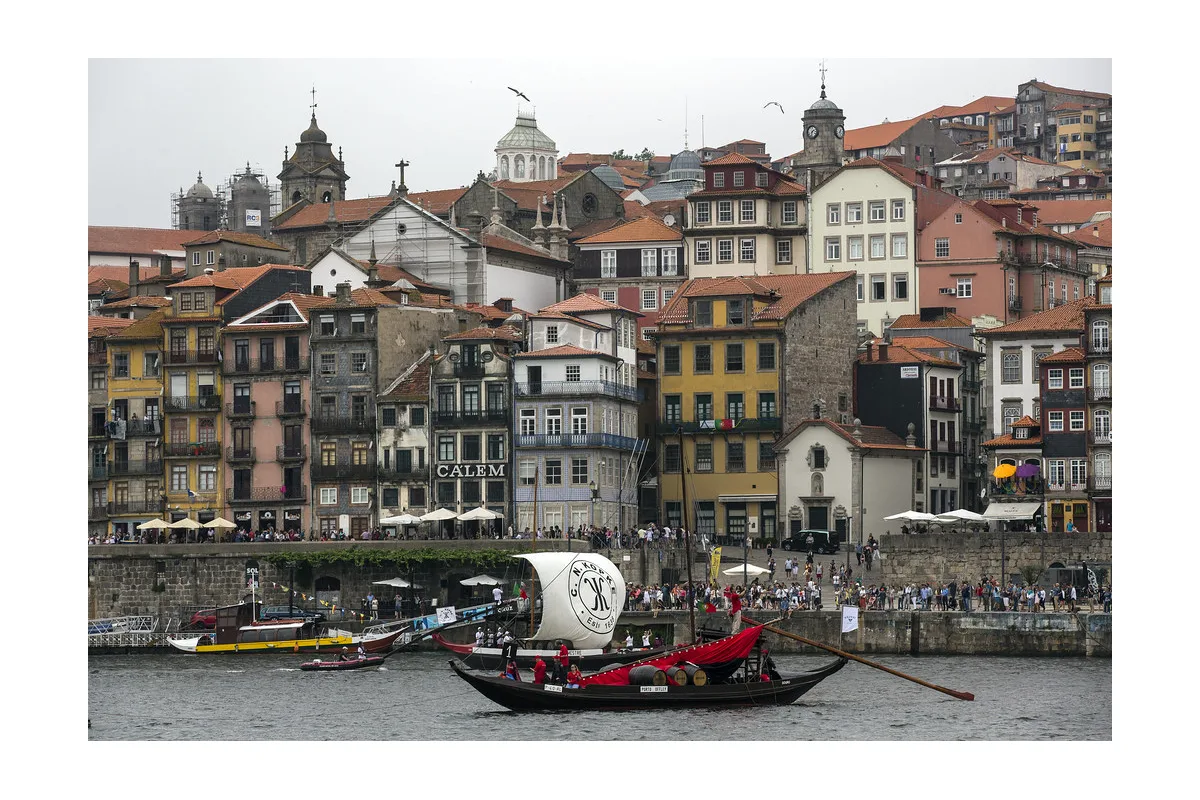
Porto's steep topography and changing light mean that timing genuinely changes the quality of each experience. Crossing to the Gaia side of the Dom Luís I Bridge in the early evening puts you facing Porto's colorful facade as the sun drops behind you. The golden light hits the Ribeira terraces directly from the west — an angle you simply cannot replicate from the Porto side at the same hour.
The table below maps each activity to its optimal window. Note that the Spiritus show at Clérigos fills up fastest on Friday and Saturday evenings, and São Bento station is calmest before 08:00 and after 21:00 on any day of the week.
- Dom Luís I Bridge walk — late afternoon (16:00–18:00) from Porto, or at golden hour from the Gaia side for photography
- Port wine caves in Gaia — morning (10:00–12:00) before the afternoon tour rush
- São Bento station tiles — early morning (before 08:00) or late evening (after 21:00)
- Leitaria da Quinta do Paço éclairs — before 11:00; they often sell out the popular flavors by 14:00
- Spiritus multimedia show at Clérigos — evening slots (20:00 or 21:00) for full projection intensity
- Captain Incomum wine bar — arrive 30 minutes after opening (around 16:30) to secure an indoor seat
- Saint Lawrence rooftop — midday (12:00–14:00) for the clearest sky views; closed Mondays
- Codeçal stairs walk — early morning to have the staircase and My Coffee Porto café largely to yourself
This timing framework matters most for first-time visitors who try to fit everything into two days. Sequencing Gaia in the afternoon and the Ribeira in the morning avoids walking into the sun on the bridge and keeps the best photographic light on your side.
Book port wine cave tours at least 48 hours in advance during May–September peak season. Tours often fill midday, so morning slots between 10:00–12:00 guarantee entry and skip the afternoon rush.
Walk Across the Dom Luís I Bridge — Upper Deck vs Lower Deck
Most visitors cross once and move on, but this double-decker iron bridge rewards a closer look at each level. The upper deck sits 60 metres above the Douro and is shared with the Metro line 1D. The wind here is consistent and strong, and the guardrails feel lower than expected. The panoramic views are spectacular — you can see downstream to the Atlantic on clear days — but the experience is not comfortable for those with vertigo or mobility limitations.
The lower deck is a completely different crossing. It sits just above the waterline, puts you in the middle of the Ribeira bustle, and leads directly into the port wine cave district on the Gaia side. There are small cafés on both landings at lower-deck level. For families, older travellers, or anyone who wants to stop midway and look down at the river rather than across it, the lower deck is the better choice.
The bridge is free to cross at any hour. For photography, cross the upper deck going east toward Gaia in the late afternoon so the sun is behind you and the entire Porto facade is lit. Walk back on the lower deck after dark for the lit-up riverfront reflection. Both crossings together take about 25 minutes at a relaxed pace.
Tour the Port Caves in Gaia
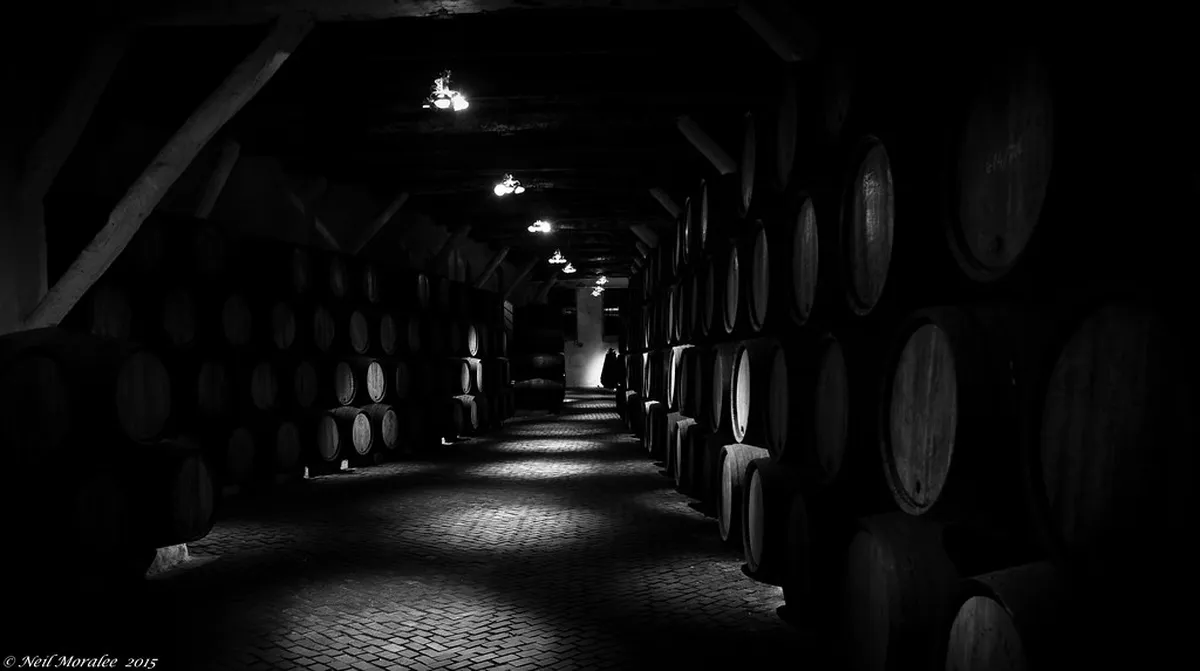
The ancient cellars in Vila Nova de Gaia store thousands of liters of fortified wine in long granite corridors. Most caves open daily from 10:00 to 18:00, and booking ahead is essential between May and September. Tours typically cost €15–€35 and include two to four tastings of different aged ports — tawny, ruby, white, and vintage.
Graham's Lodge sits higher on the hillside and offers a noticeably quieter experience than the caves located right on the water. The terrace view from Graham's is among the best in Gaia. Ramos Pinto and Quinta do Crasto are two more mid-sized lodges that attract fewer coach groups than the large-brand cellars near the riverfront stairs.
One activity almost no competitor mentions: a Fado show held inside a port wine cellar. Fado is originally from Lisbon and Coimbra, not Porto — which makes hearing it inside a barrel-stacked cave on the Gaia side genuinely unusual. Calem wine cellar runs a combined tasting-and-Fado experience. Tickets cost around €20 per person and include a guided tour plus a live 30-minute Fado set. It books out quickly on summer evenings, so purchase tickets at least 48 hours ahead.
Explore the Cathedral District — Steepness Warning
The Sé do Porto sits on the highest point of the city center, reached by a long ramp of uneven granite cobblestones. Entry to the cloister costs around €4 and closes at 18:30. The tiles inside the Gothic cloister are a quieter, more intimate version of São Bento — fewer crowds, equal quality. Budget 45 minutes for the church and cloister combined.
The descent toward Ribeira is where many visitors get into trouble. The route down through the medieval lanes is steep, wet when it rains, and can cause knee strain for older travellers or anyone with joint issues. Wear shoes with grip. The path past Largo da Pena Ventosa — a tiny square ringed with pastel houses — is worth the detour; most tourists walk straight past it without noticing. Flat-soled sandals and flip-flops are a mistake on this descent.
From the cathedral forecourt you can spot the Saint Lawrence Church directly to the south. That rooftop is covered in the next section. The two sites together make a natural morning loop that most visitors do not connect — cathedral first, then double back through the narrow streets to São Lourenço before the afternoon crowds arrive.
See the São Bento Station Tiles
The main hall contains 20,000 hand-painted azulejo tiles depicting Portuguese history, completed by artist Jorge Colaço between 1905 and 1916. This is an active train station, so entry is free and the doors stay open from early morning until late at night. The upper panels near the ceiling show the evolution of Portuguese transport across the centuries.
Arrive before 08:00 or after 21:00 to have the hall largely to yourself. Midday is the worst time — it combines commuter traffic with tourist groups, and the light from the skylights washes out the tile colors for photography. The early-morning light from the eastern windows is ideal for capturing the blue and white panels without glare.
Admire Art Deco Architecture
Porto features some of the finest 1930s Art Deco streetscapes in the Iberian Peninsula. The Rivoli Theater and Cinema Batalha are both restored showpieces. Walking along Avenida dos Aliados toward the town hall reveals geometric brass detailing on upper floors that most people never look up to notice.
A Pérola do Bolhão, located opposite Mercado do Bolhão, is a 1917 grocery store whose facade is covered in Art Nouveau azulejo tiles depicting spice trade scenes. The shop is still operational and sells local cured meats, cheeses, and canned fish. Most visitors photograph the facade and walk past — going inside takes three minutes and gives you a genuine slice of old Porto commerce unchanged since the early twentieth century.
Eat Éclairs at Leitaria da Quinta do Paço
This dairy shop near Praça Guilherme Gomes Fernandes has served artisanal chantilly-filled éclairs since 1920. The defining difference from French éclairs is the filling: light whipped cream rather than custard, which makes them significantly less heavy. Flavors include chocolate, caramel, lemon, and red fruits. Mini versions let you try three or four without commitment.
A single éclair costs around €2. The shop opens at 09:00 and popular flavors often sell out before 14:00 on weekends. If you want the full selection, arrive in the morning. The queue moves quickly, and you can take a box to go — they hold for about two hours before the cream starts to lose its shape in warm weather.
Watch the Clérigos Multimedia Show — Spiritus Booking Guide
The Spiritus show projects light and sound designed around Fernando Pessoa's poems onto the baroque interior of the Clérigos Church. The show runs in 45-minute slots from 18:00 to 21:45, with the last slot at 21:45 on weekday evenings. You can book Spiritus Multimedia Show Tickets online for around €11 per person. The show sells out frequently on Friday and Saturday evenings, especially in July and August.
Daytime slots run during the shoulder season and are noticeably less dramatic — the projections are designed for a dark interior, and afternoon light from the windows dilutes the effect. If you have flexibility, choose an evening slot at 20:00 or 21:00 for maximum impact. Arrive ten minutes early and move toward the back rows of the nave — from there you see the full ceiling arc without having to rotate your head.
The architect Nicolau Nasoni designed Clérigos with a single tower rather than the conventional two — an architectural eccentricity that makes the interior unusually tall and narrow. This vertical proportion is what makes the Spiritus projections so striking. The show lasts 30 minutes, which is short enough to hold the attention of children.
Ride a Buggy in the Hills
Off-road buggy tours depart from operators just outside the city and head into the rugged granite hills of the Minho region. Guided tours last around three hours and cost approximately €80 per vehicle. Most operators include hotel pickup and all necessary safety gear. The routes cross rivers, pass through the picturesque village of Quintandona, and stop at the Roman ruins of Castro Mozinho — details rarely mentioned in standard tour listings.
Bring a light jacket even in summer; the temperature drops noticeably at higher elevation. The guides are professional and the vehicles are modern, so the experience is genuinely accessible to people who are not regular off-road drivers.
Visit the Capela Incomum Wine Bar
This intimate wine bar operates inside a restored 19th-century chapel on a quiet street away from the main tourist circuits. The altar is intact and functions as one of the bar's most unusual tables. The soft chapel lighting creates a genuinely cozy atmosphere that photographs well without effort.
Glasses of Portuguese wine start at €5. The staff is knowledgeable about Douro and Minho region wines and will guide you based on preference. They also serve Portuguese tapas portioned well for two people. The bar opens at 16:00 and fills quickly on weekends — do not arrive at opening time, as staff are often still setting up. Arriving 30 minutes after opening is the practical sweet spot for securing a seat inside the chapel rather than at the exterior tables.
Find the Half Rabbit Street Art by Bordalo II
Artist Bordalo II created this large-scale sculpture entirely from discarded materials — city trash, scrap metal, and industrial waste — to comment on consumption and environmental waste. The piece takes up the full side of a building in Vila Nova de Gaia, a short walk from the main port wine cellars. Entry is free and accessible 24 hours a day.
The best angle for photography is from the side where the colors transition between the discarded objects. Morning light from the east hits the piece directly. It is located in Gaia rather than Porto proper, so combining it with a cave tour or the Fado-in-a-cellar experience on the same afternoon makes efficient use of your time on the south bank.
Climb to the Saint Lawrence Rooftop
The Church of São Lourenço sits directly adjacent to the Porto Cathedral, yet most visitors walk past it without realizing the rooftop is accessible. The church dates to the 16th century and has been modified across several periods, leaving a layered interior of period art and religious artifacts. The rooftop access is included in the €5 museum entry fee.
The view from the bell towers is split in two directions: looking north you see the Porto Cathedral forecourt — usually packed with tourists — while looking south from the same position you see the Clérigos Tower and the Douro River. The contrast is remarkable. Visitors who climb here consistently note that they were the only people on the rooftop. The museum is closed on Mondays and has reduced hours on Sunday afternoons.
Visit the Holy Sandwich Shop and Codeçal Stairs
A Sandeira serves creative sandwiches named after local landmarks and saints, with grilled meat preparations that connect to traditional Portuguese food culture rather than international fast food. The space is small — expect to wait outside at noon. Lunch deals cost around €10 and include a drink. Check the Nelson Carvalheiro Food Guide for additional tavern recommendations that suit the same appetite for authentic local eating.
After lunch, the Codeçal stairs (Escadas do Codeçal) are a ten-minute walk away. These 270-metre stone steps connect the Batalha district down to the Ribeira and date to medieval times, when they linked Santa Clara convent to a city gate. Walking down reveals street art, laundry-draped balconies, and views of the bridge that most tourists never see. Halfway down, My Coffee Porto sits directly on the staircase with three to four outdoor tables and one of the most scenic coffee settings in the city. Arrive early — the outdoor tables are taken by 09:30 on most days.
Browse Mercado do Bolhão and the Serralves Museum
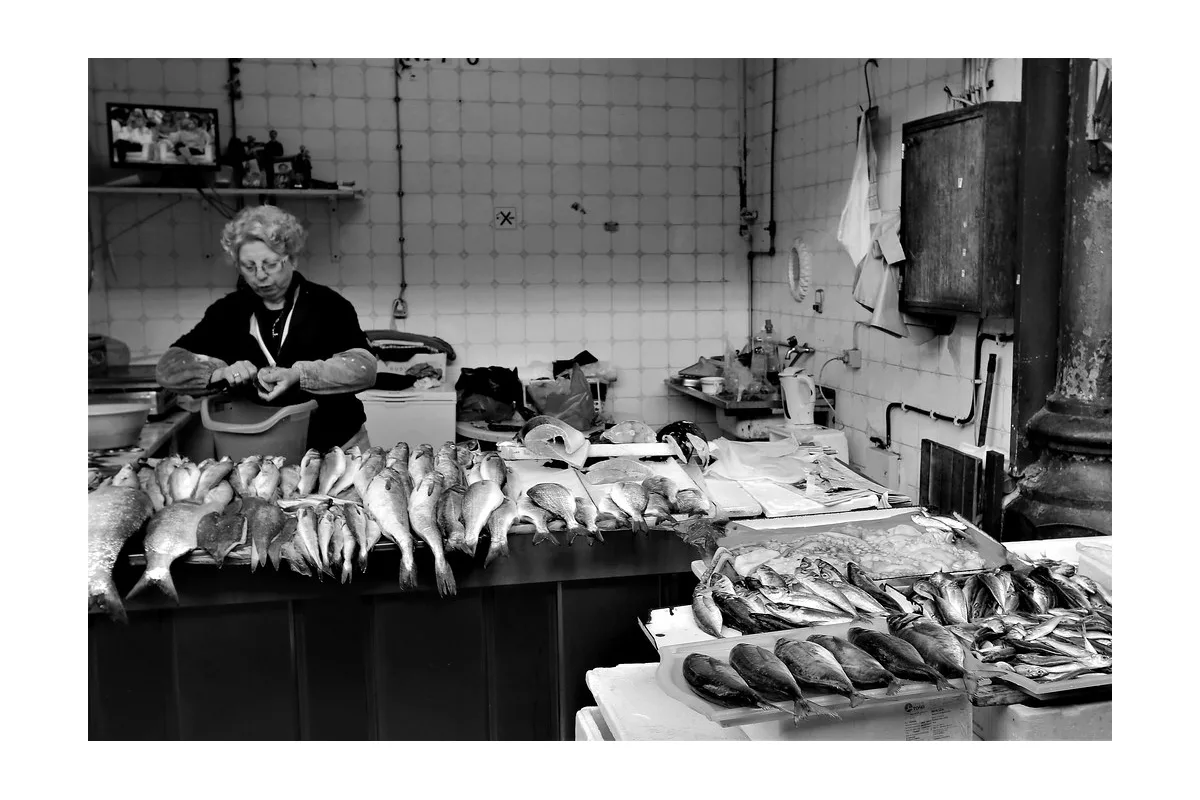
Mercado do Bolhão reopened after a major renovation and now combines a traditional produce market on the ground floor — fresh fish, local cheeses, flowers, tinned goods — with small tapas bars on the upper level serving fresh oysters and wine. The market runs Monday to Saturday from 08:00 to 20:00. The upper level is quieter than the main hall and worth the extra flight of stairs.
For a half-day outside the historic center, the Serralves Museum holds strong. General admission is around €22 and includes both the contemporary art collection in the pink Art Deco villa and a Treetop Walk through the old-growth park. The park opens at 10:00 daily. Casa da Música — designed by Rem Koolhaas and opened in 2005 — is a short metro ride from Serralves and worth combining on the same afternoon. Guided tours of the interior show the wave-like wooden acoustic walls and the Portuguese tile room that echoes São Bento station on a smaller scale.
Join a Pastel de Nata Cooking Class or Azulejo Workshop
A pastel de nata cooking class with a local instructor costs around €30 and runs for approximately 90 minutes. You learn to make the pastry using a traditional family recipe, keep what you bake, and leave with a skill that transfers to your home kitchen. This is one of the most genuinely interactive food experiences in Porto — more hands-on than a food tour and less passive than a tasting.
An azulejo tile painting workshop takes a different approach to Porto's most visible cultural export. You choose a traditional geometric design or create your own, paint the tile, and return two hours later to collect it after firing. The workshop costs around €35 and takes place in a studio in the Bonfim district — a notably flat area of the city compared to the rest of Porto, making it accessible for visitors with mobility limitations. The instructor walks you through the historical context of azulejo production alongside the craft.
How Many Days Do You Need in Porto?
Two days is the minimum to cover the major city highlights — one day in the historic center and one day in Gaia. You will feel rushed and likely skip several items on this list. Three days is the comfortable standard that most visitors leave satisfied with.
Four days opens up the day trips from Porto — Braga, Guimarães, or the Douro Valley vineyards. These are all reachable by train for under €10 return. A fourth day also gives you time for a slower morning: the Codeçal stairs with coffee, a proper sit-down lunch at A Sandeira, an afternoon at Serralves. Porto does not respond well to a tight schedule.
Factor in extra time for the terrain. The steep hills mean most visitors cover less ground per hour than they plan. Rest stops at miradouros (viewpoints) are not optional — they are part of the experience. Most three-day visitors find the pace genuinely relaxing rather than frustrating once they stop trying to optimize each hour.
Best Time to Visit Porto
May and September are the clearest recommendation. Temperatures sit between 18°C and 25°C, crowds are noticeably thinner than in July and August, and hotel rates drop by 20–30% compared to peak summer. The light in these months is also more forgiving for photography — softer than midsummer and longer in the evening.
Winter — November through February — brings rain and grey skies but also genuine atmospheric charm. The city empties of tourists, queues disappear, and a glass of port in a barrel-vaulted cellar on a wet afternoon is hard to improve upon. Some smaller attractions reduce hours, and the outdoor seating at My Coffee Porto on the Codeçal stairs is less appealing in the rain. But accommodation is significantly cheaper and the pace more local.
June 23rd is the São João festival — the single most energetic night of the year in Porto. The city fills with street parties, fireworks over the Douro, and crowds that make Ribeira essentially impassable. If you plan to be in Porto during this week in 2026, book accommodation at least three months in advance and expect prices 40–60% above the normal June rate. It is an extraordinary experience if you embrace the noise and crowds willingly.
May and September offer ideal weather and thinner crowds than peak summer. Winter visits (November–February) bring rain but also lower prices and a genuinely local atmosphere, particularly rewarding for your second or third trip to Porto.
Where to Stay in Porto
Ribeira is the most iconic location — steps from the river, the bridge, and the main landmarks. Noise levels at night can be high due to waterfront bars. It suits first-time visitors who want everything within a five-minute walk and are willing to pay a premium and accept the evening soundtrack.
Cedofeita offers a quieter, more residential feel with concept stores and pedestrian streets. Prices for accommodation and meals run 15–25% below Ribeira rates. The neighborhood connects well to Bonfim and Batalha on foot. It works well as a base for visitors who have already done Ribeira on a previous trip and want to explore a different side of the city.
Vila Nova de Gaia is worth considering for wine enthusiasts and families who want more space. Hotels here often have better views of the Porto skyline from across the river. You will need to cross the bridge each day, which takes about 12 minutes on foot via the lower deck. Learn more about the Portugal travel regions to plan your full itinerary around your interests.
Frequently Asked Questions
Is Porto safe for solo travelers?
Porto is generally very safe for solo travelers at all hours. Stick to well-lit main streets at night and keep an eye on your belongings in crowded areas like Ribeira. The local police are helpful and most residents speak some English.
Can you walk everywhere in Porto?
You can walk to most major sights, but the hills are extremely steep and physically demanding. Consider using the historic tram or the funicular to save your legs on the climb from the river. Comfortable shoes with good grip are mandatory for the cobblestones.
Do I need to tip in Porto restaurants?
Tipping is not mandatory in Porto, but it is appreciated for good service. Rounding up the bill or leaving 5-10% is common in sit-down restaurants. Check your bill first, as some tourist-heavy spots may already include a service charge.
Porto is a city that reveals its best secrets to those who take their time. Whether you are sipping wine in a chapel or admiring tiles at the station, the atmosphere is unique. The combination of grit and grandeur makes it one of Europe's most compelling destinations.
Use this guide to step beyond the standard tourist path and find something special. The hills may be steep, but the views from the top are always worth the effort. Safe travels as you explore the winding streets of this ancient riverside gem.
Continue exploring
More guides you'll find useful