Prenzlauer Berg Berlin Neighborhood Guide Travel Guide
Plan your prenzlauer berg berlin neighborhood guide with top picks, context, timing tips, and practical booking advice for a smoother trip.
On this page
Prenzlauer Berg Berlin Neighborhood Guide
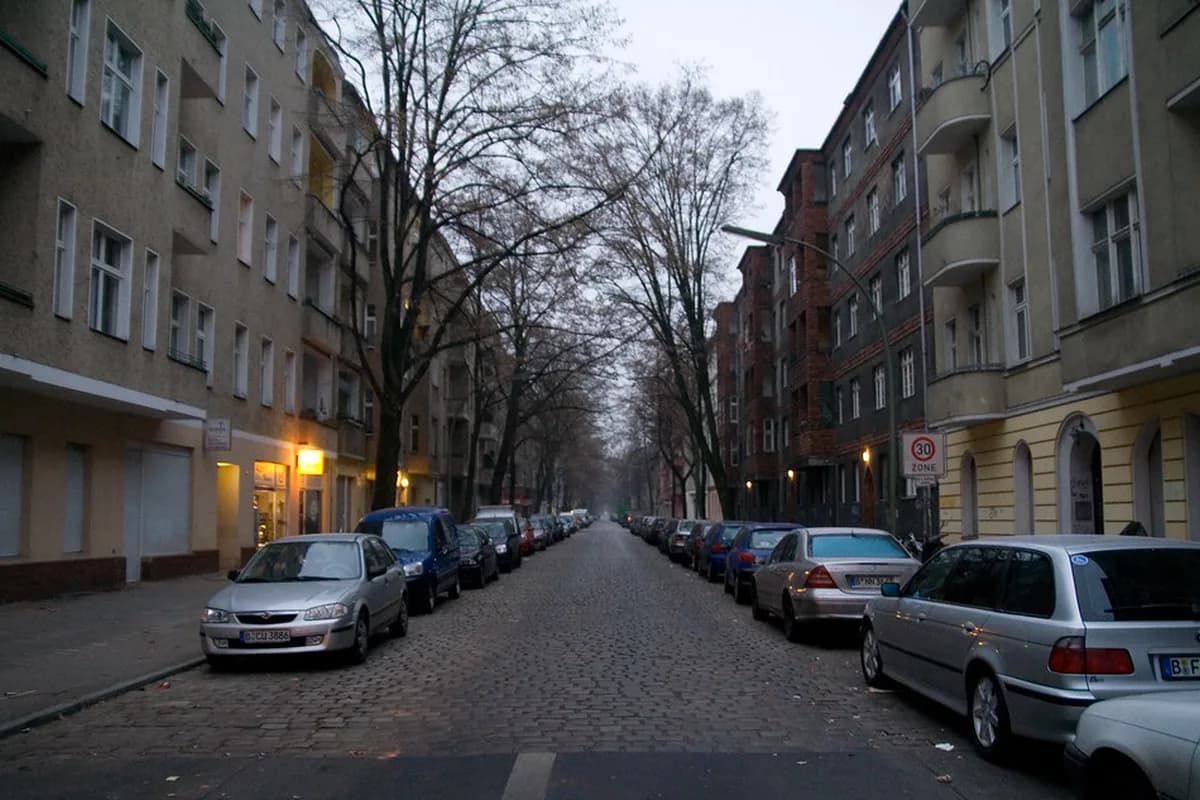
Prenzlauer Berg in Berlin offers a charming and laid-back neighborhood vibe for visitors. This district boasts tree-lined streets, historic architecture, and a lively atmosphere. Exploring Prenzlauer Berg provides a unique glimpse into Berlin's vibrant local culture. Our prenzlauer berg berlin neighborhood guide helps you uncover its many treasures.
This guide covers everything from iconic sights to hidden gems, ensuring a memorable visit. You will find practical tips for planning your days and experiencing local life. Discover the best places to eat, relax, and explore in this beloved Berlin area. Make the most of your time with expert advice and insider recommendations.
The area balances historic charm with modern, trendy boutiques and cafes. It is known for its beautiful squares, independent shops, and diverse culinary scene. Families, artists, and young professionals all call Prenzlauer Berg home. Prepare to immerse yourself in one of Berlin's most appealing districts.
Must-See Prenzlauer Attractions
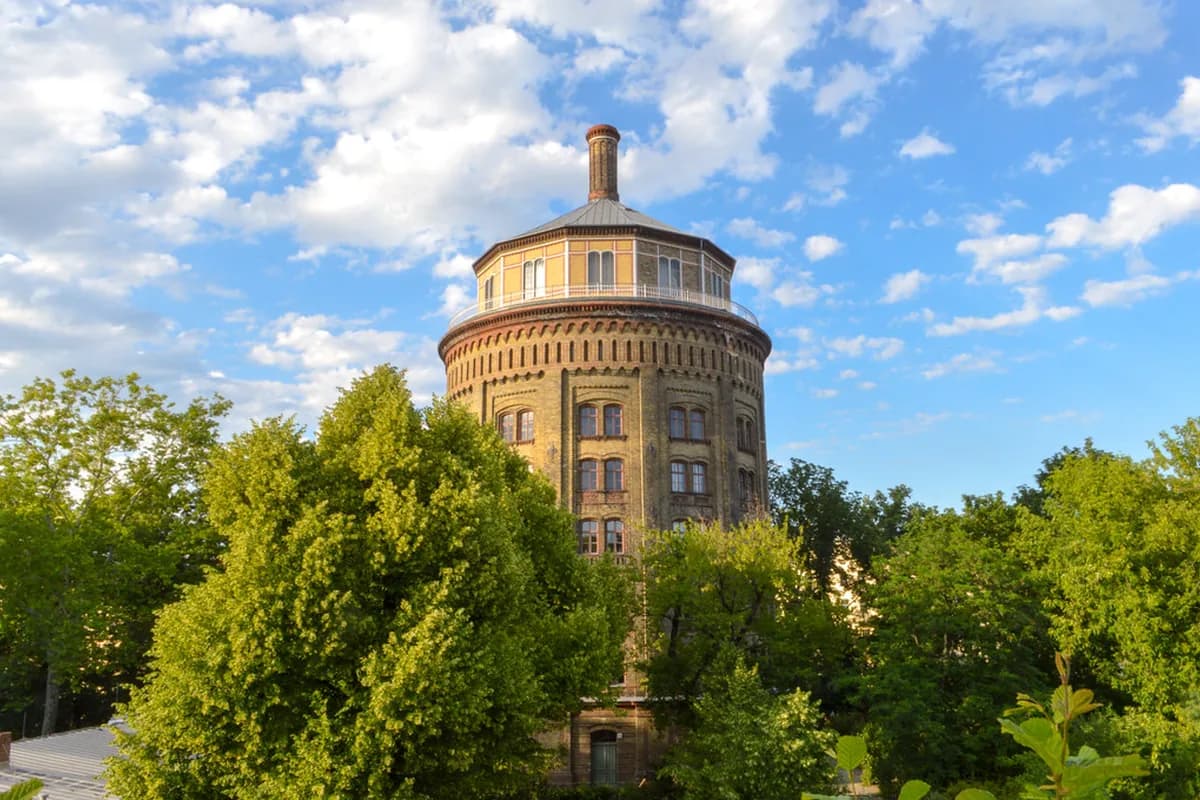
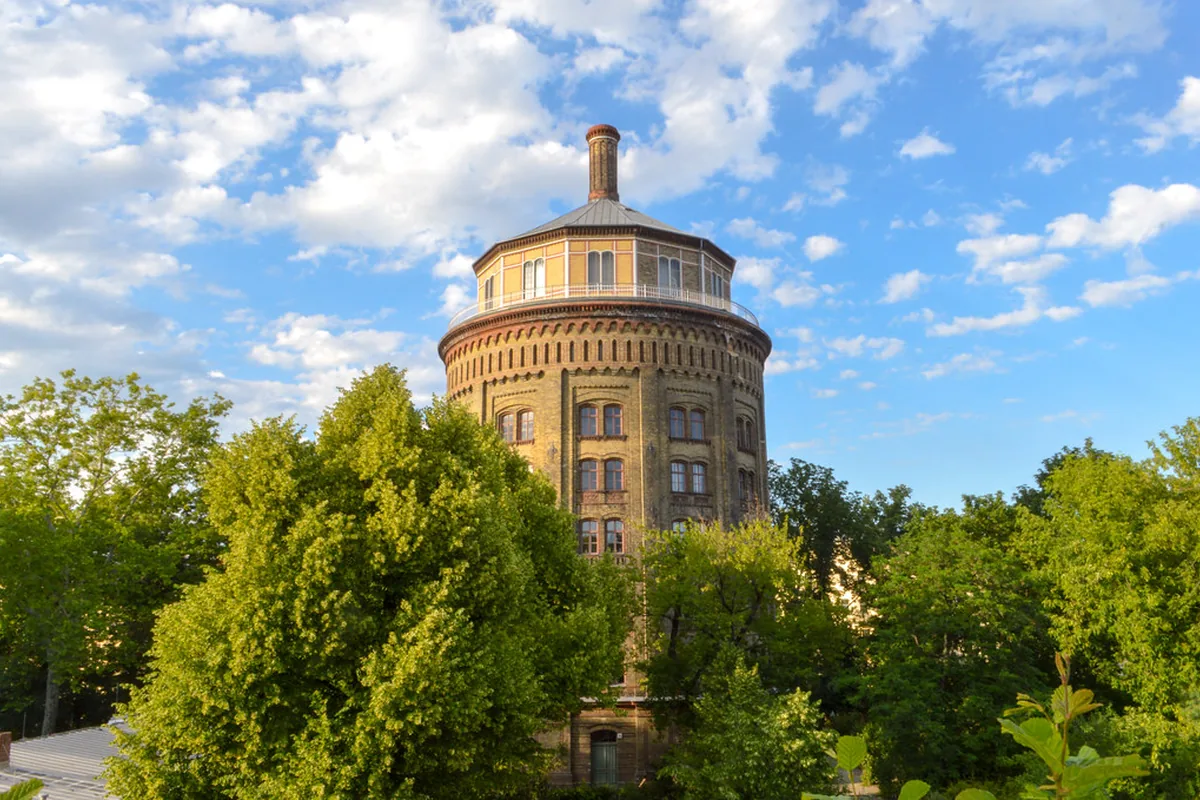
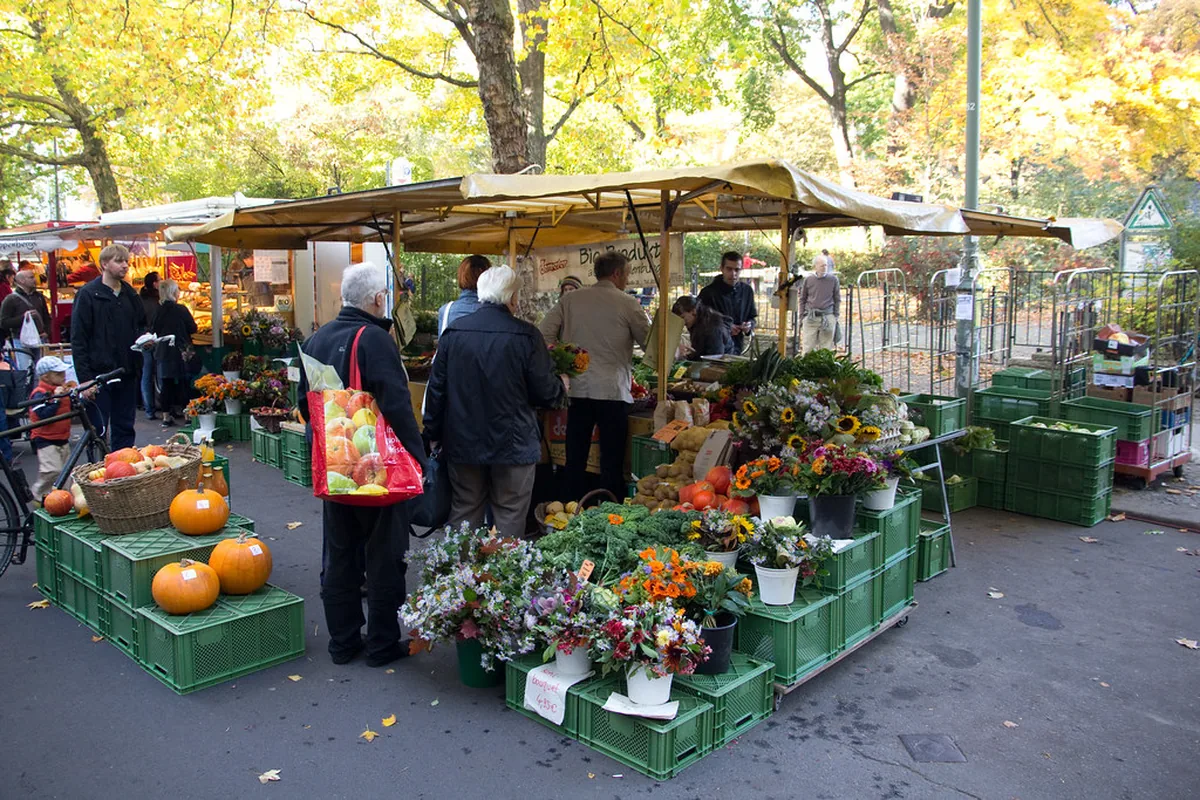
Prenzlauer Berg offers several iconic landmarks that visitors should not miss. The Kollwitzplatz market is a popular spot, especially on Thursdays and Saturdays. You can browse local produce, crafts, and delicious street food here. This square embodies the neighborhood's bohemian spirit. Another significant site is the Water Tower, a historic structure with a fascinating past. Built in the 19th century, it once supplied water to the city. Today, it stands as a distinctive architectural landmark. Its striking red brick design makes it a popular photo opportunity. The surrounding park offers peaceful views and a quiet place to relax. The Gethsemane Church holds historical importance, particularly from the peaceful revolution of 1989. This church served as a gathering point for dissidents. Its role in German reunification is truly significant.
Kollwitzplatz hosts markets on Thursdays (4–8pm) and Saturdays (9am–4pm), making these the ideal times to experience local artisan goods, fresh produce, and street food vendors. Arrive early on Saturdays for the best selection.
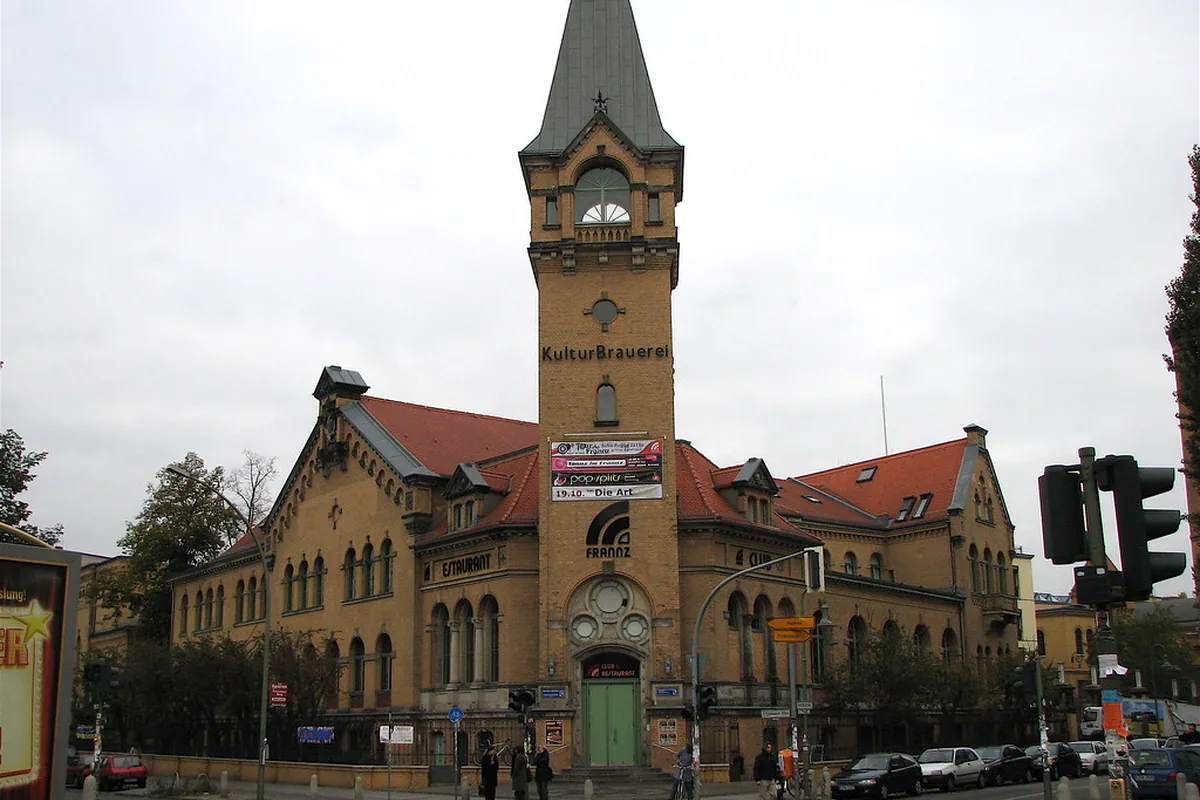
The Mauerpark is another essential stop, famous for its Sunday flea market and open-air karaoke. It offers a lively atmosphere and unique finds. You can spend hours exploring vintage clothes, art, and food stalls. Consider visiting on a sunny Sunday for the full experience. The Kulturbrauerei is an old brewery complex now transformed into a cultural center. It hosts cinemas, theaters, and various events. This vibrant hub offers something for everyone. You can enjoy live music or catch a film. This complex showcases the adaptive reuse of industrial spaces. It provides a dynamic example of Berlin's creative spirit. Check their schedule for upcoming events during your visit. Many visitors enjoy simply strolling through the charming streets like Kastanienallee. This street is lined with boutiques, cafes, and restaurants. It is perfect for window shopping and people-watching. Discover unique fashion and local designs along the way.
Ryke Street Synagogue is another architectural gem, though less frequently visited by tourists. Its stunning facade and rich history are noteworthy. Visitors should check for guided tours or specific opening hours. Respectful viewing from the outside is always an option. The Prater Beer Garden is Berlin's oldest beer garden, offering a traditional German experience. It provides a relaxed setting for enjoying local beers and food. This spot is particularly pleasant during warmer months. It offers a taste of authentic Berlin. The Zeiss-Großplanetarium presents an engaging experience for astronomy enthusiasts. It offers immersive shows and educational programs for all ages. Check their schedule for showtimes and ticket availability. It provides a captivating journey through the cosmos. For a deeper dive into Berlin's past, consider a guided walking tour of Prenzlauer Berg. Many tours focus on the area's history, architecture, or street art. This offers valuable context and local insights. Look for tours that match your interests.
Bearpit Karaoke at Mauerpark runs every Sunday from approximately 3–7pm during warmer months. Arrive by 2pm to secure a good viewing spot as this beloved Berlin institution draws large crowds for live singing and performances.
Museums, Art, and Culture in Prenzlauer
Prenzlauer Berg boasts a rich tapestry of museums, art galleries, and cultural venues. The Kulturbrauerei, mentioned earlier, stands as a prime example of this vibrant scene. This former brewery now houses multiple cultural institutions. It is truly the heart of Prenzlauer Berg's cultural offerings. Inside, you will find a cinema, a theater, and several exhibition spaces. It regularly hosts festivals, concerts, and art markets. Check their official website for a current schedule of events. Many events offer free admission or affordable tickets. The Museum in der Kulturbrauerei focuses on daily life in the German Democratic Republic (GDR). It offers a fascinating glimpse into East German history. This museum provides a unique perspective on a significant era. It helps visitors understand the local past. Several smaller independent galleries are scattered throughout the neighborhood. They showcase works by local and international artists. Many galleries are free to enter and offer unique pieces. Exploring these spaces reveals emerging talent.
For art enthusiasts, a stroll through the side streets often reveals impressive street art and murals. These vibrant displays contribute to the area's artistic character. Look for works around Kollwitzplatz and Helmholtzplatz. They provide a dynamic outdoor gallery. The Pfefferberg complex is another cultural hotspot, featuring art studios, workshops, and event spaces. It hosts a variety of creative activities and performances. You might catch a dance show or an art exhibition. This area fosters artistic collaboration. The Brotfabrik Berlin is an alternative cultural center offering concerts, films, and political discussions. It has a long history as a hub for counter-culture movements. Check their program for unique events. This venue offers a different side of Berlin's culture. Theater Thikwa, located nearby, focuses on inclusive theater productions. They feature actors with and without disabilities. This promotes diversity and provides powerful performances. It is a truly inspiring cultural institution.
The Literaturforum im Brecht-Haus celebrates the legacy of Bertolt Brecht and other literary figures. It hosts readings, discussions, and exhibitions. This venue is perfect for those interested in German literature. It provides intellectual stimulation. Attending a local concert or play can provide an authentic cultural experience. Many smaller venues host live music ranging from jazz to indie rock. Consult local listings for current performances. This allows you to experience Berlin's nightlife like a local. Kino Central is an independent cinema showing a mix of art-house films and international features. It offers a cozy alternative to larger multiplexes. Enjoy a drink at its charming cafe before or after your movie. This is a favorite among residents.
Parks, Gardens, and Outdoor Spots in Prenzlauer
Prenzlauer Berg offers numerous green spaces perfect for relaxation and outdoor activities. Mauerpark is perhaps the most famous, especially for its Sunday flea market. Beyond the market, it provides ample space for picnics and leisurely strolls. This park is a beloved local institution. The park's amphitheater hosts the popular Bearpit Karaoke every Sunday afternoon. This event draws large crowds for its lively and inclusive atmosphere. You can sing along or simply enjoy the spectacle. It is a truly unique Berlin experience. Volkspark Friedrichshain, though technically just outside Prenzlauer Berg, is easily accessible. It features vast lawns, playgrounds, and the enchanting Märchenbrunnen (Fairy Tale Fountain). This large park is ideal for longer walks or runs. It provides a peaceful escape from city life. The fountain depicts characters from Brothers Grimm fairy tales. It offers a whimsical touch to the park landscape. Children especially love exploring its intricate sculptures. This makes it a great family destination.
Kollwitzplatz itself offers a small but charming green area surrounded by cafes. It is perfect for a short break or enjoying an outdoor coffee. The statues dedicated to Käthe Kollwitz add a touch of artistic reflection. This square embodies the neighborhood's artistic spirit. Helmholtzplatz is another popular square with green spaces and playgrounds. It serves as a community gathering point, especially for families. Children can play safely while adults relax on benches. This vibrant square hosts local events. The former Jewish Cemetery on Schönhauser Allee offers a serene and contemplative space. It is one of Berlin's oldest Jewish cemeteries, dating back to 1827. While not a typical park, its historic trees and quiet atmosphere are striking. Visitors can reflect on its solemn history. For a unique outdoor experience, consider visiting the small community gardens known as 'Kleingartenanlagen'. These allotments offer a glimpse into local urban gardening culture. While private, their charming aesthetics are visible from public paths. They show a different side of city living.
The area around the Wasserturm (Water Tower) also features a small park. It provides a quiet spot with benches and mature trees. This is a perfect place for reading or a peaceful break. The historic tower adds a unique backdrop. It offers a tranquil setting. Cycling is a popular way to explore Prenzlauer Berg's many outdoor areas. The flat terrain makes it easy to navigate by bike. You can rent a bike from several local shops. This offers flexibility and a local perspective. Many cafes and restaurants in Prenzlauer Berg offer outdoor seating. This allows you to enjoy the fresh air and people-watch. Find a sunny spot on a quiet street for a relaxing afternoon. Embrace the outdoor lifestyle of Berliners.
Family-Friendly and Budget-Friendly Options in Prenzlauer
Prenzlauer Berg is renowned for its family-friendly atmosphere and numerous budget-conscious activities. Many playgrounds are scattered throughout the neighborhood, offering free entertainment for children. Helmholtzplatz and Kollwitzplatz both feature excellent play areas. These spaces are well-maintained and safe. The Mauerpark flea market on Sundays provides free entertainment and unique window shopping. Kids can enjoy the vibrant atmosphere and street performers. Finding a special souvenir doesn't have to break the bank. You might discover a hidden treasure. For a low-cost cultural experience, visit the Museum in der Kulturbrauerei. It often has free exhibitions focusing on GDR history. This offers an educational outing without an admission fee. It provides insights into a significant historical period. Walking tours focusing on the neighborhood's history or street art can be very affordable or even free. Look for tip-based tours that allow you to pay what you feel is fair. This is a great way to learn about the area. It provides local context and stories.
Many cafes and bakeries offer delicious and inexpensive pastries and snacks. These are perfect for a quick breakfast or afternoon treat. Look for places offering 'Mittagsmenü' (lunch specials) for budget-friendly meals. This is a common way to save money. The Prater Beer Garden offers reasonably priced food and drinks in a relaxed setting. Families can enjoy the outdoor atmosphere. Children often have space to move around. It provides an authentic German experience without excessive cost. For active families, renting bikes is a great option. Exploring the neighborhood on two wheels is fun and affordable. Many parks are easily accessible by bike. This allows for flexible and active sightseeing. The Zeiss-Großplanetarium offers engaging shows that are generally affordable for families. Check for family packages or special discounts. It provides an educational and entertaining experience. This is a memorable outing for all ages.
The Children's Museum at FEZ-Berlin (located a bit further out but accessible) offers interactive exhibits. This museum is specifically designed for younger visitors. It provides hands-on learning and creative play. It is a fantastic option for a rainy day. Picnics in Mauerpark or Volkspark Friedrichshain are excellent budget-friendly options. Purchase food from local markets or grocery stores. Enjoying a meal outdoors saves money on restaurant bills. It also creates a relaxed atmosphere. Many local festivals and street events take place throughout the year. These often offer free entry and family-friendly activities. Check local event listings for your travel dates. They provide a lively and authentic experience. Embrace the local celebrations.
How to Plan a Smooth Prenzlauer Attractions Day
Planning your day in Prenzlauer Berg ensures you make the most of your visit. Start your morning at Kollwitzplatz or Helmholtzplatz to soak in the local atmosphere. Enjoy breakfast at one of the many charming cafes in the area. This sets a relaxed tone for your day. Consider visiting the Kollwitzplatz market on a Thursday or Saturday morning. This allows you to experience a vibrant local tradition. Afterward, you can explore the nearby boutiques and galleries. This combines shopping with cultural immersion. For attractions, group nearby sites together to minimize travel time. The Kulturbrauerei and Gethsemane Church are relatively close. You can easily walk between them. This helps create an efficient itinerary. Plan your stops logically. If visiting on a Sunday, prioritize Mauerpark for its famous flea market and karaoke. Arrive early to find parking or use public transport. The market gets very crowded by midday. Early arrival offers a better experience.
Public transport in Berlin is excellent, making it easy to navigate Prenzlauer Berg. Use the U-Bahn (subway), S-Bahn (urban rail), or tram. A day ticket can be a cost-effective option for extensive travel. For detailed transit maps and neighborhood information, consult Berlin's official city site. Walking is often the best way to experience the neighborhood's charm. Many streets are pedestrian-friendly and offer beautiful architecture. Wear comfortable shoes for exploring on foot. This allows for spontaneous discoveries. Allocate enough time for each attraction, especially if you plan to enter museums or galleries. Rushing through can diminish the experience. A typical museum visit might take 1-2 hours. Adjust based on your interest levels. Lunch options are plentiful, from casual street food to sit-down restaurants. Consider trying a local 'Currywurst' or a Döner kebab for an authentic Berlin snack. Many cafes offer affordable lunch specials. This saves money and time.
Afternoon activities could include exploring specific shopping streets like Kastanienallee. You can also visit a small art gallery. Alternatively, relax in one of the neighborhood's parks. This provides a balanced mix of activities. Enjoy a leisurely pace. For dinner, Prenzlauer Berg offers a diverse culinary scene. Make reservations for popular restaurants, especially on weekends. Many establishments cater to various dietary preferences. Explore options from traditional German to international cuisine. End your day with a drink at a cozy bar or a visit to the Prater Beer Garden. This provides a relaxing conclusion to your explorations. Enjoy the evening ambiance of Prenzlauer Berg. Reflect on your day's adventures.
Top Tips for Berlin Prenzlauer Berg
To truly experience Prenzlauer Berg, embrace its relaxed pace and local charm. Avoid rushing between sights and instead enjoy leisurely strolls. This neighborhood is best explored on foot or by bike. Allow yourself time to discover hidden courtyards and street art. The best time to visit for pleasant weather and fewer crowds is during the shoulder seasons. April to June and September to October offer comfortable temperatures. You will find outdoor cafes and parks more enjoyable. These months provide an ideal balance. Always carry some cash, as some smaller shops and cafes might not accept card payments. While cards are widely accepted, having euros on hand is always practical. This ensures smooth transactions everywhere. It avoids any inconvenience. Learn a few basic German phrases like 'Guten Tag' (hello) and 'Danke' (thank you). While English is widely spoken, locals appreciate the effort. A little German goes a long way. It enhances your interactions.
For dining, venture beyond the main squares to find authentic and often more affordable restaurants. Many hidden gems are tucked away on side streets. Ask locals for their favorite recommendations. This leads to unique culinary experiences. Sunday is a particularly vibrant day in Prenzlauer Berg, especially around Mauerpark. However, many shops are closed on Sundays in Germany. Plan your shopping for weekdays. This helps manage expectations for your visit. Consider purchasing a Berlin WelcomeCard for unlimited public transport and discounts on attractions. This can be a cost-effective option if you plan to visit many sites. Choose the card that best fits your itinerary. It simplifies travel logistics. Prenzlauer Berg is generally very safe, but always be aware of your surroundings, especially in crowded areas. Keep an eye on your belongings in public transport and markets. Basic precautions ensure a trouble-free trip.
Explore the many 'Hinterhöfe' (inner courtyards) for a glimpse into the neighborhood's unique architecture. Many courtyards are open to the public and reveal charming gardens or small businesses. These hidden spaces offer a peaceful escape. They showcase a different side of urban living. Don't be afraid to wander off the main tourist paths. Some of the most charming streets and local spots are found off the beaten track. This allows for genuine discoveries. You might stumble upon a favorite cafe. For more unique finds, check out unusual things to do in Berlin. Visit a local weekly market for fresh produce and regional specialties. Besides Kollwitzplatz, smaller markets offer a taste of local life. This provides an authentic shopping experience. It connects you with the community. For unique shopping, explore the independent boutiques and vintage stores. Prenzlauer Berg is known for its distinctive fashion and design shops. You can find one-of-a-kind items. Support local artisans and designers.
Neukölln - Alternative, multicultural, and distinctly Berlin
Neukölln offers a stark contrast to Prenzlauer Berg's gentrified charm, presenting a raw and vibrant alternative. This district is known for its multicultural population and thriving artistic scene. It attracts a younger, more alternative crowd. Neukölln embodies a distinctly Berlin feel. The neighborhood is characterized by its gritty authenticity, bustling markets, and diverse culinary offerings. You will find a mix of traditional Turkish eateries and trendy international restaurants. The atmosphere is energetic and ever-evolving. It offers a truly global experience. Decision criteria for choosing Neukölln include a desire for vibrant nightlife and a more 'local' experience. It is less polished than Prenzlauer Berg, but full of character. Travelers seeking an edgy, creative vibe will feel at home. It offers a different side of Berlin. Practical constraints include longer travel times to some central attractions compared to Mitte. Accommodation options can be more budget-friendly but vary widely in quality. Research specific areas within Neukölln for your stay. For a deeper dive into this area, explore our Neukölln Berlin neighborhood guide.
Neukölln is famous for its independent cafes, bars, and art spaces, particularly around Weserstraße and Sonnenallee. These streets are bustling with activity, especially in the evenings. You can find live music, DJ sets, and unique art installations. It is a hub for creative expression. The Maybachufer market, especially on Tuesdays and Fridays, offers a fantastic array of fresh produce and international foods. Its Turkish market on Tuesdays and Fridays is a highlight. This provides an authentic local shopping experience. It is a sensory delight. For green spaces, Tempelhofer Feld, a former airport now a public park, is easily accessible from Neukölln. It offers vast open spaces for cycling, picnicking, and urban gardening. This unique park embodies Berlin's innovative spirit. It's perfect for outdoor activities. The Schillerkiez area offers a more relaxed atmosphere with charming streets and independent boutiques. It provides a slightly quieter alternative to the busier parts of Neukölln. This area is known for its quaint cafes. It offers a pleasant contrast.
Neukölln's appeal lies in its constant evolution and refusal to be pigeonholed. It is a place where old and new, traditional and avant-garde, coexist. This creates a dynamic and exciting environment. Every visit can reveal something new. The neighborhood keeps reinventing itself. While gentrification is also present, Neukölln retains much of its original character and community feel. It offers a more authentic glimpse into Berlin's diverse social fabric. This makes it an interesting choice for travelers. It provides a unique cultural immersion. Consider Neukölln if you prefer an energetic, multicultural district with a strong sense of community. It provides a contrast to the more polished areas. It is an excellent choice for those seeking a vibrant and unconventional Berlin experience. Enjoy its distinctive energy.
Charlottenburg - Wealthy and pleasant, but a bit generic
Charlottenburg presents a stark contrast to Prenzlauer Berg, offering a more upscale and elegant, yet somewhat less unique, Berlin experience. This western district is characterized by grand boulevards, luxury shopping, and opulent architecture. It exudes a refined and stately charm. It feels distinctly different from the east. The neighborhood is home to high-end boutiques on Kurfürstendamm and department stores like KaDeWe. This makes it a prime destination for luxury shopping. It caters to a more affluent clientele. You will find many international brands here. Decision criteria for choosing Charlottenburg include a preference for classic elegance and convenient access to western Berlin attractions. It offers a sense of traditional grandeur. Travelers seeking a quieter, more polished environment will appreciate it. It feels very European. Practical constraints include higher accommodation and dining costs compared to Prenzlauer Berg or Neukölln. The atmosphere can feel less 'Berlin' and more universally European. For a detailed exploration, refer to our Charlottenburg Berlin neighborhood guide.
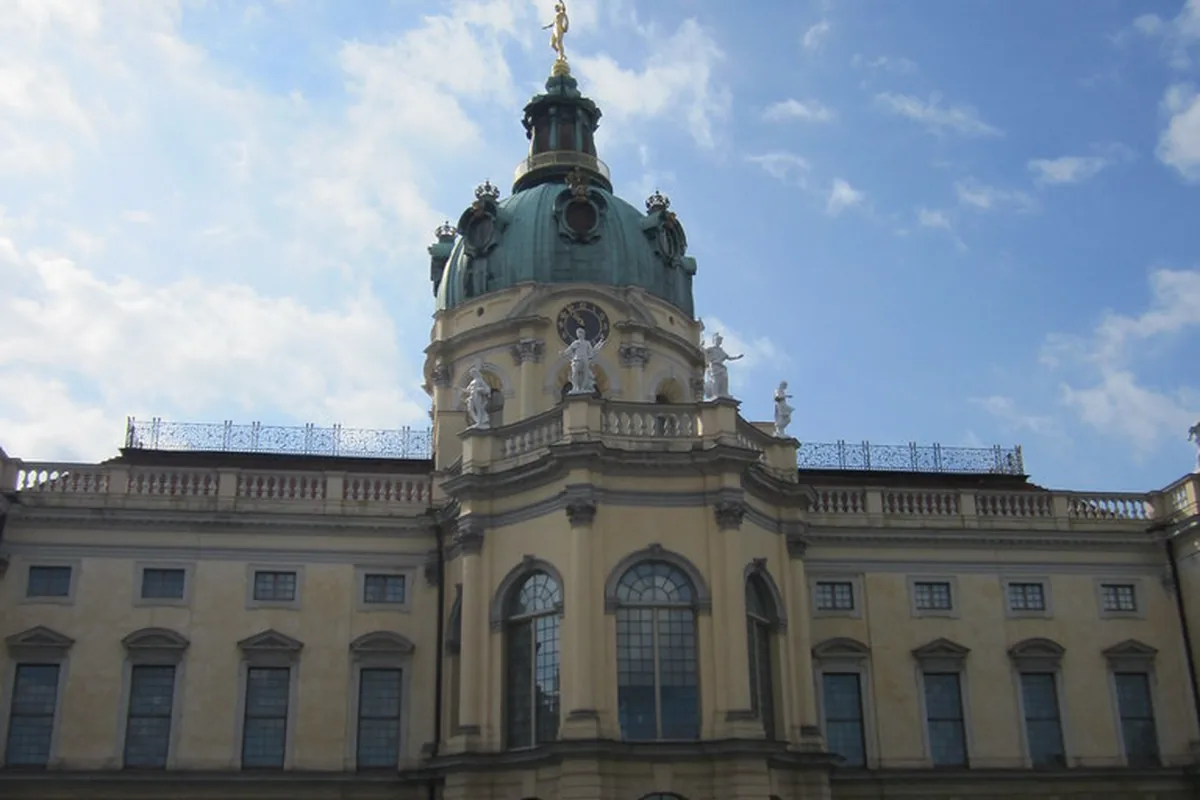
Charlottenburg Palace is the district's crown jewel, a magnificent Baroque residence surrounded by sprawling gardens. It offers a glimpse into Prussian royal history. The palace and its grounds are a major draw. Plan several hours to explore fully. The area around Savignyplatz offers charming cafes, bookstores, and restaurants. It provides a more intimate and less bustling atmosphere than Kurfürstendamm. This square is perfect for a leisurely afternoon. It has a sophisticated local feel. The Zoo Berlin and Aquarium are major family-friendly attractions located in Charlottenburg. They offer a full day of entertainment. These are popular choices for visitors of all ages. They are among the oldest zoos in Germany. The Deutsche Oper Berlin provides world-class opera and ballet performances. It is a cultural highlight for enthusiasts. Check their schedule and book tickets in advance. This offers an elegant evening out.
While beautiful, Charlottenburg can sometimes feel a bit generic compared to other Berlin neighborhoods. It lacks the distinct subcultures and street art scenes found elsewhere. It caters more to conventional tastes. This might be a trade-off for some. Its appeal is strong for those who prioritize comfort, luxury, and proximity to traditional cultural institutions. It offers a safe and pleasant environment. It provides a sense of calm amidst the city's dynamism. It is a good choice for a relaxing trip. Consider Charlottenburg if you seek a polished, comfortable base with excellent shopping and cultural venues. It provides a different facet of Berlin. It is ideal for travelers who appreciate classic European elegance. Enjoy its refined atmosphere.
Kreuzberg - Busy, fun, and gentrifying rapidly
Kreuzberg offers a vibrant, often chaotic, and rapidly gentrifying experience that contrasts with Prenzlauer Berg's established charm. This district is known for its diverse communities, lively nightlife, and strong political history. It pulses with an undeniable energy. It feels very much alive. The neighborhood is famous for its street art, independent shops, and countless bars and eateries. It attracts a youthful, alternative crowd. You will find everything from traditional Turkish food to vegan cafes. Kreuzberg is a culinary melting pot. Decision criteria for choosing Kreuzberg include a desire for a lively, edgy atmosphere and a rich cultural tapestry. It offers a dynamic experience. Travelers seeking vibrant nightlife and diverse cultural encounters will love it. It is a hub of activity. Practical constraints include noise levels, especially on weekends, and a sometimes gritty urban environment. Accommodation can range from budget hostels to boutique hotels. Research specific areas within Kreuzberg for your stay. For more information, read our Kreuzberg Berlin neighborhood guide.
East Kreuzberg (SO36) is particularly known for its punk rock history and alternative scene. It hosts numerous clubs, bars, and live music venues. This area comes alive at night. It is a must-visit for party-goers. The area has a rebellious spirit. West Kreuzberg (SW61) offers a more relaxed vibe with charming streets and the beautiful Bergmannkiez. This area features many cafes and independent boutiques. It provides a pleasant contrast. It feels more residential. The Jewish Museum Berlin is a significant cultural institution located in Kreuzberg. It offers powerful insights into German-Jewish history. The architecture itself is remarkable. Allow several hours for a thorough visit. Markthalle Neun is a historic market hall famous for its Street Food Thursday event. It offers a diverse range of international street food. This is a culinary highlight for many visitors. Check their website for event schedules.
Gentrification is rapidly changing Kreuzberg, bringing new businesses and higher rents. While some lament the loss of its original character, it also means more diverse offerings. The neighborhood is constantly evolving. It balances tradition with modernity. Despite changes, Kreuzberg retains its unique spirit and strong sense of community. It remains a focal point for cultural and political activism. This makes it a fascinating place to explore. It offers a genuine Berlin experience. Consider Kreuzberg if you are looking for a lively, diverse, and culturally rich neighborhood. It provides an intense urban experience. It is ideal for those who enjoy a bit of edge and constant discovery. Embrace its dynamic energy.
Mitte - Central and convenient, but less atmospheric
Mitte, meaning 'middle' or 'center', is Berlin's most central and historically significant district. It offers unparalleled convenience for accessing major landmarks and tourist attractions. While central, it often feels less atmospheric and more tourist-focused than Prenzlauer Berg. It lacks some of the local charm. This neighborhood is home to iconic sites like the Brandenburg Gate, Reichstag Building, and Museum Island. It serves as a perfect base for first-time visitors to Berlin. You can walk to many famous locations. It is a hub of activity. Decision criteria for choosing Mitte include a priority for convenience, historical landmarks, and easy access to public transport. It is ideal for efficient sightseeing. Travelers who want to be in the thick of it will appreciate this. It offers a comprehensive overview of Berlin. Practical constraints include higher prices for accommodation, dining, and general services. The area can feel crowded and lacks the quiet, residential charm of other districts. It might not offer an authentic local experience. For a broader view of Berlin's districts, see our Berlin neighborhoods guide.
Museum Island, a UNESCO World Heritage site, houses five world-renowned museums. These include the Pergamon Museum and the Altes Museum. It is a cultural treasure trove. Plan a full day to explore its collections. It is a must-see for history buffs. Unter den Linden is a historic boulevard lined with impressive buildings and monuments. It leads directly to the Brandenburg Gate. This iconic street is perfect for a stately stroll. It connects many significant sites. The Hackesche Höfe is a complex of interconnected courtyards offering unique shops, cafes, and theaters. It provides a more intimate atmosphere within Mitte. This area is great for exploring. It combines history with modern commerce. The TV Tower at Alexanderplatz offers panoramic views of the entire city. It is a popular spot for tourists seeking a bird's-eye perspective. Book tickets in advance to avoid long queues. The view is truly spectacular.
Mitte serves as a central hub but can sometimes feel a bit sterile or lacking in local character. Many residents commute in for work rather than living there. It lacks the strong community feel of Prenzlauer Berg. This can be a trade-off. Its appeal lies in its efficiency and concentration of major sights. It is perfect for travelers with limited time who want to see the main attractions. It provides a straightforward way to experience Berlin. It is a convenient choice. Consider Mitte if you prioritize easy access to major landmarks and efficient sightseeing. It offers a classic tourist experience. It is ideal for first-time visitors who want to cover a lot of ground quickly. Embrace its central location.
Frequently Asked Questions
Which prenzlauer berg berlin neighborhood guide options fit first-time visitors?
First-time visitors to Prenzlauer Berg should focus on iconic spots like Kollwitzplatz, Mauerpark, and the Kulturbrauerei. These locations offer a great introduction to the neighborhood's charm and cultural scene. Consider a guided walking tour for an informative overview. This provides context and insights for newcomers.
How much time should you plan for prenzlauer berg berlin neighborhood guide?
To fully experience Prenzlauer Berg, plan at least one full day, or even two. This allows for leisurely exploration of markets, parks, and museums. A single afternoon might cover a few highlights, but a longer visit truly captures its essence. Factor in time for dining and relaxation.
What should travelers avoid when planning prenzlauer berg berlin neighborhood guide?
Avoid visiting major markets like Mauerpark late in the day, especially on Sundays, as they become very crowded. Do not expect all shops to be open on Sundays, as this is a quiet day for retail. Avoid rushing through the charming streets; embrace a slower pace. Don't forget to carry some cash for smaller vendors.
Is prenzlauer berg berlin neighborhood guide worth including on a short itinerary?
Yes, Prenzlauer Berg is definitely worth including, even on a short Berlin itinerary. It offers a distinct, charming experience different from central Mitte. Prioritize a few key attractions like Kollwitzplatz and Mauerpark. This provides a lovely contrast to Berlin's historical sites. It offers a taste of local life.
Which Must-See Prenzlauer Attractions options fit first-time visitors?
First-time visitors should prioritize the Kollwitzplatz market for local flair and the historic Water Tower for unique architecture. Mauerpark on a Sunday offers a lively cultural experience with its flea market and karaoke. The Kulturbrauerei provides a good overview of the area's cultural scene. These spots offer a great introduction.
Other Districts That Have Finished Changing
Prenzlauer Berg completed the whole cycle between 1990 and about 2010 and is now the most expensive part of the east. Munich's Haidhausen did the same thing more slowly and with less argument. Ljubljana's Trnovo is the small-city equivalent.
Prenzlauer Berg stands out as a unique and charming district within Berlin, offering a blend of history, culture, and modern vibrancy. This prenzlauer berg berlin neighborhood guide has explored its must-see attractions, cultural hotspots, and tranquil green spaces. It provides essential tips for a memorable visit. Whether you seek artistic inspiration, family-friendly fun, or simply a relaxed atmosphere, Prenzlauer Berg delivers. Its distinctive character truly sets it apart from other Berlin neighborhoods. You will find a welcoming and engaging environment here. This area invites exploration. From the bustling markets to the serene courtyards, every corner holds a new discovery. Embrace the local pace and allow yourself to wander. This will reveal the true essence of this beloved Berlin district. Plan your trip to uncover its many layers.
While other districts like Neukölln, Charlottenburg, Kreuzberg, and Mitte offer their own distinct experiences, Prenzlauer Berg holds a special appeal. It balances historical significance with a contemporary, community-focused feel. This makes it a compelling choice for many travelers. It offers a well-rounded experience. Remember to explore beyond the main tourist trails for authentic insights. Engage with local vendors and embrace the neighborhood's unique rhythm. Your journey through Prenzlauer Berg will be rich with discovery. It promises lasting memories. We hope this prenzlauer berg berlin neighborhood guide helps you plan an unforgettable trip. Prepare to fall in love with its tree-lined streets and vibrant energy. Enjoy your adventure in one of Berlin's most cherished areas. Safe travels!
Pair this with our broader guide to Berlin's hidden gems to plan the rest of your trip.
Continue exploring
More guides you'll find useful