15 Unique Off The Beaten Path Berlin Experiences (2026)
Plan off the beaten path Berlin with top picks, neighborhood context, timing tips, and practical booking advice for a smoother trip.
On this page
15 Off The Beaten Path Berlin Gems to Discover in 2026
After three visits to Berlin over the past five years, I’ve learned that the city truly rewards those willing to look beyond its famous landmarks. While iconic spots like the Brandenburg Gate are essential, Berlin's true character often resides in its lesser-known corners. This guide, last refreshed in November 2025 after my autumn return visit, shares my top picks for an authentic, off-the-beaten-path Berlin experience. Prepare to discover the vibrant, quirky, and deeply historical side of this incredible city that many tourists miss.
Exploring off the beaten path in Berlin means stepping into local neighborhoods and uncovering hidden cultural treasures. It's about finding unique spaces that tell a different story, far from the bustling crowds. From abandoned spy stations to serene garden landscapes, these experiences offer a genuine connection to Berlin's diverse spirit. Let's dive into some truly memorable spots that promise a unique adventure.
15 Unique Off-the-Beaten-Path Experiences in Berlin (2026)
Berlin is a city of layers, with a rich history and a constantly evolving cultural scene that extends far beyond its well-trodden paths. To truly appreciate its depth, venturing into its hidden corners is essential. These 15 unique experiences offer a glimpse into the authentic Berlin, showcasing its artistic flair, historical quirks, and tranquil escapes.
We've curated a list that balances historical intrigue with natural beauty, and local hangouts with artistic endeavors. Each spot provides a distinct flavor of the city, ensuring your visit is both memorable and deeply personal. Get ready to uncover the Berlin that locals cherish and seasoned travelers seek out.
- Explore Tempelhofer Feld, a former airport turned public park
- This vast urban park is built on the runways of the former Tempelhof Airport, offering wide-open spaces for cycling, picnicking, and urban gardening.
- It's a unique example of urban repurposing, where history meets modern recreational freedom, perfect for all ages.
- Located in Tempelhof-Schöneberg, it's free to enter and generally open from dawn till dusk; check seasonal hours online.
- Getting there is easy via U6 (Platz der Luftbrücke or Tempelhof) or S-Bahn (Tempelhof); rent bikes nearby to cover more ground.
- Tip: Visit on a sunny afternoon to see Berliners flying kites, rollerblading, and enjoying the expansive concrete runways.
- Wander through the Gardens of the World in Marzahn
- Discover diverse international garden styles, from Japanese and Chinese to Balinese and English, spread across a sprawling landscape in Berlin's east. The official Berlin Parks site maintains current details on hours and seasonal exhibitions.
- This peaceful oasis offers stunning horticultural displays and cultural pavilions, providing a global journey in one location.
- Entry costs around €7 per adult, with varying seasonal hours, typically 9 AM to 8 PM in summer; plan for 3-4 hours.
- Reach it via the U5 to Kienberg Gärten der Welt and then the IGA Cable Car or bus; the cable car offers great views.
- Tip: Don't miss the traditional tea ceremonies in the Chinese Garden, often held on weekends, for an immersive cultural experience.
- Catch a show at Biesdorfer Parkbühne Open-Air Stage
- This charming open-air stage within Biesdorf Park hosts a variety of concerts, theater performances, and community events during warmer months.
- It provides a relaxed, local cultural experience under the stars, away from the city center's usual venues.
- Ticket prices vary by event, usually €10-€25; check their official program for dates, typically May to September.
- Located in Marzahn-Hellersdorf, it's accessible by S5 (Biesdorf) or U5 (Elsterwerdaer Platz) followed by a short walk or bus.
- Tip: Bring a blanket and arrive early to secure a good spot on the grassy hill for the best viewing experience.
- Visit the Grave of Heinrich von Kleist & Henriette Vogel
- Located by the serene Wannsee lake, this poignant memorial marks the final resting place of the German writer Heinrich von Kleist and his companion Henriette Vogel.
- Their shared grave tells a dramatic story of a suicide pact, offering a quiet moment of reflection on a lesser-known piece of German history.
- The site is always accessible and free to visit, making it a contemplative stop on a walk around Wannsee.
- Take the S1 or S7 to Wannsee station, then enjoy a scenic 15-minute walk along the lakeside path to reach the grave.
- Tip: Combine this visit with a boat trip on Wannsee or a stroll through the nearby historic villas for a full day out.
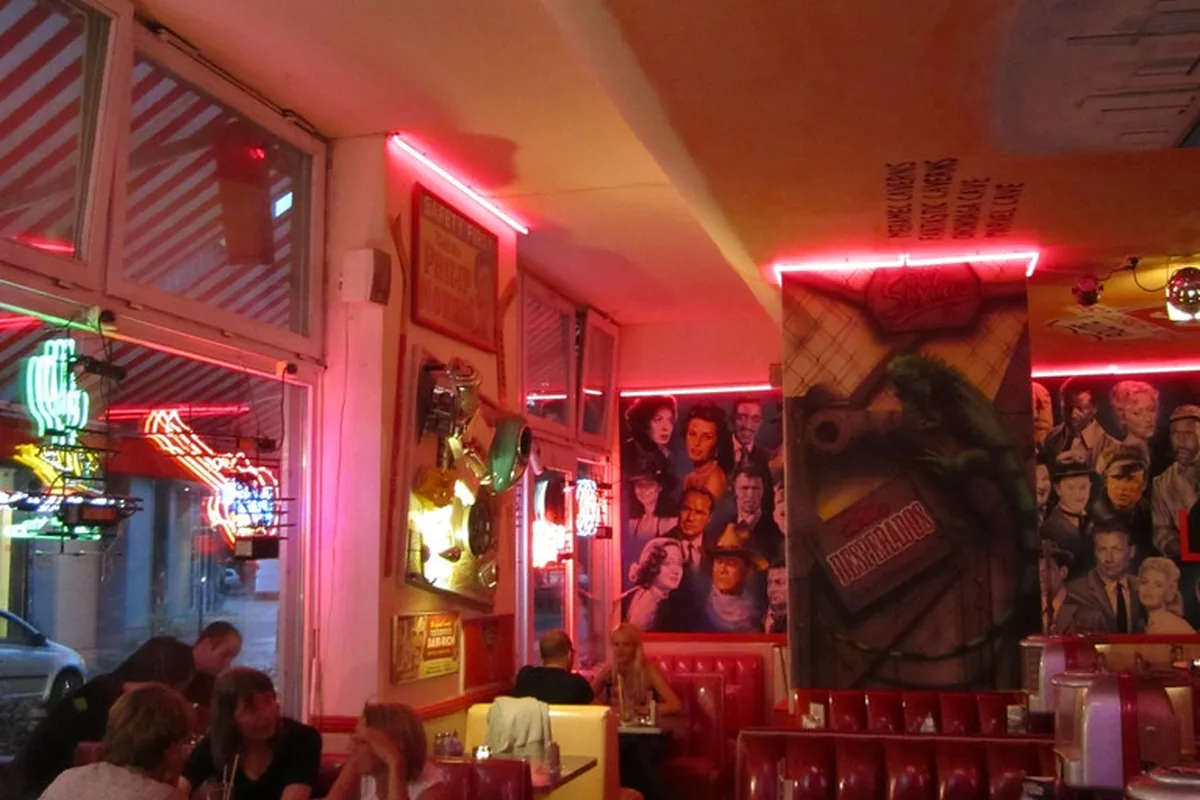
- Experience the quirky atmosphere of Pawn Dot Com Bar
- This unique bar in Prenzlauer Berg combines a cozy pub vibe with an eclectic collection of pawned items, giving it a distinct, lived-in character.
- It's an excellent spot for a casual drink, offering a taste of authentic Berlin nightlife without the typical tourist crowds.
- Prices for drinks are standard, around €4-€6 for a beer, and it typically opens late afternoon until the early hours.
- Located in Prenzlauer Berg, it's easily reached by M2 tram (Marienburger Straße) or U2 (Eberswalder Straße).
- Tip: Look closely at the decor; you might spot some truly bizarre and interesting relics from past patrons.
- Discover Elstal, a diverse landscape outside the city gates
- Elstal, a charming village just west of Berlin, offers a blend of historical sites, natural beauty, and a large outlet shopping center.
- It's a perfect half-day trip for those seeking a change of scenery, from the Olympic Village of 1936 to sprawling forests.
- Access to natural areas is free, while specific attractions might have small fees; plan 4-6 hours for exploration.
- Take the Regionalbahn (RE4 or RB21) from Berlin Hauptbahnhof towards Rathenow or Wustermark to Elstal station.
- Tip: Explore the abandoned 1936 Olympic Village for a fascinating, eerie glimpse into a controversial historical event.
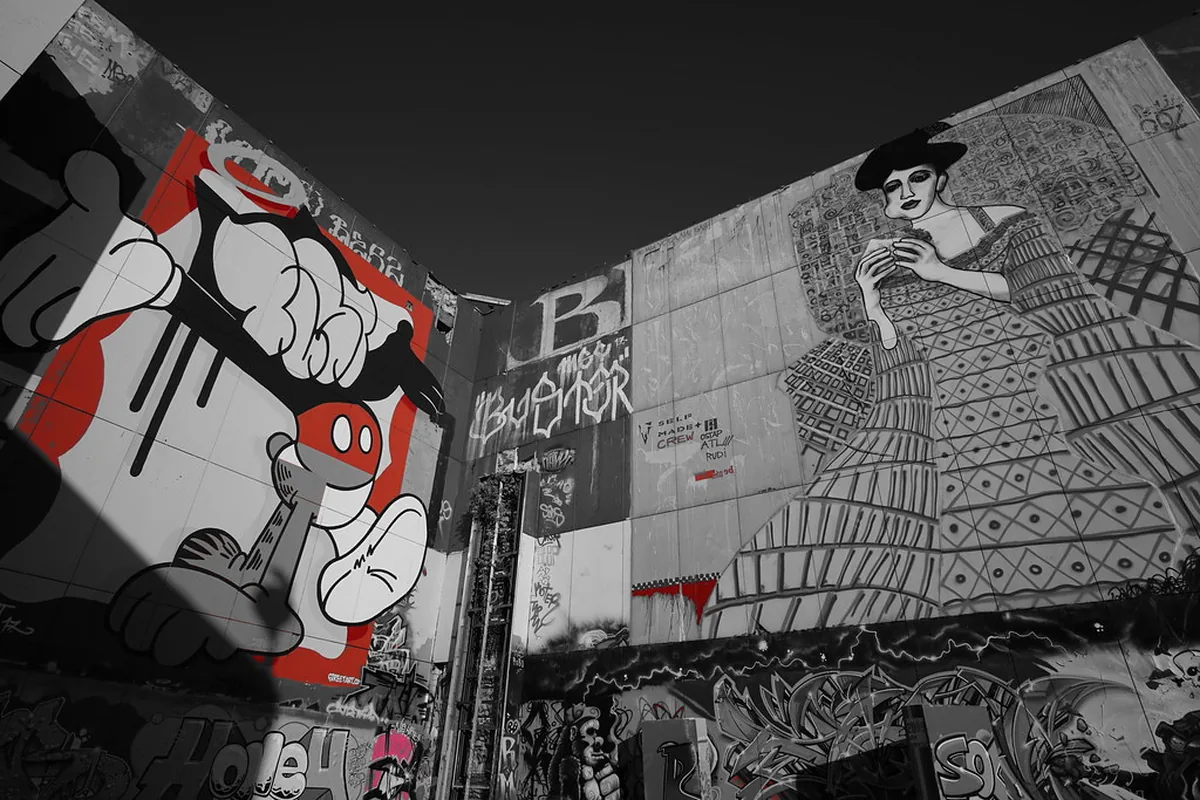
- Explore Street Art at Teufelsberg, the former spy station
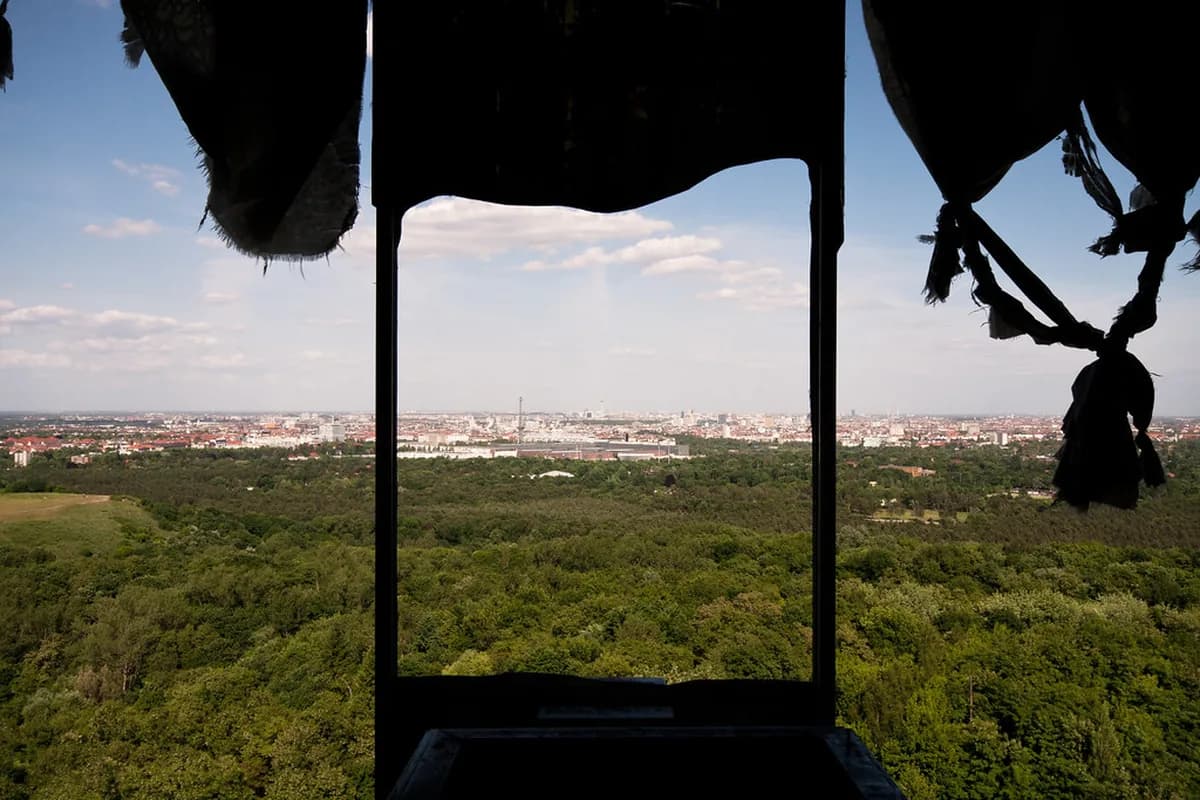
- Climb to the top of Teufelsberg, a man-made hill with a former Cold War listening station, now adorned with incredible street art and graffiti. For comprehensive visitor details and event information, consult visitberlin.de, Berlin's official tourism resource.
- This unique site offers panoramic views of Berlin and Brandenburg, combining history, art, and an adventurous urban exploration feel.
- Entry is around €8 per person, typically open daily from 10 AM to dusk, though hours can be flexible; allow 2-3 hours.
- It's best reached by S-Bahn (S3, S9 to Heerstraße) followed by a bus (M49) and a significant uphill walk, or a taxi.
- Tip: Wear sturdy shoes as the terrain is uneven; the best photo opportunities are often found inside the decaying radomes.
- Browse unique finds at Nowkoelln Flowmarkt
- This popular flea market by the Maybachufer canal in Neukölln offers a curated selection of vintage clothing, handmade crafts, and local art.
- It’s less about junk and more about unique treasures, set against a lively backdrop of food stalls and live music.
- Entry is free, and it runs every other Sunday from 10 AM to 5 PM; check their website for exact dates.
- Located in Neukölln, it's a short walk from U-Bahn stations Schönleinstraße (U8) or Kottbusser Tor (U1, U8).
- Tip: Go early for the best selection or later for the lively atmosphere; grab a delicious street food snack while you browse.
- Catch a film at Delphi Filmpalast, a vintage cinema
- Experience movie-watching in a grand, historic setting at Delphi Filmpalast, part of the Yorck Group of independent cinemas.
- This beautifully preserved theater offers a nostalgic escape, showcasing a mix of art-house films and mainstream releases in a unique ambiance.
- Ticket prices are typically €10-€14; showtimes vary daily, so check their schedule online for specific listings.
- Situated in Charlottenburg, it's conveniently located near U-Bahn (U1, U9, U12) and S-Bahn (S5, S7, S9) stations at Zoologischer Garten.
- Tip: Arrive a bit early to admire the stunning architecture and enjoy a drink at the bar before the film begins.
- Discover Haus Schwarzenberg, an artistic courtyard complex
- Tucked away in Mitte, this unassuming courtyard houses a vibrant collection of galleries, street art, a cinema, and memorial sites.
- It's a dynamic hub for Berlin's alternative art scene and a powerful reminder of the city's past, all in one hidden location.
- Entry to the courtyards is free, though individual galleries or the Kino Central cinema may have fees; open daily during daylight hours.
- Located near Hackescher Markt, it's easily walkable from S-Bahn (S5, S7, S9) or U-Bahn (U8) stations.
- Tip: Look for the Anne Frank Zentrum and the Otto Weidt Workshop for a poignant historical contrast to the surrounding street art.
- Explore the abandoned Spreepark Berlin amusement park
- This former East German amusement park, left to decay since 2002, offers an eerie and fascinating glimpse into a forgotten past.
- While official access is limited, guided tours are occasionally available, providing a unique urban exploration experience.
- Guided tours, when offered, cost around €15-€20; check the official Spreepark website for availability and booking.
- Located in Plänterwald, it's best reached by S-Bahn (S8, S9, S41, S42, S85 to Treptower Park) followed by a walk or bus.
- Tip: Always respect boundaries and only visit with official tours to ensure safety and avoid trespassing fines.
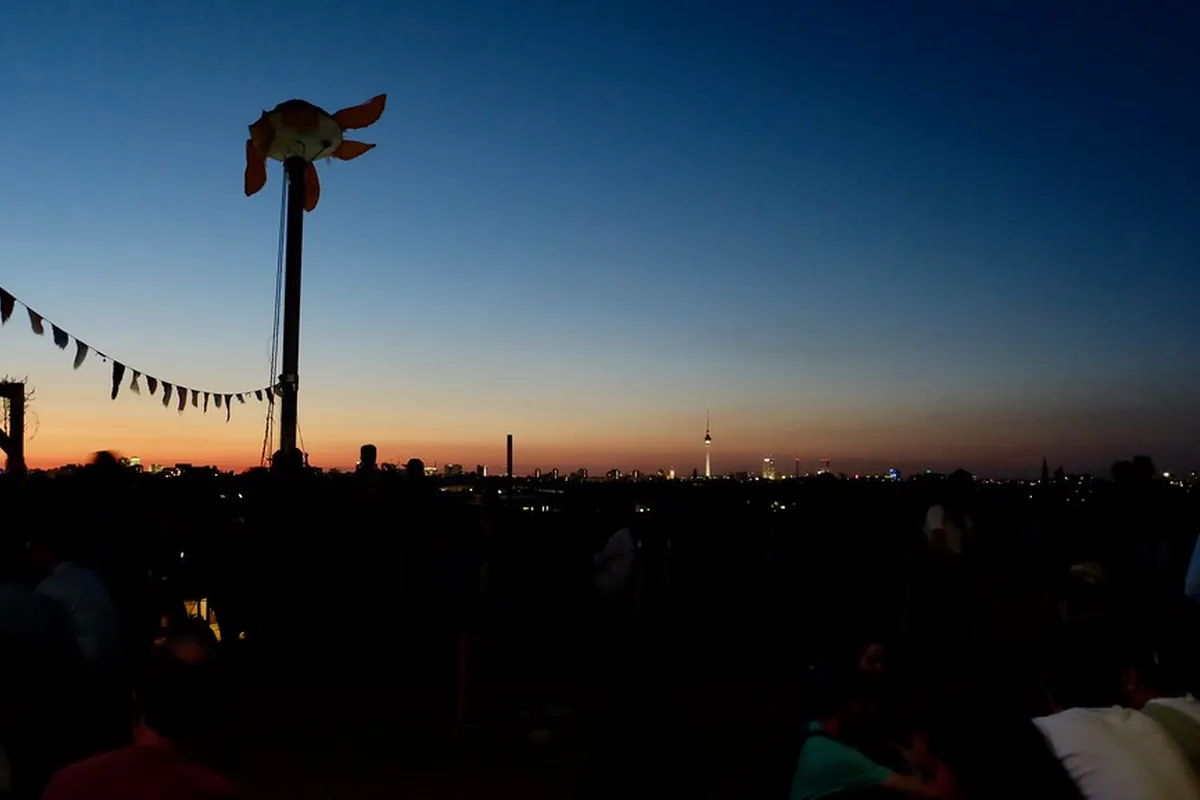
- Enjoy sunset drinks at Klunkerkranich rooftop bar
- Perched atop a parking garage in Neukölln, Klunkerkranich offers stunning panoramic views of Berlin's skyline in a relaxed, bohemian atmosphere.
- It's a local favorite for sundowners and live music, providing a more authentic and less touristy rooftop experience.
- Entry fee is typically €3-€7 after 4 PM, with drinks costing around €4-€8; open daily from afternoon until late.
- Take the U7 to Rathaus Neukölln, then walk through the Neukölln Arcaden shopping center and follow signs to the rooftop parking.
- Tip: Arrive before sunset to secure a good spot and watch the city lights twinkle on as the sky changes colors.
- Wander the idyllic Pfaueninsel (Peacock Island)
- This UNESCO World Heritage site is a picturesque island in the Havel River, home to peacocks roaming freely, a charming palace, and romantic gardens. The Prussian Palaces and Gardens Foundation operates the site and provides full visitor information.
- It offers a tranquil escape into nature and history, feeling a world away from the urban bustle of Berlin.
- Ferry fare is €4 per adult (round trip), and the island is open daily from 10 AM to 6 PM (seasonal variations); allow 3-4 hours.
- Take the S7 to Wannsee, then bus 218 to the ferry terminal; the ferry ride itself is part of the charm.
- Tip: Pack a picnic and enjoy it by the water, but remember that peacocks are curious and might try to share your snacks.
- Visit Sammlung Boros, a private art collection in a bunker
- Housed within a massive, former WWII air-raid bunker, the Boros Collection showcases contemporary art in a truly unique and impactful setting.
- This private collection offers an intimate and thought-provoking art experience, starkly contrasted by its historical venue.
- Entry is free but strictly by appointment only, booked weeks in advance online; tours last about 90 minutes.
- Located in Mitte, it's a short walk from U-Bahn (U6) Oranienburger Tor or S-Bahn (S1, S2, S25) Oranienburger Straße.
- Tip: Book your tickets as soon as your travel dates are firm, as tours fill up incredibly quickly.
- Find serenity at the Japanische Garten in Britzer Garten
- Within the larger Britzer Garten lies a serene Japanese Garden, a meticulously designed space for quiet contemplation and appreciation of nature.
- It's a peaceful retreat offering traditional Japanese landscaping, complete with koi ponds, stone lanterns, and a tea house.
- Britzer Garten entry is €3 per adult; the garden is open daily from 9 AM until dusk, with the Japanese Garden accessible during these hours.
- Take the U6 to Alt-Mariendorf, then bus 179 to Britzer Garten; allow 1-2 hours specifically for the Japanese Garden.
- Tip: Visit in spring for cherry blossoms or autumn for vibrant foliage, when the garden's beauty is particularly striking.
Teufelsberg's ticketed guided tours happen seasonally—book ahead online to ensure access, as independent visitors may face entry restrictions. The S3/S9 route via Heerstraße gets busier on weekends; early morning visits (before 11 AM) yield fewer crowds and better lighting for street art photography inside the radomes.
The ferry operates year-round, but winter hours (November–March) are reduced to 10 AM–4 PM. Peacocks roam freely across the island, so keep food secured and watch personal items—they're known to investigate bags and pockets. The palace interior is only accessible on guided tours, typically offered weekends; check the Prussian Palaces Foundation website to book ahead if palace access is a priority for your visit.
Planning Your Alternative Berlin Adventure
Diving into Berlin's off-the-beaten-path attractions requires a bit more planning than visiting the mainstream sights. Many of these unique spots are spread across different districts, often requiring local transportation knowledge. Consider grouping nearby attractions to maximize your time and minimize travel, making your exploration more efficient and enjoyable.
The best time to visit Berlin for fewer crowds at these hidden gems is typically during the shoulder seasons of spring (April-May) or autumn (September-October). Summer months bring lively outdoor events, but also more visitors, even to less-known spots. Winter offers a quiet, often magical atmosphere, though some outdoor attractions might have reduced hours or be less vibrant. Always check specific opening times online, especially for smaller venues or seasonal attractions, as these can change frequently.
Embracing Berlin's diverse neighborhoods is key to discovering its true character. Each district, from the artistic streets of Kreuzberg to the bohemian charm of Neukölln, holds its own secrets. Don't be afraid to wander without a strict itinerary; some of the best discoveries are made by chance. For more insights into specific areas, explore our Berlin Neighborhoods Guide to help you navigate.
Many of these alternative spots, like Sammlung Boros, require advance booking or have specific tour times. Failing to check ahead can lead to disappointment, so always verify entry requirements. For places like the Biesdorfer Parkbühne, event schedules are crucial to ensure you catch a performance. A little research goes a long way in ensuring a smooth and rewarding experience.
What to Skip: Overrated Tourist Traps in Berlin
While every traveler has different interests, some popular Berlin attractions often fall short of expectations, especially for those seeking authentic experiences. Prioritizing off-the-beaten-path gems means making choices about where to allocate your precious travel time. Consider skipping these often-overrated spots to make room for more genuine discoveries.
Checkpoint Charlie, for instance, has become overly commercialized, feeling more like a theme park attraction than a historical site. The street performers and souvenir stalls detract from its serious past, offering little in terms of deep historical insight. You'll find more poignant reflections on the Cold War at the Berlin Wall Memorial, which provides a much more authentic and educational experience. It's a stark contrast to the often superficial feel of Checkpoint Charlie.
Another spot that can be underwhelming is the view from the TV Tower, particularly given the cost. While it offers a panoramic vista, the experience is often crowded, and the price point can be steep for what you get. For equally impressive, yet more atmospheric views, consider the less-known Klunkerkranich rooftop bar or even the panoramic terrace at Teufelsberg. These alternatives offer a more local feel and often come with a more relaxed ambiance.
How to Get Around Berlin's Lesser-Known Areas
Navigating Berlin's extensive public transport system is essential for reaching its many hidden gems. The city boasts a highly efficient network of U-Bahn (subway), S-Bahn (urban rail), trams, and buses. Many off-the-beaten-path locations, especially those further out like Gardens of the World or Elstal, are well-connected by regional trains or specific bus lines. Investing in a day ticket or a multi-day pass, such as the Berlin WelcomeCard, can be a cost-effective choice for extensive travel.
For destinations like Teufelsberg or Pfaueninsel, a combination of S-Bahn and bus is usually required. Always check routes and schedules using apps like Google Maps or Berlin's official BVG app, which are invaluable for real-time information. These apps provide the quickest routes and highlight any potential disruptions, ensuring you stay on track. Don't be afraid to transfer between different modes of transport; it's a normal part of getting around Berlin.
Exploring certain neighborhoods like Neukölln or Kreuzberg, where you'll find places like Nowkoelln Flowmarkt or Haus Schwarzenberg, is best done on foot or by bike. Renting a bicycle is a fantastic way to cover ground, offering flexibility and a chance to truly soak in the local atmosphere. Berlin is relatively flat and has many dedicated bike lanes, making it a bike-friendly city. Consider a bike tour to uncover more unusual things to do in Berlin with a local guide.
While taxis and ride-sharing services are available, they can quickly become expensive for longer distances to more remote spots. Public transport is generally reliable and a much more economical option for reaching most of the city's hidden treasures. Always validate your ticket upon entry to the U-Bahn or S-Bahn platforms, or when boarding a bus or tram, to avoid fines. A little planning will ensure your journey to these unique spots is smooth and stress-free.
Frequently Asked Questions
What are the best off-the-beaten-path spots in Berlin?
Standouts include Teufelsberg, a Cold War spy station now covered in street art; Pfaueninsel, a peacock-filled island palace park; the Gardens of the World in Marzahn; and the Nowkölln Flowmarkt along the Landwehr Canal. These reward visitors who venture beyond Mitte's main sights.
How do I get to Teufelsberg in Berlin?
Take the S-Bahn (S9 or S75) to Heerstraße or Grunewald, then walk roughly 30–40 minutes uphill through Grunewald forest. Teufelsberg is open to ticketed visitors and pairs well with a longer walk in the surrounding woods.
Is it safe to explore Berlin's lesser-known neighborhoods?
Yes. Districts like Neukölln, Wedding, and outer Kreuzberg are generally safe and welcoming, even after dark. Use normal big-city precautions, keep valuables secure on the U-Bahn, and you'll find these areas among the most rewarding parts of Berlin.
When is the best time to visit Berlin's hidden gems?
Late spring (May–June) and early autumn (September) bring mild weather and thinner crowds. Outdoor spots like Pfaueninsel and the Gardens of the World are at their best then, and Sunday markets such as Nowkölln Flowmarkt run from spring through autumn.
How do I get around to off-the-beaten-path areas in Berlin?
Berlin's U-Bahn, S-Bahn, tram, and bus network reaches almost everywhere, and a day ticket or the Berlin WelcomeCard is the most economical option. For remote spots like Teufelsberg or Pfaueninsel, combine the S-Bahn with a bus or short walk, and check the BVG app for live routes.
Berlin's true magic often lies beyond its most famous sights, in the hidden courtyards, repurposed spaces, and serene natural escapes. Venturing off the beaten path allows for a deeper connection with the city's history, its vibrant artistic spirit, and its diverse local communities. These experiences provide a more authentic and personal journey, revealing the many facets that make Berlin so endlessly fascinating.
From the contemplative quiet of a Japanese garden to the artistic chaos of a former spy station, each unique spot contributes to Berlin's rich tapestry. Armed with these insider tips, you're ready to uncover the hidden gems that truly define this dynamic European capital. Embrace the adventure, explore with an open mind, and discover your own favorite corners of Berlin. Your unforgettable, alternative Berlin adventure awaits.
See our main hidden gems in Berlin guide for the wider city context.
Continue exploring
More guides you'll find useful