20 Secret Things to Do in Budapest (2026): Hidden Gems & Local Spots
Discover 20 secret things to do in Budapest, from hidden neo-baroque libraries and authentic Turkish baths to mini sculptures and communist-era relics.
On this page
20 Secret Things to Do in Budapest: Unveiling Hidden Gems (2026)
After several visits to Budapest, I've learned that the city's true magic often lies beyond its famous landmarks. While the Parliament and Fisherman's Bastion are stunning, the real soul of the Hungarian capital thrives in its lesser-known corners. This guide, updated in 2026 after a recent winter return, pulls back the curtain on those hidden treasures. Forget crowded tourist traps and embrace the genuine local pulse. These 20 secret things to do in Budapest blend history, unique flavors, and quirky urban finds. If you're looking for truly non-touristy things to do in Budapest, you've come to the right place.
Many of these spots are not found in typical guidebooks, requiring a bit more adventurous spirit to uncover. They offer a deeper connection to the city's rich past and vibrant present, away from the usual crowds. For an even deeper dive, consider picking up a local guide like the Jonglez Publishing Secret Budapest Guide. Our selections highlight the authentic character of Budapest, providing a more intimate travel experience.
Historical Hidden Gems in Budapest
Budapest's history spans the Austro-Hungarian Empire, Ottoman rule, Nazi occupation, and Soviet domination — and traces of each era survive in unexpected places. Resist the urge to visit only the most signposted museums. Some of the city's most gripping historical experiences are hidden in plain sight on residential streets, inside working public institutions, and carved into the hillside itself.
The VIII district, often overlooked by first-timers, holds scars from the 1956 Hungarian Revolution on its building facades. The old Wenckheim Palace hosts students doing homework. An Ottoman holy man rests quietly on a Buda hillside visited by almost no tourists. These are the sites that give Budapest its layered, unvarnished depth. They are the true hidden gems in Budapest.
Communist-Era Bullet-Hole Buildings (VIII District)
Stroll through the VIII district, particularly around Krúdy Gyula utca and Bródy Sándor utca, to find buildings scarred by bullet holes from the 1956 Hungarian Revolution. These somber facades are poignant, unvarnished memorials to a pivotal moment in Hungarian history. The VIII district is easily walkable from Astoria or Kálvin tér metro stations (M2/M3). Look closely at the upper floors and corners — some buildings have small plaques explaining their historical significance.
Metropolitan Ervin Szabó Library's Neo-Baroque Rooms
Beyond its function as a public library, this institution at IV. Szabó Ervin tér 1 houses opulent neo-baroque reading rooms on the 4th floor, once part of the 48-room Wenckheim Palace built in 1887. Walking in, it looks like a standard municipal building. Climb the wooden spiral staircase and you emerge into gilded halls with crystal chandeliers, velvet armchairs, and carved oak paneling — students studying for exams surrounded by a century of grandeur. Entry to browse the palace rooms costs around 2,000 HUF (roughly 5 EUR) for a full-day ticket. Located a short walk from Kálvin tér metro (M3/M4). Be respectful of library patrons and keep your voice low.
Vajdahunyad Castle's Inner Courtyards
This enchanting castle complex in City Park blends Romanesque, Gothic, Renaissance, and Baroque elements — modeled on actual Hungarian landmarks across the old kingdom. Most visitors glance at the exterior on the way to Heroes' Square and move on. The real reward is inside: quiet courtyards, a bronze statue of the Anonymous chronicler whose pen locals rub for luck, and two climbable towers. Entry to the grounds is free; the Hungarian Agricultural Museum inside costs around 2,500 HUF. Take Metro M1 to Széchenyi fürdő and walk through City Park. Visit on a weekday morning before the school groups arrive.
Gül Baba's Tomb and Rose Garden
Perched on a steep Buda hillside at II. Mecset utca 14, this 16th-century Ottoman tomb is the northernmost holy site of Islam in Europe and the resting place of a Bektashi dervish who died during the siege of Buda in 1541. The surrounding rose garden is serene. Almost no tourists make the effort to climb up here. Entry is free; open daily 10:00–18:00 (shorter hours in winter). Take Tram 4/6 to Margit híd and walk up the hill — it is steep, so wear sensible shoes. The views over the Danube from the garden justify the climb on their own.
Parisi Passage (Párisi Udvar)
This restored covered arcade at V. Ferenciek tere 10 features intricate glass domes, mosaic floors, and Moorish-Gothic detailing that were largely hidden from public view for decades. It is now a luxury hotel atrium, but anyone can walk through for free during operating hours. The light filtering through the glass ceiling on a sunny morning is extraordinary. Accessible directly from Ferenciek tere metro station (M3). Have a coffee at the passage café and spend 20 minutes taking it in — it costs nothing and is one of Budapest's most beautiful interiors.
Nature Hidden Gems in Budapest
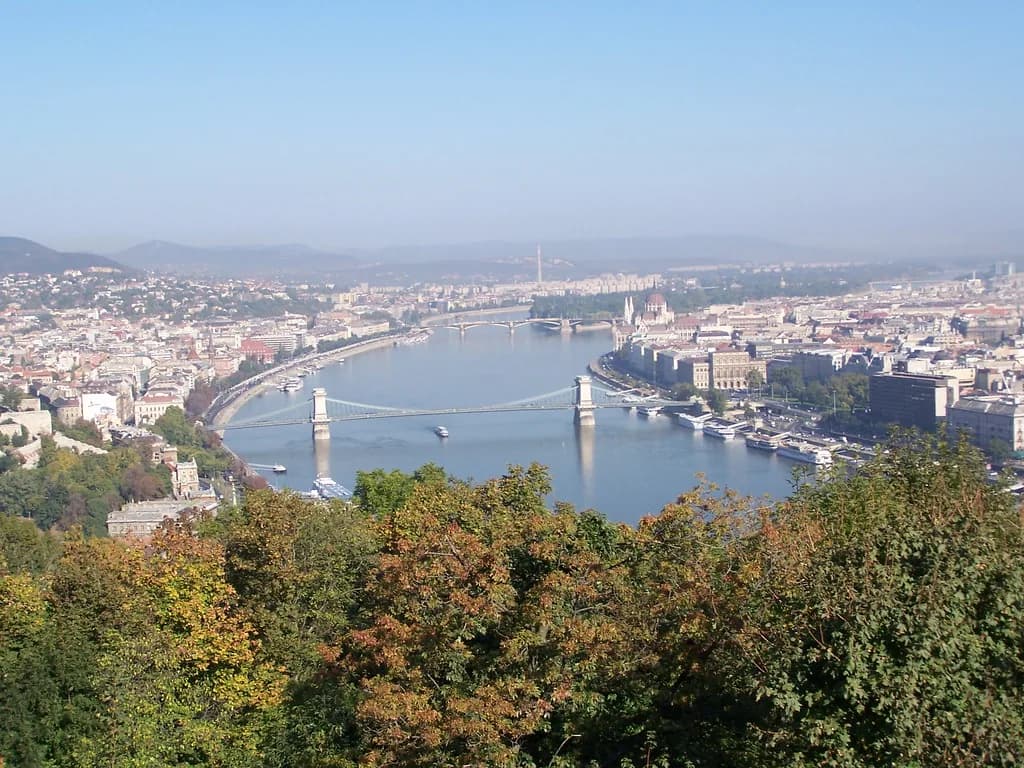
Budapest is a surprisingly green city. The Buda Hills rise steeply on the western bank, threaded with walking trails, a children's railway, and a cave network that most visitors never discover. On the Pest side, Margaret Island sits in the middle of the Danube like a park that the city somehow forgot to crowd. These natural escapes are the antidote to museum fatigue and cost almost nothing to enjoy.
Each of these spots is reachable on public transport in under 30 minutes from the city center. None of them appear on the standard Budapest tourist circuit. That combination of accessibility and obscurity is precisely what makes them worth planning your day around.
Hospital in the Rock (Kórház a Sziklában)
Beneath Castle Hill, in natural caves that most people walking above have no idea exist, lies a wartime hospital that treated wounded soldiers and civilians throughout World War II and was later expanded into a nuclear bunker during the Cold War. The whole complex remained secret to the public until 2002. Wax figures of doctors and nurses populate operating rooms and recovery wards, dimly lit and deeply unsettling in the best way. Visits are guided only; tours take about an hour and leave regularly. Entry is around 7,000 HUF (approximately 18 EUR). Address: II. Lovas út 4/c. For booking and detailed exhibit information, visit the official Sziklakórház museum site. Bring a light jacket — the cave stays cool year-round regardless of surface temperature.
Hospital in the Rock tours run regularly but strictly as guided visits only. Book online in advance during summer (June–August) to secure a time slot; peak times fill by midday. Tours are in English, Hungarian, and German. Wear comfortable shoes with grip — the cave pathways are uneven.
Margaret Island (Margitsziget)
Margaret Island is a 2.5 km car-free island in the middle of the Danube, and most tourists who visit Budapest never once walk its full length. It has thermal springs, a 13th-century Franciscan ruin, a Japanese garden, an outdoor thermal pool (Palatinus), and a musical fountain that performs at regular intervals. Joggers and dog-walkers replace tour groups here. Tram 4/6 stops at both ends of the island; entry to the island itself is free. For comprehensive details about the island's attractions and events, consult Visit Hungary's official travel guide. Allow two hours minimum if you plan to walk end to end. Visit on a weekday morning and you will share it with almost nobody.
Margaret Island is completely free to explore — no entry fee, no timeframe. Bring a picnic, rent a bike from the island's rental kiosks, or simply walk. The musical fountain performs at sunset during warmer months, making early evening a magical time to visit. Restrooms and small cafes dot the island at regular intervals.
Gellért Hill Cave Church
Tucked into the rock face of Gellért Hill is a functioning church blasted out of a natural cave in the 1920s by Pauline monks inspired by the Lourdes grotto. The communist secret police sealed it with concrete in 1951 and imprisoned the monks; the wall was broken open again in 1989 when Hungary's communism collapsed. Today around ten monks still live there, and three services are held daily. There are hand-carved wooden statues by a Transylvanian woodcarver who spent a decade on them, a replica of the Black Madonna of Częstochowa, and a small collection of rare Russian metal icons. Entry is around 1,400 HUF. Address: I. Szent Gellért rkp. 1. Do not arrive during a service — tourists are not admitted while worship is underway.
Food & Drink Hidden Gems in Budapest
Budapest's culinary scene extends far beyond goulash and paprika. The city has a vibrant array of authentic local spots — old-school delis untouched by time, communist-era espresso bars that smell of strong coffee and nicotine-stained nostalgia, and intimate wine bars where a sommelier will spend 20 minutes explaining the difference between a Furmint and a Hárslevelű. These are the places locals actually use.
The Sunday farmers market at Szimpla Kert and the chimney cake vendors at Kiraly Kalacs are genuinely local rather than tourist-facing. The Zwack Museum offers a tasting session inside an actual working distillery. And the Piana Vyshnia bar, serving warm cherry liqueur from Lviv in the heart of the Jewish Quarter, is one of those finds that makes you feel like you discovered something.
Szimpla Kert Farmers Market (Sunday Mornings)
While Szimpla Kert is famous as Budapest's most iconic ruin bar, its Sunday morning incarnation is entirely different. From 09:00 to 14:00 every Sunday, the courtyard fills with local producers selling vegetables, artisan cheeses, cured meats, honey, homemade spirits, and handmade crafts. It is family-friendly, unhurried, and full of locals having breakfast. Entry is free. Address: VII. Kazinczy utca 14. Arrive before 10:00 to get the best selection and to avoid the secondary wave of tourists who drift in mid-morning. The difference between the Sunday market and the Saturday night crowd could not be more extreme.
Kiraly Kalacs Kürtőskalács
Chimney cakes are everywhere in Budapest, but not all of them are made well. Kiraly Kalacs is known for its exceptionally fresh, properly caramelized kürtőskalács using traditional methods. A chimney cake costs 1,500–2,000 HUF. One kiosk is at V. Váci utca 31. Eat it warm, peel off strips as you go, and choose walnut or cinnamon sugar over the novelty fillings. This is the version Hungarians actually eat, not the tourist variant.
Falu Delikát
This old-school deli at V. Vitkovics Mihály utca 3-5 carries Hungarian cheeses, cured meats, artisan jams, and local spirits that you will not find in airport shops or souvenir markets. It is the right place to assemble a picnic or buy edible gifts to take home. Open weekdays 09:00–18:00, Saturdays 09:00–13:00. A short walk from Astoria metro (M2). The staff know every product and will offer samples — ask what is currently good.
Zwack Museum and Unicum Distillery
Unicum is Hungary's bitter, complex herbal liqueur, made from a recipe of more than 40 herbs and aged in oak barrels. The Zwack Museum at IX. Dandár utca 1 includes the original distillery, the cellars, the family history (the Zwacks hid the recipe from communist authorities by memorizing it and fleeing to the US), and a tasting session. Entry is around 4,000–5,500 HUF. Open Monday–Saturday 10:00–17:00, closed Sundays. Take Tram 2 or 4/6 from Boráros tér. The guided tour is essential — the story of the recipe surviving the Cold War is as good as anything in the city's museums.
Piana Vyshnia Bar
This cozy bar at VII. Kazinczy utca 52 brings warm cherry liqueur from Lviv, Ukraine to a tiny wood-paneled space a few doors from Szimpla Kert. A glass costs 1,000–1,500 HUF. Open daily noon until late. Drink it warm on a cold evening. The atmosphere — mismatched wooden furniture, Ukrainian folk music, the smell of warm fruit — is entirely unlike anything else in Budapest's bar scene.
Tokaj Wine at a Specialist Bar
Most visitors to Budapest never taste a dry Furmint or a late-harvest Aszú in anything other than a hotel bar context. Specialist Tokaj wine bars in the Jewish Quarter (districts V, VI, and VII) offer guided tastings with someone who can explain why the volcanic soil of the Tokaj region produces flavors unlike any other wine region in the world. A tasting flight runs 4,000–8,000 HUF. Open from late afternoon. Walkable from Deák Ferenc tér. Ask your sommelier about the difference between Aszú, Szamorodni, and Fordítás — the answer will take a while and be worth it.
Veli Bej vs. Széchenyi: Which Bath Is Actually Worth It?
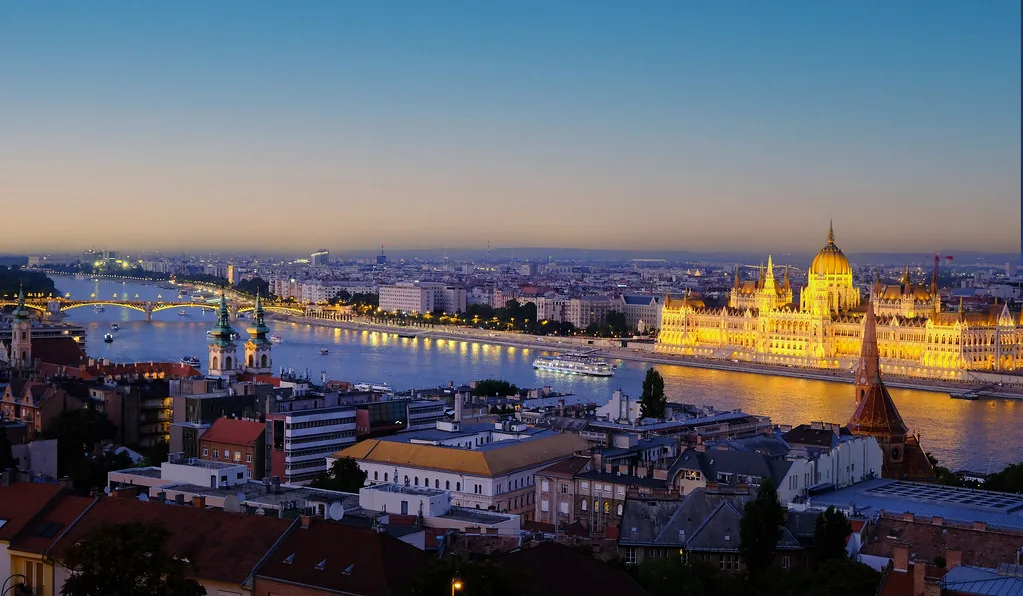
Every Budapest guide tells you to visit the thermal baths. Almost none of them tell you which one to choose based on what you actually want from the experience. The difference between Széchenyi and Veli Bej is significant enough to change your entire afternoon.
Széchenyi Baths (XIV. Állatkerti körút 9-11) is the famous one: yellow neo-baroque exterior, outdoor pools, chess players, photographers, and roughly 5,000 visitors on a busy weekend day. A standard 3-hour ticket in 2026 costs around 9,500–11,000 HUF. It is genuinely spectacular as an experience and as architecture. But the outdoor pools are busy enough that finding space to float undisturbed requires either arriving at opening (06:00) or visiting mid-week in November.
Veli Bej Bath (II. Árpád fejedelem útja 7) is the opposite in almost every dimension. It is one of Budapest's oldest functioning Ottoman baths, built in 1574 during Turkish rule, and it looks exactly as old as it is: domed ceilings, star-shaped skylights, small stone pools with different temperatures ranging from 28°C to 40°C, and almost no tourists. A 3-hour ticket costs 4,000–5,500 HUF — roughly half the Széchenyi price. Note that it has separate men's and women's days, so check the schedule before you go. Take Tram 17 or 19 to Császár-Komjádi uszoda. Bring your own towel to save the rental fee.
The rule of thumb: go to Széchenyi if you want the classic Budapest bath experience and do not mind a crowd. Go to Veli Bej if you want an authentic Ottoman hammam in a historic building with local regulars and near-total quiet. Both are worth visiting if your trip is long enough. If you have one afternoon, Veli Bej is the less-obvious and more memorable choice.
| Feature | Széchenyi Baths | Veli Bej Bath |
|---|---|---|
| Era Built | 1913 (Neo-baroque) | 1574 (Ottoman) |
| Crowd Level (Weekend) | ~5,000 visitors | Minimal; local regulars |
| Pool Type | Large outdoor + indoor pools | Small stone pools, 28–40°C |
| Architecture | Yellow neo-baroque exterior, grand | Domed ceilings, star-shaped skylights |
| 3-Hour Ticket Price | 9,500–11,000 HUF (~€25–30) | 4,000–5,500 HUF (~€11–15) |
| Best Time to Visit | Opening (06:00) or mid-week off-season | Any weekday; men's/women's days vary |
| Access | Metro M1 to Széchenyi fürdő | Tram 17/19 to Császár-Komjádi uszoda |
| Ideal For | Classic Budapest bath experience | Authentic Ottoman hammam, quiet retreat |
Urban Secrets and Quirky Finds
Budapest rewards walkers who resist the urge to follow marked tourist routes. The city's playful side surfaces in miniature bronze sculptures hidden at knee height, residential courtyards concealed behind unremarkable street doors, and historic public transport lines that double as panoramic tours. None of these require booking in advance or cost more than a tram ticket.
Hunt for Kolodko Mini Sculptures
Artist Mihály Kolodko has placed dozens of tiny bronze sculptures across Budapest, each with a cultural or political story attached. They are small — ankle height or lower — and hidden in plain sight. Finding them is a self-guided treasure hunt that takes you into neighborhoods most tour buses ignore. Key confirmed locations: the tank on Bem rakpart near Margaret Bridge (a miniature Soviet T-34 that references Hungary's 1956 uprising), the diving dog at Liberty Square, and the squirrel on Margaret Island. Most sculptures are free to visit any time of day. Use an online map compiled by Budapest enthusiasts to plan a walking route between four or five of them — the walk itself is the point.
Hidden Gardens of 100-Year-Old Houses (Budapest100)
Many of Budapest's older apartment buildings in the VII district hide inner courtyards — sometimes containing overgrown gardens, decorative ironwork, and tiled stairwells that date to the Austro-Hungarian era. On ordinary days, some courtyards are accessible when residents pass through the street door; others are locked. The annual Budapest100 festival (typically held in April) opens 100 of these buildings to the public simultaneously, with guided tours, exhibitions, and outdoor performances. If you visit outside of Budapest100, focus on Wesselényi utca, Dob utca, and Kazinczy utca. When courtyards are open, step in quietly and keep your voice down. These are working residential buildings — treat them accordingly.
Tram 2 Along the Pest Embankment
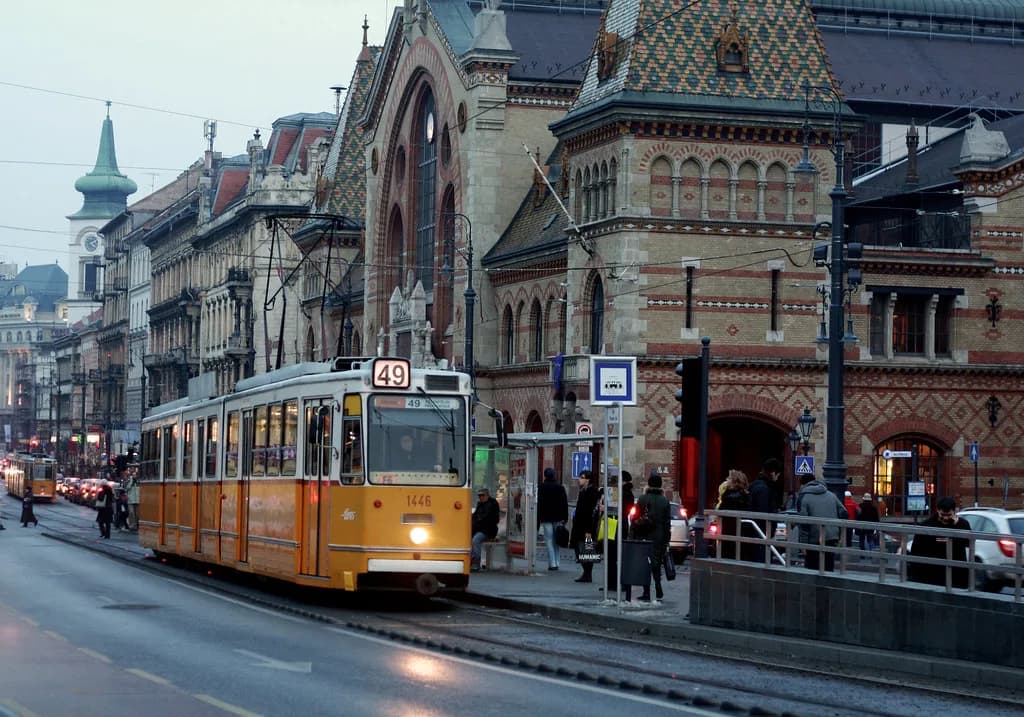
Tram 2 runs along the Danube embankment on the Pest side, passing the Parliament, the Chain Bridge, and the lit-up riverside with continuous panoramic views of Buda Castle on the opposite bank. It is frequently cited as one of the most scenic tram rides in Europe. A standard public transport ticket costs 350 HUF (less than 1 EUR). Board at Jászai Mari tér heading south. Sit on the right-hand side facing the river. Ride it at dusk when the Parliament lights come on. The whole route takes about 20 minutes and functions as a budget sightseeing tour with none of the commentary.
The Historic M1 Metro (Yellow Line)
The M1 is continental Europe's first underground electric railway, opened in 1896 to coincide with Hungary's millennial celebrations, and it is a UNESCO World Heritage Site. The carriages are small and yellow and the stations are tiled and intimate — the opposite of every modern metro system in the world. A standard ticket is 350 HUF. It runs under Andrássy Avenue from Vörösmarty tér to Mexikói út. Pay attention to the Art Nouveau detailing at Opera and Hősök tere stations. Beneath Deák Ferenc Square station there is a tiny Underground Railway Museum with original carriages and historic documents — entry is a few hundred forints and takes 30 minutes.
Capa Center (Robert Capa Contemporary Photography Center)
Dedicated to Hungarian-born war photographer Robert Capa, this center at VI. Nagymező utca 8 hosts rotating exhibitions of contemporary and classic photography in a calm, well-curated space. Admission runs 2,500–4,000 HUF. Open Tuesday–Sunday 11:00–19:00, closed Mondays. Accessible via M1 to Opera or Oktogon. Check their current exhibition schedule before visiting — the programming changes regularly and consistently features work unavailable elsewhere in the city.
Neverland Bar and Escape Room
This venue at VII. Dohány utca 22 combines a ruin bar atmosphere with multiple themed escape rooms — making it a practical option for an evening that combines a drink with a 60-minute group challenge. Escape room tickets cost 7,000–10,000 HUF per person depending on group size; the bar is open daily from late afternoon. Book the escape room in advance, especially on weekends, and arrive early enough to have a drink before your session starts.
Practical Travel Tips: Transport, Timing, and Districts
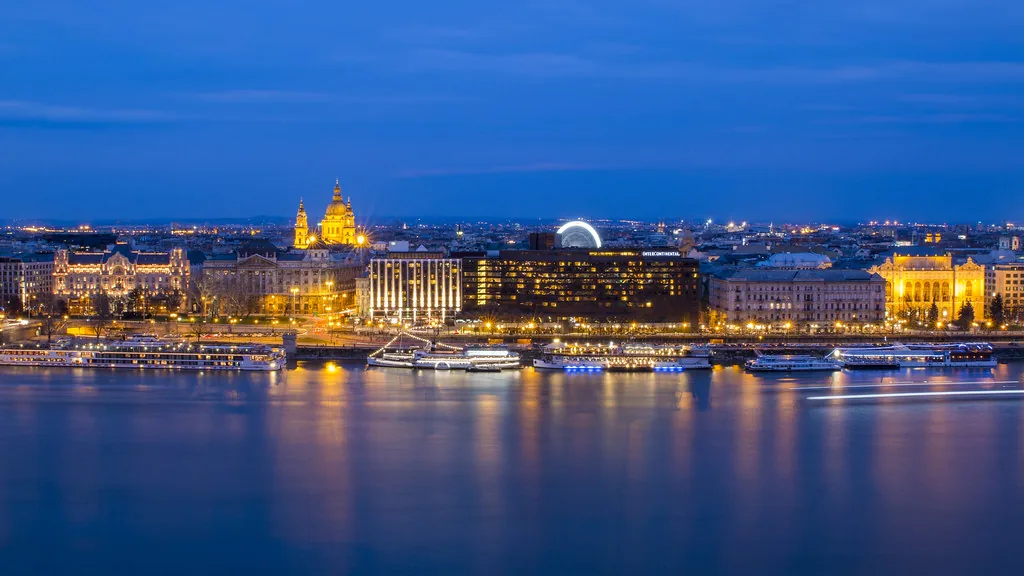
Budapest divides into Buda (hilly, quieter, older) and Pest (flat, denser, more nightlife-heavy), linked by the Danube and a series of bridges. Most hidden gems cluster in specific districts, and knowing which district to focus on each day saves significant time. The main hidden-gem districts are: V (central Pest, the library and Parisi Passage), VII (Jewish Quarter, ruin bars, courtyards, most food spots), VIII (bullet-hole buildings, fewer tourists), and II (Buda side, Gül Baba, Veli Bej).
Public transport covers every spot on this list. A single BKK ticket costs 350 HUF. A 24-hour pass costs 2,500 HUF and is worth buying if you plan to move between districts frequently. The metro (M1 yellow, M2 red, M3 blue, M4 green), trams (Tram 2 and 4/6 are the most useful), and buses all operate until around midnight; after that, night buses cover the main routes. Avoid taxis hailed from the street — use the Bolt or Főtaxi apps instead. For current hours and practical information about Budapest's attractions and districts, Budapest's official tourism information site is a reliable resource updated regularly.
For timing: most museums in Budapest are closed on Mondays. Thermal baths are quietest mid-week mid-morning. The Szimpla Kert market runs Sundays only from 09:00–14:00; arrive by 09:30 for the best experience. The Budapest100 open-house festival happens in April. Gellért Hill Cave Church closes to visitors during services (held three times daily) — check the schedule at the entrance before ascending. Most ruin bars don't come to life before 22:00.
For a fuller orientation to the city's neighborhoods before planning your route, the off-the-beaten-path Budapest guide covers each district's character in more detail. If you are planning an extended stay, the Budapest 3-day itinerary provides a logical sequence that layers these hidden spots alongside the unmissable landmarks without either crowding out the other.
Frequently Asked Questions
What are the best non-touristy things to do in Budapest?
The best non-touristy things include exploring the Metropolitan Ervin Szabó Library's palace rooms, relaxing at Veli Bej Bath, or hunting for Kolodko mini sculptures. Visiting the Szimpla Kert Farmers Market on Sunday mornings also offers a local experience. These activities provide a genuine taste of Budapest life away from typical tourist crowds.
Is the Metropolitan Ervin Szabó Library free to visit?
Yes, entering the main public areas and glimpsing the stunning neo-baroque reading rooms on the 4th floor is generally free. For extended access or specific collections, a nominal day pass fee might apply. Always check their official website for the most current access policies and hours before your visit.
Where can I find the Kolodko mini statues in Budapest?
Kolodko mini statues are scattered throughout Budapest in unexpected places. Notable locations include the tank near Margaret Bridge on Bem rakpart, the diving dog in Liberty Square, and the squirrel on Margaret Island. Many online maps and blogs offer specific hints to help you find these charming, tiny bronze artworks.
How many days do I need to see secret Budapest?
To truly explore Budapest's hidden gems at a comfortable pace, plan for at least 4-5 full days. This allows time to venture into different neighborhoods and discover lesser-known attractions. A longer trip, perhaps a week, offers even greater flexibility for deeper exploration and relaxation.
Budapest truly rewards those who venture beyond its well-trodden paths. By seeking out these 20 secret spots, you'll gain a richer appreciation for the city's complex history, vibrant culture, and unique charm. Each hidden gem offers a chance to connect with the authentic spirit of the Hungarian capital. These experiences create lasting memories that go beyond typical tourist photos.
So, pack your curiosity and a good pair of walking shoes, and prepare to discover a side of Budapest that most only dream of. The city's secrets are waiting to be uncovered, promising an unforgettable adventure for every discerning traveler.
Continue exploring
More guides you'll find useful