12 Essential Things to Do in Kreuzberg, Berlin (2026)
Explore Kreuzberg, Berlin, with our guide to 12 essential things to do. Discover its unique culture, top attractions, and planning tips for 2026.
On this page
12 Essential Kreuzberg Experiences: Your Berlin Neighborhood Guide
Having visited Berlin multiple times, I've seen Kreuzberg evolve from a gritty, rebellious district into one of the city's most dynamic neighborhoods. This area perfectly blends its storied past with a vibrant, multicultural present. It offers an authentic slice of Berlin life, from historic sites to buzzing markets and street art. This guide, last refreshed in November 2025 after my autumn return visit, shares the best of Kreuzberg.
Whether you're drawn to its artistic flair, diverse culinary scene, or rich history, Kreuzberg promises an unforgettable experience. Planning your trip here means diving into a district that truly embodies Berlin's spirit. We'll explore its must-see attractions, cultural hotspots, and unique local hangouts.
12 Essential Things to Do in Kreuzberg (2026)
Kreuzberg is a neighborhood bursting with character, offering everything from significant historical sites to lively urban green spaces. Its diverse appeal makes it a must-visit for anyone seeking an authentic Berlin experience. From street art to serene parks, there is something for every traveler to discover.
This district truly comes alive through its unique blend of culture, history, and community spirit. We have curated a list of the top attractions and experiences to help you navigate this vibrant area. You will find a mix of iconic landmarks, hidden gems, and local favorites here.
Prepare to explore a side of Berlin that is both edgy and charming, constantly reinventing itself. Each recommendation offers a glimpse into what makes Kreuzberg such a captivating destination. Discover why so many locals and visitors fall in love with its distinct atmosphere.
Kreuzberg's U-Bahn lines U1, U3, U6, U7, and U8 provide excellent connectivity. Many attractions are free or low-cost (€5–€10), making it budget-friendly. Best visited in spring, early autumn, or summer for markets and outdoor events.
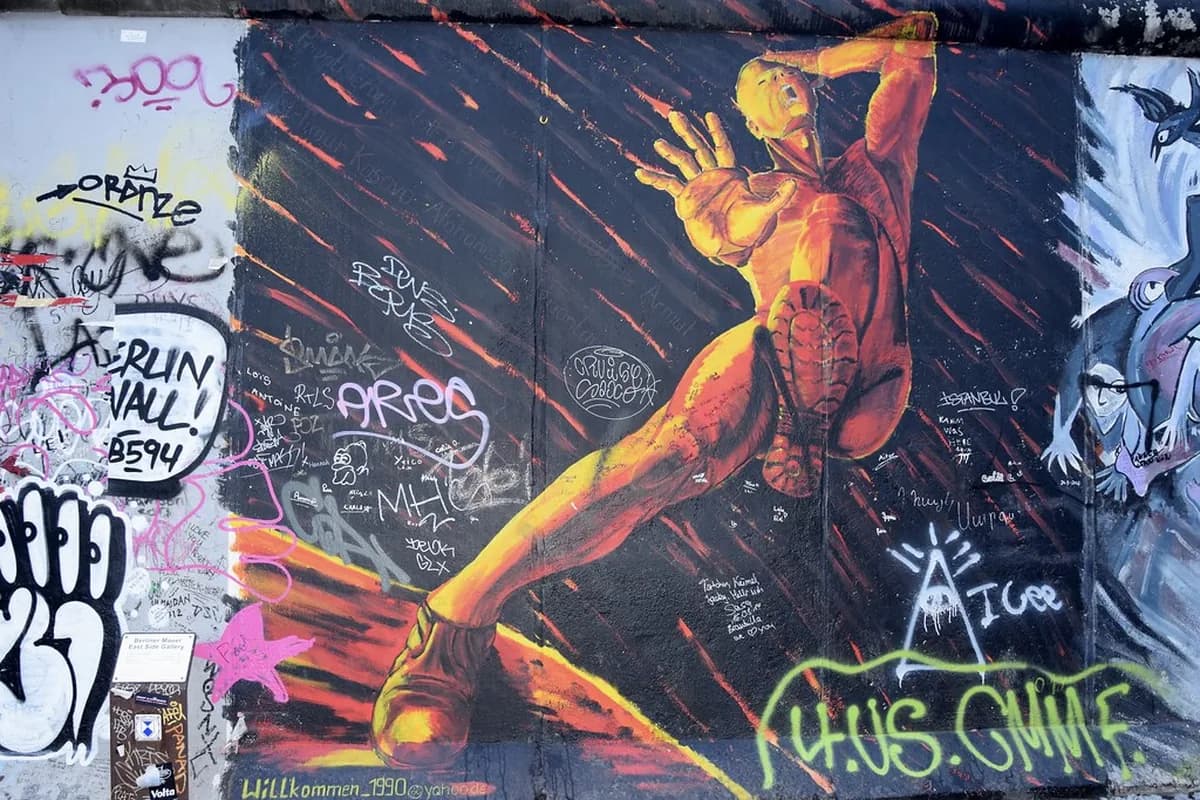
- East Side Gallery: Iconic Berlin Wall Art
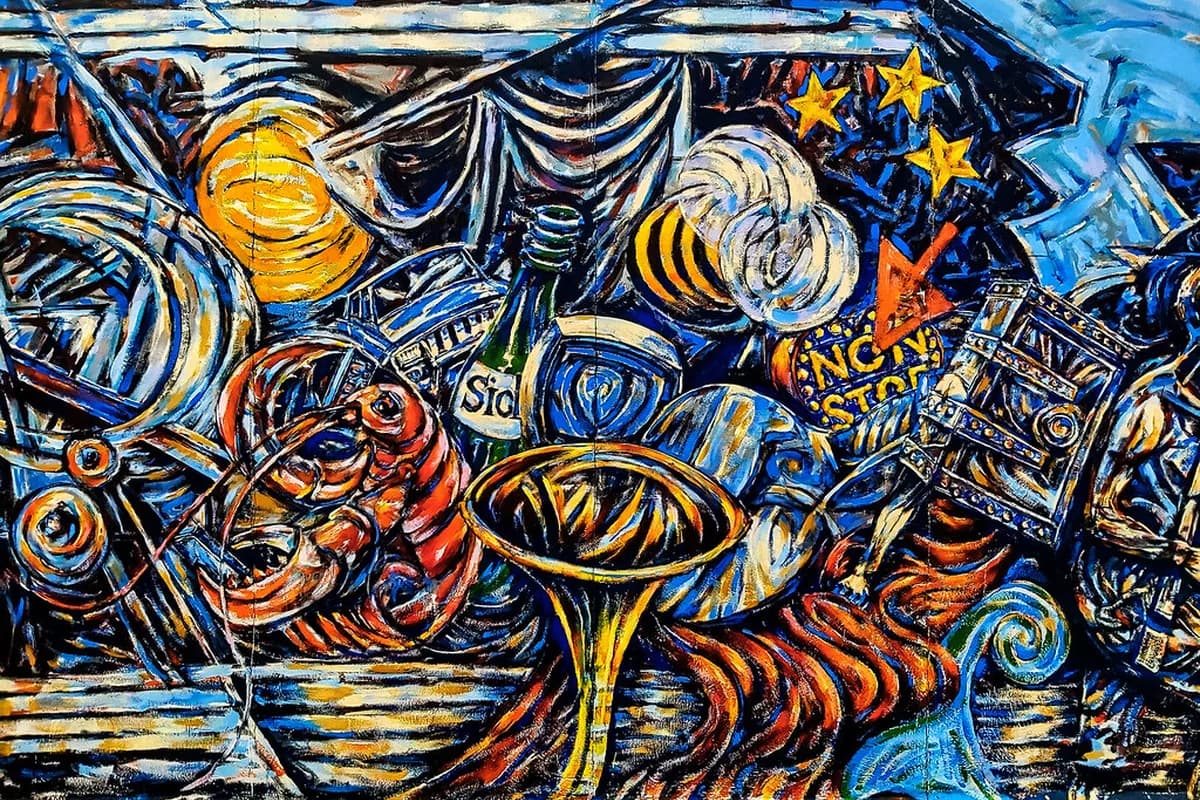
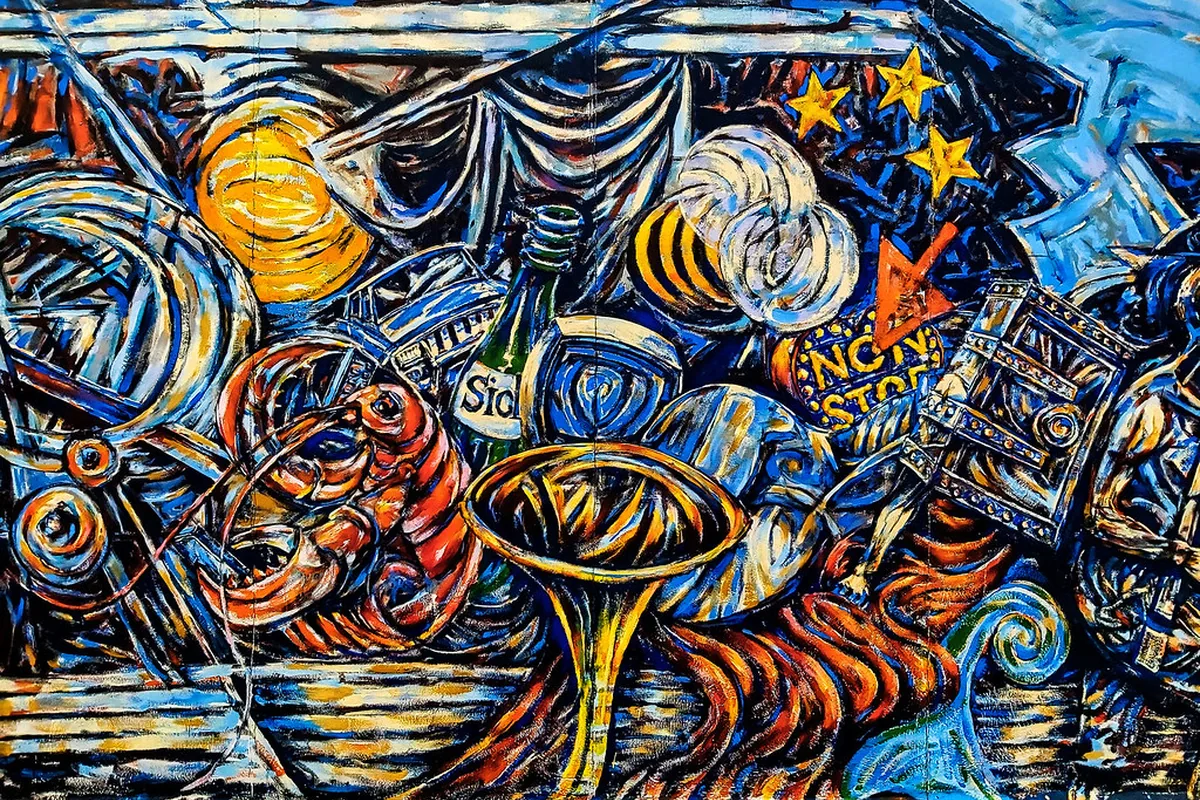
- This open-air gallery features over 100 murals painted on a surviving section of the Berlin Wall.
- It serves as a powerful memorial to freedom and a canvas for political art, stretching 1.3 kilometers along the Spree River.
- Entry is free, and it is accessible 24/7; allow 1-2 hours to walk the full length.
- Located along Mühlenstraße, it's easily reached via S-Bahn/U-Bahn to Warschauer Straße or Ostbahnhof.
- Tip: Go early in the morning for fewer crowds and better photo opportunities of the detailed artworks.
- Jewish Museum Berlin: History and Architecture
- Designed by Daniel Libeskind, this museum explores 2,000 years of German-Jewish history through powerful exhibits and architecture.
- It offers a profound and moving experience, with stark, symbolic spaces that evoke a strong emotional response.
- Tickets cost €8–€10 per adult, and it is open daily from 10am to 7pm (check official site for variations).
- Find it in Lindenstraße, easily accessible by U-Bahn (U1, U6 Hallesches Tor or U6 Kochstraße).
- Tip: Don't miss the 'Garden of Exile' and the 'Memory Void' for their unique, contemplative atmospheres.
- Markthalle Neun: Historic Food Market
- A beautifully restored 19th-century market hall, Markthalle Neun is a hub for gourmet street food and local produce.
- It's particularly famous for 'Street Food Thursday,' but also offers a vibrant atmosphere on other market days.
- Entry is free, with food prices varying (€5–€15 per dish); typical hours are Mon-Wed 12pm-6pm, Thu 5pm-10pm, Fri 12pm-6pm, Sat 10am-6pm.
- Located in Eisenbahnstraße, it's a short walk from U-Bahn Görlitzer Bahnhof (U1, U3).
- Tip: Arrive hungry on Street Food Thursday, but be prepared for crowds; consider visiting on a quieter weekday for a more relaxed experience.
- Viktoriapark & National Monument: Panoramic Views
- Viktoriapark offers a surprising hill in the middle of Berlin, topped by the Prussian National Monument for the Liberation Wars.
- From the monument, you can enjoy stunning panoramic views across the city, especially beautiful at sunset.
- The park is free to enter and open 24/7; allow 1-2 hours for a leisurely stroll and climb.
- It sits in the Bergmannkiez area, accessible via U-Bahn Platz der Luftbrücke (U6) or Mehringdamm (U6, U7).
- Tip: Seek out the artificial waterfall cascading down the hill's northern slope during warmer months.
- Tempelhofer Feld: Former Airport Turned Park
- Once a Nazi-era airport and the site of the Berlin Airlift, Tempelhofer Feld is now a massive public park.
- Locals use its vast runways for cycling, skating, kite-flying, and picnicking, offering a unique open space.
- Entry is free, and the park is open from sunrise to sunset; plan 2-3 hours to explore its expansive grounds.
- Access points are numerous, including Tempelhofer Damm (U6) or Leinestraße (U8).
- Tip: Rent a bike nearby to cover more ground and fully appreciate the sheer scale of this former airfield.
- Bergmannkiez: Charming Neighborhood Stroll
- Bergmannkiez is a picturesque area known for its beautiful Wilhelminian-era buildings, independent boutiques, and cozy cafes.
- It provides a relaxed atmosphere perfect for an afternoon of window shopping and enjoying local coffee culture.
- Free to explore, with cafe/shop costs varying; allow 2-3 hours for a good wander and a stop.
- Located around Bergmannstraße, it's best reached via U-Bahn Gneisenaustraße or Mehringdamm (U6, U7).
- Tip: Explore the side streets for hidden courtyards and unique small businesses away from the main thoroughfare.
- Prinzessinnengarten: Urban Community Garden
- This innovative urban gardening project transformed a former wasteland into a thriving ecological oasis.
- It's a wonderful example of sustainable city living and a tranquil spot to relax amidst growing vegetables and flowers.
- Entry is free, though donations are welcome, and it usually operates from April to October; check seasonal hours.
- You can find it at Moritzplatz, conveniently located near the U-Bahn Moritzplatz (U8).
- Tip: Grab a coffee or a light meal from their on-site cafe, often featuring ingredients grown right in the garden.
- Admiralbrücke: Lively Evening Hangout
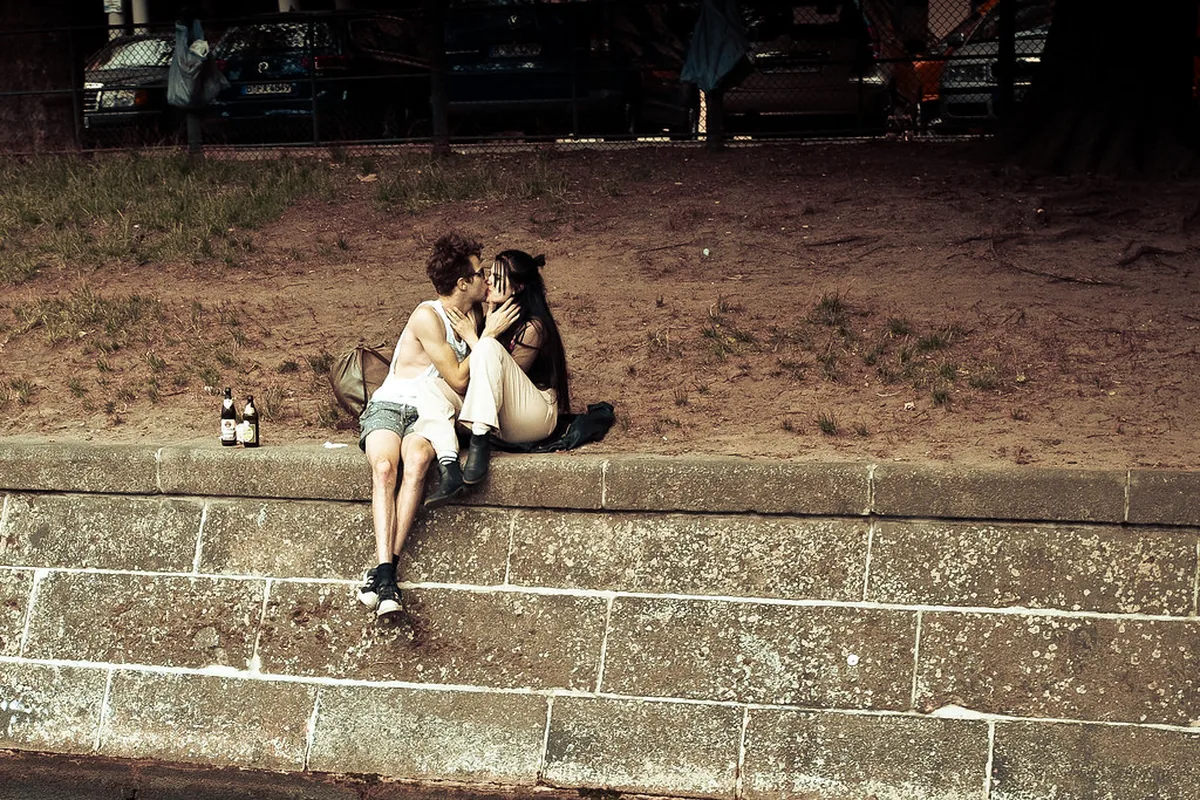
- Admiralbrücke is a charming bridge over the Landwehr Canal, a popular spot for locals to gather, chat, and enjoy the sunset.
- It offers a relaxed social atmosphere, especially on warm evenings, with street musicians often adding to the ambiance.
- Free to visit, open 24/7; best enjoyed in the late afternoon or early evening.
- Located at Admiralstraße, it's a short walk from U-Bahn Kottbusser Tor (U1, U3, U8).
- Tip: Grab a drink from a nearby Späti (late-night shop) and join the locals sitting along the bridge's edge.
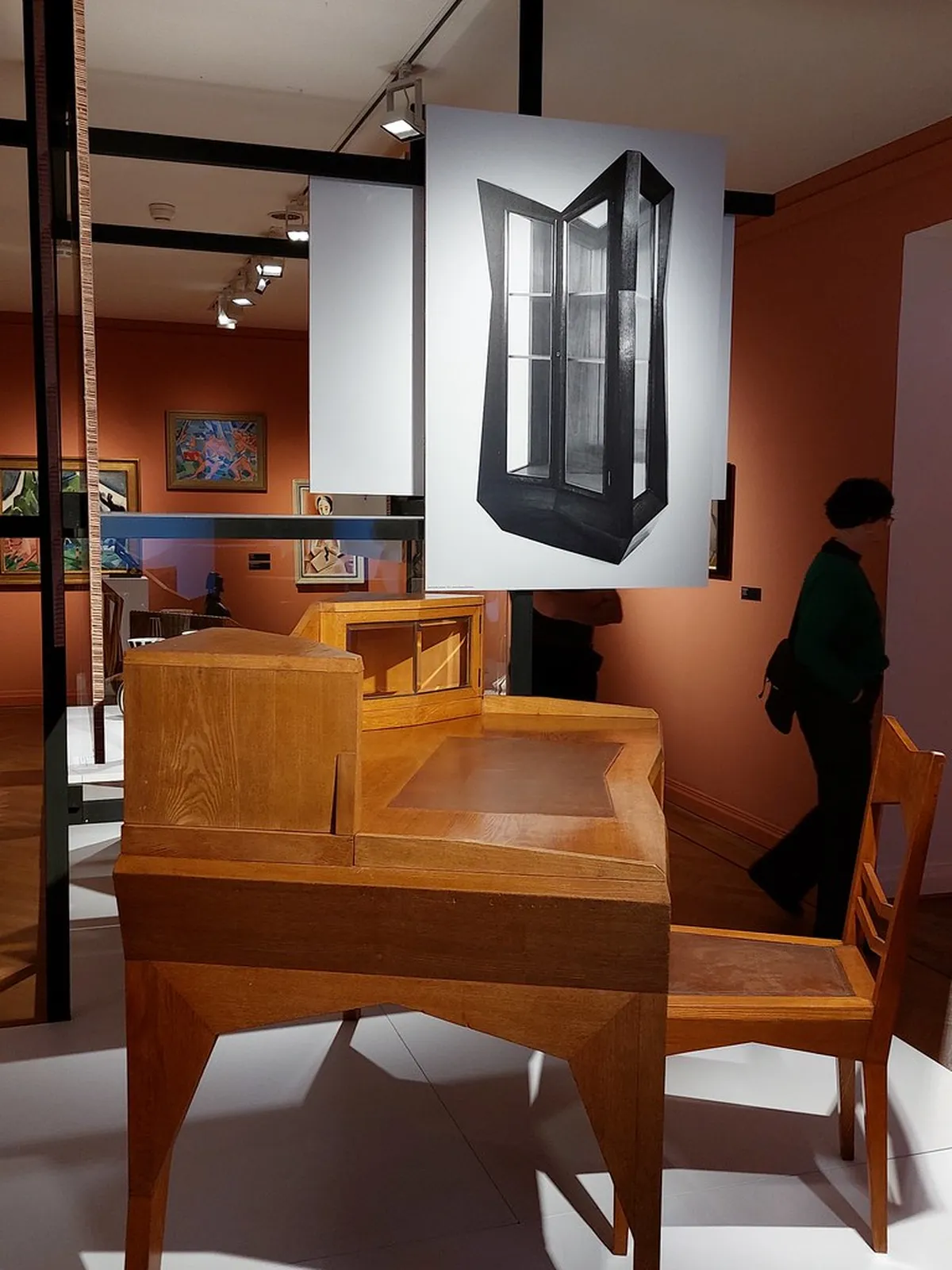
- Museum der Dinge (Museum of Things): Design & Culture
- This quirky museum showcases everyday objects from the 20th and 21st centuries, reflecting German design history.
- It offers a fascinating look at how industrial design shapes our lives, from household items to electronics.
- Admission is €6 per adult, with varying hours, typically Wed-Mon 12pm-7pm (closed Tuesdays).
- Located on Oranienstraße, it's easily accessible via U-Bahn Kottbusser Tor (U1, U3, U8).
- Tip: Pay attention to the detailed labels; they often provide surprising historical context for seemingly mundane items.
- Turkish Market (Maybachufer): Multicultural Flair
- Held along the Landwehr Canal, the Turkish Market on Maybachufer is a vibrant, bustling outdoor market.
- It's known for its fresh produce, spices, textiles, and delicious Turkish street food, offering a sensory feast.
- Entry is free, with food and goods at local prices; open Tuesdays and Fridays from 11am to 6:30pm.
- Find it along Maybachufer, a short walk from U-Bahn Schönleinstraße (U8) or Kottbusser Tor (U1, U3, U8).
- Tip: Go on a Tuesday for a slightly less crowded experience than the popular Friday market.
- Berlinische Galerie: Modern Art & Photography
- This impressive museum focuses on modern art, photography, and architecture from Berlin, dating from 1880 to the present day.
- It provides a comprehensive look at the city's artistic movements and influential figures.
- Tickets are €10 per adult, and it's open Wed-Mon 10am-6pm (closed Tuesdays and some holidays).
- Situated on Alte Jakobstraße, it's a pleasant walk from U-Bahn Kochstraße (U6).
- Tip: Check their website for temporary exhibitions, which often showcase groundbreaking contemporary artists from Berlin.
- Badeschiff: Floating Pool & Beach Bar
- Badeschiff is a unique floating swimming pool in the Spree River, offering a refreshing dip with city views.
- During warmer months, it transforms into a beach bar with sand, sun loungers, and DJ sets, making it a true urban oasis.
- Pool entry is around €6–€8 per adult, generally open May to September; check seasonal hours and booking requirements.
- Located at Arena Berlin, Eichenstraße, it's a short walk from S-Bahn Treptower Park or U-Bahn Schlesisches Tor (U1, U3).
- Tip: Arrive early on hot summer days, as capacity is limited and it can get very busy quickly.
What Makes Kreuzberg Unique?
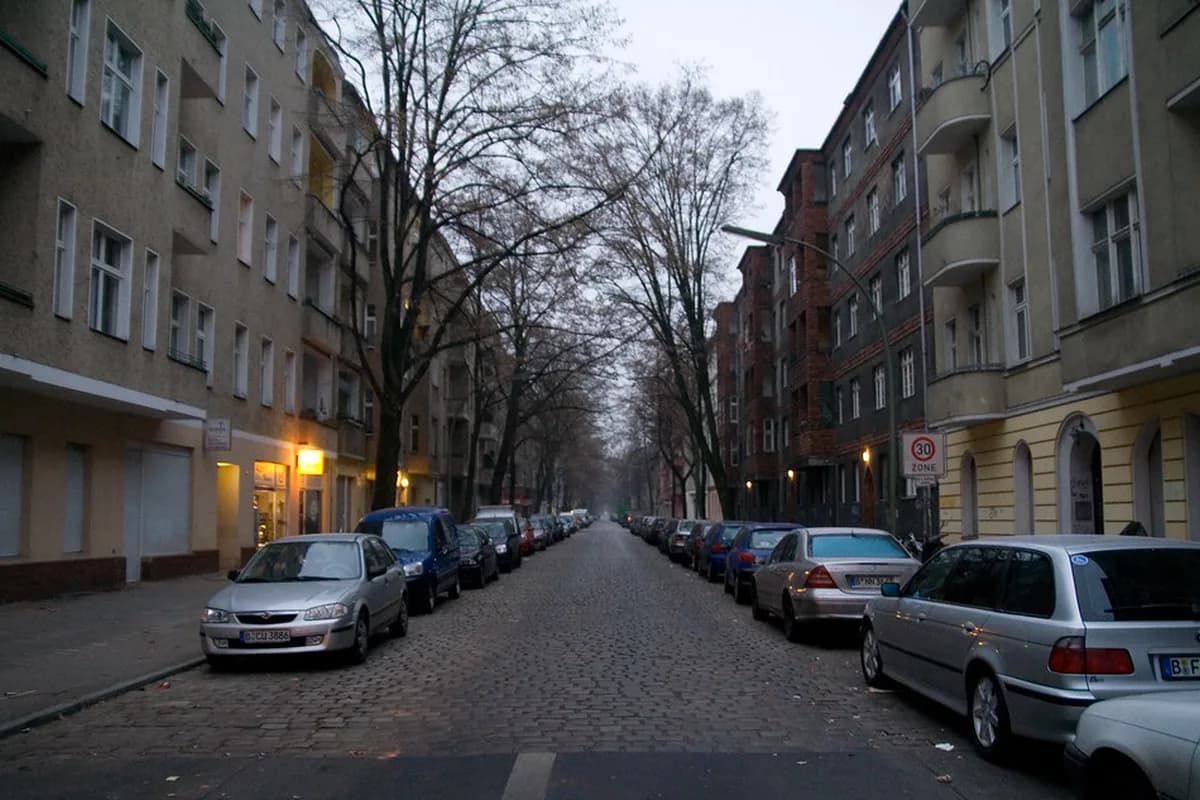
Kreuzberg stands out among Berlin's diverse districts for its distinctive blend of history, multiculturalism, and vibrant counter-culture. Historically, it was a West Berlin enclave bordering the Wall, which fostered a unique identity. This legacy contributes to its enduring rebellious and artistic spirit.
Today, Kreuzberg is famously known for its Turkish community, which has significantly shaped its culinary scene and street life. You can experience this rich heritage in the bustling markets and authentic eateries. The neighborhood pulsates with an energy that is both gritty and incredibly inviting. It truly feels like a city within a city, offering a glimpse into a different side of Berlin.
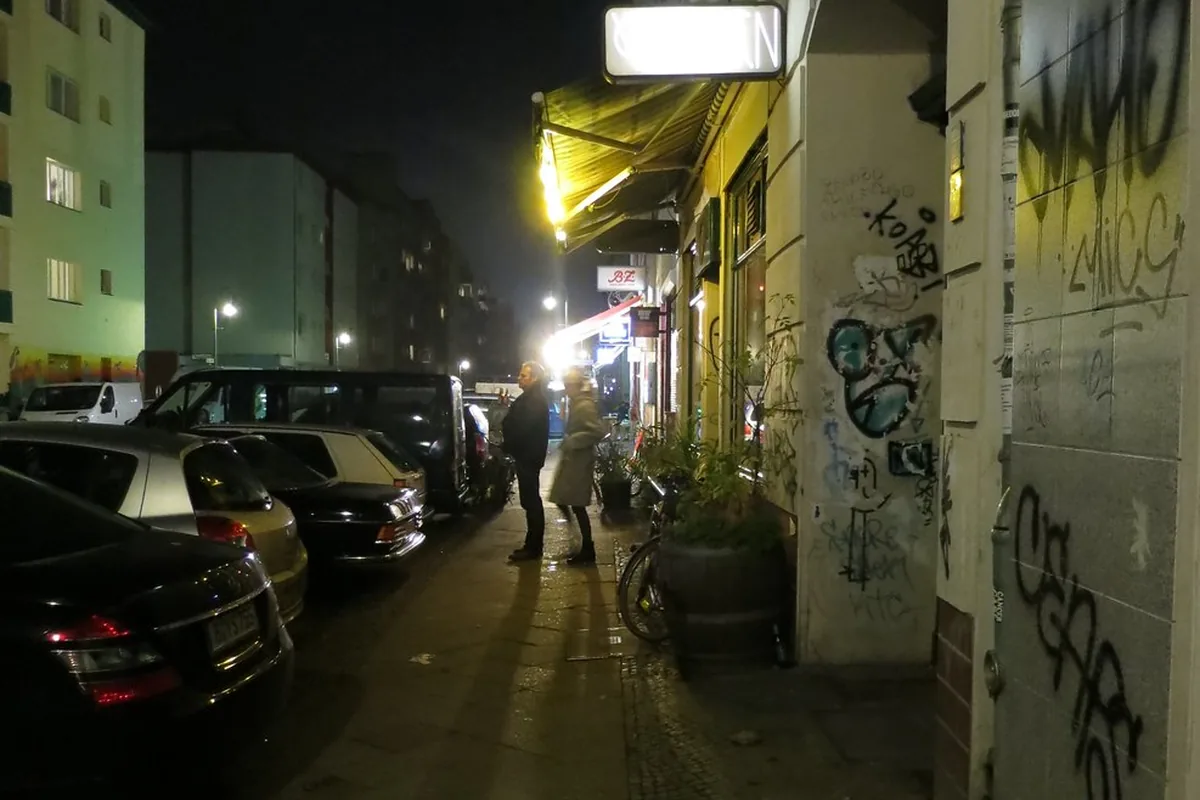
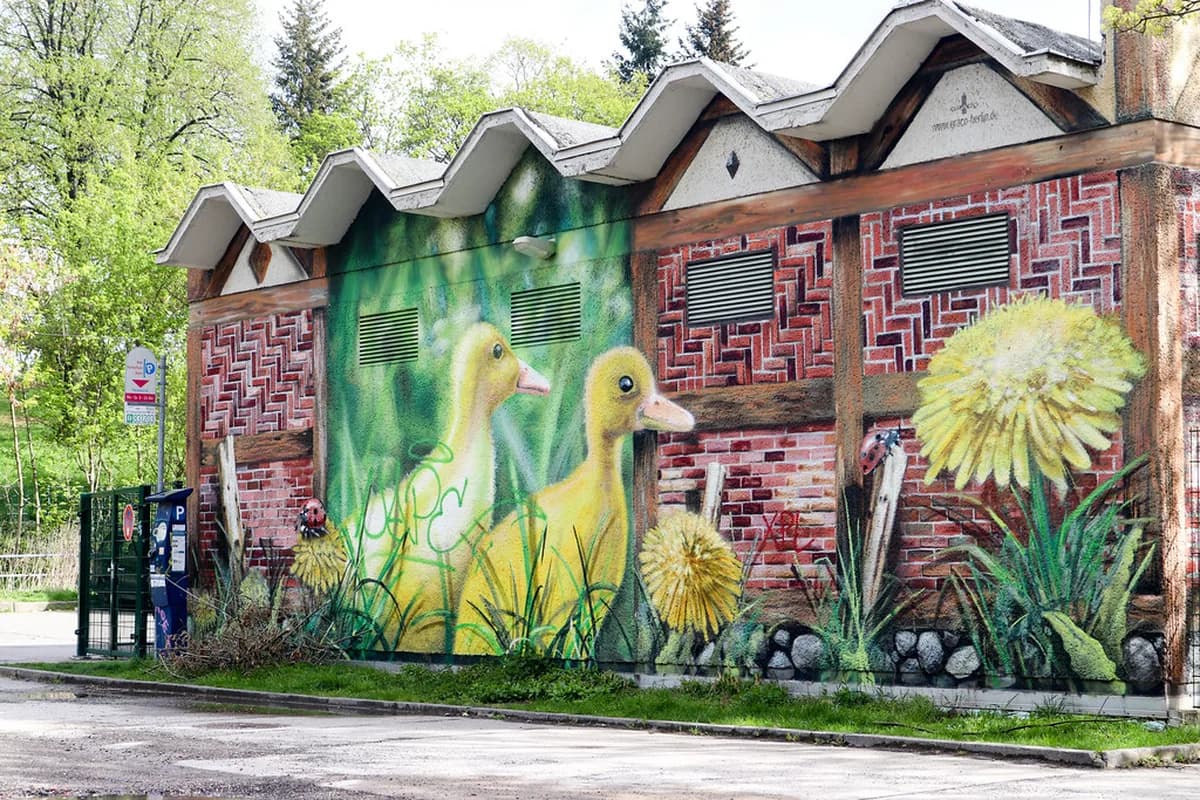
The Turkish Market on Maybachufer operates Tuesdays and Fridays; visit Tuesday for fewer crowds. Street art adorns many buildings throughout the neighborhood—wander Oranienstraße for the best galleries, murals, and independent shops.
While gentrification has brought changes, Kreuzberg largely retains its alternative edge and strong sense of community. Street art adorns many buildings, telling stories of political activism and urban creativity. The area continues to attract artists, students, and those seeking an unconventional lifestyle. This constant evolution makes it one of Berlin's most fascinating places to explore.
Planning Your Kreuzberg Adventure
Navigating Kreuzberg is relatively straightforward, thanks to Berlin's excellent public transport system. The U-Bahn (subway) lines U1, U3, U6, U7, and U8 all serve different parts of the district. Buses and trams also provide convenient connections, making it easy to reach any attraction. For more Berlin travel information, consider purchasing a day pass if you plan on using public transport extensively.
The best time to visit Kreuzberg depends on your preferences. Summer (June to August) offers lively street life, outdoor markets, and events, but also larger crowds. Spring (April-May) and early autumn (September-October) provide pleasant weather and fewer tourists. Visiting during these shoulder seasons allows for a more relaxed exploration of the neighborhood.
Exploring Kreuzberg is best done on foot or by bike, allowing you to discover its hidden courtyards and vibrant street art. Many cafes and shops open around 10 AM, so a leisurely start to your day is often recommended. Always keep an eye on your belongings, especially in crowded market areas. For more general tips on exploring the city, check out our comprehensive Berlin neighborhoods guide.
Budgeting for Kreuzberg can be quite flexible. Many attractions, like parks and street art, are free, while museum entry fees are moderate. Dining ranges from affordable street food to mid-range restaurants. Expect to pay around €5-€15 for a casual meal and €20-€40 for a sit-down dinner.
Kreuzberg Compared: Other Berlin Neighborhoods
While Kreuzberg offers a unique blend of culture and history, Berlin boasts many other distinct neighborhoods, each with its own character. Understanding these differences can help you decide where else to explore during your trip. This quick overview highlights what sets some popular districts apart from Kreuzberg.
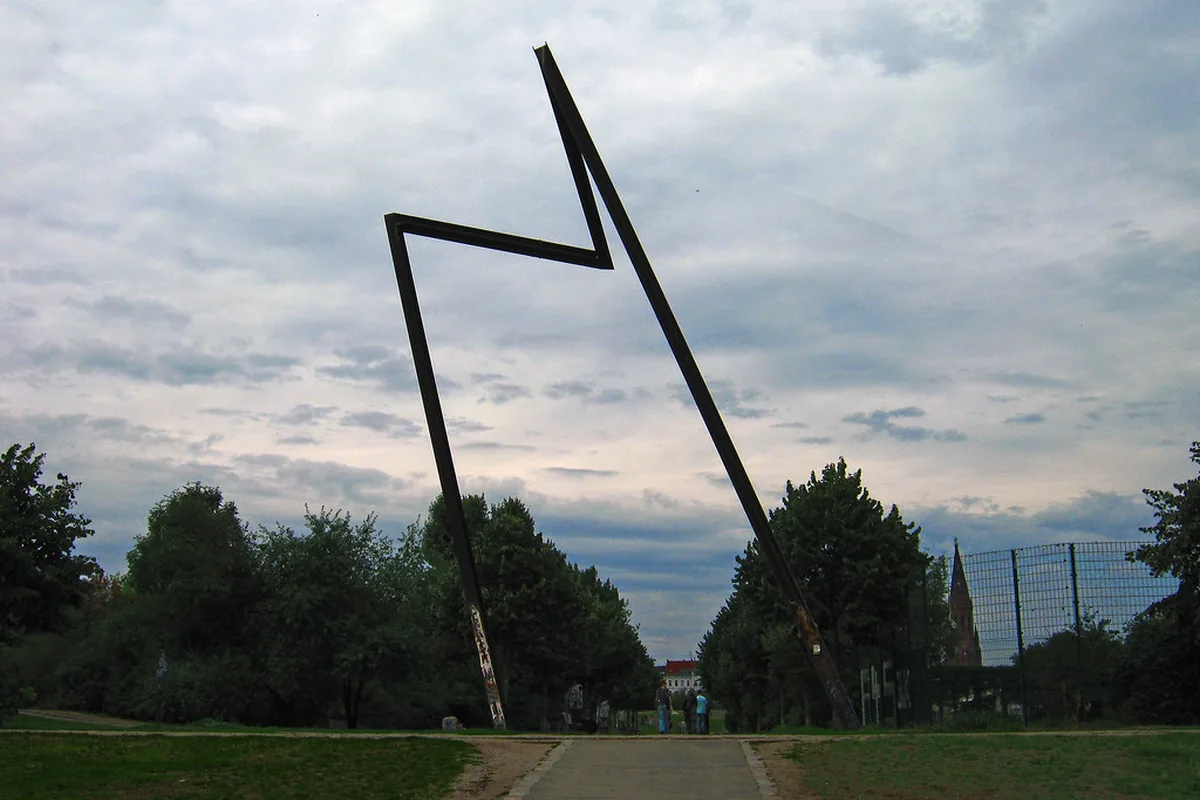
**Neukölln** shares Kreuzberg's multicultural, alternative spirit but often feels a bit edgier and more up-and-coming. It's known for its thriving bar scene and independent art spaces, attracting a younger crowd. If you enjoy Kreuzberg's vibe, Neukölln offers a similar, yet distinct, experience just next door. For more local dining options, check out our guide to best local restaurants in Berlin.
**Prenzlauer Berg** provides a stark contrast with its charming, laid-back atmosphere and beautifully restored pre-war architecture. It's often seen as more family-friendly and affluent, with boutique shops and organic cafes. While less rebellious than Kreuzberg, it offers a refined urban experience. You can find a different kind of charm here, focusing on quiet elegance.
**Mitte** is Berlin's central district, home to iconic landmarks like the Brandenburg Gate and Museum Island. It is undeniably convenient for first-time visitors but can sometimes feel less atmospheric and more tourist-focused. If you're looking for historical grandeur and major sights, Mitte is your go-to. However, it lacks Kreuzberg's raw, local feel.
**Friedrichshain** is another vibrant eastern district, famous for its nightlife and alternative culture. It shares a border with Kreuzberg and a similar history of counter-culture, particularly around the East Side Gallery. Friedrichshain leans more into clubs and bars, making it a prime destination for evening entertainment. It offers a youthful energy that complements Kreuzberg's daytime explorations. For a deeper dive into Berlin's vibrant street art scene, explore our Berlin street art guide.
What to Skip on a Kreuzberg Visit
While Kreuzberg is packed with genuine experiences, some commonly recommended activities might not offer the best value or authenticity. One thing you can often skip is paying for generic 'street art tours' in Kreuzberg. Much of the best street art is easily discoverable by simply wandering the streets, especially around Oranienstraße and the canal. Exploring independently allows for more serendipitous discoveries and saves you money.
Similarly, while Checkpoint Charlie is historically significant, its immediate surroundings have become overly commercialized with souvenir shops and costumed actors. The actual historical context is better absorbed at the nearby Mauermuseum or Topography of Terror. Focus on the more local and less staged historical sites for a deeper understanding. Prioritize unique experiences like those found in unusual things to do in Berlin.
Avoid overly expensive, tourist-trap restaurants that lack local patrons. Instead, seek out the smaller, family-run Turkish or Vietnamese eateries for delicious and authentic meals. These local spots offer better food at more reasonable prices, providing a true taste of Kreuzberg's culinary diversity. Embrace the neighborhood's genuine charm by opting for authentic, local experiences.
Frequently Asked Questions
What is Kreuzberg in Berlin known for?
Kreuzberg is renowned for its vibrant multicultural atmosphere, particularly its strong Turkish community. It is also famous for its rich counter-culture history, extensive street art, and lively nightlife. The neighborhood offers a unique blend of artistic expression, historical significance, and diverse culinary experiences.
How much time should you plan for Kreuzberg attractions?
To truly experience Kreuzberg, plan at least a full day, or even two. This allows ample time to explore key attractions like the Jewish Museum and Markthalle Neun, wander through Bergmannkiez, and soak in the atmosphere. A single afternoon might cover one or two main sights, but a deeper dive requires more time.
Is Kreuzberg worth including on a short Berlin itinerary?
Yes, Kreuzberg is definitely worth including, even on a short Berlin itinerary. Its distinct character and diverse offerings provide a stark contrast to other parts of the city. Prioritize key spots like the East Side Gallery and Markthalle Neun for a condensed but impactful visit, offering a memorable glimpse into Berlin's vibrant culture.
Other Districts With the Same Trajectory
Kreuzberg was cheap because the Wall ran along two sides of it, and everything since follows from that. Munich's Glockenbachviertel arrived at a similar place by a much gentler route. Kraków's Kazimierz shows the same pattern with a far heavier history underneath it.
Kreuzberg truly encapsulates the spirit of Berlin: resilient, diverse, and endlessly fascinating. From its historical depth to its thriving contemporary culture, the neighborhood offers a rich tapestry of experiences. It's a place where every corner tells a story, inviting you to explore further.
Whether you're drawn to its artistic expressions, culinary delights, or vibrant community, Kreuzberg leaves a lasting impression. This guide aims to equip you with the knowledge to make your visit both enriching and enjoyable. Embrace the energy of this unique Berlin district and discover your own favorite spots.
Remember to wander off the main paths to uncover the true heart of Kreuzberg. Its authentic charm lies in its hidden gems and local interactions. You can create unforgettable memories in this dynamic Berlin neighborhood.
Combine this with our complete hidden gems in Berlin guide for a fuller itinerary.
Continue exploring
More guides you'll find useful