Howth Dublin: A Hidden-Gem Coastal Day Trip
Howth Dublin day trip guide: DART directions, cliff walk routes, Baily Lighthouse views, harbour seafood, and market tips, all 30 minutes away. Plan your visit.
On this page
Your Guide to Howth Dublin: Cliffs, Harbour, and More
Howth sits at the northern tip of Dublin Bay, a working fishing harbour wrapped around cliffs and a rocky headland. Most visitors reach the city's museums and pubs first, then treat this coastal village as an afterthought if they mention it at all. That gap is exactly why Howth still feels like one of Dublin's day trips beyond Dublin rather than a packaged tourist stop.
In under 30 minutes on the DART, you trade city-centre crowds for cliff paths, a working harbour, and fresh seafood. This guide covers the cliff walk routes, the market, the lighthouse, and a boat trip to Ireland's Eye. We also share a sequencing trick locals use to fit more into one day without rushing.
How to Get to Howth from Dublin City Centre
The DART train is the easiest way to reach Howth, running directly from Connolly Station. The ride takes about 30 minutes and drops you right at Howth Harbour in the middle of the village. Trains run roughly every 30 minutes through the day, so you rarely wait long between departures.
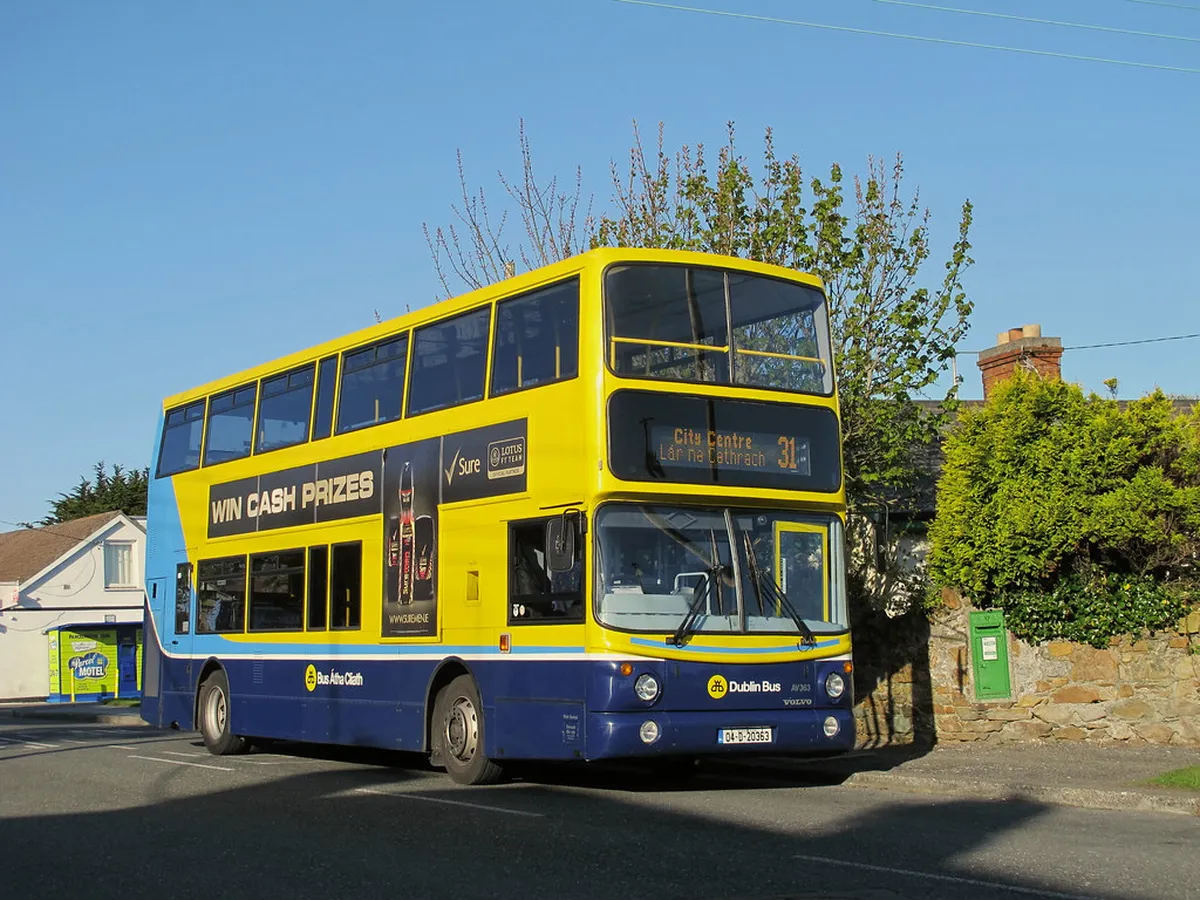
A single DART ticket costs around 2.60 EUR per person, and the machines at the station accept cards. A Leap card works on the same line and can shave a few cents off each trip. Keep the ticket handy, since inspectors do check fares on board.
Bus routes reach Howth too, and the ride usually takes 40 to 50 minutes depending on traffic. The bus drops passengers near Howth Summit, which works well if you want to start the cliff walk from the top. Sit on the right-hand side for the better views over Dublin Bay along the way.
Choose the train if your priority is the harbour, the market, and lunch by the water. Choose the bus if you want to start walking downhill from the summit and finish near the restaurants. Either way, no car is required, which keeps the whole trip simple and inexpensive.
The DART train from Connolly Station takes about 30 minutes and costs around 2.60 EUR per person, making it the quickest and cheapest way to reach Howth without a car.
The Best Time to Visit Howth
Howth rewards visitors in every season, though the weather along this exposed headland changes fast. Spring and autumn bring mild temperatures, and the yellow gorse bushes along the cliff path come into bloom. These shoulder months also mean smaller crowds on the trail and shorter queues at harbour restaurants.
Summer turns the hills green and adds ferns and wildflowers, plus warmer days for the beaches nearby. It is also the busiest stretch of the year, especially on weekends when day-trippers arrive from across Dublin. If you plan a summer visit, book any boat tour and dinner reservation a few days ahead.
Weekday mornings offer the calmest version of Howth no matter which season you pick. Our guide to the when to visit Dublin covers similar timing logic citywide. Wind is the one constant here, so bring a windproof layer even on a sunny forecast.
Wind is constant at Howth even on sunny days, so bring windproof layers and waterproof shoes. Public toilets are located at Howth Summit and near both piers.
The Howth Cliff Walk: Routes, Distance, and Difficulty
Two main loops cover the Howth headland, and both start or finish near the DART station. The shorter option is easier underfoot, while the longer loop circles all the way around Baily Lighthouse. Neither route needs technical hiking gear, though sturdy shoes help after rain.
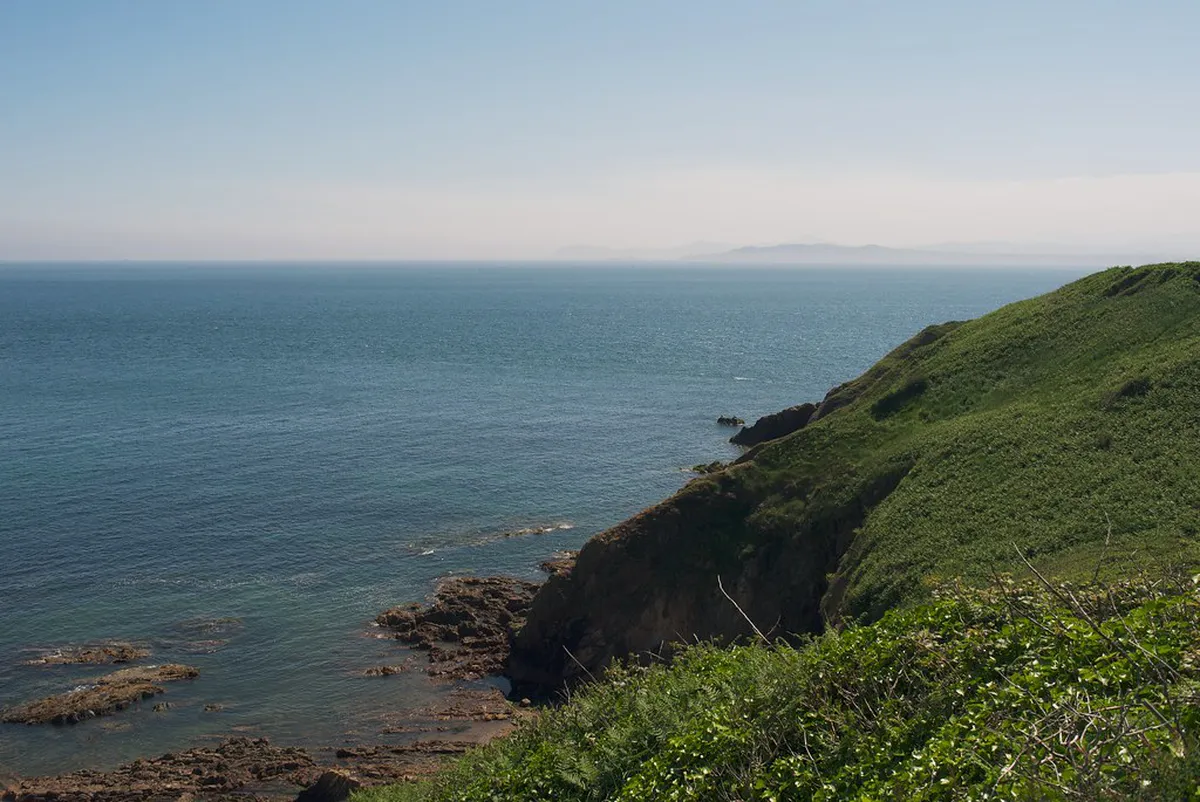
The full route is tracked in detail on AllTrails, including elevation and current trail conditions. Along the way, you get open views of Ireland's Eye, Lambay Island, and the wider Dublin Bay coastline. A small Éire sign from the Second World War still marks the upper section near Howth Summit.
Some stretches narrow to single file along the cliff edge, so slow down and let other walkers pass. The ground can turn muddy after rain even though the overall grade stays gentle. Public toilets sit at Howth Summit and near the start of the trail by the village.
- Howth Cliff Walk half loop, the easier route
- This route covers about 5 kilometers and takes roughly 1.5 to 2 hours to finish.
- The path is rated easy and stays mostly level with only a few uneven patches.
- Start at Howth Summit and walk downhill toward the village to end near restaurants.
- Parking sits at Howth Summit and near the harbour in the village centre.
- Howth and Baily Lighthouse loop, a moderate full circuit
- This loop runs about 7.2 kilometers and takes around 2 to 2.5 hours to complete.
- It starts and finishes in Howth village and circles past the Baily Lighthouse itself.
- Expect narrow single-file sections in places, so allow extra time to let others pass.
- Public toilets sit at Howth Summit and near both the east and west piers.
Howth Harbour: Seafood, the Market, and Ireland's Eye
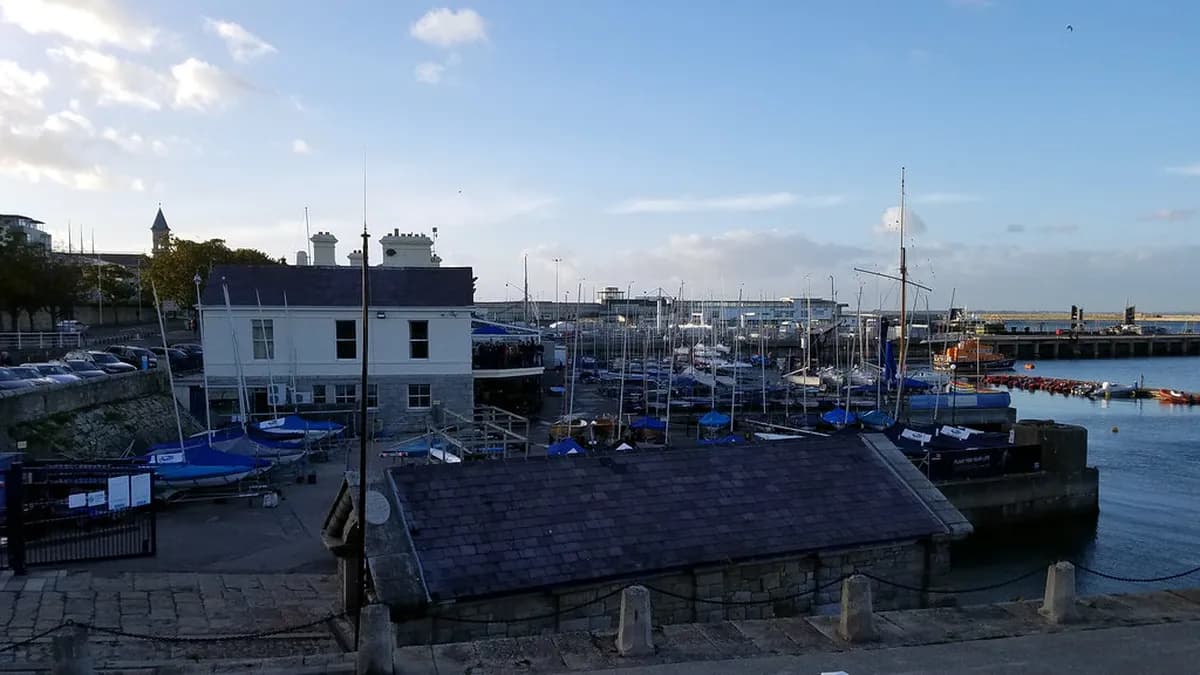
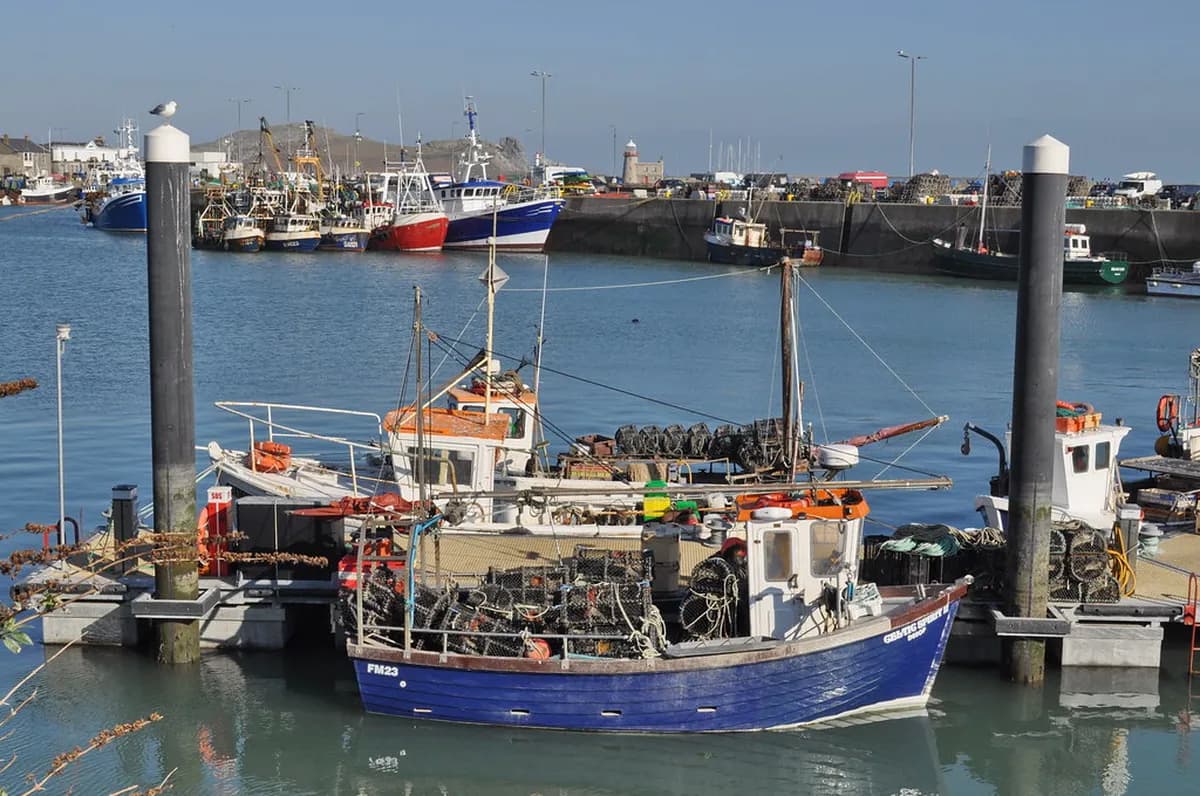
Howth Harbour has worked as a fishing port since at least the 14th century, and boats still land the day's catch here. Trawlers share the water with pleasure boats, which gives the piers a working feel rather than a staged one. Walk the West Pier at low tide and you can watch crews unload crates of fish straight off the boats.
Several harbour-front spots serve that same catch a few hours later, from casual chippers to sit-down seafood rooms. A classic move is fish and chips eaten on a bench overlooking the harbour rather than at a table. For something more formal, a handful of restaurants along the pier plate up chowder, oysters, and daily catch specials. For more citywide picks beyond Howth, see our what to eat in Dublin for other harbour and city options.
On market days, stalls along the harbour sell fresh seafood, baked goods, crepes, and local produce side by side. Check the current schedule on the Howth Market site before you go, since days can shift by season. Even if you are not hungry, the craft stalls and small art pieces are worth a slow walk-through.
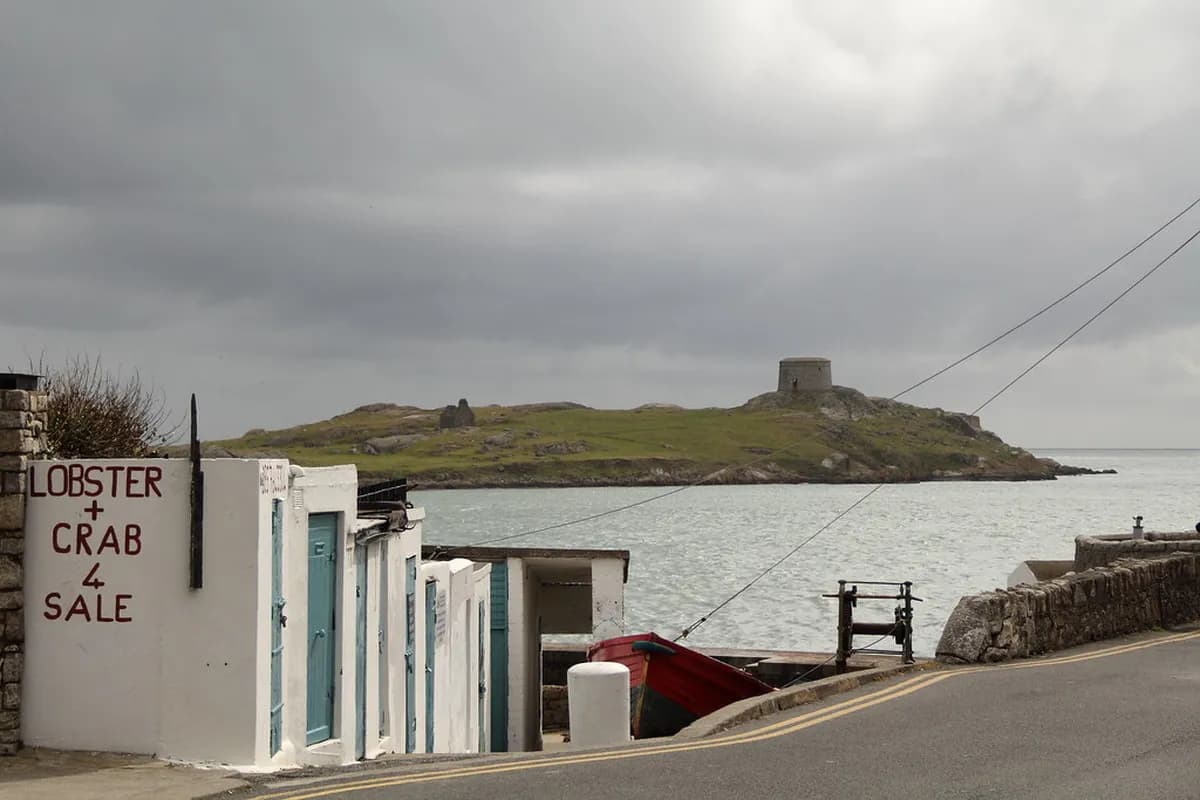
A short boat trip from the West Pier circles Ireland's Eye, an uninhabited island with seal and seabird colonies. Operators such as Howth Cliff Cruises run the crossing in around 45 minutes and charge about 25 EUR per person. Puffins nest on the island through the summer months, which makes that season the best window to spot them. Book ahead in summer, since sailings depend on weather and popular time slots do sell out.
Beyond the Cliffs: Sequencing a Howth Day Like a Local
Most visitors do the cliff walk, grab lunch, and leave, which means they miss the quieter parts of the day. A better sequence starts with the bus to Howth Summit before the mid-morning tour groups arrive. Walking downhill first means you finish the loop tired but rewarded, right at the harbour restaurants.
From there, save the Ireland's Eye boat trip for early afternoon, once the morning haze over the bay clears. This order also avoids the backtrack many day-trippers make between the summit and the harbour twice in one day. Time it well, and you can still catch an earlier DART back before the evening rush.
South of the village, the grounds of Howth Castle stay open for a free walk even though the house itself is private. Azalea and rhododendron gardens bloom here in early summer, and few day-trippers make the short detour to see them. For more low-key spots like this across the city, our guide to Dublin's secret spots covers similar detours.
On a wet-weather day, the Howth Castle Cookery School offers an indoor alternative to the cliff walk. Classes run around two hours and cost roughly 105 EUR per person, covering everything from steak nights to brunch menus. It swaps sea views for hands-on cooking, but it keeps a rained-out trip worthwhile.
Practical Tips for a Howth Day Trip
Layers matter more than anything else, since the headland catches wind even when Dublin city stays calm and mild. Waterproof shoes help after rain, though the main trails stay walkable in trainers most of the year. A charged phone or paper map helps on the cliff sections where signal can drop in and out.
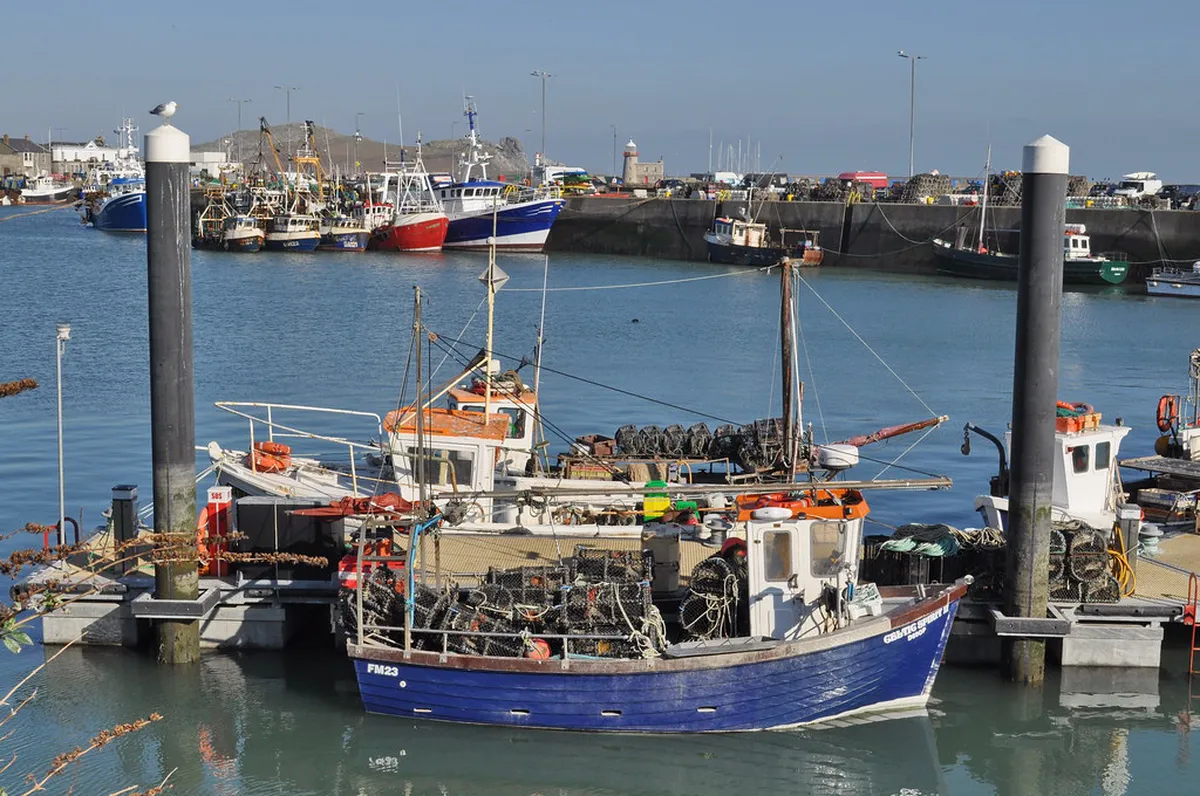
Public toilets exist at Howth Summit and near both piers, but not along the beach access points. Bring some cash for market stalls, even though most restaurants and boat operators accept cards. Seals gather near the piers, and Howth has banned feeding them since a 2011 crowding incident near the harbour.
The cliff walk itself costs nothing beyond your transport fare, which pairs well with our list of free Dublin attractions. Weekday visits, especially outside July and August, keep both the trail and the restaurants far less crowded. If you only have half a day, focus on the shorter loop and save the boat trip for next time.
Frequently Asked Questions
Is Howth, Dublin worth visiting?
Howth is worth a half or full day if you enjoy coastal walks, seafood, and quiet harbour views. The cliff walk takes under two hours, the DART ride from Dublin city centre takes about 30 minutes, and no car is needed. Most travelers pair the walk with lunch and a stroll around the harbour before heading back.
How do I get from Dublin to Howth?
The DART train from Connolly Station is the simplest option, taking about 30 minutes and costing around 2.60 EUR per person. Buses also run to Howth Summit in roughly 40 to 50 minutes, which suits travelers who want to start the cliff walk from the top. Both options run without a car and accept Leap cards.
Why is Howth famous?
Howth is known for its cliff walk, its working fishing harbour, and the roughly 750-year-old grounds of Howth Castle. Writers James Joyce and W.B. Yeats both drew on the peninsula's coastal scenery in their work, including a scene set near Balscadden Bay. The village remains an active fishing port rather than a purely tourist stop.
How long does the Howth Cliff Walk take?
The easier half loop covers about 5 kilometers and takes 1.5 to 2 hours at a relaxed pace. The full loop around Baily Lighthouse runs closer to 7.2 kilometers and takes 2 to 2.5 hours. Both routes are walkable in normal trainers, though waterproof shoes help after rain.
Are there other coastal villages near Howth worth visiting?
Yes, Dublin Bay has several coastal villages that make good day trips by DART. Dalkey and Dun Laoghaire sit on the opposite side of the bay and offer a similar mix of harbour walks and seafood. Each has its own pace, so pick based on how much walking you want to do.
Exploring more of Europe? Browse our hidden-gems guides to London, Paris and Rome.
For the wider city context, see our complete guide to hidden gems in Dublin.
Howth still works as a low-key alternative to Dublin's busier landmarks, and that is exactly its appeal. A single DART ticket buys you cliffs, a working harbour, fresh seafood, and a boat ride to a seabird island. None of it requires booking weeks ahead, aside from summer boat tours and cookery classes.
If Howth leaves you wanting more coastline, Dublin Bay has other villages worth the same day-trip treatment. Our Dalkey day trip guide covers a similar mix of cliffs, castles, and harbour views on the opposite side of the bay. Either way, the DART makes both villages easy to reach without a car.
Pack for wind, plan around the harbour's working hours, and leave room in your day for the market. Howth rewards travelers who slow down rather than rush through a checklist of sights. Come back in a different season in 2026, and the same cliff walk can feel like a new trip entirely.
Continue exploring
More guides you'll find useful