Dún Laoghaire Guide: Piers, Swims & Market 2026
Explore Dún Laoghaire's piers, Sunday market, sea swimming, and the Joyce Tower with this 2026 guide to Dublin Bay's Victorian harbour town.
On this page
Dún Laoghaire: A Victorian Harbour Town on Dublin Bay
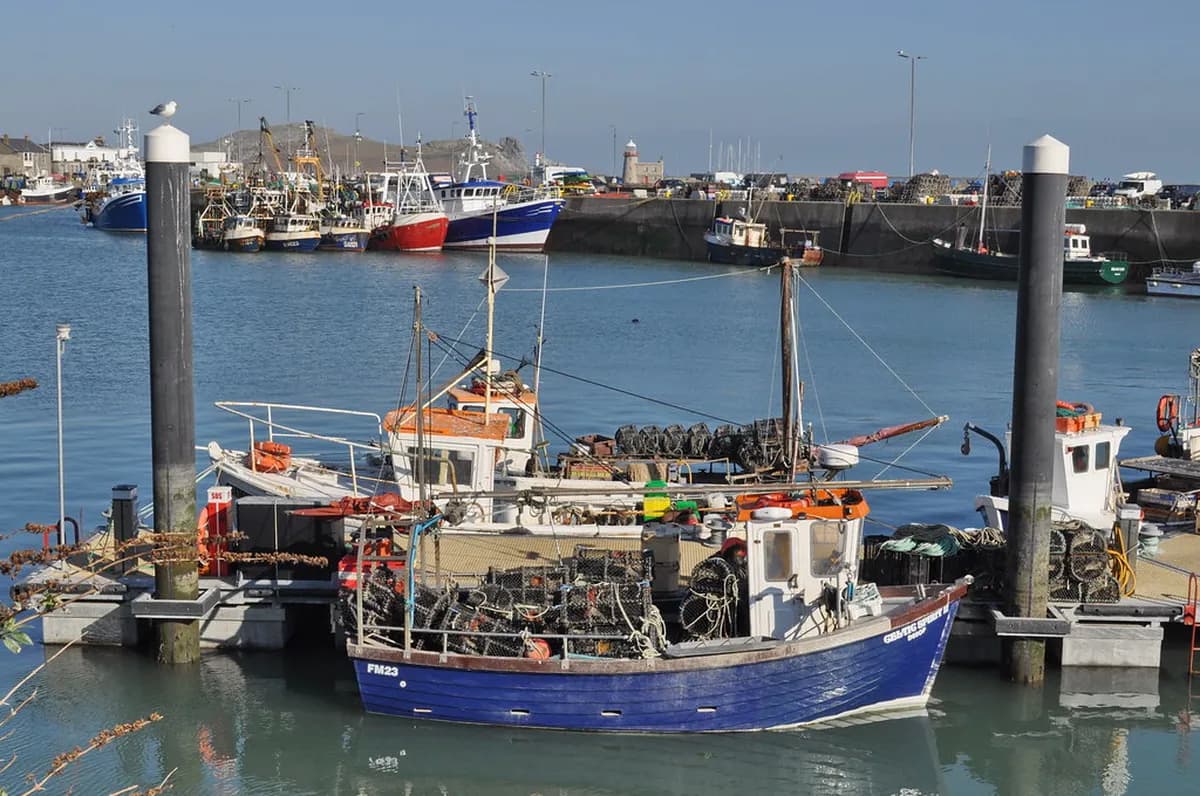
Just twenty-five minutes south of Dublin by DART, Dún Laoghaire still feels like its own seaside world. Granite piers curve around one of the largest working harbours in western Europe, framing a town built for Victorian holidaymakers. Locals come here for a Sunday market, a swim at the Forty Foot, and an ice cream from Teddy's. This guide covers the piers, market, museum, and swimming spots that make Dún Laoghaire worth a half day or more.
We treat Dún Laoghaire as a slower alternative to Dublin's busier sights, not a rushed box to tick. For travelers chasing Dublin's hidden gems, this harbour town delivers without the crowds of Grafton Street. Bring good shoes, an appetite, and swimwear if the tide and weather cooperate.
Getting to Dún Laoghaire From Dublin
The DART commuter train connects Dublin city centre to Dún Laoghaire in about twenty-five minutes. Trains leave Pearse Street and Connolly Station every ten to fifteen minutes during the day. Buy a Leap Card or tap a contactless card at the gate; single fares run a few euro each way. Check the current timetable before you travel, since off-peak frequency drops in the evening.
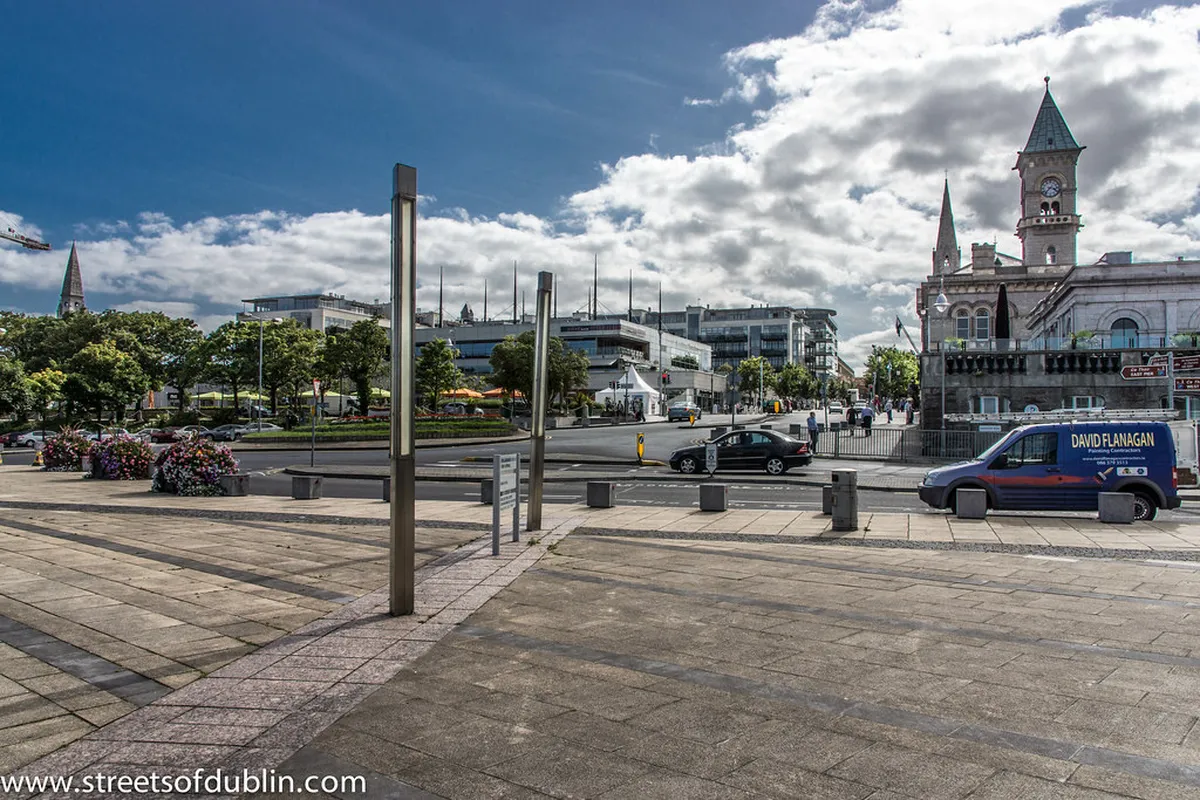
Driving works too, though parking near the harbour fills up fast on sunny weekends. Cyclists can follow the coastal route from Sandymount and Blackrock, arriving via a mostly flat, scenic road. Dún Laoghaire also makes a natural first stop on a wider coastal day, since Dalkey and Killiney sit one DART stop further south. If you plan to string together several day trips from Dublin, this line does most of the work for you.
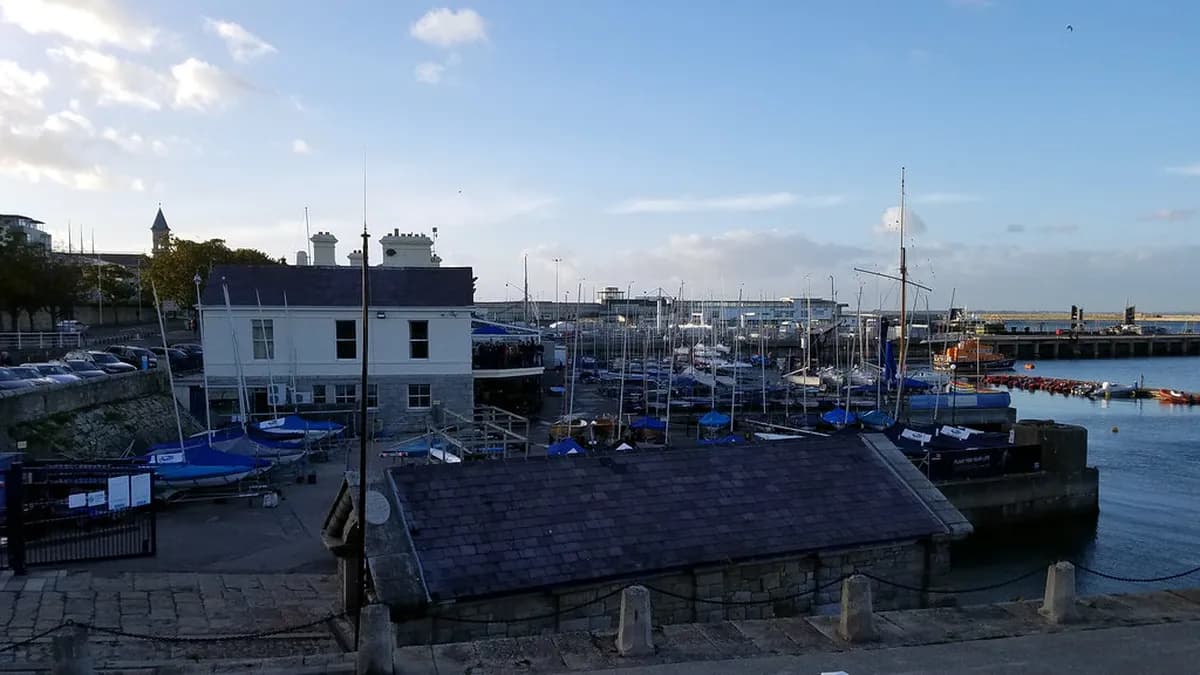
Dún Laoghaire earned its harbour the hard way, after two shipwrecks near the coast cost around four hundred lives in 1807. The town then built two mile-long granite piers and, later, a busy mail-boat and car-ferry terminal to Wales. Ferry sailings to Holyhead ended here in 2015, but the harbour still handles sailing regattas and the occasional cruise tender. For a fuller sense of that history, follow the self-guided historic walking tour of Dún Laoghaire, a free route through the old town.
- By DART train
- Trains run from Pearse Street and Connolly every ten to fifteen minutes.
- The ride takes about twenty-five minutes and drops you right at the harbour.
- By car
- Parking fills quickly near the harbour on sunny weekends and market Sundays.
- Side streets around George's Street offer a better chance of finding a space.
- By bike
- A flat coastal route runs from Sandymount and Blackrock into Dún Laoghaire.
- The path continues past Seapoint before reaching the harbour piers.
Walking the East and West Piers
Dún Laoghaire harbour is ringed by two granite piers, built after the 1807 shipwrecks pushed the state to act. East Pier runs about one kilometre and stays busier, with joggers, families, and fishing lines competing for space. West Pier stretches nearly a mile at 1,548 metres and draws a quieter crowd of walkers and swimmers.
Trains depart from Pearse Street or Connolly Station every 10–15 minutes and take about 25 minutes to reach Dún Laoghaire—buy a Leap Card or tap contactless to save money.
The West Pier lighthouse dates to 1852, with a fog horn added in 1909 and full automation arriving in 1930. Near the pier entrance, a glass-fronted building and yellow buoy mark the headquarters of the Commissioners of Irish Lights. That agency has guided ships along the Irish coast for more than two centuries.
Walk East Pier toward the water and you will pass the Victorian bandstand and East Pier Lighthouse near the harbour mouth. Stop at Teddy's for a cone; the family-run parlour has served Dún Laoghaire for generations and stays busy well past dusk in summer. Locals rate sunset as the best time to walk, when the bandstand silhouette falls against the darkening sky over the bay. Skip the midday summer rush if you want the pier to yourself; early morning or early evening both work better.
A common mistake is sticking only to East Pier because it sits closer to the DART station. West Pier's extra length rewards the walk with fewer crowds and better views back toward Dublin's Poolbeg towers. Plan on twenty-five to thirty minutes each way if you walk the full West Pier at a relaxed pace.
People's Park and the Sunday Market
Away from the harbour breeze, People's Park has offered a calmer Victorian escape since it opened in 1890. The park covers about two hectares and typically opens daily from around 8am, though hours can shift seasonally. Look for the restored Victorian gatehouse, twin fountains, and a fragrant garden built for visitors with visual impairments.
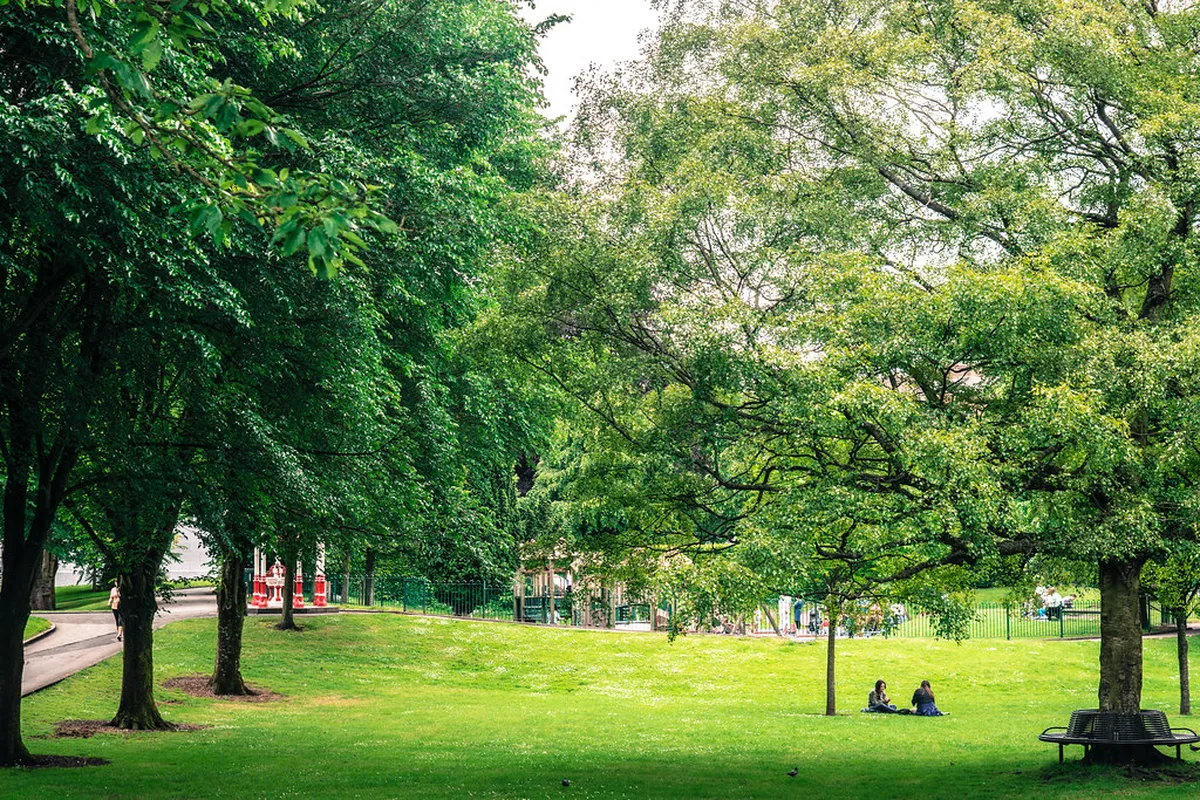
On Sundays, stalls fill the park for the Dún Laoghaire market, running from roughly 11am to 4pm. Traders sell homemade food, jewelry, and crafts, while the food side extends toward the Lexicon library nearby. That satellite section is often called the Coco Market and draws over fifty food and craft traders on a typical Sunday. Arrive before noon if you want first pick of the bakery stalls, since popular items sell out by early afternoon.
If the market queues run long, several proper restaurants sit within a five-minute walk of the park gates. For a wider spread of options, our guide to Dublin's best local restaurants covers spots across the city, including harbourside picks. Evening visitors can also find old-school pubs nearby, several of which have poured pints since the 1920s.
The National Maritime Museum and Joyce Tower
The National Maritime Museum sits inside the former Mariners' Church, a building that has stood for around 180 years. Exhibits include a ship's radio room, items from the torpedoed RMS Leinster, and a rare optic from the Baily Lighthouse. A Titanic display and a collection of early navigation instruments round out the rainy-day appeal. Opening hours shift by season, so confirm the current schedule before you plan a visit around it.
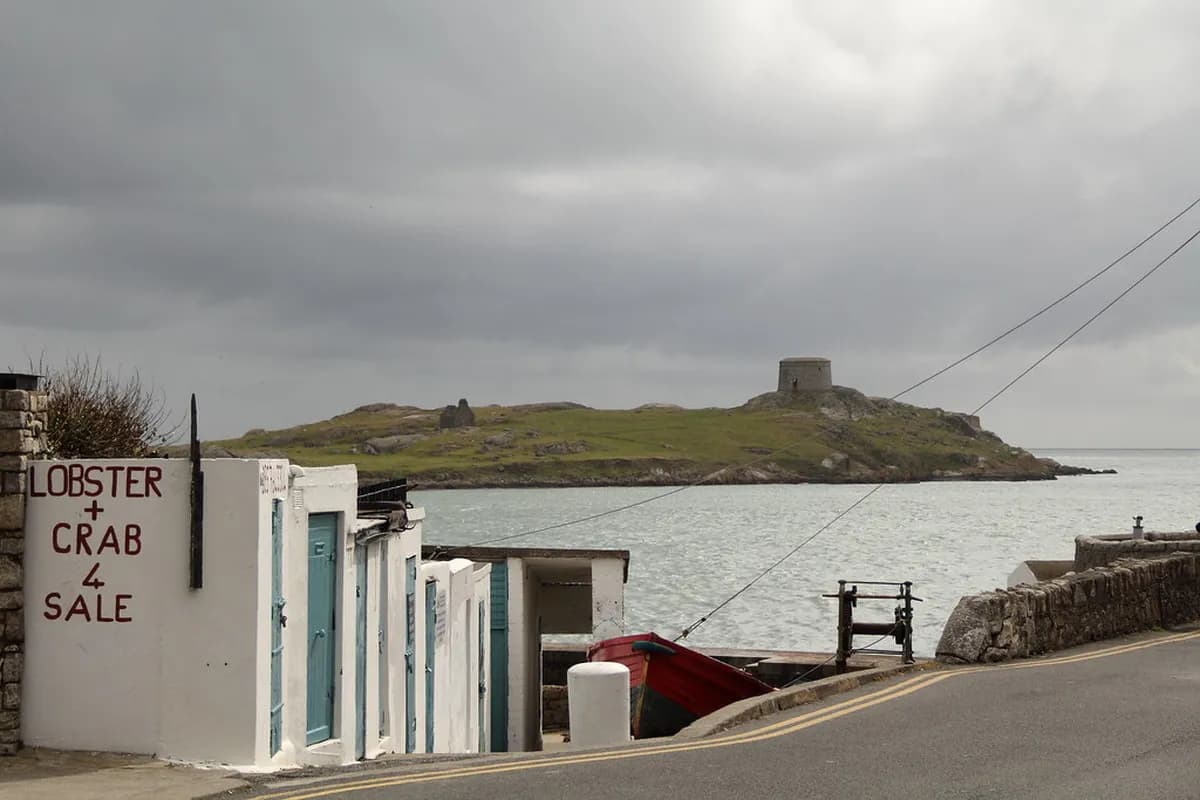
A short walk south along the coast brings you to Sandycove and its Martello Tower. James Joyce stayed briefly in that tower, and its opening scene became the first pages of Ulysses. The tower now houses the small James Joyce Museum, packed with letters, photographs, and first editions.
Most visitors skip the harbour's active sailing scene, which is a mistake for anyone curious about the water itself. The Irish National Sailing School runs weekend courses for complete beginners, right off the harbour front. Groups can also charter a yacht for an afternoon or try stand-up paddleboarding closer to the piers. Booking a lesson ahead of time matters most in July and August, when weekend slots fill fastest.
Sea Swimming at the Forty Foot and Seapoint
The Forty Foot, just past Sandycove, is a natural pool where locals swim through every season, not only summer. Once a men-only bathing spot, it now welcomes everyone, and early mornings draw a loyal crowd of regular swimmers. Ulysses opens near this exact spot, and fans of Joyce often make the short DART trip just to see it.
Sandycove Beach sits about 1.5 kilometres from the harbour and suits families better than the Forty Foot. Shallow water makes it easier for kids to paddle, and a grassy bank behind the sand works well for a picnic. Keep an eye out for the resident seal that regularly turns up near the shoreline. Combine a swim here with a walk into Dalkey's harbour village, just one DART stop south.
Seapoint, a few minutes further up the coast toward Blackrock, is a Blue Flag beach reachable by its own DART stop. It gets less attention than the Forty Foot, which means calmer crowds even on warm weekends. Check tide times before any of these swims, since low tide exposes rocks that are easy to miss at high water. None of the three spots has a lifeguard on duty, so swim within your ability and never alone at dawn or dusk.
Check tide times before any swim—low tide exposes rocks near the entry points. None of these spots have lifeguards on duty, so swim within your ability.
- The Forty Foot, Sandycove
- A natural sea pool once reserved for men-only bathing.
- Regulars swim here year-round, even through winter mornings.
- Steps lead straight into deep water, so confident swimmers do best here.
- Sandycove Beach
- A small, sheltered beach with shallow water for children.
- Sits about one and a half kilometres from the main harbour.
- The Martello Tower and James Joyce Museum overlook the sand.
- Seapoint
- A quieter Blue Flag beach with its own DART station.
- Popular with regular swimmers who prefer fewer crowds than the Forty Foot.
- Rocky at low tide, so time your visit around the tide table.
How Long to Spend in Dún Laoghaire
Most competing guides list attractions without saying how much time each one actually needs. We think the better question is how many hours you have, not how many sights you can cram in. Here is a practical breakdown by time budget, cost, and who each option suits best.

A common mistake is visiting on a Sunday afternoon and expecting a quiet pier walk. Market crowds peak between noon and 2pm, so plan your pier walk for the morning instead. For a wider sense of quieter timing across the city, see our guide to the when to visit Dublin. Weekday visits, by contrast, feel almost sleepy outside the summer school holidays.
- Two hours: harbour and ice cream
- Walk East Pier, grab a cone from Teddy's, and watch the boats.
- Costs little beyond the ice cream and suits a quick stopover between trains.
- Best for travelers connecting onward to Dalkey or back into Dublin.
- Half a day: piers, market, and museum
- Add the National Maritime Museum and a browse of People's Park.
- Budget a modest museum entry fee plus lunch at a harbourside café.
- Works well for couples or solo travelers short on time.
- Full day: Dún Laoghaire, Dalkey, and Killiney
- Ride the DART two stops further to combine three coastal towns.
- Add the Forty Foot swim and the Killiney Hill viewpoint if energy allows.
- Best suited to hikers and families comfortable with several kilometres on foot.
Frequently Asked Questions
How do you pronounce Dún Laoghaire?
Dún Laoghaire is pronounced dun LEER-ə, roughly rhyming with 'dun leery.' The spelling comes from Irish, honoring the historic king Laoghaire, and trips up most first-time visitors. Locals will not mind if you get it wrong; just give it a confident try and you will be understood.
Is Dún Laoghaire worth visiting as a day trip from Dublin?
Yes, Dún Laoghaire suits a half or full day, especially if you enjoy walking, sea swimming, or browsing a Sunday market. It sits twenty-five minutes from central Dublin by DART, so no car is needed. Pair it with our Dublin's neighbourhoods to plan the rest of your trip.
What does Dún Laoghaire mean in Irish?
Dún Laoghaire translates roughly to 'Laoghaire's fort,' named after a High King associated with the area centuries ago. The English spelling was briefly changed to Kingstown in 1821 to mark King George IV's visit. Locals restored the Irish name in 1920, and it has stuck ever since.
How do you get from Dublin city centre to Dún Laoghaire?
The DART train is the easiest option, running from Pearse Street or Connolly Station in about twenty-five minutes. Trains depart every ten to fifteen minutes for most of the day, and a Leap Card covers the fare. Driving works too, but parking near the harbour fills quickly on weekends.
Is it safe to swim at the Forty Foot?
Many locals swim at the Forty Foot every day, but it has no lifeguard on duty. Check tide times before you go, since low tide exposes rocks near the entry steps. Swim within your ability, avoid diving in unfamiliar spots, and never swim there completely alone.
Exploring more of Europe? Browse our hidden-gems guides to London, Paris and Rome.
Dún Laoghaire rewards travelers willing to slow down for a harbour walk instead of a checklist. Piers, a Victorian park, sea swimming, and a genuine ice cream institution all sit within a twenty-minute walk of the DART station. None of it requires a car, a booking months out, or a full day away from Dublin.
Treat this as one stop on a longer coastal day, or give it a full morning on its own. Either way, pack a swimsuit just in case the Forty Foot looks too good to pass up. For more towns like this one, our guide to off-the-beaten-path spots in Dublin covers similar low-key escapes nearby.
Continue exploring
More guides you'll find useful