10 Best Traditional Pubs in Dublin (2026)
Skip Temple Bar and find the best pubs in Dublin: Victorian snugs, trad-music sessions, and honest 2026 pint prices, all mapped out for you.
On this page
10 Best Pubs in Dublin: Real Snugs, Real Sessions
Dublin's pub scene packs more centuries-old boozers per square mile than almost any other capital in Europe. Our Dublin-based editors cross-checked licensing records, trad-session schedules, and years of local tips to find the best pubs in Dublin. This list skips the souvenir-shop end of Temple Bar for Victorian snugs, trad-music sessions, and a pint worth drinking.
Last updated July 2026, the prices below reflect typical menu ranges rather than exact receipts, since pubs adjust rates through the year. Every pub named here is a real, still-operating bar, not an unnamed 'cosy local.' We grouped the list by what each pub does best: Victorian snugs, trad-music sessions, literary history, and neighbourhood locals.
If you only have one evening, start at a Victorian snug and end at a trad session. The rest of this guide shows you how to string that night together. We also flag which famous name to skip, and why the queue outside it isn't worth your first pint in Dublin.
10 Best Traditional Pubs in Dublin
These ten pubs cover four different reasons to go for a pint: Victorian snugs, trad-music sessions, literary history, and neighbourhood locals. We ordered the list roughly by category, not by ranking, since the best pub in Dublin depends on what you're after that night. Every entry below includes a typical price, opening pattern, and how to reach it without a map.
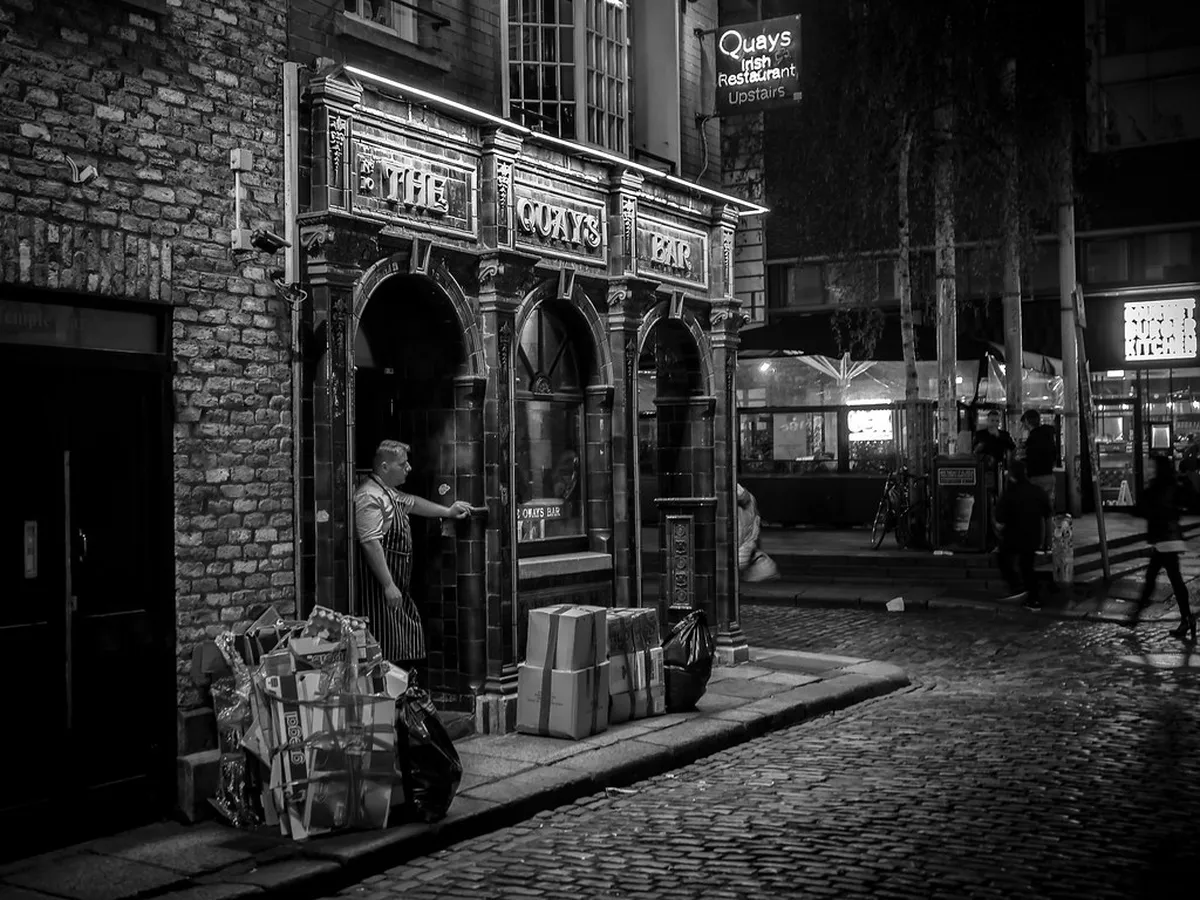
Five of these are proper Victorian-era snug pubs, the small partitioned booths built so nineteenth-century patrons could drink without being seen from the street. Two are trad-music institutions where the session, not the pint, is the reason to show up. One is a literary landmark from James Joyce's Ulysses, and two are neighbourhood locals well outside the tourist grid. For more on the aesthetic side, The most beautiful pubs in Dublin photo essay covers several of these interiors in detail.
Most of these pubs sit within a 20-minute walk of each other south of the Liffey, around Grafton Street, Camden Street, and Merrion Row. The two neighbourhood picks, in Stoneybatter and Portobello, are a short bus or Luas ride from the centre and worth the detour. None of the ten require a reservation, though the trad-session pubs fill up fast after 8pm on weekends. The Cobblestone anchors Smithfield's old market district, a short Luas ride north of the river.
- Kehoe's on South Anne Street
- A converted 1800s grocer's shop, Kehoe's keeps its shopfront counter and mahogany fittings intact.
- Upstairs, the old grocer's private rooms now serve as a quieter overflow snug for regulars.
- A pint of Guinness runs about six fifty to seven euro here in 2026.
- It sits two minutes off Grafton Street, so it works as a first or last stop.
- Arrive before 6pm on weekdays if you want an actual seat at the bar.
- The Long Hall on South Great George's Street
- Full Victorian fittings survive here, including a carved mahogany back bar and hanging chandeliers.
- An antique clock behind the counter has kept time in this room since the 1880s.
- Expect to pay roughly six eighty to seven thirty for a pint of stout.
- It's a five-minute walk from Dame Street, tucked beside George's Street Arcade.
- Weeknight evenings draw more regulars than tourists, especially after 9pm.
- Mulligan's of Poolbeg Street
- Dark wood panelling and a slow, unhurried pour have made Mulligan's a Dublin institution since 1854.
- Newspaper staff from the old Irish Press offices nearby made this their local for decades.
- A pint here costs about six twenty to six ninety, cheaper than most city-centre snugs.
- It's a three-minute walk from Trinity College or Tara Street DART station.
- Staff still pour in two stages, so budget an extra few minutes for a proper settle.
- Toner's on Baggot Street
- Poet WB Yeats reportedly drank in only one Dublin pub in his lifetime, and this was it.
- Its snug is widely regarded as the best-preserved example left in the city.
- A pint runs roughly six ninety to seven forty, with a beer garden called Toner's Yard out back.
- It's a ten-minute walk from St Stephen's Green, close to O'Donoghue's on the same street.
- Book a table if you want the beer garden on a rare sunny Dublin evening.
- The Palace Bar on Fleet Street
- This 1823 pub keeps a stained-glass skylight over its back room, nicknamed the good room.
- Irish Times journalists and writers made it their office away from the office for decades.
- A pint costs about six eighty to seven forty, in line with nearby classic pubs.
- It sits a block off the main Temple Bar strip, with a noticeably calmer crowd.
- Ask for a seat in the back room rather than the front bar for the quieter half.
- Davy Byrne's on Duke Street
- James Joyce sent Leopold Bloom here for a gorgonzola sandwich and burgundy in Ulysses.
- Art Deco murals from the 1940s still line the walls above the bar.
- Expect to pay around seven twenty to seven eighty for a pint, slightly above the snug-pub average.
- It's one minute from Grafton Street, tucked down a quiet lane called Duke Street.
- Bloomsday, June 16th, packs the place, so visit another week for a calmer version.
- The Cobblestone in Smithfield
- Front-bar trad sessions run most nights, played for love, not a stage fee.
- Word has spread, and the room draws more visitors now than it did a decade ago.
- A pint costs about six to six sixty, still cheaper than most city-centre bars.
- It's a ten-minute walk from the centre, or take the Luas red line to Smithfield stop.
- Show up for the early weekday session around 6:30pm for the smallest crowd and best sightlines.
- O'Donoghue's on Merrion Row
- Folk band The Dubliners got their start playing session nights in this pub during the 1960s.
- Musicians set up at a table in the courtyard, right among the crowd rather than on a stage.
- A pint runs roughly six ninety to seven fifty, and sessions often start mid-afternoon on weekends.
- It's an eight-minute walk from St Stephen's Green, a short stroll from Toner's.
- Arrive by early evening on Friday or Saturday, since standing room disappears fast.
- L Mulligan Grocer in Stoneybatter
- A former corner grocery shop, this gastropub keeps deep whiskey and craft-beer lists behind the old counter.
- Locals from this residential neighbourhood outnumber tourists here on most nights of the week.
- Pints range from about six fifty for standard stout up to seven fifty for craft options.
- It's a fifteen-minute walk from the centre, or a short bus ride to Stoneybatter.
- The kitchen serves proper pub food until late, useful if your session runs into dinner.
- The Lower Deck in Portobello
- This canal-side local draws a mixed crowd of regulars watching GAA matches on the wall-mounted screens.
- It sits well outside the tourist circuit, along the Grand Canal south of the centre.
- A pint costs about six twenty to six eighty, on the cheaper end for Dublin.
- It's a fifteen-minute walk south from St Stephen's Green, or take the Luas green line to Charlemont.
- Grab an outdoor bench by the canal in summer before the evening crowd arrives.
How Do You Order a Proper Pint of Guinness?
A proper pint of Guinness is a two-part pour, not a single motion at the tap. Bartenders fill the glass to about three-quarters full, then let it settle before topping it off. According to Guinness's official pouring guidance, the full process takes around two minutes from tap to table.
That settling time matters because it lets the nitrogen bubbles form the pint's signature creamy head. A pint poured too fast tastes thin and loses the dense, spoon-standing foam on top. If your pint arrives in under a minute, it's fair to ask for a properly settled one instead.
A pint poured too fast loses its signature creamy head. If your pint arrives in under a minute, ask the bartender for a properly settled one instead.
Prices vary more than most visitors expect, and location inside the city makes the biggest difference. A traditional pub away from the main tourist strip charges roughly six euro twenty to seven euro fifty in 2026. The same pint inside the main Temple Bar strip often runs eight euro fifty to nine euro fifty or more. Menus change through the year, so treat these as typical ranges rather than fixed prices.
Dublin's Literary Pub Trail: Joyce, Behan and Beyond
Dublin earned UNESCO City of Literature status in 2010, and its pubs are a working part of that history. James Joyce set several scenes from Ulysses inside real Dublin pubs, and Davy Byrne's on Duke Street is the most famous survivor. Writers Patrick Kavanagh and Brendan Behan drank at The Palace Bar and McDaid's during the mid-twentieth century.
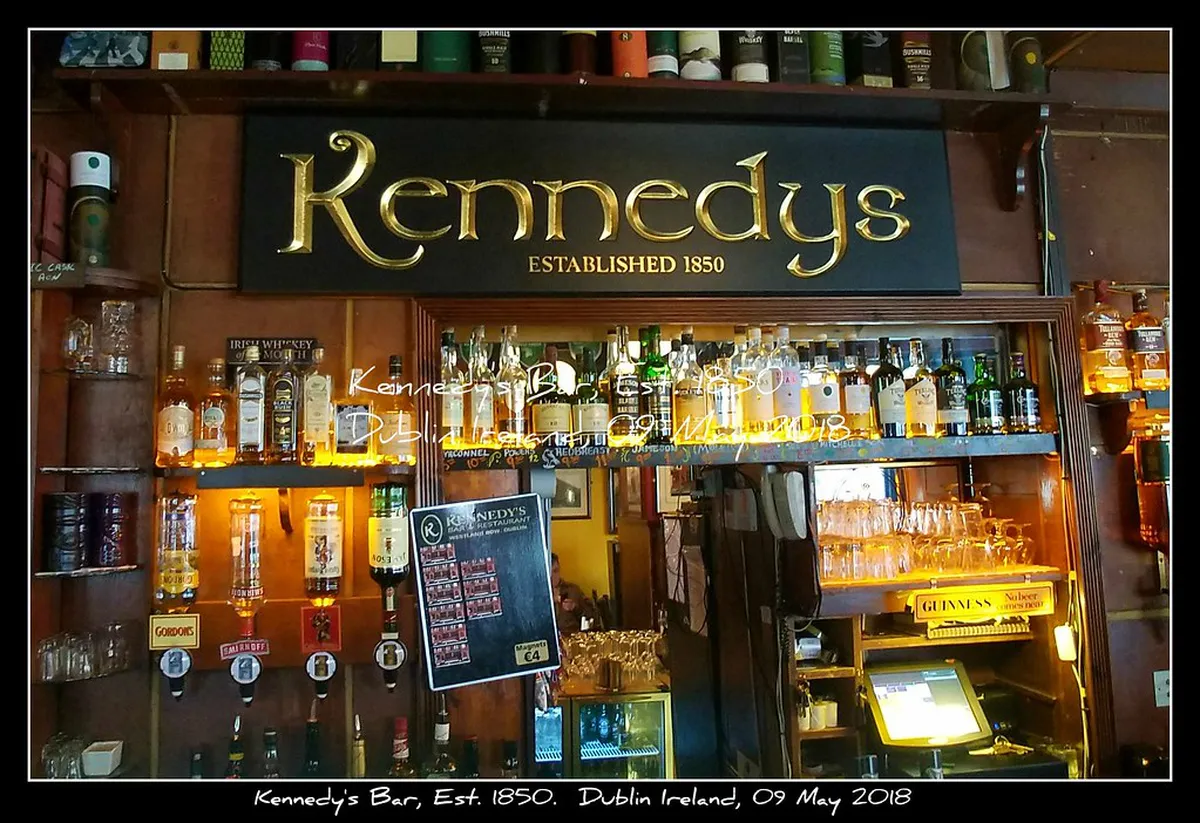
You don't need to have read Ulysses to enjoy these pubs, though it helps explain the Bloomsday tradition on June 16th. On that day, Davy Byrne's fills with readers re-enacting Leopold Bloom's lunch order in period dress. Visit any other week for the same Art Deco murals without the costumes.
For a quieter dose of literary Dublin, pair a pub stop with Marsh's Library's 300-year-old reading room nearby. The library holds first editions connected to several writers who once drank in these same streets. It's an easy add-on if you're already walking between Davy Byrne's and the Palace Bar.
The literary trail is just one thread in Dublin's less-obvious side. Our guide to Dublin's hidden gems covers a few more spots that don't make typical must-see lists. Between pubs, they're an easy way to fill an afternoon before your evening session.
Where Do Locals Actually Drink in Dublin?
The two neighbourhood picks on this list, Stoneybatter and Portobello, sit outside the usual tourist grid. Both are residential areas where a pub is still mainly a place locals go after work, not a photo stop. Neither neighbourhood is more than a fifteen-minute walk or a short bus ride from the city centre.
Stoneybatter's quiet residential streets sit just north of the Liffey, a few minutes past Smithfield. It's one of Dublin's older working-class neighbourhoods, now mixed with young families and independent shops. L Mulligan Grocer is the anchor pub, but the wider area rewards a slow wander before or after.
South of the centre, the canal-side Portobello neighbourhood has its own low-key pub scene. The Grand Canal towpath makes a pleasant walk from St Stephen's Green if the weather holds. The Lower Deck anchors this area the way L Mulligan Grocer anchors Stoneybatter.
What to Skip: The Temple Bar Price Trap
The pub called The Temple Bar, in the heart of the entertainment district, is Dublin's single most photographed bar. It's also one of the most expensive, with pints commonly priced eight euro fifty to nine euro fifty in 2026. The crowd inside is almost entirely visitors, and the live music leans toward covers bands rather than trad sessions.
We'd also skip treating The Brazen Head's oldest-pub-in-Dublin claim as a reason to visit on its own. The building dates to 1754, but the marketing around its age outweighs what's actually a fairly standard tourist-pub experience today. If you want genuine age and atmosphere without the coach-tour crowd, Mulligan's or The Long Hall deliver more for the same money.
None of this means Temple Bar the neighbourhood is worthless for a first night in Dublin. Go for one pint to see what the fuss is about, then walk two minutes to The Palace Bar for a calmer second round. Treat it as a five-minute photo stop, not the highlight of your evening.
Planning Your Dublin Pub Crawl in 2026
Irish licensing hours set the rhythm for the whole city: most pubs open around 10:30am and close by 11:30pm Sunday through Wednesday. Thursday through Saturday, many stay open until 12:30am, though last orders usually come thirty minutes earlier. Trad sessions typically start between 6:30pm and 9:30pm, depending on the pub and the night of the week.
If you'd rather not plan the route yourself, several local guides run two-and-a-half-hour guided pub-trail walks for about thirty-five to forty-five euro per person. These usually cover three or four pubs with commentary on the history behind each stop. Book at least a few days ahead in summer, when weekend slots fill quickly.
Most pubs take cards now, though a few of the older snugs still prefer cash for small rounds. Tipping isn't expected the way it is in the US; rounding up or buying the bartender a drink is plenty. For a wider view of the city beyond pubs, our Dublin neighbourhood guide maps out where each of these areas sits.
Most pubs accept cards now, but a few older snugs still prefer cash for small rounds. Tipping isn't expected the way it is in the US—rounding up or buying the bartender a drink is enough.
Pair your pub crawl with a full day out, since several day trips from Dublin end well with a pint back in the city. Howth and Dalkey both have their own harbourside pubs worth a stop if you're heading that way. Either makes a natural bookend to an evening that starts at one of the ten pubs above.
Frequently Asked Questions
What is the most iconic pub in Dublin?
The Long Hall on South Great George's Street is often named the most iconic, thanks to its fully preserved Victorian mahogany bar and chandeliers. Toner's runs a close second for its link to poet WB Yeats. Both sit well outside the busiest Temple Bar crowds.
How much does a pint of Guinness cost in Dublin pubs?
Expect roughly six euro twenty to seven euro fifty at a traditional pub away from the main tourist strip in 2026. Inside Temple Bar, the same pint often costs eight euro fifty to nine euro fifty or more. Prices shift through the year, so treat these as typical ranges.
Do Dublin's trad-music pubs require advance booking?
No, front-bar sessions at pubs like The Cobblestone and O'Donoghue's are free and open to walk-ins. Arrive by early evening on weekends, since standing room fills up fast after 8pm. Weekday sessions are quieter and easier to get a seat for.
Is Temple Bar worth visiting for a pint?
One pint at the pub called The Temple Bar is fine for the photo and the atmosphere, but not much more. Pints there commonly run eight euro fifty to nine euro fifty, well above the city average. Walk two minutes to The Palace Bar for a calmer, cheaper second round.
What is the best neighbourhood for authentic local pubs in Dublin?
Stoneybatter and Portobello both offer a quieter, more local pub scene than the city centre. Stoneybatter sits just north of the Liffey past Smithfield, while Portobello runs along the Grand Canal south of St Stephen's Green. Both are best reached on foot or by a short bus ride.
Exploring more of Europe? Browse our hidden-gems guides to London, Paris and Rome.
Dublin's best pubs aren't hiding, they're just easy to miss if Temple Bar is the only name you know before you land. Start with a Victorian snug, catch a trad session in Smithfield or on Merrion Row, and save one evening for a neighbourhood local. Every pub on this list still pours a proper pint, and none of them need a queue to prove it.
For deeper pub-history dispatches beyond this guide, you can subscribe to The Wanderbug via email. Otherwise, pick a category above, pick a night, and let the session run long.
Continue exploring
More guides you'll find useful