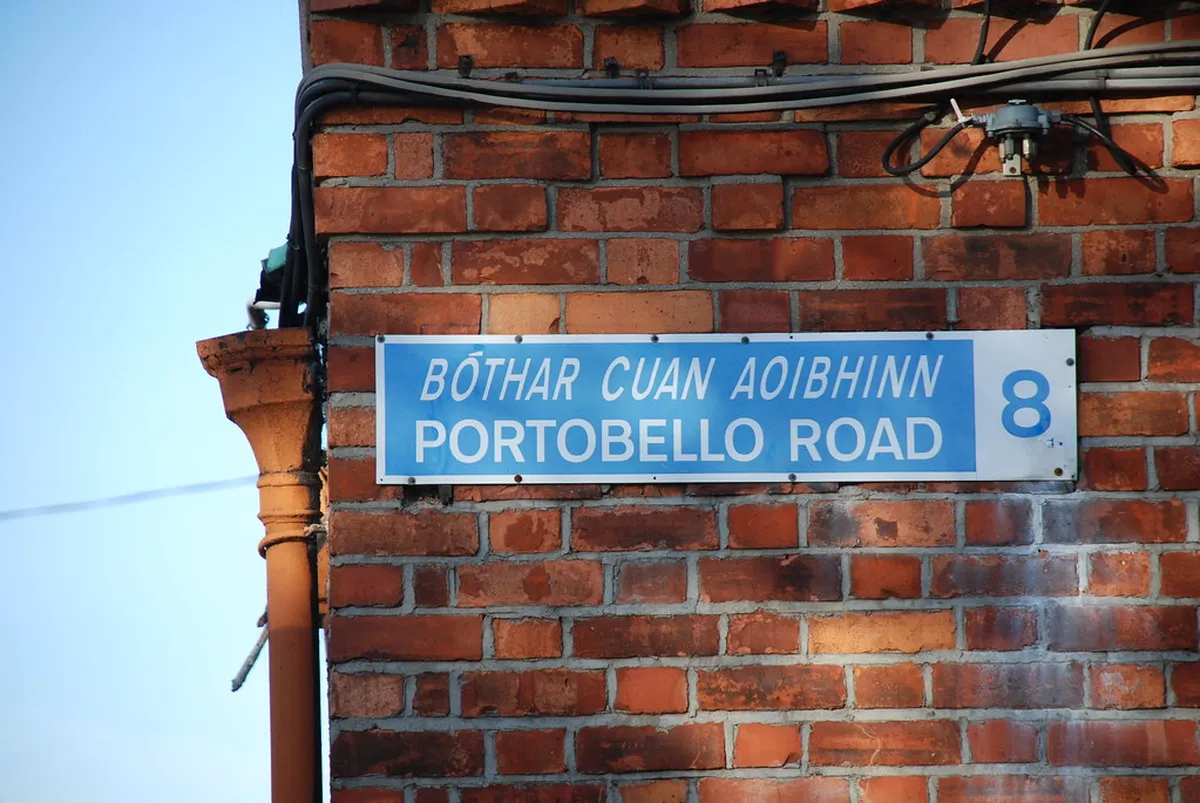
The Liberties Dublin Travel Guide
Explore the Liberties Dublin: the Guinness Storehouse, whiskey distilleries, medieval churches, weekend markets, and traditional pubs for your 2026 visit.
On this page
The Liberties Dublin: A Local Neighborhood Guide
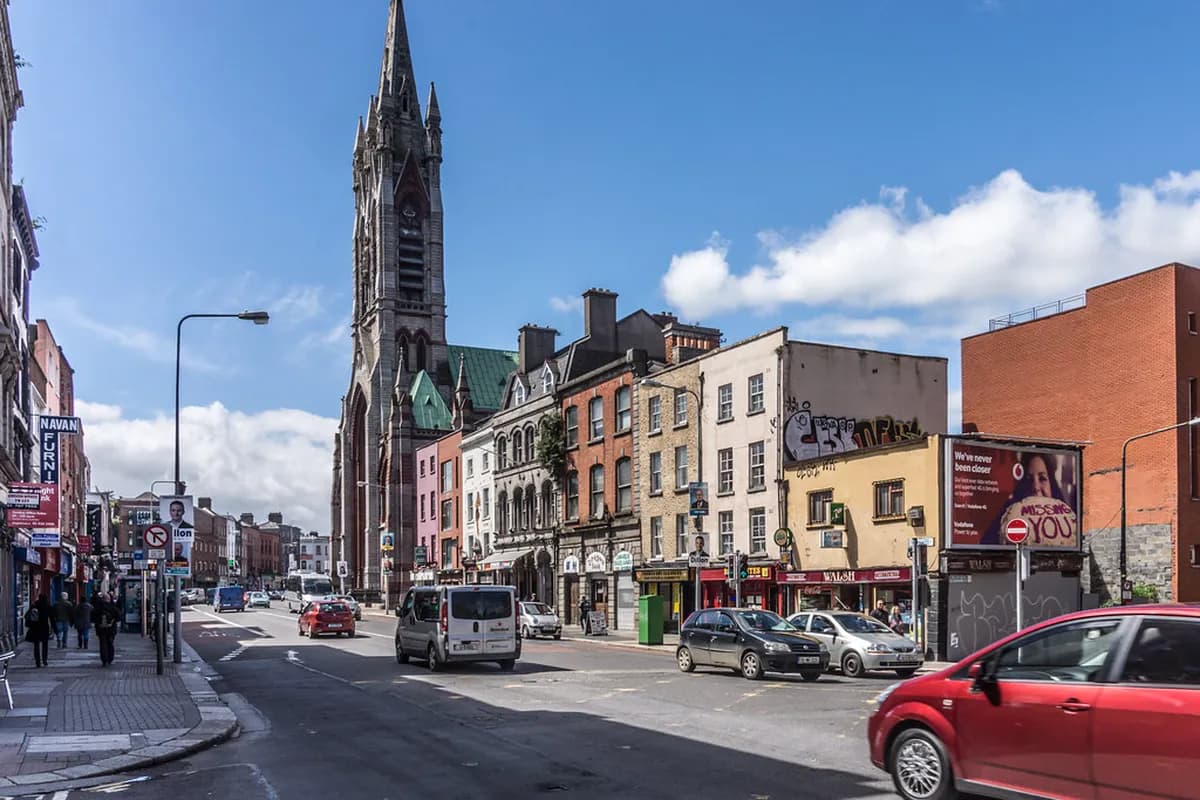
The Liberties in Dublin is one of the capital's oldest working-class districts, tucked between the Guinness brewery and the medieval city walls. Cobbled lanes, redbrick terraces, and the smell of roasting barley from St James's Gate mark the neighborhood the moment you turn onto Thomas Street. Long before Temple Bar drew crowds, this was where Dublin traded, brewed, and prayed.
Locals call it simply the Liberties, a name that traces back to a 12th-century monastery granted its own legal privileges. That history still shapes the streets today, from the Coombe's tanneries and breweries to the grand cathedrals just beyond its old boundary. Dublin's most visited attraction, the Guinness Storehouse, sits at one end, while quiet lanes of council flats sit at the other.
This guide walks through what to see, eat, and drink across the neighborhood, plus the practical details for getting there in 2026. We cover the distilleries, the medieval churches, the weekend markets, and a piece of housing history most visitors walk straight past. For more context, our guide to Dublin's most distinctive neighborhoods is a useful next read.
History of The Liberties, Dublin's Oldest Quarter
The name dates to the 1170s, when the Abbey of St Thomas the Martyr received these lands and the right to govern trade. That grant put the area outside the jurisdiction of Dublin Corporation, free from city tolls and guild rules. Weavers, tanners, and brewers flocked here, and the district around Thomas Street, Meath Street, and Cornmarket became a manufacturing engine for the city.
After the monasteries were dissolved in the 1500s, the land passed to the Brabazon family, later the Earls of Meath. French Huguenot refugees arrived in the 1700s and brought weaving, tanning, and tailoring skills that shaped local trades for generations. Dutch and northern European merchants added their own mark too, with gable-fronted Dutch Billy townhouses still visible on a few streets.
Today, this patchwork past is why the district still feels distinct from Dublin's tidier Georgian squares. It remains one of the city's most overlooked corners for visitors who never wander past Christ Church Cathedral. If you enjoy uncovering the quieter side of the capital, our roundup of Dublin's under-the-radar neighborhoods pairs well with a Liberties walk.
Guinness Storehouse and Whiskey Distilleries
The Guinness Storehouse at St James's Gate anchors the neighborhood and remains Ireland's single most visited attraction. The seven-story former fermentation building traces the stout's story back to founder Arthur Guinness's 1759 lease on the site. Book a timed ticket in advance, since walk-up queues often stretch well past an hour in peak season.
Beyond Guinness, the district has quietly become Dublin's whiskey quarter, with three working distilleries within a short walk of each other. Teeling Whiskey Distillery on Newmarket Square was the first new whiskey distillery to open in Dublin in generations. Its tours end with a tasting of three whiskeys distilled on site, alongside a look at the working stills.
Roe & Co, run by Diageo, occupies a restored power station right beside the Guinness gates on James's Street. Its Power House Bar pours cocktails made with spirits distilled just meters from the counter. Pearse Lyons Distillery, nearby, sits inside a deconsecrated 18th-century church, with copper stills beneath the original stained glass.
- Guinness Storehouse, St James's Gate
- Self-guided tours move through seven floors covering brewing, advertising, and cooperage history.
- The rooftop Gravity Bar rewards the climb with a 360-degree view over the city.
- Book online ahead of time for a better price and to skip the entry queue.
- Teeling Whiskey Distillery, Newmarket Square
- Guided tours run roughly every 30 minutes and finish with a three-whiskey tasting flight.
- The distillery reopened whiskey production in the Liberties after decades of dormancy.
- Roe & Co Distillery, James's Street
- A former power station now houses copper stills right beside the Guinness complex.
- The on-site Power House Bar mixes cocktails using spirits made on the premises.
- Pearse Lyons Distillery, James's Street
- Whiskey stills sit inside a converted 18th-century church beneath original stained-glass windows.
- Tours combine a tasting with the story of the building's unusual conversion.
Book Guinness Storehouse and distillery tours in advance to skip entry queues, which often stretch past an hour in peak season. Online booking also offers better prices than walk-up entry.
Cathedrals and Medieval Landmarks Nearby
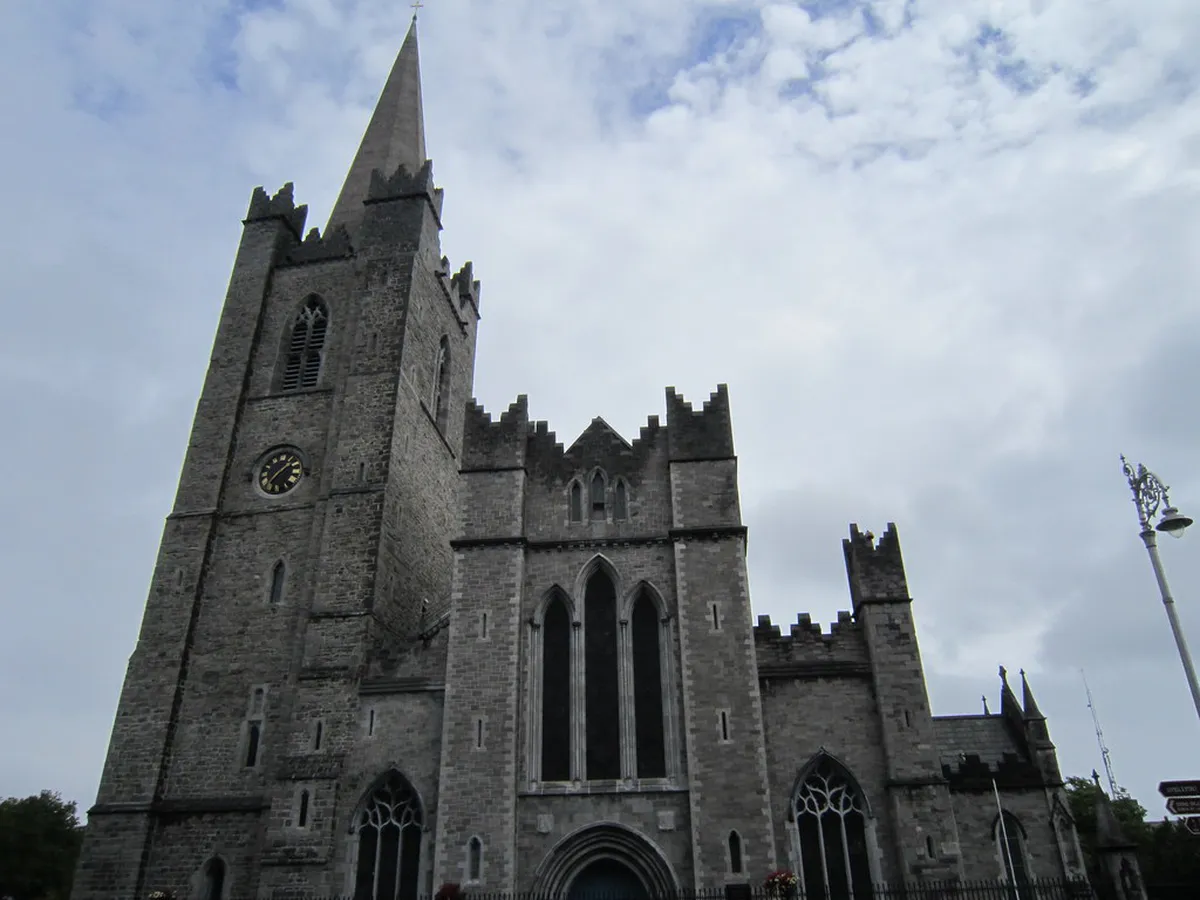
Two cathedrals bookend the Liberties, and both sit within a ten-minute walk of Thomas Street. St Patrick's Cathedral, founded in 1191, is the largest church in Ireland and the final resting place of writer Jonathan Swift. Its gardens double as St Patrick's Park, home to a small weekly Sunday book market.
Christ Church Cathedral, Dublin's oldest, dates back to the 11th century and holds a striking medieval crypt below the main nave. Right next door, the Dublinia museum recreates the sights and sounds of Viking and medieval Dublin for visitors of any age. Combined tickets for the cathedral and museum usually work out cheaper than paying for each separately.
Tucked inside the old city walls, St Audoen's Church traces its origins to the late 1100s, making it Dublin's oldest surviving parish church. The adjoining St Audoen's Park still holds fragments of the medieval city walls, gates, and cobbled laneways. For a quieter stop, our guide to Marsh's Library and its historic reading cages covers the 1707 library just behind St Patrick's.
- St Patrick's Cathedral
- Ireland's largest cathedral has stood on this site since 1191 near an ancient holy well.
- The surrounding park hosts a small Sunday book market that draws collectors and browsers.
- Christ Church Cathedral
- This is Dublin's oldest cathedral, with roots stretching back to the 11th century.
- The medieval crypt below holds tombs, artifacts, and one genuinely strange mummified cat and rat.
- Dublinia Viking and Medieval Museum
- Interactive exhibits sit right beside Christ Church, covering Viking and medieval Dublin street life.
- Younger visitors tend to enjoy this more than the cathedrals' quieter, formal interiors.
- St Audoen's Church and Park
- Dublin's oldest surviving parish church dates from the late 1100s, with a later medieval guild chapel.
- The adjoining park preserves surviving stretches of the old medieval city walls and gates.
Markets, Food, and Traditional Pubs
Meath Street has traded produce and bargains since the 18th century, and that tradition continues at its weekend flea market. Stalls sell everything from secondhand clothes to fruit and vegetables, much as they did for generations of Liberties families. The Digital Hub also hosts a monthly market run by local traders, worth timing a visit around.
Independent cafes and bakeries cluster around Thomas Street and Meath Street, feeding both locals and distillery-hopping visitors. The Fumbally and Hen's Teeth serve all-day brunch and coffee in relaxed, art-filled rooms near Newmarket Square. Traditional Meath Street bakeries still turn out doughnuts and Saturday sponge cakes that predate most modern coffee shops.
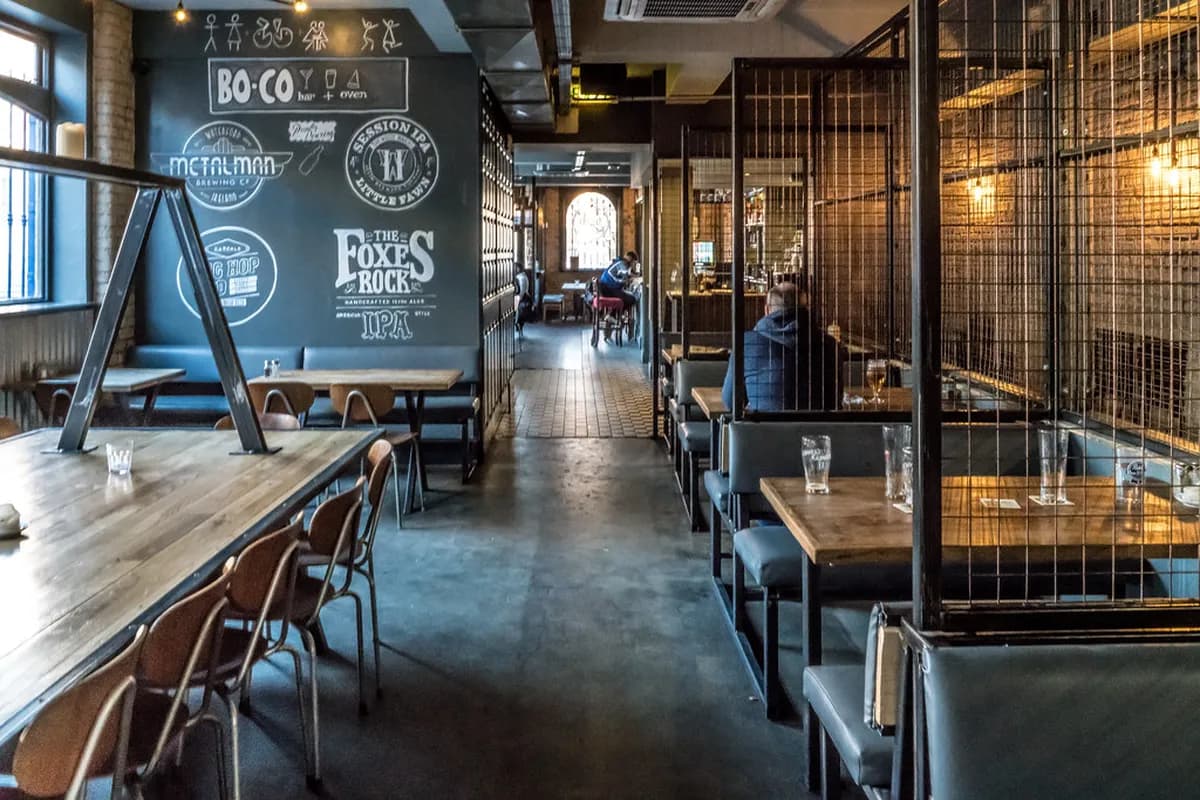
Evenings belong to the pubs, and the Liberties mixes old-school locals with newer indie bars. Expect traditional snugs pouring pints of stout just streets away from cocktail bars with DJs on weekends. Our guide to Dublin's best traditional pubs covers several Liberties spots worth a detour.
The Iveagh Trust and the Coombe's Legacy
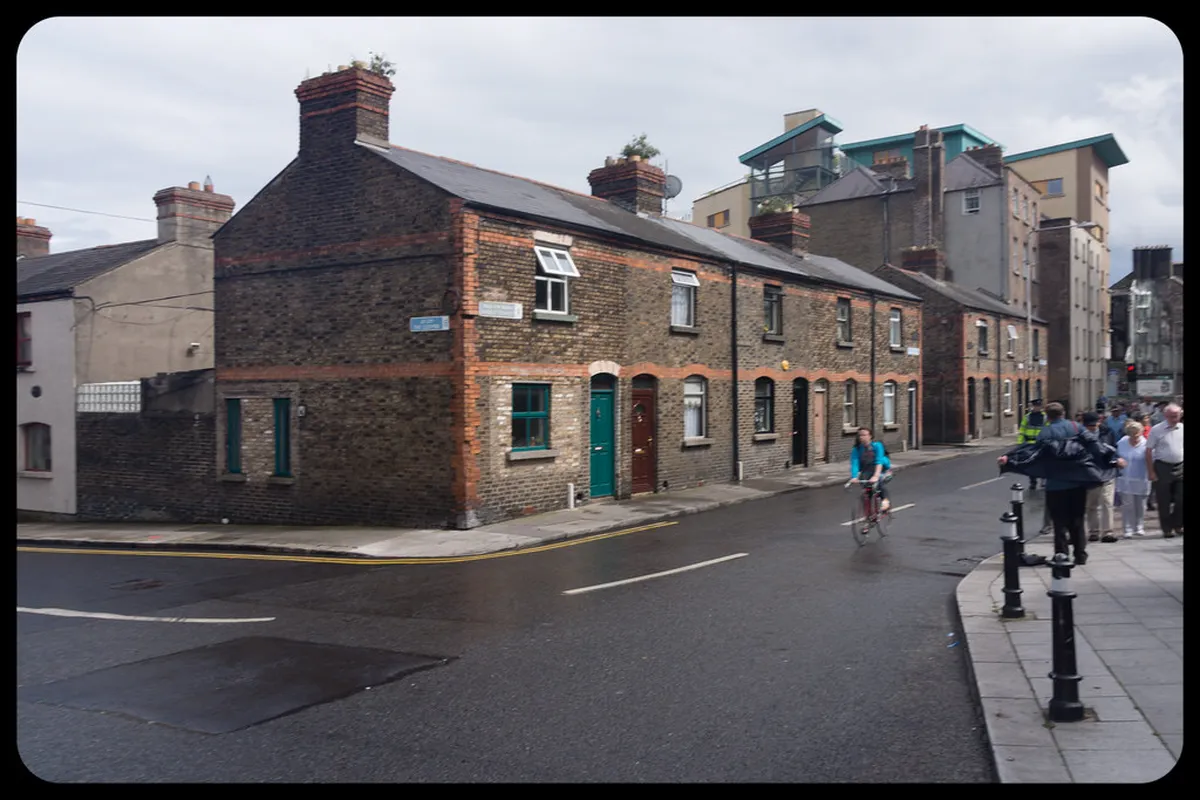
Most visitors miss the redbrick flats along Bull Alley and Patrick Street, yet they tell one of the area's most interesting stories. Edward Cecil Guinness, Earl of Iveagh, funded these blocks in the early 1900s to house workers displaced by slum clearance. The Iveagh Trust still manages much of this housing today, making it one of Ireland's oldest social housing charities.
The Coombe itself, the low-lying street that gives the district its working character, once held tanneries, breweries, and weavers' workshops packed tightly together. Overcrowding and disease were common here in the 19th century, which is part of why the Guinness family funded reform. Walking the Coombe today, past the old brewery walls, still traces that industrial spine of the neighborhood.
The same Earl of Iveagh later donated the gardens that became one of the city's grandest green spaces. Our guide to Iveagh Gardens, another Guinness-family legacy pairs naturally with a Liberties history walk. Few guidebooks connect the two sites, even though they share the same philanthropic family behind them.
Getting There, Around, and Where to Stay
The Liberties sits about a 15 to 20 minute walk from College Green or Dublin Castle, flat enough for most visitors. The 123 bus runs along Thomas Street from the city center, and the Luas Red Line stops at James's Street, close to Guinness. Taxis and rideshares reach the area quickly outside rush hour, though weekend evenings around Vicar Street can get busy.
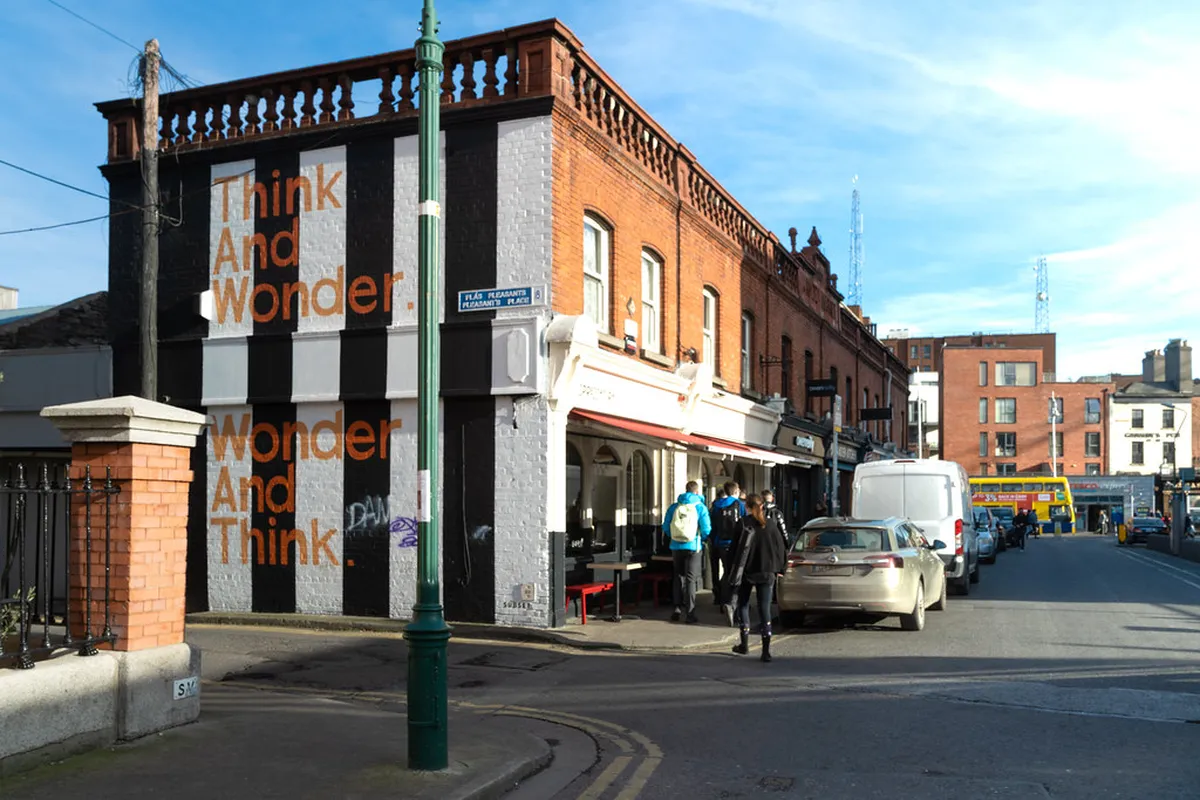
Once you're there, the neighborhood is compact enough to explore entirely on foot in half a day. Most attractions, from the distilleries to the cathedrals, sit within a 15-minute walk of each other. Wear comfortable shoes, since several streets still run on original cobblestones.
For accommodation, options range from hostels to four-star hotels right inside the district. The Hyatt Centric Hotel sits on Dean Street, right in the middle of the action. Its rooftop bar is a good spot to end a day of distillery hopping.
Staycity on Chancery Lane offers self-catering aparthotel studios just beside Dublin Castle. These suit longer stays or anyone traveling with family, thanks to kitchenettes in every room. Book several weeks ahead in summer, since rooms near the Guinness Storehouse sell out fastest.
Accommodation near the Guinness Storehouse books out quickly during summer months. Reserve your hotel or aparthotel at least several weeks in advance if planning a peak-season visit.
If you're traveling on a budget, several sights here cost nothing at all. St Audoen's Church and St Patrick's Park both offer free entry most days of the week. Our guide to free things to do in Dublin covers more no-cost options citywide.
Frequently Asked Questions
Is The Liberties a nice part of Dublin to visit?
Yes, The Liberties combines real neighborhood character with easy access to the Guinness Storehouse, whiskey distilleries, and two cathedrals. It feels grittier and less polished than Temple Bar, which is exactly why many travelers enjoy it. Expect working streets alongside tourist sights, not a manicured historic quarter.
Why is Dublin 8 called The Liberties?
The name comes from medieval land grants given to religious houses like the Abbey of St Thomas the Martyr in the 12th century. These grants freed the area from Dublin Corporation's usual taxes and guild rules. That independence let trade, brewing, and weaving flourish here for centuries.
What is there to see in The Liberties, Dublin?
Highlights include the Guinness Storehouse, Teeling and Roe & Co distilleries, Christ Church and St Patrick's cathedrals, and St Audoen's Church. Meath Street's weekend market and Francis Street's antique shops fill out a full day of sightseeing. Refuel afterward using our where locals eat in Dublin guide.
Is The Liberties Dublin safe for visitors?
The Liberties is generally safe for daytime sightseeing and evening pub visits along its main streets. Like most inner-city Dublin neighborhoods, it pays to stay alert on quieter side streets late at night. Sticking to Thomas Street, Meath Street, and the main attraction routes keeps things simple.
How do you get to The Liberties from Dublin city centre?
Walking takes about 15 to 20 minutes from College Green or Dublin Castle, since the route is mostly flat. The 123 bus runs along Thomas Street, and the Luas Red Line stops near James's Street by Guinness. A taxi ride rarely takes more than ten minutes outside rush hour.
Exploring more of Europe? Browse our hidden-gems guides to London, Paris and Rome.
The Liberties rewards travelers willing to look past the postcard version of Dublin. Here, a Viking-era church parish sits blocks from a whiskey distillery inside a former church of its own. Guinness funds a museum on one side and a social housing charity on the other.
Give yourself at least half a day to walk it properly, longer if the markets or pubs pull you in. Book your distillery tours ahead, wear shoes suited to cobblestones, and leave room for a slow pint somewhere unglamorous. That's usually where the neighborhood shows its real character.
Continue exploring
More guides you'll find useful