Portobello Dublin Travel Guide
Discover Portobello, Dublin's canal-side Little Jerusalem, with brunch spots, Grand Canal walks, the Irish Jewish Museum, and pub picks for 2026.
On this page
Portobello Dublin: A Local Neighborhood Guide
Portobello, Dublin's canal-side pocket of Dublin 8, has quietly built a reputation as one of the city's most interesting neighborhoods to explore in 2026. Locals know it for grand old Victorian pubs, an unmistakable brunch scene, and a canal path that fills with drinkers once the sun appears. Fewer visitors know its deeper story as Little Jerusalem, a refuge for Jewish families for more than a century.
This guide walks through the neighborhood the way a local would, canal bank first. You will find the museums and cafes that draw day visitors, plus the pubs and cocktail bars that keep Portobello busy after dark. We also flag the one mistake many first-time visitors make, and how close the city centre really sits.
Portobello Dublin: What to Know Before You Go
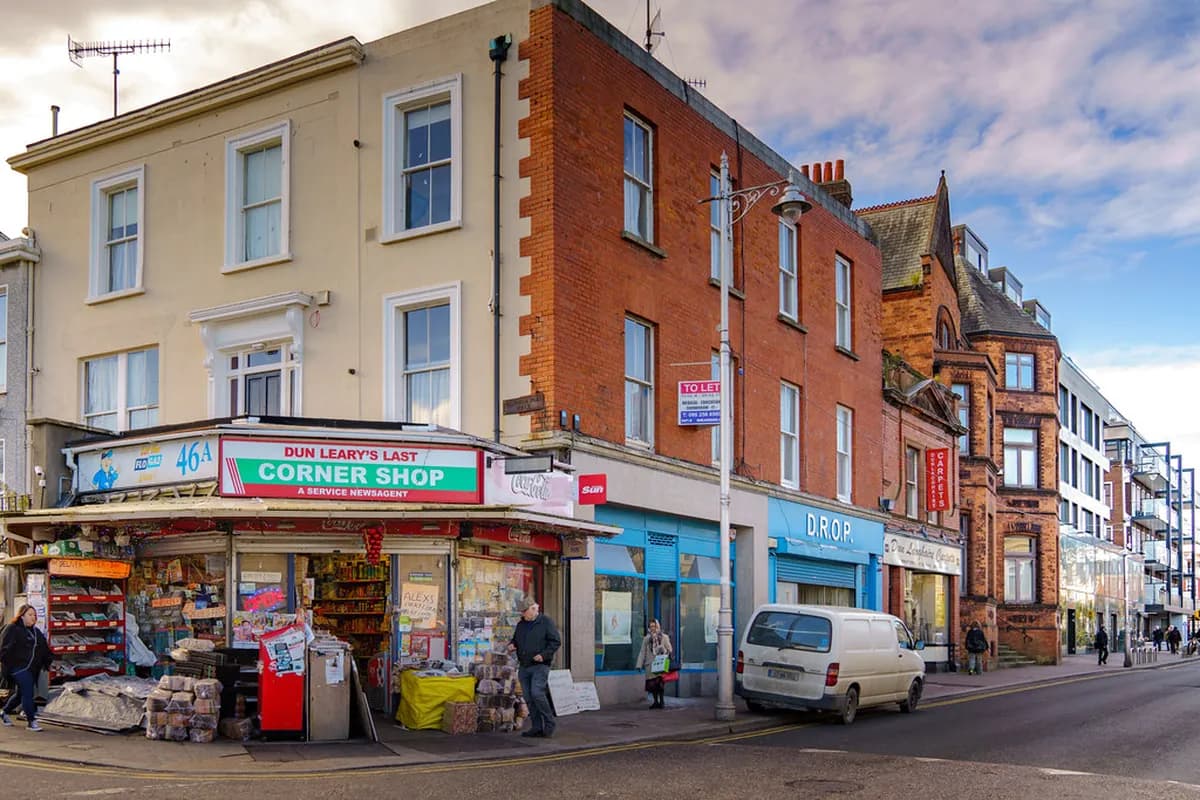
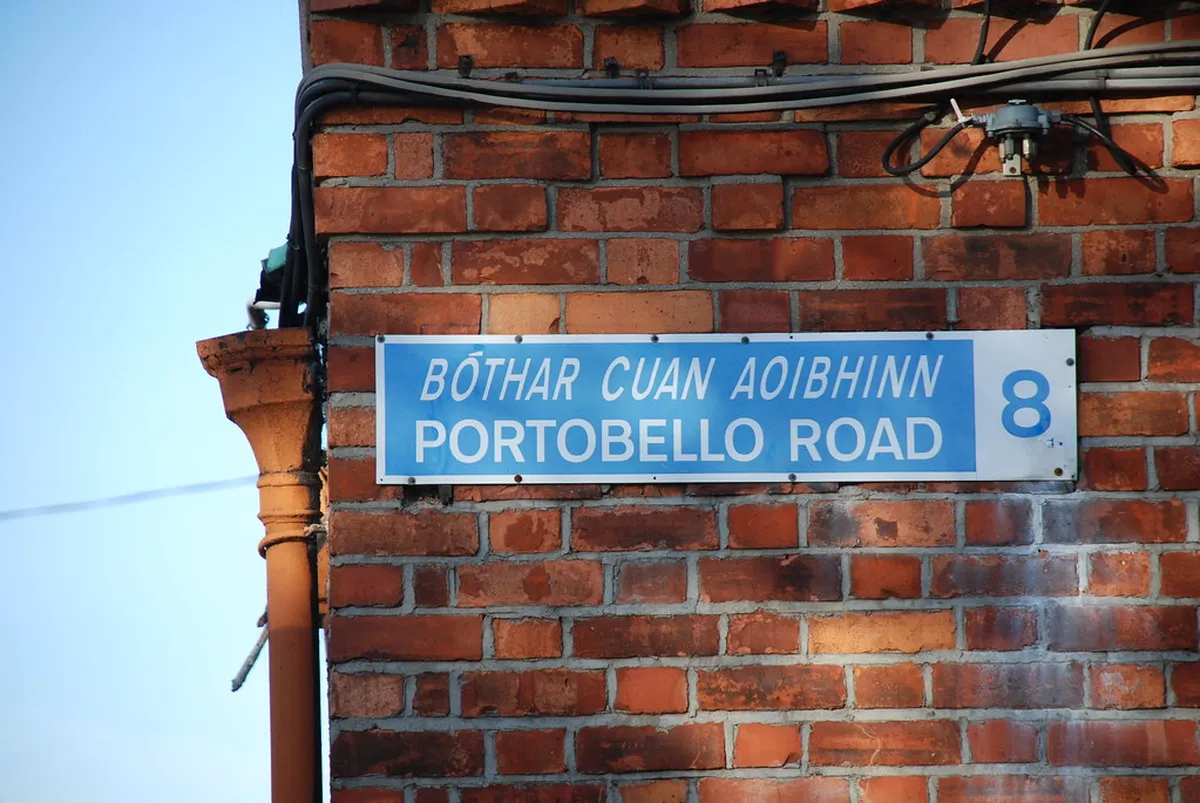
Portobello is a small, wedge-shaped district bordered by the Grand Canal to the south and Camden Street Lower to the east. Kevin Street Upper closes the neighborhood off to the north, while Clanbrassil Street Lower marks the western edge. Portobello Road and South Circular Road run through the middle, connecting quiet terraces to busier commercial strips.
The neighborhood sits closer to central Dublin than many visitors expect, and that proximity is part of its appeal. Grafton Street and St Stephen's Green are roughly a fifteen to twenty minute walk from Portobello Bridge. Camden Street and Wexford Street pick up right at Portobello's eastern edge, folding straight into the city's busiest bar strip. For more context on how this fits into the wider city, see our guide to Dublin's neighborhoods.
The Charlemont Luas stop on the Green Line sits directly on the canal bank at Portobello's edge. Several Dublin Bus routes also run along Camden Street and South Circular Road toward the city centre. Weekday mornings feel calm for browsing shops, while summer weekends bring the biggest crowds to the canal and the pubs.
- Location and boundaries
- The Grand Canal forms Portobello's southern edge and its most popular walking route.
- Camden Street Lower marks the busy eastern boundary next to Wexford Street.
- Kevin Street Upper and Clanbrassil Street Lower close the northern and western sides.
- Getting there from the city centre
- Charlemont Luas stop sits right on the canal at Portobello's eastern edge.
- Grafton Street is roughly a fifteen to twenty minute walk from Portobello Bridge.
- Multiple Dublin Bus routes run along Camden Street toward the city centre.
- Best time to visit
- Summer evenings draw the biggest crowds to the canal banks for outdoor drinks.
- Weekday mornings stay quiet enough for a relaxed coffee or bakery visit.
- Weekend brunch queues can stretch past eleven at the most popular cafes.
Grand Canal Banks and Portobello's Green Spaces
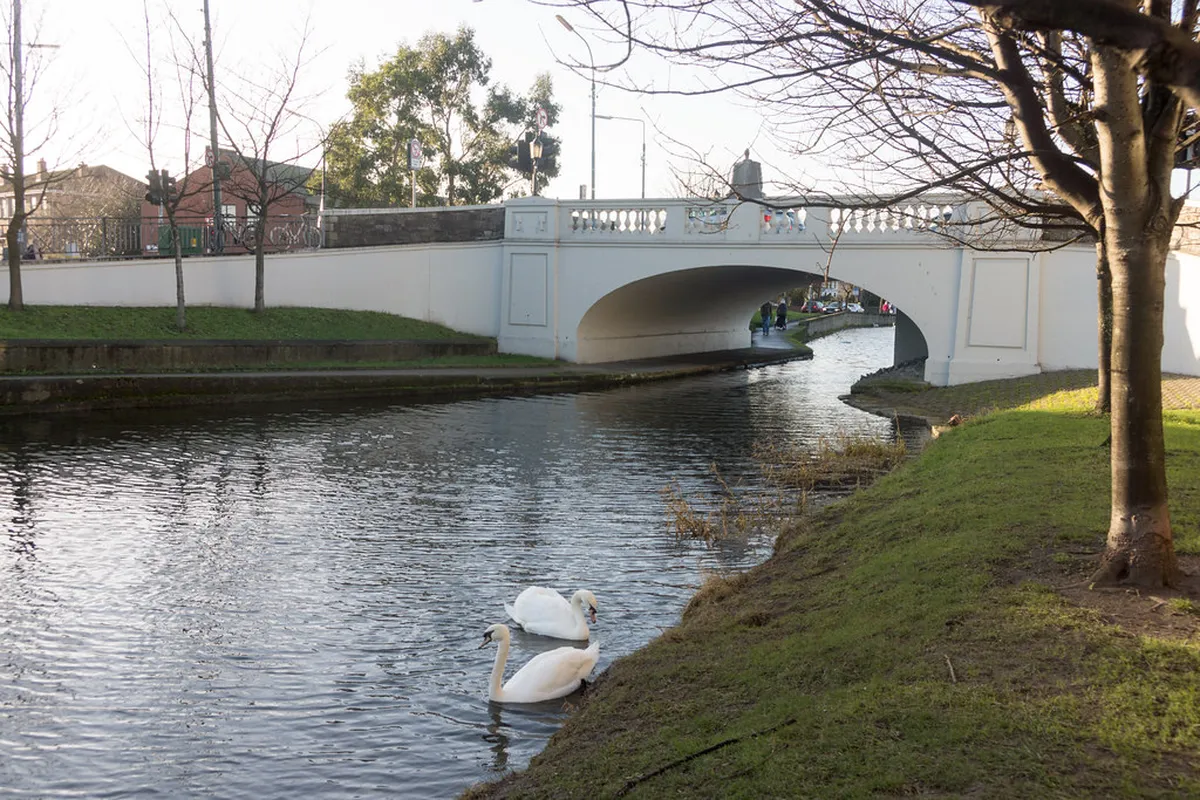
The Grand Canal towpath is the backbone of Portobello, running past Portobello Harbour and under a string of stone bridges. Swans and moorhens drift along the water while joggers and cyclists share the narrow towpath on either bank. It is an easy, flat walk, so it works for a quick stroll or a longer route east toward Baggot Street.
A short walk east along the towpath leads to a bench dedicated to poet Patrick Kavanagh, who wrote often about this canal. The seat carries lines from his poetry and gives walkers a quiet spot to pause between bridges. It rarely draws a crowd, which makes it a small reward for anyone willing to walk a few extra minutes.
On the first warm evenings of the year, the grassy banks near Portobello Bridge fill with locals sharing cans and pints. Most competitor write-ups skip this ritual entirely, but it shapes Portobello's social life more than any single pub does. Arrive early on a sunny Saturday for a spot on the grass, since good weather fills the bank fast. For a calmer green space nearby, our Iveagh Gardens Dublin guide covers the rosarium and yew maze a few minutes north.
Arrive early on a sunny Saturday for the best spot on the grassy banks—good weather fills them fast. Summer evenings attract the biggest crowds to the canal.
Little Jerusalem: Jewish Heritage in Portobello
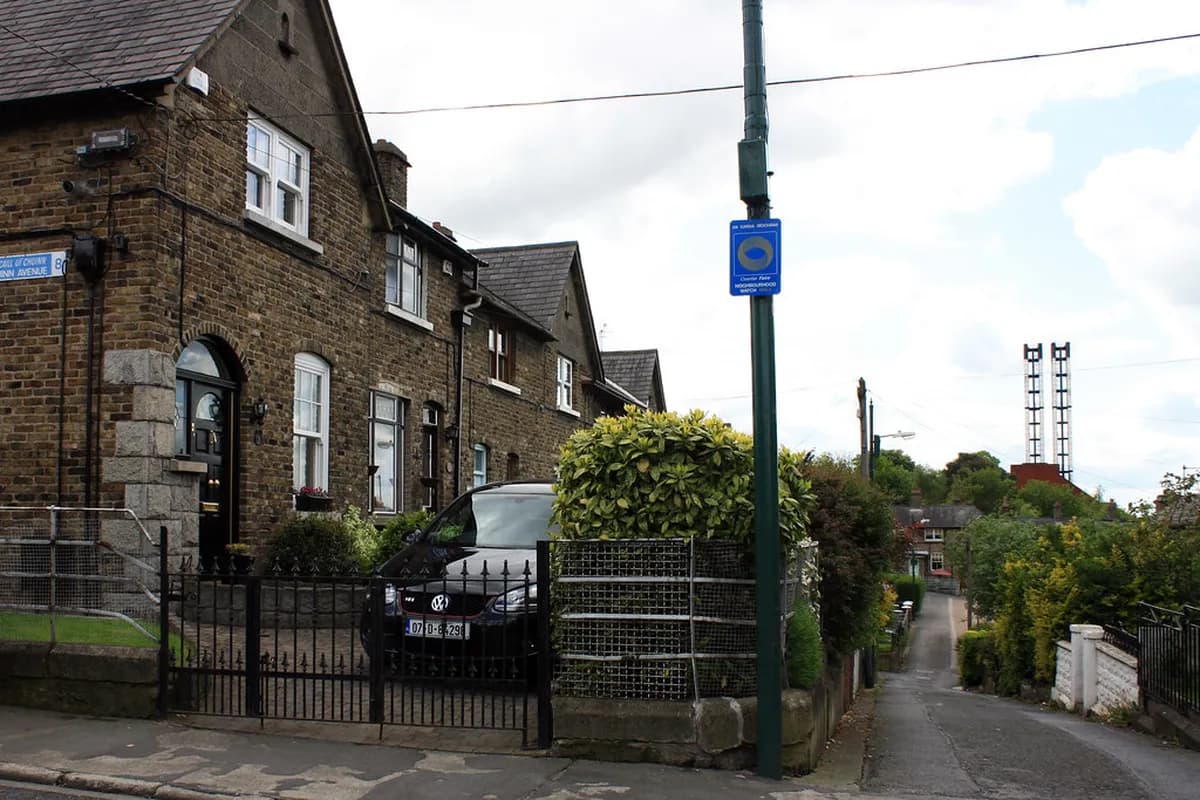
From the late 1800s, Jewish families fleeing persecution in Eastern Europe settled around Clanbrassil Street and the South Circular Road. The community grew large enough that locals nicknamed the area Little Jerusalem, complete with kosher butchers and small synagogues. That history still shapes Portobello's identity, even though most of the original Jewish businesses have long since closed.
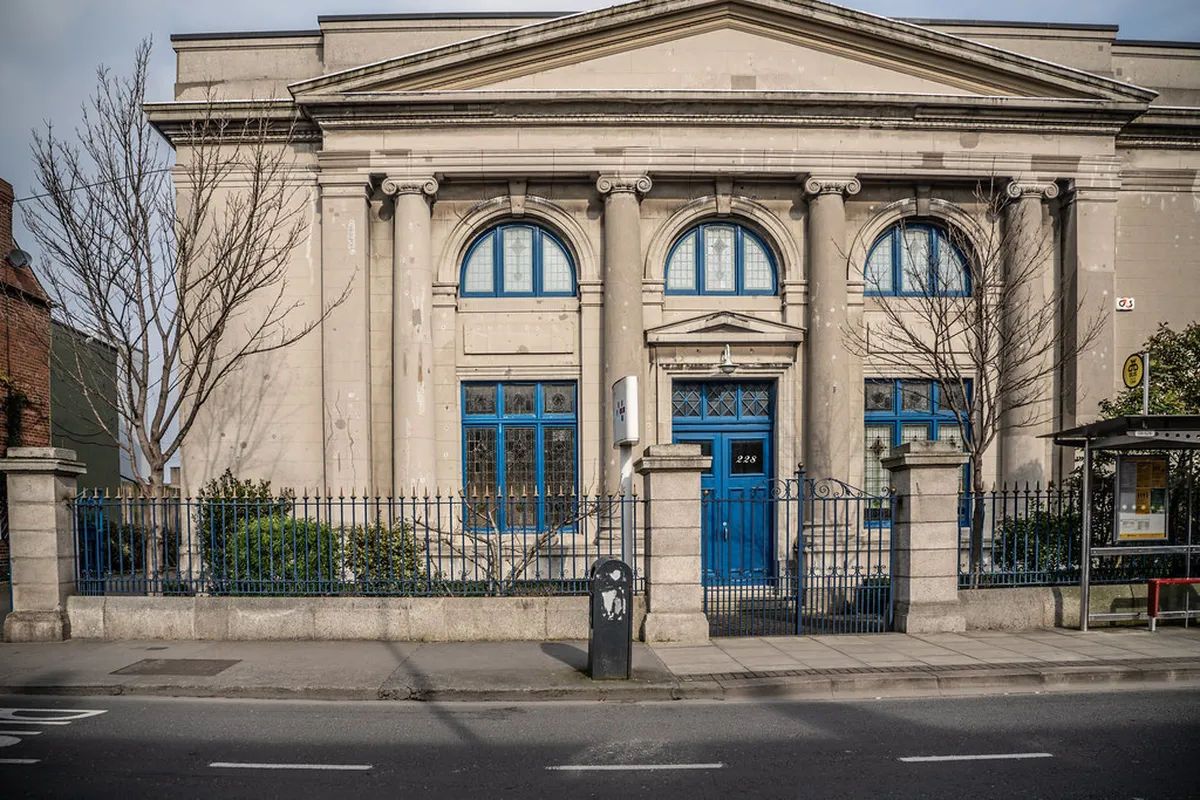
The Irish Jewish Museum on Walworth Road opened in 1985 inside a former synagogue building. Chaim Herzog, who later became president of Israel, grew up nearby while his father served as Ireland's Chief Rabbi. Inside, exhibits and memorabilia trace the community's arrival, its daily life, and its losses during the Holocaust.
Only a small number of Jewish residents remain in Portobello today, but street names and plaques still mark the connection. Occasional walking tours retrace the old synagogue routes, giving visitors a fuller picture than a quick stroll allows. If this kind of layered history interests you, our Dublin's hidden gems guide covers more overlooked corners of the city.
Brunch, Cafes, and the Bretzel Bakery
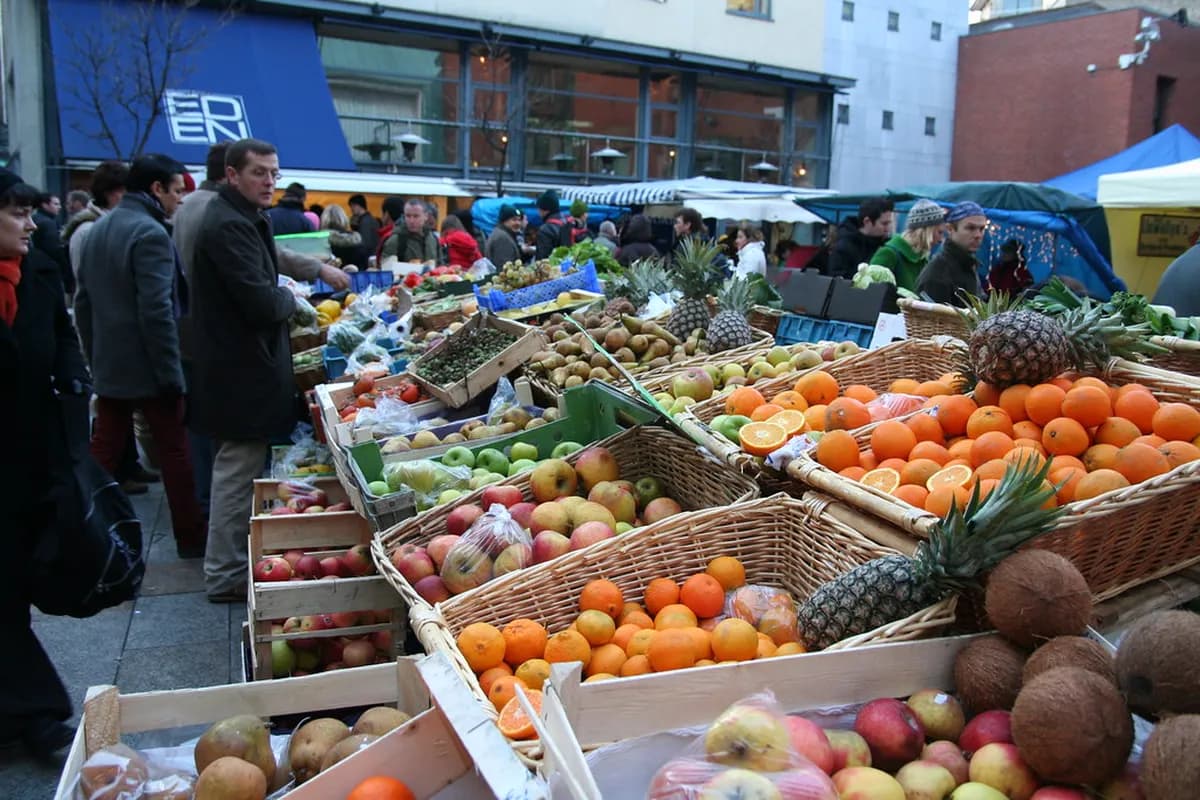
Portobello earned its brunch reputation from cafes that mix modern plates with old-school Irish fry-ups. Expect scrambled eggs over roasted vegetables at one end of the street and a full Irish, black pudding included, at the other. Weekend queues build fast, so arriving before eleven usually means a shorter wait for a table.
Bretzel Bakery on Lennox Street has baked bread in Portobello since 1870, making it one of Dublin's oldest working bakeries. Its name and its pretzel-shaped bread trace directly back to the neighborhood's Jewish and Central European roots. Barmbrack, sourdough, and the bakery's own pretzel loaves make it worth a stop before or after a canal walk.
Coffee shops here double as informal offices by day and wine bars by early evening, which suits a slower visit. Budget travelers can eat well here for under twenty euro, while a sit-down brunch with cocktails runs closer to forty. For more citywide picks, our what to eat in Dublin rounds up dishes and spots beyond Portobello.
Pubs, Cocktails, and the Bernard Shaw Legacy
Whelan's on Wexford Street has hosted live music since 1989 and once gave U2 an early stage. Kavanagh's on New Street keeps things simple, with carvery lunches and a neighborly, unpolished feel. The Swan on Aungier Street traces its roots to 1661, and it appears on our Dublin's best traditional pubs list for good reason.
MVP keeps its cocktail menu focused, with a well-made old fashioned as the order most regulars reach for. A short walk toward Harcourt Street brings you to Sophie's, a rooftop bar with wraparound city views. It gets busy after midnight, so an earlier arrival means an easier seat by the glass walls.
The Bernard Shaw, once Portobello's shipping-container beer garden and street-art landmark, is a common source of confusion for visitors today. It closed its South Richmond Street site in 2019 after a lease dispute and reopened later in Drumcondra, well outside Portobello. Do not plan a Portobello evening around finding it here, since the original building now houses a different venue.
Planning a Smooth Day Around Portobello
A half day works well if you start with brunch, walk the canal, and end at the Irish Jewish Museum before it closes. A full day adds Bretzel Bakery for a mid-morning snack and leaves room for dinner and a pub crawl after dark. Check museum opening hours before you go, since they vary by season and can change without much notice.
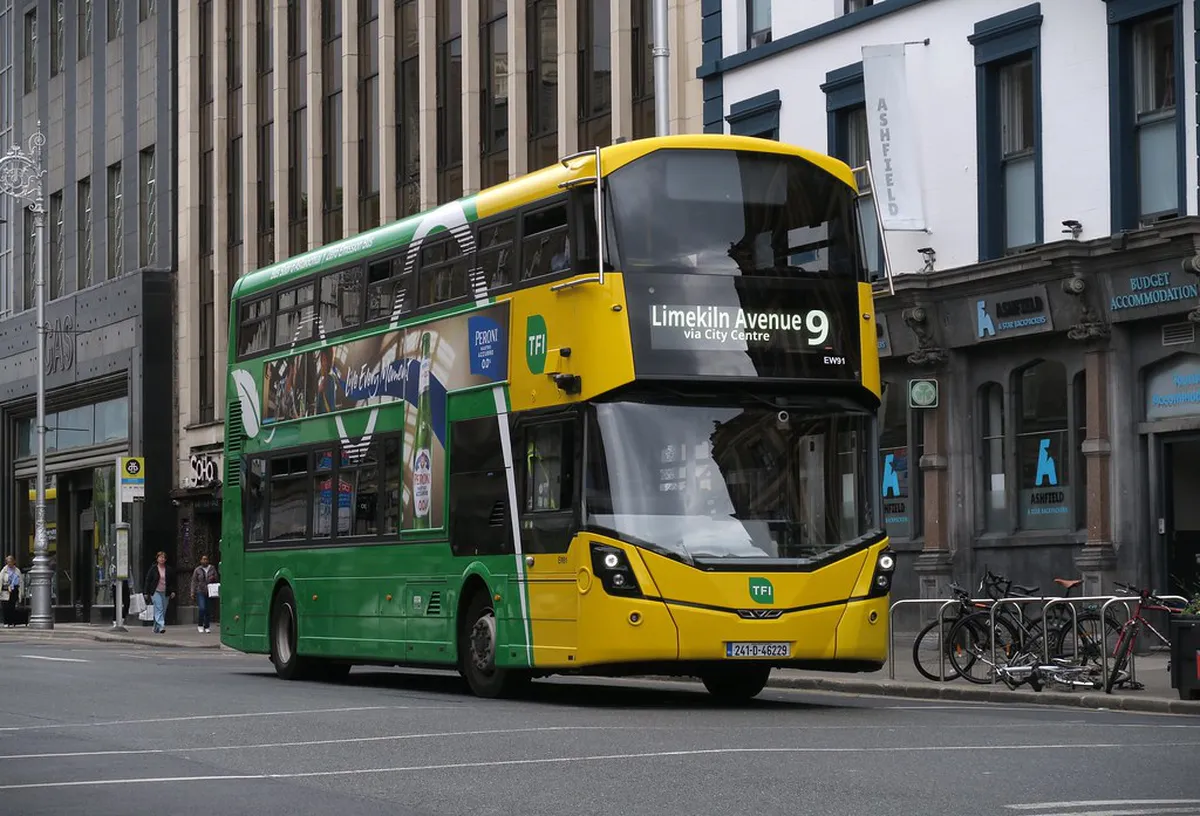
Staying right in Portobello suits travelers who want to walk home from the pubs, with budget guesthouses near Camden Street. Midrange chain hotels near Kevin Street and Iveagh Gardens offer a quieter base that still keeps everything walkable. Light sleepers may prefer a room across the canal, trading a few extra minutes of walking for a calmer night.
The Charlemont Luas connects Portobello to the DART line, making a coastal day trip an easy add-on to your visit. Few Portobello guides mention this, but it is a genuine advantage over neighborhoods further from the rail network. Our day trips beyond Dublin guide lays out routes to the coast for an easy half-day escape.
The Irish Jewish Museum has seasonal hours that can change, so check ahead before visiting. Early weekday visits offer a quieter experience than busy weekend afternoons.
Frequently Asked Questions
Is Portobello a nice part of Dublin to visit?
Yes, Portobello is a walkable, well-regarded neighborhood known for its Grand Canal views, brunch cafes, and lively pubs. It sits close to the city centre, so it works well as either a day trip stop or a base for a longer Dublin visit.
How far is Portobello from Dublin city centre?
Portobello sits roughly a fifteen to twenty minute walk from Grafton Street and St Stephen's Green. The Charlemont Luas stop, right on the canal bank, also connects it quickly to the wider Dublin transport network. Buses along Camden Street offer another easy option into town.
Why is Portobello called Little Jerusalem?
Portobello earned the nickname Little Jerusalem in the late 1800s and early 1900s, when Jewish families fleeing persecution in Eastern Europe settled around Clanbrassil Street. The Irish Jewish Museum on Walworth Road still preserves that history today. Fewer Jewish families live in the area now, but the name and the museum still endure.
Is the Bernard Shaw still open in Portobello?
No, the original Bernard Shaw closed its South Richmond Street location in 2019 after a lease dispute with its landlord. It reopened later in Drumcondra, so travelers should not plan a Portobello night around finding it there. Its old spot now houses a different bar, though the neighborhood still has plenty of its own nightlife.
What is the coolest neighbourhood in Dublin 8?
Many locals point to Portobello as one of Dublin 8's most interesting neighborhoods, thanks to its brunch scene, canal walks, and Jewish heritage sites. The nearby Liberties neighborhood guide covers a grittier, historic alternative just across Clanbrassil Street. Both neighborhoods reward visitors willing to walk beyond the main tourist trail.
Exploring more of Europe? Browse our hidden-gems guides to London, Paris and Rome.
Portobello rewards visitors who slow down enough to notice its layers, from the Grand Canal towpath to the Irish Jewish Museum. The neighborhood works equally well as a base for exploring central Dublin or as a destination in its own right. Its brunch spots, pubs, and canal culture give it a rhythm that feels distinct from anywhere else in Dublin 8.
Plan your visit around the season, since a sunny weekend brings a very different canal scene than a quiet weekday. Book museum visits and dinner tables ahead where you can, especially through busy summer months in 2026. With a little planning, Portobello delivers one of the more rewarding half days you can spend in Dublin.
Continue exploring
More guides you'll find useful