Seville Old Town Travel Guide: Exploring Casco Viejo & Santa Cruz
Explore Seville's Old Town (Casco Viejo): the Cathedral, Santa Cruz's lanes, shopping on Calle Sierpes, and the modern Las Setas — all in one walking guide.
On this page
Seville Old Town Travel Guide
Seville's old town — Casco Viejo — is one of the largest and best-preserved historic centers in Europe. Its winding alleys hold centuries of Roman foundations, Moorish palaces, and Catholic grandeur. This guide covers every district you need to walk, from the cathedral shadow of Santa Cruz to the riverside ceramic workshops of Triana.
The Historic Heart: An Overview of Casco Viejo
The Casco Viejo traces the outline of a medieval walled city that once controlled Spain's entire trade with the Americas. Its neighborhoods — Santa Cruz, El Arenal, and Macarena among them — each have a distinct character, yet all sit within easy walking distance of one another. The whole district is largely pedestrianized, which makes getting around on foot not just possible but genuinely pleasant.
Plaza Nueva, beside the city hall, is a natural starting point. The 16th-century Ayuntamiento borders the square, its Renaissance facade covered in carvings of Hercules, Julius Caesar, and Charles V. From here the tram runs south toward the cathedral, tracing the old town's main artery and providing a useful orientation on arrival.
Allow at least two full days to do the center justice. The cathedral and Alcazar each deserve three to four hours on their own. For a broader sense of what the old town reveals beyond the headline landmarks, the hidden gems of Seville guide covers the quieter plazas and lesser-known corners that first-time visitors often miss.
The Casco Viejo is almost entirely pedestrianized, and most visitors cover 10–15 km per day of walking without realizing it. Wear comfortable, cushioned footwear for the uneven cobblestone streets, especially in Santa Cruz. A three-day itinerary that spreads the Cathedral, Alcazar, Las Setas, El Arenal, and Triana across separate mornings avoids fatigue.
Iconic Landmarks: The Cathedral and Royal Alcazar
The Seville Cathedral is the largest Gothic cathedral in the world and a UNESCO World Heritage Site alongside the Alcazar and the Archivo de Indias. Construction began in 1401 on the site of the city's former mosque, which is why the Giralda tower — originally a minaret — still stands beside it. Climbing the Giralda's internal ramp (there are no stairs; it was designed for horses) takes about 15 minutes and delivers a panoramic view over the entire historic center.
The Real Alcazar next door is a working royal palace, which means sections close without notice when the Spanish royal family is in residence. Book tickets at least a few days ahead in 2026, especially between March and June when demand peaks. The Mudejar Hall of the Ambassadors and the terraced gardens are the highlights that most visitors linger in longest.
Plaza de España sits at the southern edge of the old town in the Parque de María Luisa. Built for the 1929 Ibero-American Exposition, its semicircular colonnade is lined with ceramic alcoves representing every province in Spain. The square has become a pilgrimage site for film fans — it appeared as the desert planet Naboo in Star Wars: Attack of the Clones and as the exterior of the British headquarters in Lawrence of Arabia. For current visiting hours and seasonal events, consult the official tourism guide. Visiting at 08:00 before tour groups arrive is the most effective way to photograph it without crowds.
Wandering Santa Cruz: The Former Jewish Quarter
Santa Cruz — the Judería — occupies the narrow maze immediately east of the cathedral. It was the city's Jewish Quarter until 1391, when pogrom violence and eventual expulsion under the Catholic Monarchs ended that chapter of Seville's history. Today the whitewashed houses, bougainvillea-draped walls, and tilework fountains make it the most photographed neighborhood in Andalusia.
The best approach is to ditch the map entirely for an hour. The quarter is small enough that you cannot get irretrievably lost, and the accidental discoveries — a hidden orange-tree courtyard, a 17th-century church door propped open, a local bar with no English menu — are the whole point. Plaza de Doña Elvira and Plaza de los Venerables are the two prettiest squares to pause in. Both are calm enough for a proper rest even at midday.
Food quality in Santa Cruz is uneven. The closer a restaurant is to the cathedral walls, the more likely it is to be tourist-facing with inflated prices. Walk two or three streets deeper into the quarter to find bars where the lunch menu del día runs around €12–14. For more considered recommendations, the 9 Essential Tips and Spots for the Best Tapas in Seville guide narrows down the genuinely local spots across the whole old town.
The Santa Cruz neighborhood guide goes deeper on specific streets, courtyard hotels, and the Hospital de los Venerables — a baroque gem that houses a remarkable collection of Velázquez and Zurbarán works but rarely appears on first-time visitor itineraries.
El Arenal: The Riverside Bullfighting Quarter
El Arenal sits between the cathedral district and the Guadalquivir River, and most visitors pass through it without realizing it has its own identity. The neighborhood takes its name from the sandy riverbank — arenal means sand — where Seville's trade ships once unloaded. Its grid of streets is calmer and more residential than Santa Cruz, with fewer souvenir shops and a noticeably younger crowd in the evenings.
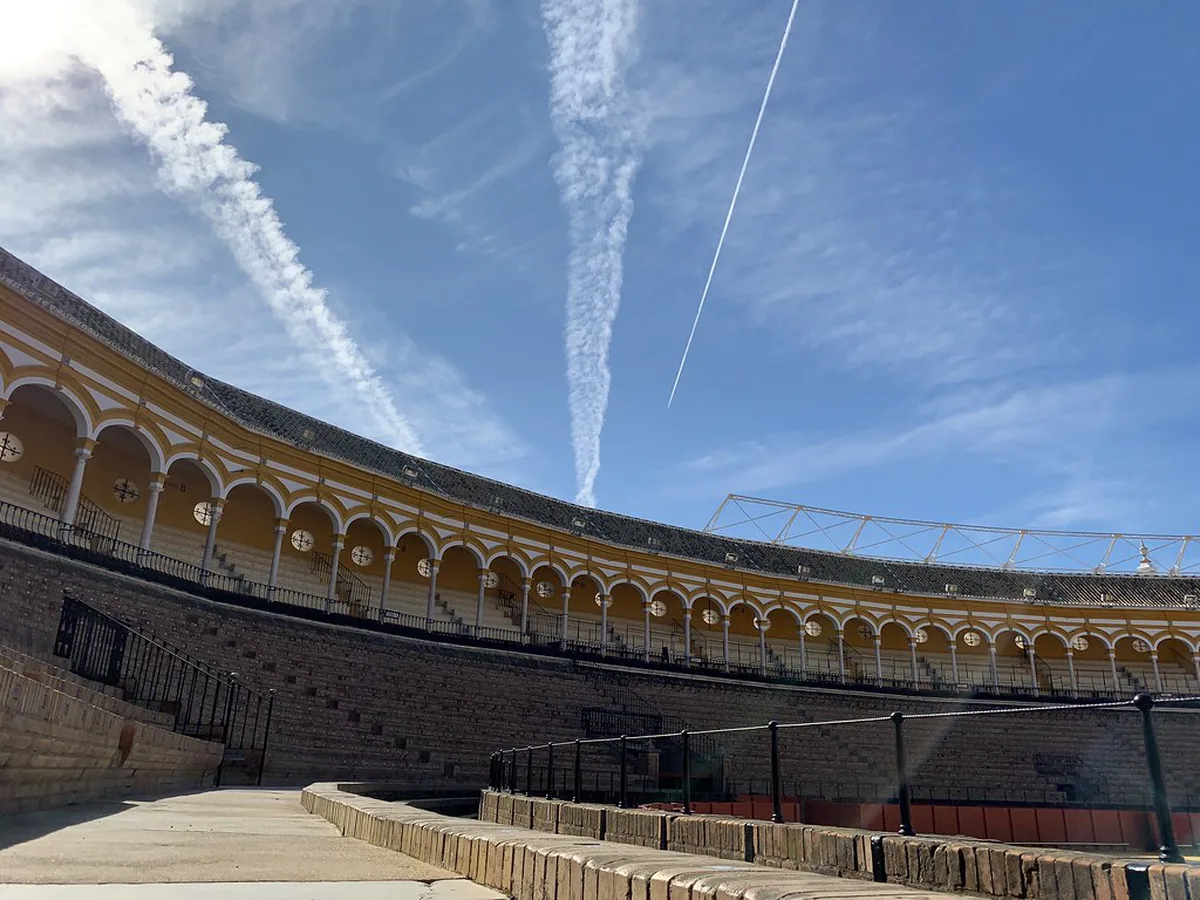
The Plaza de Toros de la Maestranza is El Arenal's defining landmark. Built between 1761 and 1881, it is one of the oldest and most architecturally refined bullrings in Spain. Even if you have no interest in the corrida, the museum is worth an hour — it traces the history of tauromachy in Seville and displays costumes and equipment that span three centuries. The ring itself is open for guided visits on non-fight days. Entry costs around €10 in 2026.
The waterfront along Paseo de Cristóbal Colón runs the full length of El Arenal and connects neatly to the Isabel II Bridge leading to Triana. The Torre del Oro — a 13th-century Almohad watchtower — stands at the river's edge here and houses a small naval museum. It is easy to combine with a walk to Triana: cross the bridge, spend an hour in the ceramic quarter, and return along the opposite bank for a different view of the Maestranza and the tower.
Modern Seville: Las Setas and the Roman Antiquarium
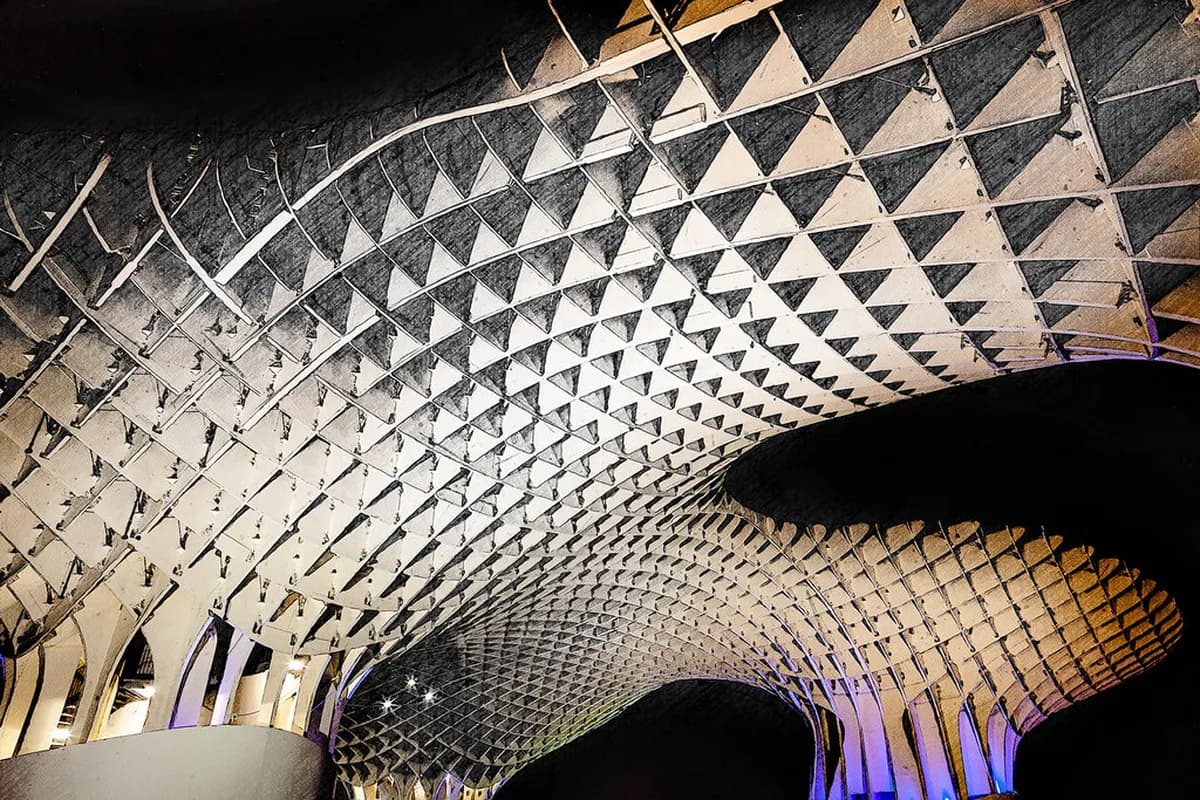
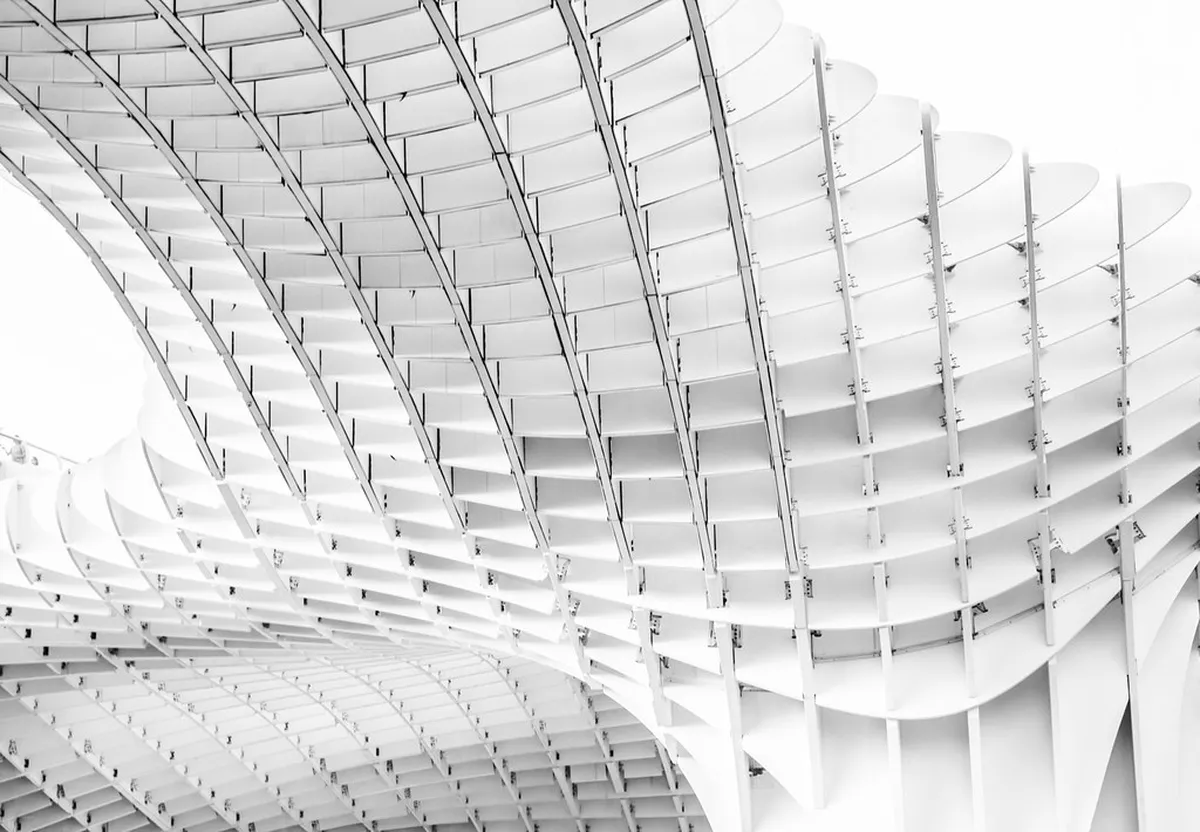
The Metropol Parasol at Plaza de la Encarnación is the most provocative building in modern Seville. Locals call it Las Setas — the mushrooms — because of the undulating timber canopy that shades the square below. Designed by German architect Jürgen Mayer H. and completed in 2011, it is the world's largest wooden structure at roughly 150 metres long.
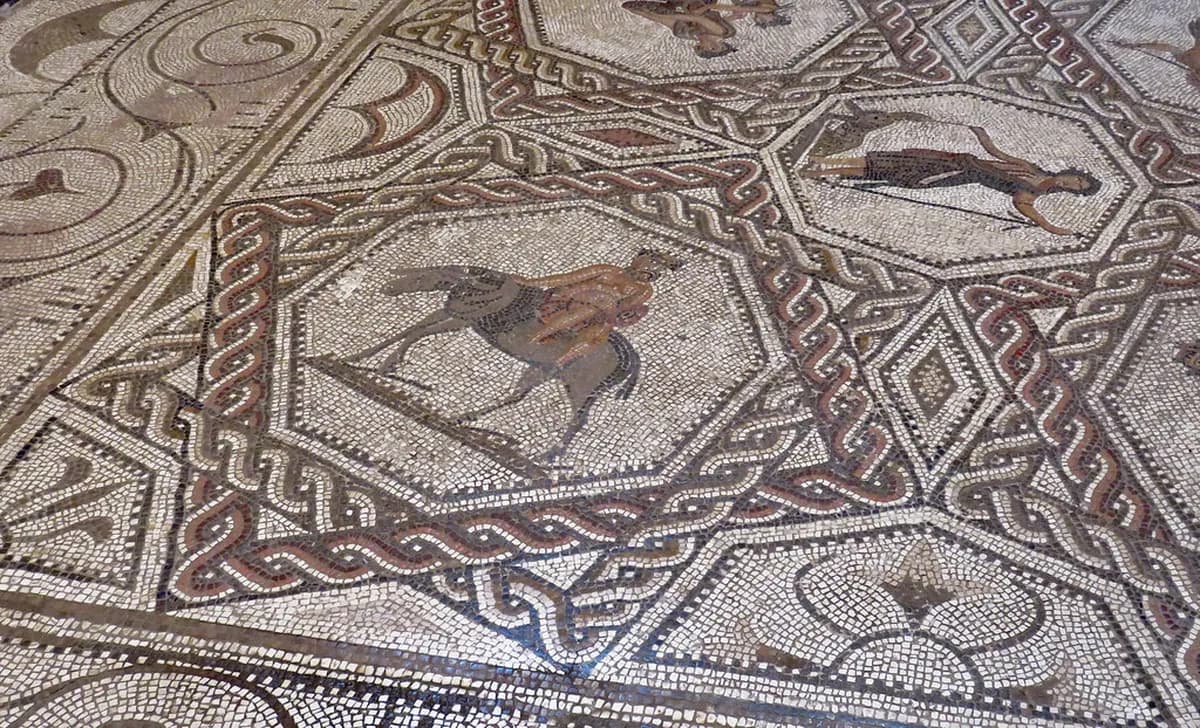
The building's origins explain why it sits on top of an archaeological museum. When the city began digging an underground car park beneath the old market here in the 1990s, workers hit a layer of Roman and Moorish ruins. Construction was suspended, the design competition was rerun entirely, and the Antiquarium was built to preserve the finds in situ. Admission to the Antiquarium is around €2. Walking the ruins takes 30–45 minutes and gives a concrete sense of what Seville looked like in the 1st and 2nd centuries AD — mosaic floors, amphorae, and fish-salting tanks that once supplied the empire.
Access to the rooftop walkway of Las Setas costs around €5 and includes a drink at the top-level bar. Sunset between 20:00 and 21:00 in spring and summer is the most popular time; arrive 20 minutes early to secure a spot on the western rail for the best light over the old town rooftops.
Shopping the Old Town: Calle Sierpes and Local Crafts
Calle Sierpes is the main pedestrian shopping street, running north from the cathedral district toward the Alfalfa market square. International chains occupy the lower stretch near the cathedral; the upper stretch toward Alfalfa has more independent boutiques and specialty shops. The street is entirely covered by retractable sun canvases in summer, which makes afternoon shopping viable even in July and August.

For footwear, Calle Cordoba — a narrow side street off the Sierpes axis — is the address serious shoppers know. The Zapaterias here sell handmade leather shoes and boots at prices well below comparable European capitals. Several workshops have been in the same family for three or four generations and will do same-day adjustments on request.
Handmade abanicos (folding fans) are the most practical souvenir from Seville. Locals still use them daily from May through September, which means the quality on sale here is functional rather than merely decorative. The best shops are in Santa Cruz and along the streets near the cathedral. Look for fans with hardwood or bone ribs and hand-painted silk panels — these start around €25–40 and will last years. Mass-produced plastic versions sell for €3–5 everywhere and are identifiable by their uniform floral prints.
Beyond the Center: Exploring the Triana District
The Isabel II Bridge across the Guadalquivir takes less than five minutes to cross on foot and deposits you in Triana, a neighborhood with a fiercely independent identity. Trianeros have historically regarded their district as a separate town that happens to share a river with Seville, and the attitude persists. The architecture here is flatter and more modest than the grand set-pieces of the Casco Viejo, which is part of the appeal.
Calle San Jacinto is the main spine for cafés and local shops. The Mercado de Triana at the northern end of the bridge sells fresh produce, fish, and excellent jamón from stalls that have operated here since the early 20th century. The ceramic tradition is the other draw: Triana supplied the azulejo tilework that covers the Alcazar, Plaza de España, and hundreds of church facades throughout Andalusia. The Triana neighborhood guide covers the individual workshops and the Centro Cerámica Triana museum, which is set inside a restored 19th-century factory.
Calle Betis runs along the riverfront on the Triana side and offers one of the best views of the Seville skyline — the Torre del Oro, the Cathedral, and the city's terracotta roofscape all visible from a single vantage point. Evening tables fill early, so either arrive before 20:00 or book ahead for riverside dining.
Essential Travel Tips for Seville's Old Town
Spring (March–May) and autumn (September–October) are the best windows for walking the old town. Temperatures sit between 18°C and 26°C, the light is excellent, and the holiday crowds are smaller than in summer. July and August regularly hit 40–42°C by early afternoon — if you visit in summer, plan major outdoor walking before 10:00 and after 19:00.
Start any morning in the old town with breakfast at La Canasta, a bakery on the route between Plaza Nueva and the cathedral. It fills with locals on their way to work from around 08:00. A tostada con tomate — bread rubbed with tomato and olive oil — with a café con leche costs about €3 and is the standard Sevillano start to the day.
Wear leather-soled or cushioned footwear. The cobblestone streets of Santa Cruz are uneven and tiring underfoot, and most visitors cover 10–15 km per day without realizing it. The historic center is almost entirely car-free, which is convenient but also means there are no shortcuts — every detour is a walk. A three-day itinerary that maps the Cathedral, Alcazar, Las Setas, El Arenal, and Triana across separate mornings avoids the fatigue of trying to cover everything at once.
July and August regularly hit 40–42°C (104–108°F) by early afternoon. If you visit in summer, plan all major outdoor walking before 10:00 and after 19:00 to avoid heat exhaustion. Spring (March–May) and autumn (September–October) are the best windows for comfort, with temperatures between 18°C and 26°C.
Frequently Asked Questions
What is the best way to see Seville's Old Town?
The best way to see the historic center is on foot. Most major landmarks are located within a compact area that is mostly pedestrianized. Walking allows you to discover hidden alleys and small plazas that cars cannot reach easily.
Is the Santa Cruz neighborhood part of the Old Town?
Yes, Santa Cruz is one of the most famous neighborhoods within the larger Casco Viejo district. It was historically the Jewish Quarter and contains many of the city's most iconic narrow streets. It is located right next to the Cathedral.
How much time do you need in Seville's Casco Viejo?
You should plan for at least two full days to see the main highlights of the old town. This gives you enough time for the Cathedral, the Alcazar, and wandering through Santa Cruz. You can find advice on 9 Best Neighborhoods: Where to Stay in Seville to remain close to the action.
What are the must-see landmarks in the center of Seville?
The top landmarks include the Seville Cathedral, the Giralda tower, and the Royal Alcazar palace. You should also visit the modern Las Setas structure and the historic Plaza de España. Each site offers a different perspective on the city's long history.
Seville's old town rewards slow travel. The headline landmarks are exceptional, but so are the gaps between them — the unscheduled turn that leads to a shaded courtyard, the bar with no English sign, the ceramics workshop where someone is still throwing pots by hand. Plan for the Giralda and the Alcazar, then give yourself permission to wander everything in between.
Continue exploring
More guides you'll find useful