Best Time to Visit Seville: 10 Essential Planning Tips
Discover the best time to visit Seville. Our guide covers seasonal weather, major festivals like Feria de Abril, and tips for avoiding the summer heat.
On this page
Best Time to Visit Seville: 10 Essential Planning Tips
The best months to visit Seville are mid-March to May and late September to October. Spring brings the famous orange blossom scent, the Feria de Abril, and comfortable temperatures for walking. Autumn delivers golden light, quieter streets, and prices that drop noticeably once the festival season ends. This guide breaks down every season so you can match your priorities to the right window.
Seville sits in the heart of Andalusia with a Mediterranean-subtropical climate. That means mild winters, intensely hot summers, and two very pleasant shoulder seasons in between. The city transforms dramatically across the year — from the packed, scented plazas of April to the near-empty streets of August. Understanding that rhythm makes the difference between a comfortable trip and an exhausting one.
If you want to see the top things to do in Seville, timing affects everything from queues at the Royal Alcázar to the price of your hotel room. Knowing when the festivals fall and what the heat actually feels like in person gives you a clear planning advantage. Read on for an honest, month-by-month breakdown.
Best Time to Visit Seville: The Quick Answer
For most travelers, the absolute best time to visit Seville is between March and May. Temperatures range from 18–26°C / 64–79°F, ideal for walking all day without overheating. The orange trees bloom in March and early April, releasing the azahar fragrance that defines the Andalusian spring. This is also peak festival season, which is spectacular — but comes with a real cost in accommodation prices.
A second excellent window runs from late September through October. The summer heat fades, the locals return from the coast, and the city regains its outdoor energy. Evenings are cool enough for a long tapas crawl through the Triana district without breaking a sweat. Hotel rates drop sharply compared to April, making this the best value combination of good weather and manageable crowds.
If budget is the priority, visit in January or February. Seville rarely drops below 8°C / 46°F at night, and midday temperatures hover around 15–18°C / 59–64°F — genuinely pleasant compared to northern Europe in winter. You can find great deals on 9 Best Neighborhoods: Where to Stay in Seville during these off-peak months, often at half the spring rate.
Spring in Seville (March–May): Festivals and Blooms
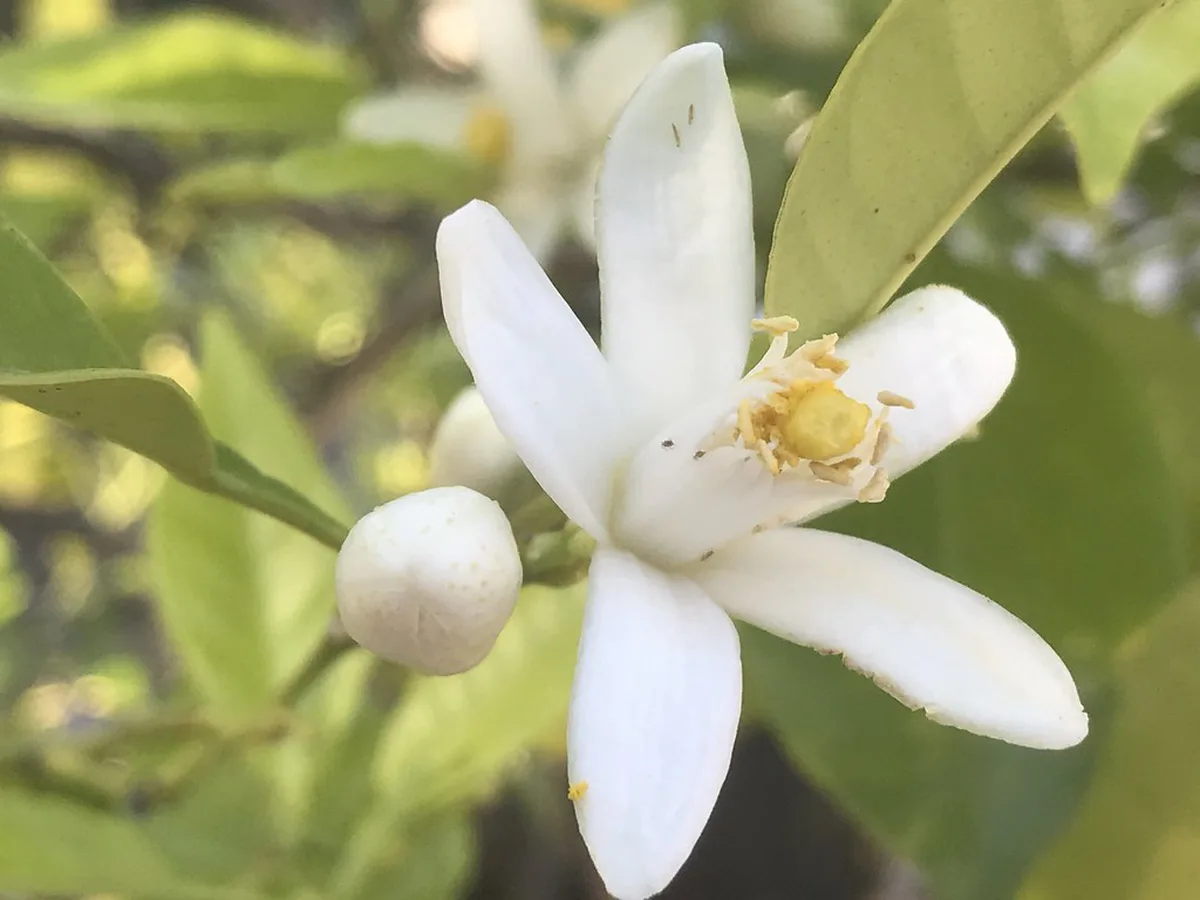
Spring is the most spectacular and most expensive time to be in Seville. The orange blossoms peak in mid-March to early April, filling every narrow street with a scent that is impossible to replicate in any other city. Daytime highs climb gradually from 21°C / 70°F in March to 27°C / 81°F in May, making outdoor sightseeing genuinely effortless. The light is golden, the plazas are full, and the whole city feels like it is performing at its best.
The downside is price and crowds. Semana Santa and the Feria de Abril each draw hundreds of thousands of visitors, and hotels respond accordingly. Expect accommodation rates to be 2–3 times higher during those specific festival weeks compared to the surrounding weeks in March. Book at least six months in advance if your trip overlaps with either event — even basic rooms near the city centre fill up completely.
Late May is a quieter, often overlooked window. The festivals are over, prices soften, and the weather is still warm without being brutal. Temperatures can push 30°C / 86°F by the end of the month, but it is nothing like the 40°C / 104°F wall you hit in July. For a Seville Old Town Travel Guide: Exploring Casco Viejo & Santa Cruz experience without the April chaos, late May hits a sweet spot many travelers miss.
Summer in Seville (June–August): Handling the Heat
Summer in Seville is defined by heat that surprises even experienced travelers. July and August regularly hit 40°C / 104°F, sometimes climbing to 44°C / 111°F during heat waves. The streets empty between 14:00 and 19:00 as the city retreats indoors. Midday sightseeing is not just uncomfortable — it is potentially dangerous for people unaccustomed to that kind of sustained heat.
The practical strategy is to plan around the sun. Start at major attractions like the Alcázar or the Cathedral before 10:00, when they open and the pavements are still cool. Spend the afternoon in air-conditioned museums, a hotel pool, or a dim tapas bar. Then re-emerge after 20:00, when the city comes alive again in a way that feels almost theatrical — the streets fill, outdoor tables appear, and the best rooftop bars in Seville catch the last warmth of the evening.
There are real advantages to a summer visit. Hotel rates are lower than spring because tourist numbers drop — many visitors assume summer is peak season, but locals know better. The Noches en los Jardines del Real Alcázar evening concerts run from July through September, offering live music inside the palace gardens after dark. Lines at major attractions are noticeably shorter. If you can accept the heat and adjust your schedule, Seville in summer has a slow, romantic quality that the crowded spring months cannot match.
August deserves a specific warning. Many small family-run restaurants and boutique shops close for two to four weeks as owners take their own summer holiday, often heading to the Costa de la Luz. The Santa Cruz district loses some of its neighbourhood feel during this period. Stick to larger restaurants and check opening hours before heading out.
July and August regularly reach 40°C / 104°F or higher, sometimes climbing to 44°C / 111°F during heat waves. This level of sustained heat is potentially dangerous for people unaccustomed to extreme temperatures. Start sightseeing early (before 10:00), take long breaks in air-conditioned spaces during midday (14:00–19:00), and drink far more water than you think you need.
Fall in Seville (September–November): The Sweet Spot
September is the month that experienced Seville visitors recommend most. The worst of the heat breaks by mid-September, temperatures settle around 28–32°C / 82–90°F, and the city fills back up with locals returning from summer holidays. The outdoor terraces along the Guadalquivir River reopen fully. Market stalls stock fresh olives, grapes, and seasonal produce from the nearby Andalusian countryside.
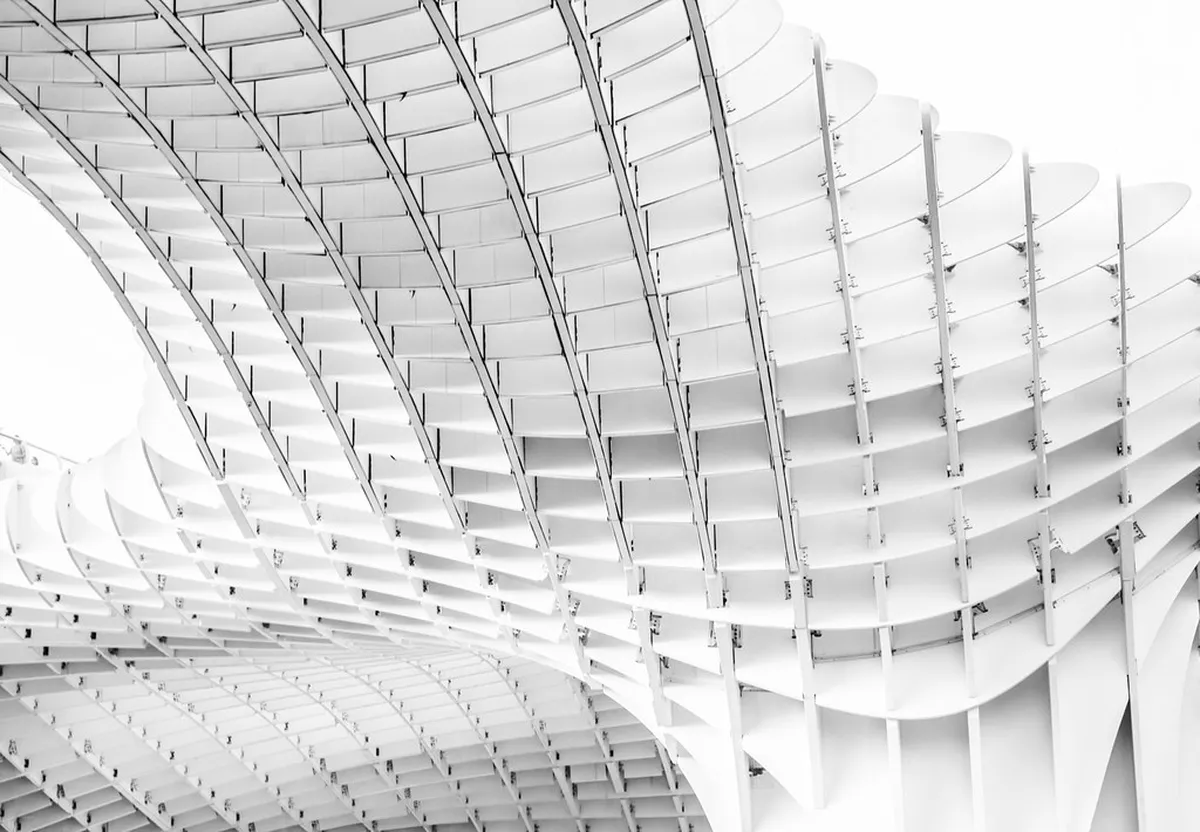
October is arguably the single best month to visit. Highs average 24°C / 75°F — warm enough for shirtsleeves, cool enough for all-day walking. There are no major festivals competing for hotel rooms, so prices drop significantly compared to April. You can explore the Metropol Parasol, Plaza de España, and the Triana neighbourhood at a comfortable pace without fighting festival crowds.
November brings the first rain of the Seville year. October is already wetter than summer, but November can see genuine rainy days, with an average of six to eight days of measurable precipitation. The city does not grind to a halt — it rains in short bursts, not sustained all-day drizzle — but bring a compact umbrella. Temperatures by late November drop to 18°C / 64°F in the afternoon and require a light jacket after dark. The tapas bars feel cosier, and the tourist density is at its lowest of the whole shoulder season.
Winter in Seville (December–February): Budget and Holidays
Seville in winter is a genuine surprise for visitors from northern Europe. While much of the continent is locked in grey cold, Seville's midday temperatures sit around 15–18°C / 59–64°F, making afternoon sightseeing in a light coat perfectly comfortable. The famous Plaza de España and the gardens of María Luisa Park are open and beautifully quiet — you can stand in front of the azulejo alcoves without another tourist in the frame.
December adds real character. Christmas markets appear in Plaza Nueva and the Alameda de Hércules, modest by northern European standards but charming. On the evening of 5 January, the Cabalgata de Reyes (Three Kings Parade) moves through the city centre, with floats tossing sweets to enormous crowds — this is one of the most genuinely local events a visitor can witness, with very few international tourists in attendance.
The financial case for winter is strong. January and February are the cheapest months for both flights and hotels, typically 40–60% below April rates. The Royal Alcázar and Seville Cathedral have shorter queues and often run reduced-hour schedules, so check times in advance. Nights drop to 6–8°C / 43–46°F, and Seville's older apartments are not well insulated against cold, so pack more layers than you think you need. A medium coat, scarf, and comfortable walking shoes will see you through most days.
Seville Weather by Month: Temperature and Rainfall
Seville's climate follows a predictable pattern. Rain concentrates in autumn and winter, the spring is dry and warm, and summer is bone-dry and extreme. The following table gives a quick reference for planning — temperatures are long-term averages, and rainy days are counted as any day with more than 1mm of precipitation.
| Month | Avg High | Avg Low | Rainy Days | Crowds |
|---|---|---|---|---|
| January | 16°C / 61°F | 6°C / 43°F | 7 | Low |
| February | 18°C / 64°F | 7°C / 45°F | 6 | Low |
| March | 21°C / 70°F | 10°C / 50°F | 5 | Medium |
| April | 23°C / 73°F | 12°C / 54°F | 6 | Very High |
| May | 27°C / 81°F | 16°C / 61°F | 4 | High |
| June | 33°C / 91°F | 20°C / 68°F | 1 | Medium |
| July | 39°C / 102°F | 23°C / 73°F | 0 | Medium |
| August | 38°C / 100°F | 23°C / 73°F | 0 | Medium |
| September | 32°C / 90°F | 19°C / 66°F | 3 | Medium |
| October | 24°C / 75°F | 14°C / 57°F | 6 | Low-Medium |
| November | 19°C / 66°F | 10°C / 50°F | 7 | Low |
| December | 16°C / 61°F | 7°C / 45°F | 8 | Low |
The data above shows why May and October are the two most consistently reliable months. Both offer warm days without extreme heat, very little rain, and crowds that are present but manageable. If you can only choose one month and have no preference for festivals, October edges ahead because prices are lower and the city is less saturated with visitors.
Semana Santa vs Feria de Abril: What You Need to Know
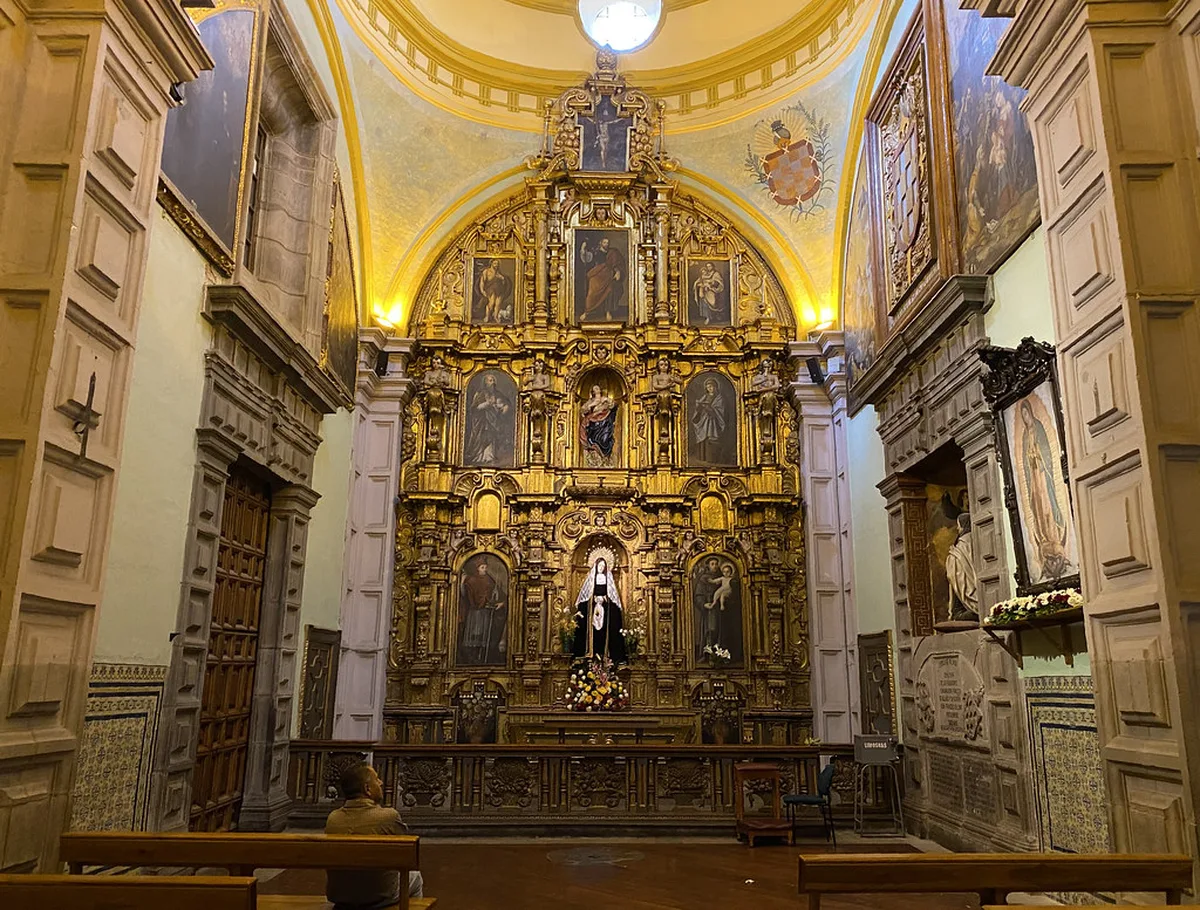
These two spring events are often lumped together by travel articles, but they are completely different experiences — and the practical implications for visitors differ sharply. Semana Santa (Holy Week) falls in the week before Easter, which in 2026 runs from 29 March to 5 April. It is a deeply religious event. Elaborate processions of costaleros carry enormous floats — pasos — through the city on fixed routes, accompanied by brass bands playing saetas. Many central streets close for hours. If you are trying to get from one neighbourhood to another, you will need to detour significantly or simply stop and watch.
Feria de Abril takes place about two weeks after Easter, in 2026 running from approximately 20 to 26 April. It has an entirely different energy — celebratory, secular, and centred on the Real de la Feria fairground on the far side of the Guadalquivir. Locals gather in private tents called casetas to dance sevillanas, drink rebujito (sherry and lemonade), and eat seafood. Most casetas are invitation-only, which means visitors tend to watch from outside unless they know someone local or book through one of the handful of public casetas. The atmosphere at night, when the fairground is lit by thousands of lights, is extraordinary even from the periphery.
The accommodation pricing impact is real and needs to be planned around. During Semana Santa week, central Seville hotel rates typically double. During Feria week they double again from an already elevated base. The two weeks immediately before and after each festival are significantly cheaper and still capture some of the atmosphere — orange blossoms are still in bloom in early March, and the city feels festive in the runup to Semana Santa. Booking either festival week less than four months out will leave you with very limited and expensive options.
Book accommodation at least six months in advance if your trip overlaps with Semana Santa (29 March–5 April 2026) or Feria de Abril (20–26 April 2026). Even basic rooms near the city centre fill up completely during these weeks. For a more budget-friendly festival experience, consider the weeks immediately before each event — the atmosphere is festive, prices are 40–50% lower, and you avoid the most extreme booking pressure.
Best Time for Budget-Friendly Travel
January and February offer the most favourable price-to-experience ratio in Seville. Flights from major European hubs are at their annual low, hotel rooms are plentiful, and queue times at the Royal Alcázar and Cathedral drop to minutes rather than the 45-minute waits common in April. The weather is mild enough to enjoy the outdoor sights comfortably in the afternoon, though cold enough to require layers in the morning and evening.
October is the best budget option if you want genuinely warm weather. The summer premium has passed, spring festival prices are long gone, and you still get 24°C / 75°F afternoons ideal for long walks. Accommodation in Triana or the Macarena neighbourhood runs noticeably cheaper than the Santa Cruz hotels in the same quality bracket. Combine a late-October trip with a Seville itinerary for 3 days and you will spend less than a spring visitor while enjoying comparable or better sightseeing conditions.
Best Time for Sightseeing and Outdoor Activities
The Royal Alcázar, Seville Cathedral, and the Giralda tower are the headline attractions, and the best conditions for visiting them are October and early November. Temperatures are comfortable for the climbing involved, crowds are thinner than spring, and the afternoon light in October is particularly flattering for photography. Pre-booking timed entry tickets — available on the official Alcázar website — is still advisable even in low season, as daily capacity limits apply.
For outdoor activities along the Guadalquivir River — cycling, paddleboarding, or simply walking — the optimal months are April (early morning before festival crowds build), October, and May. The river path connecting the Torre del Oro to the Triana Bridge is one of the most pleasant urban walks in Andalusia when the temperature is right. In summer, even the riverside becomes uncomfortable by 11:00, and the cycle hire stations near the river close early to reflect this.
Flamenco shows run year-round and are not strongly seasonal, though some of the best open-air performances happen at the Noches en los Jardines del Real Alcázar from July to September. These evening concerts inside the palace gardens start at 22:00, well after the worst heat has passed, and combine live music with one of the most atmospheric venues in Spain. Tickets typically sell out two to three weeks ahead — book through the official Alcázar website once dates are released for the 2026 season.
Pair this with our broader Seville tourism attractions guide for the full city overview.
Frequently Asked Questions
When is the best time to visit Seville for festivals?
The best time is during April for Semana Santa and the Feria de Abril. These events offer the most vibrant cultural experience. Expect high prices and massive crowds during these weeks.
Is Seville too hot to visit in August?
For many travelers, August is uncomfortably hot with temperatures exceeding 40°C / 104°F. Most locals leave the city, and many small businesses close. Only visit then if you enjoy extreme heat.
What is the cheapest month to fly to Seville?
January and February are typically the cheapest months for flights and hotels. You will find the fewest tourists and great deals on accommodation. The weather remains mild compared to northern Europe.
Seville rewards careful timing more than almost any other city in Spain. The spring festivals are genuinely unmissable if you plan and book far enough ahead, but October is the hidden winner for most travellers — warm weather, low prices, no crowds, and the city fully operational. Winter is underrated for budget visitors who want a quieter, more intimate Andalusian experience.
Whatever month you choose, the basics remain constant: book accommodation early, pre-purchase timed entry for the Alcázar and Cathedral, and build your daily schedule around the heat rather than fighting it. For more help planning your days, see our Seville itinerary for 3 days to get the most from your visit.
Continue exploring
More guides you'll find useful