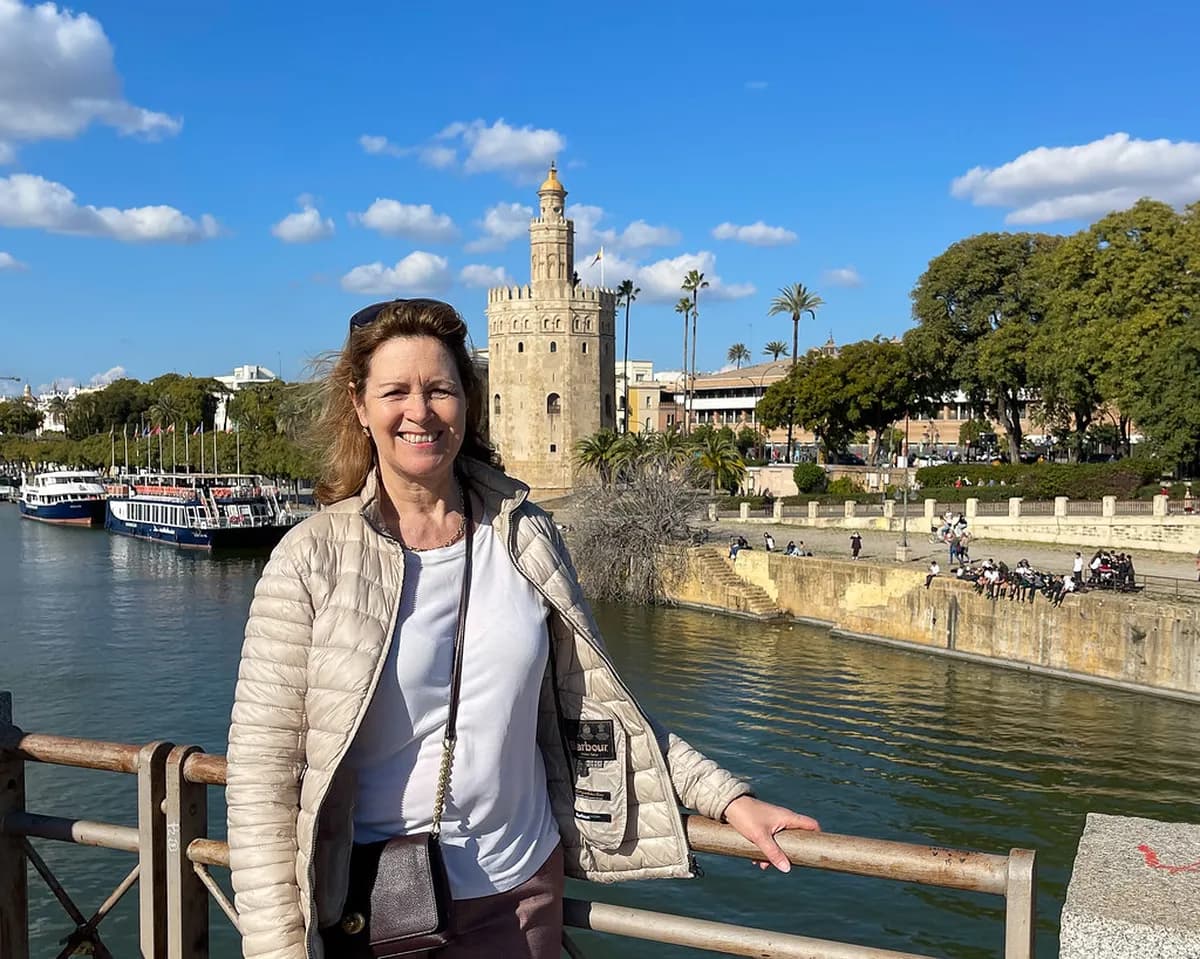
9 Best Neighborhoods: Where to Stay in Seville (2026)
Plan where to stay in seville with top picks, neighborhood context, timing tips, and practical booking advice for a smoother trip in 2026.

On this page
9 Best Neighborhoods: Where to Stay in Seville
Picking the right neighborhood in Seville is the single decision that shapes your entire trip. Stay in the wrong area and you spend every morning on a bus. Stay in the right one and you are at the cathedral doors before the crowds arrive. This guide breaks down every major district so you can match your priorities — sightseeing, food, nightlife, or quiet sleep — to the best possible base.
This guide was last refreshed in June 2026 to reflect the latest hotel prices and updated neighborhood realities. Every area below has been walked in person across multiple visits. Prices quoted are nightly averages for double rooms and will spike significantly during Semana Santa (Holy Week) and the Feria de Abril.
Seville is divided by the Guadalquivir River, with the historic city on the eastern bank and the soulful Triana district on the western side. The historic center is large but walkable — you can cover most of it without ever needing a bus. That said, choosing your base carefully still saves real time and money.
Where to Stay in Seville: Quick Recommendations
If you only have two or three days, stay in Barrio Santa Cruz or El Arenal. Both neighborhoods put you within walking distance of the Cathedral, the Alcázar, and the Torre del Oro. You will waste no time on transit and can easily cover the top 24 Best Things to Do in Seville on foot.
For longer stays of five or more days, consider spreading your time across two neighborhoods. Start in the center, then move across the river to Triana to experience a completely different rhythm of city life. Alternatively, base yourself in the Alameda de Hércules area for better prices and a genuinely local atmosphere while still being 20 minutes from every major sight.
Families with young children do best in Los Remedios or Distrito Sur, where wide streets and modern amenities replace the narrow medieval lanes. Budget travelers will find the best value north of the center in the Alameda or La Macarena. Couples looking for romance and atmosphere should go straight to Santa Cruz or San Vicente.
- First-timers and short stays: Barrio Santa Cruz or El Arenal
- Local vibe and value: Triana or Alameda de Hércules
- Families: Los Remedios or Distrito Sur
- Budget travelers: La Macarena or Alameda
- Romance and boutique hotels: Santa Cruz or San Vicente
Book three to four months in advance for Semana Santa (the week before Easter) or Feria de Abril (two weeks later). These two festivals run back-to-back in spring and push the city to full capacity, with hotel rates tripling and availability dropping to near zero. October and November offer the best value and weather outside these peaks, with prices typically 30–40% below spring rates.
| Neighborhood | Best For | Vibe | Price Range (€/night) | Distance to Cathedral |
|---|---|---|---|---|
| Barrio Santa Cruz | First-timers, short stays | Historic, atmospheric, walkable | €130–€350 | 5-min walk |
| El Arenal | Riverside elegance, upscale travelers | Sophisticated, spacious, quieter evenings | €150–€400 | Adjacent |
| Alfalfa | Tapas culture, local energy | Historic, lively, local bars, vibrant nights | €90–€180 | 10-min walk |
| Triana | Authentic local life, artists | Bohemian, flamenco history, ceramic shops | €80–€200 | 15-min walk |
| Alameda de Hércules | Budget travelers, nightlife | Trendy, bohemian, street food scene | €60–€160 | 20-min walk |
| Los Remedios | Families, April Fair visitors | Modern, residential, calm, wide streets | €100–€220 | Metro connection |
| La Macarena | Authentic locals, budget seekers | Working-class, historic walls, flea markets | €70–€140 | 25-min walk |
Barrio Santa Cruz: Best for First-Timers
Santa Cruz is the historic Jewish quarter and the neighborhood most visitors picture when they imagine Seville. Narrow whitewashed alleys, orange trees in every courtyard, and the spire of La Giralda visible from almost any corner — it is a genuinely beautiful place to wake up. The Cathedral and the Royal Alcázar are both a short walk away, which makes it the most time-efficient base in the city.
The trade-off is price and noise. Santa Cruz is the most in-demand area, so boutique hotels typically cost €130–€350 per night depending on the season. During Semana Santa, those rates can double. The narrow streets also echo, and bar terraces run until midnight even on weekdays, so ask for a room facing an interior courtyard if you are a light sleeper.
Hotel Casa Del Poeta and Hotel Rey Alfonso X are two consistently well-reviewed options in this neighborhood. Both occupy converted historic buildings with central courtyards, which matters more than it sounds — see the heat section below. If you are following a 10 Essential Tips for a 3-Day Seville Itinerary long, this neighborhood makes the most sense as your base.
Choose Santa Cruz if it is your first visit, you have three days or fewer, you want the most atmospheric streets, or you plan day trips out of Seville using the Santa Justa train station, which is closest to this barrio.
El Arenal: Best for Riverside Elegance
El Arenal sits between the cathedral and the Guadalquivir River, occupying the narrow strip that was once Seville's working harbor during the Age of Exploration. Today it is one of the most sophisticated neighborhoods in the city, with a mix of high-end restaurants, the famous Maestranza bullring, and the landmark Torre del Oro right on the waterfront. It feels slightly more spacious than Santa Cruz without losing any of the historic character.
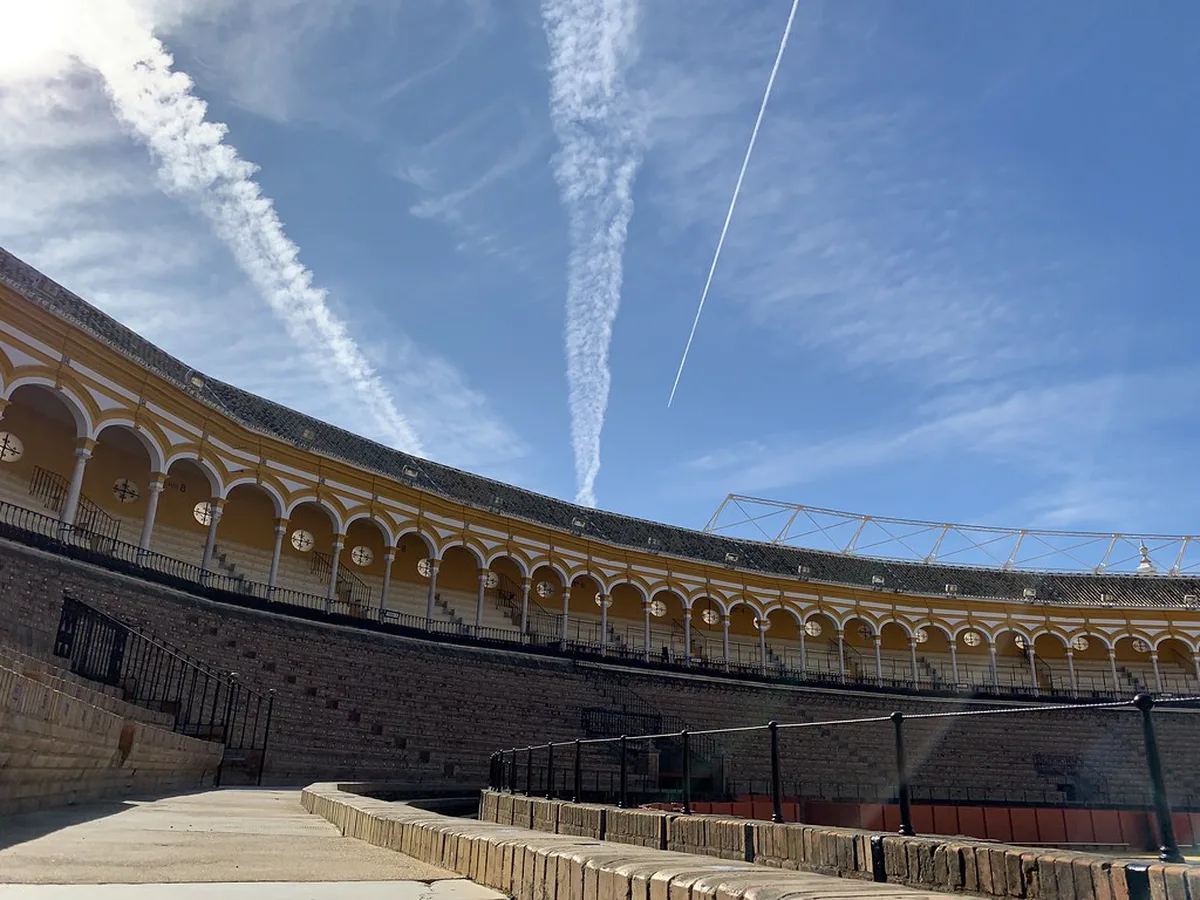
This is the best area for upscale accommodation. Boutique hotels with river views typically range from €150–€400 per night. Hotel Kivir is particularly well-regarded here, offering beautifully designed rooms in a traditional Sevillano building. The T1 tram line runs along the eastern edge of the neighborhood, giving you an easy connection to the rest of the center.
El Arenal is lively during bullfight season (April to September) when the Maestranza hosts events, but it remains noticeably quieter after midnight compared to Santa Cruz and Alfalfa. It is an excellent choice for travelers who want a central location but prefer a calmer evening atmosphere. The riverside promenade also catches cooling breezes during the hot summer months.
Alfalfa: Best for Tapas Culture and Boutique Stays
Alfalfa sits just north of Santa Cruz and is widely considered the oldest part of Seville, where the city was originally founded. It has all the narrow alleys and historic architecture of its famous neighbor but with a livelier, more local energy. The streets are filled with independent tapas bars where Sevillanos outnumber tourists, and the central plaza hums with activity from morning until well past midnight.
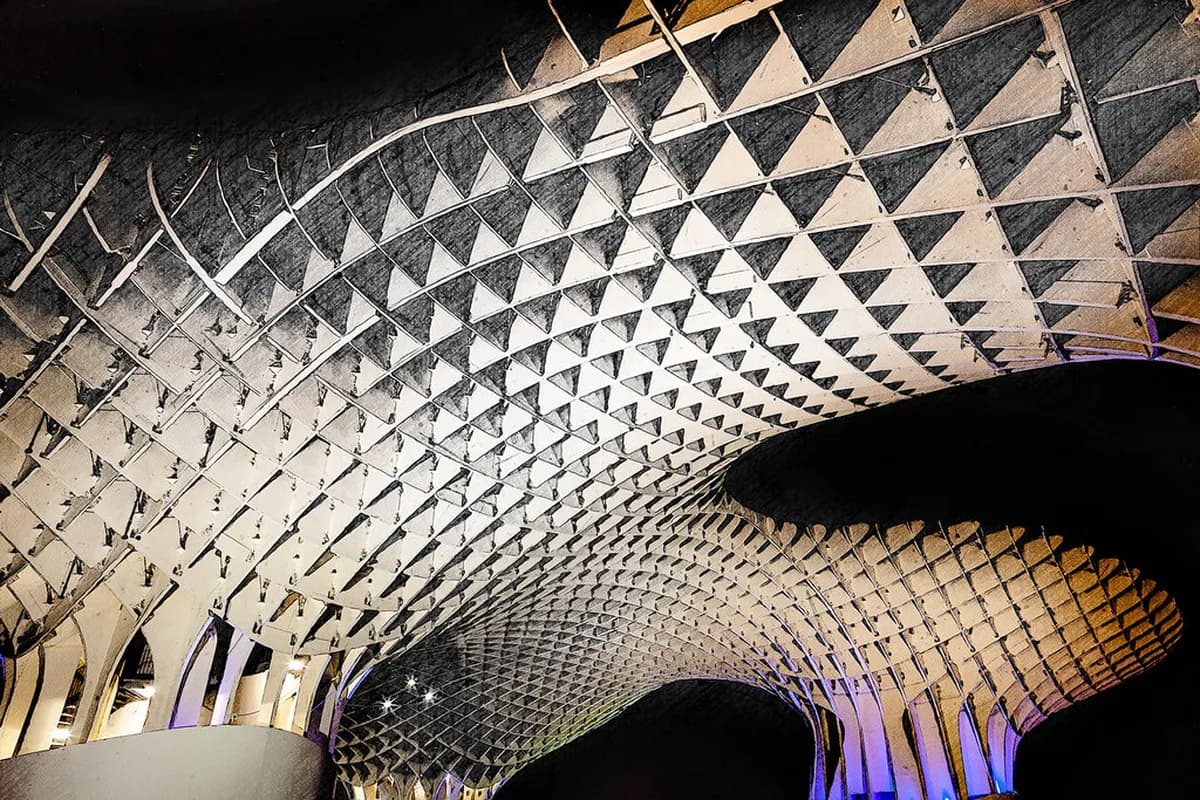
The architectural highlight is the Metropol Parasol (Las Setas), a massive contemporary wooden structure on the Plaza de la Encarnación that offers panoramic rooftop views. It is an unusual and genuinely impressive piece of modern architecture in a city defined by its historical monuments. Entrance to the rooftop costs around €3.50 in 2026 and the views at sunset are exceptional.
H10 Casa de la Plata is the standout hotel choice here — highly rated with an outdoor terrace and pool, which is a serious asset in summer. Accommodation in Alfalfa sells out fast in the high season, so book at least two to three months ahead if visiting between March and June. The one genuine downside is that it is one of the noisiest neighborhoods in the city at night.
Triana: Best for Authentic Local Life
Crossing the Isabel II Bridge puts you in a different city. Triana has its own identity — historically the neighborhood of gypsies, flamenco artists, bullfighters, and ceramics workshops. The Mercado de Triana is one of the best local food markets in all of Andalusia, and the azulejo tile shops along Calle Alfarería have been operating continuously for generations. This is where Seville feels most like itself rather than a tourist destination.
Accommodation here is genuinely more affordable than the historic center, with quality guesthouses and apartments ranging from €80–€200 per night. Monte Triana and Zenit Sevilla are both highly rated options that offer private parking — a significant advantage if you are driving, since the narrow streets of Santa Cruz make car ownership a genuine problem. Our Triana guide covers the neighborhood's ceramics museums and the best local restaurants in detail.
The one practical consideration is the 15-minute walk across the river to reach the major monuments. For most travelers this is not a problem, but if you have mobility limitations or are visiting in July or August when temperatures exceed 40°C, that walk feels much longer than it looks on a map. Buses cross the bridge regularly if walking in the heat is a concern.
Alameda de Hércules: Best for Nightlife and Budget Value
The Alameda is Seville's bohemian spine — a long, tree-lined boulevard in the northern part of the historic center surrounded by independent bars, creative spaces, and one of the city's best street food scenes. Two decades ago this was a rough area; today it is one of the trendiest parts of the city while remaining genuinely affordable. Budget hostels and apartment rentals typically run €60–€160 per night, making it the best value base within walking distance of the center.
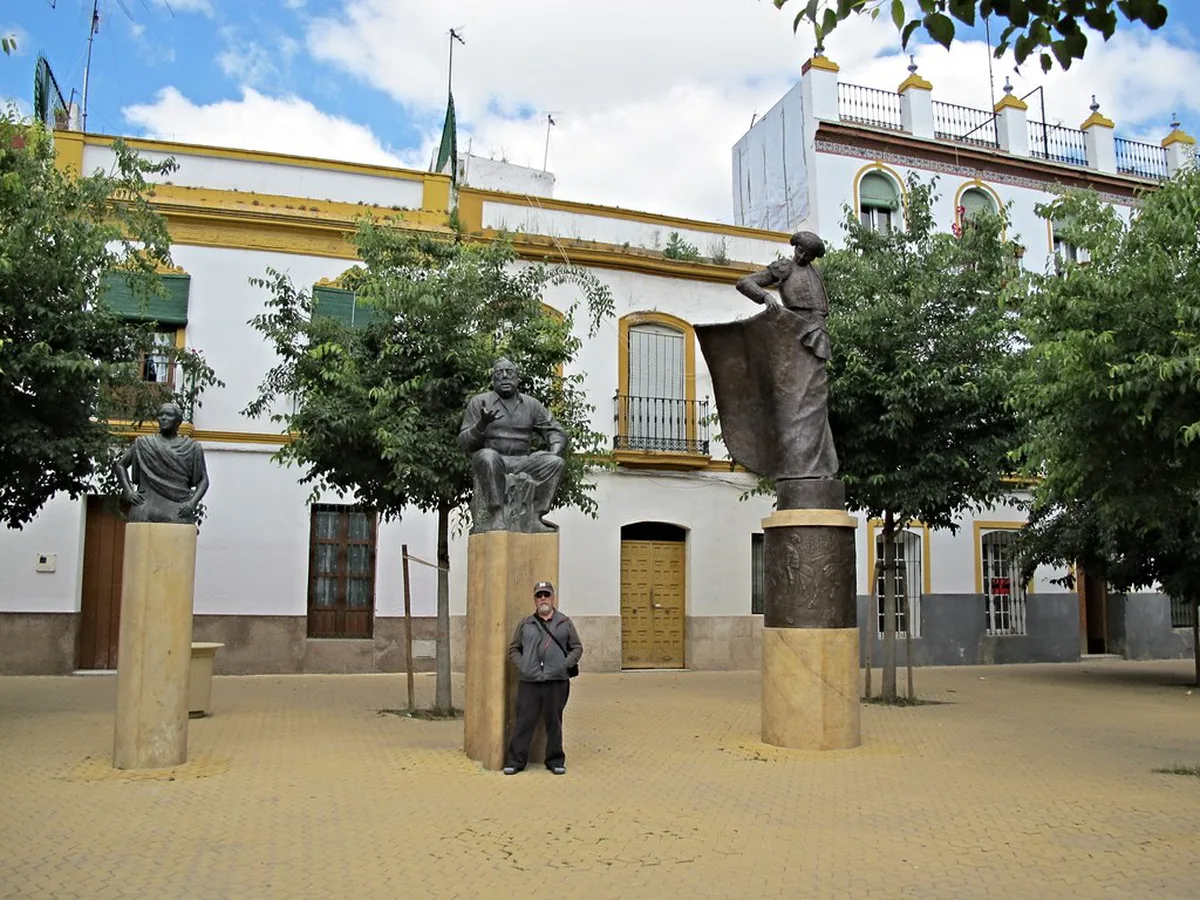
The Alameda itself hosts a regular antiques and collectibles market and is surrounded by cool venues like the Mercado de Feria and the Palacio Marqueses de la Algaba. The nightlife here runs later and louder than anywhere else in the city, with bars staying open until 03:00 on weekends. This is ideal for younger travelers and solo visitors but genuinely difficult for early sleepers — choose rooms on inner streets rather than those facing the main boulevard.
The walk to the Cathedral is around 20 minutes, which is manageable for most visitors. Taxis from the Alameda to any central sight take under five minutes and rarely cost more than €6. It is an excellent base for budget travelers who want a local experience without sacrificing walkability entirely.
Los Remedios: Best for Families and the April Fair
Los Remedios occupies the southern part of the western bank, just south of Triana. It is a modern, residential neighborhood with wide boulevards, proper supermarkets, and a noticeably calmer atmosphere than the historic center. For most of the year it is quiet and family-friendly, offering more space per euro than any neighborhood on the eastern bank.
The one unmissable reason to stay here is the Feria de Abril. Seville's annual April Fair is held in the Los Remedios fairground each spring, and accommodation in this neighborhood during the fair is extremely limited and books out months in advance. If you are visiting Seville specifically for the Feria, staying in Los Remedios puts you at the center of the action. At all other times, it is primarily a comfortable, practical base for those who prioritize space and calm over atmosphere.
Hotel rates here typically run €100–€220 for modern rooms. The L1 Metro line connects Los Remedios to the historic center in under ten minutes. Families traveling with strollers or small children will appreciate the wide, flat pavements and the relative scarcity of the narrow cobblestone streets that dominate Santa Cruz and El Arenal.
La Macarena: Best for Authentic Local Traditions
Macarena occupies the northeastern corner of the historic center and is home to the revered Basílica de la Macarena — one of the most important churches in Seville and the spiritual home of the famous Virgen de la Macarena statue. The neighborhood also contains some of the best-preserved sections of the original Roman and medieval city walls. It feels rougher and more working-class than Santa Cruz, which is precisely the point for travelers who want an unpretentious Sevillano experience.

You can find some of the city's best 9 Essential Tips and Spots for the Best Tapas in Seville here at considerably lower prices than the center. The Thursday flea market on Calle Feria (Mercadillo El Jueves) is one of the most atmospheric in Andalusia. Accommodation is affordable, with many small guesthouses running €70–€140 per night. The C3 and C4 circular bus routes connect the neighborhood to the city's primary tourist zones.
The main downside is that Macarena is the furthest of the recommended neighborhoods from the Cathedral, requiring either a 25-minute walk or a short bus ride. It is best suited to travelers spending five or more days in Seville who want to save money while genuinely experiencing local daily life rather than the curated tourist version of it.
Best Hotels in Seville by Budget
For luxury, Hotel Alfonso XIII remains the classic prestige choice — a grand Mudéjar-Renaissance palace near the Alcázar that has hosted royalty since 1929. Querencia de Sevilla in the Centro neighborhood is the top-rated boutique option in 2026, with an exceptional rooftop and immaculate rooms that have earned it consistently strong reviews. Both properties will run €250–€500+ per night in high season.
In the mid-range (€120–€250), Hotel Casa Del Poeta in Santa Cruz and H10 Casa de la Plata in Alfalfa represent the best combination of location, design, and value. Hotel Kivir in El Arenal is worth the slightly higher price for its riverside proximity and beautifully designed interiors. Joya del Casco Boutique Hotel is the best affordable option that still feels genuinely luxurious — often cited as the best value hotel in the historic center.
For budget stays under €100, The Corner House in the Alameda area is clean, well-run, and within walking distance of everything. Hostel options in La Macarena start around €25 per dorm bed. Apartments booked through Booking.com in Triana or Distrito Sur offer the best value for families or groups of three or more, with full kitchens often available from €90 per night.
Tips for Staying in Seville
Book three to four months in advance for any visit during Semana Santa (the week before Easter) or the Feria de Abril (two weeks later). These two festivals run back-to-back in spring and push the city to full capacity, with hotel rates tripling and availability dropping to near zero. For the best time to visit seville outside these peaks, October and November offer mild weather, smaller crowds, and noticeably lower prices — typically 30–40% below spring rates.
Seville observes siesta strictly. Most independent shops and smaller restaurants close from approximately 14:00 to 17:00 daily. Plan major sightseeing before 13:00 or after 17:00 to avoid closed doors. Dinner does not start until 21:00 at the earliest, and most locals eat after 22:00. Accepting this rhythm rather than fighting it makes the city considerably more enjoyable.
You do not need a car in Seville. The historic center is almost entirely pedestrianized, and having a vehicle in the narrow streets of Santa Cruz or El Arenal is a genuine liability. The T1 tram covers the central east-west axis, the Metro reaches the outer neighborhoods, and taxis are plentiful and affordable. Book major attractions — particularly the Royal Alcázar and the Cathedral — online in advance, as queues for walk-up tickets can exceed two hours during peak season.
When arriving with luggage, take a taxi from Santa Justa station or the airport rather than attempting public transit. Many central hotels sit on streets paved with uneven cobblestones that destroy wheeled suitcases in a single trip. Most hotels allow bag drops from 08:00 even if your room is not ready until 14:00 or 15:00.
Choosing a Hotel for Seville's Summer Heat
Seville is the hottest major city in Western Europe. July and August temperatures regularly exceed 40°C, and the historic center retains heat long after sunset. Most travel guides mention needing air conditioning — that is table stakes. The detail that actually matters is the physical structure of the building itself. A hotel with a traditional Andalusian patio (central courtyard) stays measurably cooler than a street-facing room, because thick stone walls and the shaded interior courtyard create a natural cooling effect that predates air conditioning by centuries.
When booking for a summer visit, look specifically for hotels described as palacio or casa palaciega — these almost always have central patios. Santa Cruz and El Arenal have the highest concentration of this building type. Ask the hotel directly whether your room faces the interior courtyard or the street. A street-facing room with AC on a narrow alley in July will still be significantly warmer and noisier than a patio-facing room in the same building.
A rooftop pool is the other feature worth prioritizing in summer. Several Santa Cruz and Alfalfa properties — including Hotel Rey Alfonso X and H10 Casa de la Plata — offer rooftop pools or terraces. These are not just amenities; they are genuinely useful for cooling down during the mandatory midday heat retreat when even locals disappear indoors. If you are visiting between June and September, weight these two factors (patio room or rooftop pool) above almost every other hotel criterion.
Seville reaches 40°C+ in July and August. Hotels with traditional Andalusian patios (central courtyards) stay measurably cooler than street-facing rooms, because thick stone walls and shaded interior courtyards create a natural cooling effect that predates air conditioning by centuries. Look for hotels described as palacio or casa palaciega, and always ask whether your room faces the interior courtyard or the street before booking.
Frequently Asked Questions
Which part of Seville is best to stay for first-time visitors?
Barrio Santa Cruz is the best choice for first-time visitors because it is within walking distance of the Cathedral and Alcázar. This area offers the most iconic atmosphere with its narrow, winding streets and historic architecture. Most major landmarks are reachable within ten minutes on foot.
What areas are good to stay in Seville without a car?
The entire historic center, including Centro and El Arenal, is perfect for travelers without a car. These neighborhoods are highly pedestrianized and well-served by the city's efficient tram and bus network. You will rarely need anything other than your own two feet to explore.
Is Triana a good place to stay in Seville?
Triana is an excellent choice if you prefer a more authentic, local vibe away from the heavy tourist crowds. It is famous for its flamenco history and vibrant market culture. You can easily cross the bridge to reach the main historic sites in about 15 minutes.
Seville rewards travelers who choose their neighborhood deliberately. Santa Cruz and El Arenal deliver the classic first-timer experience; Triana and the Alameda offer the more textured, local version. For summer visits, a patio-style hotel matters more than the neighborhood itself. Whatever base you choose, the city's walkability means you are never truly far from the things that make Seville extraordinary.
Remember to book early for spring festivals and consider the heat management factors above when finalizing your accommodation for 2026. For more inspiration on exploring the rest of the country, check out our broader guide to Spain. No matter where you stay, the scent of orange blossoms and the sound of flamenco will follow you home.
Continue exploring
More guides you'll find useful