8 Best Ways to Experience Free Things to Do in Seville (2026)
Discover the best free things to do in Seville, from Monday monument windows at the Alcázar to hidden plazas and local markets. Includes booking tips and maps.
On this page
8 Best Ways to Experience Free Things to Do in Seville
Seville is one of those rare cities where the best experiences are genuinely free. The monuments are grand, the parks are vast, and the neighborhoods are beautiful enough to fill several days without ever opening your wallet. But the key to doing it well is knowing exactly when to show up and where to book in advance.
This guide covers every major free entry window in 2026, including precise times for Monday slots at the Alcázar and Sunday slots at the Cathedral. It also covers the parks, markets, churches, and neighborhood walks that are always free. If you're figuring out the Best Time to Visit Seville: 10 Essential Planning Tips, note that summer Monday free slots run later in the evening than winter ones — a detail that changes your entire day plan.
The Big Three: Seville's Iconic Free Landmarks
Three UNESCO World Heritage Sites sit within a five-minute walk of each other in central Seville, and all three have free entry windows. These are the Real Alcázar, the Seville Cathedral with the Giralda, and the General Archive of the Indies. Planning one morning around all three is the highest-value move a budget traveler can make.
The Real Alcázar is the top attraction in Seville and arguably the finest Mudejar palace in Spain. Regular tickets cost 15.50 € per person. On Mondays, entry is free during the final hour of operation: 18:00–19:00 in summer (approximately April through October) and 16:00–18:00 in winter. Tickets must be booked through the Real Alcázar Booking Portal exactly one week before the visit date. They sell out within minutes of release, so set a calendar alert.
The Seville Cathedral and Giralda is the largest Gothic cathedral in the world and the third largest church of any kind. Inside, the tomb of Christopher Columbus is held aloft by four carved figures representing the kingdoms of Spain. The Giralda tower — originally the minaret of the Moorish mosque that preceded the Cathedral — is climbed via a series of ramps rather than stairs, designed so officials could ascend on horseback. The Cathedral's official site offers a free cultural visit every Sunday from 14:30 to 15:30, with only 100 tickets available. This is not the Monday Alcázar slot — it is a separate Sunday window, and it books out fast. Normal admission is 13.00 € online or 14.00 € at the door.
Real Alcázar free entry is limited to the final hour of operation: 18:00–19:00 in summer (April–October) and 16:00–18:00 in winter. Tickets must be booked exactly one week before and require a 1 € processing fee, even for free entry. They sell out within minutes of release, so set a calendar reminder.
The General Archive of the Indies is the third UNESCO site in this cluster and is always free. Its Renaissance building houses nearly 80 million pages documenting the entire history of the Spanish Empire in the Americas and Philippines. The temporary exhibitions on the upper floor regularly feature original maps, ship logs, and letters from colonial governors. It opens Tuesday to Sunday during standard museum hours. You can visit it on the same morning as the Cathedral since they share the same plaza.
Cathedral free cultural visits are limited to 100 tickets every Sunday from 14:30 to 15:30 only. These book out quickly and are released with minimal advance notice—check the official website a few days before your visit. This is separate from the Alcázar Monday window.
Museums and Cultural Centers with Free Entry
The Museum of Fine Arts of Seville is often called the second most important art collection in Spain after the Prado. It is housed in a former convent with a series of quiet courtyards that feel a world away from the busy tourist streets outside. EU citizens enter for free; everyone else pays 1.50 €. The works by Murillo in the former church section are the highlight, and the building itself warrants an hour even if you skip the upper galleries.
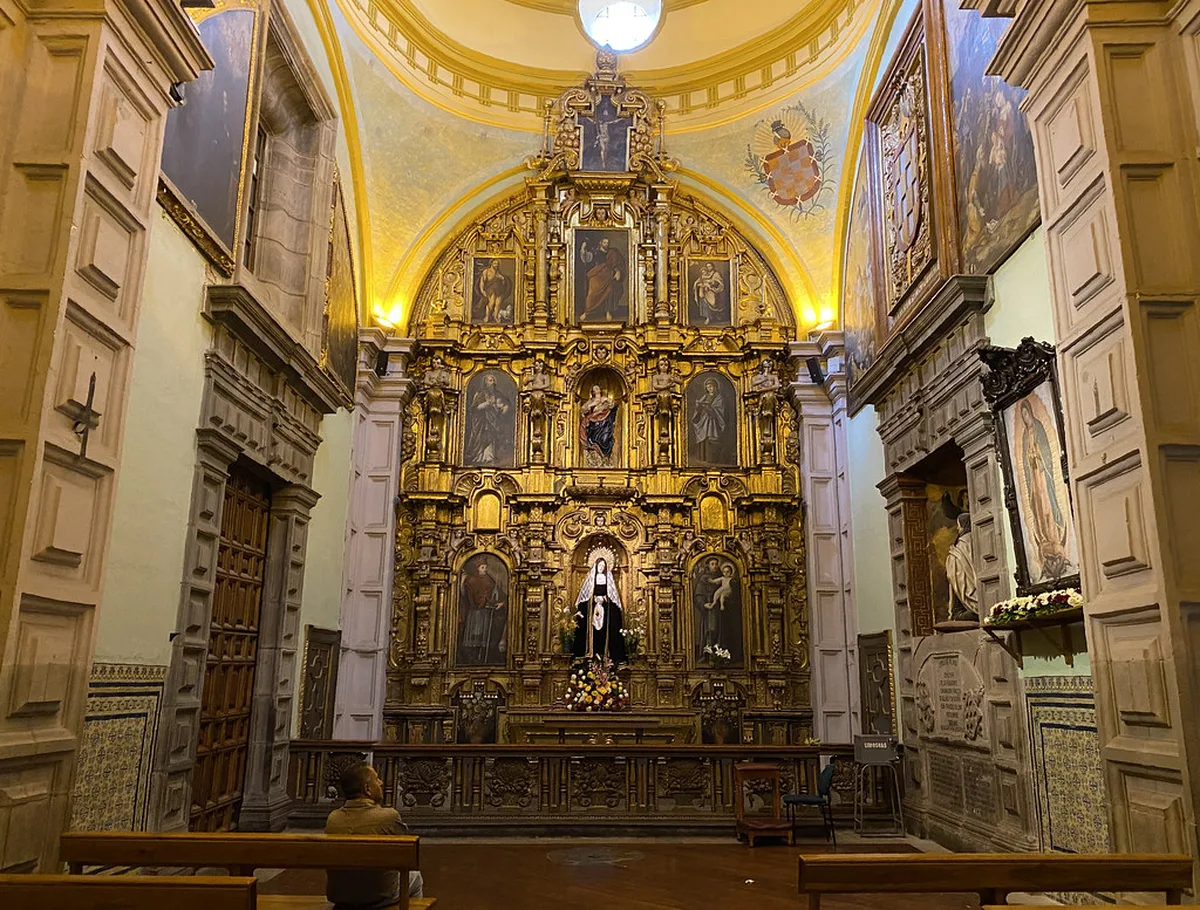
The 24 Best Things to Do in Seville list wouldn't be complete without the old Tobacco Factory, now the headquarters of the University of Seville. Entry to the public areas and grand courtyards is free. The building inspired Bizet's opera Carmen and retains an imposing scale that makes it worth a detour on any Seville old town walking route.
The Andalusian Center of Contemporary Art on the Isla de la Cartuja offers free entry Tuesday to Friday from 19:00 to 21:00, and all day on Saturdays. It is further from the center but the free evening slot makes it a practical add-on for visitors who have already covered the main sights. The Military Historical Museum near the Torre del Oro is also free and takes about 45 minutes.
Historic Palaces and Houses with Monday Free Slots
Beyond the Alcázar, three private palaces open free on Monday afternoons. If you are already in the city on a Monday for the Alcázar free window, adding one of these turns a single-monument day into a full palace circuit.
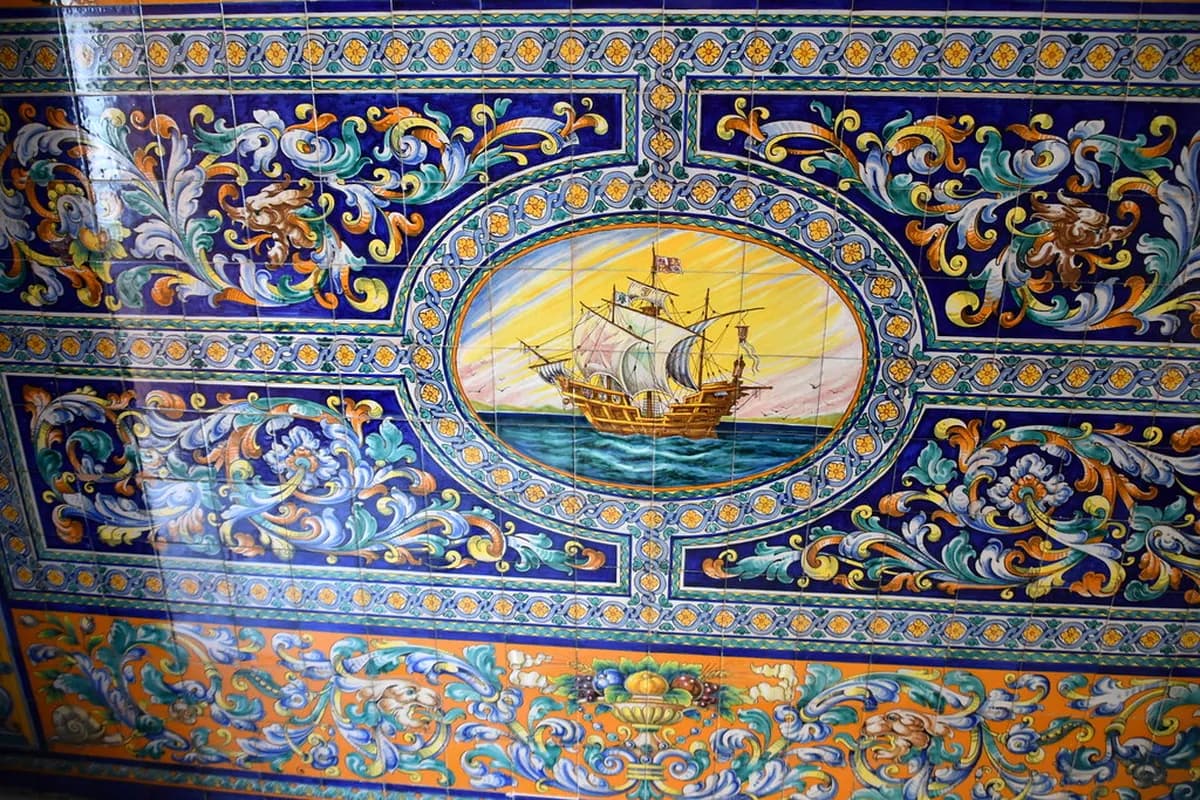
Casa de Pilatos is perhaps the most spectacular. It combines Italian Renaissance and Mudejar styles with an unmatched collection of azulejo tilework. Normal entry costs 12.00 € for the ground floor. The free Monday window runs from 15:00 to 19:00. Tickets are booked through the Medinaceli Foundation website. Visit the staircase in the corner of the upper courtyard — it is easy to miss and extraordinary when you find it.
Palacio de las Dueñas is a late-15th-century palace with romantic gardens, painted rooms, and a warm terracotta color palette that feels distinctly Sevillian. Regular tickets cost 14.00 €. Free Monday entry runs from 16:00 to 19:00, with a 1 € online booking fee. The palace was historically associated with the poet Antonio Machado, who was born here.
Palacio de la Condesa de Lebrija is less visited than the other two but rewarding for detail-seekers. Its owner in the early 20th century was an archaeologist who lined the floors and walls with Roman mosaic fragments excavated from the ancient city of Itálica. Normal tickets cost 15.00 €. Every Friday at 10:00 there is a free guided tour of the first floor with limited capacity — no reservation required, but arrive by 09:45.
Parks, Gardens, and Outdoor Spaces
Plaza de España is always free and is one of the most cinematic public spaces in Europe. Built for the 1929 Ibero-American Exposition, it features a vast semi-circular building with 48 tiled alcoves, one for each Spanish province, each showing a historic map and a painted scene. Fans of Star Wars will recognize it as the city of Theed on the planet Naboo from Attack of the Clones — the colonnade and central canal appear in multiple scenes. Walk the full length of the canal and look for the small nooks in the alcoves where travelers leave books for others to take: a quiet tradition that turns a sightseeing stop into something more personal. The square opens daily at 08:00 and closes at 22:00.
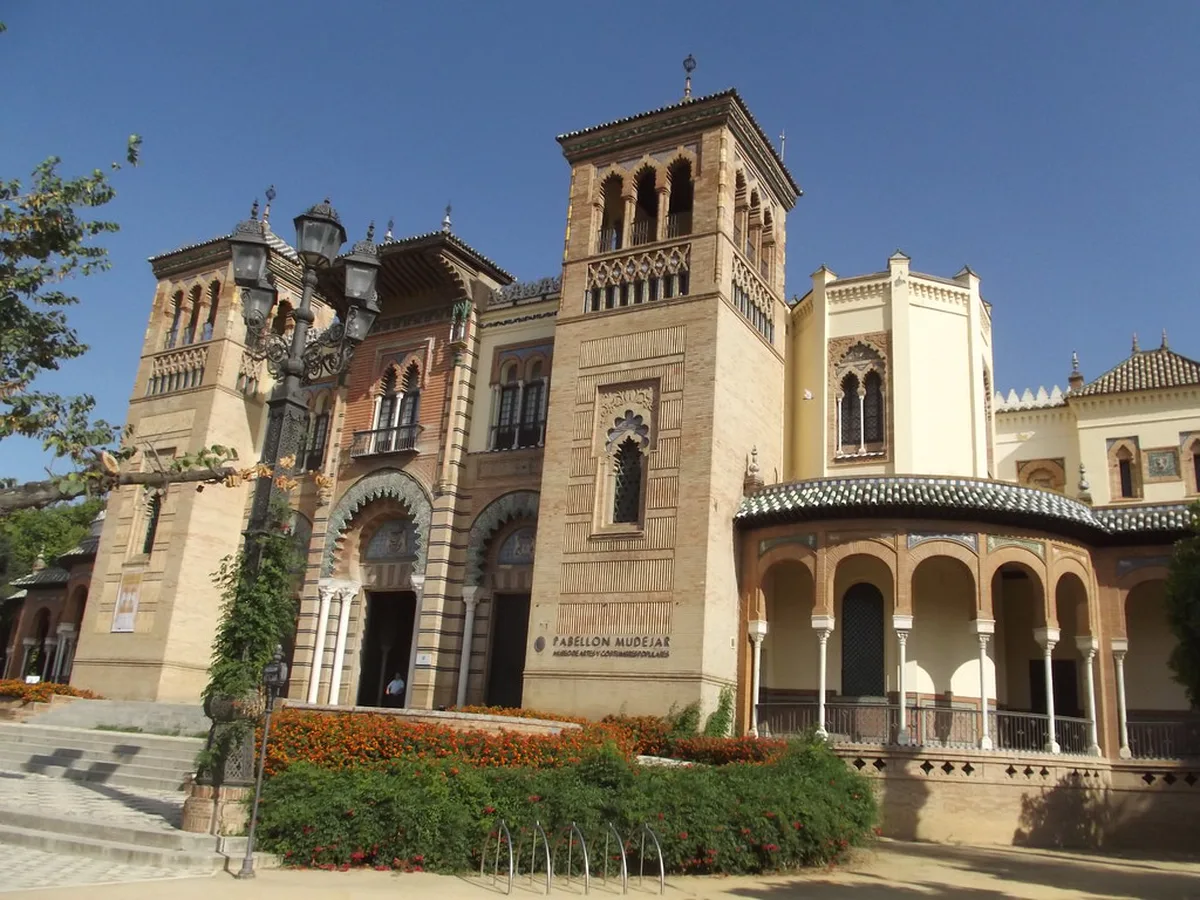
Parque de María Luisa borders Plaza de España and is Seville's primary green space. It was the landscaped ground of the 1929 Exposition and contains fountains, lily ponds, a viewpoint, and enormous umbrella pines. It is always free and open until 22:00. Parakeets have colonized the park in large numbers — look up through the canopy and you'll see flocks of them moving between the trees. The park connects directly to the Provincial Archaeological Museum, which charges just 1.50 € (free for EU citizens) and houses Roman artifacts from Itálica including full-scale statues and intricate floor mosaics.
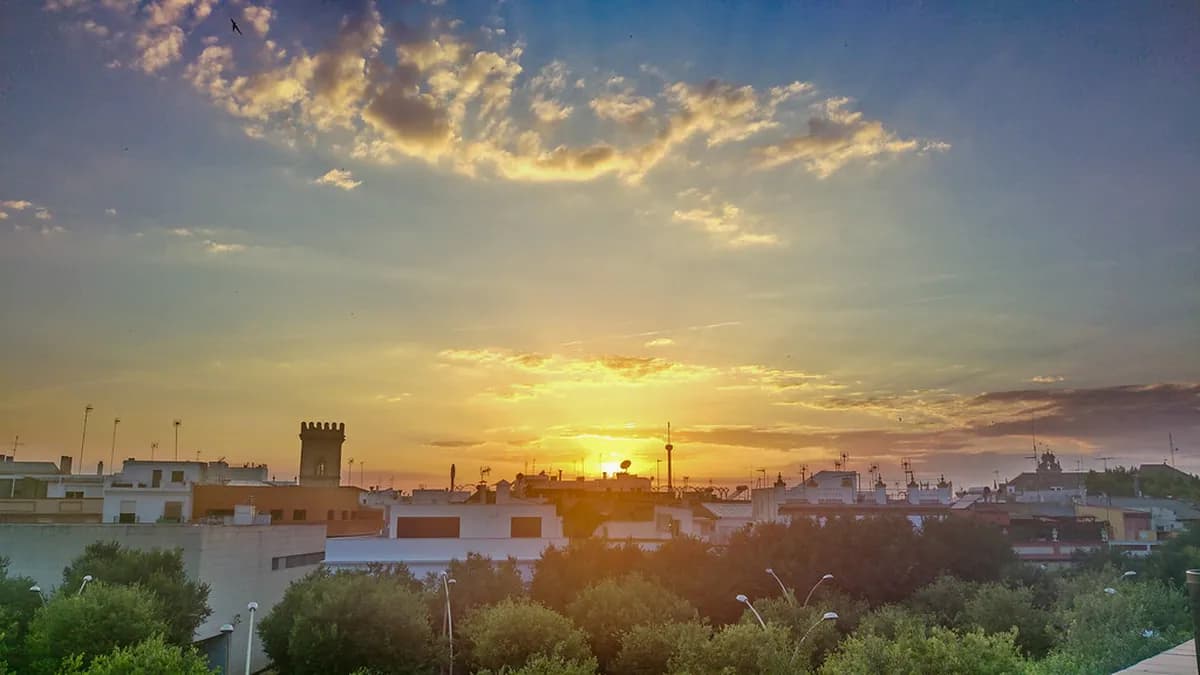
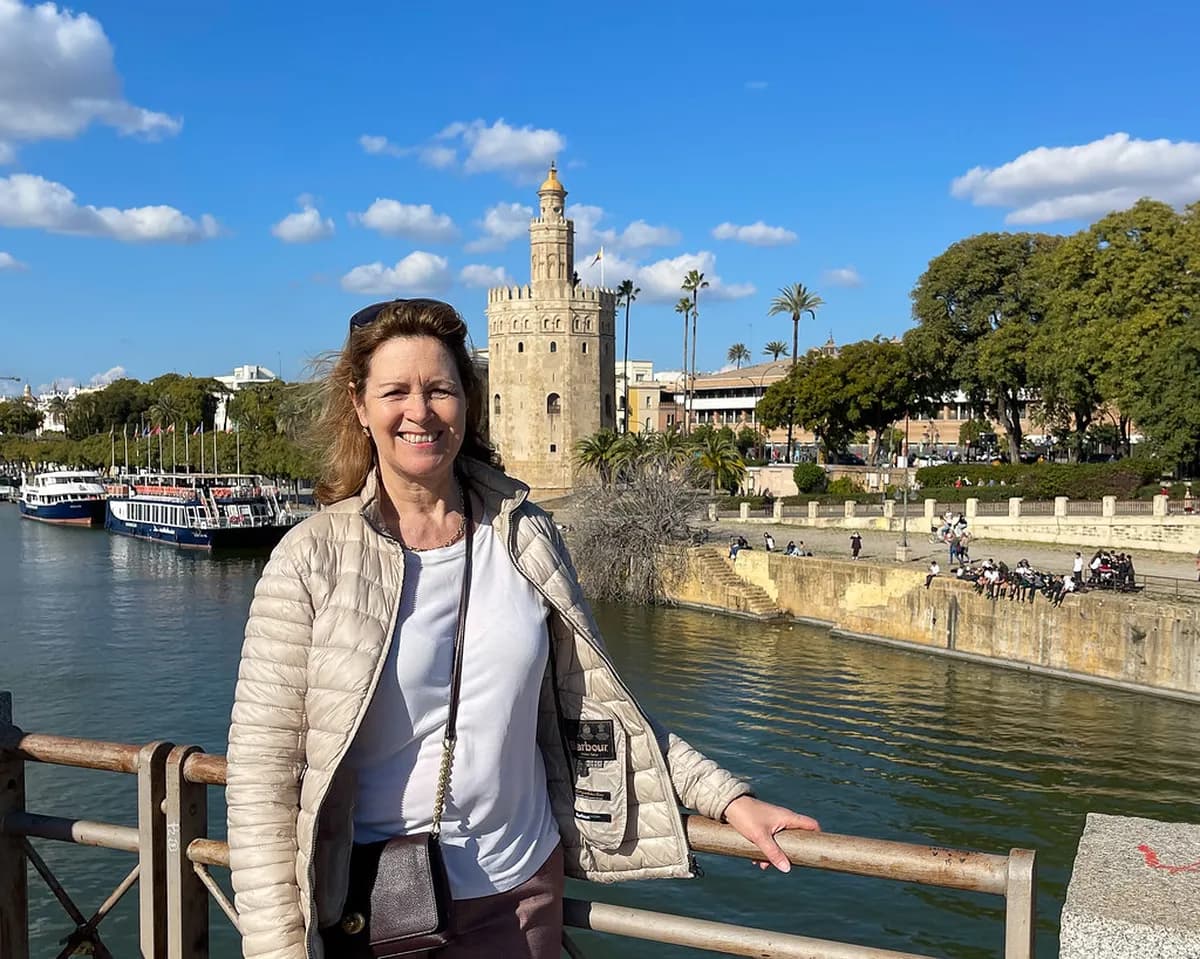
The Guadalquivir riverfront from Torre del Oro south to the Isabel II Bridge is a free walk that many visitors underestimate. The path passes the Torre del Oro itself (free on Mondays; 3.00 € otherwise for the small maritime museum inside), views of Triana across the water, and several benches popular with locals at dusk. Watching the sunset from the river bank opposite the Torre del Oro is one of the best free experiences in the city.
Local Markets and Gastronomic Temples
Mercado de Triana is built directly over the ruins of the Castle of San Jorge, the former headquarters of the Spanish Inquisition. Entry is free. The ground floor has stalls selling fresh produce, local ceramics, and flowers. The lower level contains preserved archaeological remains of the castle's cells and courtyard, visible through glass floors and behind low walls. It runs daily from morning until early afternoon. This is one of the few markets in Spain where the history beneath your feet is as interesting as what's being sold above.
Mercado de la Feria on Calle Feria is the older, more local alternative. It has operated since 1719 and stands between the Palace of the Marquises of Algaba and the Church of Omnium Sanctorum. The market is smaller and quieter than Triana, used mostly by the Macarena neighborhood residents rather than tourists. It is free to enter and gives a better sense of ordinary Sevillian daily life.
The Lonja del Barranco near Torre del Oro is a covered gastro-market designed by Gustave Eiffel in a 19th-century iron-frame building originally intended as a fish market. Entry is free. You won't buy budget groceries here, but the architecture is worth five minutes and the evening atmosphere along the river outside is excellent.
Neighborhood Walks: Santa Cruz and Triana
The Santa Cruz district is the former Jewish Quarter and the oldest part of central Seville. It is a dense maze of narrow alleys, white-washed walls, and flower-filled iron balconies that bloom in April and May. The streets are designed to minimize direct sunlight, keeping them cool even in summer. I find the early morning the best time — before 09:00 the alleys are quiet and you can hear fountains in the hidden courtyards behind closed doors. Look for the Plaza de Santa Marta, a tiny square tucked behind the Cathedral that almost no tourist map shows. The cathedral's outer walls along this side carry centuries of student graffiti — initials and dates scratched into stone by university students as a tradition going back to the 16th century.
Across the Guadalquivir, the Triana district has a completely different character. It is the historic home of flamenco and the city's ceramic industry, both of which are still alive. The hand-painted tile street signs here are among the most photographed in Seville. Walk along Calle Alfarería to see active ceramics workshops. Cross the Isabel II Bridge at sunset for one of the best free views of the cathedral skyline. The Velá de Santa Ana festival in late July brings free outdoor music and dancing to the riverside — one of the best free events in the Andalusian calendar.
Churches and Basilicas with No Entry Fee
Seville has more historic churches per square kilometer than almost any city in Europe, and a large number are free to enter. The Basílica de la Macarena in the Macarena neighborhood houses the Virgen de la Esperanza Macarena, the most venerated statue in Seville and the centerpiece of Semana Santa processions each spring. Entry is free. The devotion from local visitors is palpable in a way that sets this apart from more tourist-facing churches.
Iglesia de Santa María la Blanca near Santa Cruz is a small Baroque church with one of the most elaborate ceilings in the city — elaborate stucco reliefs in white and gold that Lissette from BBQboy described as looking like a wedding cake, which is accurate. A suggested donation of 2 € for restoration is requested but not mandatory. San Luis de los Franceses in the Macarena is a near-perfect Baroque church rarely visited by tourists and entirely free. These two alone justify adding an extra hour to a Santa Cruz walk.
The Iglesia del Salvador on Plaza del Salvador is the second largest church in Seville and was built in 1647 on the foundations of a Moorish mosque. Standalone entry costs 7 €, but if you have already bought a Cathedral ticket, entry to Salvador is included at no extra cost. Combining the two on the same day is the best approach.
Practical Tips for Booking Free Tickets in Seville
The most important thing to understand is that "free" does not always mean "just show up." For the Alcázar Monday slot, tickets are released online exactly seven days before the visit date, usually at 09:00. Set a reminder on your phone. The booking process requires a 1 € processing fee per ticket even though the entry itself is free — this is not a scam, it is a platform cost, and it catches many first-time visitors off guard when they reach the checkout.
The Cathedral's Sunday free window (14:30–15:30) releases its 100 tickets with very little notice. Check the official site in the days before your visit. If you miss both windows, the next best saving is the combined Cathedral + Iglesia del Salvador ticket, which gives you two major churches for one price. For a Seville 3-day itinerary, the ideal structure is: Monday for Alcázar + Casa de Pilatos free slots, Sunday for Cathedral free slot, and any day for the Archive of the Indies and María Luisa Park.
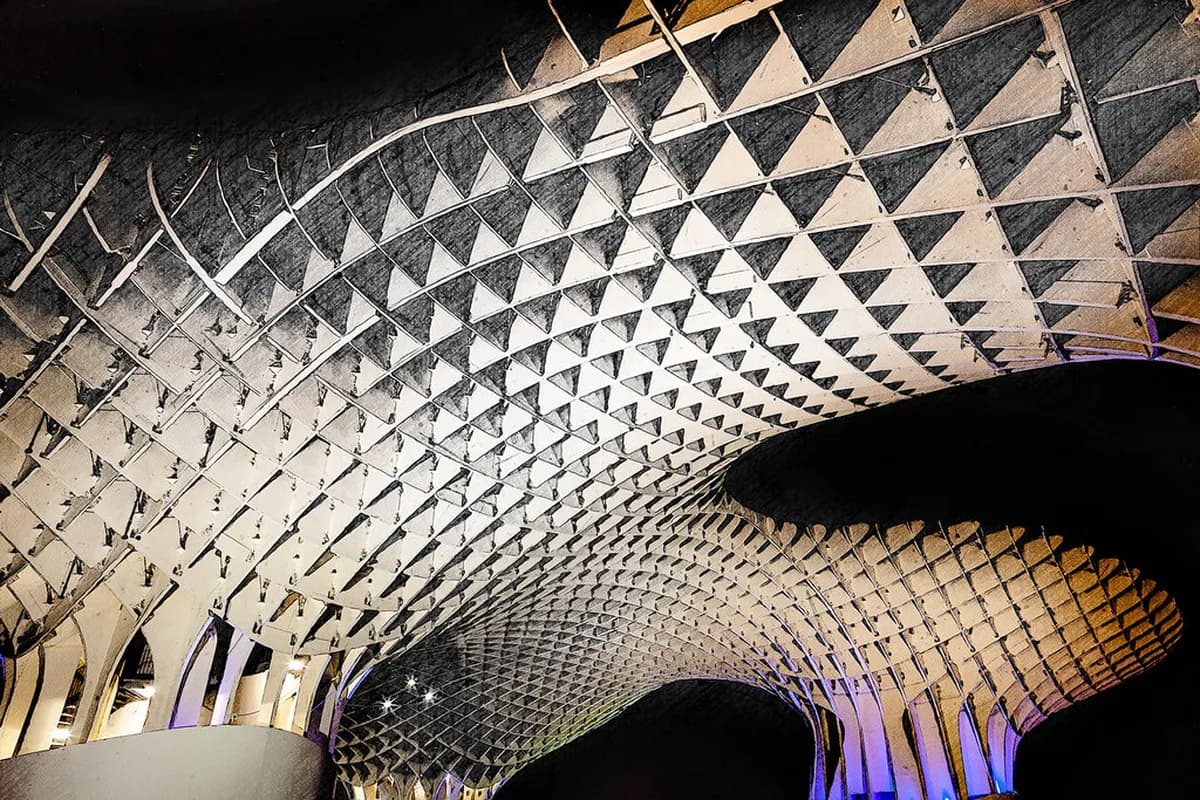
Be clear on which sites are free for everyone versus free only for residents. The Metropol Parasol (Las Setas) and Seville City Hall offer free access to Seville residents and those born in the city — tourists pay standard rates. The Alcázar, Cathedral, and palaces listed above are free for all visitors during their specific windows. Carry a digital copy of your ID; some sites ask to verify residency or EU citizenship on the spot. Staying in the right area also helps with morning timing — knowing 9 Best Neighborhoods: Where to Stay in Seville close to the Alcázar means you can walk there well before the crowds build.
One more practical note: the Hospital de los Venerables near Santa Cruz was closed as of early 2026 with no confirmed reopening date. Skip it from your planning for now and check the Medinaceli Foundation site for updates before your trip.
For the wider city context, see our complete Seville tourism attractions guide.
Frequently Asked Questions
Is the Seville Cathedral free to enter?
The Cathedral offers free entry during specific cultural hours, typically on Monday afternoons. You must book these tickets in advance on the official website. Outside of these times, general admission costs around twelve euros per adult.
How do I book free tickets for the Real Alcázar?
Visit the official booking portal to reserve your Monday free slot. Tickets are usually released one week in advance and require a one-euro processing fee. These slots are very popular and often sell out within minutes of release.
What can you do in Seville for free on Mondays?
Mondays are the best days for free sightseeing as the Alcázar, Cathedral, and Torre del Oro all offer free windows. Several palaces like Casa de Pilatos also open their doors for free in the afternoon. It is the busiest day for budget travelers.
Seville rewards visitors who plan around its free windows. The Monday palace circuit alone — Alcázar from 18:00, Casa de Pilatos from 15:00, Palacio de las Dueñas from 16:00 — can fill an entire day with world-class architecture at almost zero cost. Add the always-free parks, markets, and churches and you have a destination that genuinely punishes over-spending.
The key habits are simple: book Alcázar tickets exactly seven days out, check the Cathedral Sunday slot a few days before your visit, and budget the 1 € booking fees into your planning so they don't surprise you at checkout. Everything else in Seville is more forgiving — show up, walk, and let the city do its work.
Continue exploring
More guides you'll find useful