Barrio Santa Cruz Seville Travel Guide
Plan barrio santa cruz seville with top picks, neighborhood context, timing tips, and practical booking advice for a smoother trip.
On this page
Barrio Santa Cruz Seville
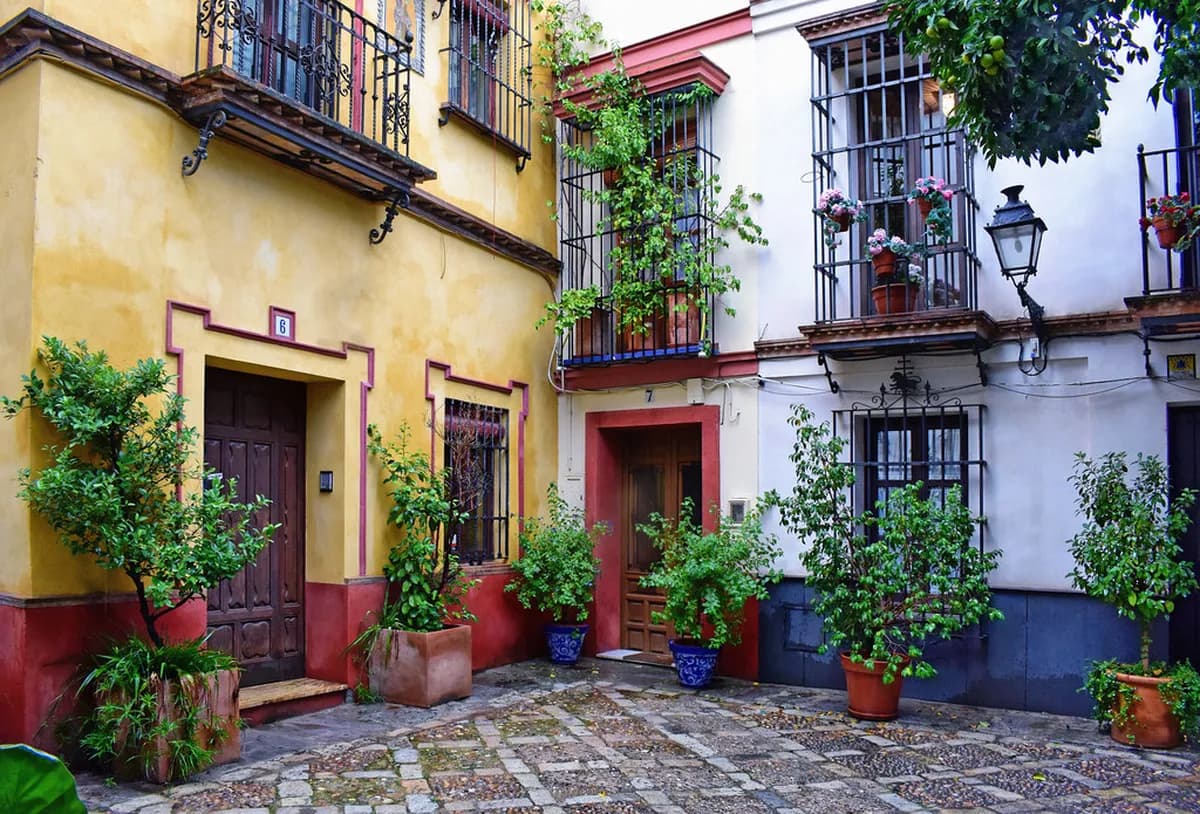
Stepping into the Barrio Santa Cruz Seville feels like entering a living history book filled with narrow alleys and white-washed walls.
This iconic neighborhood served as the city's old Jewish Quarter and remains the heart of the historic center today.
Visitors often lose themselves in the maze of cobblestone streets while searching for hidden plazas and fragrant orange trees.
Exploring this district is a core part of any Seville Old Town Travel Guide: Exploring Casco Viejo & Santa Cruz for first-time travelers.
History of the Jewish Quarter of Seville
The Barrio Santa Cruz is built on layers of history that go back to Roman times, when the city was known as Híspalis. After King Ferdinand III of Castile retook Seville from the Muslims in 1248, the Jewish community — then the second largest in Spain after Toledo — was concentrated into the walled neighborhoods of Santa Cruz and San Bartolomé. The quarter was a center of cultural and economic life for nearly two and a half centuries.
That era ended in 1492 with the Edict of Expulsion by the Catholic Monarchs. The neighborhood fell into decline for several centuries, its synagogues converted into churches, its streets gradually emptying. The Church of Santa María la Blanca, the Church of San Bartolomé, and the original Santa Cruz church all stand on sites that were once synagogues, themselves built on former mosques — a rare physical record of three faiths layered on top of each other.
Small plaques and street names scattered across the barrio still carry traces of the Sephardic community that lived here. Today, the Santa Cruz neighborhood is also tied to the legend of Don Juan Tenorio, the 16th-century tale of love set in the labyrinthine streets of the Casco Antiguo.
The 1929 Transformation: Why the Barrio Looks the Way It Does
Most visitors assume the romantic postcard image of Santa Cruz — the flower-lined patios, the orange trees, the jasmine-scented dead ends — is simply the result of centuries of organic growth. It is not. The neighborhood we see today was largely designed for the Ibero-American Exposition of 1929. City planners renovated squares, opened previously sealed dead-end streets, and planted the orange and jasmine trees that now define the barrio's sensory character.
Before 1929, much of the area was still in the deteriorated state it had fallen into after the Jewish expulsion. The transformation was deliberate and comprehensive: whitewashed facades were restored, wrought-iron gates were installed, and tiled benches were added to plazas. Understanding this history changes how you experience the neighborhood. The "authenticity" you feel walking through it is partly the result of a century-old urban design project that succeeded beyond its ambitions.
This makes the barrio a useful case study for any traveler interested in how cities construct heritage. It is equally beautiful for knowing this — the orange trees are real, the cobblestones are old, and the atmosphere they create is genuinely transportive. It just helps to know what you are looking at.
The iconic orange and jasmine trees, flower-lined patios, and charming plaza layouts weren't centuries old—most were deliberately created for the 1929 Ibero-American Exposition. City planners renovated the deteriorated post-1492 neighborhood by opening sealed streets and restoring facades, creating the romantic landscape tourists see today.
Must-See Barrio Attractions
The skyline of this district is dominated by the Seville Cathedral and its Giralda bell tower — the world's largest Gothic building and the resting place of Christopher Columbus. Entry costs approximately €12–15 and the Giralda climb rewards you with the best rooftop views in the city. Book tickets online to avoid the long queues that form by mid-morning on most days.
The Real Alcázar sits at the edge of the barrio and is the oldest royal palace still in active use in Europe. Its gardens are an oasis of structured calm, filled with fountains and geometric hedgerows. Tickets cost approximately €14.50 and sell out frequently in spring and summer — booking at least two days ahead is advisable. You can find a detailed breakdown of how to plan your walking route to combine both sites efficiently.
The Patio de Banderas is a quieter reward. This small courtyard, reachable through a stone arch, frames a near-perfect view of the Giralda. It is free to access and tends to be emptier than the main plaza. Calle del Agua, which runs along the outer Alcázar wall, is another undervisited stretch worth walking — ivy-covered walls and an almost complete absence of souvenir shops make it genuinely atmospheric.
- Seville Cathedral and Giralda — Plaza del Triunfo, approximately €12–15, book in advance
- Real Alcázar — Patio de Banderas entrance, approximately €14.50, timed entry required
- Patio de Banderas — free, quietest before 09:00
- Calle del Agua — free, shaded walk along the Alcázar wall
- Plaza del Triunfo — free viewpoint for the Cathedral, Alcázar, and Archivo de Indias together
Museums, Art, and Culture in Barrio
The Hospital de los Venerables in Plaza de los Venerables was once a retirement home for elderly priests and is now one of the finest small museums in Seville. Its Baroque chapel contains exceptional frescoes and a dedicated room for works by Velázquez. Entry costs approximately €10, and the interior courtyard alone justifies the visit even if you spend only an hour inside.
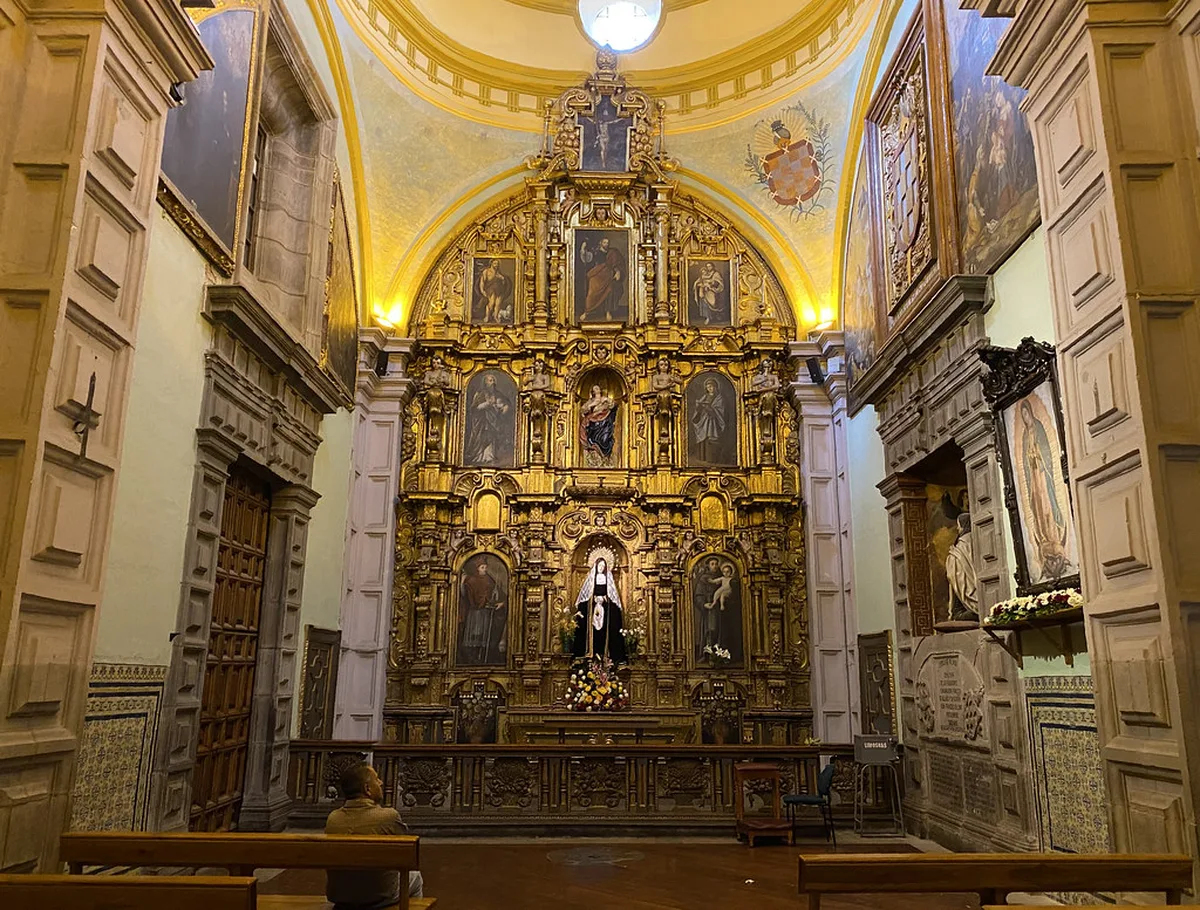
The Iglesia de Santa María la Blanca on the street of the same name is one of the most surprising buildings in the barrio. Built in the 13th century as a synagogue, it now holds paintings by Murillo inside a Baroque interior with elaborately carved ceilings. Entry is free or by small donation depending on the time of visit, making it one of the best best attractions in the neighborhood for those on a tight budget.
The Centro de Interpretación Judería on Calle Ximénez de Enciso provides a focused overview of the quarter's Jewish history with maps and artefacts. Entry costs approximately €6.50 and takes about 45 minutes to move through properly. Attending a 10 Best Flamenco Shows in Seville: Authentic Guide in the evening after a day of cultural visits makes for a well-structured introduction to the neighborhood's full identity.
Parks, Gardens, and Outdoor Spots in Barrio
The Jardines de Murillo run along the eastern edge of the barrio and offer the largest stretch of shade available in the neighborhood. Towering palms, tiled benches, and quiet paths make this the best midday resting spot. Named after the painter Bartolomé Esteban Murillo — whose gardens the Iglesia de Santa María la Blanca is also named for — it connects directly to Calle del Agua at the northern end.
Plaza de Doña Elvira is widely considered the most romantic square in the barrio. It appears in the legend of Don Juan Tenorio as the home of Doña Elvira's father, and the setting still feels theatrical: tiled benches, orange trees, and a central fountain framed by low white facades. It sits on the usual sightseeing route but tends to be emptier in the early morning.
Plaza de Santa Cruz, with its wrought-iron cross at the center, marks the site of the original Santa Cruz church destroyed by Napoleon's troops in 1811. It is one of the prettiest and least-crowded main squares in the barrio, especially on weekday afternoons. Plaza de la Alianza, just beside the Alcázar walls, provides one of the clearest unobstructed views of the Giralda tower in the whole neighborhood.
Barrio de Santa Cruz
The main section of the district is built around the Cathedral and bounded roughly by Plaza del Triunfo to the south and Calle Santa María la Blanca to the east. Its streets were deliberately made narrow to create natural air conditioning through shade — a design feature the 1929 planners preserved and reinforced rather than replacing. Walking them slowly is the point; this is not a neighborhood to rush through.
Calle Mateos Gago is the primary tapas artery of the barrio. It runs from the base of the Giralda into the heart of Santa Cruz and is lined with bars that have been trading for generations. Local custom is to try one tapa and one drink at each bar as you work your way down the street rather than settling in one place. Calle de las Cruces, a quieter parallel street known for three stone crosses at its center, is worth the small detour for anyone wanting a moment away from the crowds.
Many visitors choose this area when deciding 9 Best Neighborhoods: Where to Stay in Seville for its proximity to the Cathedral, Alcázar, and Archivo de Indias. You can smell orange blossoms throughout the neighborhood in early spring, typically from late February through April. In 2026, the neighborhood remains fully pedestrianized in its inner streets, which means the only way to experience it properly is on foot.
Barrio de San Bartolomé
San Bartolomé is the northern half of the old Jewish Quarter and is frequently overlooked by visitors who do not realize it forms part of the same historic district. It sits just north of Santa Cruz, east of the Alfalfa neighborhood where Las Setas stands. The atmosphere here is noticeably more residential and quieter, with fewer souvenir shops and almost none of the tour groups that pack the main Santa Cruz streets.
Casa de Pilatos is the standout monument in this section. Dating to the 15th and 16th centuries, the palace is believed by many to have been modeled on Pilate's house in Jerusalem. Its central patio is decorated with colorful ceramic tiles and holds a collection of ancient sculptures. The combination of Mudéjar, Gothic, and Renaissance styles makes it an architectural outlier compared to the rest of the barrio.
The Church of San Bartolomé itself stands on the site of a former synagogue and features fine Mudéjar brickwork. Exploring this part of the old quarter gives a clearer sense of 11 Things Seville is Famous For (2026): Landmarks & Culture beyond the headline monuments — it is also where you are more likely to encounter the city as it actually functions day-to-day, rather than as a set built for tourism.
Where to Eat in Barrio de Santa Cruz
Calle Mateos Gago is the starting point for most eating in the barrio. Bars here range from old-fashioned stand-up counters serving jamón and montaditos to slightly more polished sit-down spots. The further you walk from the Giralda, the more local the prices tend to become. Expect to pay €3–5 per tapa at most establishments along the street.
For a more structured experience, the Seville Food Sherpas food tour routes through the barrio and surrounding neighborhoods, combining tastings with stories about each dish's Andalusian context. It is one of the better ways to understand how Sevillian eating culture works rather than simply consuming food in a tourist area.
Families and budget travelers should look at the 9 Essential Tips and Spots for the Best Tapas in Seville options on side streets rather than the main pedestrian squares, where prices are noticeably higher. Plaza de los Venerables has several terraces that are convenient for a mid-afternoon break after visiting the hospital museum. El Giraldillo restaurant, directly opposite the Giralda, is the designated local landmark dining option for a more complete Andalusian meal with traditional dishes.
Getting to the Jewish District
Most visitors arrive on foot from the nearby Plaza Nueva or from the Cathedral square. The T1 tram stops at Archivo de Indias, which places you at the edge of the barrio within a few minutes' walk of the main entrance. For those arriving by bus, several lines run along the perimeter of the historic walls without entering the pedestrianized interior.
Driving into the neighborhood is effectively impossible. The streets are too narrow for standard vehicles and access is restricted. If you are arriving by car, the nearest practical parking options are Parking Cano y Cueto and Parking Paseo Colón, both a short walk from the barrio's outer edge. Santa Justa train station is also close by, making Santa Cruz a convenient base if you are arriving from Madrid, Córdoba, or Málaga by rail.
From the airport, taxi or ride-share to the historic center takes approximately 25–35 minutes depending on traffic, with a fare of approximately €25–30. There is no direct metro connection between the airport and Santa Cruz in 2026 — the metro does not reach the historic center — so surface transport or taxi remains the standard approach for new arrivals.
How to Plan a Smooth Barrio Visit
Start by 08:30 if you want to photograph the main squares and streets without crowds. The tour buses begin arriving around 10:00, and the Giralda queue builds quickly after that. Book tickets for the Cathedral and Alcázar at least two days in advance in spring and summer — walk-up availability at peak times is unreliable.
A logical sequence: enter from Puerta de Jerez or Plaza del Triunfo in the morning, visit the Cathedral and Alcázar first, then move into the inner streets of the barrio for the midday hours when indoor museum visits make more sense. Check the Best Time to Visit Seville: 10 Essential Planning Tips for seasonal temperature guidance — July and August afternoons regularly exceed 38°C and make outdoor walking uncomfortable without rest breaks.
Comfortable flat-soled shoes are essential. The cobblestones are uneven and the streets are long enough to accumulate fatigue quickly. A Private Tour of Seville covering the Sephardic history of the quarter is a practical option if you want context that goes beyond what the standard signage provides. Allow a minimum of three to four hours for the main streets; plan a full day if you intend to visit the Alcázar, Cathedral, and Hospital de los Venerables properly.
The neighborhood's cobblestone streets are narrow and uneven, making sturdy flat-soled shoes essential. High heels and thin soles will cause foot pain quickly. July and August afternoons exceed 38°C, so plan early morning or evening visits with indoor museum breaks during peak heat.
For the wider city context, see our complete Seville tourism attractions guide.
Frequently Asked Questions
Which barrio santa cruz seville options fit first-time visitors?
First-time visitors should focus on the main axis between the Cathedral and Plaza de Santa Cruz. This route covers the most famous landmarks and offers plenty of dining options. It provides a great introduction to the area's unique atmosphere and historic charm.
How much time should you plan for barrio santa cruz seville?
You should plan for at least three to four hours to walk the main streets comfortably. If you intend to visit museums or the Alcázar, a full day is more appropriate. Many travelers enjoy returning in the evening for tapas and atmosphere.
What should travelers avoid when planning barrio santa cruz seville?
Avoid wearing high heels or thin-soled shoes as the cobblestones are very uneven. Do not try to drive a car into the district because the streets are too narrow for most vehicles. Also, try to avoid the peak midday heat during the summer months.
Is barrio santa cruz seville worth including on a short itinerary?
Yes, it is absolutely essential even for a one-day trip to the city. The neighborhood represents the soul of Seville and is located right next to the major monuments. You can see the highlights in just a couple of hours if needed. Check our walking guide for quick routes.
Is the Jewish Quarter safe to visit at night?
The area is generally very safe and remains active well into the evening with diners and walkers. The narrow streets are well-lit in the main tourist sections, creating a magical atmosphere after sunset. Standard travel precautions regarding your belongings still apply in crowded areas.
The Barrio Santa Cruz Seville remains one of the most enchanting neighborhoods in all of Europe.
Its blend of tragic history and modern beauty creates an atmosphere that is truly unique to southern Spain.
Whether you are interested in architecture, food, or history, these winding streets offer something for everyone.
Plan your visit for 2026 to experience the timeless charm of this historic Jewish Quarter for yourself.
Continue exploring
More guides you'll find useful