24 Best Things to Do in Seville (2026)
Discover the best things to do in Seville, from the Alcázar to hidden tapas bars. Includes a 2026 airport transfer guide and booking advice.
On this page
24 Best Things to Do in Seville
After four visits to Andalusia over the last decade, I have found that Seville remains the most intoxicating city in southern Spain. The scent of orange blossoms and the rhythm of distant flamenco guitars create an atmosphere that feels both ancient and vibrant. I last explored these sun-drenched streets in late 2025 to ensure every recommendation here reflects the current state of the city.
This guide is last refreshed for 2026 to include the latest booking requirements and updated prices for major monuments. Navigating the capital of Andalusia requires a balance between checking off world-class landmarks and getting lost in narrow medieval alleys. Whether you are here for the Moorish history or the legendary food scene, this list covers the essentials and the hidden corners.
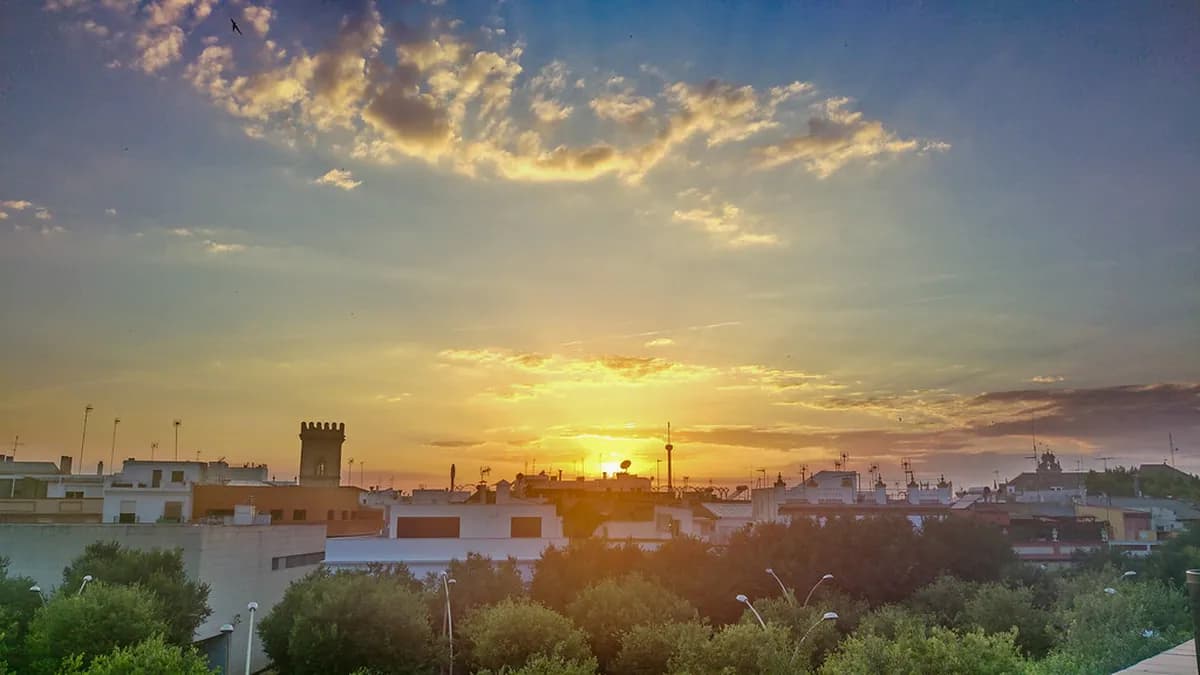
While many travelers flock to the Metropol Parasol at high noon, I recommend skipping the midday heat for a sunset visit instead. Focusing your energy on the early morning for the Alcázar will save you from the heaviest crowds and the most intense heat. Comfortable shoes and a willingness to wander without a fixed plan will serve you better than any rigid itinerary.
Booking Lead Times: What to Pre-Book and What You Can Walk Into
The single biggest mistake first-time visitors make in Seville is underestimating how quickly the top attractions sell out. The Real Alcázar and Seville Cathedral operate on timed entry and routinely sell out three to four weeks ahead during April, May, September, and October. If your travel dates fall anywhere near the April Fair (Feria de Abril, usually late April) you should book both a full month in advance — hotel rates double and attraction queues triple during that week.
For 2026, the Alcázar sells tickets exclusively through its official website at visitasevilla.es. The Cathedral bundles with the Iglesia del Salvador on one ticket, saving you €3 per person. Book your Cathedral entry one to two weeks out as a minimum. A handful of major sites require no pre-booking at all: Torre del Oro, Museo de Bellas Artes, Centro Cerámico Triana, and Casa de Pilatos (though the latter can queue at weekends). Use your mornings for the pre-booked heavy hitters and leave these walk-in sites for the afternoon.
The Cuarto Real Alto — the private royal apartments inside the Alcázar — is a separate, limited ticket that sells out faster than general admission. If you want access to those rooms, book it the moment your trip is confirmed. Tickets for the evening shows at the Museo del Baile Flamenco should also be secured at least a week ahead, particularly the 19:00 performance in summer.
During April's Feria de Abril, hotel rates double and attraction queues triple. Book both the Alcázar and Cathedral a full month in advance if your visit coincides with this major festival.
Real Alcázar de Sevilla
The Real Alcázar is not just a museum but a living palace that the Spanish royal family still uses today. Its history spans over a millennium, beginning as a Moorish fort before evolving into a sprawling palace complex under successive Christian and Muslim rulers. The Mudejar style, which blends Islamic and Christian aesthetics, reaches its peak in the stunning Patio de las Doncellas — a sunken garden surrounded by horseshoe arches and intricate plasterwork that took 14th-century craftsmen years to complete.
Exploring the gardens is just as important as seeing the interior rooms and the vaulted underground baths. You will find peacocks roaming near the fountains and a unique organ-powered water feature in the Mercury Pool garden. Fans of Game of Thrones will recognize the Water Gardens of Dorne — several scenes from Season 5 were filmed here. Allow at least three hours for a full visit to avoid rushing through the various courtyards and galleries.
I recommend booking the Cuarto Real Alto ticket if you want to see the private royal apartments upstairs. These rooms offer a glimpse into modern royal life while maintaining their historical grandeur and priceless tapestries. General admission is around €13.50; book through the official site and enter via the Lion Gate reserved for advance ticket holders to skip the walk-up queue entirely.
Seville Cathedral and Giralda Tower
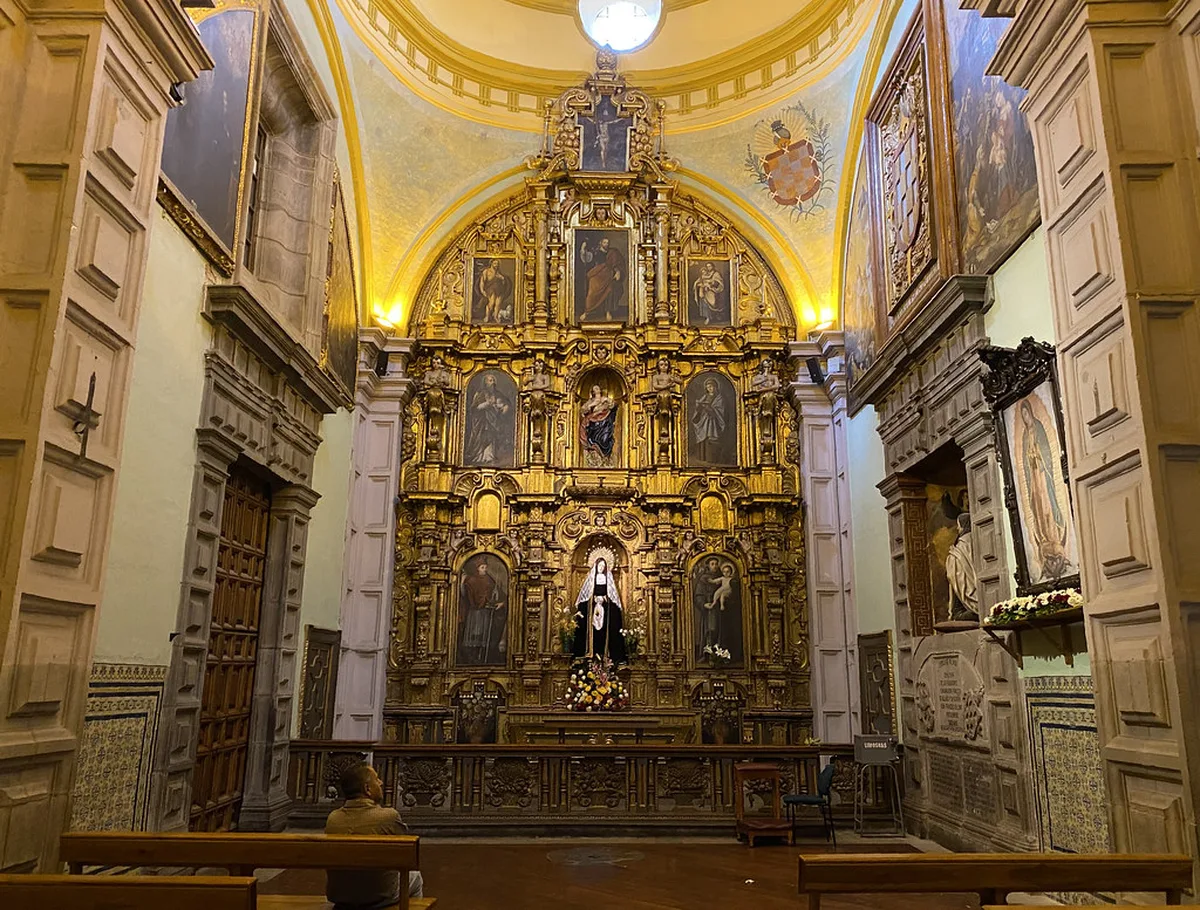
The Seville Cathedral is an architectural giant built to demonstrate the city's immense wealth from New World trade. It replaced a massive mosque, and you can still see Islamic influences in the Patio de los Naranjos, where the faithful once washed before prayer. The interior is famously dim, creating a somber and awe-inspiring atmosphere beneath its massive vaulted ceilings, and the Retablo Mayor — a gilded altarpiece rising nearly 30 metres — is one of the largest in the world.
The tomb of Christopher Columbus is held aloft by four figures representing the kingdoms of Castile, León, Aragon, and Navarra. DNA testing has confirmed that at least some of the explorer's remains are located here, settling a long-standing dispute with Santo Domingo. Enter through the Puerta del Príncipe to reach the tomb immediately, before the main interior crowds funnel in from the north doors.
Climbing the Giralda uses 35 gently sloping ramps instead of stairs — a design that originally allowed the sultan to ride his horse to the top for the call to prayer. The view from the bell chamber provides the best look at the Cathedral's flying buttresses and the surrounding roofscape. Tickets are approximately €12 and include tower access; book online at least a week ahead to avoid queuing at the box office.
Plaza de España
Built for the Ibero-American Exposition of 1929, the Plaza de España is a landmark of regionalist architecture blending Renaissance and Neo-Moorish styles. The sheer scale of the brick and tilework is meant to impress: each of the 48 tiled alcoves represents a Spanish province with its own ceramic mural and historic scene. It has also served as a filming location for Star Wars: Attack of the Clones, which you either find charming or distracting depending on how you feel about that.
Many visitors rent a small rowing boat to navigate the 500-metre canal bordering the main building — about €6 for 30 minutes. Arrive before 10:00 to photograph the tower reflections in the water without hundreds of people in frame. The plaza is free to visit and open all day, making it an ideal opening stop on a walking itinerary before the museum queues at the Alcázar begin to build.
Parque de María Luisa
The Parque de María Luisa was originally part of the private gardens of the Palace of San Telmo, donated to the city in 1893. Today it serves as Seville's green lung, filled with Mediterranean plants, tiled fountains, and shaded walkways that provide genuine relief from the summer heat. It is the perfect place for a slow afternoon stroll after visiting the neighboring Plaza de España.
Look for the Glorieta de Bécquer, a romantic monument dedicated to the famous Sevillian poet Gustavo Adolfo Bécquer. The park also houses the Archaeological Museum and the Museum of Arts and Traditions, both free for EU citizens. Renting a four-person cycle is a popular way for families to explore the park's larger perimeter without walking in the heat.
Barrio Santa Cruz
Barrio Santa Cruz is the quintessential image of Seville — narrow streets designed to funnel shade, whitewashed walls hung with flower pots, and orange trees dropping fruit onto cobblestones. The neighborhood was the city's Jewish quarter until the expulsion of 1492 and still feels steeped in that layered history. Getting lost here is almost mandatory, as the winding paths often lead to unexpected plazas like the charming Plaza de Doña Elvira.
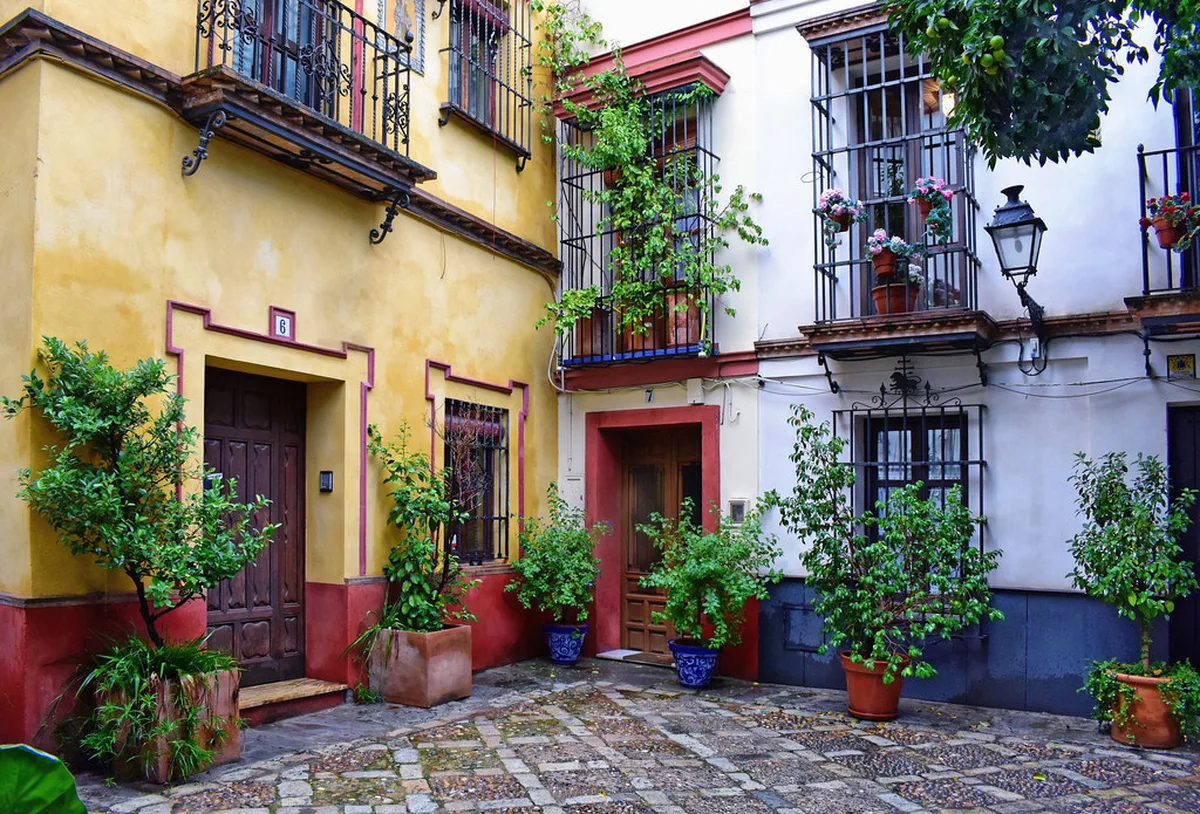
Start your walk at the Plaza de Santa Cruz, where a beautiful wrought-iron cross stands at the center of a rose garden. From there, navigate toward the Callejón del Agua, a street that runs alongside the old city walls and was once the water channel supplying the Alcázar gardens. Wandering these streets is free, though many visitors choose to follow a Barrio Santa Cruz Seville Travel Guide to find the best hidden corners. Keep your voice down in the evenings — these are residential streets where locals value their quiet nights.
Setas de Sevilla (Metropol Parasol)
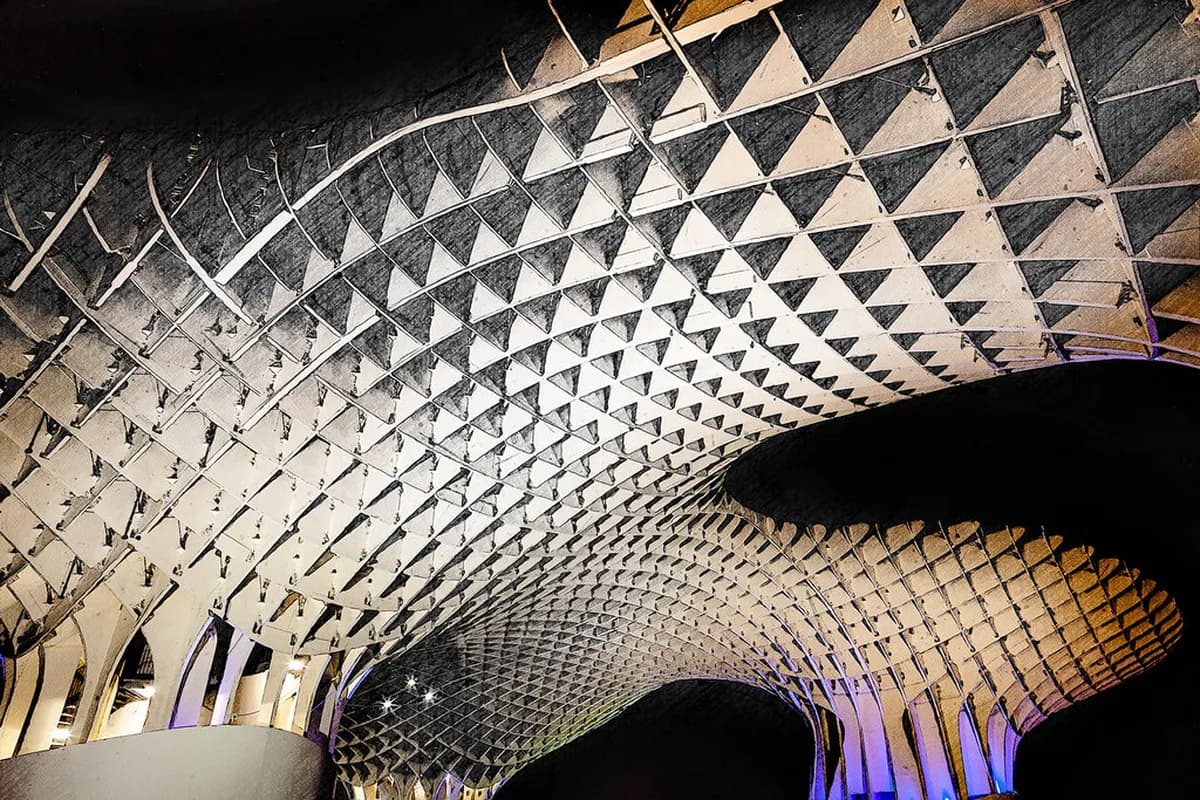
The Setas de Sevilla was a controversial addition to the skyline when it opened in 2011 in the old Encarnación market square. Designed by German architect Jürgen Mayer, it is claimed to be the largest wooden structure in the world at 150 metres long and 28 metres high. The undulating honey-colored roof provides a striking contrast to the surrounding 18th-century apartment buildings and has become one of the city's most photographed landmarks.
The elevated walkway circles the entire structure and provides 360-degree views of the Cathedral spire and city rooftops. The ticket price is roughly €15 and includes a second entry within 48 hours — useful if you visit in daylight and want to return for the Aurora illuminated light show after dark. Visit at sunset to watch the sky turn deep purple behind the Giralda, then stay on for the colored light display that transforms the structure from honey-gold to electric blue.
Below the main structure, the local market continues to operate every morning with fresh produce, meat, and local cheeses at decent prices. Do not miss the Antiquarium on the lower ground level: this archaeological site displays Roman-era fish sauce factories and Almohad-period houses found during construction, with entry at just €2. It is quiet, air-conditioned, and among the most underrated 45 minutes in the entire city.
The Metropol Parasol is extremely crowded at midday. Visit at sunrise or sunset instead to photograph the tower reflections in water and enjoy the illuminated light show without battling crowds.
Plaza de Toros de la Maestranza
The Plaza de Toros de la Maestranza is an architectural icon with its distinctive white and yellow ochre facade and a position right on the riverbank in the El Arenal district. Even if you do not attend a bullfight, the guided tour offers a deep look into the cultural history of the sport in Andalusia. The museum contains ornate matador costumes, historical posters, and paintings by Goya that place the corrida within a broader story of Spanish identity.
Visitors can walk through the chapel where matadors pray before a fight and see the stables for the horses and the sand-floored arena itself. The ring feels surprisingly intimate when you stand in the lower stands, which holds about 12,500 spectators. Guided tours cost about €10 and run every 20 minutes from 09:30 until early evening. It remains one of the most prestigious venues in the world for bullfighting, especially during the April Fair season — though on those days, tours are suspended in favor of the corridas themselves.
Triana Neighborhood
Triana has a fiercely independent identity and was historically the home of sailors, potters, and flamenco artists who wanted distance from the aristocratic city center. Crossing the Puente de Isabel II feels like entering a different Seville where life moves at a slower pace and locals outnumber tourists well into the afternoon. The Mercado de Triana, built over the ruins of the Castillo de San Jorge — a former Inquisition castle — is the best place to sample local olives, Iberian ham, and fresh-squeezed juice for breakfast.
Calle Betis is the main artery along the river, lined with colorful buildings and endless tapas bars. I recommend visiting in the evening when locals gather for early drinks by the water and the rowing teams practice on the Guadalquivir. Triana is also the best place to find 9 Essential Tips and Spots for the Best Tapas in Seville without the heavy tourist markup that plagues the streets immediately around the Cathedral.
Walk Along the Right Bank of the Guadalquivir
Most visitors stick to the left bank of the Guadalquivir for the Torre del Oro and the riverside promenade. The more rewarding walk is the opposite: cross to the Triana side and stroll along Calle Betis looking back at the city. This vantage point gives you the Torre del Oro framed by the Cathedral spire in a single glance, which is the photograph most people associate with Seville without knowing exactly where it was taken.
The light is best in the hour before sunset when the city glows warm amber across the water. There are several small piers and riverside terraces where you can sit with a beer and watch the rowing crews train on the river. Start at the San Telmo Bridge and walk north toward the Isabel II Bridge for the most scenic stretch. This route transitions naturally into a Triana tapas evening without any additional planning.
Centro Cerámico Triana
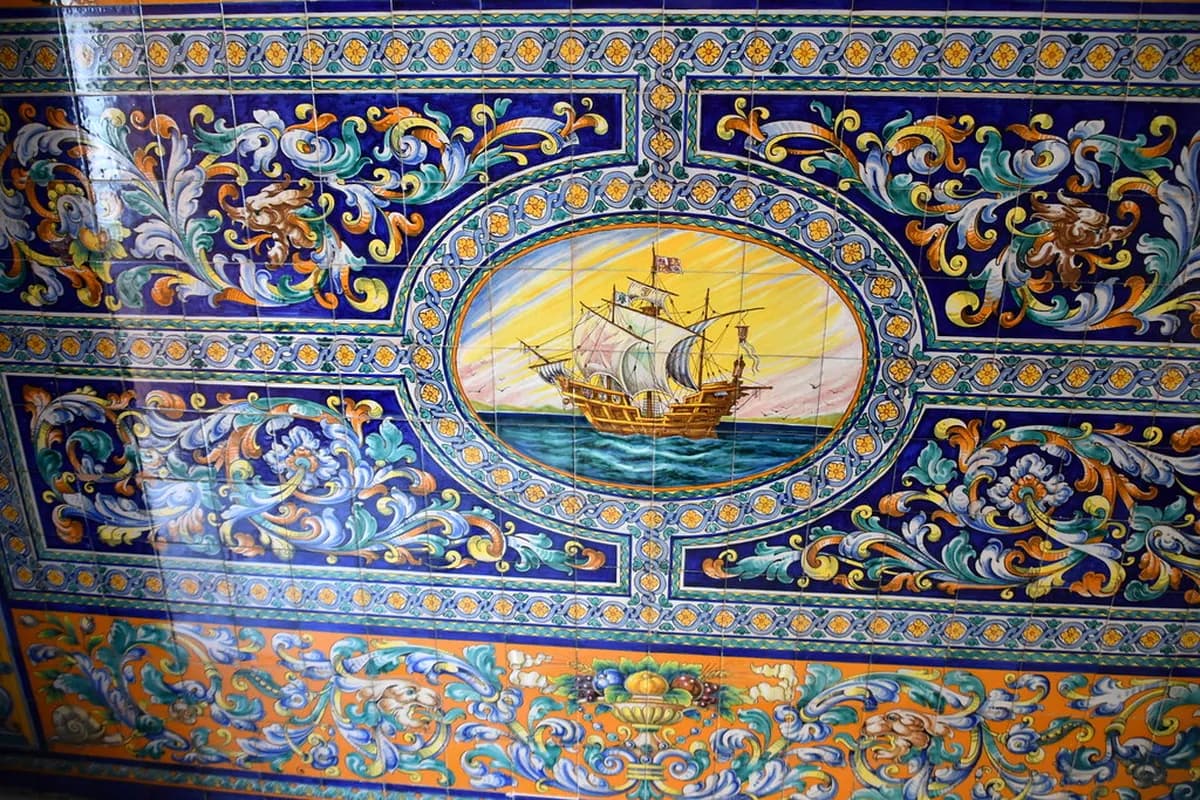
The Centro Cerámico Triana preserves the legacy of the Santa Ana factory, which produced tiles for centuries before its closure and reopening as a museum in 2014. The factory's azulejos can be found on building facades, church interiors, and park benches across the entire city — this museum explains where all of that tilework came from. Admission is around €2.10, making it one of the most affordable cultural stops in the city.
The museum does an excellent job of explaining the technical process of glazing and firing, from the raw clay sourced from Triana's riverbanks to the final fired piece. The original 16th-century kilns on the ground floor are the highlight — you can see the scale of production and understand why Triana dominated the Spanish ceramics trade for 400 years. Most visitors spend about 45 minutes here, making it an easy addition to any Triana morning.
Flamenco at Museo del Baile Flamenco
Flamenco is more than a dance — it is an emotional expression of Andalusian history, loss, and joy that developed from the gypsy gitano culture arriving in Seville and Jerez in the 15th century. The Museo del Baile Flamenco uses high-tech displays to explain the different palos or styles of the art form, from the slower, more mournful siguiriyas to the rapid-fire bulería. The video installations are particularly useful for understanding the complex footwork and hand positions before you watch a live performance.
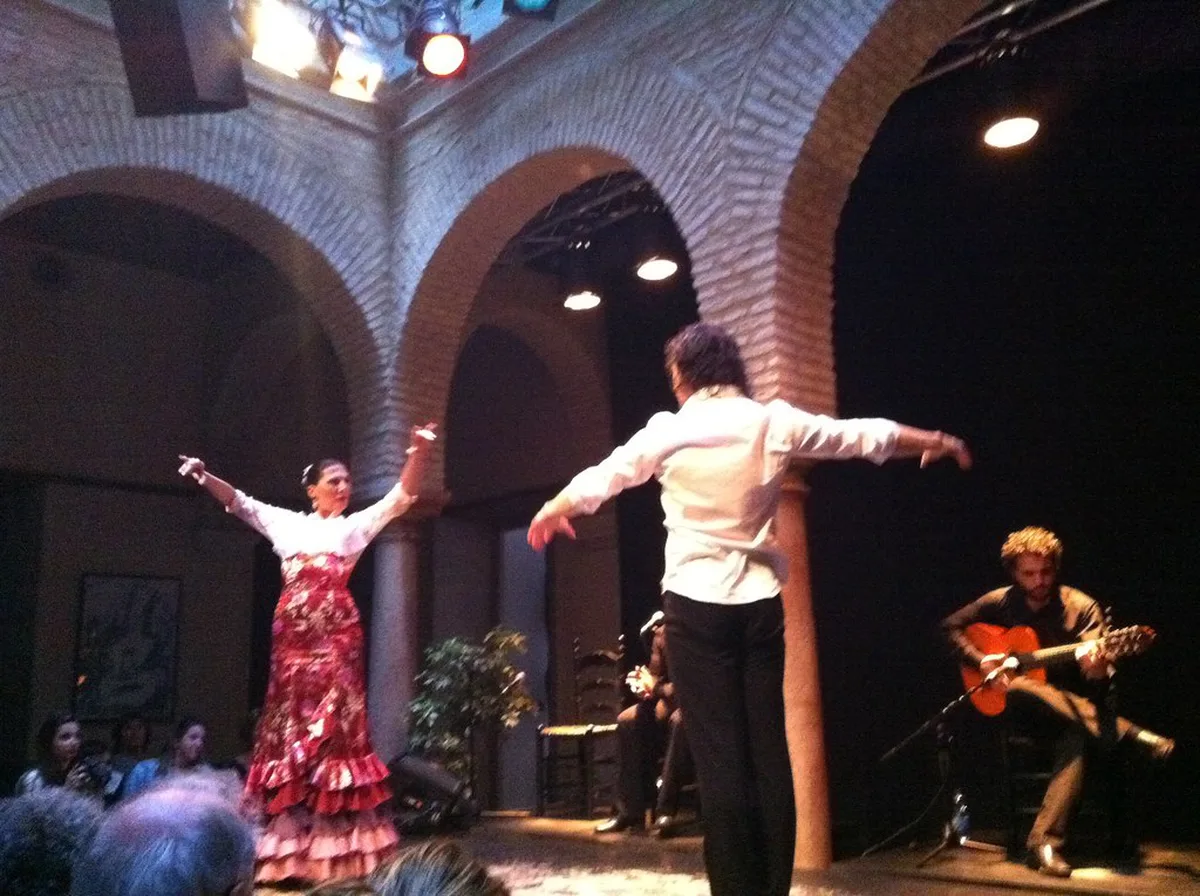
The evening shows take place in a traditional courtyard, which amplifies the sound of the guitar and the dancers' heels. Because the venue is small, every seat provides a clear view of the performers' faces. I suggest the 19:00 show so you can head directly into Barrio Santa Cruz for a late tapas dinner afterward. A 10 Best Flamenco Shows in Seville: Authentic Guide bundle ticket covers both the museum and the evening performance for around €25.
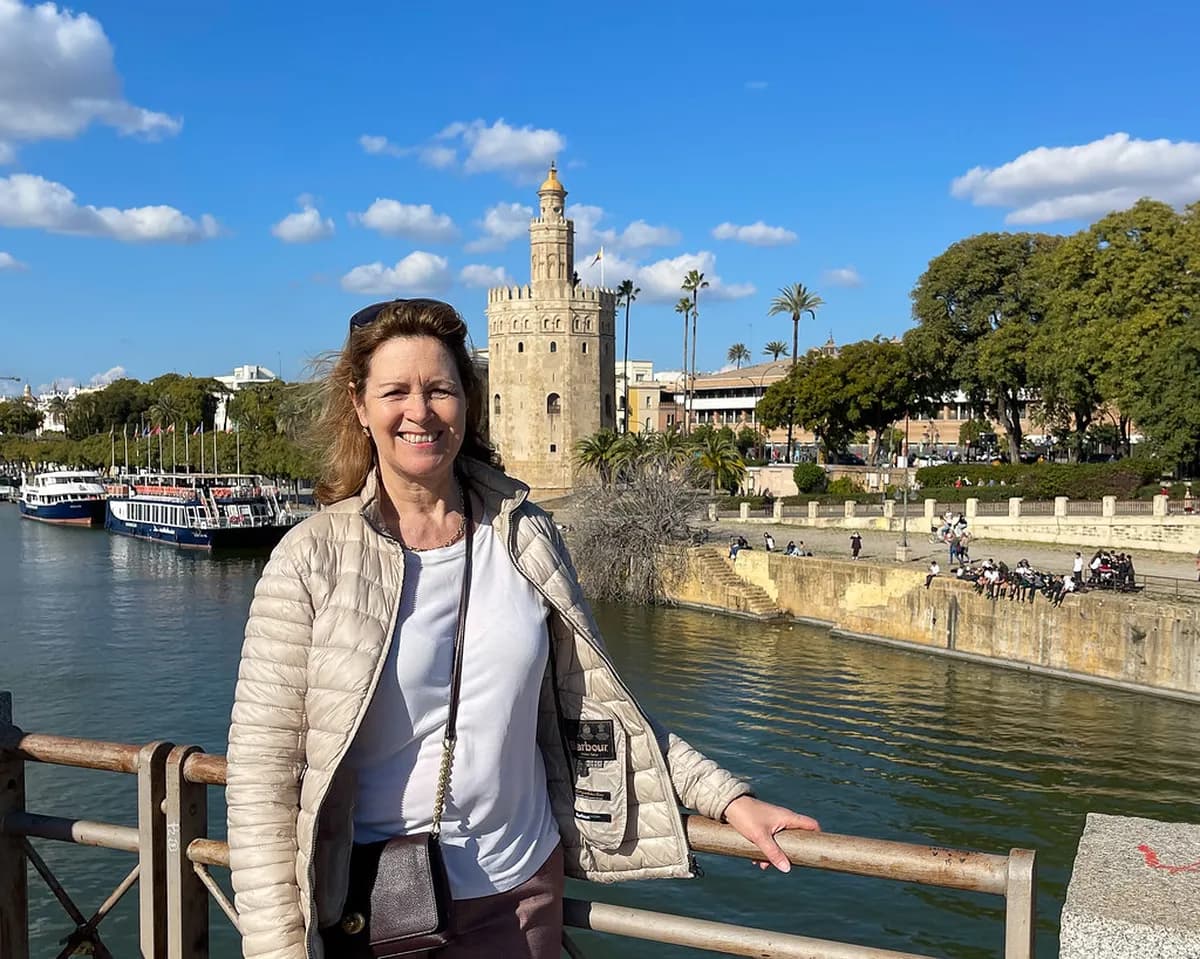
Torre del Oro
The Torre del Oro, or Tower of Gold, once served as a defensive anchor for the city's river port, its twin tower on the opposite bank forming a chain that could be raised to block enemy ships. Its name likely comes from the golden reflection it cast on the Guadalquivir in the afternoon sun, though some historians suggest it refers to the gilded azulejos that once covered its exterior. The tower has survived several major earthquakes, including a significant one in 1755, standing as a symbol of Seville's maritime resilience.
Inside, the maritime museum displays old navigation charts, model ships, and historical documents from the Age of Discovery. Entry is only €3 and the tower is open daily from 09:30 to 18:45. The climb to the top is easy and the view of the Cathedral spire from the river level is excellent for photography. It is a no-booking, walk-in attraction — save it for a midday slot when the pre-booked heavy hitters are already done.
Museo de Bellas Artes
The Museum of Fine Arts is housed in a beautifully restored former convent, complete with three peaceful cloisters and a grand staircase tiled in azulejos. It is widely considered the second most important art museum in Spain after the Prado in Madrid. The collection spans the medieval period through the early 20th century, with the emphasis firmly on the Seville school of painting.
The room dedicated to Murillo is the undisputed highlight, featuring large-scale religious paintings displayed in the original high-ceilinged gallery of the former church nave. Entry is free for EU citizens and €1.50 for others. The museum is rarely crowded even in peak season, which makes it one of the city's best-value cultural stops. I recommend visiting on a Sunday morning when the plaza outside hosts a small local art market.
Casa de Pilatos
Casa de Pilatos is often called the miniature Alcázar because of its extraordinary Mudejar and Renaissance architecture. The central courtyard is surrounded by Roman statues imported from Italy and covered in some of the finest original tilework in the city. It remains the permanent residence of the Medinaceli family, adding a sense of lived-in history to the site that the fully museified Alcázar cannot quite replicate.
Tickets for the ground floor cost about €10, while a full visit including the upper rooms with guided tour is €12. The upper floor showcases a collection of Italian paintings and classical busts accumulated over four centuries of aristocratic ownership. The palace is located in the San Esteban neighborhood, a short walk from the busiest tourist areas, and is significantly less crowded than the Alcázar for equally impressive tilework.
Palacio de las Dueñas
Palacio de las Dueñas is a rare example of a grand aristocratic home that feels personal rather than institutional. The courtyards are filled with bougainvillea and citrus trees, creating a lush and fragrant atmosphere that changes with the seasons. You can see the family's personal belongings, from bullfighting memorabilia to high-end European paintings acquired across five centuries.
The palace was a favorite of the Duchess of Alba, who was one of Spain's most beloved and eccentric public figures until her death in 2014. Her influence is felt in every room, making the visit feel like a walk through a private family history rather than a standard heritage tour. Antonio Machado, one of Spain's greatest poets, was born within these walls in 1875 — a fact noted on a small plaque in the lemon-tree courtyard that inspired some of his most famous verse. Admission is €12 and the palace is open daily from 10:00 to 20:00 in summer.
Hospital de los Venerables
The Hospital de los Venerables was originally built as a residence for elderly and infirm priests in the 17th century. Its Baroque church is one of the most hidden and beautiful religious spaces in all of Andalusia, tucked down a narrow alley deep in Santa Cruz. The frescoes on the ceiling and walls are incredibly well-preserved and create a sense of overwhelming grandeur in a space that very few casual tourists find.
The Velázquez Center inside houses several important works by the Seville-born master, including the exceptional Santa Rufina. The sunken patio is a rare architectural feature designed to collect rainwater and cool the air — a practical solution to the Andalusian summer that is simultaneously beautiful. Admission is €12 and includes a solid audio guide. Use a map to find the entrance in the narrow alleys off the Calle Gloria.
Iglesia Colegial del Salvador
El Salvador is the second-largest church in Seville and occupies a plaza that functions as a major local meeting spot from early morning to late at night. The interior is a riot of Baroque gold, with massive retablos stretching toward the high ceiling in a display of accumulated wealth. It was built on the site of the city's first great mosque, and the Roman ruins are still visible in the outer courtyard.
The church ticket is bundled with the Cathedral, so keep your receipt to enter for free on a second visit — a practical saving of €11 per person. I recommend visiting in the early evening when the plaza fills with people enjoying a caña or small beer at the outdoor terraces. The Sacristy contains some of the most impressive processional floats used during the city's famous Holy Week.
Tapas and Food Culture in Seville
Seville is the city where tapas culture is most deeply embedded in daily life. The tradition of the free tapa — a small bite served automatically with a drink — survives in some traditional bars in the Triana and Macarena neighborhoods, even as the tourist-heavy areas have moved to a pay-per-tapa model. Understanding this geography is the key to eating well: head away from the Cathedral for anything that costs under €3 a plate.
El Rinconcillo, founded in 1670, is the oldest bar in Seville and a non-negotiable stop for first-timers. Order the espinacas con garbanzos — spinach with chickpeas — which the kitchen has been perfecting for decades. The waiters still chalk your bill directly onto the wooden bar top, a tradition that has outlasted empires. Arrive early or expect to fight for standing room. For a broader food experience, the 12 Best Restaurants in Seville: The Ultimate Foodie Guide span everything from market stalls to Michelin-recognized kitchens, most of them concentrated in Triana and the Santa Cruz periphery.
The Mercado de Triana is the best single-stop introduction to Seville's food culture: a covered market built over Inquisition ruins, with vendors selling olives cured to a dozen local recipes, jamón ibérico sliced to order, and local cheeses from the surrounding Andalusian countryside. Arrive at 10:00 when the market is fully open but before the lunchtime crush. Shopping here also supports a market that genuinely serves local residents, not just tourists.
La Macarena District
La Macarena is Seville's working-class neighborhood and its spiritual counterweight to the polished tourist center. The Basílica de la Macarena houses the Esperanza Macarena, the most revered Virgin statue in the city and the centerpiece of Holy Week processions that draw hundreds of thousands of visitors every spring. Admission to the church is free; a small fee applies for the museum of liturgical treasures behind the altar.
The ancient Roman walls that border the district on the northern edge are among the best-preserved sections in Spain, dating back to the 2nd century. Walking this stretch gives a sense of Seville's scale before the medieval city expanded beyond its Roman footprint. Visit on a weekday morning to see local residents bringing flowers to the Virgin in a display of genuine devotion that has nothing to do with tourism. La Macarena also contains some of the best and most affordable tapas bars in the city, operating on the traditional free-tapa-with-drink model.
Day Trips to Córdoba or Italica
Seville is a perfect base for exploring the wider Andalusian region. Italica is just 15 minutes away by bus from the Plaza de Armas station and offers some of the best Roman ruins in Spain, including a massive amphitheater that once held 25,000 spectators. Entry is free for EU citizens and €1.50 for others — wear sturdy shoes and bring water, as there is very little shade among the ancient stone streets.
Córdoba is an easy day trip via the high-speed AVE train, which covers the distance in about 45 minutes at a cost of roughly €20–€35 round trip. The Mezquita-Catedral is Córdoba's anchor attraction, with entry at approximately €13, and the surrounding Jewish Quarter merits an hour of wandering after the main visit. Consult a dedicated guide for 10 Best Day Trips from Seville to see more options, including Carmona (Roman necropolis, 30 minutes by bus), Jerez de la Frontera (sherry bodegas, 1 hour by train), and Granada (Alhambra, 3 hours — requires a full day and advance booking).
Where to Stay in Seville
Barrio Santa Cruz is the most popular base for first-time visitors because it puts you within walking distance of the Cathedral, Alcázar, and El Salvador. The tradeoff is noise: Santa Cruz streets stay lively until 02:00 on weekends, and rooms facing internal courtyards are worth paying a premium for. This neighborhood suits travelers who want to minimize transit time between landmarks and are not bothered by the tourist density.
El Arenal, the district between the Cathedral and the river, is slightly calmer and well-positioned for the Torre del Oro, Maestranza bullring, and the Triana bridge crossing. It also has better value mid-range hotels than Santa Cruz. Triana itself is the choice for those who want a more local atmosphere — you sacrifice nothing in terms of access since the historic center is a 10-minute walk across the bridge, but you gain a neighborhood that actually functions as a neighborhood.
La Macarena is the budget-conscious option: further from the main sights but served by the city's efficient bus network, and home to some of the best tapas at the lowest prices. For those visiting during the April Fair, note that the Feria grounds are in the Los Remedios district on the south side of the river — staying there during Fair week saves considerable taxi expense but limits you to a purpose-built exhibition area with little everyday character. Check the 9 Best Neighborhoods: Where to Stay in Seville guide for specific hotel recommendations by budget and neighborhood.
Shopping on Calle de las Sierpes
Calle de las Sierpes is the most famous shopping street in Seville, running through the heart of the old town as a pedestrian-only zone. You will find shops specializing in flamenco dresses, handmade fans, traditional hats, and religious icons. High-quality handmade fans range from €20 to several hundred euros depending on craftsmanship — the difference is immediately visible in the quality of the painted motifs and the smoothness of the open-and-close mechanism.
In summer, the city hangs massive canvas shades above the street to keep shoppers cool in the midday heat, creating a pleasant tunnel effect that makes it one of the few shopping streets in Spain that is actually comfortable in July. Stop at La Campana pastry shop near the north end for a torta de aceite — a flaky olive-oil biscuit dusted with sesame and anise — while you explore. The street connects Plaza de la Campana with Plaza de San Francisco, the latter flanked by the 16th-century Ayuntamiento city hall.
How to Get from Seville Airport (SVQ) to City Center
Getting from Seville Airport to the city center is straightforward and relatively inexpensive. The EA (Especial Aeropuerto) bus runs every 15 to 30 minutes and costs €4 for a one-way ticket. The journey takes about 35 minutes and stops at Santa Justa train station, Puerta de Jerez, and the city center near the Prado de San Sebastián bus terminal. The bus stop at the airport is directly outside the arrivals hall — turn left after exiting customs and follow the green EA signs.
Taxis offer a flat-rate airport transfer usually between €25 and €30 depending on time of day and final destination within the city. The taxi rank is at the ground level outside arrivals, and flat-rate pricing is regulated by the city, so there is no negotiation needed. Ride-sharing apps including Uber and Cabify operate in Seville and can be marginally cheaper than taxis if surge pricing is not active. For groups of three or more, a taxi beats the bus on cost per head while saving 15 minutes of journey time.
How Many Days You Should Spend in Seville
Two days covers the absolute essentials: Alcázar on day one morning, Cathedral and Giralda in the afternoon, then Plaza de España and Parque de María Luisa in the early evening. Day two adds Triana, the Museo del Baile Flamenco, a sunset walk along Calle Betis, and a proper tapas dinner. This is the minimum; you will feel rushed and skip several things on this list.
Three days is the practical sweet spot for most travelers. It allows you to visit the Cathedral and Alcázar on separate days to avoid monument fatigue, spend a half-day in La Macarena or Casa de Pilatos, add a flamenco show at night, and still have time to wander without an agenda. Four or five days is the right call if you want to include a day trip to Córdoba or Italica and explore the lesser-known palaces at a relaxed pace. Winter is an excellent option for budget travelers — the city stays sunny with temperatures around 15–18°C, crowds drop sharply, and hotel rates fall by 30–40% outside the Christmas period.
For the wider city context, see our complete Seville tourism attractions guide.
Frequently Asked Questions
Is Seville expensive for tourists?
Seville is generally more affordable than Madrid or Barcelona, especially regarding food and drink. You can enjoy a beer and a tapa for under €5 in many local bars. Major monuments have entry fees between €10 and €15, but many offer free hours on certain days.
What is the best way to get around Seville?
Walking is the best way to explore the historic center because the streets are narrow and mostly pedestrianized. For longer distances, the city has an excellent bus network and a modern tram line. You can also use the Sevici bike-sharing program for a fun and active way to see the city.
Can you visit the Alcázar and Cathedral in one day?
Yes, you can visit both in one day, but it is physically demanding and can lead to information overload. I recommend visiting one in the morning and the other the following day. If you must do both, take a long lunch break in between to rest and hydrate.
Seville is a city that rewards those who take the time to slow down and embrace the local pace of life. From the towering Giralda to the quiet courtyards of Santa Cruz, every corner tells a story of a complex and beautiful past. I hope this guide helps you navigate the 24 best things to do while discovering your own favorite corners of the city.
Whether you are sipping sherry in a centuries-old bar or watching the sunset from Calle Betis across the river, Seville will leave a mark on you. Pack comfortable shoes, book the Alcázar well in advance, and do not be afraid to wander off the main tourist paths for a more authentic experience. Safe travels to the heart of Andalusia in 2026.
Continue exploring
More guides you'll find useful