Monasterio de las Descalzas Reales Visitor Guide: Plan Your Madrid Visit
Unlock your visit to Monasterio de las Descalzas Reales in Madrid. Get practical tips on tickets, tours, what to see, and how to plan a seamless trip.
On this page
Monasterio de las Descalzas Reales Visitor Guide: Plan Your Trip to This Madrid Gem
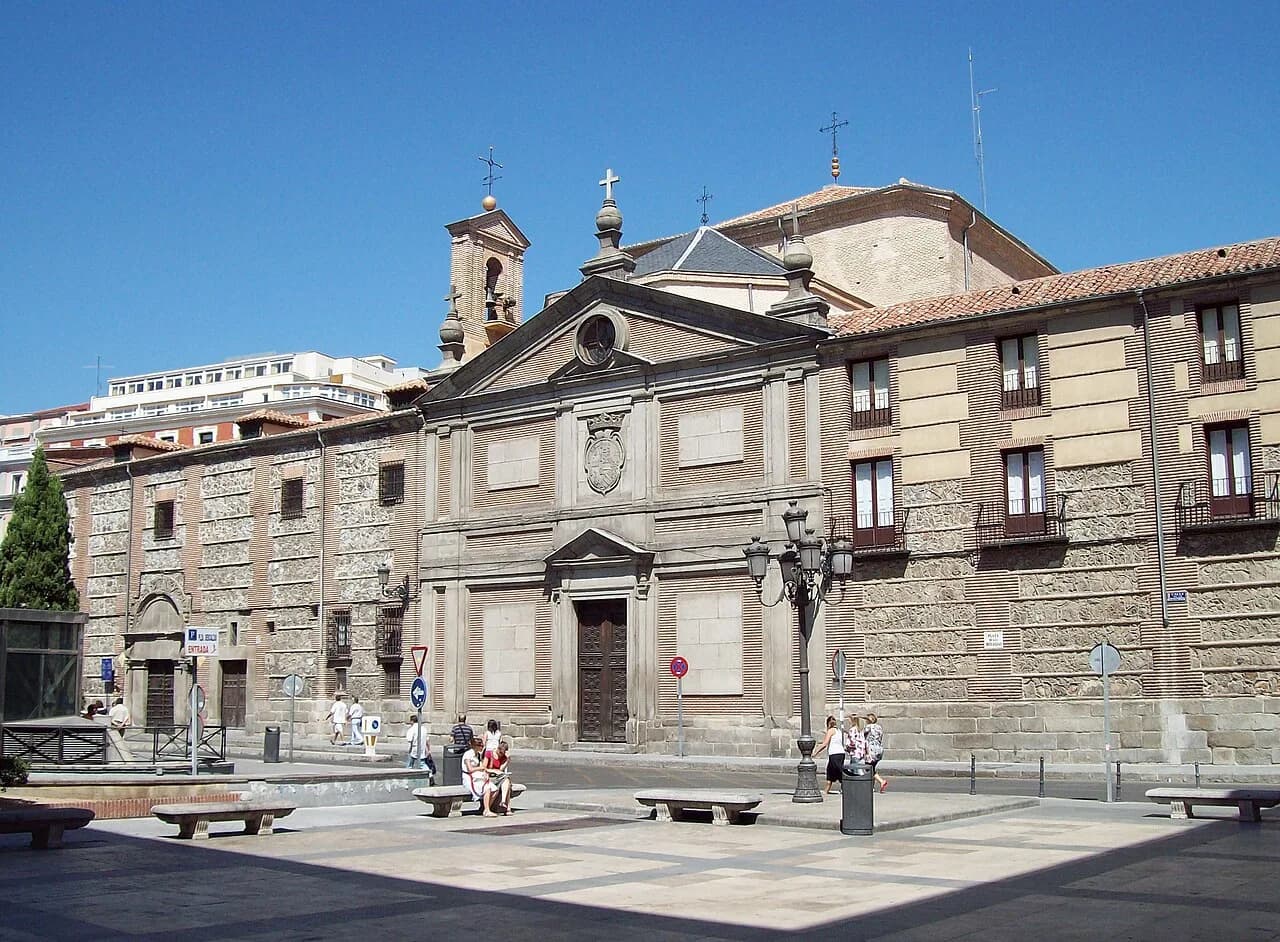
The Monasterio de las Descalzas Reales sits on a quiet square just minutes from Puerta del Sol, yet most first-time visitors walk straight past it. This 16th-century royal convent holds one of the finest collections of Baroque art and royal relics in Europe, accessible only through a tightly managed guided tour in Spanish. This 2026 guide covers correct admission prices, the exact tour schedule by day, what the guides actually show you, and how to reach the monastery from anywhere in central Madrid.
The monastery is a live working convent. The cloistered Poor Clare nuns who live here are never seen by visitors — even the longtime guides have not met them. That invisible layer adds a genuine mystique that no conventional museum can replicate. Understanding this before you arrive shapes your expectations in the right direction.
A Glimpse into History: The Royal Convent's Legacy
The Monasterio de las Descalzas Reales began as a royal palace. Charles I and Isabel of Portugal lived here, and their daughter Juana of Austria was born on this site in 1535. In 1559, Juana converted the palace into a convent for Poor Clare nuns and invited the greatest Spanish and Flemish artists of the era to fill it with art. Her brother King Philip II lent his personal collection to the effort. Construction was overseen by Antonio Sillero and later Juan Bautista de Toledo, taking shape between 1559 and 1564.
The building attracted aristocratic patronage for two centuries. Noblewomen from across the Habsburg territories entered the order, bringing enormous dowries in cash and artwork. Infanta Isabel Clara Eugenia, daughter of Philip II and Governor of the Spanish Netherlands, donated the monastery's most spectacular treasure: a series of Rubens tapestries woven in Brussels. The monastery became one of the wealthiest religious institutions in Europe while its inhabitants took strict vows of poverty.
Juana of Austria herself never left. She is buried beneath a funerary sculpture in prayer by Pompeo Leoni in one of the chapels. Her sister María, the widowed empress, also died here in 1603. The monastery was declared an Asset of Cultural Interest by Spain and received a Council of Europe distinction in 1987 for its exceptional cultural value.
During the 2020–2021 pandemic closure, Patrimonio Nacional undertook its most significant restoration in decades: eight halls were renewed, more than 50 works were conserved, and a new LED lighting system was installed throughout. The monastery you visit in 2026 is better illuminated than at any point in its history — the colour and detail visible in previously dim corner chapels is markedly different from pre-pandemic visits.
Tickets and Opening Hours
General admission is €9. Tourist groups and travel agencies pay €8 per person. Booking online through the Patrimonio Nacional ticketing portal adds a small fee of around €0.77 but guarantees your slot — guided tour groups have strictly limited capacity. Walk-up tickets at the window are available but may sell out on busy days.
Free entry applies every Wednesday and Thursday from 16:00 to 18:30 for EU citizens, residents with a valid work permit, and citizens of Ibero-American countries. These free slots cannot be booked online. You collect them at the ticket window on the day, and proof of eligibility is required. Arrive by 15:45 at the latest, as the queue builds quickly before the 16:00 session opens. Additional free days in 2026 include 18 May (International Museum Day) and 12 October (Spain's National Day).
Other categories who enter free at all times include: children under 5, ICOM members, accredited large families, official tour guides with credentials, teaching staff, visitors with 33% or greater disability plus one companion, and registered unemployed people with documentation.
Opening hours: Tuesday to Saturday 10:00–14:00 and 16:00–18:30. Sundays and public holidays 10:00–15:00. Closed on Mondays. The ticket desk and monastery access close one hour before the listed closing time, so do not arrive at 13:55 expecting to enter.
| Category | Detail |
|---|---|
| General admission | €9 |
| Tourist/agency groups | €8 per person |
| Free entry | Wed & Thu 16:00–18:30 (EU/Ibero-American residents) |
| Tue–Sat | 10:00–14:00 & 16:00–18:30 |
| Sun & holidays | 10:00–15:00 |
| Monday | Closed |
The Guided Tour: What to Expect
All visits are guided-tour-only — there is no self-guided or audio-guide option. Regular tours run in Spanish only; English sessions are occasional and cannot be relied upon. Book your timed slot in advance through the Patrimonio Nacional ticketing portal and arrive at least 15 minutes early, as latecomers are turned away without a refund.
Every visit to the Monasterio de las Descalzas Reales is via a timed guided tour. There are no self-guided visits and no audio guides. All regular tours are conducted in Spanish. English-language tours run only occasionally when sufficient demand exists — do not plan your visit around English availability. If you need English, email Patrimonio Nacional (info@patrimonionacional.es) well before your visit to ask whether an English session is scheduled on your date. Groups of ten or more can sometimes arrange a dedicated English tour in advance.
Tour departure times vary by day of the week. On Tuesdays, Fridays, and Saturdays tours depart at 11:30, 12:30, 12:50, and 17:15. On Wednesdays and Thursdays tours depart at 11:30, 12:30, and 12:50 (no afternoon session on those days, though free-entry visits run from 16:00). On Sundays tours depart at 11:00, 12:00, 12:30, 13:30, and 13:50. Each tour lasts approximately one hour.
Book through the Patrimonio Nacional ticketing portal and arrive at Plaza de las Descalzas 15 minutes before your scheduled slot. Latecomers are turned away without a refund. Groups move as a unit through each room, so punctuality is not optional. Bring your ticket on your phone or printed — staff scan it at the entrance.
What to See: Highlights of Art and Architecture
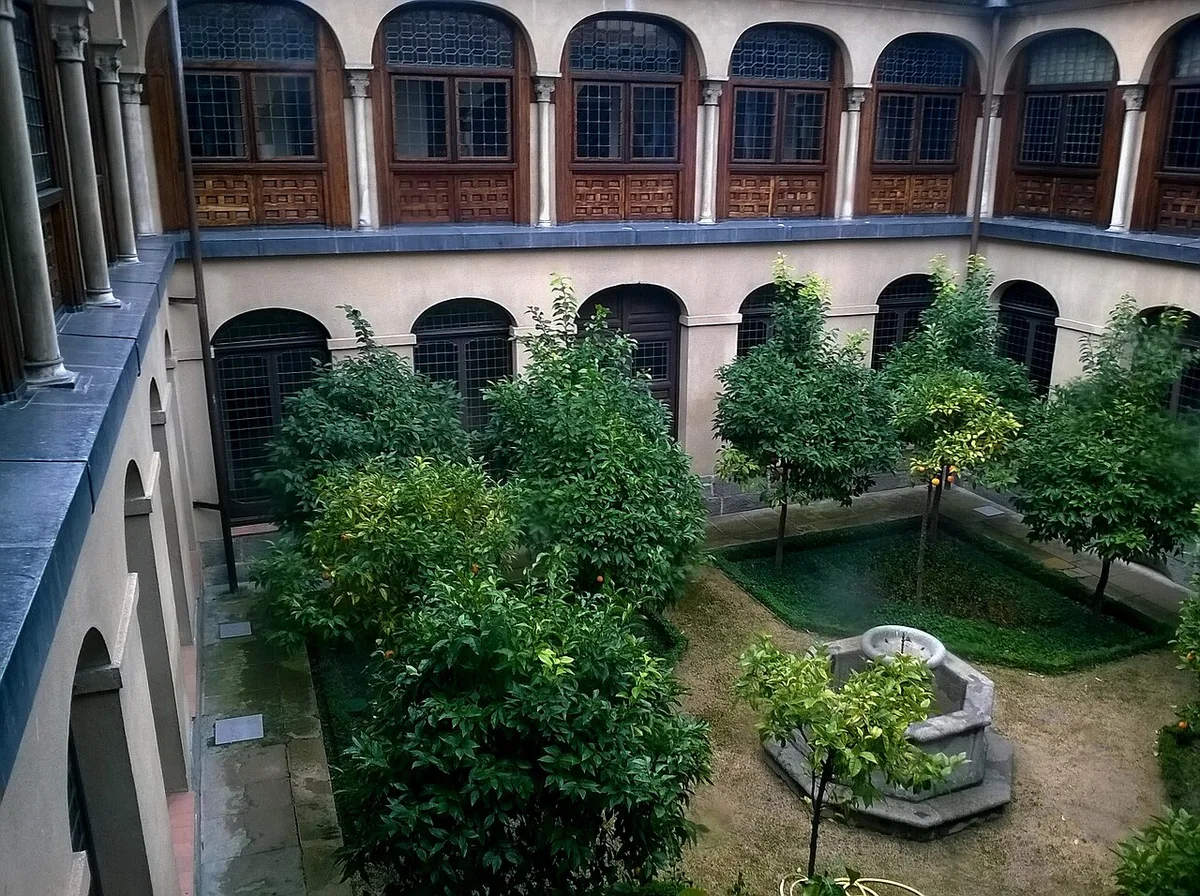
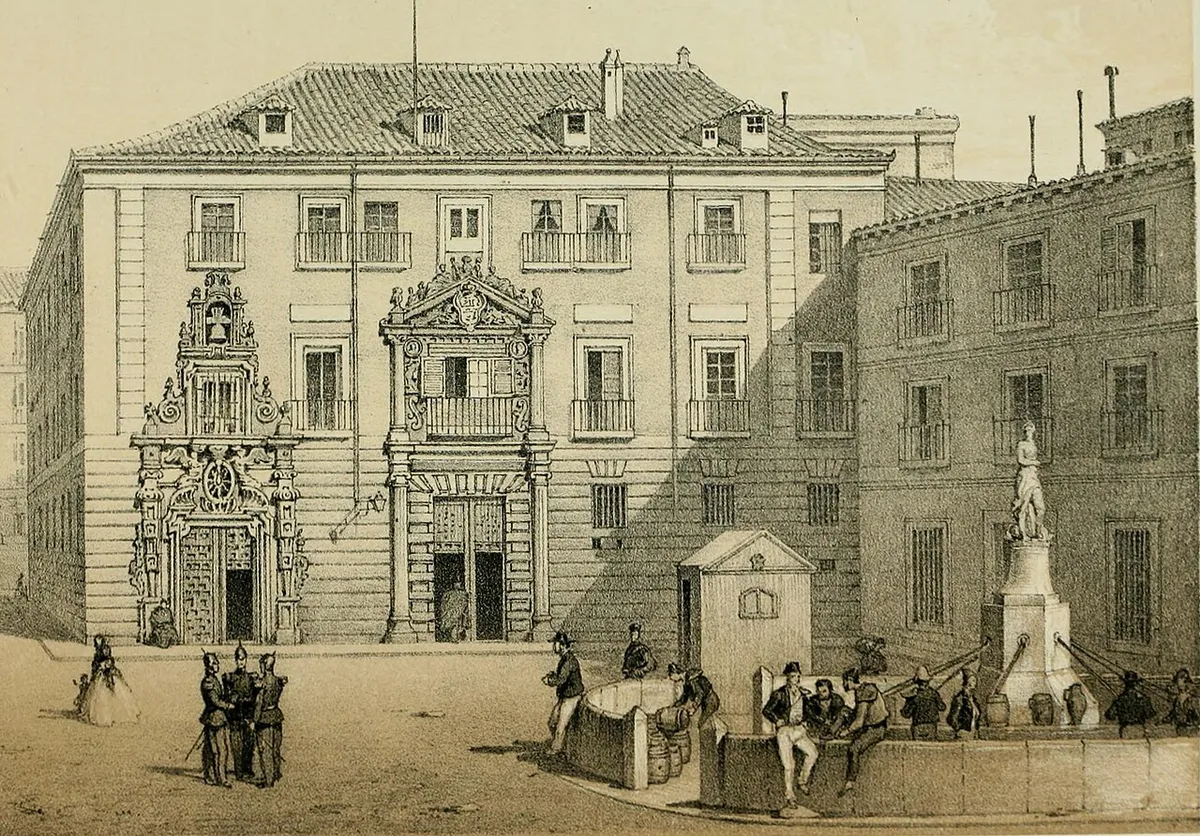
The Plateresque façade and the Renaissance staircase are among the most striking architectural features. The staircase is covered in 17th-century frescoes that you pass on the way to the upper galleries — it is one of the finest examples of this decorative style in Madrid. The cloister preserves much of the original 16th-century structure and is a quiet contrast to the richly decorated upper rooms.
The centrepiece is the Tapestry Room, formerly the nuns' dormitory. It holds 22 enormous tapestries woven in Brussels from designs by Rubens, depicting the Triumph of the Eucharist. Donated by Infanta Isabel Clara Eugenia, their scale — some panels stretch over five metres tall — gives a visceral sense of Habsburg wealth that no other Madrid venue replicates. The 2020–2021 LED installation made these tapestries visible in a new way; the textile detail and colour saturation that the guides point to in the woven figures is now clearly legible.
The broader collection includes works attributed to students of Leonardo da Vinci, paintings by Titian, El Greco, and José de Ribera, and sculptures by Pompeo Leoni. Objects arriving from the Philippines and Mexico via Spanish colonial trade routes add an unexpected global dimension. Some originals — including Rubens canvases and a Fra Angelico Annunciation — have been moved to the Prado for a wider audience, but the tapestries remain exclusively here and cannot be seen anywhere else.
Practical Tips for a Smooth Experience
Photography is strictly forbidden throughout the interior. This rule is consistently enforced from the moment you pass the entrance. Put your phone away before entering the first room. The ban applies to video as well as stills.
The tour pace is set by the guide and cannot be adjusted. If you miss a detail, ask quietly at the end of a stop rather than interrupting the narration. Guides are well-informed and accustomed to questions; most will slow down or elaborate if approached respectfully. Spanish comprehension helps but is not essential for appreciating the art — the spaces speak clearly enough.
Accessibility for visitors with reduced mobility is genuinely difficult. The building is 16th-century and only partially adapted; some areas involve uneven flooring and steps without handrails. Patrimonio Nacional recommends contacting them directly before your visit: +34 91 454 88 00 or info@patrimonionacional.es. They can clarify which sections are reachable and whether any tour modification is possible for your situation.
The quietest visit window is a Tuesday or Friday morning, particularly the 11:30 tour. Sunday afternoons see the highest group volume. The Wednesday and Thursday free-entry session draws a queue at the ticket window from around 15:30, so plan accordingly if that is your chosen visit day.
Getting There: Transport Options to the Monastery
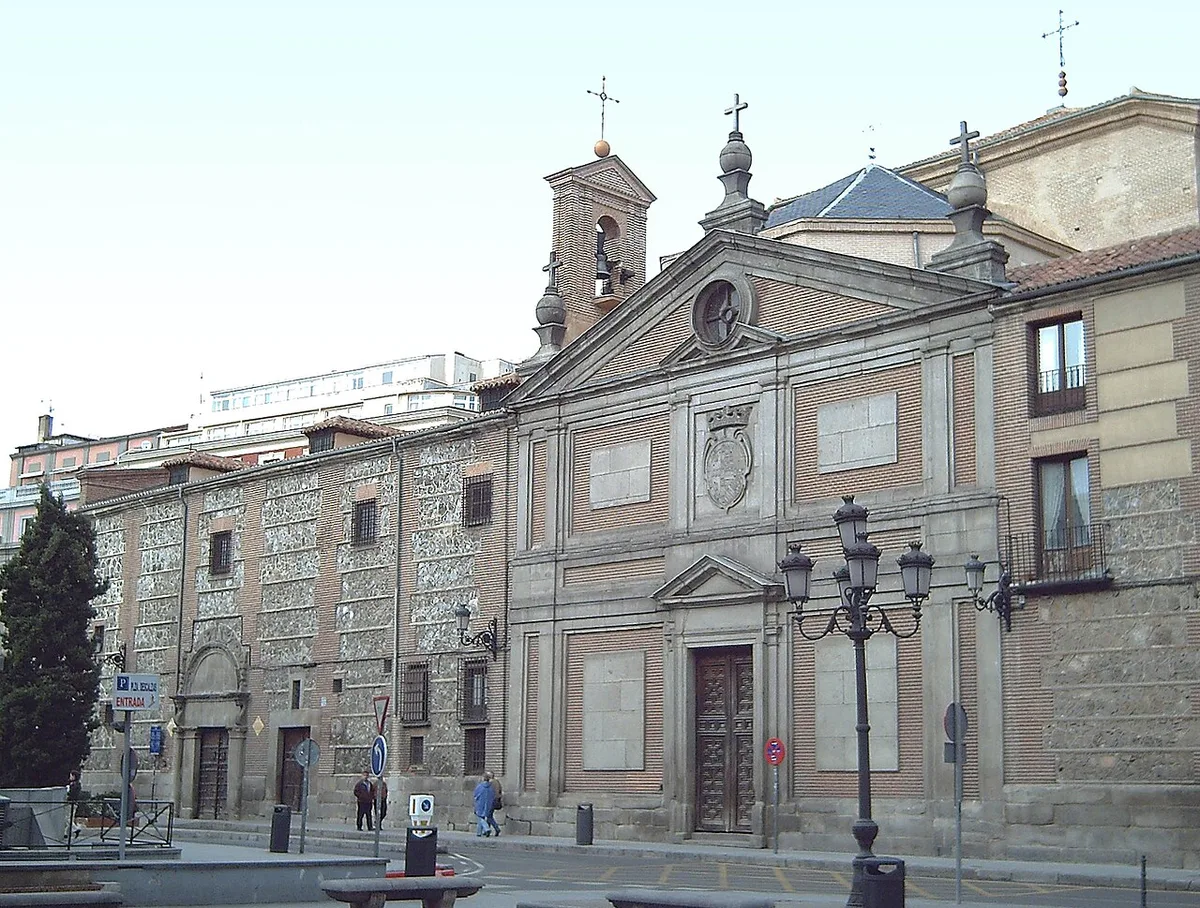
The monastery stands at Plaza de las Descalzas, 1, 28013 Madrid, between Puerta del Sol and Plaza de Callao. It is within walking distance of almost every central Madrid hotel, and public transport coverage is excellent.
By metro, the two closest stations are Callao (Lines 3 and 5) and Ópera (Lines 2, 5, and R), both roughly a 5-minute walk from the monastery entrance. Sol (Lines 1, 2, and 3, plus Cercanías commuter trains at Madrid-Sol) is 8–10 minutes on foot but connects more of the network and is useful if you are arriving from outside the city centre. A single metro ticket costs €1.50–€2.00 depending on your distance zone.
By bus, lines 75, 146, 147, 148, and M3 stop within a short walk. Check the EMT Madrid app for real-time departures. BiciMAD bike-sharing is another option: docking stations near the monastery are at Plaza de Celenque, Calle Jacometrezo 3, and Calle Abada 2. If you are already cycling between central sights, this is a practical and fast connection. Walking directions from Google Maps are straightforward from any point in central Madrid.
Exploring the Area: Nearby Attractions and Itineraries
The monastery's central position makes it easy to build a half-day or full-day circuit. A morning that starts here and continues to the Royal Palace and Plaza de Oriente covers the Habsburg architectural core of Madrid in a single session, with everything on foot.
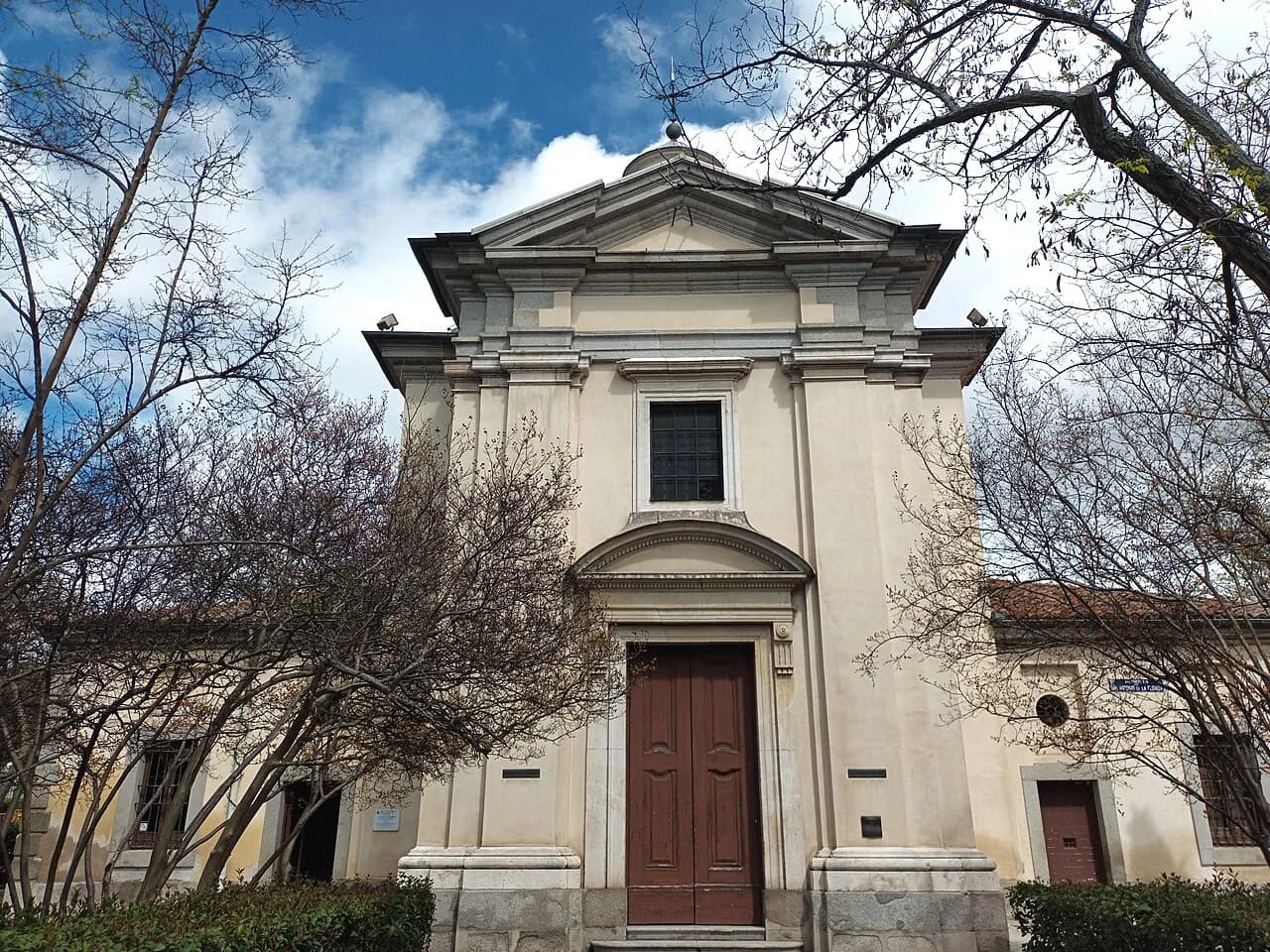
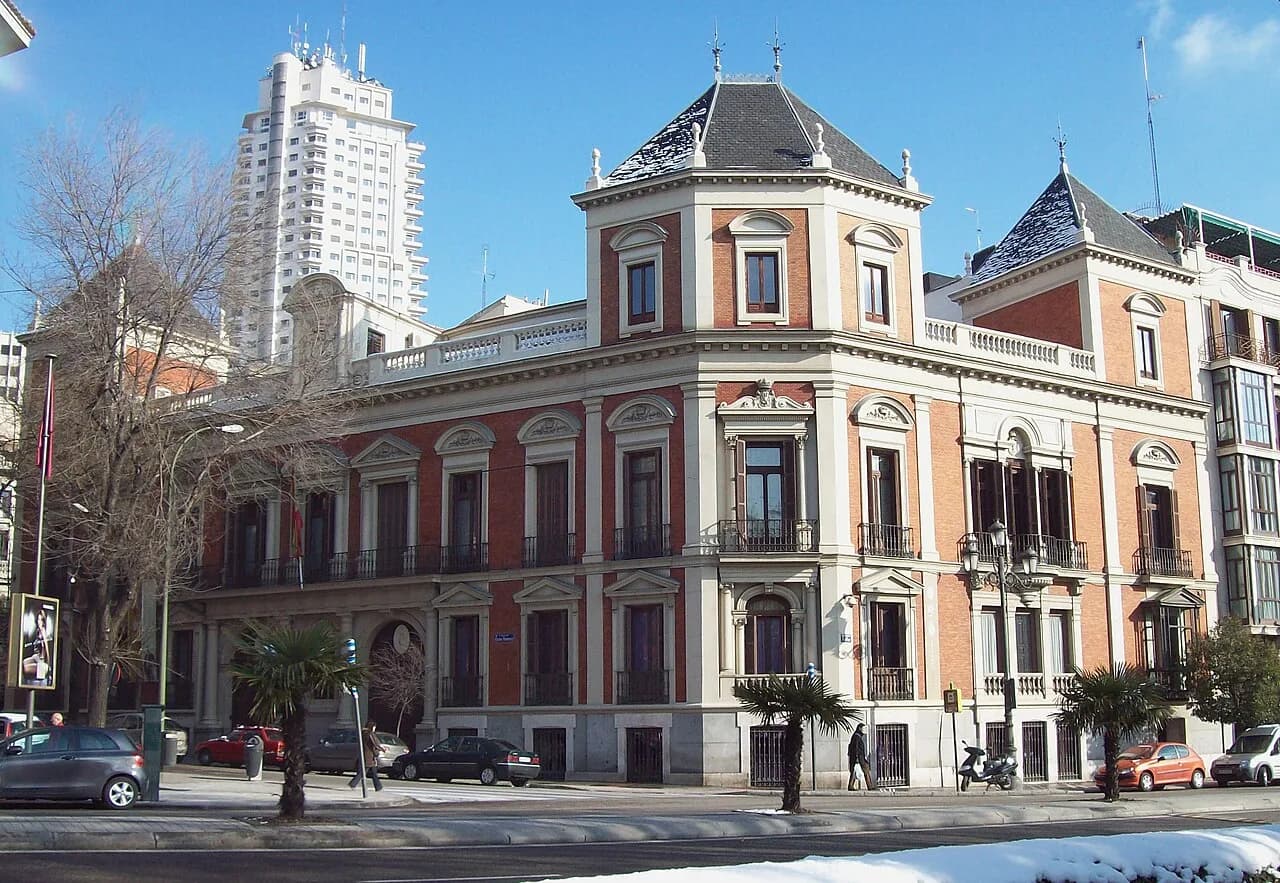
For a more eclectic cultural day, pair the monastery with the Museo Cerralbo — an aristocratic 19th-century mansion frozen in time, five minutes' walk northwest. Both sites share a theme of elite Spanish private collections made public, which makes the contrast instructive. The Ermita de San Antonio de la Florida, known for its intact Goya ceiling frescoes, is a 20-minute walk or one metro stop, and provides a strong contrast in artistic register from the Baroque world of the Descalzas.
Art museum visitors extending the day can reach the Prado, Thyssen-Bornemisza, or Reina Sofía by metro from Sol or Ópera. Smaller alternatives — the Museo Sorolla and the Museo del Romanticismo — offer quieter gallery spaces and complement the intimate scale of the monastery visit well.
Visitor Reviews and What to Expect
Visitors consistently single out the Rubens tapestries as the highlight. The guided format is broadly praised: guides are commended for making dense Habsburg genealogy accessible without being academic, and for pointing to details in the artworks that visitors would miss without direction.
The Spanish-only tour is the most common source of frustration among English-speaking visitors who arrive without checking language availability. Set expectations accordingly before you go. The no-photography rule comes second — it surprises people but most accept it by the end of the tour, since the rooms are intimate and the contemplative atmosphere is genuine.
At €9 with expert interpretation included, most visitors rate the value highly relative to the major museums. The experience is not suitable for visitors who want to move at their own pace or spend extended time in front of individual works. For those who engage with the guide, the monastery consistently earns a strong recommendation as an often-overlooked part of Madrid's royal and artistic heritage.
Frequently Asked Questions
What are the best tour options for first-time visitors to Monasterio de las Descalzas Reales?
The official guided tours provided by Patrimonio Nacional are the only way in, and they last about 60-75 minutes. General admission is €9 (€8 per person for tourist and agency groups), and tours are conducted in Spanish. Book online well in advance through their official website, or — if you are an EU or Ibero-American resident — visit free on Wednesday and Thursday afternoons from 16:00 to 18:30 (those free tickets are issued only at the ticket office).
How long does a visit to Monasterio de las Descalzas Reales take?
A typical guided tour of the Monasterio de las Descalzas Reales lasts approximately 60 to 75 minutes. This duration covers the main areas and allows time for the guide's explanations. Plan for an additional 15 minutes for arrival and ticket checks.
Can you visit Monasterio de las Descalzas Reales without a guided tour?
No, independent visits are not permitted at the Monasterio de las Descalzas Reales. All access is exclusively through a guided tour, which must be booked in advance. This policy helps preserve the historic building and its precious art collection.
Is photography allowed inside the Monasterio de las Descalzas Reales?
No, photography is strictly prohibited inside the Monasterio de las Descalzas Reales. This rule is in place to protect the artworks and maintain the serene atmosphere. Visitors are asked to respect this policy throughout their tour.
Is Monasterio de las Descalzas Reales accessible for wheelchairs?
Accessibility for wheelchairs can be challenging due to the historic nature of the building. Some areas may have limited access. It is highly recommended to contact Patrimonio Nacional directly before your visit to discuss specific accessibility needs and options.
Other Royal and Aristocratic Convents
Habsburg daughters entered here with dowries, which is why a working Poor Clare convent holds Titians and Brussels tapestries. Barcelona's Monestir de Pedralbes was founded by a queen on the same principle and keeps its Gothic cloister and day cells. Naples's Certosa di San Martino shows what happened when an enclosed order had unlimited Baroque money.
Visiting the Monasterio de las Descalzas Reales offers a genuinely unusual experience in Madrid. At €9 with a guided interpretation of one of Europe's great private art collections, it delivers depth that the major museums rarely match for its price. The key to a smooth visit is simple: book online in advance, arrive 15 minutes early, accept the Spanish-only format, and leave your camera in your bag.
The 2026 visit is also the best time to see the monastery since its 2020–2021 renovation. The new lighting transforms the darker galleries and makes the Rubens tapestries more legible than they have ever been. It is an often-overlooked part of Madrid's royal heritage that consistently rewards the visitors who make the effort to plan ahead.
For authoritative information, refer to the Monasterio de las Descalzas Reales on Wikipedia.
For more ideas on what to explore in Madrid, consult our guide to the most beautiful places in Madrid.
Continue exploring
More guides you'll find useful