Graca Lisbon Guide: Ultimate Travel Guide
Plan graca lisbon guide with top picks, neighborhood context, timing tips, and practical booking advice for a smoother trip.

On this page
The Complete Graca Lisbon Guide
Graça sits at the top of Lisbon's highest hill and feels nothing like the tourist-heavy streets below. This is where locals actually live — laundry hangs from wrought-iron balconies, elderly men play cards outside cafes, and the cobblestone alleys stay quiet even in summer. It is the most authentically Portuguese neighborhood you can walk through without leaving the city center.
Most visitors only pass through briefly on a tuk-tuk tour headed for the Senhora do Monte viewpoint. This guide is for travelers who want more than a quick photo stop — specific viewpoints, the neighborhood's underrated monastery, street art routes, the best local bars, and the practical details that make the difference between a frustrating uphill slog and a genuinely enjoyable morning.
Must-See Graca Attractions
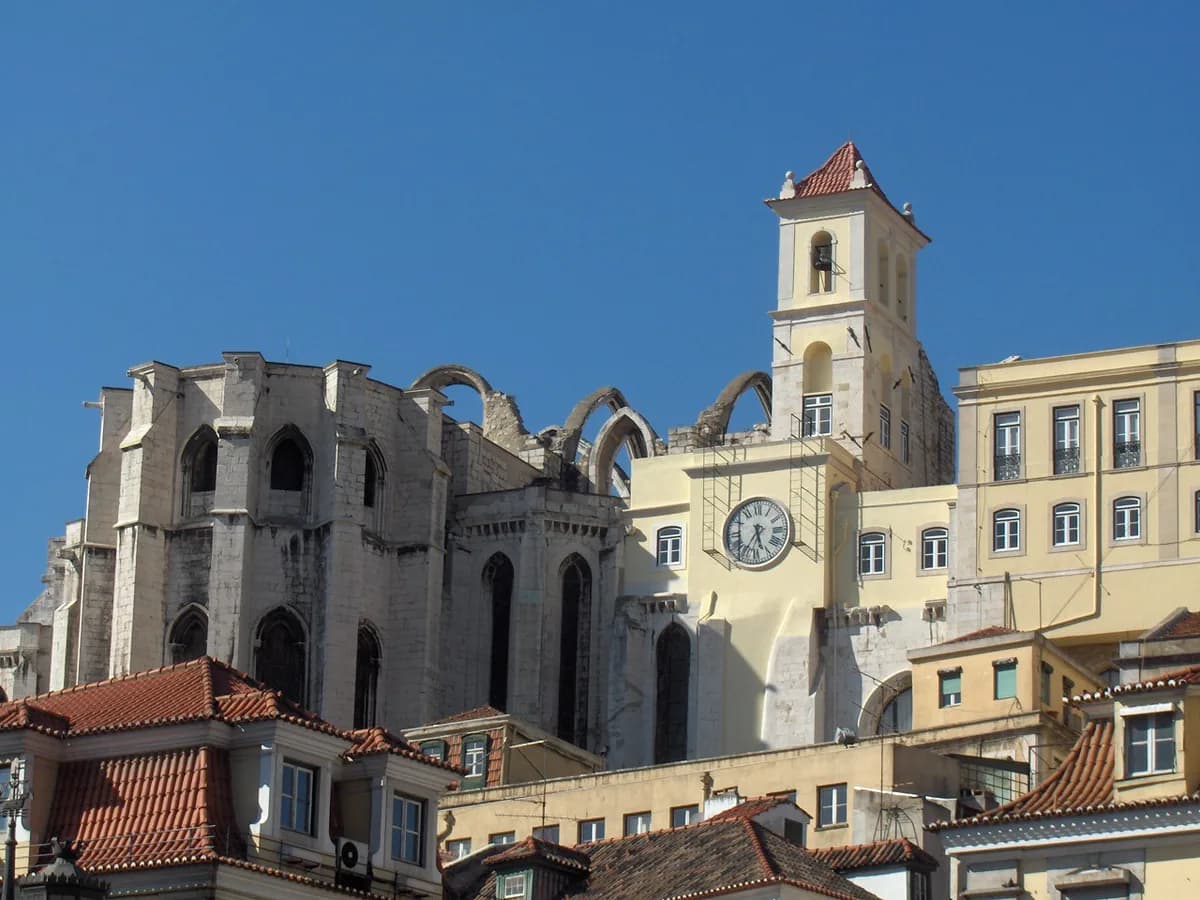
The Convento da Graça is the neighborhood's anchor landmark. Founded in 1291 and rebuilt after the 1755 earthquake in late-Baroque style, the church is free to enter. Its chapter room contains striking 18th-century tile paintings depicting medieval martyrs — an oddly compelling room that served as a nursery in the early 20th century. A terrace beside the bell tower offers direct views over the castle for a €5 fee.
The Miradouro da Graça sits directly in front of the convent. It overlooks Castelo de São Jorge and the 25 de Abril Bridge in the distance. The Esplanada da Graça kiosk serves coffee, wine, and light snacks right on the terrace — one of the few Lisbon viewpoints where you can sit comfortably with a drink rather than just standing at a railing. Arrive before 09:30 or after 18:00 to avoid the midday tuk-tuk crowds.
The Miradouro da Senhora do Monte is the highest viewpoint in central Lisbon and delivers a full 180-degree panorama. A tiled panel on-site labels every visible landmark, which makes orientation much easier for first-time visitors. Some people bring their own drinks; an ice-cream van is usually parked nearby. This viewpoint appears on every tuk-tuk tour route, so it gets busy between 11:00 and 16:00.
- Convento da Graça — Largo da Graça, free church entry, €5 for bell tower terrace, closed Mondays
- Miradouro da Graça — immediately beside the convent, open-air café on site, best before 09:30
- Miradouro da Senhora do Monte — GPS 38.7190, -9.1325, highest viewpoint in the city, go at sunset
- Mosteiro de São Vicente de Fora — Largo de São Vicente, €5 entry, open 10:00–18:00 Tuesday to Sunday
The Underrated Monastery Most Visitors Skip
The Mosteiro de São Vicente de Fora is one of the most impressive buildings in Lisbon and one of the least appreciated. It is consistently overshadowed by the more famous Mosteiro dos Jerónimos in Belém, yet it costs only €5 to enter compared to €10 at Jerónimos, and the crowds are a fraction of the size. The sprawling 16th-century complex contains a Baroque church, twin cloisters, a tower-top viewpoint over the Tagus, and an exhibition of over 25 Azulejos tile paintings illustrating Fontaine's fables — the kind of detail that makes an hour here feel genuinely worthwhile.
Buried beneath the monastery is the Panteão dos Bragança, the final resting place of nearly every Portuguese monarch from the Bragança dynasty. This alone would justify the entrance fee. The Arco Grande de Cima, a stone arch connecting the monastery to its former gardens and crossing one of the medieval roads into the city, stands just outside and dates from 1808. If you are already visiting the Convento da Graça, the Mosteiro de São Vicente de Fora is a ten-minute walk downhill and makes a natural second stop.
Museums, Art, and Culture in Graca
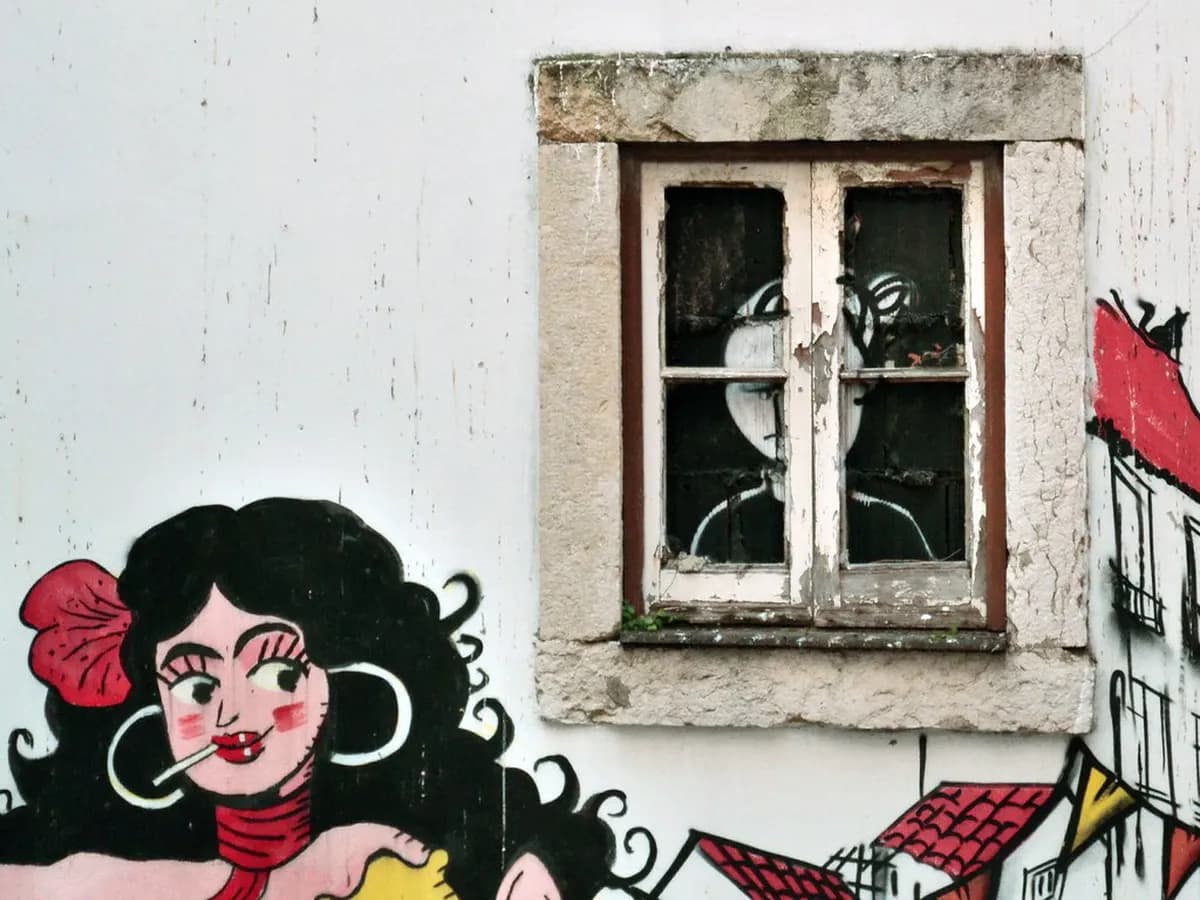
Graça has become one of the best outdoor street art destinations in Lisbon. The neighborhood functions as an open-air gallery, with large murals covering the sides of apartment blocks on Rua Damasceno Monteiro and smaller pieces tucked down side alleys. The most well-known is "Peace Guard" by Shepard Fairey on Travessa da Cabaça — it depicts a soldier with a carnation in her gun's muzzle, recreating a true moment from the 1974 Carnation Revolution. The "Fado Tropical em tons RGB" mural by Ozearv is the most visually striking piece in the neighborhood. A self-guided street art walk takes about 90 minutes and costs nothing.
The Royal Cine on Rua da Graça is worth a detour. It was Lisbon's first cinema with sound when it opened in 1929, and it has since been converted into a Pingo Doce supermarket. Most of the Art Nouveau interior was preserved, including the original staircase and atrium, so you can walk around a functioning supermarket that still looks like a 1920s cinema. The Feira da Ladra flea market at Campo de Santa Clara operates on Tuesdays and Saturdays — Europe's oldest markets of its kind, it runs from roughly 09:00 to 18:00 and covers everything from vintage tiles to antique furniture.
If you enjoy creative districts, consider visiting the vibrant Lx Factory Lisbon Guide Travel Guide. That repurposed industrial hub is a different side of Lisbon's cultural scene, about 30 minutes from Graça by bus. Combining both in one day gives you a good contrast between old and new Lisbon.
Parks, Gardens, and Outdoor Spots in Graca
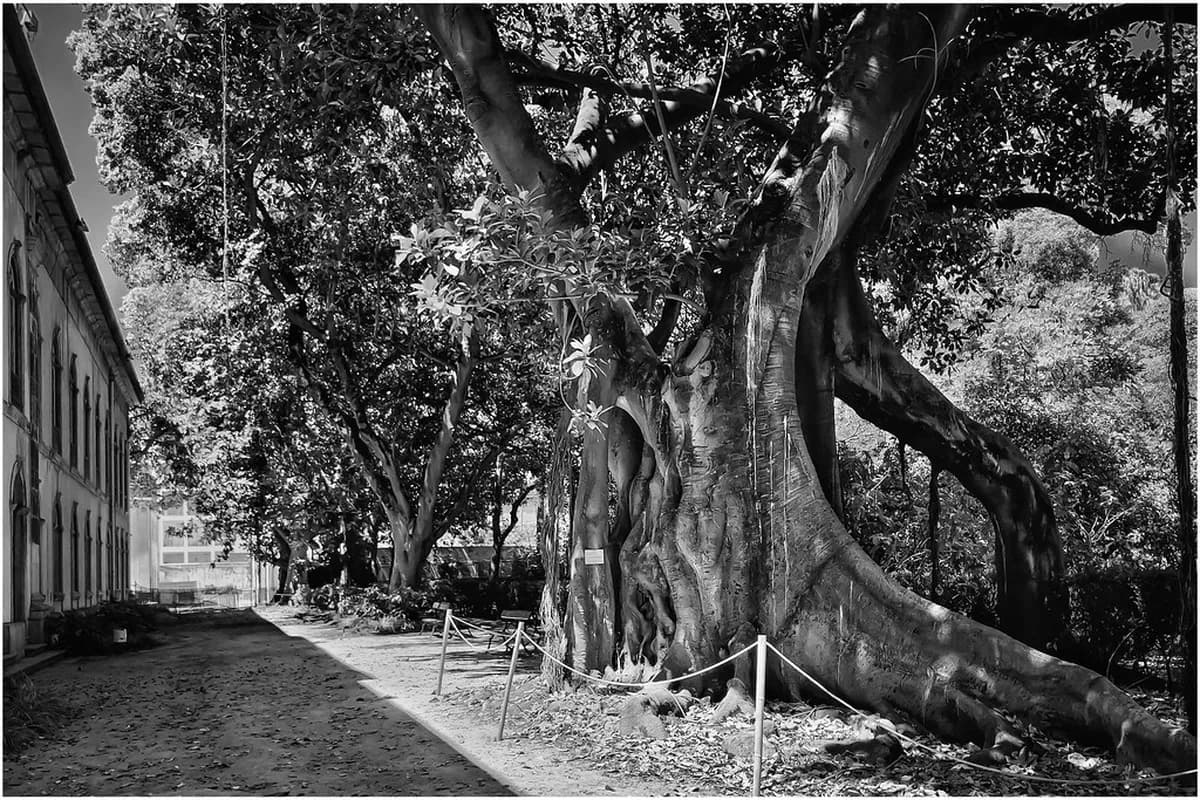
The Jardim da Cerca da Graça is the most pleasant green space in the neighborhood and an excellent alternative to the busier viewpoints. This terraced park occupies a hillside below the Miradouro da Senhora do Monte and contains winding paths, an orange orchard, a playground, and a kiosk café called the Quiosque Popular. Locals come here with dogs in the evenings and on weekends. The park is free, open daily, and connects via a footpath to both main viewpoints — making it a good rest stop mid-tour rather than a separate detour.
The Jardim Augusto Gil is a smaller, quieter urban garden to the side of the Convento da Graça. Its central feature is an ornamental lake and a distinctive "Mãe e Filho" (Mother and Child) statue. The shaded benches here are useful if the Esplanada da Graça terrace is full. Both parks are flat enough to be accessible for families with strollers, unlike most of the surrounding streets.
The Miradouro dos Barros, midway between the Miradouro da Senhora do Monte and the Jardim da Cerca da Graça, is a lesser-known terrace that most tuk-tuk tours skip entirely. It offers a quieter version of the same view. You can discover more scenic overlooks by checking our guide to Secret Viewpoints In Lisbon Travel Guide.
Family-Friendly and Budget-Friendly Options in Graca
Nearly every major attraction in Graça is free or costs under €5. The church at Convento da Graça is free. All four viewpoints are free. The Jardim da Cerca da Graça is free. The Feira da Ladra market is free to browse. Even the Mosteiro de São Vicente de Fora at €5 is excellent value compared to most Lisbon attractions. A full half-day in Graça — including coffee, a pastry, and a sangria at the end — typically costs under €15 per person.
A full half-day in Graça typically costs under €15 per person — all four viewpoints are free, the Convento da Graça church is free, the Jardim da Cerca da Graça is free, and coffee at Pastelaria Saga runs around €1.20. The €5 entry to Mosteiro de São Vicente de Fora is the only paid stop worth budgeting for.
Pastelaria Saga on Rua da Graça is the neighborhood's most reliable local bakery. Coffee is around €1.20 and a pastry costs under €2. Counter service is fast. This is where locals stop between errands, not a tourist-oriented café. For lunch, the Travessa do Monte side street has several small restaurants with inexpensive Portuguese daily specials (prato do dia typically €8–10) that are mainly used by neighborhood residents.
Families with young children will find the Jardim da Cerca da Graça playground useful as a mid-tour break. The park's terrain is gentler than the surrounding streets. For more no-cost options across the city, our list of Places To Visit In Lisbon For Free Travel Guide has the full breakdown.
How to Plan a Smooth Graca Attractions Day
The single most useful practical tip for visiting Graça: take an Uber or Bolt to the Miradouro da Senhora do Monte (GPS 38.7190, -9.1325) first, then walk downhill through the neighborhood. Every route from the tram stops involves a steep uphill climb. Starting at the top and walking down through the Convento da Graça, Jardim da Cerca da Graça, the street art on Rua Damasceno Monteiro, and finally down to the Mosteiro de São Vicente de Fora takes about 90 minutes with no exhausting ascents.
If you want to take the tram, board the 28 at Prazeres rather than at Martim Moniz. The Martim Moniz stop has long queues of tourists; Prazeres, further west, is where the tram begins its route and is far less crowded. The cheese-wine.com local guide recommends taking tram 25 to Prazeres first, then switching to tram 28 — this approach gives you a scenic ride through the Lapa and Estrela neighborhoods on the way. Tickets cost €3 each or use the Viva Viagem card (€0.50 card fee + €1.65 per trip) for the cheaper fare.
Do not start your Graça visit from the Tram 28 stop at Martim Moniz — queue times routinely exceed 30–60 minutes. Instead, take an Uber or Bolt to the Miradouro da Senhora do Monte (GPS 38.7190, -9.1325) and walk the neighborhood downhill from there.
Plan four hours for a full visit: 90 minutes walking the neighborhood, 60 minutes at the Mosteiro de São Vicente de Fora, 30 minutes at the Feira da Ladra (Tuesdays and Saturdays only), and 60 minutes for food and a drink. To read about the best arrival windows across the city, see our guide to the Best Time To Visit Lisbon Without Crowds Travel Guide. The neighborhood is easily combined with the adjacent Alfama and Mouraria districts in the same day.
Local Bars and Dining in Graca
Delicioso – Sangria Bar is a small, lively venue best visited after 19:00. They serve fresh fruit sangria in multiple styles at moderate prices. The bar fills up quickly, so arriving before 20:00 gives you a better chance of finding a seat. It is a good place to end an evening walk through the neighborhood.
Oitava Colina is a craft beer brand with roots in Graça. A pint of their local brew costs around €5 at the nearby bars that stock it. Craft beer enthusiasts should ask for it specifically — not every bar in the neighborhood carries it by default. The Maria Pia Sport Club, a traditional community center that has served residents for over a century, operates a simple canteen with cheap drinks and Portuguese snacks. There is no entry fee; buying a drink is the polite norm. You can discover Graça without a tourist in sight by stopping here during a football match evening.
For a broader dining overview, check our guide to the Best Local Restaurants In Lisbon Travel Guide. GIRO – Flavors of the World on Rua da Graça serves creative international street food in a casual outdoor setting with competitive prices — useful when you want a quick, non-Portuguese meal. You can also connect this area with other historic neighborhoods; the adjacent Mouraria Lisbon Guide Travel Guide covers the multicultural district immediately to the west.
Graca Walking Route and What to Do in Order
| Attraction | Entry Cost | Hours | Highlight |
|---|---|---|---|
| Miradouro da Graça | Free | Open-air (café on site) | Views over Castelo de São Jorge and 25 de Abril Bridge |
| Miradouro da Senhora do Monte | Free | Open-air | Highest viewpoint in central Lisbon, 180° panorama |
| Convento da Graça (church) | Free (€5 bell tower) | Closed Mondays | 18th-century tile paintings, Baroque architecture |
| Mosteiro de São Vicente de Fora | €5 | Tue–Sun 10:00–18:00 | Azulejo fables, Royal Pantheon, tower views over Tagus |
| Jardim da Cerca da Graça | Free | Daily | Terraced park, orange orchard, kiosk café |
| Feira da Ladra flea market | Free to browse | Tue & Sat 09:00–18:00 | Vintage tiles, antiques, communist-era postcards |
The most logical walking sequence through Graça covers sixteen main points of interest. Starting at the top (Miradouro da Senhora do Monte) and ending at the Panteão Nacional near the river keeps you moving downhill the entire time. Here is the order that works best: Miradouro da Senhora do Monte → Miradouro dos Barros → Jardim da Cerca da Graça (Quiosque Popular kiosk) → Convento da Graça with bell tower terrace → Miradouro da Graça (Esplanada da Graça for coffee) → Igreja da Graça → Largo da Graça → street art on Rua Damasceno Monteiro → Vila Berta hidden street → Royal Cine (now Pingo Doce) → Mosteiro de São Vicente de Fora → Arco Grande de Cima → Campo de Santa Clara (Feira da Ladra market on Tuesdays and Saturdays) → Panteão Nacional.
Download offline maps on Google Maps or Maps.me before you arrive — several alleys in the eastern part of the neighborhood have weak cell signal. Save the GPS coordinates for the Miradouro da Senhora do Monte (38.7190, -9.1325) as your starting drop-off point. Pastelaria Saga makes a good mid-route stop for coffee and a pastry. For more planning tools across the city, you can explore the Secret Spots In Lisbon Travel Guide guide for additional off-map finds in nearby neighborhoods.
Frequently Asked Questions
Which graca lisbon guide options fit first-time visitors?
First-time visitors should focus on the main viewpoints like Miradouro da Graça and the historic Convento da Graça. These landmarks offer iconic city views, are easily accessible by walking or tram, and require no entry fees.
How much time should you plan for graca lisbon guide?
Plan to spend around three to four hours exploring the neighborhood. This timing allows you to visit the top viewpoints, enjoy a pastry at a local café, and wander through the historic streets without rushing.
What should travelers avoid when planning graca lisbon guide?
Avoid visiting during the hottest midday hours when walking the steep hills becomes exhausting. Also, try to avoid relying solely on tram 28 during peak hours, as lines can be extremely long.
Can you take day trips from Graça?
Yes, Graça is well-connected to major transit hubs. From Rossio or Cais do Sodré stations nearby, you can easily plan a Lisbon to Sintra day trip or visit the coast of Cascais.
Graça rewards the visitors who treat it as a destination rather than a tram stop. The combination of its viewpoints, the underrated Mosteiro de São Vicente de Fora, the street art routes, and the genuinely local bars and cafes makes for one of the most satisfying half-days available in Lisbon in 2026. The key is to start at the top and walk down, saving your legs for the interesting parts rather than the uphill approach.
If you want to explore beyond the city limits after your Graça visit, consider a day trip like the route from Lisbon to Cascais. The coastal train takes under 40 minutes from Cais do Sodré and costs under €3 each way. Pack your walking shoes and a fully charged phone with offline maps.
For the wider city context, see our complete hidden gems in Lisbon guide.
Continue exploring
More guides you'll find useful