Secret Spots In Lisbon Travel Guide
Explore the best secret spots in lisbon with our expert guide. Discover local neighborhood highlights, quiet gardens, and practical tips for a perfect trip.
On this page
Secret Spots In Lisbon
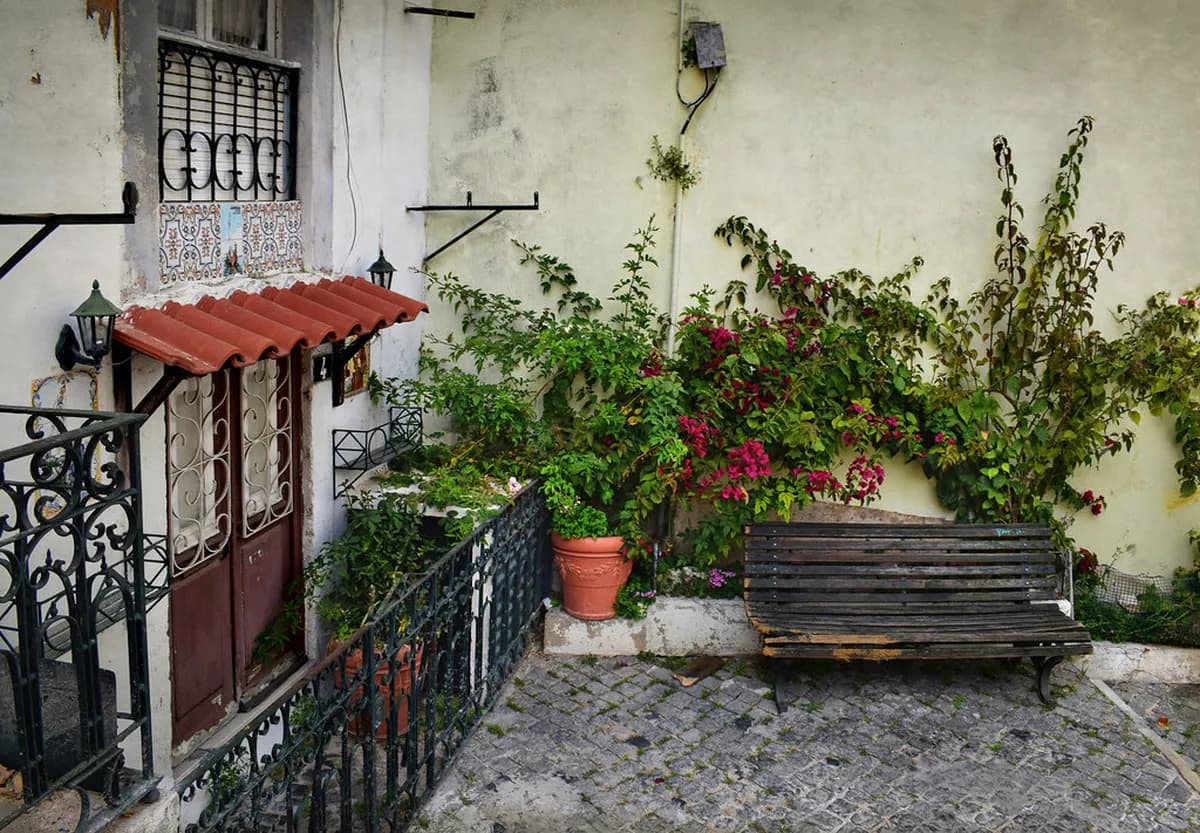
Finding the true soul of Portugal often requires stepping away from the crowded tram lines and busy plazas. Many travelers stick to the famous sights, yet the real magic hides in quiet alleys and overlooked corners. Exploring these unique Hidden Gems In Lisbon Travel Guide offers a peaceful escape from the heavy tourist traffic. This guide will help you uncover the best secret spots in Lisbon for a truly memorable journey in 2026.
Local neighborhoods hold centuries of history that mainstream tour buses completely miss. From silent panoramic viewpoints to tucked-away cafes, these places show a different side of the capital. You will discover how easy it is to experience the city like a true resident. Let us dive into the lesser-known wonders that make this historic city so special.
Quick Picks: Hidden Gems in Lisbon
If you have limited time, these are the five secret spots that consistently reward visitors with something genuine. Panorâmico de Monsanto is an abandoned restaurant shell inside Monsanto Forest Park that offers sweeping city panoramas for free. Jardim do Torel is a tiny hilltop garden above Intendente with benches, a kiosk, and river views — most Lisbon visitors have never heard of it. Casa do Alentejo in Baixa hides a breathtaking Moorish courtyard behind an unremarkable street-level door, entry is free.
| Secret Spot | Neighborhood | Cost | Best Time | Highlight |
|---|---|---|---|---|
| Panorâmico de Monsanto | Monsanto Forest Park | Free | Morning (clear day) | Abandoned restaurant, city panorama |
| Jardim do Torel | Above Intendente | Free | Weekday afternoon | Hilltop garden, river views, kiosk |
| Casa do Alentejo | Baixa | Free to enter | Any time | Moorish courtyard behind plain door |
| Tapada das Necessidades | Alcântara | Free | Weekday morning | Unkempt royal park, cats, old trees |
| Menino de Deus Church | Calçada do Menino de Deus | Free (ring bell) | Daytime | Baroque interior, rarely on lists |
Tapada das Necessidades in Alcântara is a deliberately unkempt royal park where cats outnumber tourists, perfect for a slow picnic under old trees. The Menino de Deus Church on Calçada do Menino de Deus 27 is usually locked — ring the bell beside the entrance and a caretaker will let you in to see one of the finest baroque interiors in the city, largely unknown because it never appears on top-ten lists.
Each of these spots requires zero advance booking and costs nothing or near nothing to visit. They suit first-time visitors who want a quick but authentic detour from the standard itinerary. Pair two or three of them on a single afternoon and you cover completely different Lisbon moods: nature, architecture, and neighborhood calm.
A Guide to Lisbon's Hidden Gems by Neighborhood
Every district in this historic capital has its own distinct personality and secret corners. Understanding the unique character of each area in the Lisbon Neighborhoods Guide Travel Guide helps you choose where to spend your afternoon. Some areas focus on historic charm, while others showcase modern art and trendy dining. The neighborhoods below are the ones locals return to most often.
The peaceful residential streets of Campo de Ourique offer a delightful break from tourist crowds. This neighborhood features a wonderful indoor food market — the Mercado de Campo de Ourique — that is far quieter than the famous Time Out Market. It is the right place to sample traditional pastries and fresh local seafood at honest prices. Visiting here feels like observing everyday Lisbon life rather than performing a tourist checklist.
In the adjacent Estrela district, the Jardim da Estrela is one of the loveliest parks in Lisbon but rarely appears on recommended lists. It has a pond, a bandstand, a cafe with outdoor tables, and is used daily by local families. Arrive around 09:00 on a weekday and you will often have large stretches of it entirely to yourself.
Further north, the Saldanha area hides some worthwhile architecture and quiet cafes. The Gulbenkian gardens next to the museum are a genuine sanctuary: modern sculpture, ponds, and dense tree cover that makes you feel miles from the city center even though you are at a metro stop. This suits travelers who want to combine the museum's world-class collection with an hour of total quiet afterward.
Food, Fado, and Local Rituals
Food in Lisbon is not about polished restaurants with English menus out front. The best eating happens at tascas — small family-run taverns — where the menu of the day runs 8 to 10 euros and includes soup, a main, and wine. Look for places in Graça or Intendente where the handwritten daily specials are on a chalkboard and the clientele is almost entirely local.
Bacalhau (salted cod) is worth seeking out at Café de São Bento near the parliament, a tiny room that does bacalhau à Brás well. For pastéis de nata, Manteigaria releases fresh custard tarts throughout the day at multiple locations — eat them hot at the counter with an espresso, standing up, the way residents do. This is not the most Instagrammable experience, but it is the most honest.
Authentic Fado is easy to ruin with a poor venue choice. Skip the tourist restaurants in Bairro Alto with fixed-price menus and performers on a schedule. Instead, find small tascas in Alfama or Mouraria on weeknights, order a regular dinner, and wait. Spontaneous performances happen when a regular guest feels like singing. The room usually holds fewer than twenty people and the experience is incomparable. The Alfama Lisbon Travel Guide covers several trustworthy venues for this kind of evening.
Museums, Culture, and the Spots Tourists Skip
The National Tile Museum (Museu Nacional do Azulejo) sits inside a 16th-century convent in Xabregas and traces five centuries of Portuguese ceramic art. Most visitors spend two hours here and leave having seen something genuinely different from any other European museum. The quiet cloisters provide a calm break from the cobblestoned streets outside, and the entry fee in 2026 is around 5 euros with free Sundays on the first of each month.
The Carmo Archaeological Museum rewards visitors who walk past its unassuming entrance on Largo do Carmo. The roofless gothic nave — the church was destroyed in the 1755 earthquake and never rebuilt — creates a hauntingly beautiful open-sky space. Inside, display cases hold pre-Columbian Peruvian mummies alongside Roman and medieval artifacts in an eclectic arrangement that no other museum in the country replicates.
One genuinely underexplored cultural stop is the Sociedade de Geografia de Lisboa (Geographical Society), at R. Portas de Santo Antão 100 in Baixa. Anyone can walk into the building during opening hours. The Sala Portugal — a 50-meter hall lined with two levels of gallery shelves holding maps, globes, navigational instruments, and colonial-era artifacts from the Age of Discovery — is usually accessible to casual visitors on request at the front desk, with no ticket required. It takes thirty minutes and most Lisbon regulars have never been.
The National Tile Museum (Museu Nacional do Azulejo) in Xabregas costs around €5 entry and offers free admission on the first Sunday of each month. The 16th-century convent building and its quiet cloisters are worth the visit alone, before you see a single tile.
Overrated Spots: Keep, Tweak, or Alternative
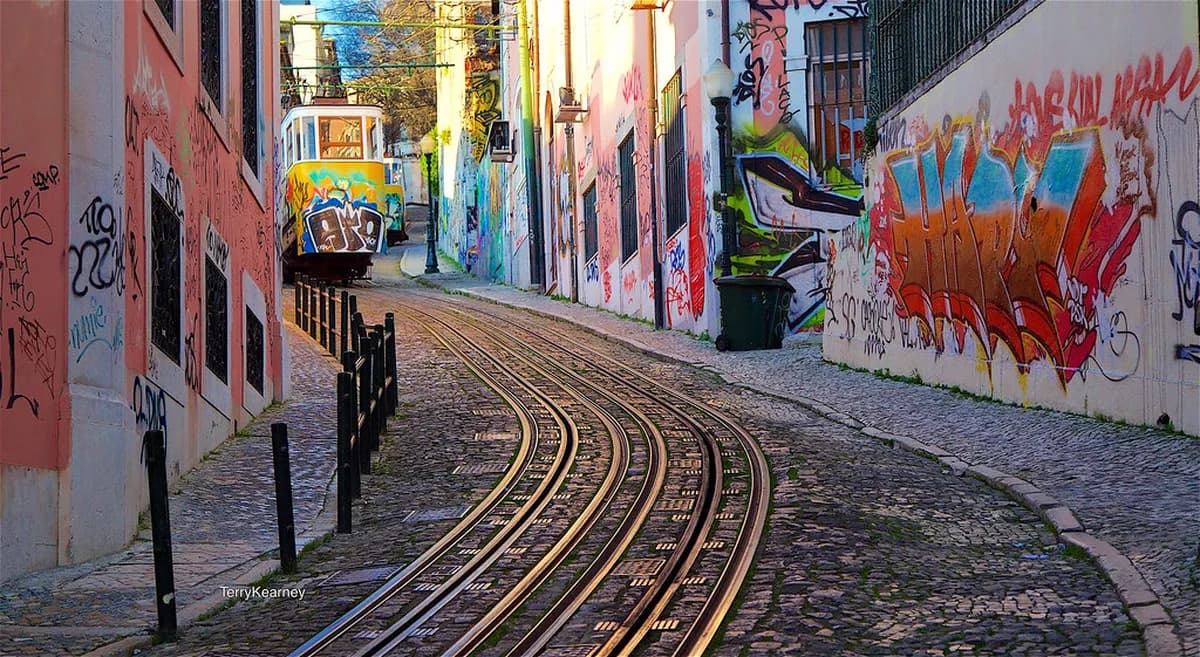
Tram 28 earns its reputation as a tourist trap. The line is always packed, pickpocketing is a known problem, and the experience of being shoulder-to-shoulder with other visitors negates any charm. Skip it as a sightseeing vehicle. Take it only as a commuter tram — board at a less popular stop like Martim Moniz in the early morning, ride a single short leg, and get off before the main tourist stretch.
Portas do Sol viewpoint is scenic but almost always crowded with tour groups and selfie poles. The real alternative is Miradouro da Graça, about a ten-minute walk further uphill, which has the same river panorama, a small kiosk, and almost no foreign tourists on weekday mornings. For Secret Viewpoints In Lisbon Travel Guide that locals prefer, Miradouro da Graça is the consistent recommendation.
The Feira da Ladra flea market deserves its reputation but Saturday crowds make it exhausting. The Tuesday morning edition — running from roughly 07:00 to 14:00 in Campo de Santa Clara — is smaller and attended mainly by dealers and residents rather than tourists. You can browse old maps, second-hand books, vintage ceramics, and Portuguese tiles at prices nobody pays on Saturday. Arrive before 09:00 with cash and no particular agenda.
Interest-Based Activities: Finding Your Lisbon
Street art explorers will find the best work in Marvila and Beato, former industrial neighborhoods east of the city center now covered in large-scale murals commissioned from international and Portuguese artists. Most tourists see only the Bairro Alto tags or the Pink Street photo stops. Marvila is reachable by metro to Oriente station plus a short walk and takes a full afternoon to explore properly.
Shoppers looking for something beyond mass-market souvenirs should find Depósito da Marinha Grande on Rua de São Bento 159. This store has sold Portuguese hand-blown glass since around 1900 — the factory behind it dates to 1769. The colored-edge wine glasses and decorative pieces here are the kind of everyday household objects that have been on Portuguese tables for generations. Prices are modest and the items are genuinely made in Portugal.
Book enthusiasts should seek the world's smallest bookshop on Escadinhas de São Cristóvão in Baixa, a shoe-cupboard-sized space holding over 3,000 books on Portuguese history, literature, and colonial heritage. Fernando Pessoa, Saramago, and Camões editions sit alongside rare collector items. It is easy to miss — look for it at the base of the Conceição stairs off Rua da Madalena. For Places To Visit In Lisbon For Free Travel Guide, the surrounding Baixa streets offer the tile-hunting experience: detailed azulejo panels on residential facades that are free to observe and photograph.
Practical Tips for Exploring Hidden Gems
Transit is straightforward once you have a Viva Viagem card, which covers the metro, buses, funiculars, and ferries across the Tagus. The metro reaches most neighborhoods efficiently — Mouraria, Príncipe Real, and Gulbenkian are all metro-accessible. Walking is the best approach in Alfama and Bairro Alto, but the hills are steep. The Elevador da Glória funicular from Praça dos Restauradores to Bairro Alto saves a painful climb and costs the same as a metro ride.
Timing makes a significant difference. The best window for outdoor spots is 08:00 to 10:00, when tour groups have not yet arrived. Indoor museums fill up after 11:00; visit them at opening. Midday (13:00 to 15:00) is ideal for a long lunch at a tasca — menus do dia are only served during lunch hours, usually ending by 15:00. Afternoons are good for parks and viewpoints once the midday heat drops after 17:00 in summer.
Smaller neighborhoods have fewer English signs and limited card payment options. Carry at least 20 euros in cash for neighborhood cafes, flea market purchases, and small family-run shops. Learning half a dozen Portuguese phrases — bom dia, obrigado/a, um café faz favor — is more useful than any translation app in these contexts. Holiday schedules catch visitors off guard: many municipal museums close on Mondays and some private gardens have reduced winter hours, so check before you travel specifically for a single venue.
Many municipal museums in Lisbon close on Mondays and some private gardens have reduced winter hours. Check opening times online the day before visiting any single destination to avoid a wasted trip.
See Lisbon's Hidden Side on a Private Tour
Booking a specialist local guide is often the most efficient way to uncover genuinely secret locations, particularly in neighborhoods like Mouraria and Intendente where the context behind what you are seeing matters as much as the sight itself. A knowledgeable guide can share personal stories and historical detail that no online article provides, and they know precisely when to arrive at popular spots to avoid the tour bus window.
Private tours allow you to customize the itinerary around your specific interests. Whether the priority is street art, Fado history, culinary secrets, or architectural detail, a guide can shape the day accordingly. You can find recommended options by checking this list of best secret places in Lisbon curated by local writers. The trade-off versus independent exploration is cost: a private half-day tour runs roughly 80 to 150 euros per person, compared to free self-guided walking. It makes the most sense for first-time visitors with limited days who do not want to spend three mornings figuring out where things are.
Solo travelers or budget visitors can replicate much of the private-tour value by doing a single group walking tour on arrival day to orient themselves, then self-navigating for the remaining days using a neighborhood-by-neighborhood approach. The group tour provides the local context; independent exploration afterward provides the serendipity.
Final Thoughts: The Real Lisbon Awaits
The best secret spots in Lisbon are not particularly hard to find. They are just quieter, less photographed, and less heavily marketed than the famous sights. A morning at the Feira da Ladra on a Tuesday, lunch at a Campo de Ourique tasca, and an afternoon wandering Mouraria covers more authentic ground than a full day on the standard tourist circuit.
The key practical shift is timing. Most of these places reward visitors who arrive early and avoid weekends during July and August. Spring (March to May) and autumn (September to November) offer mild weather, smaller crowds, and a Lisbon that feels more like itself. The city's real character emerges in the gap between what is being sold to tourists and how residents actually spend their days.
Do not over-plan. Leave room to follow interesting sounds, unfamiliar smells, or a staircase going somewhere unclear. The experience of discovering a tiny baroque church by ringing a bell, or finding a glassware shop that has barely changed since 1900, is what makes exploring Portugal's capital genuinely memorable rather than just well-documented.
Frequently Asked Questions
Which secret spots in lisbon options fit first-time visitors?
First-time visitors should focus on easily accessible hidden gems like Jardim do Torel or Casa do Alentejo. These spots sit close to major tourist centers but offer a quiet atmosphere away from massive crowds. They require no advance booking and are free to enter.
How much time should you plan for secret spots in lisbon?
Plan for at least half a day to explore two or three secret locations comfortably. Winding through historic neighborhoods like Alfama or Mouraria requires extra walking time due to steep cobblestone streets. Spacing out your visits prevents travel fatigue.
What should travelers avoid when planning secret spots in lisbon?
Avoid relying solely on major tourist transport lines like Tram 28 during peak hours. Also, try to avoid arriving at smaller neighborhood museums without checking their specific holiday schedules. Carry some cash since small local shops rarely accept international cards.
Is secret spots in lisbon worth including on a short itinerary?
Yes, including a few secret spots is highly recommended even for a short weekend trip. Swapping out crowded viewpoints for quiet hilltop gardens will make your overall experience feel much more personal and relaxing. It offers a genuine taste of local culture.
Embracing the quieter side of this historic city opens up a world of authentic experiences. From hidden gardens to quiet neighborhood taverns, these locations show the true soul of the capital. Your journey will feel much richer when you take the time to explore beyond the standard sights. Start planning your custom adventure today and discover the magic of these quiet local treasures.
Continue exploring
More guides you'll find useful