3 Days in Athens Itinerary: The Ultimate Travel Guide
Plan 3 perfect days in Athens with this detailed itinerary — the Acropolis, hidden gems in Plaka, rooftop bars, and essential booking tips for first-timers.
On this page
The Perfect 3-Day Athens Itinerary
Three days in Athens is enough time to stand on the Acropolis, eat your weight in souvlaki, and still find a rooftop bar with a Parthenon view. This itinerary is built for first-timers who want to see the essential sites without feeling rushed — and without wasting half a day in the wrong ticket queue.
Athens rewards early risers. The Acropolis at 08:00 and the same hill at 10:30 are two completely different experiences. This guide builds each day around that logic: heat-sensitive ruins in the morning, museums at midday, neighborhoods and food in the evening.
You should check out Greece travel guides for wider regional context. The Athens metro system is excellent, and the city is surprisingly walkable once you are based in the right neighborhood. Let us get into it.
3 Days in Athens at a Glance
Here is the high-level shape of your trip. Each day is anchored to a single district so you walk between sites rather than commuting across the city. Prices below are 2026 summer rates.
- Day 1 — Historic Center: Ancient Agora (€10) → Roman Agora → Monastiraki → Plaka for dinner
- Day 2 — Acropolis Day: Southeast gate at 07:30 → Acropolis (€20) → Areopagus Hill → Acropolis Museum (€15) → sunset from Filopappou
- Day 3 — Views and Museums: Lycabettus Hill funicular (€10 return) → National Archaeological Museum (€12) → Syntagma Square changing of the guard → rooftop drinks
Start every morning before 09:00. Ruins bake in summer heat; museums are air-conditioned and ideal for the 12:00–16:00 slot. Dinner in Athens starts late — most locals eat at 21:00 or after. Reserve rooftop bars at least 48 hours ahead in July and August.
Where to Stay in Athens: Neighborhood Guide
Your neighborhood choice determines how much you walk versus commute. For three days, staying within the historic triangle saves you a lot of time. Explore the different the city's neighborhoods before you book to find the right fit for your budget and style. The official Athens tourism guide has detailed neighborhood maps and visitor resources.
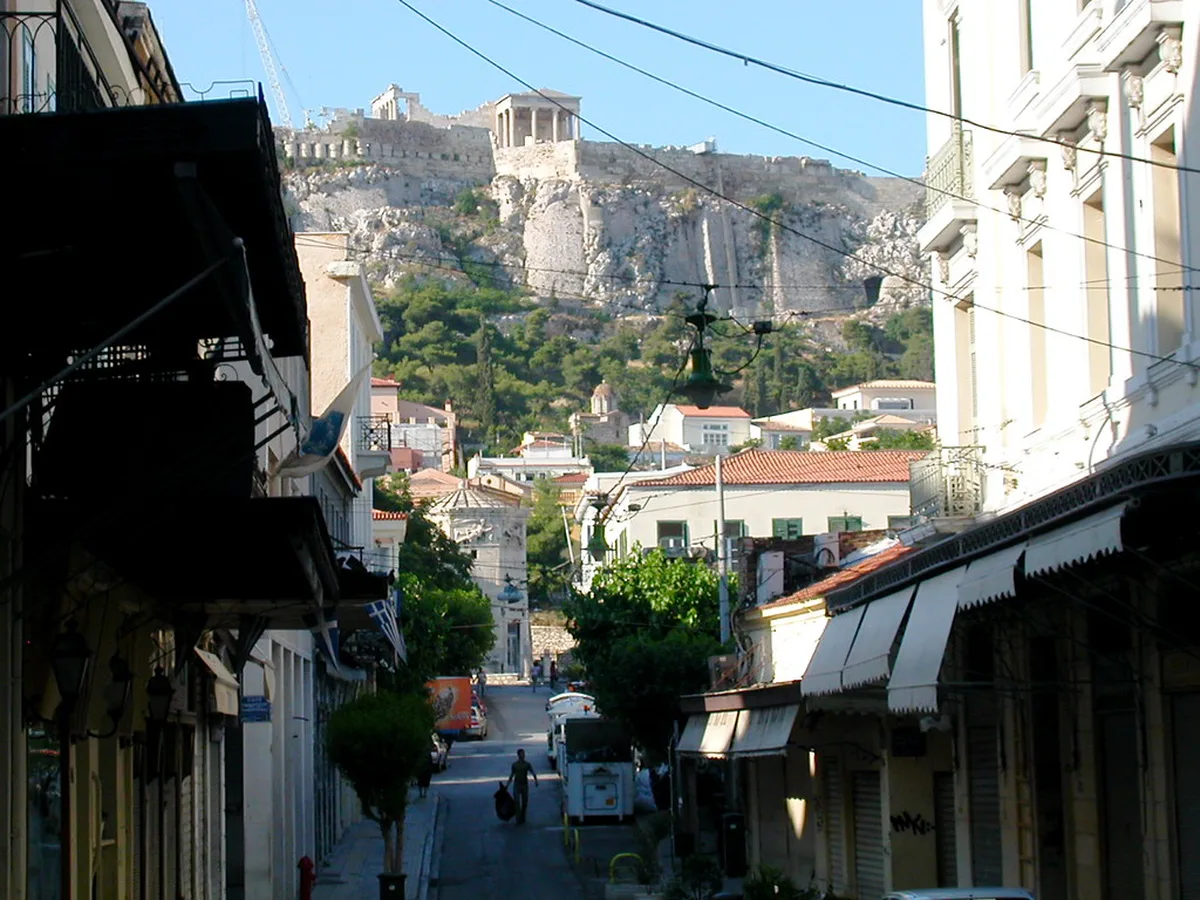
Plaka is the most atmospheric option for first-timers. It sits at the foot of the Acropolis, and most of Day 1 and Day 2 sites are a short walk away. It is quiet in the mornings but lively at night, with restaurant terraces spilling onto cobblestone streets. Prices run higher than surrounding areas — expect €100–€180 per night for a decent hotel in 2026.
Monastiraki is the most central and best-connected choice. You can reach the airport directly on Metro Line 3 without changing trains. The square itself is noisy at night, so look for hotels one or two streets back. It is ideal if you are arriving late or have an early departure.
Koukaki sits directly under the south slope of the Acropolis and has a local feel that Plaka and Monastiraki lack. Prices are noticeably lower, cafes are excellent, and you can walk to the Acropolis Museum in under ten minutes. It is the best pick for travelers who want to avoid the tourist bubble without sacrificing convenience.
Avoid the Omonia area for a short leisure trip. It has improved, but it is not a comfortable base for first-time visitors, especially arriving after dark.
The metro system is excellent and runs every 30 minutes. A 24-hour pass (better value than individual €1.20 tickets) covers unlimited journeys, and Line 3 connects the airport directly to Syntagma and Monastiraki in about 40 minutes.
Essential Logistics: Getting Around Athens
Athens has a clean and reliable metro. The Athens metro system runs three lines, and Line 3 (Blue) is the one most visitors use — it connects the airport directly to Syntagma and Monastiraki. The airport journey costs €9 per person and takes about 40 minutes. Trains run roughly every 30 minutes from early morning until midnight.
Within the historic center, you will walk almost everywhere. The Ancient Agora, the Roman Agora, Plaka, and the Acropolis are all within a 15-minute walk of each other. Comfortable shoes with grip are not optional — marble paths worn smooth by millions of feet get slippery, especially if there has been any morning dew.
For Day 3, when you travel between Lycabettus Hill and the National Archaeological Museum, a taxi or rideshare is the most practical option. The two sites sit roughly 3 km apart, and midday heat makes walking between them unpleasant. Taxis across the city center rarely cost more than €6–€8. Bolt and FreeNow both operate in Athens and tend to be cheaper than hailing a cab on the street.
Buy a 24-hour or 48-hour metro pass if you plan to use the subway more than twice in a day — they are better value than individual tickets at €1.20 each. Validate your ticket at the gates on every journey; inspectors do spot-check.
Day 1: Monastiraki, Ancient Agora, and Plaka
Start at the Ancient Agora by 08:30, when crowds are still thin. This was the commercial and political heart of ancient Athens — Socrates argued philosophy here, and Athenian democracy was hammered out in the buildings that once filled this space. Admission costs €10 and includes the Stoa of Attalos museum inside. The Temple of Hephaestus at the western edge is one of the best-preserved temples in all of Greece; budget 20 minutes just for that corner of the site.
From the Agora, walk five minutes northeast to the Roman Agora. It is smaller and takes only 45 minutes, but the Tower of the Winds — the world's first meteorological station, built around 50 BC — is worth seeing up close. The entrance is covered by the combination ticket if you have one. Hadrian's Library is directly adjacent; it is not included in most combo tickets but the exterior is visible from the street for free.
Lunch in Plaka. Avoid the most touristy streets nearest Monastiraki Square and instead walk one block uphill toward the Acropolis slope, where you will find quieter tavernas with similar food at lower prices. Order a Greek salad, tzatziki, and grilled octopus if it is on the board — these are the reliable choices.
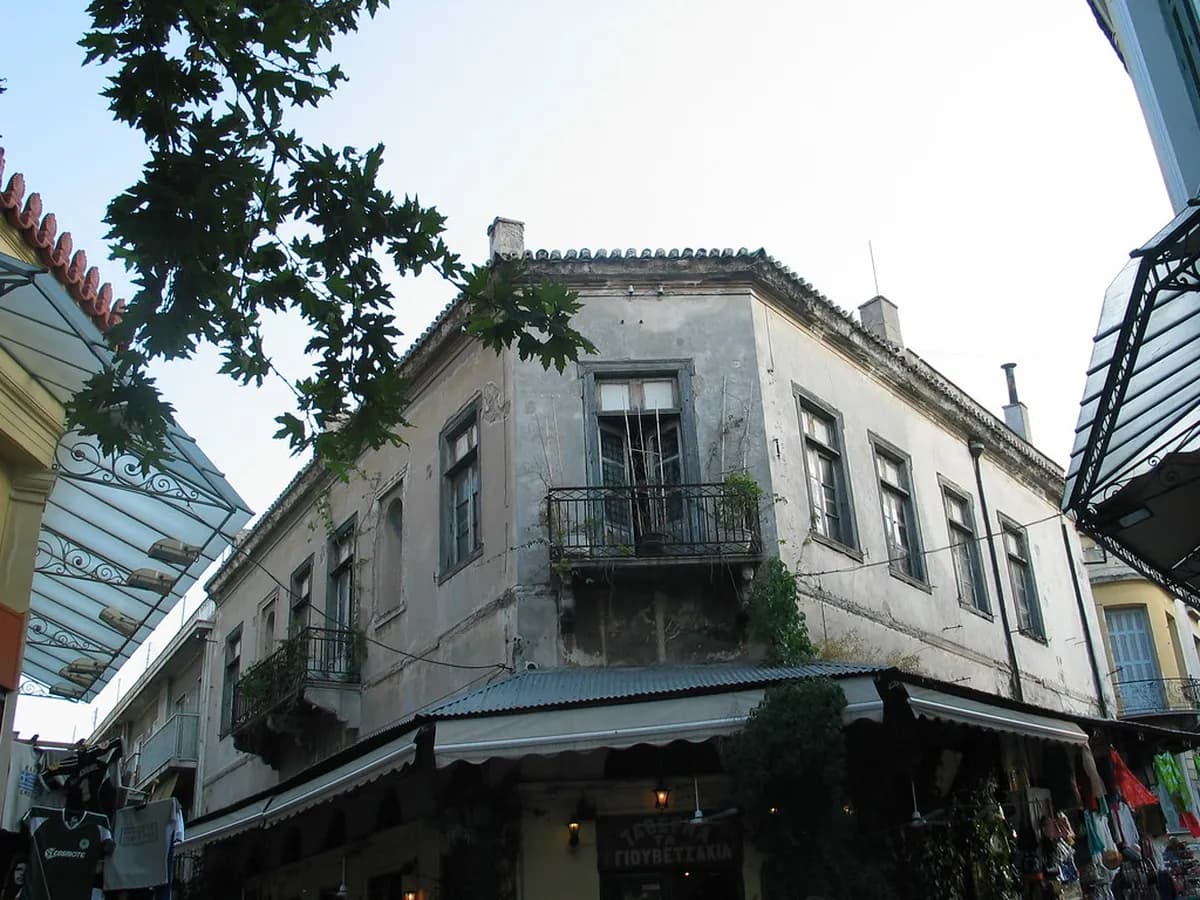
Spend your afternoon in charming Plaka. Duck into the Anafiotika micro-neighborhood — a cluster of whitewashed houses built by Cycladic island craftsmen in the 19th century. It is one of the most photogenic corners of the city and most visitors walk straight past the narrow lane that leads up to it. In the evening, take a table at any terrace restaurant with an Acropolis view and stay until the floodlights come on around 21:00.
Where to eat on Day 1: Taverna tou Psarra in Plaka (grilled lamb chops, open since 1898) or Paradosiako for mezze with a view. For a faster bite, Kostas near Monastiraki flea market does a legendary small souvlaki pita for under €3.
| Day | Area | Highlights | Cost |
|---|---|---|---|
| Day 1 | Historic Center | Ancient Agora, Roman Agora, Tower of the Winds, Plaka, Anafiotika | €10 entry |
| Day 2 | Acropolis & Museum | Acropolis via southeast gate, Parthenon, Areopagus Hill, Acropolis Museum, Filopappou sunset | €30 combo or €35 separate |
| Day 3 | Views & Museums | Lycabettus Hill funicular, National Archaeological Museum, Syntagma Square guard ceremony, rooftop bars | €22 total entry |
Day 2: The Acropolis and the Acropolis Museum
Set your alarm. Arrive at the Acropolis by 07:30 and head for the southeast (Dionysus) gate rather than the main northwest entrance that most tourists and cruise ship groups use. This gate is less signposted but connects directly to the main path up the hill. When the site opens at 08:00, walk past everything near the entrance and go straight up to the Parthenon before the first tour buses arrive. The difference between 08:05 and 08:40 is dramatic — you may have the platform nearly to yourself for the first few minutes, then watch it fill completely.
On the Acropolis itself, prioritize the Parthenon and the Erechtheion with its Caryatid porch (the originals are in the museum — these are replicas). The Temple of Athena Nike guards the western entrance and is easy to miss if you go straight for the Parthenon. The Odeon of Herodes Atticus on the south slope still hosts concerts through the Athens and Epidaurus Festival in summer — check the program if your dates overlap.
After the Acropolis, walk downhill to Areopagus (Mars Hill). This flat rock outcrop gives an unobstructed view of the Acropolis and is free to access. It is slippery, so step carefully, but the photography angle from here beats most paid viewpoints.
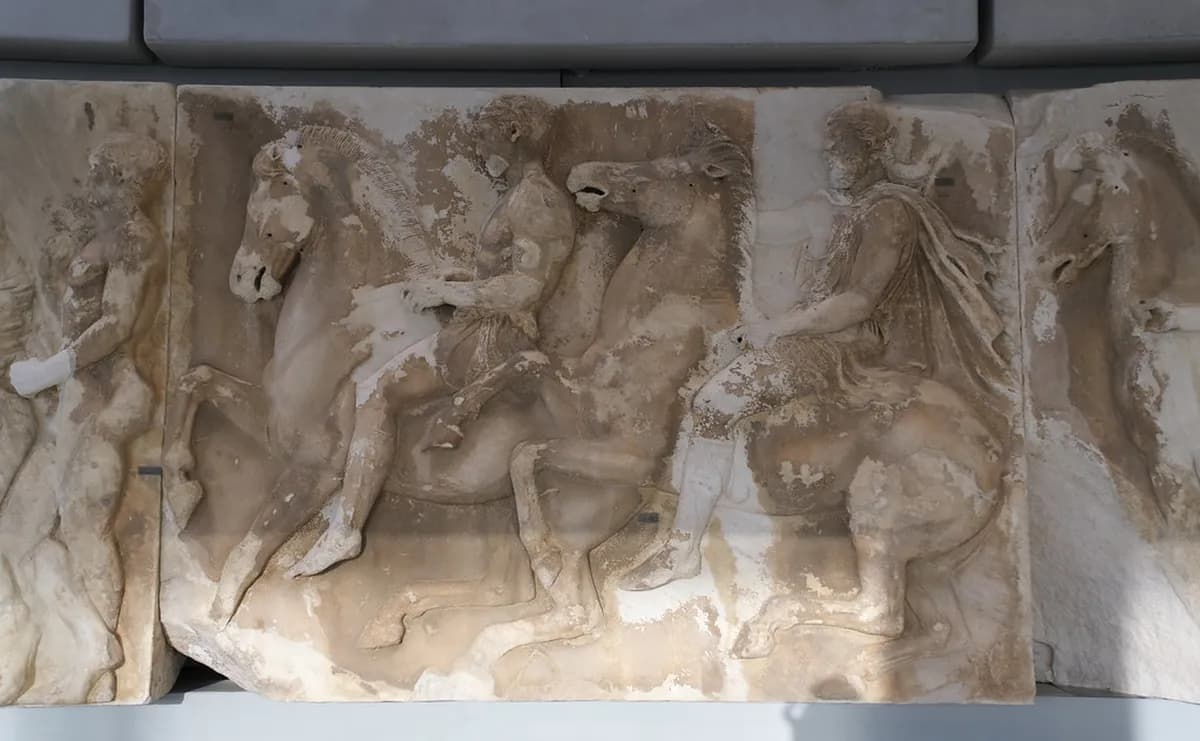
Spend the midday hours in the Acropolis Museum (€15, open until 20:00, air-conditioned). The top floor gallery is arranged so the Parthenon frieze faces the actual Parthenon through floor-to-ceiling glass — it is a deliberate design choice and genuinely impressive. Plan 90–120 minutes inside. Book tickets 3–5 days in advance in peak season to get your preferred entry time.
End the day at Filopappou Hill for sunset. The path up from Dionysiou Areopagitou takes about 25 minutes and is free. The view of the Acropolis from the Pnyx section of the hill — looking directly at the Parthenon with the city below — is one of the best photography angles in Athens and far less crowded than Lycabettus.
Where to eat on Day 2: Strofi restaurant on Rovertou Galli has rooftop Acropolis views and is open for lunch and dinner. For something cheaper, the market street Monastiraki flea market area has good gyros stalls — grab one and eat on the go.
Book Acropolis tickets online at least two weeks before your visit in summer, and use the combo ticket (€30, valid 5 days) to bypass queue lines at seven sites. The southeast (Dionysus) gate is less crowded than the main entrance, and arriving by 07:30 lets you explore the Parthenon with minimal crowds before 09:00.
Day 3: Lycabettus Hill and the National Archaeological Museum
Start early at Lycabettus Hill, the highest point in Athens at 277 meters. The funicular (Teleferik) costs €10 return and departs from Aristippou Street in Kolonaki. The ride takes three minutes and drops you at a lookout with a 360-degree view of the entire Attica basin — on a clear day you can see all the way to the port of Piraeus and the Saronic Gulf. Mornings are the best time for photography before heat haze builds up. If you prefer to hike, the path from Kolonaki takes about 25 minutes and is steep but manageable.
After Lycabettus, take a taxi or rideshare to the National Archaeological Museum (€12, open 08:00–20:00 in summer). It sits in the Exarchia neighborhood, about 20 minutes from Kolonaki by foot or 8 minutes by taxi. This is the largest archaeological museum in Greece and houses artifacts from across the entire country — the Antikythera Mechanism, the Mask of Agamemnon, and the bronze statue of Poseidon pulled from the sea near Artemision. Budget 2–3 hours.
After the museum, walk or take the metro to Syntagma Square for the changing of the Evzone guard at the Tomb of the Unknown Soldier. The ceremony happens every hour on the hour, with a more elaborate version every Sunday at 11:00. It takes about 10 minutes and is worth timing your afternoon around.
The National Gardens are directly behind Syntagma and make a good rest stop — shaded paths, a small café, and ducks. Then head to a rooftop bar for your final evening. The A for Athens rooftop on Monastiraki Square is the most famous option (reserve in advance), but the bar at the Electra Metropolis hotel on Ermou Street has equally good Acropolis views with slightly easier availability.
Where to eat on Day 3: Catch the Exarchia neighborhood for dinner after the museum — it is less touristy than Plaka, and restaurants like Giantes on Valtetsiou Street serve excellent mezze at local prices. Order the gigantes (giant baked beans in tomato sauce) and dakos (Cretan rusk with tomato and feta) alongside your main.
Best Restaurants and Rooftop Bars in Athens
Athens has two categories of dining worth knowing before you arrive: places with a Parthenon view (where you pay for the view and get decent food) and places the locals eat (where you pay for the food and get better everything). For three days, you have room for both.
Best view of the Parthenon: A for Athens rooftop bar on Monastiraki Square. The Parthenon is directly in your sightline, illuminated at night. Expect to pay €12–€18 for cocktails. Reserve online at least two days ahead in summer. Strofi restaurant on the south slope is the best option for a sit-down dinner with a view — it has been in operation for decades and serves solid Greek classics.
Local secret dining: Skip Plaka's main drag and walk uphill into Anafiotika or down to Koukaki for authentic taverna food at half the price. In Exarchia, Atitamos on Navarinou Square specializes in Cretan food (rare in Athens and worth seeking out). In Monastiraki, the Varvakios Central Market on Athinas Street is where Athenians shop — the small restaurants around the meat hall serve offal dishes, fried cod, and bulk wine that no travel blog covers.
Greek dishes to order beyond souvlaki: spanakopita (spinach and feta pie) from any bakery for breakfast, tirokafteri (spicy feta spread) as a meze starter, loukoumades (honey-soaked dough balls) from a dedicated shop near Monastiraki, fresh grilled sardines at any fish taverna, and galaktoboureko (custard-filled pastry in syrup) for dessert. These five give you a much fuller picture of Athenian food culture than a gyros alone.
Athens Travel Tips: Tickets, Timing, and Safety
Book Acropolis tickets online at least two weeks before your visit in summer. The timed-entry system means walk-up tickets can be unavailable by mid-morning on busy days. The official booking site is odysseus.culture.gr. If your preferred time is sold out, check back in the early morning — cancellations do appear.
The combination ticket costs €30 and is valid for five days at seven sites: the Acropolis, Ancient Agora, Roman Agora, Kerameikos, Hadrian's Library, Temple of Olympian Zeus, and the Slopes of the Acropolis (which includes the Theatre of Dionysus and the Odeon of Herodes Atticus). If you plan to visit three or more of these sites, the combo is worth it. If you only care about the Acropolis and the Agora, buying separately at €20 + €10 comes out the same — the combo only saves money from the third site onward.
Athens is generally safe for tourists. Petty theft is the main risk — keep your wallet in a front pocket and be aware in crowded areas like Monastiraki Square and on the metro. The Omonia and Exarchia areas are not dangerous during the day, but exercise normal urban caution at night. Find the city's hidden gems in neighborhoods that reward a little walking confidence.
Heat management matters in summer. Carry at least 1.5 liters of water, wear a hat, and schedule all outdoor ruins before noon. Many visitors underestimate how exposed the Acropolis hill is — there is almost no shade once you are on the rock. The Acropolis Museum and National Archaeological Museum are both well air-conditioned and make ideal afternoon anchors. Pharmacies (marked with a green cross) are everywhere and sell electrolyte sachets, sunscreen, and blister plasters.
Find sights beyond the Acropolis if you find yourself wanting more after three days — the Benaki Museum, Byzantine and Christian Museum, and the Stavros Niarchos Foundation Cultural Center are all worth a half-day.
One Thing Most Athens Guides Get Wrong
Every Athens itinerary tells you to arrive at the Acropolis at 08:00. Fewer tell you that the ticket queue at the main northwest gate can already be 30 minutes long by 08:15 on a July morning — because that advice is in every guide, and everyone follows it simultaneously.
The practical fix is twofold. First, use the southeast (Dionysus Theatre) gate, not the main entrance — it is less crowded because it is less prominently signed. Second, if you are buying a combo ticket, buy it the day before at the Ancient Agora, where there is rarely a queue. When you arrive at the Acropolis gate, you simply flash the QR code and walk through the priority lane. You bypass the ticket window entirely.
The same logic applies to the Acropolis Museum. Booking a 13:00 or 14:00 entry slot means you arrive when morning visitors are leaving and afternoon cruise ship groups have not yet arrived. The top floor gallery — where the Parthenon frieze is displayed directly opposite the actual Parthenon visible through the windows — is far less congested in the early afternoon than at opening.
Athens also rewards the traveler who is willing to check out Athens on a budget. Areopagus Hill, the Pnyx viewpoint, the National Gardens, and wandering Anafiotika cost nothing and offer some of the best experiences the city has.
Frequently Asked Questions
Is the Athens combo ticket worth it for 3 days?
Yes, the €30 combo ticket is worth it if you visit three or more sites. It includes the Acropolis, Ancient Agora, and several other ruins. You save money and avoid multiple ticket lines.
What is the best way to get from the airport?
The Metro Line 3 is the most reliable option for travelers. It costs €9 and takes about 40 minutes to reach Syntagma. Trains run every 36 minutes throughout the day.
Athens is a vibrant city that rewards those who plan ahead. With three days, you can master the ruins and the food. I hope this itinerary helps you feel confident in your trip. Enjoy every moment of your ancient Greek adventure.
Remember to stay hydrated and take breaks in the shade. The city has a magic that stays with you long after. Safe travels as you explore the cradle of Western civilization.
Continue exploring
More guides you'll find useful