10 Essential Tips and Stops for One Day in Amsterdam
Maximize your 24 hours in Amsterdam with this expert itinerary. Includes booking tips for the Anne Frank House, the best canal cruises, and local dining secrets.
On this page
10 Essential Tips and Stops for One Day in Amsterdam
Amsterdam rewards visitors who plan ruthlessly and wander freely. This 1-day Amsterdam itinerary focuses on the historic center — canals, museums, and the Jordaan — in the most time-efficient order possible. Every section below reflects what the top-ranked travel writers actually do when they have 24 hours, plus a few practical details they skip. For updated visitor information, consult the official tourism board.
The city is surprisingly compact. Walking from Amsterdam Centraal to the Anne Frank House takes about 25 minutes along the canal ring. Museumplein sits roughly 1.5 km south of the station, a 20-minute walk or a quick tram ride. For the best the top sights to see, staying within this triangle covers the vast majority of the highlights.
Book two things before you land: Anne Frank House tickets and one museum timed entry. Everything else on this list is walkable and flexible. Comfortable shoes and a single day of good planning will do more for your trip than any city card or tour package.
Essential Logistics for a 24-Hour Amsterdam Trip
Getting from Schiphol Airport to the city center costs €5.60 by train and takes 15 minutes. Trains run every 10–15 minutes to Amsterdam Centraal Station and operate around the clock. A taxi costs a flat €39 and takes 30 minutes or more depending on traffic — not worth it on a tight day.
For getting around the city, skip the physical GVB day pass unless you plan to use trams constantly. Since 2023, the Netherlands operates OV-pay: tap any contactless Visa, Mastercard, or Apple Pay on every tram, bus, and metro. Single-journey trams cost €1.08 when you tap in and out properly. This is faster and cheaper for most one-day visitors than buying a physical pass at the machine.
The tram network matters most for one stretch: line 2 or line 12 from Centraal to Museumplein takes about 12 minutes and saves your legs for the afternoon. Walking back from De Pijp to the station is very doable (25 minutes) and passes through the Jordaan, so plan your route south-to-north in the evening. Check the 9292 app for real-time departures and connections.
One budgeting note for 2026: a mid-range single day in Amsterdam typically runs €100–€150 per person. That covers one museum ticket (€22–€25), a canal cruise (€16–€22), lunch at a market (€10–€15), dinner (€25–€35), and transport. Budget travelers who skip the canal cruise and eat at the Albert Cuyp Markt street stalls can get by on €60–€80 without sacrificing the core experience.
Walking from Amsterdam Centraal Station to the Anne Frank House takes about 25 minutes along the canal ring. This compact geography makes a single day doable without feeling rushed.
Starting Your Day at Amsterdam Centraal
Amsterdam Centraal (built 1889, Neo-Renaissance style) is the natural starting point. Give yourself five minutes outside the front entrance to orient. The bicycle parks on either side of the station hold over 7,000 bikes stacked two levels deep — it sets the tone for a city where 900,000 bicycles outnumber the human population.
The Damrak canal stretches south from the station toward the city center. Walk the left (east) side to avoid the worst tourist-trap restaurants lining the Damrak strip. You will reach Dam Square in 10 minutes, passing the Royal Palace and the Nationaal Monument. From Dam Square, the Jordaan lies 10 minutes west and Museumplein is 20 minutes south.
One critical first-timer safety note: red-brick paths along streets and pavements are dedicated cycle lanes, not pedestrian space. Cyclists do not slow down for pedestrians who stray in. Look both ways before crossing any red-brick surface — this applies throughout the entire city, not just near the station.
Red-brick paths are dedicated cycle lanes throughout Amsterdam—not pedestrian space. Always look both ways before crossing them. With 900,000 bicycles outnumbering the human population, cyclists have priority.
Choosing Your Museum: Rijksmuseum or Van Gogh
Visiting both Museumplein museums in one day is technically possible but leaves you feeling overstimulated and short on time for the rest of the itinerary. Pick one based on what you actually care about. Adult tickets cost €22.50 at the Rijksmuseum and €22 at the Van Gogh Museum in 2026; both require advance timed-entry booking online.
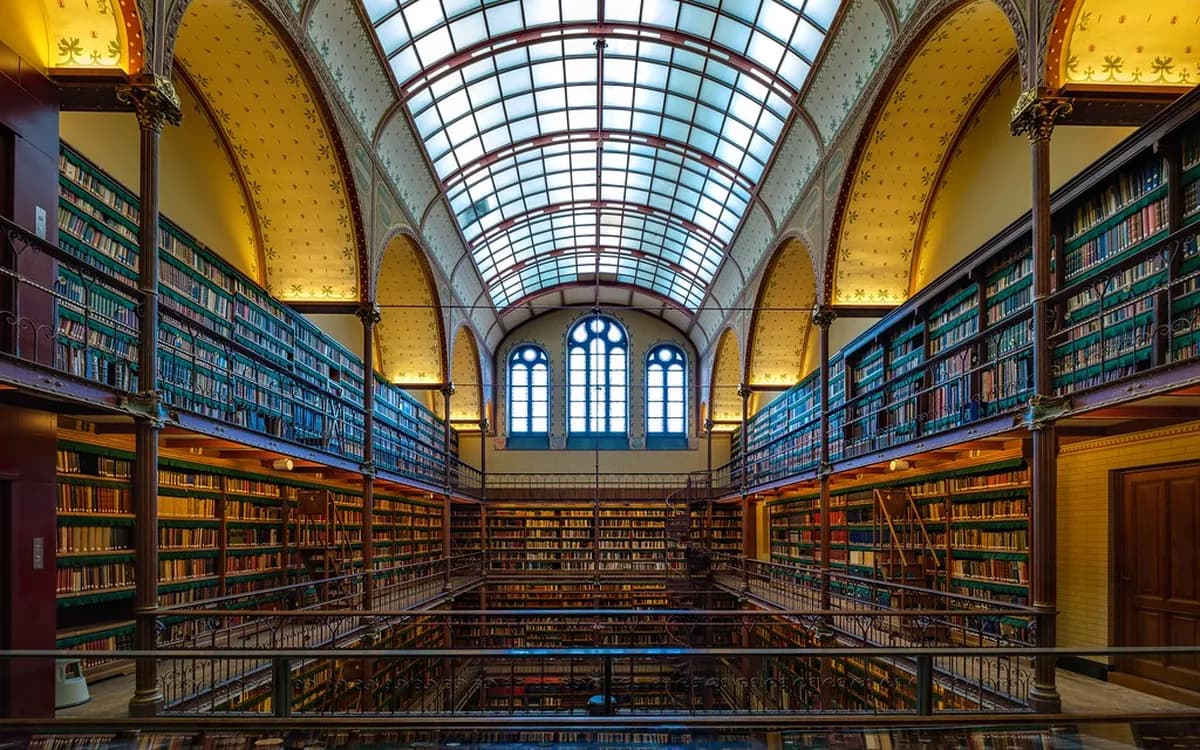
Choose the Rijksmuseum if you want Dutch Golden Age art and history: Rembrandt's The Night Watch, Vermeer's The Milkmaid, and eight centuries of Dutch objects across 80 galleries. Budget 2.5–3 hours minimum. The building itself — a 19th-century palace with a soaring glass atrium — is worth the ticket price alone. Arrive at opening (09:00) to beat the school groups that arrive after 10:00.
Choose the Van Gogh Museum if you want a single artist's complete arc from The Potato Eaters (1885) to Almond Blossom (1890). The audio guide is excellent and free with admission. It is more focused and faster — 1.5–2 hours covers it comfortably. The museum opens at 09:00 and is just 200 m from the Rijksmuseum on the same square.
If you are on a layover or arriving late in the morning, skip Museumplein entirely and walk straight to the Jordaan and Anne Frank House. The Anne Frank House provides more emotional impact per hour than any art museum and is the harder ticket to secure.
Where to Find the Best Dutch Pancakes for Lunch
Dutch pancakes (pannenkoeken) are large, thin, and savory-or-sweet — nothing like American breakfast stacks. They are a legitimate lunch food in Amsterdam, not a tourist gimmick. The best-known spot is Pancakehouse Upstairs on Grimburgwal 2: a tiny room with four tables, teapots hanging from the ceiling, and excellent traditional recipes. Reserve in advance — it fills up fast.
Closer to the Jordaan, Pancakes Amsterdam on Westermarkt (20 m from Anne Frank House) is reliable, spacious, and open late morning. The Pancake Bakery on Prinsengracht 191 is a perennial local favorite with canal-side seating and a long sweet-savory menu. Expect a short queue at both places between 12:00 and 13:30.
If you want to eat like a local rather than a tourist, stop at a street stall for raw herring (haring) instead. A herring sandwich with pickles and raw onion costs under €4 at any haring cart near the flower market or on Koningsplein. It is the Amsterdam street food experience that most first-timers skip and almost every return visitor lists as a highlight. The Albert Cuyp Markt in De Pijp is the best place for this plus fresh stroopwafels and Dutch cheese if you time your lunch break to the market neighborhood.
A Scenic Walk Through the Jordaan District
The Jordaan is where Amsterdam's 17th-century working-class character survived into the 21st century. The neighborhood runs west of the central canal ring between Prinsengracht and Lijnbaansgracht. Plan 45–60 minutes to walk it properly, more if you stop for coffee. The best entry point is Westermarkt, right beside the Anne Frank House.
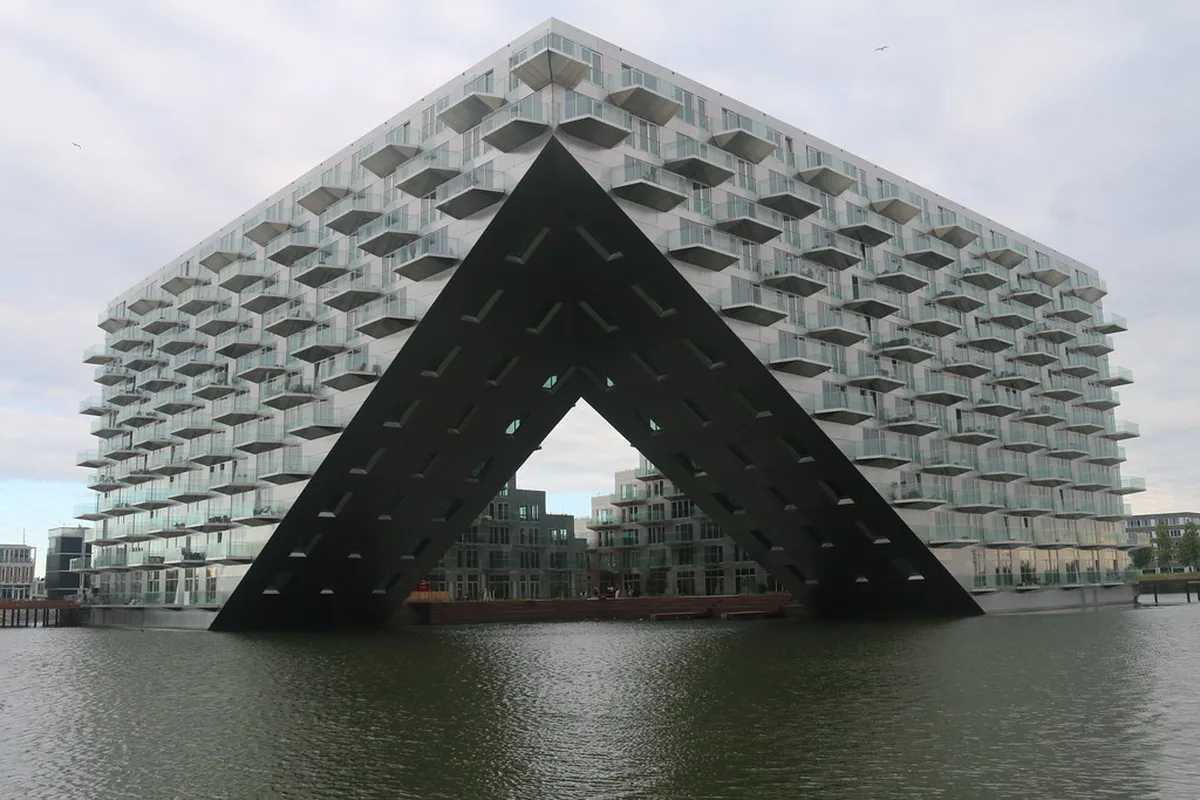
Walk north along Prinsengracht, then cut into the grid via Egelantiersgracht or Bloemgracht. These side canals have almost no tourist traffic and some of the best-preserved 17th-century facades in the city. The buildings lean forward slightly by design — the hooks at the top of each gable are used to haul furniture up the stairs, which are too narrow to carry anything wide.
The Nine Streets (De Negen Straatjes) border the Jordaan on the east side and connect Prinsengracht to Singel across three major canals. This grid of nine short streets contains independent boutiques, vintage shops, galleries, and small cafes. Herengracht running through the Nine Streets area is technically a UNESCO World Heritage Canal — part of the Grachtengordel (Canal Ring) listed in 2010. The short stretch between Leidsegracht and Vijzelstraat is nicknamed the "Golden Bend" for its exceptionally wide, wealthy merchant houses. Check the where to eat in the city guide for specific cafe stops in the Jordaan worth building into your walk.
Planning Your Visit to the Anne Frank House
The Anne Frank House on Prinsengracht 263 is the most difficult ticket to obtain in Amsterdam. There are no walk-up tickets. All entry requires an online timed reservation from the official annefrank.org website. Tickets sell out within minutes of release.
The release schedule works as follows: tickets drop every Tuesday at 10:00 AM CET for the six-week window starting approximately four weeks out. So if you plan to visit on a Saturday in late July, check the website on the Tuesday roughly six weeks before that date. Set a calendar reminder and log on at 09:55 AM CET. Last-minute slots — roughly 10% of daily capacity — are released at 09:00 AM on the day of the visit, but these are gone within seconds during peak season (April–September).
Allow at least 75–90 minutes for the visit. The house is emotionally heavy and physically demanding — narrow stairs, low ceilings, and tight passages throughout the Secret Annex. Visiting between 14:00 and 16:00 gives a slightly quieter, more atmospheric experience than the busy morning sessions. After exiting, the nearby Anne Frank statue on Westermarkt (sculptor Mari Andriessen) is worth a quiet moment before you continue.
If Anne Frank House tickets are unavailable, the Amsterdam's top museums guide covers smaller alternatives like the Jewish Historical Museum and the Dutch Resistance Museum, both of which tell overlapping stories with easier walk-in access.
Seeing the City via an Afternoon Canal Cruise
Amsterdam's canal ring earned UNESCO World Heritage status in 2010 — 165 canals totaling 100 km of waterways, lined with 1,550 bridges and roughly 2,500 historic houseboats. A canal cruise is the most efficient way to see the architecture from the right angle: the facades were built to be viewed from the water, not the road. Standard 60-minute cruises depart from multiple docks near the Damrak and from Westerkerk (near the Anne Frank House) and cost €16–€22 for adults.
For better photos and a more local experience, choose a smaller open boat over the large glass-topped tourist vessels. Smaller operators like Those Dam Boat Guys or Mokumboot run genuinely guided tours with local captains rather than recorded audio. If it rains — and Amsterdam rain arrives without warning even in June — the enclosed boats are more comfortable; book those in advance online. Open boats in rain are unpleasant and the photos are poor.
A 60-minute cruise departing around 14:00 works well within this itinerary. You finish the Jordaan walk and Anne Frank House by 13:30, cruise until 15:30, and arrive in the Jordaan or near Leidseplein in time for a pre-dinner drink. The route passes through the Brouwersgracht (considered the most beautiful canal in Amsterdam), the Golden Bend on Herengracht, and back through the Prinsengracht — the full Golden Age merchant city in under an hour.
Experiencing a Traditional Dutch Brown Café
A bruin café (brown café) is the pub format native to Amsterdam: dark wood walls, low ceilings, and a long bar serving Dutch beer, jenever (Dutch gin), and bitterballen (crispy beef croquette balls, eaten with mustard). The name comes from centuries of tobacco smoke staining the interior brown. Smoking has been banned indoors since 2008, but the atmosphere is unchanged.
The concept tied to brown cafés is gezelligheid — an untranslatable Dutch idea combining coziness, warmth, and social ease. The right brown café at 17:00 on a weekday afternoon achieves this completely. Tourist bars do not. The distinction matters: a "coffeeshop" in Amsterdam is a cannabis establishment, completely separate from a brown café. First-timers confuse these often; they are not the same thing.
Café Hoppe on the Spui (est. 1670, one of the oldest in the city) is the best-known option: standing room only most evenings, carved wooden bar, and reliably good La Chouffe on tap. For a quieter version in the Jordaan, try Café 't Papeneiland on Prinsengracht 2 — it is famous for its apple pie and has a 17th-century tiled interior. Café De Twee Zwaantjes on Prinsengracht 114 still hosts Dutch singalong evenings on weekends, a genuinely local ritual that no guidebook adequately prepares you for.
Dinner and Nightlife in the De Pijp Neighborhood
De Pijp sits south of the canal ring and east of Museumplein. The metro line M52 (Noord/Zuidlijn) connects De Pijp directly to Centraal Station in five minutes — the fastest transit link in the city. The neighborhood runs around the Albert Cuyp Markt, Amsterdam's largest outdoor market (open Monday–Saturday, 09:00–17:00). If you arrive before market close, the stalls are the best place in the city for cheap fresh stroopwafels, Dutch cheese samples, and raw herring.
For dinner, the definitive De Pijp choice is an Indonesian rijsttafel. This is a Dutch-colonial heritage feast — 15–20 small dishes (rice, curries, satay, pickled vegetables, sambal) served simultaneously at the table. The Netherlands ruled Indonesia for 350 years, and rijsttafel became embedded in Dutch eating culture in a way unmatched anywhere else in Europe. Restaurants like Blauw on Amstelveenseweg or Tempo Doeloe near Utrechtsestraat do it properly for €35–€45 per person and require an advance reservation. It is time-consuming, communal, and among the most memorable meals you can have in the city.
For something faster, the stretch of Ferdinand Bolstraat and Van Woustraat in De Pijp offers dozens of ethnic restaurants within two blocks: Ethiopian, Surinamese, Turkish, and modern European. Budget €20–€30 for a full dinner. The neighbourhood gets livelier after 21:00, with bars around Ruysdaelkade and the Heineken Experience nearby on Stadhouderskade for those who want a late activity. From De Pijp, the M52 metro or a 25-minute canal-side walk returns you to Centraal Station.
Use our Amsterdam hidden gems hub to plan the rest of your trip.
Frequently Asked Questions
Is one day in Amsterdam enough to see the main sights?
Yes, you can see the major highlights like the canals and Museumplein in one day. Focus on a single museum and a canal cruise to avoid feeling overwhelmed. Walking is the most efficient way to navigate the compact historic center.
Do I need to book Anne Frank House tickets in advance?
Absolutely, you must book these weeks ahead of your visit. Tickets are only available online and sell out almost instantly upon release. Check the official website on Tuesday mornings for the best chance at a slot.
What is the best way to get around Amsterdam in a day?
Walking is best for the canal ring, while trams are ideal for longer distances. Use OV-pay by tapping your contactless credit card on any tram or bus. This system is faster and cheaper than buying individual paper tickets.
Amsterdam is a city that rewards those who plan ahead but leave room for wandering. By following this itinerary, you can experience the perfect blend of history, art, and local culture. I hope these tips help you make the most of your limited time in this beautiful city. Remember to look both ways before crossing the bike lanes to stay safe.
Whether you are admiring the Rijksmuseum or sipping coffee in the Jordaan, the city will charm you. For more dining inspiration, check out Amsterdam Foodie - Restaurant Reviews for the latest spots. Enjoy your 24 hours in the Dutch capital and safe travels on your next journey.
Continue exploring
More guides you'll find useful