Museum Van Loon Visitor Guide: Hours, Tickets & What to Expect
Plan your visit to Museum Van Loon in Amsterdam. Get essential info on opening hours, ticket prices, location, and what to expect from this historic canal house.
On this page
Museum Van Loon Visitor Guide: Plan Your Visit to This Historic Amsterdam House
Museum Van Loon is one of Amsterdam's most atmospheric historic house museums: a 1672 canal house on Keizersgracht with period rooms, family portraits, a formal garden and a coach house still arranged as part of one private estate. It is compact, central and quieter than the city's major art museums.
This 2026 Museum Van Loon visitor guide focuses on the practical details that matter before you go: opening hours, ticket prices, transport, accessibility, best time to visit and the common planning mistakes to avoid. Pair it with nearby canal-house and cultural attractions such as Willet-Holthuysen Museum or Rembrandt House Museum if you want a fuller Amsterdam historic-house itinerary.
Museum Van Loon: Essential Visitor Information
Museum Van Loon stands at Keizersgracht 672, 1017 ET Amsterdam, in the Canal Belt. The house was designed by Adriaan Dortsman and built in 1672. Its first resident was Ferdinand Bol, a painter and Rembrandt pupil, before the Van Loon family later acquired the property in 1884.
The Van Loon family is tied to Amsterdam's merchant history through Willem van Loon, one of the co-founders of the Dutch East India Company (VOC) in 1602. Inside, that family story is shown through portraits, porcelain, silver, furniture, domestic rooms and service areas, so the appeal is strongest if you like architecture, interiors and the social world behind Amsterdam's canal houses.
Opening Hours and Best Time to Visit
Museum Van Loon opening hours are: Daily 10:00-17:00 (open 7 days a week). Closed King's Day, Christmas Day (25 Dec) and New Year's Day. The museum also closes early from 15:00 on 24 and 31 December, so check the Museum Van Loon official website before visiting around holidays.
The best time to visit is usually shortly after opening on a weekday morning. The narrow rooms and staircases are easier to appreciate when visitor flow is light, and the garden feels more peaceful before the middle of the day.
In summer and during school holidays, aim for the first or last admission window rather than the midday peak. Allow about 1 to 1.5 hours for the house, garden and coach house, and add more time if you join a guided tour.
Visit shortly after opening on a weekday morning when the narrow rooms and staircases are easier to navigate and the garden feels more peaceful.
Tickets, Admission Fees, and Guided Tours
Standard admission is €17.50 for adults. Students and CJP cardholders pay €13.50, children aged 6-18 pay €9.75, and children under 6 enter free. Groups of 10 or more pay €13.50 per person. Inside the museum, payment is by card (PIN) only - no cash.
Entry is free with the I amsterdam City Card. Free admission also applies with the Museumkaart, Stadspas, Rembrandtpas, ICOM card and MBO card. If you are using a pass, still check current conditions on the official information page before building a tight itinerary around it.
You can usually buy Museum Van Loon tickets at the door, but online booking is useful during busy visitor periods, special exhibitions and weekends. Guided tours are useful because many domestic details are easy to miss. Competitor SERP evidence mentions Dutch tours on Saturdays from 11:00 to 12:00, English tours on Sundays from 11:00 to 12:00, a €5 tour supplement, and private 50-minute tours at €95 per group plus entrance fees; verify those schedule-sensitive details directly with the museum.
| Visitor Category | Price |
|---|---|
| Adults | €17.50 |
| Students & CJP cardholders | €13.50 |
| Children (6–18) | €9.75 |
| Children under 6 | Free |
| Groups (10+) | €13.50 per person |
| Guided tour supplement | €5 |
| Private tour (50 min) | €95 per group + entry |
How to Get to Museum Van Loon
Museum Van Loon is at Keizersgracht 672, just off Vijzelstraat on the south side of the canal. The location is central but easy to overshoot because the museum looks like a grand private canal house rather than a large museum complex.
The simplest public transport route is Metro Line 52 to Vijzelgracht. From there, it is only a short walk to Keizersgracht, and this is usually the most direct option from Amsterdam Centraal, De Pijp or Amsterdam Zuid.
Tram routes along Vijzelstraat and nearby canal stops also put you within walking distance. Cycling is practical, but do not rely on parking directly outside the entrance; use a legal rack nearby and leave extra time during busy canal-side periods.
What to Expect: Highlights of the House and Garden
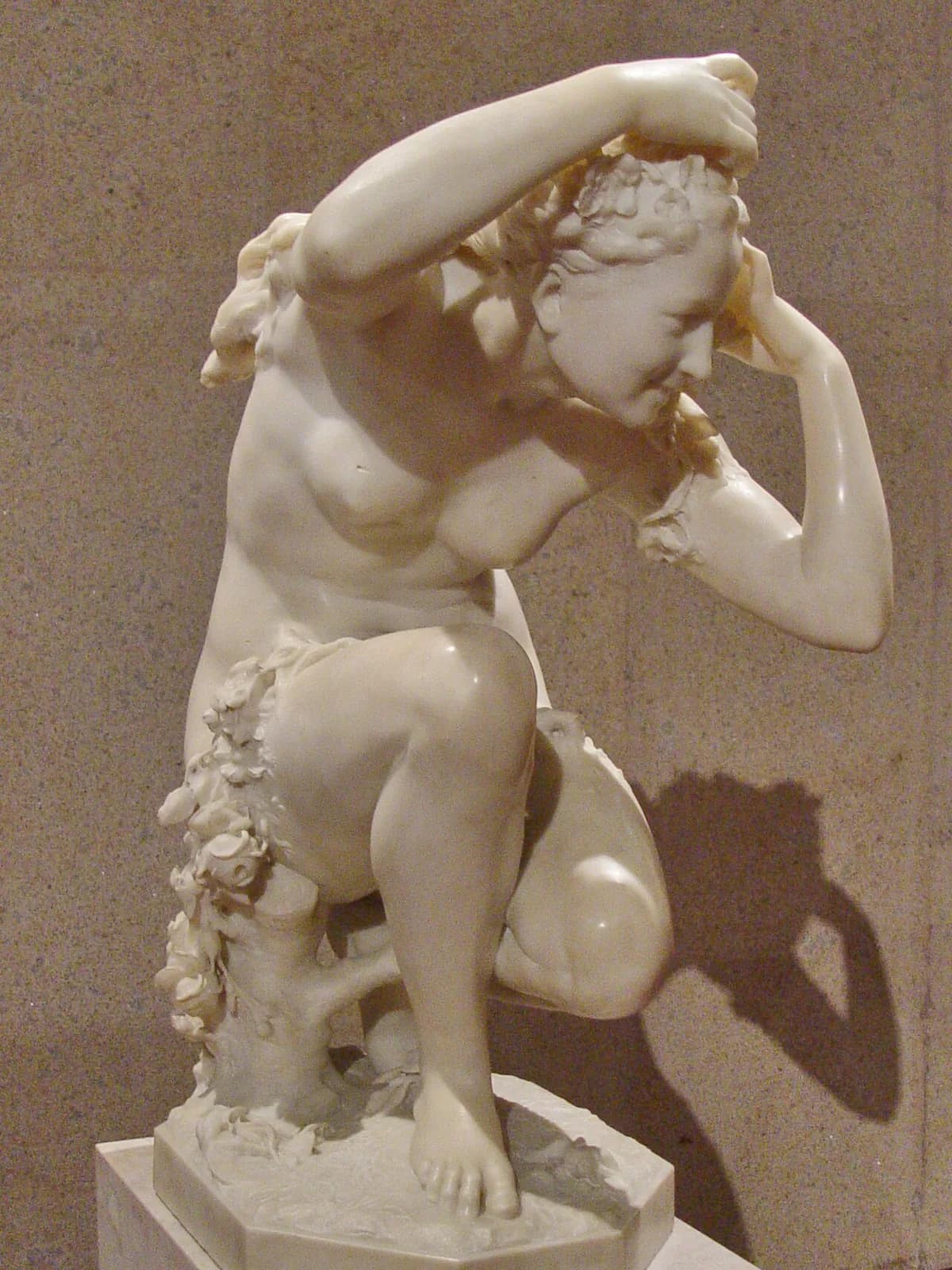
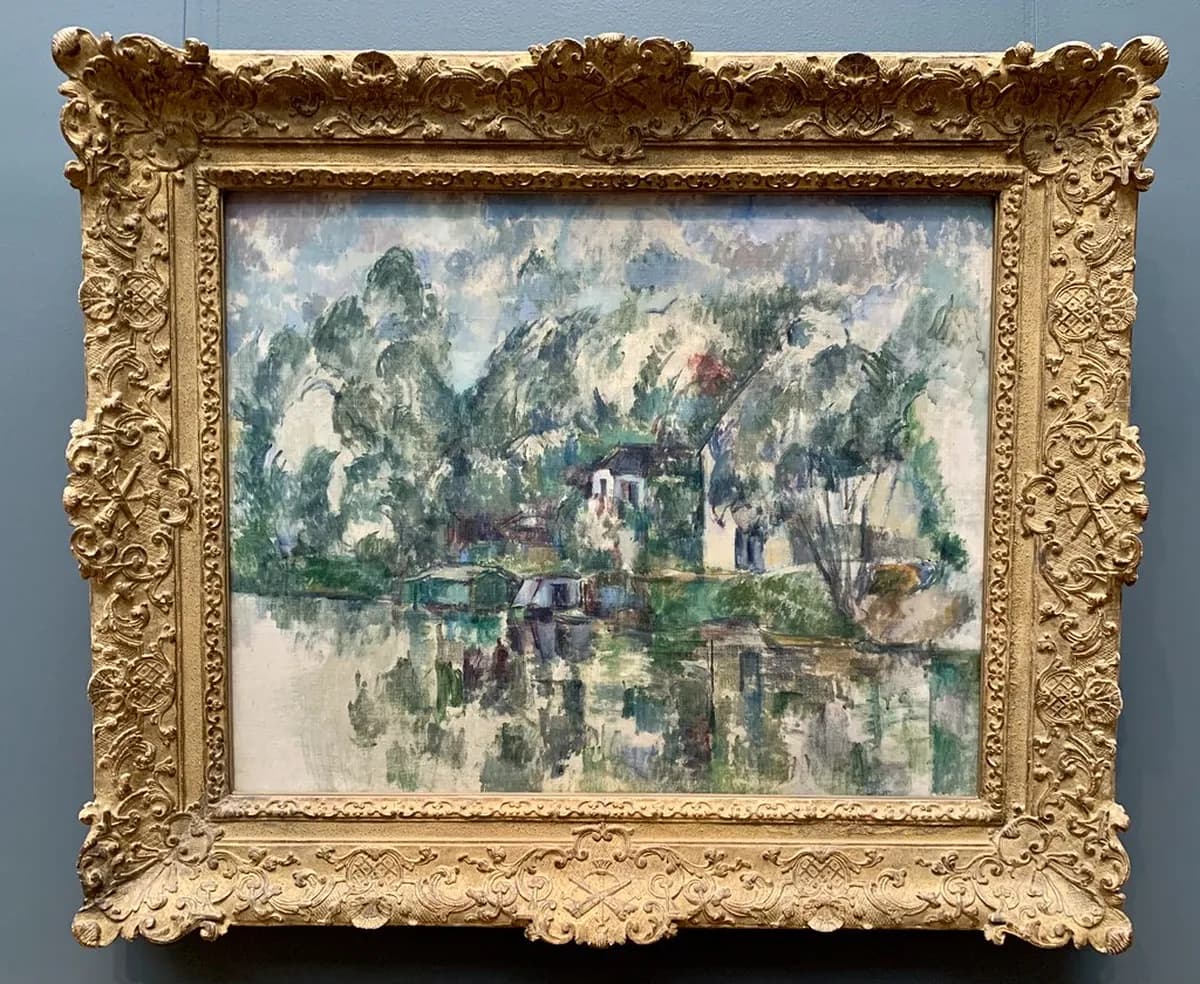
Inside Museum Van Loon, the main highlights are the furnished reception rooms, family portraits, period furniture, porcelain, silver and painted decorative details. The house gives context to how Amsterdam's wealthy merchant families received guests, displayed status and organized domestic life.
Look for the contrast between public and private spaces. The grand rooms show ceremony and wealth, while bedrooms, service areas and the kitchen make the house feel lived in. That contrast is one reason the museum is worth visiting even if you are not looking for a large art collection.
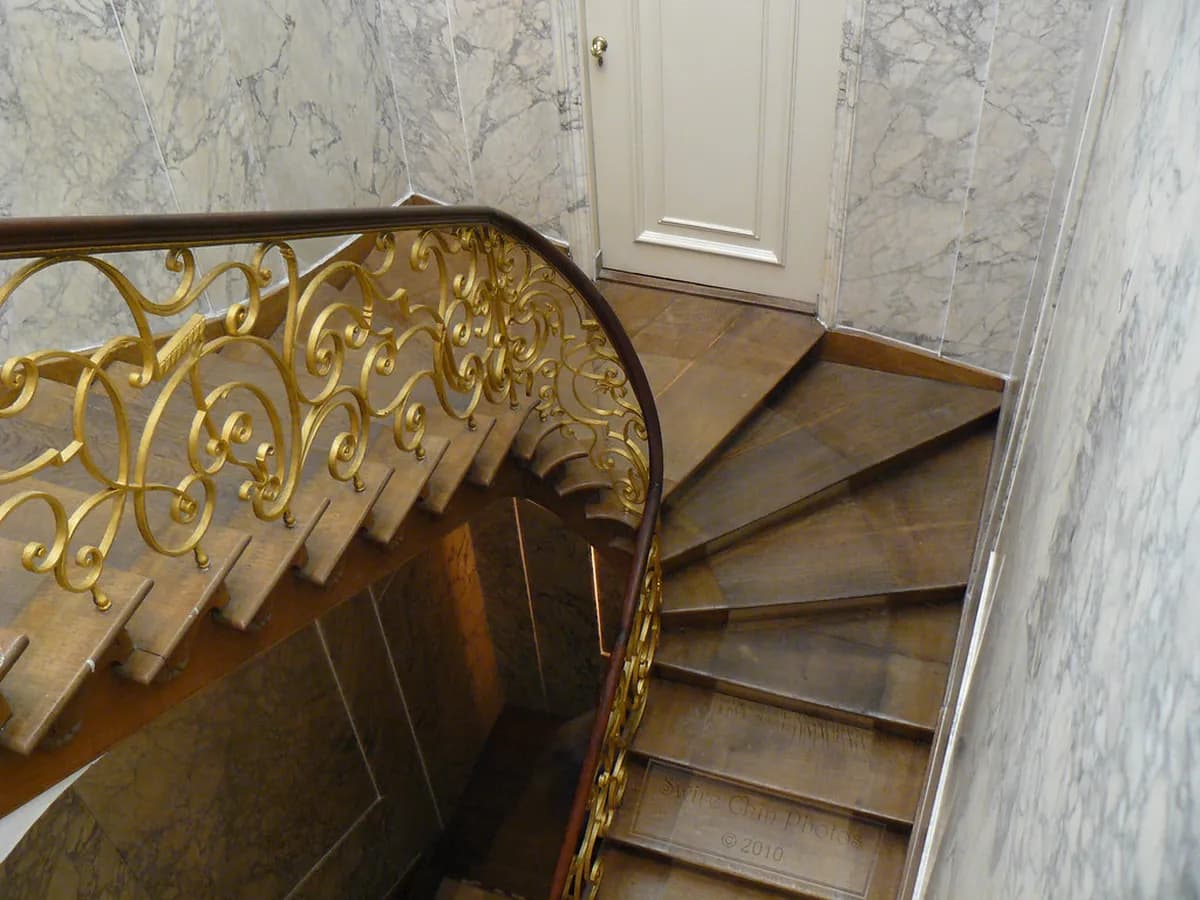
The formal garden behind the house links the main house to the coach house and gives you a rare view of the depth of a Canal Belt property. A common mistake is rushing only through the main rooms; the ceiling decoration, wall coverings, stair details and garden-facing rooms reward a slower pace.
Discovering the Coach House
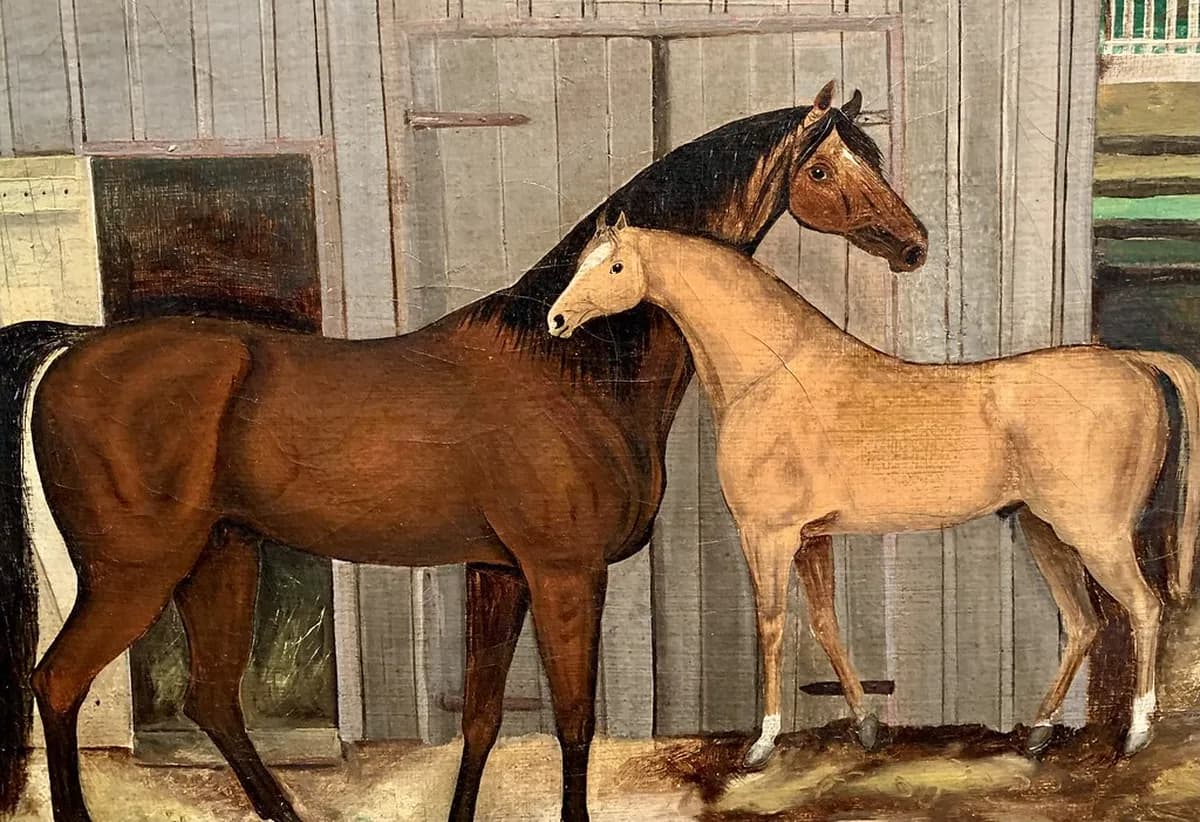
The coach house is one of Museum Van Loon's strongest differentiators. It sits behind the garden and shows that the property was not just a decorative canal house, but a working urban estate with space for horses, carriages, staff and logistics.
Historically, the coach house supported the transport and service arrangements expected by a wealthy Amsterdam family. That makes it a useful counterpoint to the elegant reception rooms, because the house's social world depended on practical spaces visitors do not always see in canal-house museums.
Today, the coach house may be used for exhibitions, events or visitor facilities depending on the program. If you are comparing Amsterdam historic houses, this combination of main house, garden and coach house pairs especially well with Willet-Holthuysen Museum.
Accessibility Information
Museum Van Loon is only partially accessible because it occupies a monumental 17th-century canal house with stairs, steps, thresholds and historic room layouts. Visitors with reduced mobility should contact the museum in advance rather than assuming the full route will be available.
The main issue is vertical circulation. Upper floors and some historic areas can be difficult or impossible for wheelchair users, and even visitors who can walk may find the staircases tiring. Wear stable shoes and avoid bulky bags.
Guide dogs are welcome. The museum also offers Open Huis, a special guided tour for visually impaired visitors, for €5 on top of admission. Because accessibility arrangements can depend on staffing, exhibitions and route changes, confirm current options before you go.
The 17th-century building has many narrow stairs and steps. Visitors with reduced mobility should contact the museum in advance to confirm what is accessible.
Nearby Attractions and Things to Do
Museum Van Loon sits in a dense sightseeing area, so it is easy to combine with other stops without crossing Amsterdam. Keep the pairings thematically tight: canal houses, art, gardens and small museums work better than trying to add every major attraction in one afternoon.
The closest match is Willet-Holthuysen Museum, another historic canal-house museum within a short walk. Seeing both helps you compare different interiors, collections and approaches to elite domestic life in Amsterdam.
Rembrandt House Museum is a stronger choice if you want to connect the house's Ferdinand Bol and Rembrandt context with a more artist-focused visit.
For a quieter contrast, add Hortus Botanicus. The Bloemenmarkt, the Amstel and Museumplein are also practical nearby add-ons, but if you only have half a day, choose one major follow-up rather than stacking too many stops.
Practical Tips for Your Visit
Plan for 1 to 1.5 hours, and slow down in the rooms instead of treating the museum as a quick photo stop. The value is in the domestic details: how the rooms connect, what the family displayed, and how the garden and coach house extend the property.
Bring a payment card. Inside the museum, payment is by card (PIN) only - no cash. This matters if you plan to buy tickets on arrival, pay a tour supplement or make a purchase at the museum.
Travel light. Historic staircases, thresholds and smaller rooms make large backpacks inconvenient, and they can also slow down other visitors. A small day bag is easier to manage.
Do not schedule Museum Van Loon immediately after a far-away timed attraction. The museum is central, but canal streets and public transport transfers can take longer than maps suggest. Check photography rules on arrival, especially for temporary exhibitions or private events.
Frequently Asked Questions
Is the Museum van Loon worth visiting?
Yes, Museum Van Loon is worth visiting if you are interested in Amsterdam canal houses, historic interiors and aristocratic family life. It offers a rare look at a preserved 17th-century house with period rooms, a formal garden and a coach house, and it is usually more intimate than Amsterdam's larger museums.
How long does it take to visit Museum Van Loon?
Most visitors spend about 1 to 1.5 hours exploring Museum Van Loon. This allows time to see the main house, walk through the garden and visit the coach house. Add extra time if you join a guided tour or want to read the room information closely.
Can you buy Museum Van Loon tickets at the door?
Yes, you can typically buy Museum Van Loon tickets at the door, but payment inside the museum is by card only. Online booking is still sensible during peak tourist periods, weekends and special exhibitions because the museum is compact.
What is the history of Museum Van Loon?
Museum Van Loon was built in 1672 by architect Adriaan Dortsman, and Ferdinand Bol was its first resident. The Van Loon family bought the house in 1884. The museum now preserves the family's portraits, furniture, silver, porcelain, garden and coach house as a record of Amsterdam elite domestic life.
What other museums are near Museum Van Loon?
Nearby museum options include Willet-Holthuysen Museum, another historic canal house, and Rembrandt House Museum for a stronger Rembrandt-era context. The Rijksmuseum, Van Gogh Museum and Bloemenmarkt are also reachable by walking or short public transport connections.
Other Patrician Houses Kept as Homes
The Van Loons were founding shareholders of the East India Company and the house is shown as a family residence rather than a set of galleries. Venice's Ca' Rezzonico is the grander Italian equivalent of the same eighteenth-century self-presentation. Milan's Museo Bagatti Valsecchi was furnished as a Renaissance house by brothers who then lived in it.
Museum Van Loon is a strong choice when you want Amsterdam history at a human scale: rooms you can understand, a family story you can follow and a garden-and-coach-house layout that shows how a Canal Belt estate actually worked.
For the smoothest 2026 visit, go early, bring a payment card, allow 1 to 1.5 hours and check official tour and holiday information before you set out. Pair it with nearby historic-house or garden attractions rather than treating it as a standalone cross-city trip.
For authoritative information, refer to the Museum Van Loon on Wikipedia.
Browse all of Amsterdam's quieter sights in our Amsterdam attractions hub.
Keep exploring beyond the headline sights with our guides to hidden gems in Amsterdam, best museums in Amsterdam, and things to see in Amsterdam.
Continue exploring
More guides you'll find useful