Willet-Holthuysen Museum Visitor Guide: Tickets, Hours & History
Plan your visit to Amsterdam's Willet-Holthuysen Museum. Discover opening hours, ticket prices, what to see, and its rich Golden Age history.
On this page
Your Essential Willet-Holthuysen Museum Visitor Guide
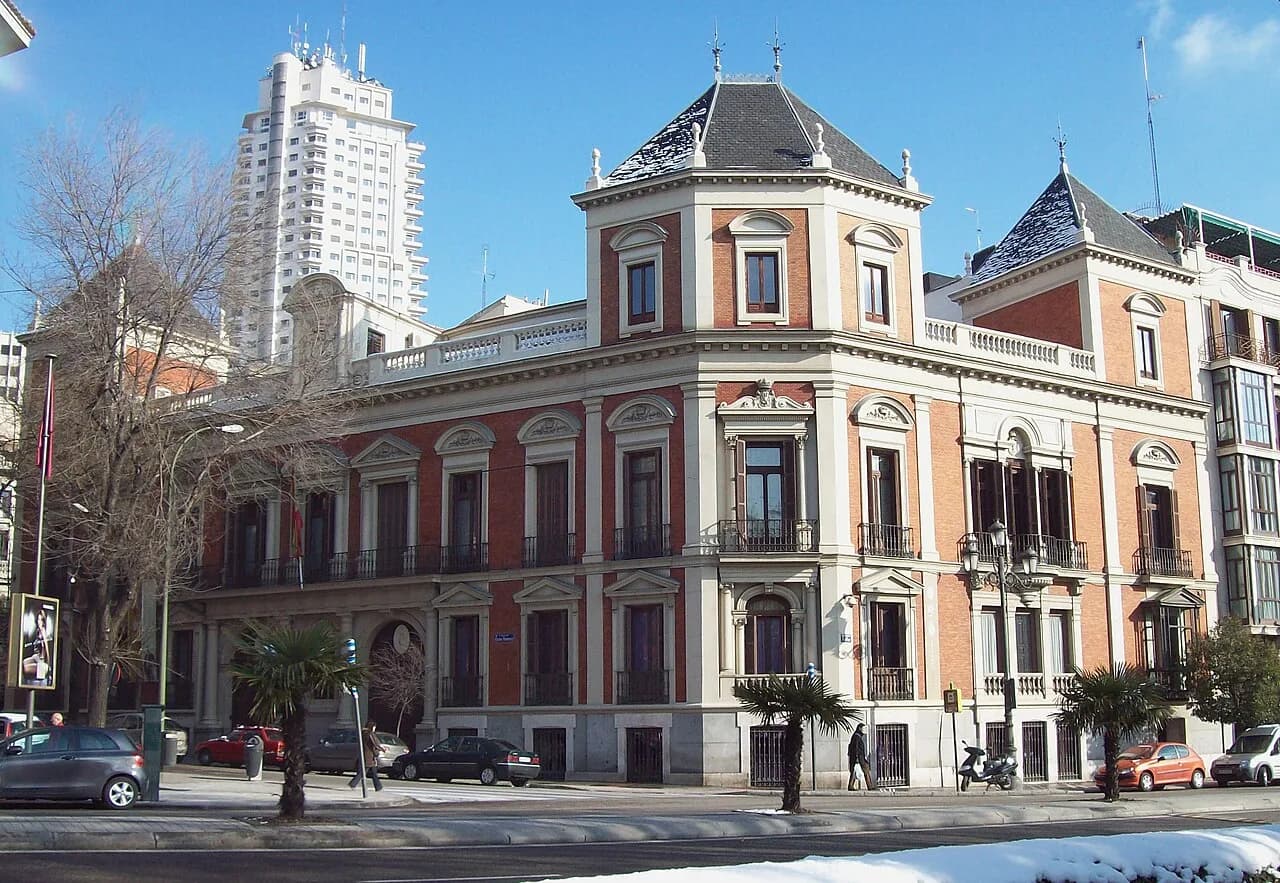
The Willet-Holthuysen Museum offers a focused look inside one of Amsterdam's grand canal houses. Set on Herengracht, the preserved residence shows how a wealthy 19th-century household lived with inherited 17th-century architecture, formal reception rooms, art, silver, ceramics, and a quiet garden behind the canal facade.
This museum is a strong choice for visitors who want a calmer alternative to Amsterdam's blockbuster museums. It works especially well for travelers interested in Dutch domestic history, decorative arts, canal-house architecture, and the social contrast between elegant rooms upstairs and service spaces below.
This 2026 museum Willet-Holthuysen visitor guide covers tickets, opening hours, what to see, accessibility, transit, nearby attractions, and common planning mistakes. Use it to decide whether the house fits your Amsterdam itinerary and how to make the most of a compact visit.
The Willet-Holthuysen Museum: A Glimpse into Amsterdam's Golden Age
The Willet-Holthuysen Museum stands as a testament to Amsterdam's prosperous 17th-century canal expansion, often called the Golden Age. The term is useful for architecture and trade history, but it also needs context: the wealth visible in canal houses was tied to global commerce, colonial networks, and deep social inequality. That tension makes the house more interesting than a simple luxury showcase.
This grand canal house, built in 1687, reflects the city's economic power and cultural ambitions. Its wide frontage on the Herengracht signaled status in a city where canal houses were famously narrow. The building is part of the UNESCO World Heritage-listed Canal Ring Area of Amsterdam, which highlights the urban planning and architectural value of the surrounding canal belt.
Exploring the museum reveals elaborate interiors, a formal French-style garden, and a sequence of rooms designed for receiving guests, displaying collections, and managing domestic work. Visitors can appreciate period furnishings, decorative ceiling paintings, porcelain, silver, glassware, and paintings while also noticing how carefully the house separated public display from private labor.
For many visitors, the appeal is scale. Unlike the Rijksmuseum or Van Gogh Museum, this is an intimate house museum where one address tells a concentrated story about money, taste, collecting, and household hierarchy in Amsterdam.
History of the Willet-Holthuysen House: From Home to Museum
The story of the Willet-Holthuysen House begins as a private residence, evolving through various wealthy owners before becoming closely associated with Abraham Willet and Louisa Willet-Holthuysen. Abraham was a collector and Louisa came from a wealthy family, and together they shaped the house into a refined 19th-century home filled with art and decorative objects.
Louisa inherited the house in 1858 and, along with Abraham, filled it with an impressive collection. Their acquisitions included paintings, furniture, ceramics, glassware, sculpture, and silver. These items now form the core of the museum's exhibits, supported by later restoration work that presents the house as a lived-in, late-19th-century residence.
Upon Louisa's death in 1895, she bequeathed the house and its entire collection to the City of Amsterdam. Her gift stipulated that it become a public museum, preserving both the building and the couple's collector identity for future visitors.
The house officially opened as a museum in 1896. Today it is best understood as a house museum rather than a broad city-history museum: the experience is about moving through rooms, noticing details, and building a picture of how elite domestic life was staged in central Amsterdam.
Planning Your Visit: Tickets, Opening Hours & Best Time to Go
Visiting the Willet-Holthuysen Museum requires some planning to ensure a smooth experience. Tickets can be purchased online in advance or at the museum entrance. Checking the Official Willet-Holthuysen Museum website is recommended for current prices and availability.
General admission costs €12.50 for adults, with free entry for children up to 17 years old. You can also book tickets through GetYourGuide for Willet-Holthuysen Museum tickets. Private guided tours are available for €83.40, excluding entrance fees, for up to 15 people.
The museum typically operates from 10:00 AM to 5:00 PM daily. However, it is always wise to confirm these hours before your visit, especially around holidays. Plan to spend about 60 to 90 minutes exploring the house and garden.
The I Amsterdam City Card offers free admission to the Willet-Holthuysen Museum. This card provides access to many attractions and public transport. Review the I Amsterdam City Card official page for benefits and purchase options. Booking an e-ticket with your City Card is a convenient way to secure your entry.
| Ticket Type | Price |
|---|---|
| Adult | €12.50 |
| Children (under 17) | Free |
| Guided Tour (private, up to 15 people) | €83.40 |
| I Amsterdam City Card | Free entry |
The best time to visit is usually a weekday morning or late afternoon, when the narrow rooms feel quieter and it is easier to pause for the audio guide. Shoulder seasons, from April to June or September to November, are also comfortable for combining the house with a canal-belt walk. In summer, arrive early if you want more space in the ballroom, salons, and garden-facing rooms.
- Book ahead if you are using a city card, because you may still need to reserve an e-ticket.
- Allow extra time if you listen to the full audio guide or read room labels closely.
- Visit on a dry day if the garden is part of your reason for coming.
- Avoid treating it as a quick photo stop; the museum works best when you slow down and follow the household story floor by floor.
The audio guide is worth using because it explains how the rooms functioned and why certain objects matter, especially in the kitchen, ballroom, and dining room.
What to See: A Tour of the Willet-Holthuysen Museum's Collections
A tour of the Willet-Holthuysen Museum reveals a carefully staged world of 19th-century luxury inside an older canal house. Each room is decorated with period furniture, art, and decorative objects, so the visit feels less like browsing cases and more like walking through a household arranged for display.
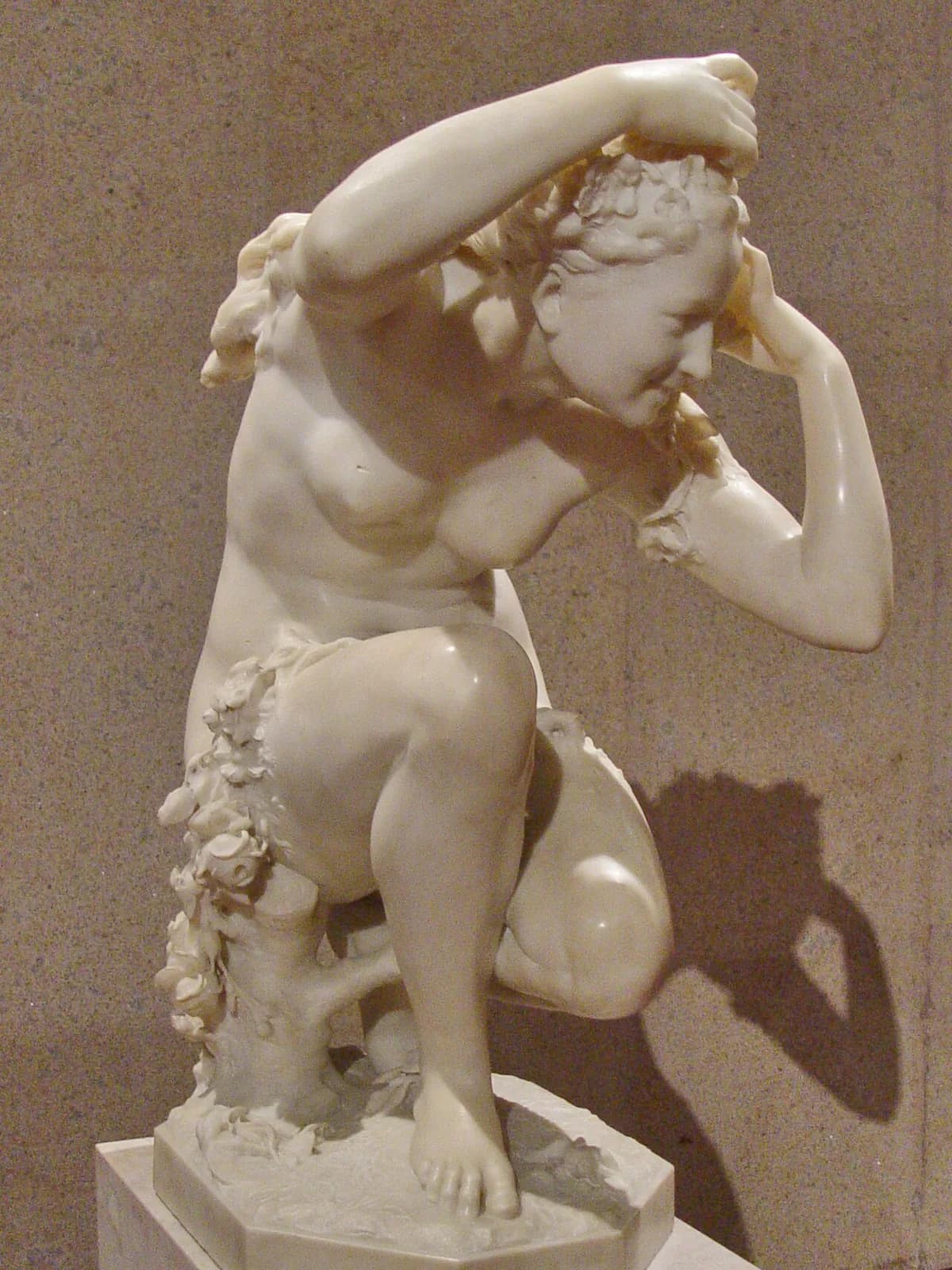
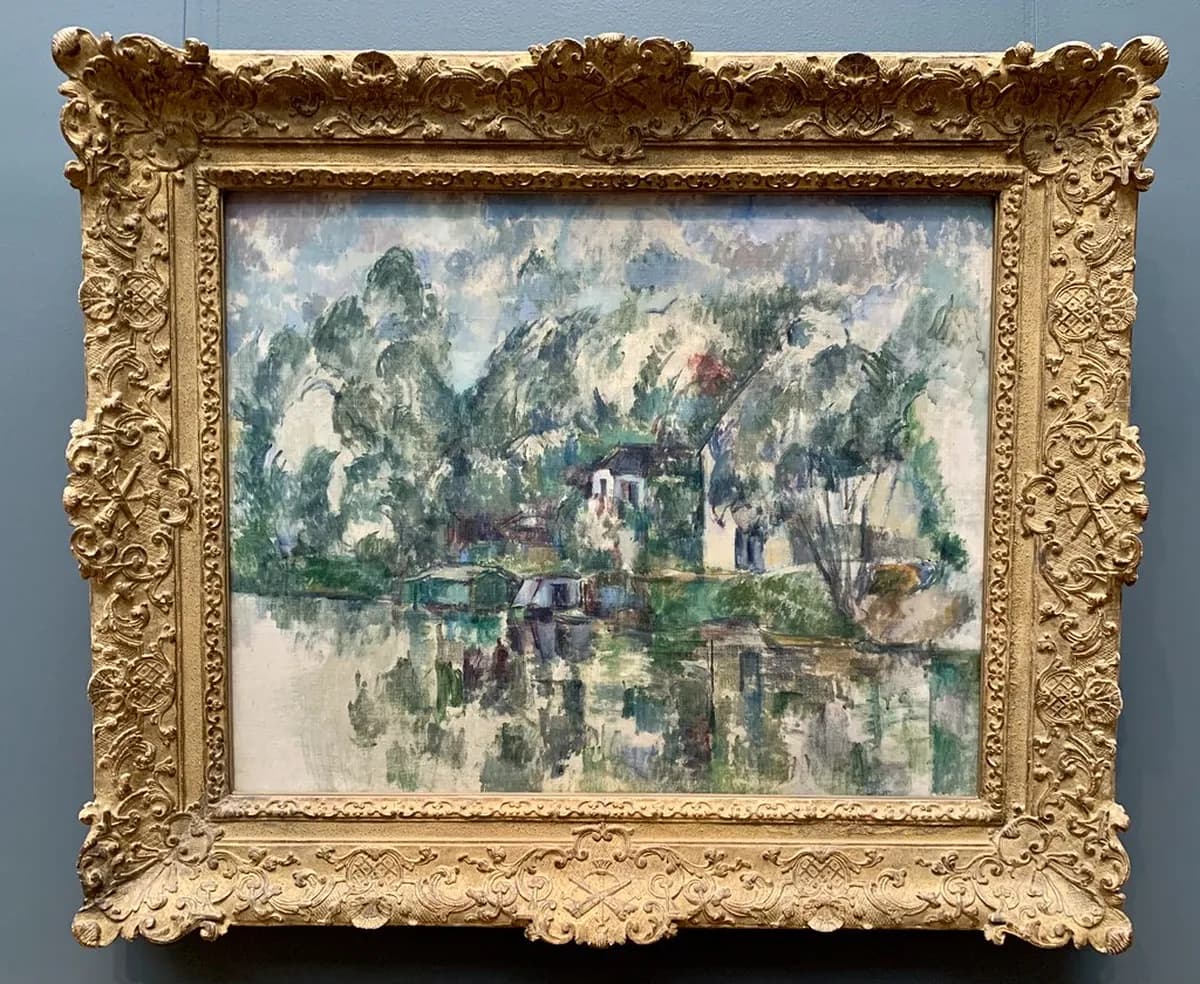
The museum's collection showcases a range of styles from the Dutch Golden Age to the 19th century. You will see porcelain, silverwork, glassware, paintings, sculpture, and furniture connected to Abraham Willet and Louisa Holthuysen's collecting habits. Look for how objects are placed in social rooms rather than isolated as standalone artworks.
Highlights include the elegant ballroom, the central hall, the dining room, the ladies' salon, the gentleman's parlour, and the garden-facing conservatory. The dining room is especially useful for understanding how hospitality, tableware, and status worked together. The parlour and salons show how the house supported gendered social spaces and art viewing.
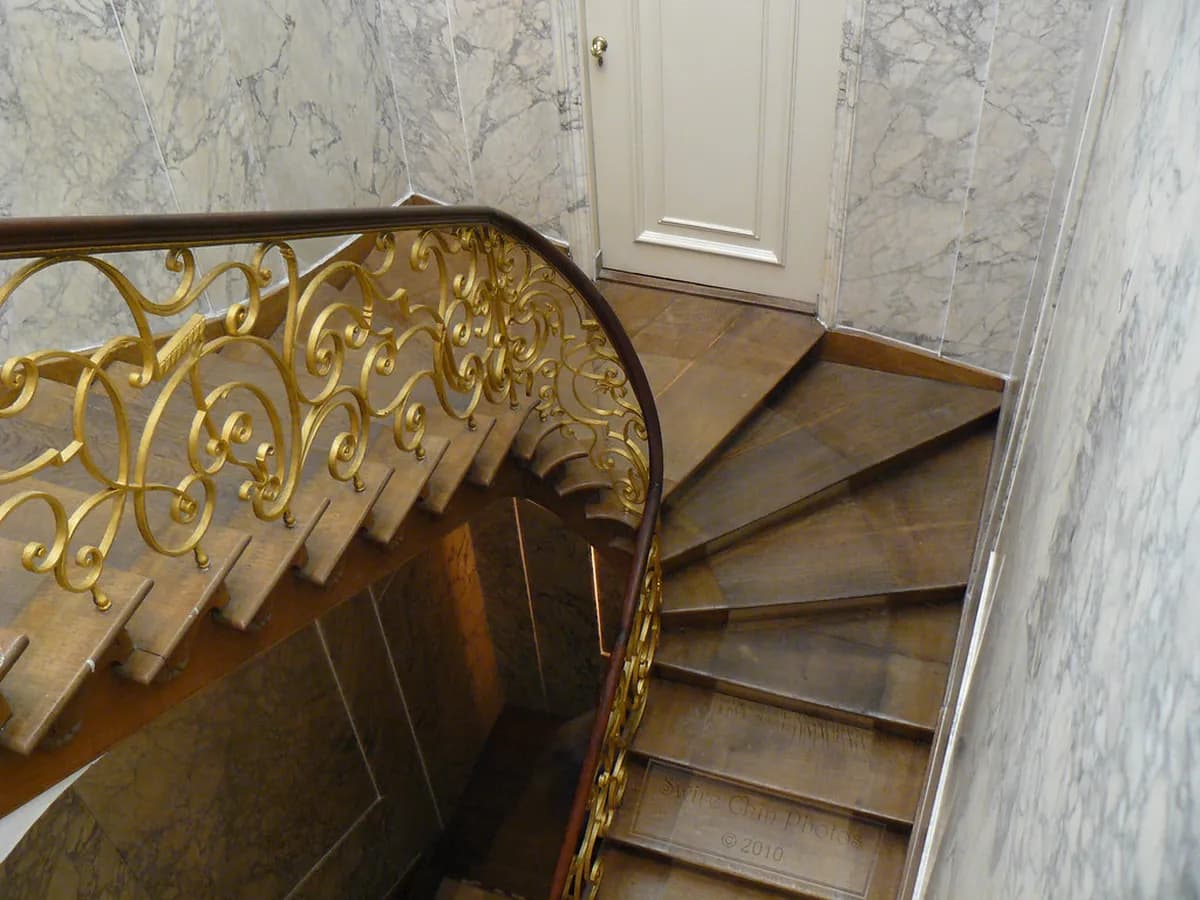
Upstairs, the bedroom, library, staircase, and collector's room shift the focus from formal entertaining to private life and personal display. The garden is another highlight: its geometric layout, gravel paths, and formal symmetry give the rear of the house a very different mood from the busy canal frontage.
The Lives of Servants: Exploring the Residence's Domestic Side
The Willet-Holthuysen Museum also offers a useful perspective on the lives of domestic staff. While the reception rooms show polished wealth, the basement and service areas point to the labor that made that lifestyle possible. This contrast is one of the strongest reasons to visit the house rather than only viewing canal architecture from outside.
Visitors can explore the historic kitchen, complete with period cooking utensils and equipment. The space illustrates the effort required to maintain a grand household: preparing meals, managing fires, carrying supplies, cleaning tableware, and supporting formal entertaining upstairs.
The service areas highlight the strict social hierarchy of the time. A pantry, kitchen, stair routes, and work spaces were essential to the house's operation, even though servants were expected to remain largely invisible during elite social life.
Understanding the roles of the domestic staff adds another layer to the museum experience. It turns the visit from a decorative interior tour into a clearer story about class, labor, and daily routines behind Amsterdam's canal-house facades.
Willet-Holthuysen Museum Reviews: What Visitors Say
Visitor reviews for the Willet-Holthuysen Museum often highlight its charm, atmosphere, and manageable size. Many people appreciate that it is quieter than Amsterdam's headline museums and that the rooms can be understood in about an hour without rushing.
Guests frequently praise the preserved interiors, the ballroom, the dining room, the audio-guide context, and the tranquil garden. Reviewers who enjoy historic homes, decorative arts, and social history tend to rate it most highly.
The museum is less ideal for visitors looking for large galleries, major-name paintings, or high-interaction exhibits. Some rooms can also feel dark or tight, which is typical of historic canal houses. This is worth knowing before bringing young children who need more space or visitors who find stairs difficult.
Overall, the museum is worth visiting if you want a compact, atmospheric house museum near Rembrandtplein and the Amstel. If you only have time for one major Amsterdam museum, choose based on your interest: Van Gogh Museum for iconic paintings, Rijksmuseum for national art and history, and Willet-Holthuysen for the lived texture of an elite canal-house interior.
Location & How to Get There
The Willet-Holthuysen Museum is conveniently located at Herengracht 605, 1017 CE Amsterdam, Netherlands. Its central position makes it easily accessible from the canal belt, Rembrandtplein, the Amstel, and the eastern side of the city center.
Public transport offers several convenient options for reaching the museum. Tram lines 4 and 14 stop near the museum at Rembrandtplein, which is a short walk away. The Waterlooplein metro station, served by lines 51, 53, and 54, is also within walking distance and works well if you are coming from Amsterdam Centraal, Amsterdam Amstel, or neighborhoods farther east and southeast.
Walking is often the most pleasant approach. From Rembrandtplein, follow the canals toward Herengracht; from Waterlooplein, allow time to cross the Amstel-side streets and continue into the canal belt. Cycling is possible, but plan where to park before arrival because canal-side bike racks can be busy.
For specific directions or inquiries, use the official website rather than relying only on map snippets. Historic-house museums can occasionally adjust access, ticketing, or room routes, so checking before you travel helps avoid common mistakes.
Nearby Attractions & Things to Do Around the Museum
The Willet-Holthuysen Museum's central location means it is surrounded by many other attractions in Amsterdam. You can easily combine your visit with other cultural sites, especially if you plan a canal-belt walk rather than moving across the whole city.
Just a short walk away is the Museum Van Loon, another preserved canal house offering a similar historical perspective. Visiting both provides an interesting comparison of wealthy Amsterdam families, though casual visitors may prefer choosing one rather than doing two house museums back to back. The Rembrandt House Museum is also nearby, offering a different kind of historic-home experience focused on an artist's working life.
For those interested in unique experiences, the Our Lord in the Attic Museum is a fascinating hidden church, while the Hortus Botanicus offers a peaceful botanical stop. These pair well with Willet-Holthuysen because they are compact, distinctive, and easy to fit into the same half day.
Other nearby cultural institutions include the Jewish Museum and the H’ART Museum, both around the eastern canal belt and Amstel area. Foam Photography Museum is also within easy reach for visitors continuing toward the southern canal ring. Consider visiting Het Scheepvaartmuseum (Maritime Museum) for a different historical focus. These locations are all within a 10-20 minute walk or short tram ride from the Willet-Holthuysen Museum.
Visitor Tips, Accessibility & Common Mistakes
The most important accessibility point is the building itself: this is a historic canal house with stairs, narrow circulation, and no modern museum layout. Wheelchair users and visitors with mobility scooters should check access details with the museum before booking, and anyone who struggles with stairs should plan conservatively.
This historic canal house is not wheelchair accessible and has many stairs with no modern museum layout. Visitors with mobility challenges should verify access details with the museum before booking.
The audio guide is worth using because it explains how the rooms functioned and why certain objects matter. It is especially helpful in the kitchen, ballroom, dining room, and collector-focused spaces, where the story can otherwise feel like a sequence of decorative rooms.
- Best for: history buffs, architecture fans, decorative-arts visitors, and travelers who like quiet house museums.
- Less suitable for: visitors who need step-free access, families seeking hands-on exhibits, or travelers who only want major-name artworks.
- Common mistake: skipping the basement kitchen and service areas, which are essential for understanding the contrast between wealth and labor.
- Photo tip: the garden and room views are atmospheric, but be considerate in narrow rooms and avoid blocking doorways.
If you are deciding between Amsterdam canal house museums, think of Willet-Holthuysen as the formal, furnished household experience; Museum Van Loon as another elite family-house comparison; and canal-focused attractions as better choices if your main interest is how the city plan and waterways developed.
Frequently Asked Questions
How much does it cost to visit Willet-Holthuysen Museum?
Admission for adults is €12.50. Children up to 17 years old can enter for free. The I Amsterdam City Card also provides free entry, offering a cost-effective way to explore many city attractions. Always check the official website for the most current pricing.
What are the opening hours for Willet-Holthuysen Museum?
The Willet-Holthuysen Museum is typically open daily from 10:00 AM to 5:00 PM. It is advisable to verify these hours on the Official Willet-Holthuysen Museum website before your visit. Special holiday hours or closures may apply.
Can I use the I Amsterdam City Card at Willet-Holthuysen Museum?
Yes, the I Amsterdam City Card grants free access to the Willet-Holthuysen Museum. This card is an excellent option for travelers planning to visit multiple museums and use public transportation. Be sure to book your e-ticket in advance.
What kind of exhibits does the Willet-Holthuysen Museum have?
The museum features period rooms furnished with 17th to 19th-century furniture, art, and decorative arts. You can explore a ballroom, dining room, kitchen, and bedrooms. A beautiful formal garden is also part of the experience, showcasing a wealthy Amsterdam lifestyle.
Other Period Rooms You Walk Straight Into
Louisa Willet-Holthuysen left the house and its contents to the city in 1895 on condition it opened as a museum, and the ballroom and garden survive as she used them. London's Dennis Severs' House pushes the idea into theatre, with meals half-eaten and candles lit. Florence's Palazzo Davanzati takes the same domestic interest back to the fourteenth century.
The Willet-Holthuysen Museum offers a captivating journey into Amsterdam's Golden Age. It provides a rare and intimate glimpse into the lives of a wealthy canal house family. The preserved interiors and serene garden are truly remarkable.
Planning your visit using this guide will help you make the most of your time. You can easily combine this experience with other nearby cultural gems. This museum is a must-see for history and art lovers alike.
Discover the elegance and history of the Willet-Holthuysen House on your next trip to Amsterdam. This unique attraction promises an enriching and memorable cultural experience. It stands as a testament to the city's enduring heritage.
For the latest official information, see the Museum Willet-Holthuysen on Wikipedia.
For more ideas around the city, see our guides to hidden gems in Amsterdam, best museums in Amsterdam, and free things to do in Amsterdam.
Continue exploring
More guides you'll find useful