14 Best Museums in Amsterdam: Tickets & Booking Tips (2026)
Compare 14 of Amsterdam's best museums, discover ticket options, and use practical booking tips to reserve popular attractions before they sell out.
On this page
14 Best Museums in Amsterdam and Essential Visiting Tips
Amsterdam has more than 70 museums, ranging from world-famous galleries to secret canal house churches. Knowing which ones reward the time investment — and which sell out six weeks in advance — is the difference between a great trip and a frustrating one. This guide was refreshed in 2026 with current ticket prices and booking windows so every detail here is accurate for your upcoming visit.
Most major institutions cluster around the Museumplein, a grassy square just south of the historic canal ring. Knowing what Amsterdam is famous for helps you understand why this compact area draws millions of visitors every year. Beyond the square, quieter neighborhoods hide some of the city's most rewarding cultural experiences.
Booking has become the most critical part of any Dutch museum itinerary. Many venues no longer sell tickets at the door, and the most popular sites can be fully reserved weeks ahead of your arrival date. This guide covers exactly when to book each museum and which pass saves you the most money.
Most Popular Museums in Amsterdam
Three museums define Amsterdam's global cultural reputation: the Rijksmuseum, the Van Gogh Museum, and the Anne Frank House. These are the institutions that every visitor asks about first, and all three require advance booking in 2026. No other city in Europe concentrates this level of artistic and historical significance into such a small area.
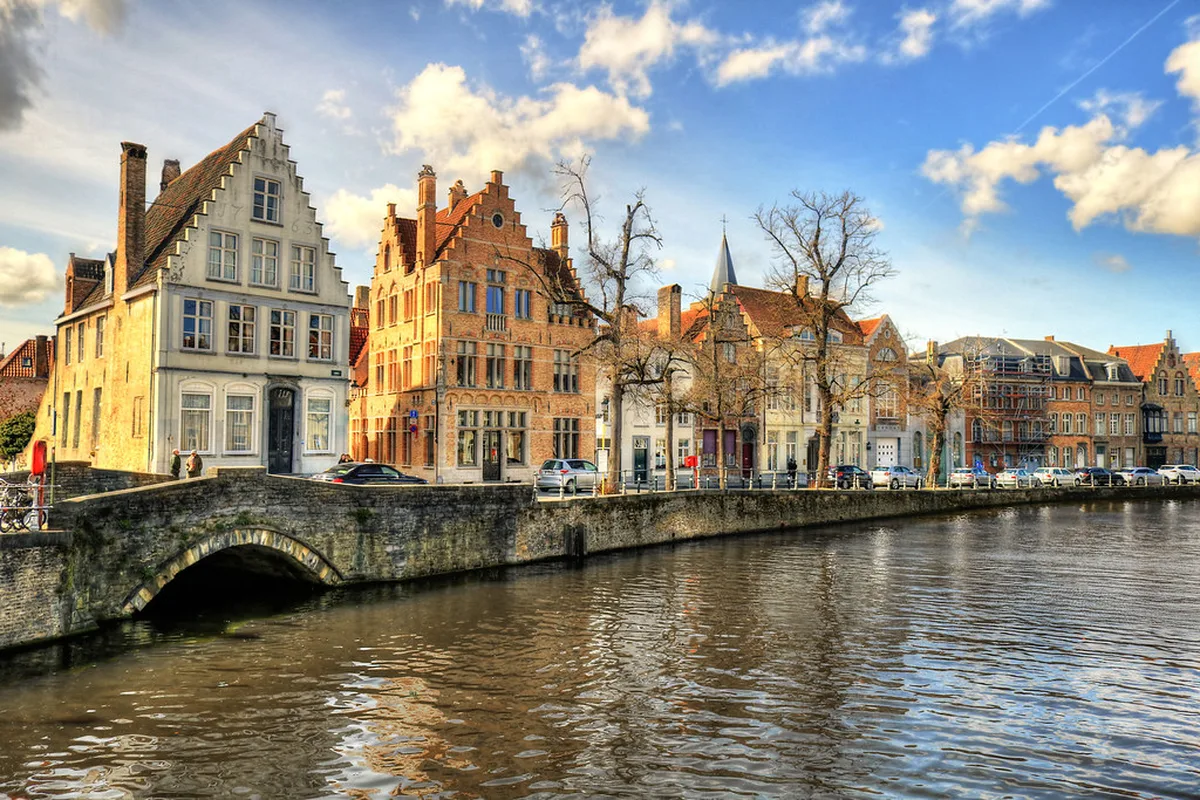
The Rijksmuseum and Van Gogh Museum stand side by side on Museumplein, making it easy to tackle both in a single day with careful planning. The Anne Frank House is a 20-minute walk north in the Jordaan neighborhood. Understanding how these three relate geographically saves considerable time when structuring your itinerary.
If you only have one day for museums, prioritize the Rijksmuseum in the morning and the Van Gogh Museum in the afternoon. Book the Anne Frank House on a separate evening slot — it is open until 22:00 on most nights, which allows you to spread the emotional weight of these two very different experiences across your trip.
Rijksmuseum: The Dutch National Treasure
The Rijksmuseum is the Netherlands' national museum and the largest art institution in the country. Its collection spans 800 years of Dutch history through paintings, sculptures, ceramics, and decorative objects housed inside a stunning neo-Gothic building. The star attraction is Rembrandt's Night Watch, but Vermeer's Milkmaid and the 17th-century dolls houses are equally worth your time.
Adult tickets cost €25 in 2026, and visitors under 18 enter free. The museum is located on the Rijksmuseum Google Maps location and is open daily from 09:00 to 17:00. Entry is also free with the I amsterdam City Card, though you still need to book a timed slot through the official website even when using the card.
Book the first morning slot if possible. The Gallery of Honour — the long central hall where the Night Watch hangs — is significantly quieter before 10:00 than it is at midday. Plan for at least three to four hours; the museum is enormous and the free app helps you navigate to the highlights without getting lost in the secondary wings.
Van Gogh Museum: The World's Largest Collection
The Van Gogh Museum tells the story of Vincent van Gogh's life through his paintings, drawings, and nearly 700 personal letters, most of them written to his brother Theo. The galleries are arranged chronologically, so you trace his artistic development from the dark tones of his Dutch period through to the vivid colors of his final years in Arles and Saint-Rémy. Masterpieces like Sunflowers, The Bedroom, and Almond Blossom are displayed alongside work by his contemporaries.
Tickets cost €24 per adult and must be booked online — the Van Gogh Museum is one of the few major Amsterdam museums excluded from the I amsterdam City Card. Under-18s enter free. The museum is on Museumplein, directly across from the Rijksmuseum, and is open daily from 09:00 to 17:00 with extended hours on Friday evenings.
Book at least three to four weeks in advance for a guaranteed slot. If you are traveling as a group of more than two people, book even earlier. The audio guide is genuinely useful here — the crowds make it difficult to linger at signage, and the guide lets you stand back and absorb each painting without competing for space near the labels.
Anne Frank House: A Vital Historical Experience
The Anne Frank House is where Anne Frank and her family hid from the Nazis during World War II, and where she wrote the diary that has since been read by millions of people worldwide. Visitors walk through the actual Secret Annexe — the narrow, cramped rooms behind the bookcase that concealed the family for over two years. The experience is profoundly moving and unlike anything else in the city.
Adult tickets cost €16 and include a mandatory audio guide. The museum is open daily from 09:00 to 22:00, which makes it one of the few major sites that works well as an evening visit. Tickets are sold exclusively online through the official website.
The critical booking detail: tickets are released every Tuesday morning at 10:00 CET for dates exactly six weeks in advance. They sell out within hours for popular summer dates. Set a calendar reminder for the Tuesday morning that corresponds to six weeks before your intended visit date, and be ready at your computer at exactly 10:00. If you miss the release window, check the site daily for any returned tickets from canceled bookings.
If you cannot secure tickets, the Dutch Resistance Museum provides a complementary and arguably broader historical context for the same period. The two museums work well as companion visits on consecutive days.
Anne Frank House tickets release every Tuesday at 10:00 CET for dates exactly six weeks in advance and sell out within hours for popular summer dates. Set a calendar reminder and be ready at the official website at exactly 10:00 to secure your spot.
Stedelijk Museum: Modern Art and Design
The Stedelijk Museum occupies a building known locally as "the bathtub" due to the white contemporary extension attached to its 19th-century facade. Inside, the collection covers modern and contemporary art from the late 19th century to today, with major works by Picasso, Mondrian, Kandinsky, and Andy Warhol alongside striking recent installations. The design wing is particularly strong and often overlooked by visitors who come only for the painting galleries.
Adult entry costs €22.50 and is free with the I amsterdam City Card. The museum is at the Stedelijk Museum Google Maps location on Museumplein, open daily from 10:00 to 18:00. Unlike the Rijksmuseum and Van Gogh Museum, you generally do not need to pre-book a timed slot for the permanent collection, though temporary exhibitions sometimes require advance reservations.
The Stedelijk is considerably less crowded than its neighbors on Museumplein, with spacious high-ceilinged rooms that make it a genuinely pleasant experience. Visit it immediately after the Van Gogh Museum — the contrast between the intimate biographical intensity of Van Gogh and the open, reflective space of the Stedelijk makes for a satisfying afternoon combination.
NEMO Science Museum: Interactive Fun for Families
NEMO is Amsterdam's premier destination for families with children under 12. Housed in a giant green hull-shaped building near Centraal Station, the museum offers five floors of hands-on science experiments, workshops, and live demonstrations. Adults find plenty to engage with too, but the space is specifically designed around learning by doing.
Tickets cost €21.50 per person and are free with the I amsterdam City Card. The museum is open Tuesday through Sunday from 10:00 to 17:30. Book in advance, especially at weekends and during Dutch school holidays when demand is highest. The building is a 14-minute walk or bus ride from Centraal Station.
The rooftop terrace is free to the public regardless of whether you have a museum ticket. It offers one of the best panoramic views over Amsterdam's old harbor and the canal ring, and it doubles as a wading pool area in summer. Even if NEMO is not on your museum list, the rooftop alone is worth the walk on a clear day.
National Maritime Museum (Het Scheepvaartmuseum)
The National Maritime Museum explores 500 years of Dutch naval history from a 17th-century naval storehouse on the edge of the eastern docklands. The exhibits include ship models, historic maps, navigation instruments, and accounts of the Dutch East India Company's global trading network. On sunny days, the light through the glass roof of the central courtyard creates a remarkable atmosphere.
Adult admission is €18.50 and the museum does not require a timed entry reservation. It is open daily from 10:00 to 17:00 and is free with the I amsterdam City Card. The building is a short walk from NEMO, making these two museums a natural pairing for a family day in the eastern harbor area.
The primary reason to visit is the full-scale replica of the 18th-century Dutch East India Company ship Amsterdam. Families can explore the cargo holds, the captain's quarters, and the lower decks exactly as they would have looked on a voyage to Asia. Children in particular find this far more engaging than a conventional gallery, and it typically holds their attention for 45 minutes to an hour on its own.
Dutch Resistance Museum (Verzetsmuseum)
The Dutch Resistance Museum is the best choice for history visitors who want a broader and more nuanced WWII narrative than the Anne Frank House provides. Where the Anne Frank House tells one family's story with enormous intimacy, the Verzetsmuseum examines the full range of choices that ordinary Dutch people made under Nazi occupation — from active resistance to collaboration to silent compliance. The moral complexity of the displays is genuinely thought-provoking.
Tickets cost €16 and the museum is located at the Verzetsmuseum Google Maps coordinates in the Plantage neighborhood. Opening hours are Monday to Friday 10:00 to 17:00, weekends 11:00 to 17:00. There is no need to pre-book a timed slot. Entry is free with the I amsterdam City Card.
The Plantage district where the museum stands was one of Amsterdam's major Jewish quarters before World War II. The nearby National Holocaust Museum and the Jewish Museum are natural companions for a full day in this area. If you have already visited the Anne Frank House, the Verzetsmuseum adds essential context; if you could not get Anne Frank House tickets, it works equally well as a standalone history visit.
Foam Photography Museum: Contemporary Visuals
Foam is Amsterdam's leading photography museum, housed in a beautiful canal house on the Keizersgracht in the southern canal ring. The exhibitions rotate every two to four months, covering photojournalism, fashion photography, documentary work, and experimental visual art. Because the program changes so frequently, it is worth visiting even if you have been before.
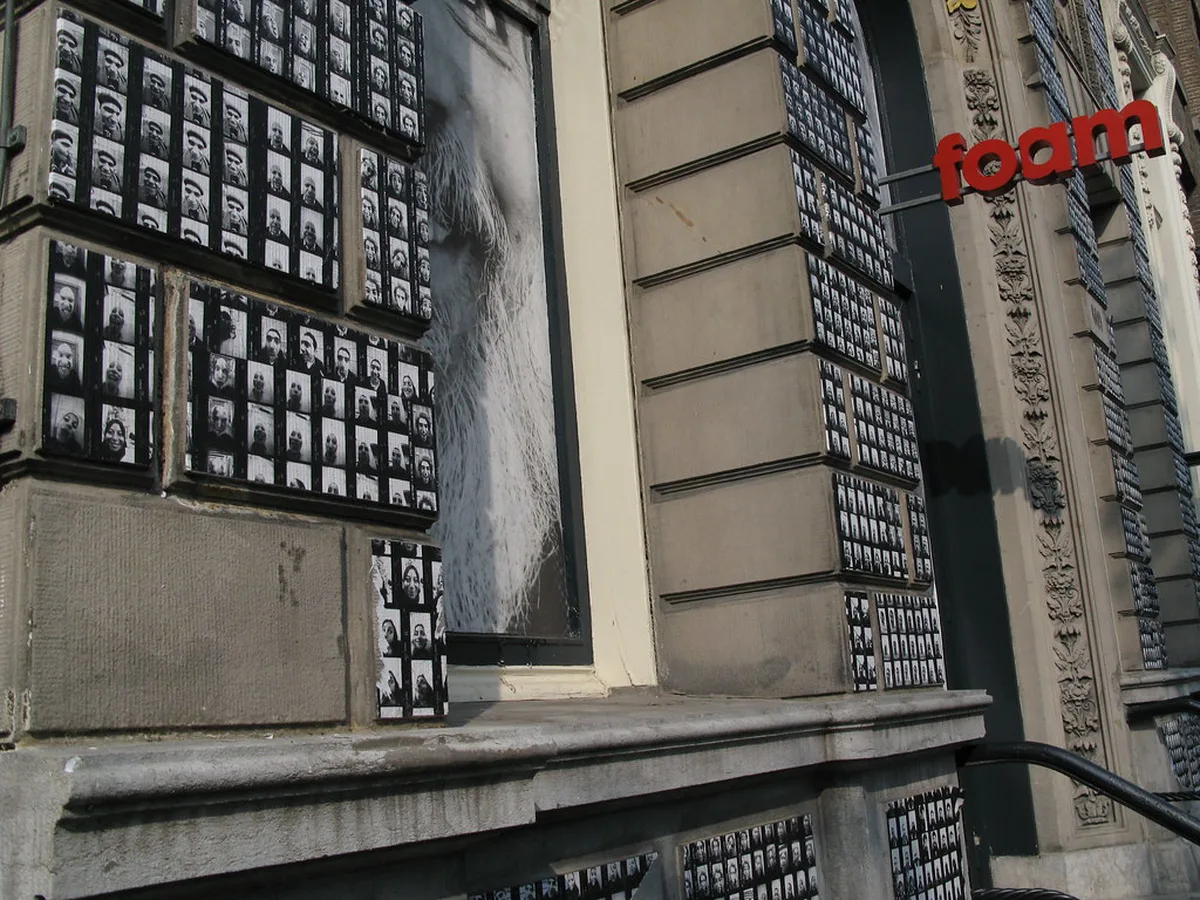
Adult tickets cost €16 and the museum is open daily from 10:00 to 18:00. On Thursday and Friday evenings it stays open until 21:00, offering a quieter alternative to the daytime crowds. Entry is free with the I amsterdam City Card.
Foam is the top choice for visitors primarily interested in contemporary visual culture rather than historical collections. It pairs well with a walk along the Keizersgracht and the neighboring Herengracht canal belt — both the KattenKabinet and the Museum of the Canals are within a five-minute walk, making this a natural cluster for an afternoon in the southern canal ring.
Museum of the Canals (Grachtenmuseum)
The Museum of the Canals is the best introductory museum for understanding Amsterdam's unique urban geography. Set in a canal house on the Herengracht, the 45-minute audio and video tour explains how the 17th-century canal ring was engineered, why Amsterdam's houses tilt slightly forward, and what lies underneath the city's picturesque facades — millions of wooden piles driven into the marshy ground.
Tickets cost €17.50 per adult and the museum is open Tuesday through Sunday from 10:00 to 17:00. It is free with the I amsterdam City Card. The entire museum is wheelchair accessible, which makes it a notable exception among Amsterdam's canal house museums, where steep and narrow staircases are the norm.
Visit this museum early in your trip rather than at the end. Understanding the canal ring's engineering makes every subsequent walk through the city more interesting. First-time visitors who start here report that the city makes considerably more sense when they step outside afterward.
Our Lord in the Attic Museum
The Our Lord in the Attic Museum (Museum Ons' Lieve Heer op Solder) conceals a remarkably well-preserved Catholic church inside the upper floors of a 17th-century canal house. The church was built in the 1660s when public worship of any faith other than Protestantism was prohibited in Amsterdam. From the street it is indistinguishable from its neighbors — which is the entire point.
Adult entry is €16.95 and the museum is located in the oldest part of the city near the Red Light District, less than 10 minutes' walk from Centraal Station. Opening hours are Monday to Saturday 10:00 to 18:00, Sundays 13:00 to 18:00. Entry is free with the I amsterdam City Card.
The stairs are extremely steep and narrow throughout the building, which makes it unsuitable for visitors with limited mobility. For those who cannot manage the stairs, the museum offers a co-visit option: a guide carries a phone through the building while you take a virtual tour together from the ground floor. Book this accessibility option in advance through the official website.
The Cat Cabinet (KattenKabinet)
The KattenKabinet is a small, quirky museum in a grand 17th-century canal house on the Herengracht, dedicated entirely to the role of cats in art and cultural history. The collection includes paintings, sculptures, posters, and vintage advertisements by artists including Picasso, Rembrandt, and Toulouse-Lautrec — all featuring feline subjects. Several resident cats roam the galleries, competing with the artwork for attention.
Entry costs €12.50 per adult, with a 25% discount available with the I amsterdam City Card. The museum is open daily except Mondays from 12:00 to 17:00. No advance booking is required — you can generally walk in without a wait. Plan for about 20 minutes; it is a niche stop rather than a half-day commitment, but the canal house setting is beautiful and the Golden Bend section of the Herengracht just outside is worth pausing to photograph.
Amsterdam City Archives: A Hidden History Gem
The Amsterdam City Archives occupy the monumental De Bazel building, originally constructed as a bank headquarters in the early 20th century. The vault now holds a permanent exhibition on the history of Amsterdam illustrated with photographs, maps, and objects drawn from the archive's collection. The architecture alone — particularly the safety deposit rooms with their original fittings — justifies the visit.
The permanent exhibition in the vault is free to visit. Special temporary exhibitions carry a ticket fee of around €10. The archives are open Tuesday through Friday 10:00 to 17:00 and weekends 12:00 to 17:00. Check the Amsterdam City Archives official website for the latest rotating displays before your visit.
The building sits between Muntplein and the Rijksmuseum, a 10-minute walk from either. It pairs naturally with a visit to the Golden Bend section of the Herengracht nearby. For visitors who want historical depth without paying another museum admission fee, this is the best free stop in the city center.
Rembrandt House Museum
The Rembrandt House Museum occupies the actual 17th-century home and studio where Rembrandt van Rijn lived and worked for nearly 20 years. The house in the Jodenbuurt neighborhood has been restored to its condition during Rembrandt's residency, including his studio with the original northern light he depended on for his work. Adult tickets cost approximately €19 and the museum is open daily from 10:00 to 18:00.
The highlight is the etching demonstration held multiple times throughout the day. Staff demonstrate exactly how Rembrandt created his intaglio prints, using period-appropriate equipment to pull prints from an etching plate. It is a genuinely illuminating 20-minute session that makes his technical mastery concrete rather than abstract.
Moco Museum: Street Art and Modern Icons
The Moco Museum is a private museum on Museumplein focused on subversive and iconic contemporary art, with a permanent Banksy room and rotating works by Yayoi Kusama, Andy Warhol, and Salvador Dali. It is the most accessible museum on this list for visitors who typically find art galleries intimidating — the work is visually striking, often deliberately provocative, and designed to be photographed.
Tickets range from €20 to €25 depending on the season and time of day. The museum is open daily from 09:00 to 20:00, staying open two to three hours later than the neighboring Rijksmuseum and Van Gogh Museum. Book an early morning slot to experience the digital immersive rooms before the midday crowds arrive. Photography without flash is permitted throughout.
Museumplein Strategy: Visiting the Big Three Without Burnout
| Museum | Area | Known for | Ticket Price (Adult) |
|---|---|---|---|
| Rijksmuseum | Museumplein | Rembrandt's Night Watch, Dutch masterpieces, 800 years of history | €25 |
| Van Gogh Museum | Museumplein | World's largest Van Gogh collection, Sunflowers, The Bedroom | €24 |
| Stedelijk Museum | Museumplein | Modern and contemporary art, design, Picasso, Mondrian | €22.50 |
| NEMO Science Museum | Centraal Station | Hands-on science experiments, interactive workshops | €21.50 |
| Anne Frank House | Jordaan | WWII history, Secret Annexe, original diary setting | €16 (with audio guide) |
| Foam Photography Museum | Keizersgracht | Contemporary photography, rotating exhibitions, photojournalism | €16 |
The Rijksmuseum, Van Gogh Museum, and Stedelijk Museum are all within a 10-minute walk of each other on Museumplein. Visiting all three in a single day is feasible, but most visitors find that "museum fatigue" sets in after six to seven hours. The key is to sequence them correctly and protect your energy between visits.
Start at the Rijksmuseum at 09:00 when it opens. Spend three hours on the highlights: the Gallery of Honour, the Night Watch, and the Delftware ceramics. Leave by 12:00 and take a proper lunch break — sit in the park or eat at a nearby cafe rather than the museum restaurant, which is busy and overpriced at midday. Enter the Van Gogh Museum at 14:00 for a two-hour visit. Finish the day at the Stedelijk, which closes at 18:00 and is noticeably quieter in the late afternoon.
The Stedelijk is often the best museum of the three for visitors experiencing it fresh. Its large, open rooms and contemporary collection feel like a visual palate cleanser after the intensity of the first two. If you only have time for two out of three, drop the Stedelijk and save it for a return visit — the Rijksmuseum and Van Gogh are genuinely irreplaceable while the Stedelijk has strong peers in other European cities.
Eye Filmmuseum: The Best Museum You Reach by Ferry
The Eye Filmmuseum sits across the IJ river from Centraal Station in Amsterdam Noord, and it is one of the city's most underrated cultural institutions. The free Buiksloterweg ferry from the pier behind Centraal Station reaches the Eye in five minutes, making it one of the easiest museums to reach despite being off the standard tourist circuit. The futuristic white building is impossible to miss from the water.
The permanent collection explores film history through vintage cameras, projectors, and an interactive video wall covering over 100 years of film. There are also four cinema screens showing classics and new releases, plus regular temporary exhibitions. Permanent collection entry is €16 or free with the I amsterdam City Card; cinema tickets are priced separately.
The Eye's cafe is one of the best in Amsterdam: floor-to-ceiling windows face the IJ river, and there is a large terrace for sunny days. This makes the Eye an excellent choice for a museum day when Museumplein feels overcrowded or when you want to break the routine of the canal ring. Pair it with a walk into Amsterdam Noord — the Ndsm Wharf area is a 10-minute ferry ride further along the waterfront and has developed into one of the city's best street-art and creative districts.
Discover Amsterdam with the City Card
The I amsterdam City Card is the most popular tourist pass in the city. It covers entry to over 70 museums, includes one canal cruise, and provides unlimited use of GVB public transport (bus, tram, and metro within Amsterdam). Cards are available for 24, 48, 72, 96, or 120 hours at prices ranging from €65 to €135 in 2026.
The card pays for itself if you visit at least two to three museums per day during its validity window. Two important exclusions to note: the Van Gogh Museum and the Anne Frank House are not covered. You will still pay separately for both of those. Even with the City Card, most museums require you to book a timed entry slot in advance through the official website — the card does not function as a walk-up pass at busy venues.
If you plan to use the card across multiple days, buy the 72-hour or 96-hour version rather than purchasing two consecutive 24-hour cards. The transport inclusion is particularly valuable for reaching the outer museums like the Dutch Resistance Museum in Plantage or the Eye Filmmuseum in Amsterdam Noord without paying individual tram fares. Digital versions of the card are available through the official app.
The Museumkaart annual pass (€75) grants unlimited access to hundreds of museums across the entire Netherlands. For multi-city trips visiting Utrecht, The Hague, or other Dutch cities, the Museumkaart often provides better value than the Amsterdam City Card, especially when visiting more than four museums total.
Museumkaart vs City Card: Which Pass Is Worth It?
The Museumkaart is a separate annual pass designed primarily for Dutch residents. It costs approximately €75 and grants unlimited access to hundreds of museums across the entire Netherlands. A tourist version exists but it is valid for only five museum visits within 31 days — after which it expires regardless of how many visits remain.
For most visitors on a standard city break, the City Card is the better choice: it bundles transport, covers a broad range of Amsterdam museums, and is sold in time-based increments that match short stays. The Museumkaart becomes the superior option only if you plan to combine Amsterdam museums with day trips from Amsterdam to other Dutch cities — it covers institutions like the Centraal Museum in Utrecht or the Mauritshuis in The Hague, which the City Card does not.
If you intend to visit Utrecht on a day trip, the Museumkaart covers both the Centraal Museum and the Museum Speelklok (a remarkable collection of self-playing musical instruments), making it easily cost-effective for two-city itineraries. Calculate your expected entry fees for both cities before choosing — if you are visiting more than four non-Amsterdam museums, the Museumkaart typically wins on value.
Combine this with our main Amsterdam hidden gems guide for a fuller itinerary.
Frequently Asked Questions
How far in advance should I book Anne Frank House tickets?
You should book exactly six weeks in advance. Tickets are released every Tuesday at 10:00 AM CET. They often sell out within hours for popular summer dates.
Which Amsterdam museums are free to visit?
The Amsterdam City Archives treasure room is free to enter. You can also visit the rooftop terrace at NEMO for views. Most other major museums require a paid ticket.
How much time should you plan for the Rijksmuseum?
Plan for at least three to four hours for a standard visit. This allows you to see the Gallery of Honour and the research library. Large groups may need more time.
Amsterdam remains one of the world's greatest museum cities, offering everything from Golden Age masterpieces to interactive science floors and a hidden attic church. By booking your tickets in advance — particularly for the Anne Frank House six weeks out and the Van Gogh Museum three to four weeks out — you protect your itinerary from the most common planning failure. Use the City Card to bundle transport and museum entry, and save the Eye Filmmuseum and the Dutch Resistance Museum for days when the Museumplein crowds feel overwhelming.
Whether you are visiting for 3 days in Amsterdam or a longer stay, prioritize the museums that match your interests over trying to see everything. The city's cultural depth guarantees that every visit reveals something new about the Dutch spirit.
Continue exploring
More guides you'll find useful