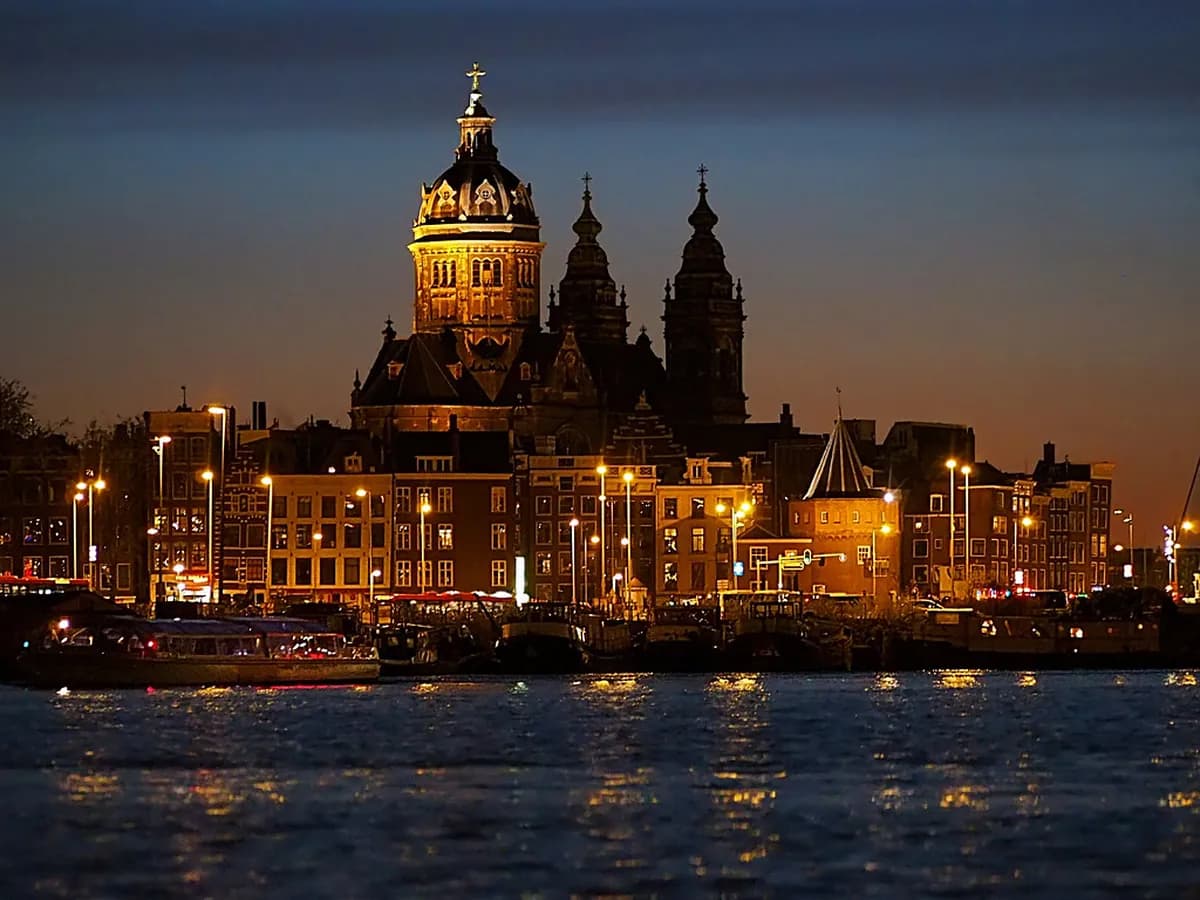
Amsterdam Red Light District: Complete Guide to De Wallen
Explore the Amsterdam Red Light District (De Wallen) with our expert guide. Includes essential do's and don'ts, safety tips, history, and how to visit respectfully.
On this page
Amsterdam Red Light District: Complete Guide to De Wallen
The Amsterdam Red Light District is one of the most visited and most misunderstood neighborhoods in Europe. Known locally as De Wallen, it draws millions of tourists each year — yet most arrive without knowing what to actually expect or how to behave.
Many travelers visit to see what Amsterdam is famous for beyond its canals. What they find is a neighborhood that is simultaneously a legal sex-work district, a medieval heritage site, a residential community, and a busy city center — all compressed into a few narrow streets.
This guide covers the history, the exact location, the strict etiquette rules, and the practical details that will make your visit respectful and worthwhile in 2026.
What is the Amsterdam Red Light District (De Wallen)?
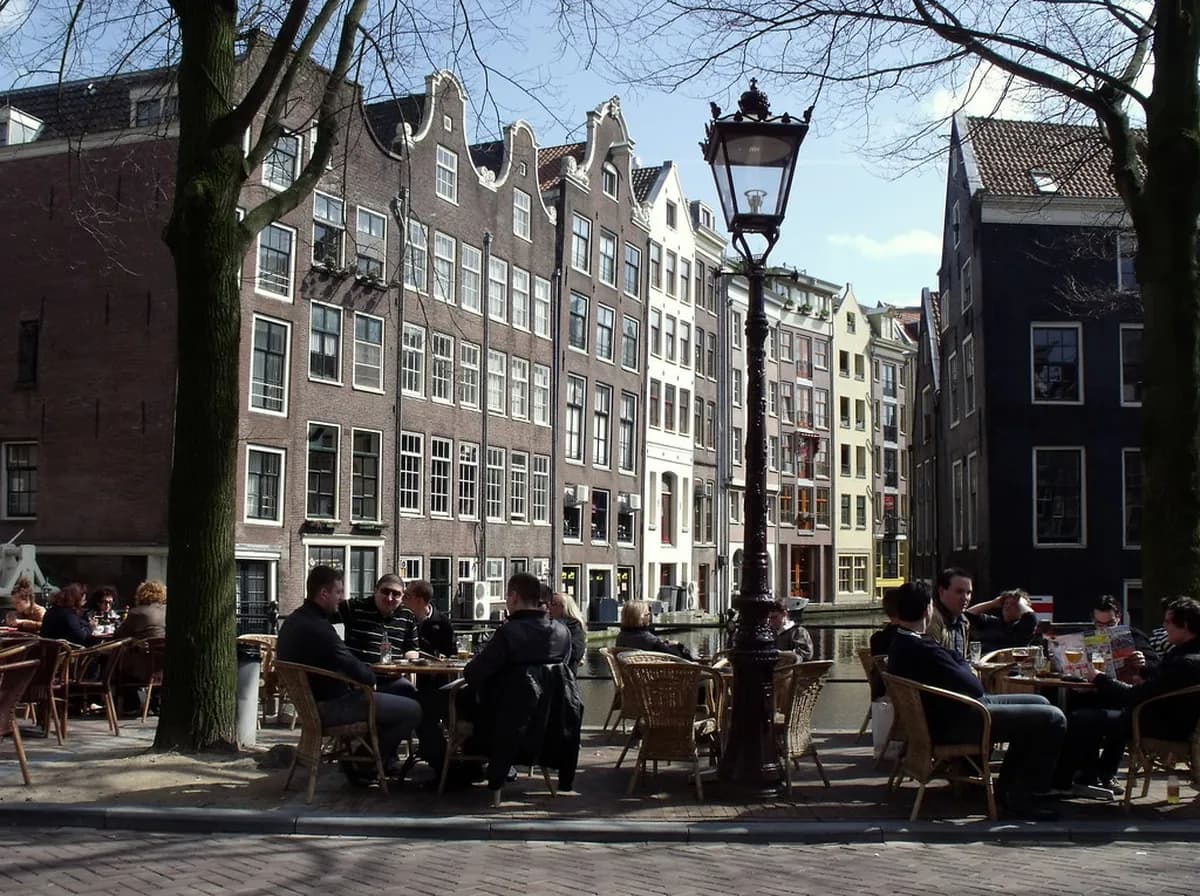
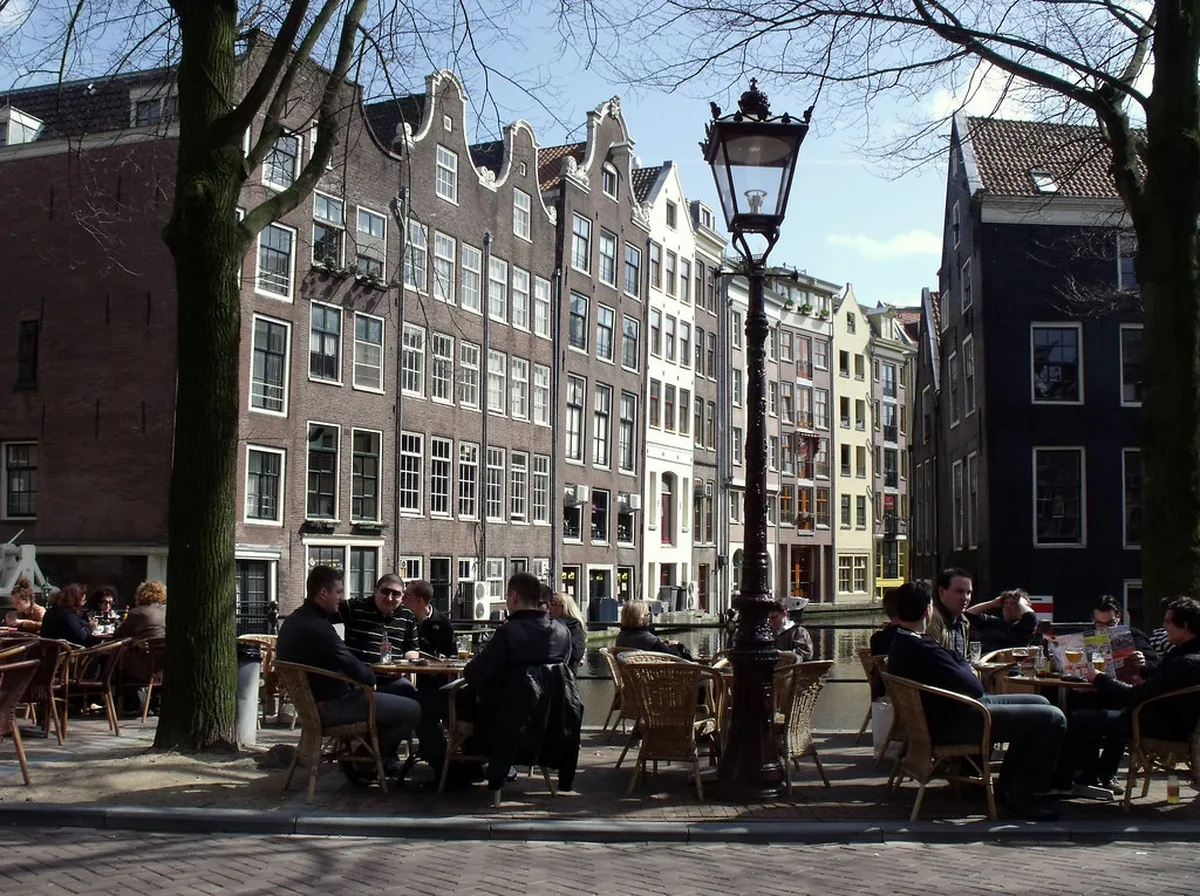
De Wallen — also called De Walletjes — is the oldest part of Amsterdam and dates back to the 14th century. It grew up around the port as a place where sailors arriving from the North Sea sought entertainment. The area takes its name from the medieval city walls (wallen) that once lined the canals here.
Prostitution was decriminalized and formally legalized in 2000. The stated goal was to regulate the industry, reduce exploitation, and bring the existing trade into a framework with health standards and tax obligations. Workers register with the government as self-employed, hold an operating license, and are placed in the same tax bracket as any other service professional. The legal minimum age for sex work in the Netherlands is 21.
The district today contains approximately 300 small window cabins spread across the Oudezijds Voorburgwal and Oudezijds Achterburgwal canals and the maze of side streets between them. Each cabin is rented by the hour from private landlords. Together with the smaller prostitution areas of Singelgebied and Ruysdaelkade, they form the Rosse Buurt — the broader red-light zone of the city.
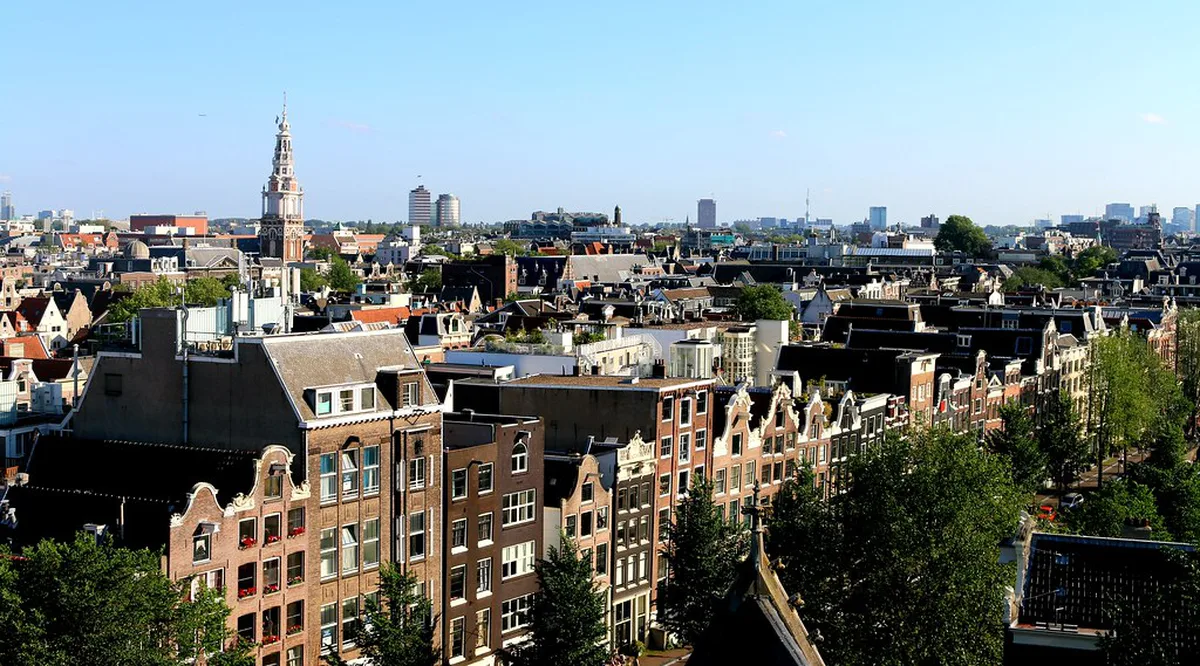
Beyond the windows, De Wallen holds some of the best-preserved medieval architecture in Amsterdam. Without the red lights, these canal-side buildings and narrow alleys would still rank among the most photogenic streets in the Netherlands. Many visitors are surprised by how much history sits underneath the neon.
Where is the Red Light District Located?
De Wallen sits in the city center, roughly a 10-minute walk southeast of Amsterdam Centraal station. The easiest landmark to navigate toward is the Oude Kerk (Old Church) on Oudekerksplein — it is enormous and visible from several streets away. Once you reach the church, the canal opposite it leads directly into the heart of the district.
Searching "Red Light District" in English on Google Maps often returns misleading results. Use the Dutch name De Wallen, or simply search for the Oude Kerk. The main strip of windows runs along the two canals — Oudezijds Voorburgwal and Oudezijds Achterburgwal. The densest concentration of windows is in the side alleys connecting those canals, not on the main streets themselves.
A practical tip before you enter: connect to the free McDonald's wifi near Centraal station and load your map before you go in. Mobile signal in the narrow alleys can be patchy. The streets of the city-centre highlights are easier to navigate when you have your route already loaded.
The Warmoesstraat runs along the western edge of the district and is a useful orientation point. The Zeedijk canal marks the northern boundary and leads into Amsterdam's small Chinatown, which is worth exploring for lunch before or after your visit.
The No-Photography Rule and Essential Etiquette
Do not photograph or film the workers in the windows. This rule is absolute. The workers have bodyguards and security personnel who monitor the streets specifically for cameras. Getting caught means your phone or camera may be confiscated, the memory card deleted, or in some cases the device destroyed on the spot. Police in the area will not sympathize with you. This rule applies to subtle phone-camera angles, selfie sticks angled toward the windows, and any video you think you are taking discreetly.
Do not photograph or film the workers in the windows — security personnel actively monitor for cameras and may confiscate your device or delete memory cards. This applies to phone cameras, selfie sticks, and any discreet filming.
Do not knock on windows, shout at workers, or make gestures. If a worker opens their door, they are inviting business — not conversation. Starting a chat with someone who is working wastes their time and can provoke a hostile reaction from security. Workers and their security staff have no obligation to be polite to non-paying tourists who treat the street as entertainment.
Street drinking is banned in most of De Wallen. Find a bar or cafe if you want a drink. Large tour groups were subjected to new route restrictions in 2026 as part of the city's ongoing effort to reduce nuisance tourism in the district — tour operators are now required to keep group sizes small and avoid certain alleys after 19:00.
Keep noise down after dark. De Wallen is a residential neighborhood. People sleep here. Families live above the sex shops, and several streets have primary schools within a few hundred meters of the windows. The contrast is jarring to first-time visitors, but it is the reality of this place. Residents have lived with tourism pressure for decades, and they notice and resent loud, disrespectful visitors more than the existence of the industry itself.
Prostitution Legality and the Ethics Debate
The Netherlands legalized brothels in 2000. The framework gave sex workers formal employment protections, access to healthcare, and legal recourse against exploitation. Workers can refuse any client, have an alarm button in every cabin that connects directly to police, and are entitled to the same labor protections as other self-employed professionals. The Dutch government argues that legalization reduces trafficking by forcing the industry into a transparent, monitored environment.
Critics point out that trafficking did not disappear after legalization. Independent research has documented ongoing exploitation within the legal system, and the Dutch government has itself acknowledged that full transparency is difficult to enforce. A significant number of workers are European nationals working seasonally — some for a few months at a time — before returning home. The situation of those women varies considerably.
The solo female travel question comes up often. De Wallen is not a threatening place to walk as a woman. Police visibility is high, the streets are crowded, and the area is well-lit at night. The atmosphere is considerably more regulated and orderly than comparable districts in Southeast Asia or parts of Eastern Europe. That said, the environment is explicitly sexual, which some visitors find uncomfortable regardless of gender. That discomfort is a legitimate reaction — you do not need to visit, and there is no expectation that you should.
The ethical dimension of visiting is worth thinking about before you go. Walking through the streets as a tourist adds to the volume of foot traffic that the industry depends on for visibility. Whether that makes you complicit, curious, or simply a witness to a legal industry operating in public is a question each visitor answers for themselves.
Top Things to See and Do in De Wallen
The Red Light Secrets Museum on Oudezijds Achterburgwal is the most informative stop in the district. Admission costs around €11. Inside, mock-ups of the cabin rooms show what the space behind a window actually looks like — which surprises most visitors by its smallness. The museum explains the rental economics (landlords charge workers by the shift), the legal framework, and worker statistics. According to museum exhibits, the standard rate workers charge is around €50 for 15 minutes, the average booking lasts about 6 minutes, and the most frequently requested service is non-sexual. The museum also has a confessions wall and lets you stand inside a replica window — an unexpectedly sobering experience.
The Red Light Secrets Museum (€11 admission) reveals the economics of the window trade: standard rate €50 for 15 minutes, average booking lasts 6 minutes, and most frequently requested service is non-sexual.
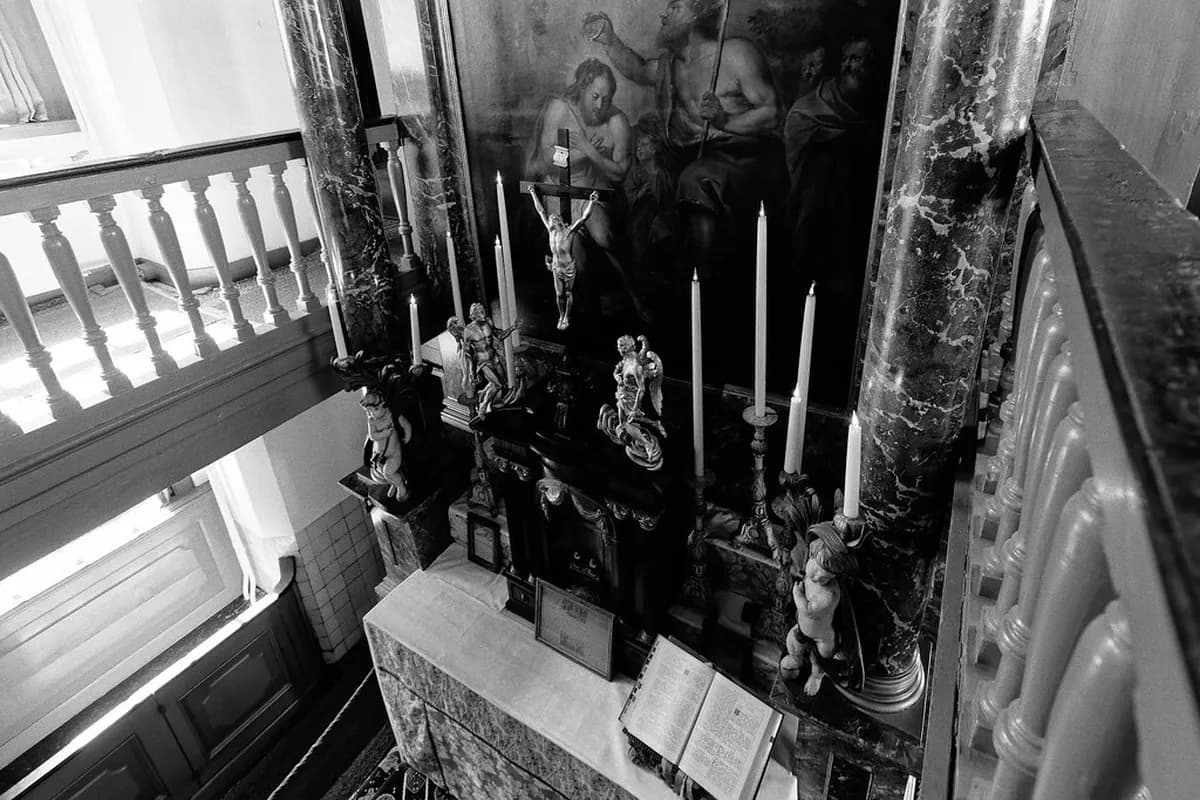
The Oude Kerk sits at the literal center of the red-light area, its gothic spire rising above the cabin windows that line the surrounding streets. It was built in the early 14th century and is the oldest building in Amsterdam. The church still operates as an active cultural venue hosting contemporary art exhibitions alongside its religious functions. Entry costs around €12.50. The contrast between the church and its immediate surroundings — windows visible from the churchyard — is the defining image of De Wallen and worth spending time with rather than rushing past.
The Sexmuseum on Damrak, closer to Centraal station, offers a broader and more lighthearted history of human sexuality across cultures and centuries. Entry is around €5 and it takes about 45 minutes. It is less confronting than the window streets and appropriate for visitors who want context without the intensity of De Wallen itself. The Amsterdam's top museums guide covers it alongside larger institutions if you want to plan a full museum day.
The Zeedijk canal and the streets toward Nieuwmarkt hold some of the best food in the area. Amsterdam's small Chinatown sits along Zeedijk and has excellent dim sum and Vietnamese pho restaurants. The Nieuwmarkt square itself has a covered market during weekends and several good traditional Dutch brown cafes (bruine kroegen) where you can sit without feeling like a tourist attraction.
How to Get to the Red Light District
Walking from Centraal station is the simplest approach. Head south down the Damrak toward Dam Square, then turn left toward the Warmoesstraat. The whole walk takes less than 10 minutes at a normal pace. Following the tourist flow in the evening is a reliable method — at peak hours you can simply follow the crowd heading toward the pink lights.
Public trams stop at Dam Square (lines 4, 14, 24) and Nieuwmarkt (Metro line 51/53/54). Both stops are a short walk from the edges of the district. If you are coming from the Jordaan or the museum district, the tram is faster than walking the full distance.
Cycling into De Wallen is possible but not recommended at night. The alleys are too narrow and too crowded to navigate a bike safely. Lock your bike on the Warmoesstraat or near the Nieuwmarkt and walk in. Bike theft in this part of the city is common — use a good lock and do not leave a valuable bike unattended for long periods.
Daytime vs. Nighttime: Which is Better?
The district operates completely differently depending on the hour. Daytime — roughly 10:00 to 17:00 — is quiet. Fewer windows are occupied, crowds are thin, and the medieval architecture is actually visible without being obscured by throngs of tourists. This is the best time to visit the Oude Kerk, walk the alleys without being jostled, and get a genuine feel for what the neighborhood is as a place rather than a spectacle.
From around 18:00 onward the crowd builds. By 21:00 the main alleys are packed, the red lights are visible from several streets away, and the atmosphere is louder and more chaotic. Peak hours are around 22:00 to midnight on weekends. At this point the streets feel less like a neighborhood and more like a theme park with queues. This is the version most people have seen in photographs, but it is also the version most likely to feel overwhelming or uncomfortable.
A practical compromise: visit around 18:00 to 19:00. The lights are on and the windows are active, but the crowd has not yet reached its densest point. You can walk freely, see what you came to see, and leave before the streets become difficult to move through. Late-night visits after 01:00 are a different experience again — the crowd thins, but the atmosphere becomes harder to read and safety awareness matters more.
Safety and Scams to Avoid
De Wallen is genuinely safe by the standards of a major tourist district. Police are stationed throughout the area in visible numbers, and the lighting is good. Serious violent crime is rare. The main practical risks are petty theft and being targeted by street hustlers.
Watch for pickpockets in the dense crowd sections, particularly in the main alleys during peak hours. Keep your wallet in a front pocket and your phone put away when you are not using it. Backpacks with easy-access outer pockets are a common target in the crowd.
Street dealers approach tourists regularly in De Wallen offering drugs, bikes, and other goods. Do not buy anything from them. Cannabis and other soft drugs in the Netherlands are only legally sold through licensed coffee shops — purchasing from a street dealer puts you outside the law regardless of what the dealer tells you. Some dealers also sell fake or dangerous substances. Stick to the Amsterdam's best coffeeshops if cannabis is your interest.
Peep show touts outside some venues can be pushy. A firm "no thank you" is enough. You are not obligated to engage further. If someone becomes genuinely aggressive, walk toward any uniformed police officer — there will be one nearby.
De Wallen as a Residential Neighbourhood
Most visitors treat De Wallen as a spectacle and miss the fact that it is also someone's home. People live in the apartments above the windows, the sex shops, and the bars. They buy groceries at the Albert Heijn on Warmoesstraat. Their children attend school a few streets away. The concentration of tourism has made daily life difficult for residents in ways that are not visible to a visitor passing through for an hour.
The city of Amsterdam has been actively trying to reduce the tourist footprint in De Wallen since around 2019. Measures introduced through 2026 include banning new sex clubs, restricting tour group sizes and routes, limiting the hours during which certain alleyways can be used by organized tours, and phasing out some window licenses on streets that are deemed too residential. The number of active windows has actually declined over the past decade from a peak of around 400 to roughly 300 today.
Understanding this context makes your visit different. You are not entering a purpose-built attraction — you are walking through a neighborhood that has been dealing with its own identity, and its relationship with tourism, for decades. Treating it accordingly — quietly, without blocking doorways, without shouting across the canal — is both respectful and genuinely more interesting than the crowd-pushed shuffle most visitors do.
Where to Stay Near the Red Light District
Staying in or immediately adjacent to De Wallen puts you within walking distance of Centraal station, the major museums, and dozens of restaurants. Several boutique hotels and historic canal-house properties are available in this part of the city at a range of prices. This location is ideal if you only have time for one day in Amsterdam and want to maximize walking access to the center.

The main trade-off is noise. The streets directly in and around De Wallen are active until 03:00 or later on Friday and Saturday nights. Hotels on Warmoesstraat and the canal streets have genuine soundproofing challenges. Always check recent guest reviews specifically mentioning noise before booking — a room in a quiet interior courtyard is a very different experience from a street-facing room on a busy alley.
If you want proximity without the noise, consider the Nieuwmarkt or Jordaan neighborhoods, both within a 10 to 15 minute walk. These areas are quieter after midnight while still being convenient for a central Amsterdam base. They also work well as a starting point for a a three-day Amsterdam plan itinerary covering the full city.
Use our Amsterdam hidden gems hub to plan the rest of your trip.
Frequently Asked Questions
Is the Amsterdam Red Light District safe at night?
Yes, the district is generally very safe due to high police presence and constant crowds. However, you should stay alert for pickpockets in busy areas. Avoid street dealers and keep your belongings secure while exploring the neighborhood after dark.
Can you take photos in the Red Light District?
No, taking photos of the workers in the windows is strictly prohibited. This rule protects the privacy and safety of the professionals working there. Security and police may intervene if they see you using a camera or phone for this purpose.
What is the best time to visit De Wallen?
The best time depends on your preference for crowds and atmosphere. Daytime is perfect for seeing the historic architecture and the Oude Kerk. Nighttime offers the classic red-lit experience but is much busier and noisier with tourist groups.
Are there tours of the Amsterdam Red Light District?
Yes, many companies offer guided walking tours that explain the history and culture of the area. Some tours focus on the Amsterdam's top museums nearby. Always choose a respectful tour operator that follows local regulations.
De Wallen is a place that rewards visitors who approach it with curiosity rather than just spectacle-seeking. The medieval streets, the religious paradox of the Oude Kerk, the economics of the window trade, and the ongoing tension between residents and mass tourism all make it one of the more genuinely complex urban neighborhoods in Europe.
Visit with the rules in mind, spend time at the Red Light Secrets Museum for real context, and treat the streets as the residential neighborhood they actually are. That approach will give you far more to think about than a noisy midnight shuffle through the alleys ever will.
Continue exploring
More guides you'll find useful