15 Things Amsterdam is Famous For: A Local's Guide (2026)
Discover what Amsterdam is famous for, from the historic Canal Ring and Anne Frank House to world-class museums, tulips, and its unique liberal culture.
On this page
15 Things Amsterdam is Famous For
We have explored the winding streets of the Dutch capital five times over the last decade. Each visit reveals new layers of a city that balances its Golden Age history with a progressive future. This guide was refreshed in 2026 to ensure all pricing and logistics remain accurate for your next trip.
When people ask what Amsterdam is famous for, the conversation usually starts with canals and liberal policies. But the city offers deep artistic heritage and a unique architectural style that defies standard European norms. The local concept of 'Gedogen' — regulated tolerance — shapes everything from social harmony to nightlife.
We have organized these 15 essentials so you can prioritize your limited vacation time effectively. From the haunting history of the Prinsengracht to the modern energy of the Bijlmer, these are the true icons of Amsterdam. Make sure to check the top sights to see for a broader list of monuments worth adding to your itinerary.
The Iconic Canal Ring (Grachtengordel)
Amsterdam's UNESCO World Heritage-listed Canal Ring is the defining feature of the city. The Grachtengordel — three concentric semicircular canals named Herengracht, Keizersgracht, and Prinsengracht — was engineered in the 17th century to manage water levels and facilitate trade. More than 100 kilometres of waterways are now lined by 1,500 historically significant buildings that inspired the Dutch Masters displayed in the Rijksmuseum.
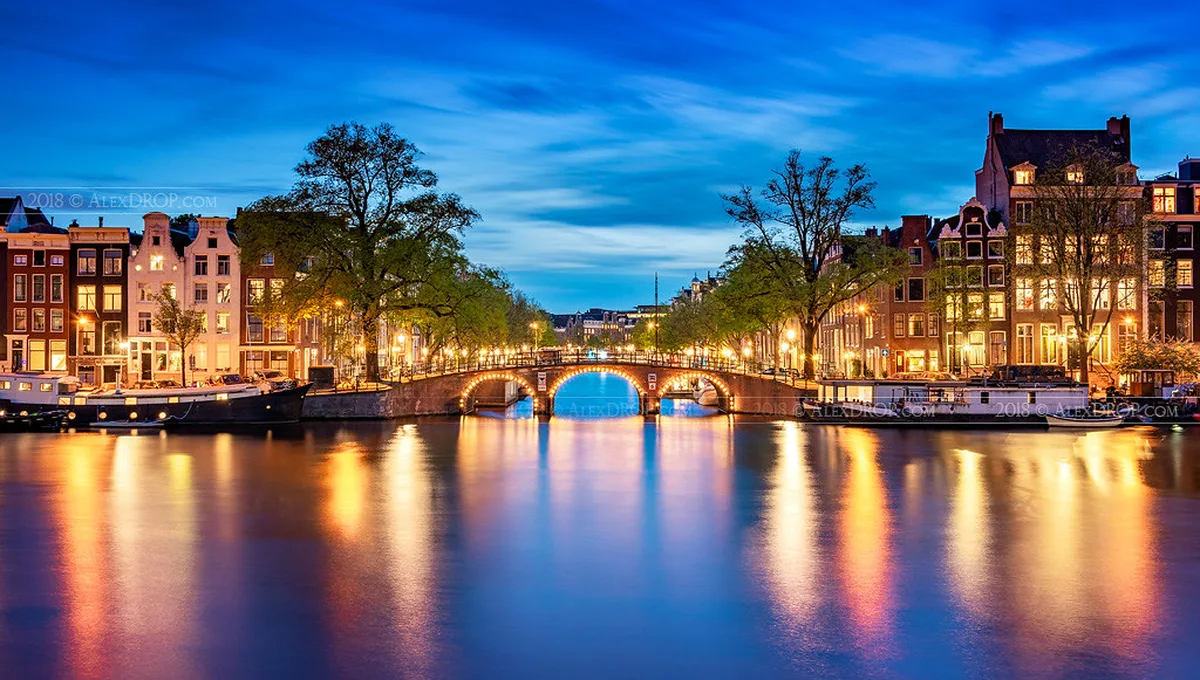
Walking the canal ring costs nothing and rewards you at every bridge. At the junction of Reguliersgracht and Herengracht you can count seven bridges in a single glance — one of the most photographed views in northern Europe. A daytime boat tour runs roughly €16–22 per adult; a nighttime cruise shows the bridges illuminated with thousands of lights and is worth the premium.
The Canal Ring contains more than 100 kilometres of waterways lined by 1,500 historically significant buildings that have stood for over 400 years.
Canal boats are also a practical way to orient yourself before diving into specific neighborhoods. For a deeper dive into the waterways and what to do along them, our guide on a three-day Amsterdam plan maps a logical route around the ring. The official Amsterdam tourism site offers current boat schedules and routes.
Anne Frank House and WWII History
The Anne Frank House at Prinsengracht 263–267 is the most emotionally resonant site in Amsterdam. This modest canal house conceals the secret annex where Anne Frank, her family, and four others hid for over two years during the Nazi occupation of the Netherlands. The diary she kept there became one of the most widely read personal accounts of the Holocaust.
The museum preserves the annex exactly as the Frank family left it when they were arrested in August 1944. Visitors move through bare rooms stripped of furniture per Anne's father's wishes, which makes the space feel more haunting than any staged exhibition. Adult tickets cost approximately €17 and must be reserved online months in advance — walk-up entry is not possible at peak season.
Visit early in the morning or for the last slot of the evening to avoid the heaviest sidewalk crowds. The official site at annefrank.org releases time slots in batches, so set a calendar alert for the release date if your travel dates are fixed.
Van Gogh Museum and Artistic Heritage
The Van Gogh Museum on Museumplein holds the largest collection of Vincent van Gogh's paintings and letters anywhere in the world. The permanent collection spans his evolution from the dark, earthy tones of his Dutch period through the vivid colour explosions of Arles and Saint-Rémy. Key works include Sunflowers, The Bedroom, and Almond Blossom.
The museum opened in 1973 and is consistently ranked among the most visited art museums globally. Adult entry costs roughly €24, and the museum is open daily from 09:00 to 18:00 with extended Friday evening hours. Head to the top floor first to see his final works before the lower galleries become crowded around mid-morning.
The building itself is worth noting: the Rietveld wing from 1973 connects to a modern glass entrance hall that floods the ground floor with natural light. Budget a full two hours to move through the collection without rushing. Timed entry tickets sell out weeks ahead during summer — book at least 14 days out.
Rijksmuseum and the Dutch Masters
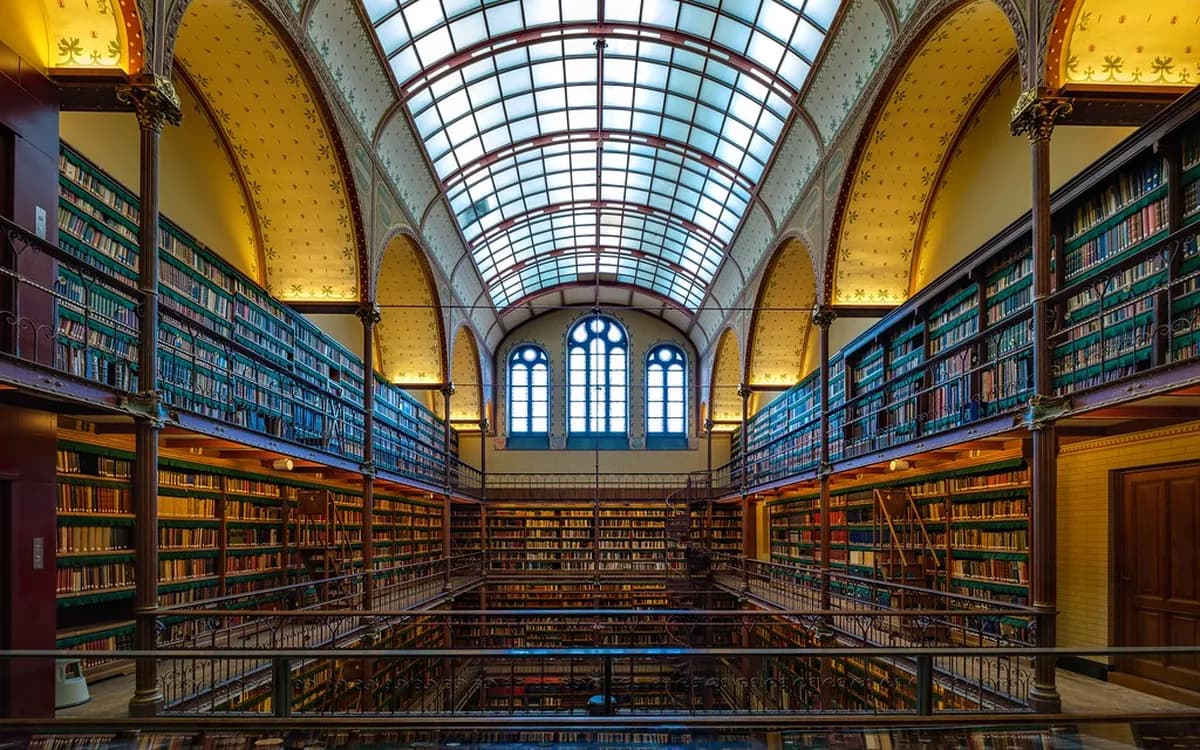
The Rijksmuseum is the national museum of the Netherlands and the anchor of Museumplein. Its collection spans art and history from the Middle Ages to the present, but the Golden Age rooms — home to Rembrandt's Night Watch and Vermeer's The Milkmaid — are what make it essential. Standard adult tickets are €25, and the Cuypers Library inside is free to browse.
Rembrandt, Vermeer, Frans Hals, and Jan Steen all hang in the same building — a concentration of Dutch Masters unmatched anywhere else. The Great Hall displays Night Watch under specialized lighting designed to bring out the texture of the paint layers. Arrive at opening (09:00) on a weekday to see it without crowds pressing around you.
Beyond the paintings, the Rijksmuseum holds a vast collection of Delftware, Asian art in the Philips Wing, and a garden with sculpted hedgerows worth walking through. The on-site Rijks restaurant has a Michelin star if you want to extend your visit over lunch. Allow at least three hours for the main galleries alone.
Dam Square and the Royal Palace
Dam Square takes its name from a 13th-century dam across the Amstel River — the literal origin of the city. Today it is Amsterdam's civic centre: a broad cobblestone plaza flanked by the Royal Palace, the Nieuwe Kerk, and the 1956 National Monument to WWII victims. Street performers, markets, and public events fill the square year-round, and access is always free.
The Royal Palace (Koninklijk Paleis) was originally built as a city hall during the Golden Age before Napoleon's brother Louis converted it to a royal residence in the early 19th century. It is now used for official state functions but opens for public visits when not in use by the royal family. Self-guided audio tours cost around €14 and run daily from 10:00 to 17:00 — check the official calendar for sudden closures around royal events.
Inside, the Citizen's Hall with its world map inlaid in marble floors and the ornate Royal Apartments are the main draws. The 18-foot Atlas statue at the rear of the building is easy to miss but worth finding. The surrounding Kalverstraat shopping street and the De Bijenkorf department store are useful if you need to pick up practical supplies mid-trip.
Liberal Attitudes and Coffee Shop Culture
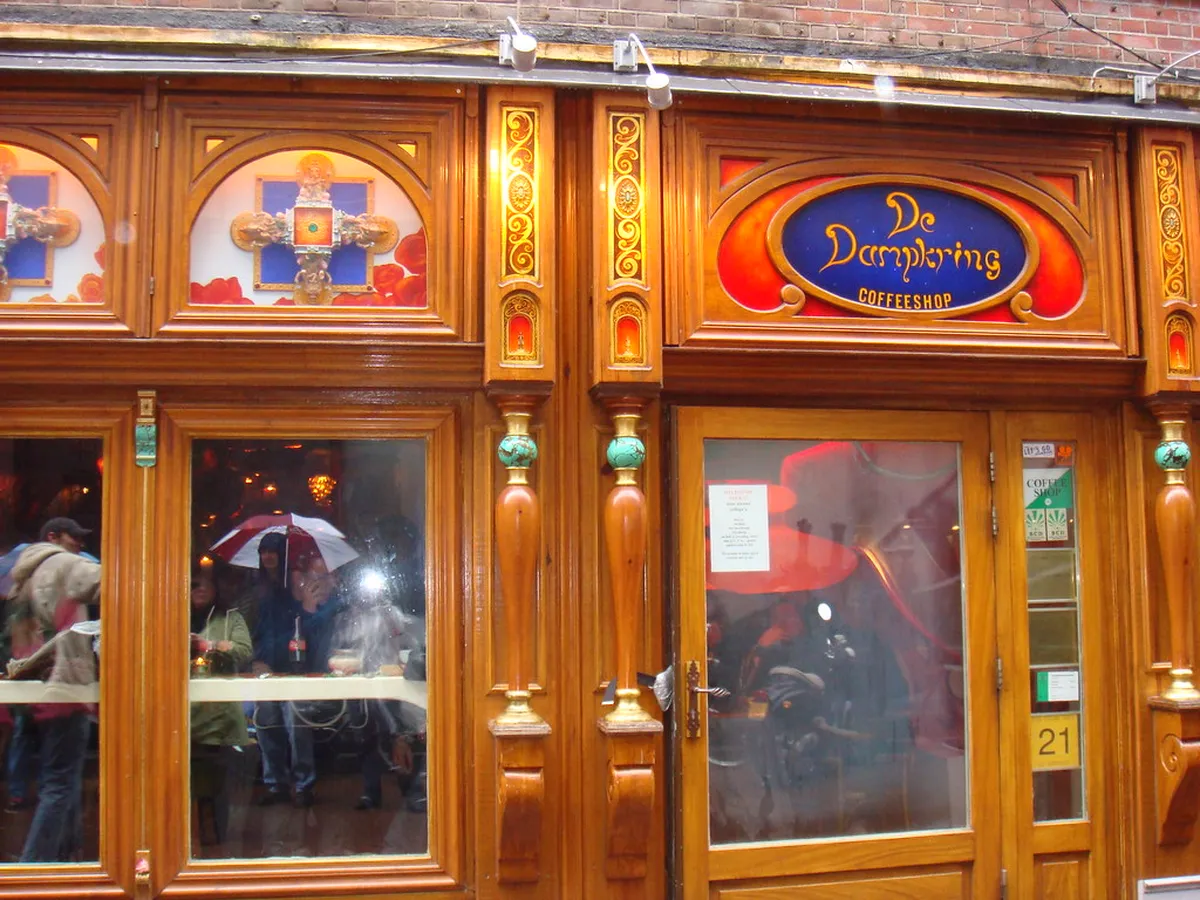
Amsterdam's permissive reputation is rooted in a specific Dutch legal philosophy called Gedogen — literally "to tolerate." Rather than outright legalising certain activities, Dutch authorities formally choose not to prosecute them when conducted within defined boundaries. This pragmatic approach to social policy explains why cannabis coffee shops operate openly under strict rules: no alcohol on premises, no sales to under-18s, no advertising, a 5-gram personal purchase limit per visit.
Amsterdam was the first city in the world to host a legal same-sex marriage in 2001, setting a global precedent for LGBTQ+ rights and social acceptance.
There are roughly 150 licensed coffee shops in the city in 2026, concentrated in the center but spread across most neighborhoods. Visitors are welcome, but the rules are enforced: staff check ID, and smoking is permitted only inside designated premises. The coffee shop scene is genuinely part of local social culture — regulars read newspapers over a joint the same way others might over a beer.
Liberal attitudes extend well beyond cannabis. Amsterdam was the first city in the world to host a legal same-sex marriage in 2001, and LGBTQ+ travelers will find the city consistently safe and welcoming. Pride week in early August culminates in the Canal Parade, when over 80 decorated boats sail along the Prinsengracht in one of Europe's most joyful public celebrations.
The Red Light District (De Wallen)
De Wallen is Amsterdam's historic red-light district and one of the most visited neighborhoods in Europe. Sex work has been legal and regulated in the Netherlands since 2000, and the district's neon-lit window brothels sit a short walk from the city's oldest church, the Oude Kerk, which dates to 1213. That contrast — medieval Gothic architecture adjacent to a functioning red-light district — is uniquely Amsterdam.
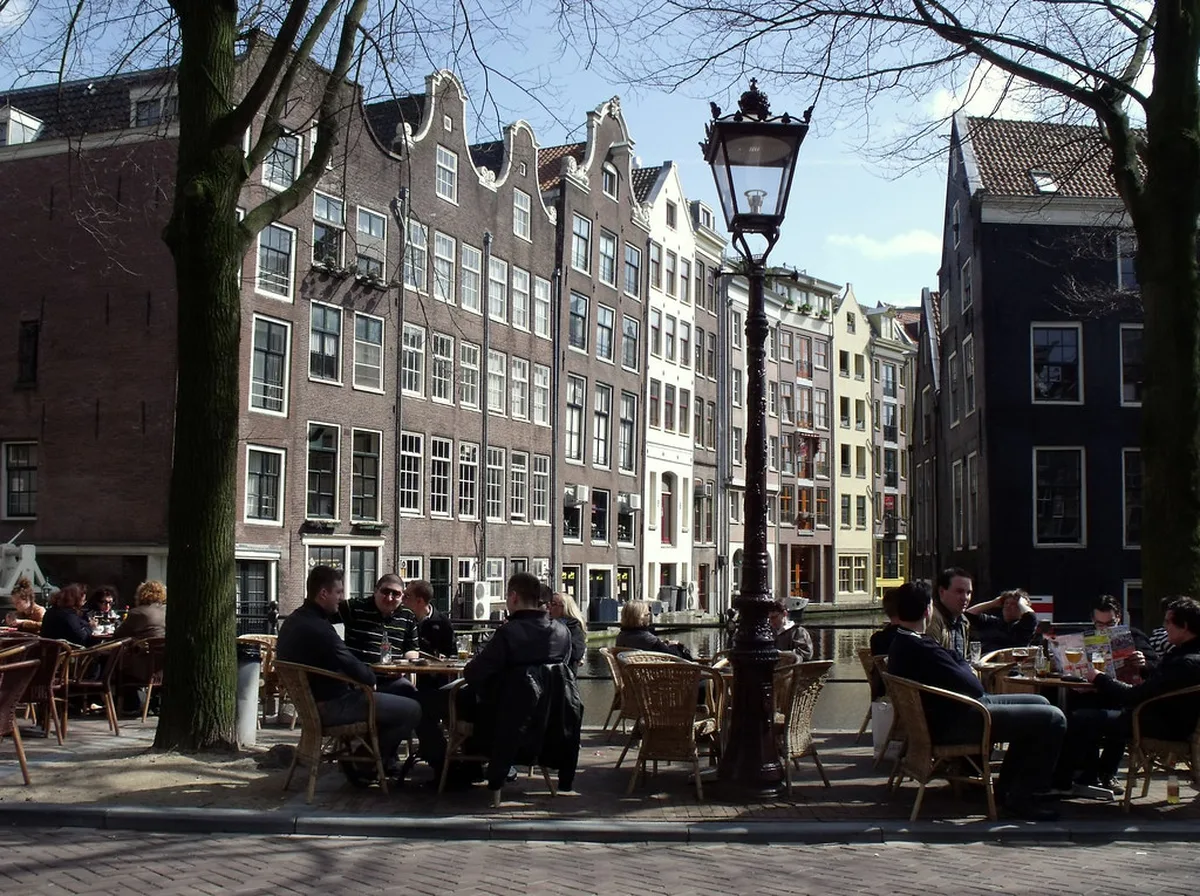
Walking through De Wallen is free and the architecture alone is worth the detour. The Oude Kerk's bell tower offers 220-step views over the historic centre and hosts regular art exhibitions. However, strict etiquette applies: photography of the windows is absolutely forbidden and aggressively enforced by both workers and local residents. Respect this without exception.
For a historical perspective on the industry, the Museum of Prostitution (Red Light Secrets) at Oudezijds Achterburgwal 60 provides a more informative visit than the nearby Erotic Museum. Visit in the early evening to see the architecture in good light before the rowdier late-night crowds arrive from around 22:00.
Bicycles and World-Class Cycling Culture
Amsterdam has more bicycles than residents — roughly 900,000 bikes in a city of about 920,000 people. Cycling is not a leisure activity here; it is the primary mode of transport for daily life. The city's flat terrain and 800+ kilometres of dedicated bike lanes make it the most cycle-friendly capital in the world, and locals navigate them at speed with minimal hesitation.
Renting a bike is easy and costs around €12–15 per day from shops near Centraal Station. But tourists on hired bikes cause a disproportionate share of accidents and genuinely frustrate locals. If you ride, keep to the dedicated red-surfaced lanes, never ride two abreast, dismount before photographing, and give way to trams. Do not cycle through pedestrian zones or the wrong direction down a one-way bike lane.
The safest and most enjoyable cycling is away from the congested center. The Vondelpark loop, the route along the Amstel River toward Ouderkerk, and the path to Amsterdam-Noord via the free IJ ferry are all beginner-friendly routes that show a quieter side of the city. If in doubt, walk the canal ring and save the bike for a quieter morning.
Dutch Tulips and the Bloemenmarkt
The Netherlands produces about 80% of the world's tulip bulbs, and the flower is as central to Dutch identity as windmills or cheese. In Amsterdam, the Bloemenmarkt on the Singel canal is the most visible expression of this: a row of stalls set on moored barges selling bulbs, cut flowers, seeds, and garden supplies. It is open daily from roughly 09:00 to 17:30 and browsing is free.
A note of honesty: the Bloemenmarkt skews heavily touristy and the prices reflect it. Most of the packaged bulb sets displayed at the front are aimed at visitors, not gardeners. The better approach is to ask the stall holders at the back for loose certified export bulbs, which are legitimate for import into most EU countries and many others — though always check your home country's phytosanitary rules before buying.
For serious tulip fields, you need to leave the city. Keukenhof garden near Lisse (about 45 minutes by direct shuttle bus) is open each year from late March to mid-May and displays over seven million bulbs across 32 hectares. It is one of the largest flower gardens on earth and worth planning a trip around if your travel dates align with the bloom window.
The Jordaan: Hidden Courtyards and Local Life
The Jordaan was built in the early 17th century to house the overflow of migrants who fuelled Amsterdam's Golden Age boom — French Huguenots, Protestant Flemings, and Portuguese Jews packed into narrow streets without running water. Today it is the most desirable neighborhood in the city: gallery-lined streets, independent boutiques, and brown cafes (bruine kroegen) that have barely changed in a century.
What most visitors miss are the Jordaan's hofjes — enclosed courtyard gardens hidden behind unassuming street doors. These were historically built by wealthy merchants as almshouses for the elderly poor, and many remain in use as residential complexes today. The Begijnhof (just outside the Jordaan proper), the Claes Claeszhofje on 1e Egelantiersdwarsstraat, and the Karthuizerhofje on Karthuizerstraat are accessible during daytime hours. Look for the small plaques marking the doorways.
The Jordaan also holds the Noordermarkt, a Saturday farmers market that draws local residents rather than tourists and is one of the best places in the city to buy fresh Dutch cheese, rye bread, and organic produce. Winkel 43 on the market square is famous across the Netherlands for its apple pie, served warm with cream. Arrive before 10:00 on a Saturday to get a seat outside.
17th-Century Gabled Architecture: Why the Houses Lean
Amsterdam's canal houses are famous for their narrow facades and elaborately decorated gables — step, neck, bell, and spout shapes that distinguish each building's era and the wealth of its original owner. But look closely and you will notice that almost every building leans forward slightly from its base. This is not structural failure; it is intentional design with a practical origin.
Houses were built narrow because property tax in the Dutch Golden Age was calculated on facade width. Merchants built as tall and as deep as possible to maximise floor area while minimising the tax bill. To move furniture, barrels, and goods between floors without destroying the steep interior staircases, they installed a hoisting hook (hijsbalk) projecting from the gable. The forward lean — called the pruik — was engineered so that loads being lifted by rope would swing away from the facade rather than scraping the windows and brickwork on the way up. The practical physics of daily commerce are written directly into the architecture.
The best street to study the variety of gable styles is Brouwersgracht at its western end near the Jordaan. The Begijnhof also contains Amsterdam's oldest surviving wooden house, dating to around 1528, which pre-dates the canal ring expansion entirely. For a concentrated view of dancing houses — buildings so tall and narrow that they appear to tilt into each other — walk along Damrak from Centraal Station toward Dam Square.
The Heineken Experience
Heineken was founded in Amsterdam in 1864, and the original brewery at Stadhouderskade 78 in the De Pijp district now runs as an interactive brand museum. The 90-minute tour covers the history of the company, the brewing process, and ends with two included pours in the modern bar area. Tickets start at around €23 per adult.
The experience is slick and genuinely engaging even for non-beer drinkers, but timing matters. Book the first slot of the day — usually 10:30 — to avoid the large groups that arrive after lunch. The optional canal cruise extension adds roughly an hour and is worth considering if you haven't done a canal tour yet, since the departure is directly from the brewery dock.
Ajax Amsterdam and Football Passion
Ajax (Amsterdamsche Football Club) is one of the most decorated clubs in European football and the spiritual institution of the city. Founded in 1900 and rooted in the Ajax youth academy system, the club produced Johan Cruyff — inventor of Total Football — and later players including Marco van Basten, Frank Rijkaard, and more recently Frenkie de Jong. Supporting Ajax is embedded in Amsterdam identity in a way that parallels Barcelona or Liverpool.
The Johan Cruyff Arena in the Bijlmer district holds about 55,000 spectators and also functions as a concert venue. Stadium tours cost around €21 and include the locker rooms, pitch, and club museum. For match tickets, prices vary widely depending on the opponent — domestic league games can start around €30, while Champions League nights are significantly more expensive and sell out fast.
Take the metro to Bijlmer ArenA (line 54 from Centraal Station, about 15 minutes) for the most direct route. The surrounding Bijlmer area, largely rebuilt after a 1992 air disaster, is a modern multicultural district that offers a sharp contrast to the canal belt — worth a look if you want to see Amsterdam beyond the tourist core.
Albert Cuypmarkt and Amsterdam's Street Markets
The Albert Cuypmarkt in De Pijp is the largest outdoor market in the Netherlands, running along Albert Cuypstraat with over 260 stalls. It has operated since 1905 and sells fresh produce, fish, clothing, electronics, and street food. Hours are Monday to Saturday, 09:00 to 17:00. Entry is free and the market draws a local clientele that keeps prices honest compared to the tourist center.
The best single purchase here is a fresh stroopwafel made to order — a caramel-syrup sandwich between two thin waffles, eaten warm for about €2–3. For a sit-down meal, the De Pijp neighbourhood around the market has some of the best affordable restaurants in the city, particularly for Indonesian rijsttafel — the Dutch colonial legacy that produced a genuine local cuisine.
Beyond Albert Cuyp, the Waterlooplein Flea Market (open Monday to Saturday) is worth visiting for vintage clothing and antiques. The Noordermarkt in the Jordaan runs on Saturdays for organic produce and on Mondays for vintage. Amsterdam's market culture is one of the most genuine ways to see daily city life away from the main tourist corridors.
Planning Your Visit to Amsterdam in 2026
Successful trips require advance planning, especially for the Amsterdam's top museums. The Anne Frank House, Van Gogh Museum, and Rijksmuseum all require timed-entry tickets that sell out weeks ahead during June through August. Set calendar alerts for ticket release dates and book as soon as possible after confirming your travel dates.

Transport from Schiphol Airport is straightforward via the direct Intercity train to Centraal Station — 15 to 20 minutes, roughly €6 per person. Avoid the metered taxis at the airport unless you are traveling in a large group with heavy luggage. The I amsterdam City Card (24h at €75, 48h at €95) covers unlimited public transport, free entry to most major museums, and a free canal cruise, making it cost-effective if you plan to pack in several museums in a single day.
The city is best explored on foot in the center and by tram in the outer rings. If you have more time, our guide on our hidden gems guide covers neighborhoods and experiences beyond the standard tourist circuit. Always watch for cyclists — bike lanes are busy, locals move quickly, and stepping into one without looking is the most common mistake first-time visitors make.
Frequently Asked Questions
What is the most famous thing in Amsterdam?
The Canal Ring is the most famous feature of Amsterdam. This UNESCO World Heritage site defines the city's unique geography and 17th-century architectural charm. Most visitors start their trip with a canal cruise to see these historic waterways.
Why are the houses in Amsterdam so narrow?
Houses were built narrow because property taxes were once based on the width of the facade. To maximize space, owners built tall, deep structures with hooks at the top for hoisting goods. This created the iconic 'dancing' look seen along the canals today.
Is Amsterdam famous for its food?
Amsterdam is famous for snacks like stroopwafels, thick-cut fries, and raw herring. You can find the where to eat in the city at street markets like the Albert Cuypmarkt. The city also has a rich history of Indonesian fusion cuisine.
Amsterdam remains a top global destination because it offers something for every type of traveler. Whether you are drawn by the haunting history of the Anne Frank House or the vibrant energy of the the Red Light District, the city delivers. Its combination of historic beauty and modern tolerance creates an atmosphere that is difficult to find anywhere else.
By focusing on the 15 icons we have listed, you will capture the true essence of the Dutch capital. Remember to book your museum slots early and take time to simply wander the side streets of the Jordaan and look for the hidden hofjes. Your visit in 2026 will surely be a highlight of your European travels.
Continue exploring
More guides you'll find useful