Galleria Doria Pamphilj Visitor Guide: Art, History & Practical Tips for Rome
Plan your visit to Rome's Galleria Doria Pamphilj with our comprehensive guide. Discover key artworks, history, opening hours, tickets, and insider tips for a memorable experience.
On this page
Galleria Doria Pamphilj Visitor Guide: Rome's Hidden Art Gem
The Galleria Doria Pamphilj is one of Rome's most rewarding palace museums: a working aristocratic residence, a historic art collection, and a quieter alternative to the city's larger museums. It sits on Via del Corso, close to the Pantheon, Trevi Fountain, and Piazza Venezia, making it easy to add to a central Rome itinerary.
The appeal is not only the list of famous artists. Velazquez, Caravaggio, Brueghel, Titian, Raphael, and Bernini appear in rooms that still feel like a private palace rather than a neutral gallery. The experience is slower, more intimate, and especially strong if you use the included audio guide.
This 2026 Galleria Doria Pamphilj visitor guide focuses on what current searchers need most: tickets, opening hours, how long to spend, famous paintings, accessibility, transit, crowd strategy, and the common mistakes that can make a visit feel rushed.
A Brief History of the Doria Pamphilj Family and Collection
The Doria Pamphilj Gallery occupies Palazzo Doria Pamphilj, a vast palace complex that grew through family alliances, papal influence, and generations of collecting. Its strongest identity comes from the Pamphilj line, especially Pope Innocent X, whose portrait by Diego Velazquez remains the gallery's defining masterpiece.
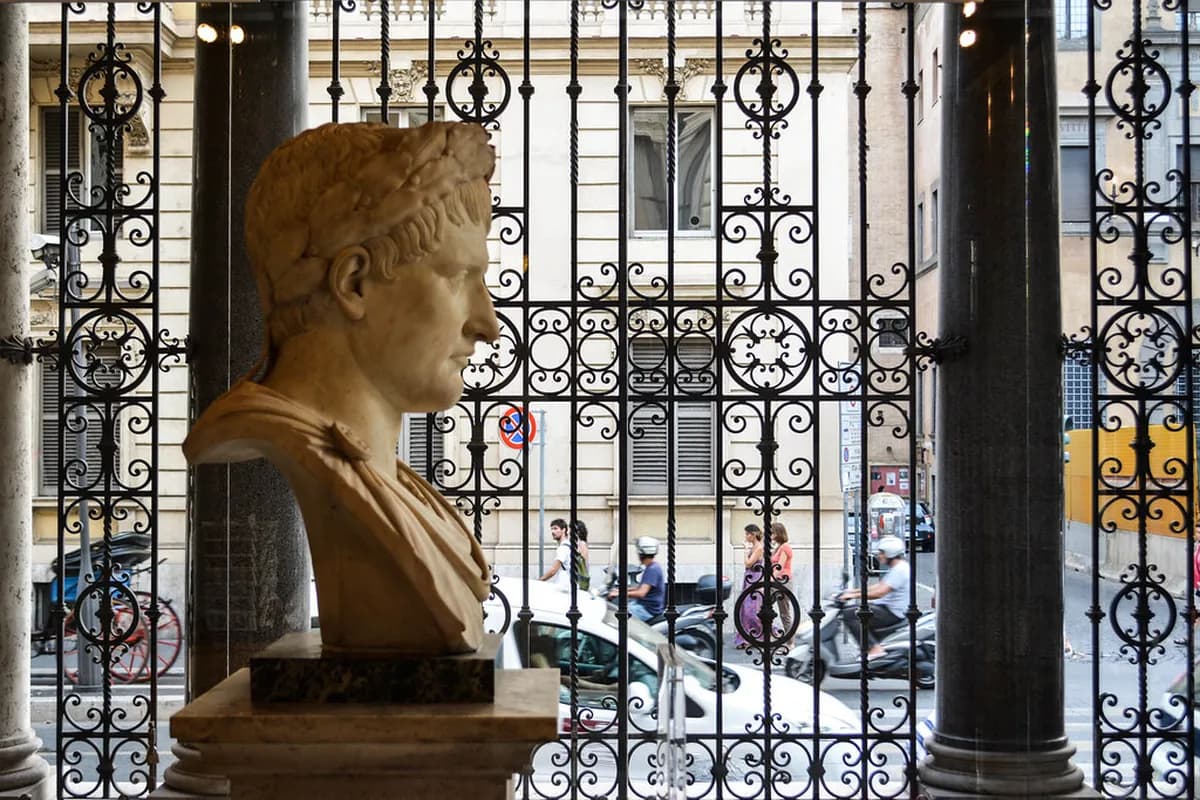
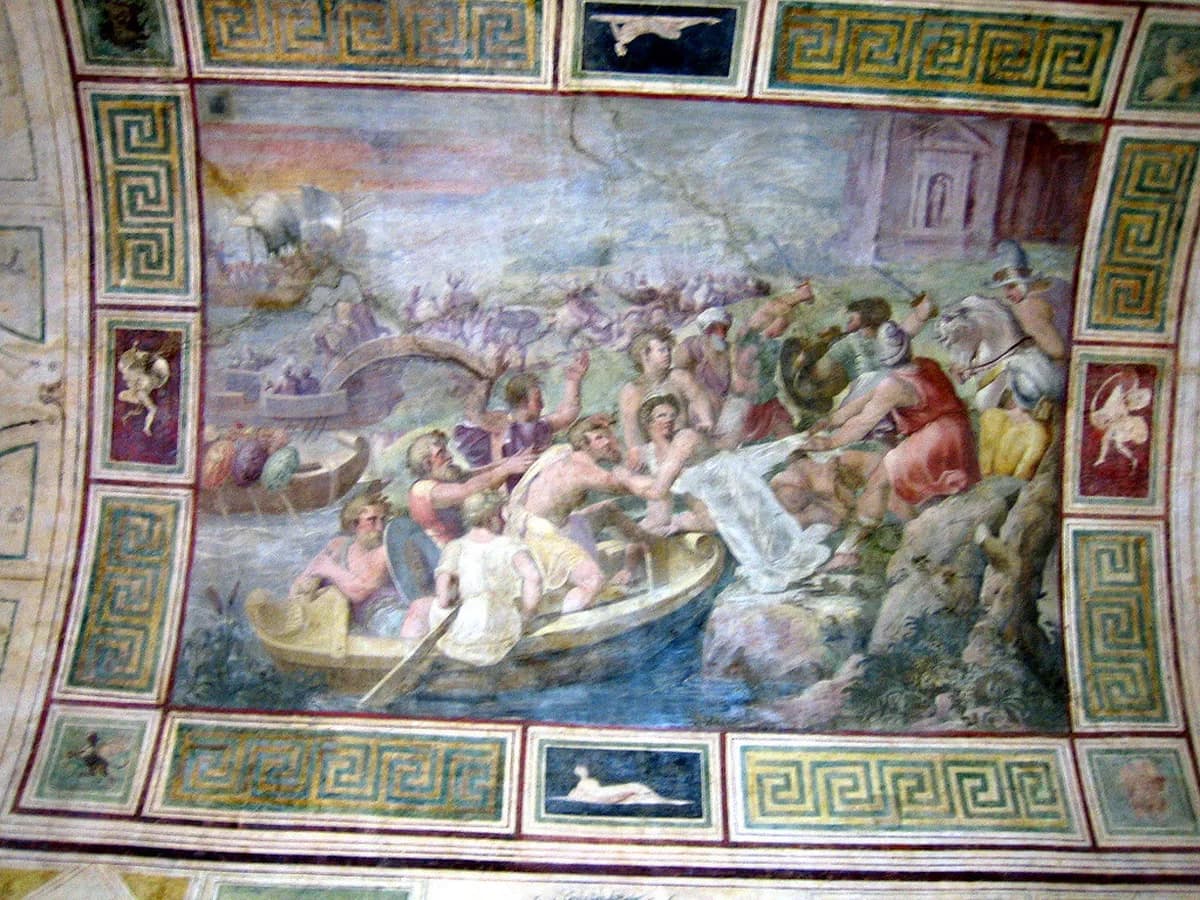
The collection still makes sense as a family collection rather than a chronological museum display. Paintings, sculpture, furniture, gilded ceilings, mirrors, and chapel spaces all work together to show how Roman nobility presented power, taste, and devotion.
That context matters when you visit. The best way to experience the gallery is to look at both the individual artworks and the rooms around them. Many visitors come for Caravaggio or Velazquez, then remember the palace atmosphere just as strongly.
What to See: Highlights of the Galleria Doria Pamphilj Art Collection
The gallery rewards visitors who know the headline works before entering. The route can feel dense because masterpieces are displayed salon-style, with paintings hung in close groups and palace decoration competing for attention. Use the audio guide to slow down at the major rooms instead of trying to identify every canvas.
The famous paintings and rooms to prioritize are:
- Velazquez's Portrait of Pope Innocent X: the gallery's essential stop. The portrait is famous for its psychological force, turning a papal image into a study of authority, suspicion, and presence.
- Caravaggio's works: look for the dramatic realism and emotional restraint that make his religious scenes feel immediate rather than decorative. These are among the strongest reasons art-focused visitors choose this gallery.
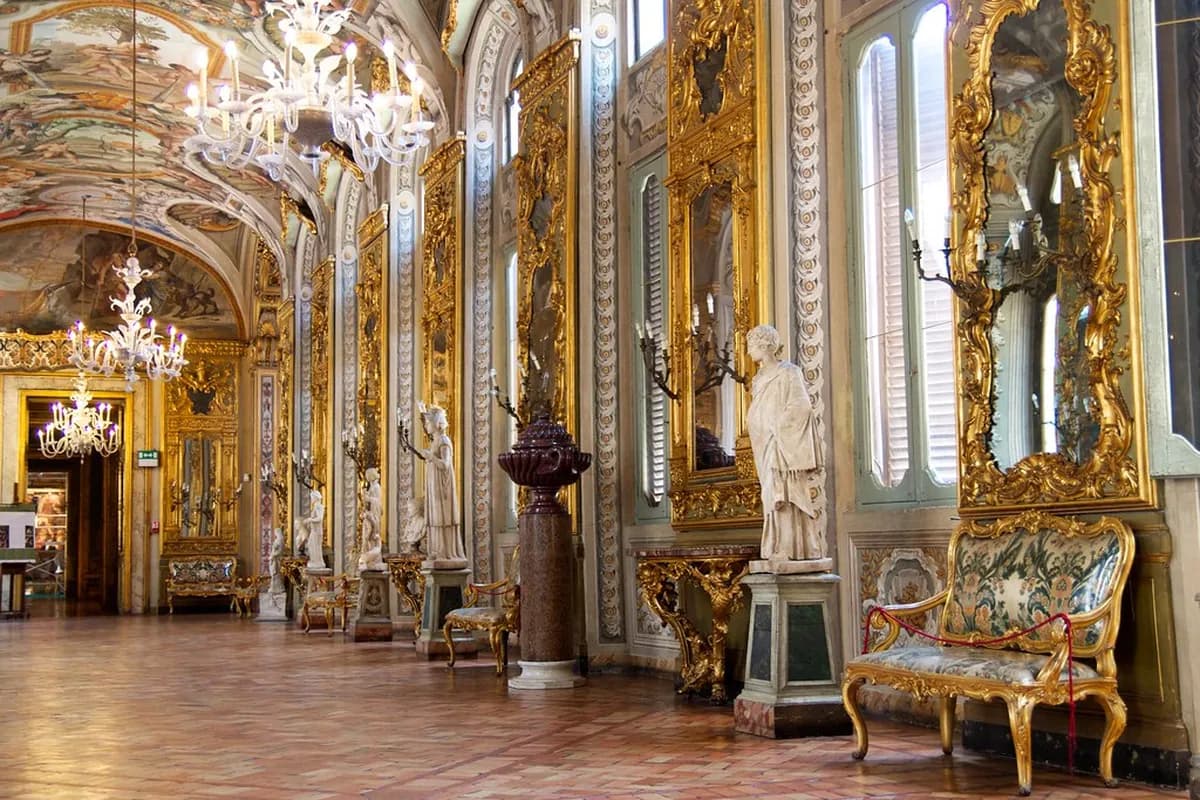
- The Hall of Mirrors: a compact but theatrical Baroque space with gilding, mirrors, and ceiling decoration. It is often compared with grand European mirror galleries, but here the scale feels more private and easier to take in.
- Brueghel and northern painters: the collection is not only Italian. Brueghel's detailed landscapes and genre scenes give the visit a different rhythm after the Roman and Venetian works.
- Titian, Raphael, Bernini, and family portraits: these names help show the breadth of the Doria Pamphilj holdings, but the surrounding rooms and family displays are part of the story too.
- The chapel and state rooms: do not treat them as corridors between paintings. They are key to understanding the palace as a lived-in aristocratic setting.
Planning Your Visit: Practical Information
The practical details matter here because the gallery is central, paid, and closed one day each week. It is not a first-Sunday free state museum, and visitors who arrive without checking hours can lose time on Via del Corso.
- Address: Via del Corso, 305, 00186 Rome, Italy.
- Best transit approach: use the Metro A stops at Barberini or Spagna if you are coming from farther away, then walk through the historic center. Buses serving Via del Corso and Piazza Venezia are often more convenient than the metro for central Rome routes.
- Walking approach: the gallery is an easy walk from the Pantheon, Trevi Fountain, Piazza Venezia, and the shopping stretch of Via del Corso. Build in extra time because the surrounding streets are busy and navigation is slower than the map suggests.
- Opening hours: It is open Monday, Tuesday and Thursday from 9:00 a.m. to 7:00 p.m. (last entrance 6:00 p.m.), and Friday, Saturday and Sunday from 10:00 a.m. to 8:00 p.m. (last entrance 7:00 p.m.).
- Closures: The gallery is closed every Wednesday, as well as on 1st January, Easter Sunday and 25th December.
- Tickets: A single adult ticket costs €16.00 when purchased at the ticket office, or €17.00 when booked online. The audioguide is included in the price.
- Children: Children under the age of 12 enter free at the ticket office. If you book online, a €1.00 reservation fee per child applies.
- Booking advice: book online if you need a specific time window, especially on weekends. If your schedule is flexible, the ticket office can be a better value for adults and children.
- How long to spend: allow 1.5 to 2 hours for a satisfying visit with the audio guide. A quick pass can take about 40 minutes, while art lovers may want 2 to 3 hours.
Book online if you need a specific time window, especially on weekends. The ticket office may offer better value if your schedule is flexible.
Insider Tips for a Memorable Experience
The best time to visit is usually close to opening, especially on Monday, Tuesday, or Thursday. Weekend visits can still be pleasant, but the central location means more casual visitors and more foot traffic around the entrance.
Wear comfortable shoes, even though this is not a huge museum. You will stand for long periods, move through polished historic rooms, and spend more time looking upward than expected. There is no strict dress code for ordinary visitors, but neat casual clothing works well for a palace setting.
Common mistakes are easy to avoid: do not confuse the Galleria Doria Pamphilj with Villa Doria Pamphili, do not assume the gallery is free on the first Sunday of the month, and do not skip the audio guide. The audio guide is included with the entrance ticket and makes the private-palace context much clearer.
Photography rules can vary by room or exhibition policy, so confirm current restrictions at entry and avoid flash. If you are combining sights, pair the gallery with nearby central Rome stops rather than with distant museums; it works especially well between the Pantheon, Trevi Fountain, and Piazza Venezia.
The gallery is closed every Wednesday, as well as on 1st January, Easter Sunday, and 25th December. Plan your visit accordingly.
Accessibility and Visitor Comfort
Accessibility is partial: there is a wheelchair-accessible entrance, but some areas of the historic palace can be difficult to navigate. Visitors with reduced mobility should contact the gallery in advance to confirm current arrangements.
This is a historic palace, so expect thresholds, older flooring, and room transitions that feel different from a modern museum. If stairs, long standing periods, or uneven surfaces are a concern, plan a slower visit and ask staff about the most suitable route when you arrive.
The gallery is better for quiet looking than for a high-energy family stop. Families with children can still enjoy it, but the strongest moments are the dramatic rooms, famous portraits, and short focused stops at Caravaggio and the Hall of Mirrors.
Is Galleria Doria Pamphilj Worth Visiting?
Yes, Galleria Doria Pamphilj is worth visiting if you like art, palace interiors, or less-crowded cultural stops. It is not a substitute for the Vatican Museums or Borghese Gallery; it is a different kind of visit, built around a private collection in its own historic rooms.
The gallery is especially strong for travelers who want a high-quality museum without dedicating half a day. It also pairs well with Palazzo Colonna or Palazzo Spada if you are interested in Rome's private palaces and aristocratic collections.
Skip it only if you have no interest in paintings or ornate interiors. Otherwise, it is one of the most efficient ways to see major art, Baroque rooms, and Roman family history in a single central stop.
Guided Tours vs. Self-Guided Exploration
The included audio guide is the best choice for most first-time visitors. It gives enough context for the major artworks, lets you pause in the rooms that interest you, and avoids the pressure of keeping pace with a group.
A live guided tour is worth considering if you care deeply about art history, want help decoding the family portraits and palace layout, or are visiting with a group that benefits from a structured route. It can also help if you have limited time and want someone to prioritize the collection for you.
For families or casual visitors, self-guided exploration is usually easier. For history buffs and repeat Rome visitors, a guided visit can add depth, especially when comparing the Doria Pamphilj collection with other palace museums such as Palazzo Colonna.
Frequently Asked Questions
How much is a ticket to the Galleria Doria Pamphilj?
A single adult ticket costs €16.00 when purchased at the ticket office, or €17.00 when booked online. The audioguide is included in the price.
How long do I need at Galleria Doria Pamphilj?
Plan on 1.5 to 2 hours for a comfortable visit with the audio guide. A quick walk-through can take about 40 minutes, but art enthusiasts may want 2 to 3 hours.
Is Galleria Doria Pamphilj worth visiting?
Yes, Galleria Doria Pamphilj is worth visiting for its private art collection, opulent palace interiors, and calmer atmosphere than many larger Roman museums. It is also a strong companion visit to Palazzo Colonna.
Do you need tickets for Palazzo Doria Pamphilj?
Yes, you need a ticket to enter the Palazzo Doria Pamphilj gallery route. Booking online can secure a time window, while buying at the ticket office may be cheaper if availability is not an issue.
What are the opening hours for Galleria Doria Pamphilj?
It is open Monday, Tuesday and Thursday from 9:00 a.m. to 7:00 p.m. (last entrance 6:00 p.m.), and Friday, Saturday and Sunday from 10:00 a.m. to 8:00 p.m. (last entrance 7:00 p.m.). It is closed every Wednesday, as well as on 1st January, Easter Sunday and 25th December.
What famous paintings are in Galleria Doria Pamphilj?
The most famous work is Velazquez's Portrait of Pope Innocent X. Visitors also look for Caravaggio's paintings, Brueghel works, and pieces connected with artists such as Titian, Raphael, and Bernini.
Are there student discounts for Galleria Doria Pamphilj?
Student discounts may be available, but eligibility can depend on age, documentation, and current ticket policy. Bring a valid student ID and check the official ticket page before relying on a reduced rate.
Is Galleria Doria Pamphilj free on the first Sunday?
No, do not plan on first-Sunday free entry here. The Galleria Doria Pamphilj is a private palace museum, not one of the state-run sites covered by Rome's free first Sunday museum program.
Is Villa Doria Pamphili free?
Villa Doria Pamphili is a different place from the Galleria Doria Pamphilj. If your search result mentions Villa Doria Pamphili, it is referring to the large park west of the historic center, not this paid palace gallery on Via del Corso.
Other Family Galleries Still Hung the Old Way
The Doria Pamphilj is unusual in that the family still owns it and the pictures still hang in tiers rather than in a curated line. Two other collections survive on the same terms: the Wallace Collection in London, left to the nation with its French eighteenth-century holdings intact, and Madrid's Museo Lázaro Galdiano, a financier's mansion where the range runs from Bosch to Limoges enamels.
The Galleria Doria Pamphilj is a compact but rich attraction: famous paintings, gilded rooms, family history, and a central location that fits neatly into a day in Rome. Its strength is the combination of palace and collection, not just a checklist of artworks.
For the best 2026 visit, check the Wednesday closure, choose a time that leaves room for the audio guide, and arrive with a short list of highlights: Velazquez, Caravaggio, the Hall of Mirrors, Brueghel, and the state rooms. That is enough structure to avoid rushing while still letting the palace surprise you.
For more Rome planning, explore our guides to hidden gems in Rome, unusual things to do in Rome, and our hidden Rome 3-day itinerary.
For authoritative information, refer to the Galleria Doria Pamphilj official site and Galleria Doria Pamphilj on Wikipedia.
Continue exploring
More guides you'll find useful