10 Non-Touristy Things to Do in Venice (2026)
Escape the crowds with these 10 non-touristy things to do in Venice. Discover hidden cloisters, local artisan workshops, and authentic dining spots Venetians love.

On this page
10 Non-Touristy Things to Do in Venice
After my fifth trip to the lagoon, I found that escaping the crowds is surprisingly simple if you walk twenty minutes. Venice often feels like a museum where the exhibits are the tourists themselves, but the real city still breathes in the shadows. Our editors have spent months exploring residential districts to find experiences that remain untouched by the daily cruise ship waves.
Last refreshed for 2026 after a recent autumn visit to the Castello district, this guide focuses on genuine local life. You can find silence in a city of millions if you know which canal to follow and which bridge to cross. The primary key to enjoying this fragile city is learning to move at a slower, more respectful Venetian pace.
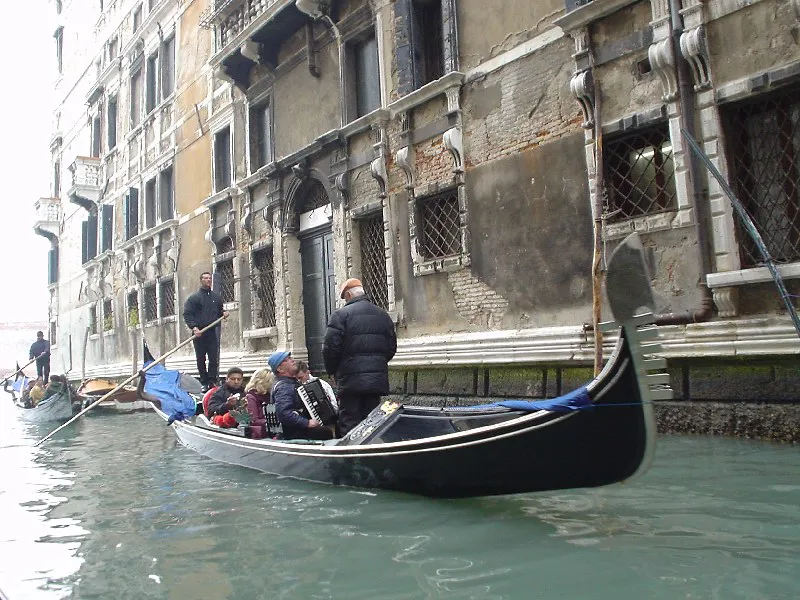
What to skip: the gondola rides clustered around San Marco are overpriced and stuck in heavy canal traffic. For a more authentic experience, try the traghetto ferries that locals use to cross the Grand Canal for just €2. These short crossings provide the same water-level views without the theatrical performance or the steep tourist price tag.
Is Venice Actually Overrated?
Many travelers leave the city feeling exhausted by the density of people in St. Mark's Square. This frustration is valid because the main thoroughfares are designed for high-volume foot traffic rather than discovery. Venice is only overrated if you treat it as a checklist of famous monuments rather than a living city.
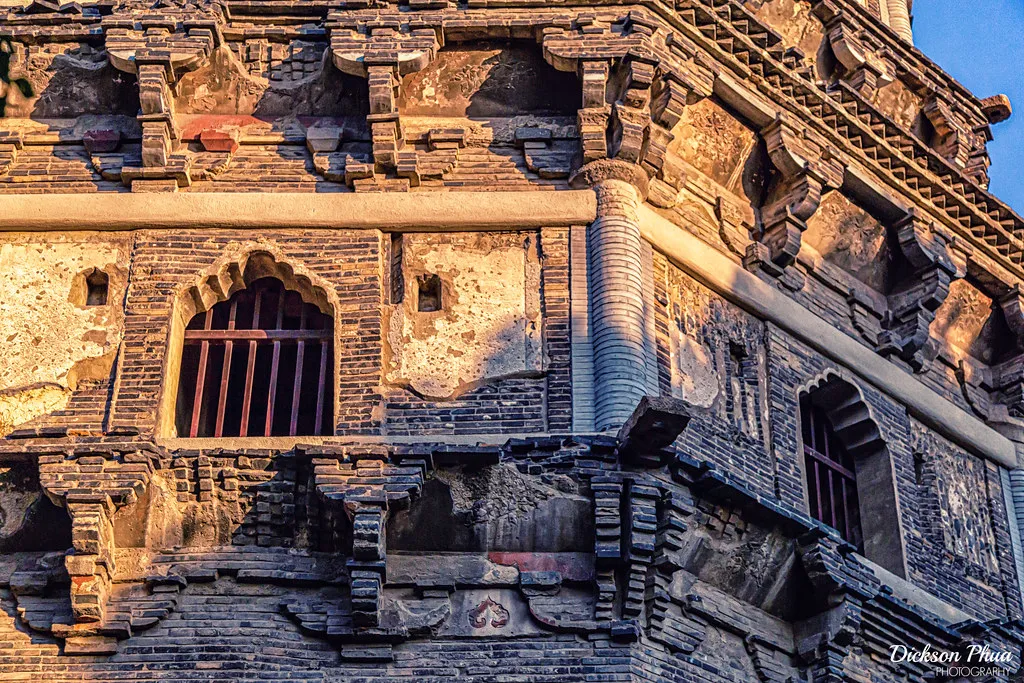
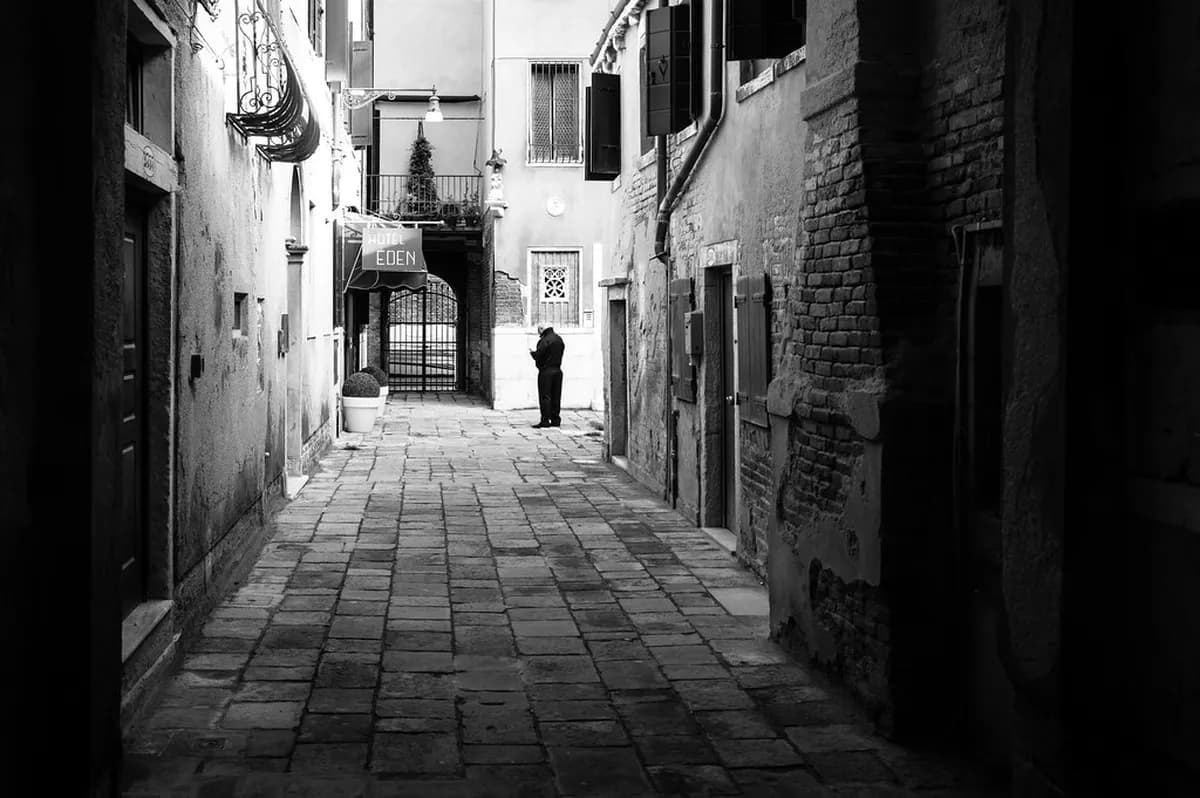
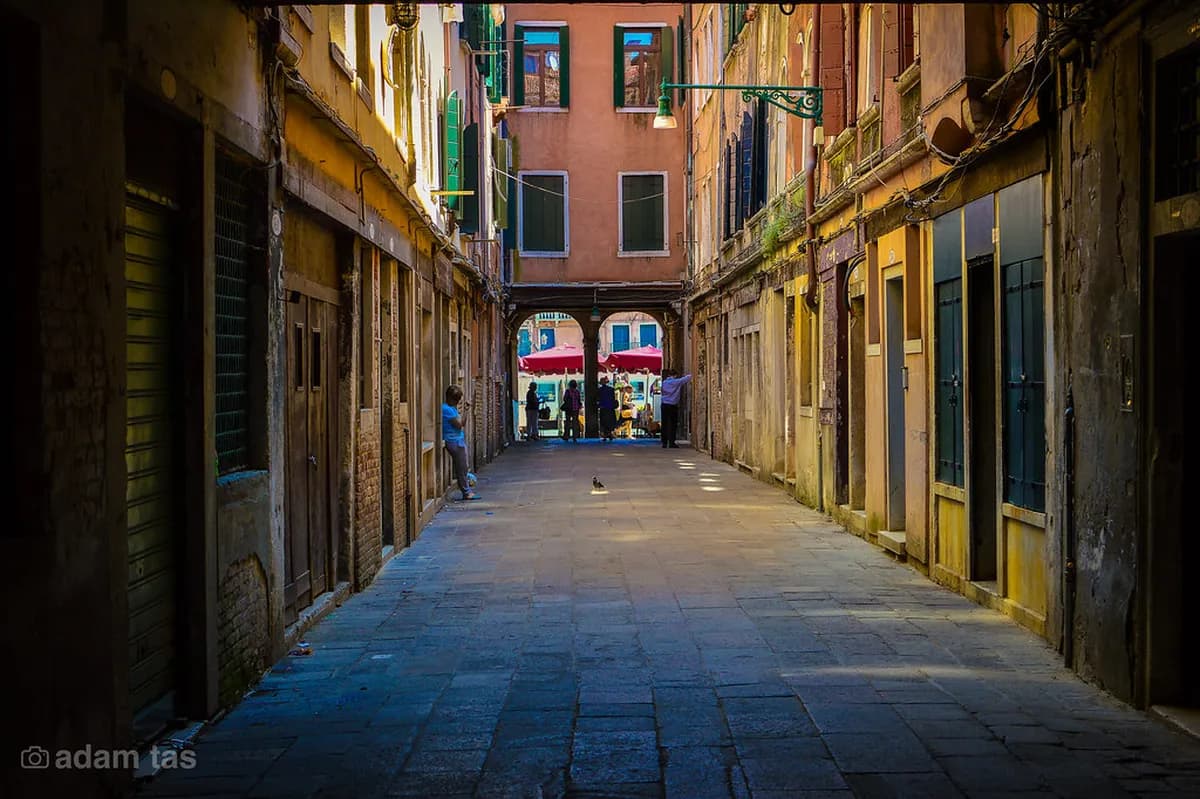
True Venetian charm reveals itself when you lose your way in the labyrinthine streets of the outer sestieri of Venice. These neighborhoods still have laundry hanging across canals and elderly neighbors chatting from their balconies. Finding these moments requires a willingness to ignore the yellow signs pointing toward the Rialto Bridge.
According to the city's official tourism data, the vast majority of visitors never leave the central tourist axis. By simply choosing to explore hidden gems in Venice, you immediately join a small minority of visitors. This shift in perspective transforms a crowded destination into an intimate, historical sanctuary.
What Qualifies as a Hidden Gem in Venice?
Identifying a truly non-touristy spot requires understanding the local logic of Venetian geography. Generally, any location more than a fifteen-minute walk from the train station or San Marco qualifies as potential territory. If you see a restaurant with a "Tourist Menu" sign displayed in three languages, you are firmly inside the high-traffic zone.
Authentic spots often lack English signage and do not have staff outside beckoning you to enter. They are frequently tucked into calli that appear to be dead ends but actually open onto quiet squares. These areas are essential for those seeking an off the beaten path Venice experience.
Another reliable indicator is the presence of essential services: pharmacies, hardware stores, schools. Tourists do not buy lightbulbs or laundry detergent, so these shops signal a living neighborhood. When you see children playing soccer in a campo, you have successfully escaped the tourist bubble.
A practical checklist: Is the spot reachable only on foot with no vaporetto stop nearby? Does it lack prominent TripAdvisor stickers in the window? Is it mentioned in a genuine resident's recommendation rather than the first page of search results? Three yesses and you have found a genuine hidden gem.
10 Non-Touristy Things to Do in Venice
The following spots offer a glimpse into the artisan traditions, religious history, and daily routines that define the Serenissima. Each entry includes practical details on timing and access so you can navigate the city confidently. Choose two or three to anchor your day and leave the rest of the time for wandering through the best neighborhoods to stay in Venice.
| Spot | District | Entry Cost | Best Time |
|---|---|---|---|
| San Francesco della Vigna Cloisters | Castello | Free | Late afternoon (16:00–18:00) |
| Squero San Trovaso (viewing) | Dorsoduro | Free | Weekdays 09:00–12:00 |
| Fondaco dei Tedeschi Rooftop | Rialto | Free (timed booking) | 09:00–10:00 or 16:00–17:00 |
| Luigi Valese Foundry | Cannaregio | Free | Weekdays 09:00–17:00 |
| Madonna dell'Orto Church | Cannaregio | €5 | Midday (12:00–14:00) |
| San Giorgio Maggiore Bell Tower | San Giorgio island | €8 | Hour before sunset |
1. San Francesco della Vigna Cloisters, Castello
This historic church in Castello features one of the most peaceful cloisters in the entire city. Visitors can explore the quiet gardens for free while admiring the Renaissance architecture designed by Jacopo Sansovino. The surrounding neighborhood is genuinely residential — you will hear Venetian dialect, not English, at the bar on the corner. Open daily from 10:00 to 18:00; visit late afternoon when golden light hits the terracotta courtyard walls.
2. Squero San Trovaso, Dorsoduro
This is one of the last traditional boatyards where masters still build and repair gondolas by hand. Watch the craftsmen work from the opposite canal bank at no cost, ideally between 09:00 and 12:00 on weekdays when the yard is most active. The Alpine-style wooden structures reflect Venice's early boat-building origins from mainland communities. Pick up a glass of wine from the nearby Cantine del Vino Già Schiavi and observe from the embankment.
3. Fondaco dei Tedeschi Rooftop, Rialto
Most visitors walk past this luxury retail building without realizing it conceals one of the best free viewpoints in Venice. The rooftop terrace offers a 360-degree panorama of the Grand Canal, the Rialto, and the terracotta sea of rooftops stretching into the lagoon. Entry is free but timed and requires an advance booking at the front desk — slots are released same-day and go quickly in summer. Book early morning (09:00–10:00) or late afternoon (16:00–17:00) for the best light without full crowds.
4. Luigi Valese Foundry, Cannaregio
The Luigi Valese Foundry is the last active artistic foundry in Venice, founded in 1913 and now producing traditional sand-cast brass ornaments using a kiln dated to 1797. This workshop in Cannaregio offers a rare look at the metalwork used on gondolas and historic doors. Entry is generally free to browse the showroom, open weekdays from 09:00 to 17:00. Ask the staff about the fero da prova — the distinctive iron prow ornament that balances every gondola in the water.
5. Libreria Acqua Alta, Castello
This bookshop near Campo Santa Maria Formosa is famous for storing books in gondolas, bathtubs, and waterproof containers to survive acqua alta flooding. It is genuinely quirky without being engineered for Instagram — the back courtyard has a staircase made entirely from stacked books that overlooks a narrow canal. Come on a weekday morning before 10:00 when the lanes around it are still quiet. The store stocks maps, vintage photography books, and Venetian dialect novels alongside the usual tourist fare.
6. Ponte de Chiodo, Cannaregio
Ponte de Chiodo is one of the only remaining Venetian bridges without railings, reflecting a medieval Venice before the city adapted to mass foot traffic. It sits deep inside Cannaregio and travelers almost never find it by accident. Cross it early morning when the canal reflects an unbroken sky and the surrounding lanes are empty. The bridge is a five-minute walk from the Madonna dell'Orto church — pairing the two makes a perfect morning loop.
7. Via Garibaldi Market Life, Castello
This is the widest street in Venice and the social spine of the Castello district. You will find local fishmongers, vegetable barges, and hardware stores instead of souvenir shops. Market stalls are most active between 08:00 and 12:00 every morning. Stop at a small bar here for a standing espresso alongside local workers — coffee costs €1.20, the same price it has been for decades.
8. The Jewish Ghetto, Cannaregio
The world's first Jewish ghetto is now a quiet neighborhood of synagogues, kosher bakeries, and family-run shops preserving over 500 years of history. Walking through the squares is free; guided museum tours cost approximately €15 per person and cover five historic synagogues still in use. Visit in the early evening when the squares begin to glow and the pace of daily life slows. The Cannaregio neighborhood surrounds the ghetto with some of the city's best local bacari.
9. Madonna dell'Orto Church, Cannaregio
This Gothic church was the parish of Tintoretto, who is buried inside alongside several of his largest masterpieces. Entry costs €5 and the church sits in the quietest part of Cannaregio, well beyond the reach of most day-trippers. The paintings here — including the colossal Last Judgment and the Adoration of the Golden Calf — are easier to read than works crammed into museum galleries. Come at midday when interior light is strongest and the pews are nearly empty.
10. San Giorgio Maggiore Bell Tower
This Palladian island church offers the best panoramic view of Venice without the massive queues of St. Mark's Campanile. The elevator to the top costs €8 per adult. Boats depart regularly from the San Zaccaria waterfront and the crossing takes under five minutes. Go an hour before sunset to see the amber light reflect off the Doge's Palace across the basin — the view rivals anything in the city and the island itself stays calm even on busy summer weekends.
For the full island experience including Torcello, pair this outing with a half-day trip to Torcello island, where the 7th-century cathedral holds Byzantine mosaics that predate Venice itself.
Traditional Artisan Workshops and Local Crafts
Venice's artisan economy is older than the Republic itself. Glass-blowing arrived from the mainland before the city forced all furnaces to Murano in 1291 to reduce fire risk. Lace-making on Burano was organized by the nuns of the Zitelle convent in the 16th century. Marbled paper — called carta marmorizzata — developed from techniques imported via Ottoman trade routes in the 17th century. Each of these crafts survives today in workshops that are genuinely difficult to find without local knowledge.
Beyond the Luigi Valese Foundry, Paolo Olbi near Ca' Foscari university produces leather-bound journals and marbled paper using hand-operated typographical presses from the early 20th century. Small items start around €15. The forcola — the carved walnut oar-holder that every gondolier uses — is made to measure for each individual gondolier's height and weight. You can watch Paolo Brandolisio carve forcole by hand at Corte Rotta 4725; entry to watch is free and the experience is unlike anything in a museum.
Luigi Bevilacqua on the Campiello Comare operates 25 hand-operated historical looms producing brocades and velvets with patterns drawn from 18th-century archives. Visitors are welcome to watch. These textiles supplied the courts of Europe for three centuries and the workshop still fills commissions from theatres, palaces, and costume designers worldwide. None of these workshops appear in the top Google results for Venice tourism — which is precisely why they remain genuinely local.
The Luigi Valese Foundry (open weekdays 09:00–17:00) and Paolo Brandolisio's forcola workshop are both free to enter and observe — they make excellent additions to any Cannaregio morning walk without spending a euro.
Exploring the Quiet Side of Cannaregio and Castello
Cannaregio and Castello sestiere are the two largest sestieri in Venice and together they house the majority of the city's remaining permanent population. Cannaregio stretches north from the train station toward the lagoon, while Castello wraps around the eastern end of the island. Both are largely ignored by day-trippers who never venture past the Rialto-San Marco corridor.
In Cannaregio, the area around the Fondamente Nuove — the northern waterfront — offers direct views across to the cemetery island of San Michele and the islands of Murano beyond. The bars along this canal charge local prices and serve the workers who take the boat to jobs across the lagoon every morning. Cannaregio is also home to more bacari per square metre than any other district, many of them unmarked and discoverable only by following a Venetian home from work.
Castello's far eastern reaches around Sant'Elena feel almost suburban. There is a park with grass and pine trees, a yacht club, and a small stadium. Children cycle along paths that would be illegal elsewhere in the city. Via Garibaldi bisects this area and gives it an almost small-town character that sharply contrasts with the San Marco tourist corridor fifteen minutes away. The vaporetto line 1 stops at Giardini and Sant'Elena — both underused by tourists — making access straightforward without the crowds of the central stops.
Most crowded hours in Venice run from 10:00 to 16:00 — this is when the Rialto–San Marco axis becomes nearly impassable. Spend this window in Cannaregio or Castello's outer reaches for the most peaceful experience.
What Nobody Tells You About Visiting During Acqua Alta
Almost every Venice guide treats acqua alta — the seasonal high water that floods the lower parts of the city — as a problem to avoid. The reality is more nuanced and, for the non-touristy traveler, surprisingly useful. When the sirens announce a flood alert in autumn or winter, the day-trippers who dominate peak season have already gone home. The result is that the cloisters, churches, and quiet squares of Cannaregio and Castello can be nearly empty.
The two sestieri flood at different rates. San Marco sits lowest and floods first, typically closing the Basilica's crypt and filling the piazza with 30–50 cm of water. Cannaregio and Castello, built on slightly higher ground in their residential cores, often remain passable via the elevated wooden walkways (passerelle) the city installs throughout November to March. This means the Jewish Ghetto, Madonna dell'Orto, and Via Garibaldi frequently stay accessible even on red-alert days when San Marco is impassable.
The light during acqua alta is extraordinary. The flooded campi act as mirrors, doubling the reflections of Gothic facades and bell towers. If you see a forecast from the official tide forecast center showing water levels above 110 cm, pack a pair of waterproof boots (available to rent from several shops near the station for around €15 a day) and head straight to Cannaregio. You will almost certainly have entire streets to yourself. It is one of the most visually dramatic experiences the city offers and it appears in no competitor's hidden-gems list.
How to Avoid Crowds and Day-Tripper Paths
The most crowded hours in Venice are consistently between 10:00 and 16:00 when day-trippers arrive by train and coach. During this window, the central axis between the Rialto and San Marco becomes nearly impassable. Spend these peak hours in the outer districts — the rewards are significant and the logistics are easy.
Strategic use of the vaporetto system saves you from narrow, crowded walkways. Taking the outer circular lines 4.1 or 5.1 lets you see the city's perimeter without the crowds, with views of the cemetery island and the northern lagoon that most visitors never see. Booking your accommodation inside Venice proper — rather than on the mainland in Mestre — gives you access to the city after 19:00, when the majority of day visitors have departed and the squares return to the residents.
Early morning is the most productive time for the famous sites. St. Mark's Basilica opens at 09:30 and the mosaics are lit by natural light before the artificial illumination comes on. The Rialto fish market (Pescheria) runs from dawn to 13:00 and is most atmospheric before 09:00 when the stalls are still being loaded from supply boats. By 08:00 in the morning, you can have both the market and the bridge to yourself.
Authentic Venetian Dining: Where Locals Eat
Venetian food culture centers on the bacaro — a small wine bar serving bite-sized snacks called cicchetti. Locals stand at the counter with a small glass of wine, known as an ombra, for €1.50–€2.50. You can follow a bacari Venice guide to find the most traditional spots, but the basics are simple: no photos on the menu, no host at the door, counter seating, handwritten specials.
Near the hidden gems described above, a few specific addresses consistently serve locals rather than tourists. Cantine del Vino Già Schiavi near Squero San Trovaso offers fresh baccalà mantecato (whipped salt cod) and artichoke-and-anchovy combinations on grilled bread from around €1.50 per piece. Paradiso Perduto on Fondamenta della Misericordia in Cannaregio serves generous seafood plates and is a community fixture known for live music on weekend evenings. Near Via Garibaldi, Nevodi delivers home-style Venetian cooking that changes with the market.
Avoid any establishment that displays photos of food on a board by the entrance. The best meals in Venice are found in simple trattorie where the menu is handwritten and changes daily. Always ask for the pesce del giorno — the fresh catch changes depending on what came in from the Adriatic that morning. Avoid ordering pizza; it is rarely made fresh in Venice and often arrives frozen and pre-made. Order risotto al nero di seppia or bigoli in salsa (pasta in anchovy and onion sauce) instead — these are genuinely regional dishes that you cannot replicate elsewhere.
Planning a Smooth Off-the-Beaten-Path Itinerary
A practical itinerary avoids the mistake of trying to cover everything in a single exhausting day. Two loose tracks work well depending on your interests. The Craft and History track links Madonna dell'Orto (morning) → Ponte de Chiodo → Jewish Ghetto (late morning) → Libreria Acqua Alta (early afternoon) → Via Garibaldi for lunch → Squero San Trovaso observation (late afternoon). This route stays mostly in Cannaregio and Castello and can be walked entirely without a vaporetto.
The Nature and Lagoon track starts at San Giorgio Maggiore (first boat at 09:00 from San Zaccaria) → return to Dorsoduro → Squero San Trovaso → Fondamente Nuove for a late morning coffee → vaporetto to Torcello for the afternoon → return via Burano for the sunset. This track involves more boat travel and works better for visitors staying multiple nights. Allow 40 minutes on Torcello — the cathedral and the Attila's Throne stone seat require at least that much time to do justice.
Both tracks share a principle: pick a geographic anchor and stay in it. The temptation to combine the Dorsoduro gallery circuit with a Cannaregio morning and a Castello afternoon results in a lot of walking time and very little actual presence at each stop. Venice rewards depth over breadth. Two or three locations explored slowly will leave a stronger impression than six ticked off a list at speed.
Cultural Etiquette and Sustainable Tourism Tips
Venice is a fragile ecosystem that struggles under the weight of millions of annual visitors. The #EnjoyRespectVenezia campaign encourages travelers to be mindful of their impact on the local community. This includes simple acts like staying to the right on narrow bridges and not stopping to take photos in high-traffic lanes.
Supporting local artisans is one of the most effective ways to practice sustainable tourism in the lagoon. Buying a handmade mask or a piece of Murano glass from a workshop ensures your money stays in the local economy. The cheap, mass-produced souvenirs sold near the train station are often manufactured outside Italy and use dyes that can be harmful — buying them funds neither Venetian heritage nor Venetian families.
Remember that Venice is a city of residents trying to go about their daily lives. Keep noise levels low in residential squares at night and never sit on the steps of historic bridges to eat. Being a respectful guest ensures that the hidden churches in Venice and quiet corners remain open for future generations of visitors. Dress modestly before entering churches and cloisters — a cover-up is expected and sometimes enforced at the door.
Frequently Asked Questions
Is Venice worth visiting if I hate crowds?
Yes, the city remains magical if you focus on residential areas like Castello or Cannaregio. Staying away from the Rialto-San Marco axis between 10 AM and 4 PM ensures a peaceful experience.
What should I avoid in Venice to stay away from tourists?
Avoid restaurants with 'Tourist Menus' and the main walking paths marked by yellow signs. Skipping the gondola stands near major landmarks will also help you find a quieter side of the city.
Are there any free non-touristy things to do in Venice?
Exploring the cloisters of San Francesco della Vigna and watching gondola repairs at Squero San Trovaso are excellent free activities. Walking through the Sant'Elena park also costs nothing and offers a local perspective.
Venice is far more than a collection of famous bridges and crowded squares. By stepping away from the main tourist trail, you discover a city that is quiet, artisanal, and deeply historical. The true magic of the lagoon is found in the cloisters, workshops, and residential streets that most visitors never reach.
We hope this guide encourages you to explore the Serenissima with a sense of respect and curiosity. The city rewards those who are willing to get lost and move at a slower, more deliberate pace. Your journey into the hidden corners of Venice will be the most memorable part of your Italian adventure.
Continue exploring
More guides you'll find useful