Venice Bacari Crawl: 8 Essential Stops & Local Tips
A self-guided crawl through Venice's best bacari: 8 stops across San Polo and Cannaregio, the cicchetti to order, and etiquette locals expect.

On this page
8 Essential Stops and Tips for Bacari in Venice
The best meals in Venice are not found at white-clothed tables. True Venetian life happens standing up, shoulder-to-shoulder with locals, balancing a small glass of wine and a seafood snack. The bacari venice tradition is a centuries-old ritual that turns a simple happy hour into a moving feast through the backstreets of San Polo and Cannaregio. This guide covers the eight essential stops, the snacks to order at each, and the local etiquette that separates visitors from regulars.
All pricing in this guide is in EUR and reflects 2026 conditions. Venice changes slowly, but the rise of natural wine bars has added a contemporary layer to the classic scene. The highest concentration of traditional bacari sits in Cannaregio — a neighborhood worth exploring in depth, as our Cannaregio Venice neighborhood guide explains. Prepare to trade your formal dinner reservation for a night of wandering and grazing.
Understanding the Venetian Bacaro and Cicchetti Tradition
The word bacaro likely derives from Bacchus, the god of wine, reflecting the deep importance of viticulture in Venetian life. Unlike a standard Italian bar, a bacaro focuses on high-quality house wine served by the glass in small, affordable pours. This is not a restaurant and not quite a pub — it is something uniquely Venetian, built around communal standing at a counter and unhurried conversation. Locals stop in for a quick drink and a chat before heading home for their main evening meal.
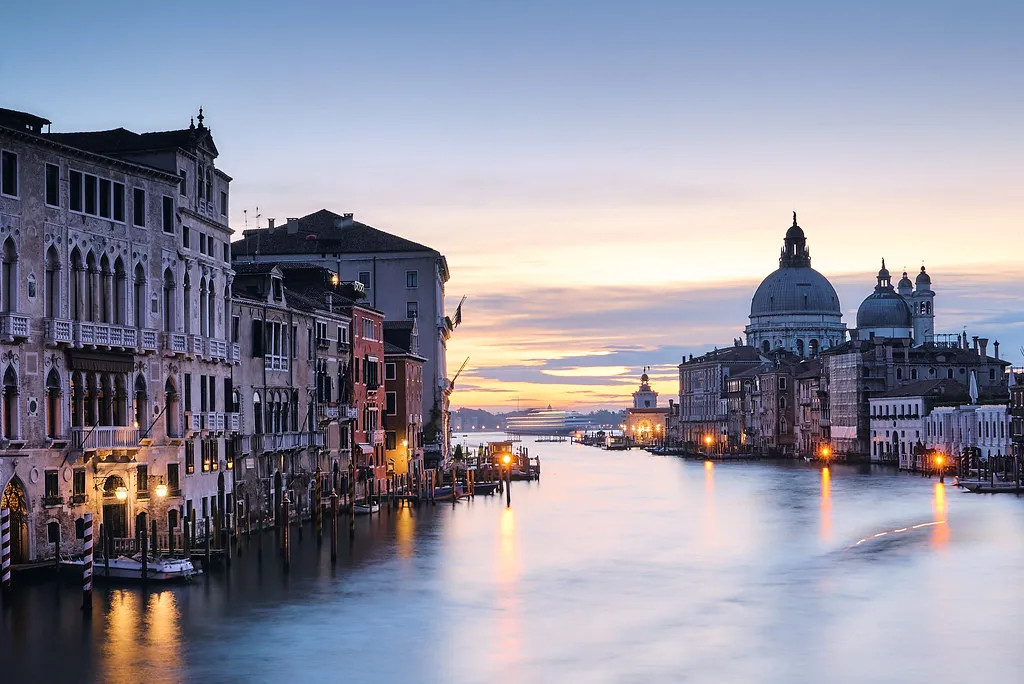
At the centre of the experience is the ombra, which translates to "shadow" in Venetian dialect. The name comes from the old practice of wine merchants following the shadow of the St. Mark's Campanile to keep barrels cool during the day. An ombra is always a small glass — around 100 ml — of the day's house wine, served at the bar for €1–2. It is the single most important concept to understand before you begin your crawl.
Order your ombra by saying "Un'ombra, per favore" to get house wine without being handed the tourist wine list. Follow with "Cosa c'è oggi?" (What's good today?) to find out what just arrived. Budget roughly €15–25 per person for a full crawl of four to six stops.
The food served alongside the wine is called cicchetti (pronounced chee-KET-ee): small plates or finger foods ranging from simple olives to intricate seafood preparations on toasted bread, a tradition the regional Veneto tourism board documents in detail, and the broader cicchetti tradition traces back centuries. You will see glass cases stacked with colourful snacks — point at what you want, and the bartender will tally your total at the end. Eating while standing at the counter is standard practice. Our companion article on the best cicchetti Venice has to offer covers the food side in greater depth.
All'Arco: The Rialto Market Staple
All'Arco sits at Calle del Arco, San Polo 436, just steps from the Rialto Bridge — and it earns its reputation every morning. This family-run spot serves some of the freshest seafood-topped crostini in the city because Francesco and his son Matteo build the menu around whatever arrived at the fish market that morning. You will not find a printed menu; the glass case tells you everything.
Arrive before 11:00 to beat the crowd of market workers and early tourists. The house baccalà mantecato — creamy whipped salt cod on toasted bread — is the benchmark against which all others are judged. Hot boiled-beef sandwiches with mustard are a legendary mid-morning treat for the market crew. Cicchetti cost €1.50–4 each; an ombra runs €1–1.50. Note the hours: All'Arco opens at 08:00 and closes at 14:30, and it is shut on Sundays and Mondays.
Cantina Do Mori: Venice's Oldest Wine Bar
Around the corner from All'Arco, at Calle dei Do Mori, San Polo 429, stands Do Mori — reputedly open since 1462. The dark wood interior, low ceilings, and copper pots hanging overhead have barely changed in centuries. Legend has it Casanova was a regular, which says something about the quality of the wine. Large terracotta casks behind the counter hold the house wines; fancier bottles line the shelves above.
The signature item is the francobollo (postage stamp): a tiny square white-bread sandwich packed with sliced meats, gorgonzola, radicchio, and roasted vegetables. Also worth ordering: the baccalà vicentino (dried cod cooked in milk with anchovy and parsley) and any artichoke preparation in season. Prices sit at €2–4 per cicchetto. Do Mori opens at 08:30 and closes at 19:30, Monday through Saturday.
Osteria alla Ciurma: Best for Meatballs and Value
One street along at Calle Galeazza 406A, Osteria alla Ciurma is where you stay for considerably longer than planned. It is small and clearly ancient inside, with a window ledge just wide enough to hold your wine glass while the bar fills with locals. House wine is a flat €2 per glass — you can even try a taste before committing. The energy here is boisterous and entirely unperformed.
The polpette (fried meatballs) are the star: deeply flavoured, slightly crispy outside, and dangerously moreish. There are also calamari rings, crostini with seasonal toppings, and a rotating selection of vegetable-based cicchetti for those skipping meat. If the barman recommends a lightly sparkling local red called Raboso — say yes. Chilled Raboso on a warm Venice afternoon alongside meatballs is one of those combinations that converts sceptics instantly. The bar opens at 09:00 and runs until 20:00 daily.
Cantina Do Spade: A Hidden Rialto Gem
Cantina Do Spade at San Polo 859 sits near enough to the Rialto fish market to benefit from the same fresh supply chain as its neighbours, but it draws a quieter crowd. The interior is homely rather than historic — wooden tables, warm lighting, staff who will recommend a Friulano without being asked. This is a good stop if Do Mori feels too cramped.
Order the sarde in saor (fried sardines marinated in sweet onions, vinegar, pine nuts, and raisins) — a dish Venice has been making since the 13th century. The polpette here are equally reliable, made with a mixture of beef and herbs in a light tomato sauce. Prices hover at €2–4 per cicchetto. Do Spade opens at 10:00 and runs two shifts: 10:00–15:00 and 18:00–22:00, every day.
Bacaro Risorto: A Cosy Castello Favourite
Bacaro Risorto at Campo San Provolo 4700 in Castello is the best introduction for first-timers. The interior — glossy red panels, rustic wood, exposed brick — is compact and instantly welcoming. The staff take time to guide newcomers through the cicchetti on display, which makes the experience far less intimidating than walking into a busy Rialto bar at peak hour.
The baccalà mantecato here comes on freshly baked crostini rather than polenta, and the barmaid's recommendation for a natural Pinot Grigio from the Veneto to accompany it is worth following. The citrusy minerality cuts through the salt cod beautifully. Prices run €2–5 per piece. The bar is open from 08:00 to 13:00 every day — note the early closing, which suits a mid-morning detour after visiting the nearby Arsenale.
Vino Vero: Natural Wines in Cannaregio
Vino Vero occupies a small canal-side spot at Fondamenta della Misericordia 2497 in Cannaregio and has become the natural wine reference point for the whole city. Inside there are perhaps a dozen seats; outside on the fondamenta, most people stand with their glass and watch the boats pass. The wine list cycles through small-production orange, skin-contact, and pét-nat bottles that you won't find anywhere near the San Marco tourist belt.
Cicchetti here go a step beyond tradition — eggplant with tomato and zest, octopus with paprika, sparkling wine pairings matched by the staff rather than left to guesswork. Prices are slightly higher at €3–7 per snack, reflecting ingredient quality. The Bollicina sparkling selection is exceptional and worth ordering even if you usually skip bubbles. Vino Vero is open Monday through Sunday from 12:00 to midnight (until 01:00 on Fridays and Saturdays).
Al Timon: Canal-Side on a Wooden Boat
Al Timon at Fondamenta degli Ormesini 2754 in Cannaregio doubles as a restaurant, but its cicchetti are the reason locals return. The defining feature is the wooden boat moored alongside the fondamenta where you can eat your crostini while the canal traffic drifts past. Arrive just before dusk — around 19:00 — to claim a spot on the boat for the best light of the day.
The prosciutto and brie crostini here have become something of a cult item: fluffy bread, silky sweet prosciutto, and a layer of nutty brie that sounds odd but works perfectly. The pinot noir poured by glass is light and berry-forward, ideal alongside the richer toppings. Prices sit at €2–5 per cicchetto. Al Timon opens at 16:00 and serves until 01:00 daily — which makes it the longest-running option on this list for a late evening.
Cantina del Vino già Schiavi: A Dorsoduro Legend
Schiavi, on Fondamenta Nani in Dorsoduro, is the easiest bacaro to reach if you are staying on the south side of the city near the Accademia or the Zattere. The counter displays more than sixty varieties of cicchetti laid out in rows, making it one of the most visually arresting stops on any crawl. Come early — many items sell out by midday.
The brie and pistachio topping has become the bar's most photographed item, and for good reason: the combination of creamy cheese and crunch against the salty backdrop is genuinely surprising. Classic crostini with salt cod, vegetable frittata, and tramezzini are all consistently excellent. Prices are among the fairest in the city at €1.50–3 per piece. Opening hours are 08:30–20:30 with a brief mid-day closure; closed Sundays.
Must-Try Cicchetti and What Wine to Pair
Seafood dominates because the city has always lived by the Adriatic. Baccalà mantecato — creamy whipped salt cod on toasted bread — is the single dish you must try at least once. Sarde in saor (fried sardines with sweet onion, vinegar, pine nuts, and raisins) is a medieval recipe that has not changed because it does not need to. Both dishes travel through several bacari on this list.
Meat lovers should find polpette at most bars: savory fried meatballs in beef, tuna, or eggplant versions. Tramezzini are crustless triangular sandwiches filled with ham, artichoke, shrimp salad, or cheese — closer to a tea sandwich than a panino. Vegetarians will find grilled seasonal vegetables, local cheeses, and artichokes from the island of Sant'Erasmo turning up on menus from March through May in 2026.
For wine pairing: a crisp still Friulano or Soave works with almost every salty seafood topping. Prosecco is fine but skip the cheap house Prosecco in favour of the sparkling selections at Vino Vero. For meat cicchetti, ask for a Valpolicella or — if the bar stocks it — the lightly sparkling Raboso della Piave, a local red that is chilled slightly and cuts through the richness of polpette better than any still wine.
What to Order by Season
Cicchetti change with the calendar, and knowing the seasonal rhythm helps you order like a regular rather than pointing at whatever looks familiar. Spring (March–May) is the best time to visit for carciofi — the small violet artichokes from the island of Sant'Erasmo that appear raw, fried, or braised on almost every counter. They disappear by June. Also in spring: fresh green asparagus in tramezzini and frittata.
Summer (June–August) shifts the focus toward cold seafood: marinated anchovies, cold octopus salad, and granseola (spider crab) dressed simply with lemon and olive oil. Autumn brings funghi porcini on crostini and heavier preparations like baccalà in several styles. Winter is truffle season — shaved over crostini with ricotta — and the time when the bars feel most atmospheric, steamed up from the cold and packed with locals who have nowhere better to be.
How to Order Like a Local
Most visitors stand at the case, point at things, and end up with a random selection. Locals use a few specific phrases that immediately signal you know what you are doing — and sometimes result in being offered items that never make it to the display case. The key phrase is "Un'ombra, per favore" to get the house wine without being handed the tourist wine list. Follow it with "Cosa c'è oggi?" (What's good today?) and the barman will usually tell you what just arrived or what to avoid.
If you want to try something without committing, say "Posso assaggiare?" (Can I taste?). At Osteria alla Ciurma, the standing offer is a free taste of any house wine before you order — but you have to ask. Never sit down if you want bar prices. The difference between standing and sitting can be 2–3x per item at some bars, and no amount of tired feet justifies paying €8 for a cicchetto that costs €2.50 at the counter.
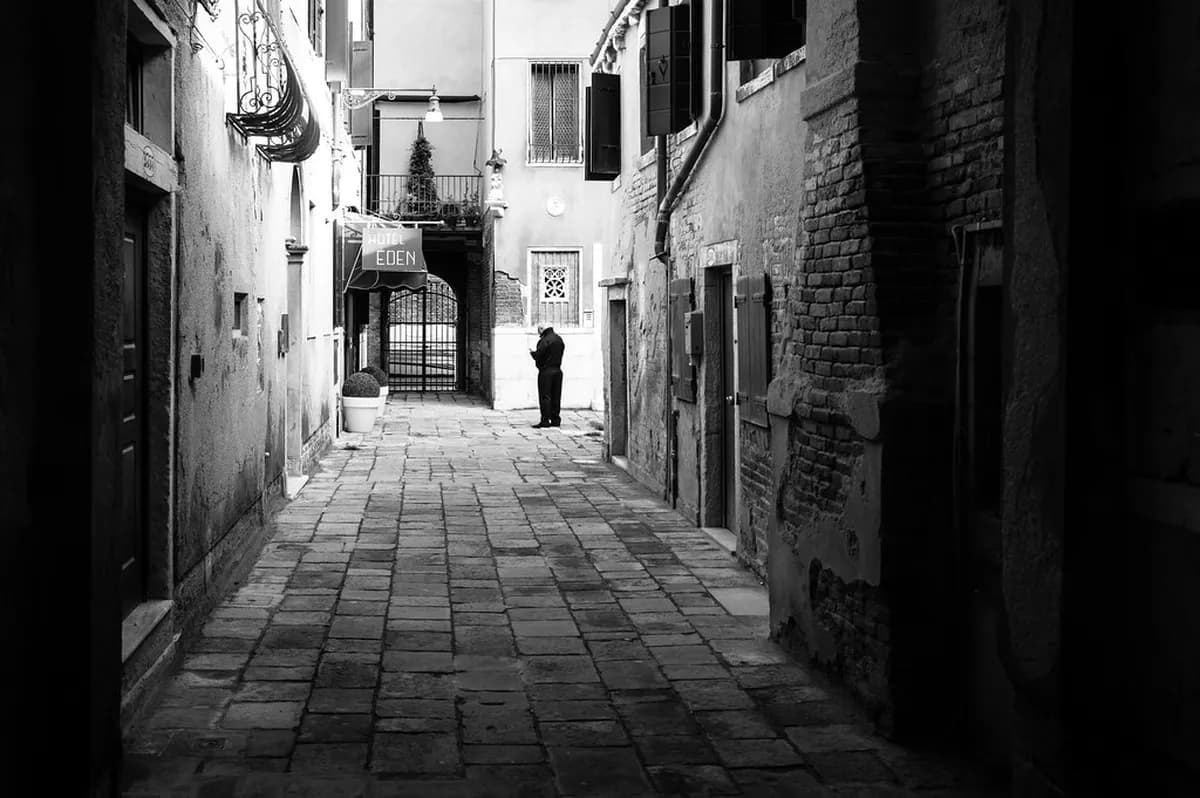
One further point: bacari that display large laminated tourist menus near the entrance, or that show prices in tourist-friendly round numbers, are rarely the real thing. The best stops on this list have no menu visible from outside at all. Head into the off the beaten path Venice residential alleys where groups of locals stand outside with glasses and you will rarely go wrong.
Never sit down if you want bar prices. The difference between standing and sitting can be 2–3x per item at some bacari — a cicchetto that costs €2.50 at the counter can reach €8 at a table. If the entrance displays a laminated tourist menu, walk on.
Planning Your Bacaro Crawl Route
The most logical crawl starts at the Rialto fish market early — by 09:00 — and moves west to east across the city as the day progresses. Begin with All'Arco and Cantina Do Mori in San Polo while the market workers are still at the counter. Walk ten minutes to Cantina Do Spade and Osteria alla Ciurma before the lunchtime rush. These four stops are within 300 metres of each other, making the Rialto cluster an efficient morning anchor.
| Bacaro | Neighborhood | Cicchetti Price | Hours | Closed |
|---|---|---|---|---|
| All'Arco | San Polo | €1.50–4 | 08:00–14:30 | Sun & Mon |
| Cantina Do Mori | San Polo | €2–4 | 08:30–19:30 | Sunday |
| Osteria alla Ciurma | San Polo | €2 (wine) | 09:00–20:00 | Open daily |
| Cantina Do Spade | San Polo | €2–4 | 10:00–15:00, 18:00–22:00 | Open daily |
| Bacaro Risorto | Castello | €2–5 | 08:00–13:00 | Open daily |
| Vino Vero | Cannaregio | €3–7 | 12:00–midnight (Fri–Sat to 01:00) | Open daily |
| Al Timon | Cannaregio | €2–5 | 16:00–01:00 | Open daily |
| Schiavi | Dorsoduro | €1.50–3 | 08:30–20:30 (brief midday closure) | Sunday |
For the afternoon and evening, cross into Cannaregio. The Fondamenta della Misericordia and Fondamenta degli Ormesini stretch runs Vino Vero to Al Timon in under five minutes on foot — this is the most scenic section of any crawl, and the canal light from 18:00 onwards is worth the detour alone. Cap the evening at Bacaro Risorto in Castello if you want a quieter final stop, or head south to Schiavi in Dorsoduro if you are staying near the Accademia. The Venice for young adults guide covers the evening scene in each sestiere in more detail.
Carry cash throughout. Many smaller bacari have a minimum card spend of €10–15, and a few still operate cash-only. Budget roughly €15–25 per person for a full crawl covering four to six stops — two ombre and two cicchetti per bar — which is significantly cheaper than a single sit-down dinner in the same neighbourhoods.
Frequently Asked Questions
How much does a glass of wine (ombra) cost in Venice?
A standard ombra of house wine typically costs between $1.50 and $3.00 at most authentic bacari. Prices may increase if you choose a specific vintage or sit at a table. It remains the most affordable way to enjoy local viticulture.
Do you need to book a table at a Venetian bacaro?
Reservations are generally not required or even accepted at traditional bacari because the culture is based on standing. You simply walk in, find a spot at the counter, and enjoy your snacks. Some larger osterias may take bookings for full meals.
What are the best cicchetti for beginners to try?
Beginners should start with baccalà mantecato, which is a mild and creamy whipped cod on bread. Fried meat or tuna polpette are also very approachable and delicious. These items are staples found in almost every wine bar across the city.
Embracing the bacari culture is the fastest way to feel like a true Venetian rather than just another visitor. By following this guide, you can navigate the city's wine bars with confidence and discover flavours you will not find anywhere else. Remember to stand at the bar, order an ombra, ask what is good today, and enjoy the slow pace of life on the lagoon. Your most cherished memories of Venice will likely be these simple moments spent with a glass in hand.
Whether you prefer the historic density of San Polo or the canal-side energy of Cannaregio, there is a bacaro for every mood. Take the time to explore the backstreets, carry cash, and don't be afraid to ask for a taste before you commit. Venice is a city meant to be tasted one small bite at a time.
Use our hidden gems in Venice hub to plan the rest of your off-the-beaten-path trip.
Continue exploring
More guides you'll find useful