8 Essential Things to Know About Cannaregio Venice
Discover Cannaregio, Venice's most authentic neighborhood. Our guide covers the Jewish Ghetto, Tintoretto's legacy, hidden dining spots, and practical travel tips.
On this page
8 Essential Things to Know About Cannaregio Venice
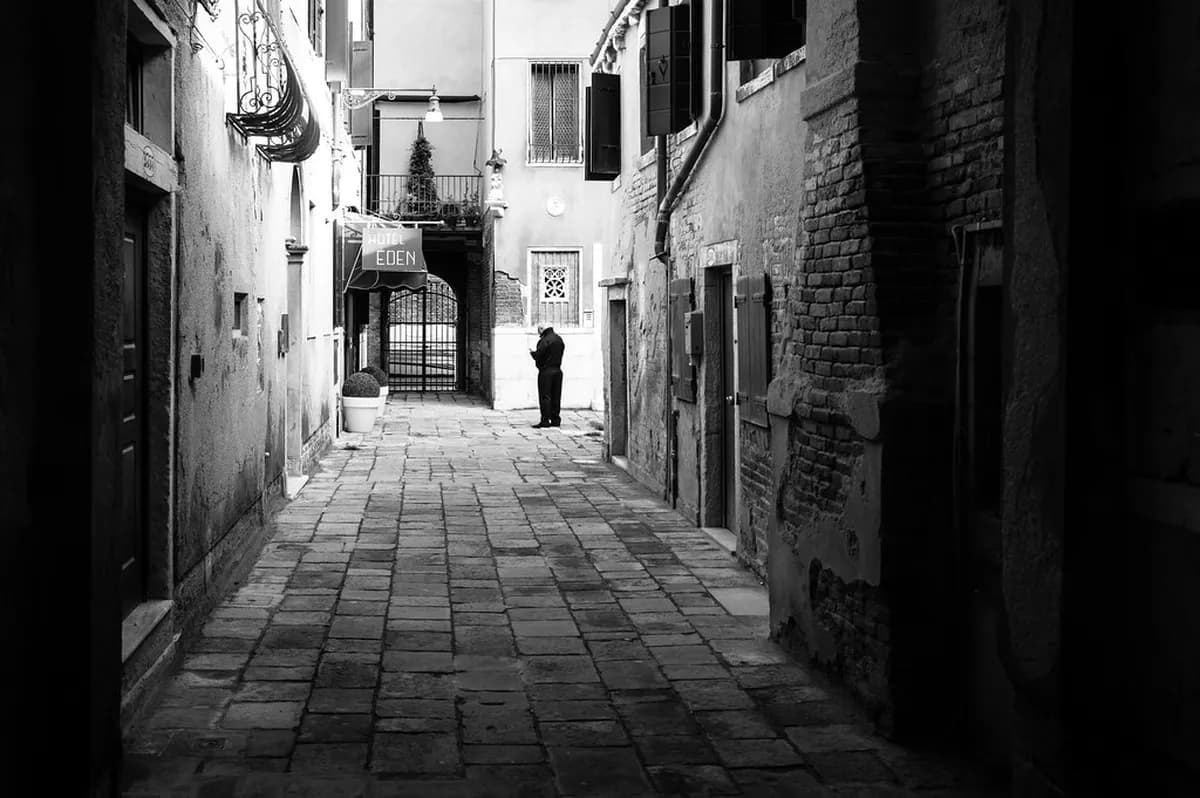
Cannaregio is the largest and northernmost of Venice's six historic sestieri. It stretches from the Santa Lucia train station all the way to the open northern lagoon, offering a long, calm corridor of canals that still feel genuinely lived-in. Laundry dries above narrow calli, elderly residents shop at the same markets they have for decades, and the pace slows the further you move from the tourist axis.
The sestiere holds the world's oldest Jewish Ghetto, the finest Gothic church in Venice outside San Marco, and some of the most atmospheric canalside bars in the entire city. Yet most visitors pass through it only on their way somewhere else. That is their loss — and your gain.
This guide covers everything that makes Cannaregio worth a full day of your time in 2026: the key landmarks, the honest dining advice, the practical accommodation logic, and a few corners that do not appear on printed walking maps.
Where is Cannaregio? (Location and Access)
Cannaregio occupies the entire northern edge of Venice, running parallel to the Grand Canal from the train station in the west to the Fondamente Nove waterfront in the east. If you arrive at Santa Lucia by train, you step directly into the sestiere the moment you cross the threshold. The Scalzi Bridge outside the station entrance is effectively the western gateway. Use a map of Venice's canals and neighborhoods before your first walk — the grid is denser than it appears on small screens.
Two vaporetto lines matter most here. Line 1 stops at Ca' d'Oro and Ferrovia along the Grand Canal side; lines 4.1 and 4.2 call at Fondamente Nove on the lagoon side, giving you direct connections to Murano, Burano, and the cemetery island of San Michele. Getting between the two sides on foot takes roughly 15 minutes through the residential interior.
The main pedestrian artery, Strada Nova, runs straight from the station toward the Rialto without any dead ends. It is impossible to get seriously lost on this route. The interesting Cannaregio, however, is everything north and south of it — the parallel fondamente and the quiet campi that branch off without signposts.
A Little History of the Cannaregio Sestiere
The name almost certainly derives from the reeds — canne — that once lined the marshy northern shores before the area was fully reclaimed and settled. As Venice developed into a maritime republic, Cannaregio grew into its working backbone. Boatyards, rope-makers, and small factories clustered here, giving the neighborhood a grounded, everyday character that the ceremonial districts around San Marco never quite had.
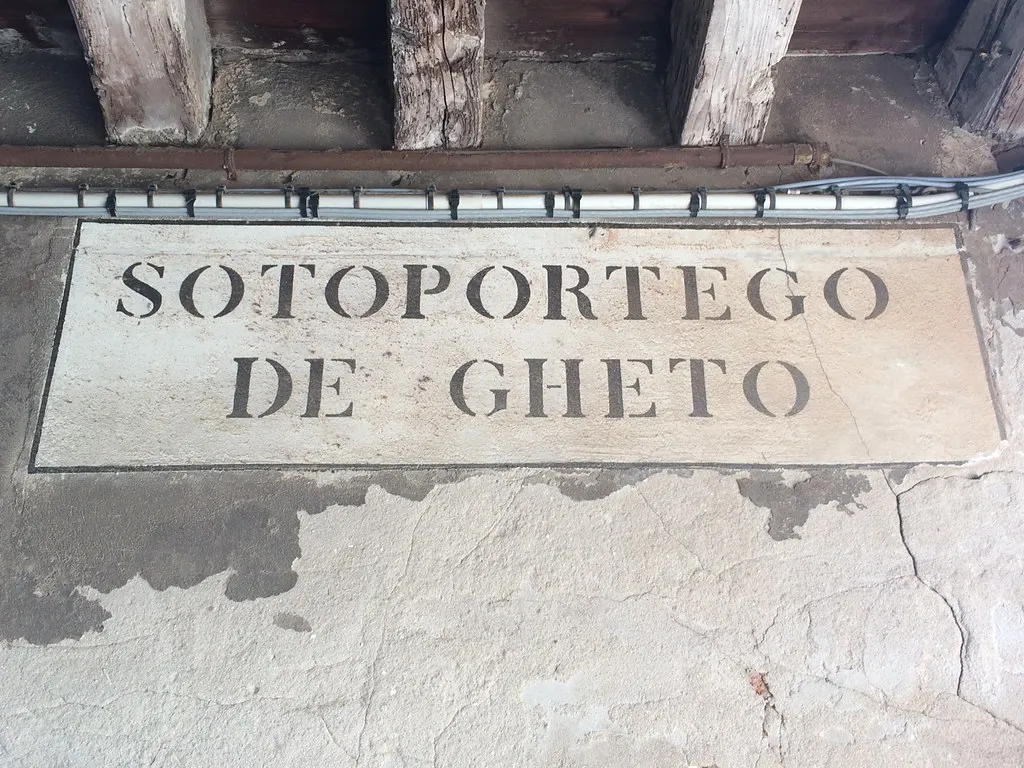
The most consequential chapter came in 1516 when the Venetian Republic established the Jewish Ghetto in this sestiere — the first in the world to bear that name. The community was confined to a small island connected by drawbridges that were locked at night. Despite severe restrictions on movement and trade, the Ghetto developed a remarkable intellectual and religious life, with scholars, physicians, and poets working within its narrow walls.
By the seventeenth century, wealthy merchant families had built grand palaces along the Grand Canal frontage, a few of which survive as some of the finest Gothic and Renaissance facades in the city. The neighborhood never shed its working-class roots entirely, which is exactly why it retained the residential density and local commerce that other sestieri gradually lost to tourism.
The Jewish Ghetto: Venice's Historic Heart
The Ghetto di Venezia divides into three zones established at different moments: the Ghetto Nuovo (1516), the Ghetto Vecchio (1541), and the Ghetto Novissimo (1633). The Ghetto Nuovo is the oldest and the most architecturally distinctive. Because the community was confined to a fixed island and forbidden from expanding outward, they had only one option: build upward. The result is a cluster of six- and seven-story buildings that rise with an almost Manhattan-like density against the low Venetian skyline — an anomaly you will not find anywhere else in the city.
Five synagogues still stand within the Ghetto, several of them active. The Museo Ebraico di Venezia on Campo del Ghetto Nuovo organizes guided tours of the Scola Grande Tedesca (the oldest, dating to 1528) and the Scola Canton, with its Baroque interior. Admission to the museum costs around €10 in 2026; synagogue tours are additional but worth booking in advance, especially between April and October.
The square itself, Campo del Ghetto Nuovo, is one of the quieter campi in the city. A kosher bakery at the edge of the square sells fresh pastries in the morning. Several memorial bronze bas-reliefs on the walls commemorate the community deported during the Second World War. Plan at least 90 minutes here — the history is layered enough to reward slow attention.
Must-See Cannaregio Attractions and Museums
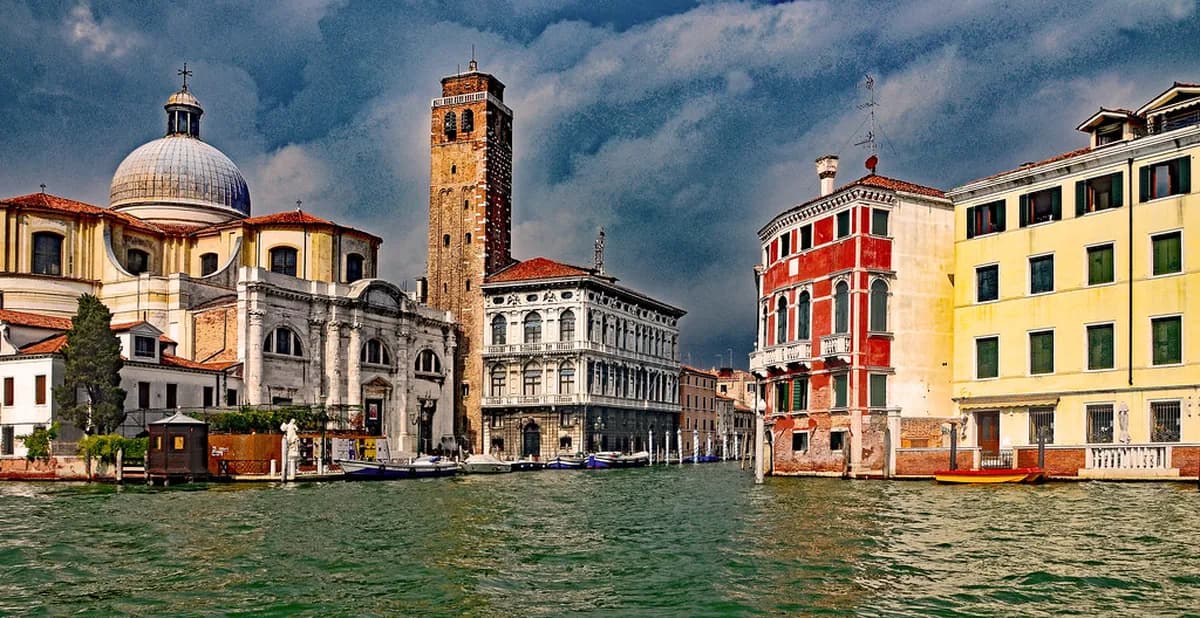
Ca' d'Oro is the landmark most associated with Cannaregio from the water. The late-Gothic palace on the Grand Canal, built between 1421 and 1440, was once gilded with real gold leaf — hence its name, the Golden House. Today it operates as the Galleria Giorgio Franchetti, housing paintings by Mantegna, Titian, and Van Dyck, as well as an important collection of Flemish tapestries. The ground-floor loggia looking directly over the Grand Canal is one of the best free viewpoints in Venice once you have paid the museum entry.
The Campo dei Mori, tucked in the northwestern residential quarter, rewards visitors who wander off Strada Nova. Three large stone figures — the Mastelli brothers, Levantine merchants — are set into the exterior wall of a palazzo facing the canal. A fourth figure, Sior Antonio Rioba, stands separately with an iron prosthetic nose; locals touch it for luck, and the nose has been worn smooth over centuries. The square is quiet enough that you can stand and look without anyone jostling past you.
The northern Fondamente Nove waterfront is a different kind of attraction: an unbroken stretch of quayside facing the open lagoon. On clear days the Alps are visible as a faint white line on the horizon. This is also where vaporettos leave for the outer islands, so you can combine discovering hidden gems in Venice with catching an early morning boat to Murano or Burano before the crowds build.
The Church of Madonna dell'Orto and Tintoretto's House
Madonna dell'Orto is the finest Gothic church in the sestiere and arguably the most undervisited major church in all of Venice. The brick facade, with its slender pinnacles and carved lunette, dates to the late fourteenth century. Inside, the proportions are extraordinary — tall and narrow, with a spaciousness that the more famous Frari cannot match. Jacopo Tintoretto chose this as his parish church, and he filled it with some of his most ambitious canvases: The Last Judgment and The Adoration of the Golden Calf, both over 14 metres tall, hang facing each other in the apse. Tintoretto's tomb is in the right transept, marked simply. Entry costs a few euros through the Chorus Pass system.
A five-minute walk south brings you to the house where Tintoretto lived and worked for most of his adult life, on Fondamenta dei Mori. It remains a private residence and is not open to visitors. But the exterior — a modest brick building with a commemorative plaque — is easy to find, and standing outside gives you a concrete sense of how integrated artists were into the everyday fabric of this neighborhood. Tintoretto did not live in a palazzo; he lived on the same street as the stone merchants.
The Campo dei Mori directly in front of the house provides one of the most photographically satisfying small squares in Cannaregio. The combination of the Mastelli statues, the narrow canal behind, and the total absence of tourist infrastructure makes it feel genuinely discovered. Come before 09:00 and you will likely have it to yourself.
The Hidden Churches of the Northern Quarter
Two churches near Fondamente Nove are consistently overlooked even by visitors who reach this part of the sestiere. The first is Santa Maria dei Miracoli, a 15-minute walk east from Madonna dell'Orto through the interior calli. Completed in 1489 and attributed to Pietro Lombardo, it is completely sheathed in polychrome marble — white, grey, and rose panels that catch light differently depending on the hour. The interior is small and barrel-vaulted, with carved marble panels running the length of the nave. Many Venetians consider it the most beautiful small church in the city. It is open only in the mornings and covered by the Chorus Pass.
The second is I Gesuiti (Santa Maria Assunta), just steps from the Fondamente Nove vaporetto stop. The facade is relatively restrained Baroque, but the interior hits you immediately: the walls are entirely covered in white-and-green marble intarsia that mimics the texture of heavy damask fabric. The effect is surreal — it looks like an enormous green tapestry has been carved directly into stone. This church is free to enter and rarely crowded even in summer.
Combining both into a single walk from Fondamente Nove takes about an hour and links naturally to an exploration of Venice's hidden churches across the wider city. Neither church is promoted heavily by the main tourist circuit, which means you visit them on your own terms.
Fondamenta Ormesini and the Best Local Dining
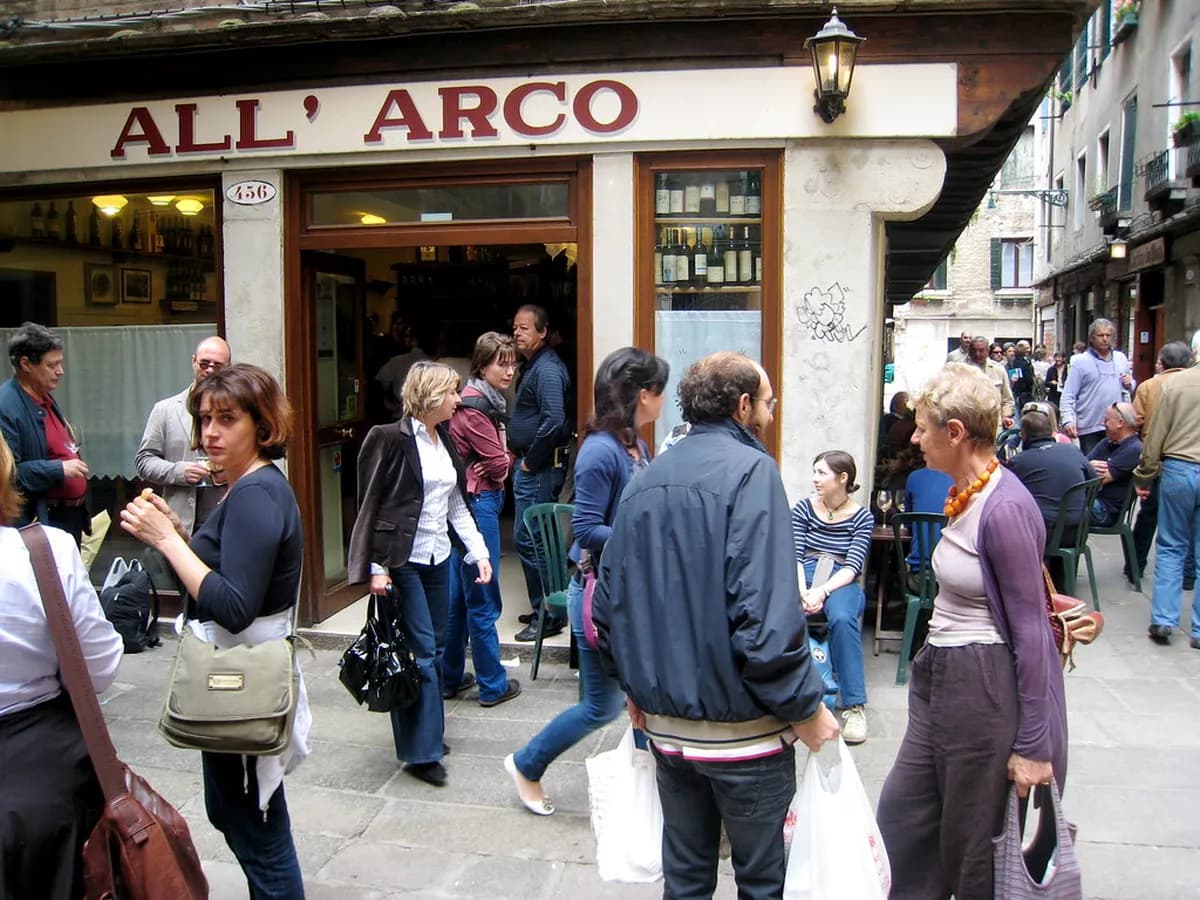
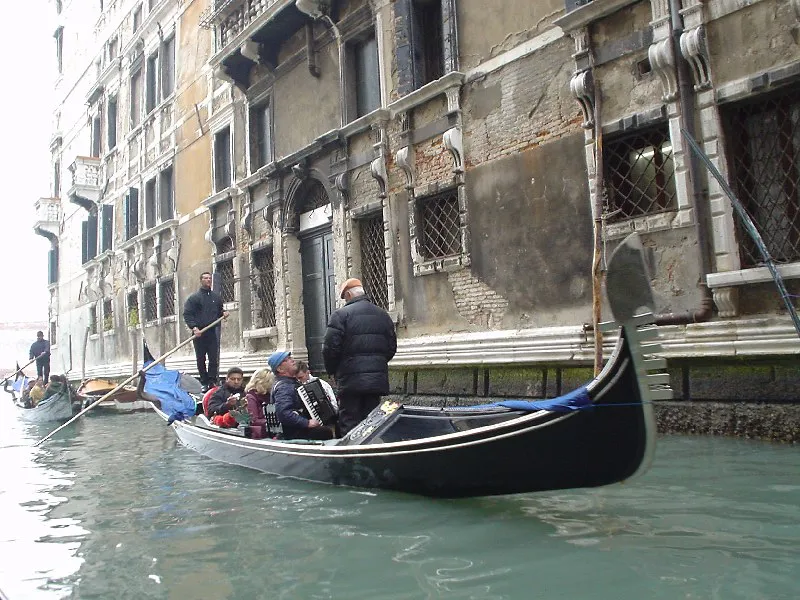
Fondamenta Ormesini and the parallel Fondamenta della Misericordia form the social spine of Cannaregio's evening scene. In the morning they are quiet residential canalsides where locals walk dogs and collect deliveries. By 18:00 the transformation is complete: the canal walls fill with people standing outside bacari with glasses of prosecco, Aperol Spritz, or local Soave, and the kitchen smells shift from coffee to fried seafood and warm bread.
Cicchetti at the bacari along Fondamenta Ormesini run €3–4 per piece, with house wine from €3–5 per glass — roughly 30–40% cheaper than equivalent snacks near San Marco. Start your crawl at Al Timon and work east by 18:00.
A practical cicchetti route starts at Al Timon near the western end of Fondamenta della Misericordia, where a wooden barge moored outside serves as overflow seating. Work east toward Vino Vero (creative, slightly wine-bar in character, popular with a younger local crowd) and then Cantina Aziende Agricole for a more classic bacaro feel. Budget roughly €3–4 per cicchetto and €3–5 per glass of wine. The bacari Venice guide has a fuller breakdown of what to order and where to stand. Prices here run roughly 30 to 40 percent below equivalent snacks in the San Marco district.
For a sit-down meal, the streets behind the fondamente hold several serious restaurants. Osteria Anice Stellato, on Fondamenta della Sensa, is one of the best in the neighborhood: the menu changes with the market, portions are honest, and the seafood crudo is consistently good. Reservations are essential. On the same street, Osteria al Mariner draws a local clientele with straightforward plates of spaghetti al nero di seppia and grilled branzino. Neither place has an English-only tourist menu.
Strada Nova vs. Fondamente Nove: Two Ways Through the Sestiere
Strada Nova is the main pedestrian artery, running dead straight from the station to the Rialto without a single turn. It is wide, easy to navigate, and lined with pharmacies, pastry shops, supermarkets, and souvenir stalls. It is useful — especially for logistics like buying water or finding a cash machine — but it does not show you what Cannaregio actually is. The foot traffic on a summer afternoon rivals any street in central Europe.
Fondamente Nove is the alternative spine, running along the northern lagoon edge. The pace is entirely different. The quayside is broad, the views across to San Michele and Murano are open and unobstructed, and the cafes facing the water are used almost entirely by locals and island commuters. On a clear winter morning the snow line of the Dolomites appears on the horizon. This is also the departure point for the vaporetto lines to the outer islands, so it serves a practical function alongside its scenic one.
The most rewarding approach is to walk in on Strada Nova, navigate by instinct through the interior calli toward the Ghetto and Madonna dell'Orto, then exit onto Fondamente Nove and walk back west toward the station along the lagoon edge. This loop covers the key sites without retracing steps, takes two to three hours at a comfortable pace, and gives you a realistic cross-section of the neighborhood's range. Check the non-touristy things to do in Venice guide for further detours off this main axis.
Madonna dell'Orto church opens at 10:00 Monday through Saturday and is closed on Sunday mornings. Most smaller Cannaregio churches also close midday 12:00–15:00, so plan your route to visit them before noon or after 15:00.
| Route | Character | Key Stops | Best For |
|---|---|---|---|
| Strada Nova | Wide, commercial, busy | Station → Rialto (1 km straight) | Logistics, shopping, quick transit |
| Fondamente Nove | Open lagoon views, local | San Michele ferries, island departures | Scenic walks, Murano/Burano day trips |
| Fondamenta Ormesini | Canalside, evening social | Al Timon, Vino Vero, bacari crawl | Evening cicchetti and wine |
| Interior calli | Quiet, residential | Ghetto, Madonna dell'Orto, Campo dei Mori | Hidden sights, authentic atmosphere |
Where to Stay: Family and Budget-Friendly Options
Cannaregio is consistently ranked among the best neighborhoods to stay in Venice for travelers who prioritize value and convenience over proximity to San Marco. Accommodation prices here run meaningfully lower than in Dorsoduro or San Polo for comparable quality, partly because the area is larger and supply is higher, partly because it attracts fewer visitors paying a premium for a symbolic address.
The practical advantage for most travelers is the train station. Arriving with luggage is dramatically simpler in Cannaregio than anywhere east of the Rialto. Departure logistics — catching a 06:00 train after a late dinner — are also far less stressful. Families with young children benefit from the slightly wider streets and the handful of actual open spaces, including the large Campo di San Giobbe near the western edge of the sestiere.
The neighborhood around Fondamente Nove is the best base if you plan day trips to Murano, Burano, or Torcello. You beat the vaporetto queues by several stops. For a dedicated selection of hotels with canal views, room sizes, and price categories, the Cannaregio Venice hotels guide covers the current options with honest notes on what each area of the sestiere is actually like at night.
How to Plan a Smooth Cannaregio Itinerary
Start before 09:00 at the Jewish Ghetto. The morning is quieter, the Campo del Ghetto Nuovo is at its most atmospheric, and the kosher bakery opens early. Visit the Museo Ebraico and join the first synagogue tour of the day if you have booked in advance. Allow 90 minutes.
Walk northwest to Madonna dell'Orto, passing through the Campo dei Mori to see the Mastelli statues and Tintoretto's house exterior. The church opens at 10:00 Monday through Saturday. Spend 45 minutes inside with the Tintoretto canvases, then walk east along the interior calli toward Fondamente Nove. Stop at I Gesuiti for five minutes — the marble interior requires no setup time and rewards spontaneous entry.
Eat lunch at one of the quayside cafes on Fondamente Nove facing the lagoon, then walk west along the waterfront to Ca' d'Oro for the afternoon gallery visit (allow an hour). End the day with a cicchetti crawl along Fondamenta della Misericordia starting around 18:00. This route covers the full sweep of the sestiere without repetition and positions you for a quiet dinner well before the post-theatre crowds arrive. For a self-guided version with walking times marked, the Venice free walking tour itinerary maps a compatible route through the northern neighborhoods.
Frequently Asked Questions
Is Cannaregio a good place to stay in Venice?
Yes, Cannaregio is an excellent place to stay because it offers a more authentic local vibe. It is also more budget-friendly than San Marco and very close to the train station. You can find great best cicchetti Venice spots right outside your hotel door.
What is the main street in Cannaregio?
The main street is the Strada Nova, which connects the train station area to the Rialto Bridge. It is filled with shops, cafes, and restaurants, making it very popular for walking. For a quieter experience, try walking along the northern Fondamente instead.
How do I get from the train station to Cannaregio?
Cannaregio starts immediately outside the Santa Lucia train station, so you can simply walk into the district. You can also take a vaporetto water bus from the Ferrovia stop to reach other parts of the neighborhood. Walking is usually the fastest way to explore.
Is the Jewish Ghetto in Venice worth visiting?
The Jewish Ghetto is definitely worth visiting for its unique history and architecture. It provides a quiet, reflective atmosphere and features the world's oldest synagogues. The tall buildings and historic museum offer insights you won't find elsewhere in the city.
Cannaregio offers a unique glimpse into the heart of Venetian life that many tourists miss. From the historic Jewish Ghetto to the lively canalside bars, there is something for every traveler to enjoy. It remains one of the most diverse and welcoming districts in the entire city.
Whether you are looking for fine art or a simple plate of cicchetti, this neighborhood delivers a high-quality experience. Taking the time to wander through its quiet backstreets will reward you with unforgettable memories. Plan your visit to this charming sestiere to see the real Venice in 2026.
Continue exploring
More guides you'll find useful