9 Best Neighborhoods to Stay in Venice Travel Guide (2026)
Plan best neighborhoods to stay in venice with top picks, neighborhood context, timing tips, and practical booking advice for a smoother trip.
On this page
9 Best Neighborhoods to Stay in Venice
Choosing where to stay in Venice is one of the most consequential decisions of your entire Italy trip. The city is small enough to walk across in thirty minutes, yet where you sleep shapes everything: your evening atmosphere, how far you drag your luggage over bridges, how loud the crowds are at 9 AM outside your window. After extensive research and repeated visits to the lagoon, we ranked every sestiere and nearby island so you don't have to guess. This guide was refreshed for 2026 to reflect current hotel pricing and updated Italy travel conditions.
The short version: Cannaregio is the best all-round base, Dorsoduro suits art lovers and students, Santa Croce and San Polo win on convenience, and Castello is ideal for anyone craving quiet. Everything else — Giudecca, Lido, Murano — is worth knowing about but comes with trade-offs. Keep reading for the full breakdown.
Overview of Venice's Layout
Venice sits on roughly 100 small islands in a sheltered lagoon about 4 km off the Italian mainland. The part tourists actually visit — the historic center — is made up of six interconnected districts called sestieri: San Marco, Castello, Cannaregio, Dorsoduro, San Polo, and Santa Croce. The Grand Canal, shaped roughly like a reverse S, slices through the middle and separates three sestieri on each bank. The Rialto Bridge and the Accademia Bridge are the two main pedestrian crossings over it.
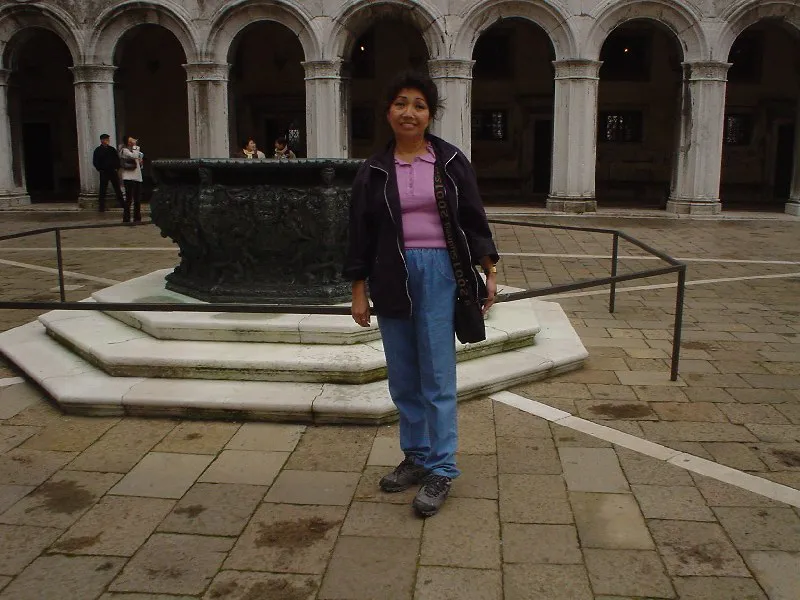
The historic center connects to the mainland via the Ponte della Libertà, a causeway that terminates at Piazzale Roma. Cars stop here. From that point on, you walk or take a vaporetto (water bus). Several outlying islands — Giudecca, Lido, Murano, Burano, Torcello — are accessible by boat from the main island. Consult a map of Venice canals and neighborhoods before you book, because the GPS address of a hotel tells you very little about how far it actually is from the things you want to do.
One detail almost no guide mentions: the sestieri were originally tax-administration zones from the 12th century, not organic neighborhoods. There are no walls or hard borders between them. The "character" of each area is real, but the boundaries on a map are somewhat arbitrary. What matters in practice is how close you are to the vaporetto stops and the Grand Canal, not which district your hotel technically sits in.
The Best Areas to Stay in Venice
Most guidebooks list all six sestieri as equally valid options. In practice, four of them do the job for almost every type of traveler, and two are worth skipping as a base. Here is an honest summary before the in-depth sections below.
- Cannaregio is the top pick for most visitors. It has the best ratio of local atmosphere to central access, the widest range of mid-range hotels (€120–€350 per night), and the best evening dining scene outside the tourist corridors.
- Santa Croce and San Polo are the most practically convenient. They sit at the geographic center of the city, adjacent to the train station and Piazzale Roma. Slightly more touristy than Cannaregio, but hard to beat on pure logistics.
- Dorsoduro has the best restaurant-to-price ratio in Venice, a large student population that keeps prices competitive, and the Peggy Guggenheim Collection on its doorstep. It is slightly less convenient for the northern sights but compensates with its own heavyweight attractions.
- Castello is the quietest base in the historic center. The eastern end near Via Garibaldi and the Giardini della Biennale feels genuinely residential. Prices run €110–€320 per night, among the lowest you will find on the main island.
San Marco is frequently listed as a top option for first-timers. We think that recommendation is outdated. The prices are the highest in the city (€200–€900 per night), the streets are congested from morning to evening, and many hotels here are sold out months in advance. Unless you have a specific reason to be steps from the Piazza, one of the four neighborhoods above will serve you better.
Cannaregio: Local, Fun, and Always Our Favorite
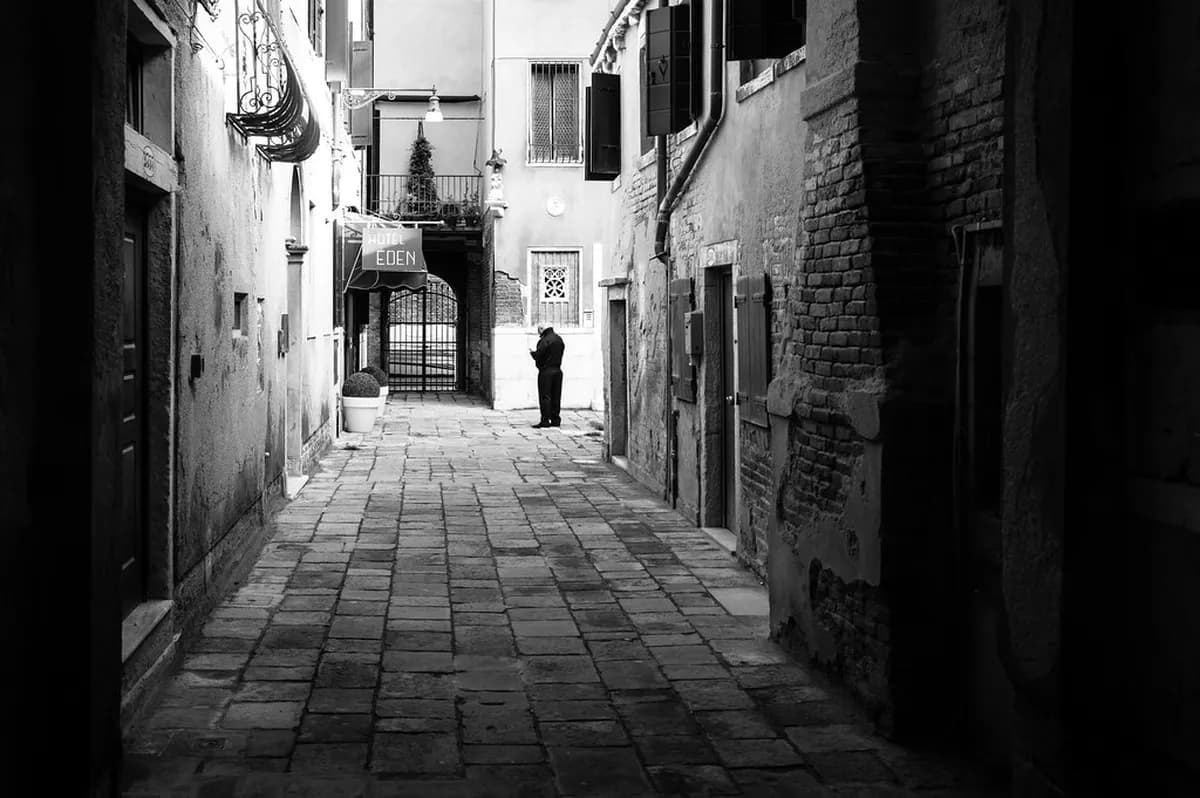
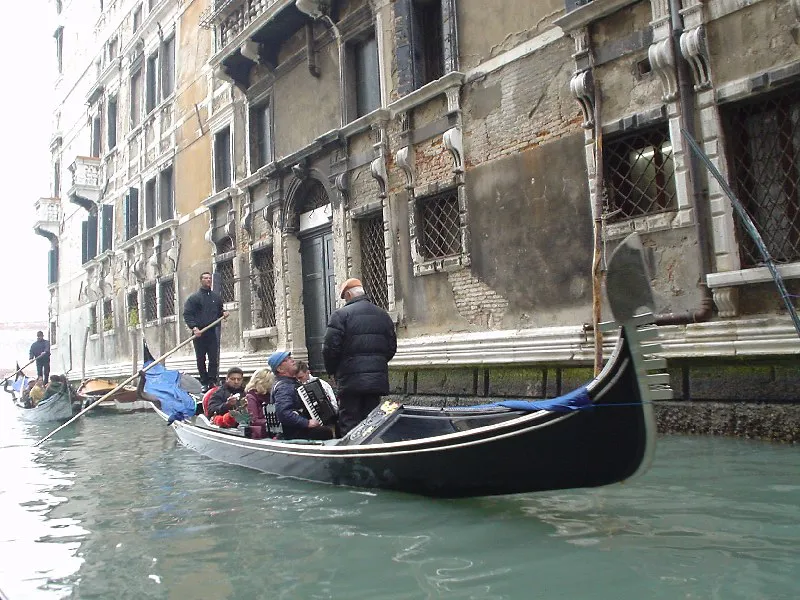
Cannaregio stretches from the Santa Lucia train station in the west to the northern fringes of San Marco in the east. It is the most densely inhabited sestiere and the one where you are most likely to see Venetians doing actual daily life — shopping at the alimentari, dropping kids at school, arguing at the bacaro on a Tuesday evening. The Fondamenta della Misericordia is the best street in the city for casual, affordable evening dining without a tourist markup.
The Jewish Ghetto, established in 1516, is one of the most historically significant sites in all of Europe. Venice's ghetto was the first in the world, and the Museo Ebraico on Campo del Ghetto Nuovo is small but excellent, open Tuesday to Sunday from 10:00 to 17:30. The Ca' d'Oro palace on the Grand Canal, a 15th-century Gothic gem housing works by Carpaccio and Bellini, is also in Cannaregio and rarely crowded. Our dedicated Cannaregio Venice neighborhood guide covers the best streets and lesser-known corners in detail.
Hotel rates here range from €120 to €350 per night, with canalside boutique options concentrated around the Fondamenta Nuove. The vaporetto line 4.1 from Fondamenta Nuove connects directly to Murano in 10 minutes and to the Lido in around 30 minutes — a useful detail if island day trips are on your itinerary. For hotel picks, see our Cannaregio Venice hotels guide.
A 24-hour vaporetto travel card costs €20 in 2026 and pays for itself after three trips in a single day. Multi-day cards (48h €30, 72h €40, 7-day €60) are the standard choice for any stay of two nights or more. Buy them at ACTV machines on any major vaporetto dock and validate before boarding.
| Sestiere | Hotel Rate/Night | Best For | Key Vaporetto |
|---|---|---|---|
| Cannaregio | €120–€350 | Local atmosphere, value dining | Lines 1, 2, 4.1 (Ferrovia) |
| San Polo / Santa Croce | €100–€450 | Central access, Rialto proximity | Lines 1, 2 (Rialto) |
| Dorsoduro | €130–€400 | Art lovers, students, budget bars | Lines 1, 2 (Accademia) |
| Castello | €110–€320 | Quiet streets, families, green spaces | Lines 1, 4.1 (Arsenale) |
| San Marco | €200–€900 | Landmark proximity (not recommended) | Lines 1, 2 (San Marco) |
| Giudecca | €80–€700 | Views, luxury, quiet | Line 2 (Palanca) |
| Lido | €100–€500 | Families, summer beach access | Lines 1, 2, LN (Lido) |
Santa Croce and San Polo: Central and Super Convenient
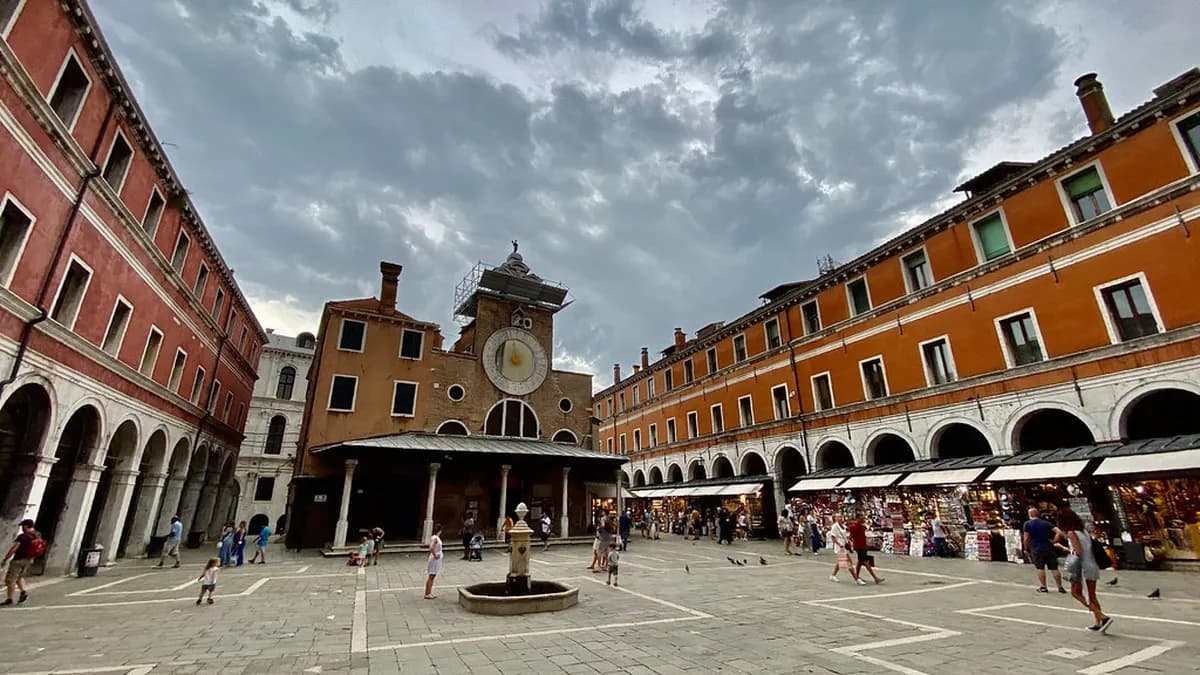
These two sestieri are geographically tiny and so intertwined that it makes sense to treat them as one zone for accommodation purposes. San Polo is the smallest district in Venice and contains the Rialto Bridge and the Rialto Market — open from 07:30 to 13:00 Monday through Saturday — which is the city's best food shopping destination and a mandatory morning stop. Santa Croce borders San Polo to the west and is home to Piazzale Roma, the city's main bus terminal and the entry point for all visitors arriving by car, taxi, or coach.
The practical advantage is real: from a hotel in this zone you can walk to the Rialto in five minutes and reach San Marco in around fifteen. The bus from Marco Polo airport drops you at Piazzale Roma, which means no boat transfer needed if you are staying here. Campo San Giacomo dell'Orio, tucked into Santa Croce's quieter streets, is one of Venice's loveliest squares and almost entirely free of tourist crowds in the evenings. The wine bar Al Prosecco on that square is the best place in the city to drink a spritz.
Hotel rates run €100–€300 per night in Santa Croce and €150–€450 in San Polo, where canal-adjacent rooms command a premium. One honest caveat: the streets immediately around the train station and Piazzale Roma are loud, overpriced, and generic. Walk ten minutes east or south and the character changes completely. For the bacari Venice guide in this zone, the backstreets off Calle dei Saoneri are where the locals drink.
Dorsoduro: Youthful, Artsy, and Underrated
Dorsoduro sits at the southern end of the historic center, separated from San Polo and Santa Croce by the Rio Nuovo canal. It is home to Ca' Foscari University, which means a permanent student population that keeps bar prices honest and the atmosphere lively year-round. Campo Santa Margherita is the social hub — a wide, irregular square lined with affordable cafes, a small fish and vegetable market in the mornings, and students spilling out of bars until midnight. It is one of the most genuinely lived-in public spaces in Venice.
The art credentials are serious. The Peggy Guggenheim Collection (open Wednesday to Monday, 10:00–18:00, closed Tuesdays, €18 entry in 2026) sits directly on the Grand Canal and is one of the finest collections of modern art in Europe. The Gallerie dell'Accademia, a ten-minute walk away, houses the most important collection of Venetian painting anywhere in the world. The Fondamenta delle Zattere, a long sun-facing promenade along the Giudecca Canal, is the best place in the city to eat gelato and watch boats.
Hotel rates in Dorsoduro range from €130 to €400 per night. The neighborhood is slightly less convenient for the northern sights — the walk from Campo Santa Margherita to the train station takes around 25 minutes — but the vaporetto line 1 runs the full length of the Grand Canal and compensates. For young adult travelers in particular, the combination of affordable bars, excellent museums, and a non-touristy atmosphere makes this the strongest alternative to Cannaregio. See our recommendations for things to do in Venice for young adults for more on this area. The Accademia Bridge at sunset remains one of the most rewarding views in Italy, and it costs nothing.
Castello: A Quiet and Green Escape from the Crowds
Castello is the largest sestiere in Venice, stretching from the Rialto Bridge on its western edge to the tip of the island in the east. The western half, around Riva degli Schiavoni, is touristy and hotel-heavy. The eastern half — from Via Garibaldi onward — is a completely different city. Via Garibaldi is the widest street in Venice and is lined with local hardware stores, a daily outdoor market, and neighborhood bars where nobody is trying to sell you a gondola. It is also home to a daily fresh produce market every weekday morning.
The Giardini della Biennale are in Castello and are the only real park in the historic center — open daily, free to enter outside Biennale years. The Venetian lagoon islands of Murano and Burano are best accessed from Fondamenta Nuove, which is in Cannaregio but reachable from eastern Castello in about 15 minutes on foot. Staying near the Arsenale places you close to maritime history and gives you peaceful evening walks along canal-front promenades.
Hotel rates in Castello range from €110 to €320 per night, with some excellent value options near the Arsenale. Families in particular benefit from the green spaces and calmer streets here. The proximity to the Riva degli Schiavoni waterfront — with vaporetto stops for lines 1, 2, 4.1, and 4.2 — means you are well-connected despite feeling remote from the tourist crush.
More Venice Neighborhoods: Islands and Outer Areas
Beyond the four core sestieri above, several other options are worth knowing about. Giudecca is a long island directly south of Dorsoduro, separated by the Giudecca Canal. It has panoramic views of San Marco from every north-facing window and a genuinely quiet residential atmosphere. The vaporetto line 2 connects it to San Marco in about 10 minutes, and the line runs 24 hours. Prices range from €80 for hostels up to €700 for luxury properties including the Belmond Cipriani. The trade-off is the constant boat commute for every errand or dinner out.
Lido di Venezia is the 11-kilometer barrier island that hosts the Venice Film Festival each September. It has actual sandy beaches, cars, bicycles, and Art Nouveau architecture. Summer hotel rates run €100–€500, and the vaporetto to San Marco takes 15–20 minutes. It is a strong choice for families visiting in July and August when the beach access matters. Out of season, it is quiet to the point of feeling deserted. Renting a bicycle here to explore the quiet side streets past the villas is genuinely underrated.
Murano is the glass-making island about 10 minutes north of the main island by vaporetto. Staying here is a romantic niche choice — watching the sunrise over the lagoon from a room that costs €120–€300 per night, in a place where almost no tourists overnight. The downside is real: most glass shops close by 17:00, dining options are limited, and you are fully committed to the boat for every trip. It works best for couples who want a quiet retreat and don't mind the commute. To understand what makes the lagoon islands special overall, our Venetian lagoon islands guide covers each one in depth, including Torcello, Venice's oldest island.
Acqua Alta: What No One Tells You About Choosing a Neighborhood
Every autumn and winter — roughly October through January — Venice experiences acqua alta, the tidal flooding that raises water levels across the city. If you are visiting during this period, neighborhood choice matters more than most guides acknowledge. San Marco is the lowest-lying sestiere in the historic center. The Piazza San Marco floods at a water level of around 90 cm above sea level (the monitoring threshold is broadcast on the city's official tide center). Ground-floor rooms and restaurants in San Marco can be ankle-deep in water during a moderate event.
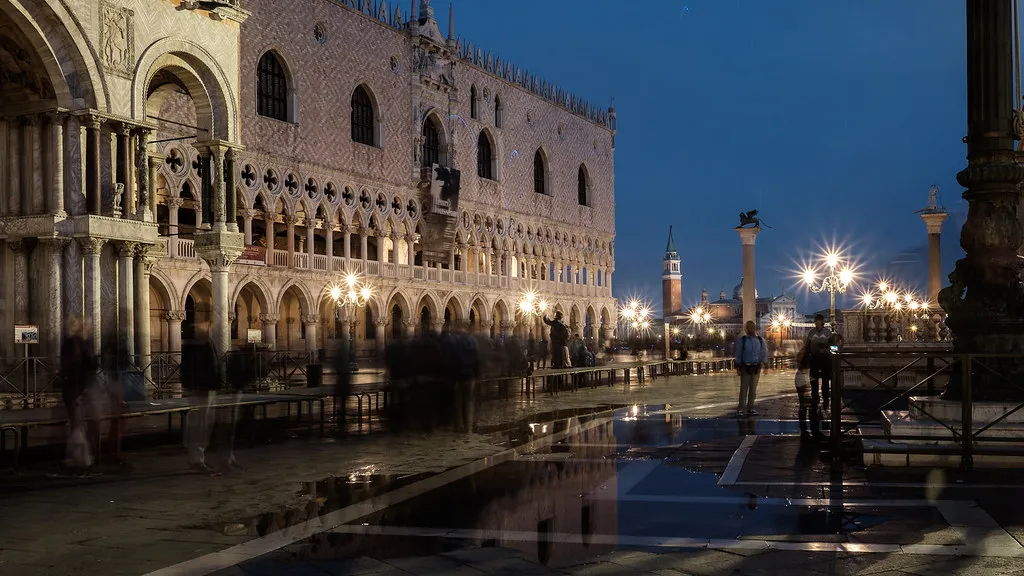
Cannaregio, Castello, and the higher-ground areas of Dorsoduro are significantly better positioned. They sit slightly higher and flood less often, and when they do flood, it is later in the event and to a shallower depth. The MOSE flood barrier system, completed in 2021, now protects the lagoon from the worst events (those above 130 cm), but moderate floods of 80–100 cm still occur regularly and MOSE is not deployed for these. If you are traveling between October and January 2026, book a room on the first floor or above, and check whether your accommodation offers rubber boot loans — many do, and it is a useful signal that they take the issue seriously.
The flood warning system sends alerts via text message and the free Venezia Unica app. You will hear the city's civil protection sirens — a specific pattern of tones that announces the expected water level — a few hours before an event. None of this should deter you from visiting in low season, when the city is far less crowded and genuinely beautiful. It just means that San Marco hotel rooms at ground level are a worse deal in winter than any other time of year.
If you're visiting October through January, book a room on the first floor or above — San Marco ground-floor rooms can flood at just 90 cm above sea level. Cannaregio, Castello, and higher areas of Dorsoduro flood less often and to shallower depths. Check whether your accommodation offers rubber boot loans, a practical signal that they take acqua alta seriously.
Getting Around Venice
Walking is faster than the vaporetto for almost any journey under 1.5 km within the same sestiere. The boat makes sense for crossing the city end to end, for reaching the outer islands, or for the Grand Canal stretch when your legs give out. The two most useful routes are the No. 1 (slow, all stops along the Grand Canal — 13 stops from Santa Lucia station to San Marco in about 50 minutes, excellent as a cheap sightseeing cruise) and the No. 2 express (same route, fewer stops, Santa Lucia to San Marco in around 30 minutes).
Single vaporetto tickets cost €7.50 in 2026. A 24-hour travel card is €20, a 48-hour card is €30, a 72-hour card is €40, and a 7-day card is €60. If you take three or more trips in a day, the 24-hour card pays for itself. Multi-day cards are the standard choice for any stay of two nights or more. Buy them at ACTV ticket machines at vaporetto docks or at HelloVenezia ticket windows at the main stops. Validate your ticket at the dock's machine before boarding — inspectors check regularly and fines are issued on the spot without exceptions.
For airport arrivals, the Alilaguna boat service connects Marco Polo Airport to various stops including San Marco and Fondamenta Nuove (from €15 per person, journey time 60–75 minutes depending on route). Private water taxis from the airport cost €110–€140. If you are staying in Santa Croce, the ACTV public bus from the airport to Piazzale Roma costs €8 and takes about 25 minutes — a practical choice that many first-timers miss. Always validate your ticket before boarding any public transport to avoid the €59 on-the-spot fine. You can do a Venice free walking tour to orient yourself on arrival, which helps enormously with the otherwise confusing canal-and-alley layout.
What to Skip When Choosing Where to Stay
Mestre, on the mainland, is frequently recommended as a budget base. We disagree with this recommendation for most travelers. The train from Mestre to Venice Santa Lucia takes 10 minutes and runs frequently, but commuting adds up — in time, in transport cost, and in the loss of the evening city after the day-trippers have left. Venice after 19:00 is a different city: quiet canals, empty alleys, affordable spritzes at neighborhood bars. You cannot experience that from Mestre. If budget is the genuine constraint, book Castello or the outer edges of Cannaregio, which are cheaper than San Marco while keeping you on the island.
The area immediately around the Santa Lucia train station — roughly the first 300 meters in any direction — is the worst value in Venice. Restaurants here cater to passengers in transit and quality is low. Hotels are priced for convenience and often underdeliver. Walk fifteen minutes into Cannaregio proper and everything improves: the food gets better, the prices drop, and the streets go quiet. Avoid hotels that require dragging luggage over four or more bridges if you are traveling with heavy bags — check Google Street View for the route from the nearest vaporetto stop before you book.
Frequently Asked Questions
Which best neighborhoods to stay in venice options fit first-time visitors?
San Marco and San Polo are the best choices for first-time visitors. These areas provide the easiest access to major landmarks like the Rialto Bridge and Saint Mark's Square. Staying here minimizes walking time between the city's most famous attractions.
What should travelers avoid when planning where to stay in Venice?
Avoid staying in Mestre if you want an authentic Venetian experience. While cheaper, the mainland lacks the charm of the historic center and requires a daily commute. Also, try to avoid hotels that require crossing many bridges if you have heavy luggage.
Is staying in Venice worth it compared to a day trip?
Staying overnight is essential to see the city without the massive daytime crowds. Venice transforms after the day-trippers leave, offering peaceful canals and a romantic atmosphere. You also get to experience the local bacaro culture in the evenings.
Choosing the right neighborhood in Venice is the foundation of a memorable Italian getaway. Whether you prefer the prestige of San Marco or the local charm of Cannaregio, each district has something unique. Remember to pack light and book your vaporetto passes in advance to save time and money. Venice remains one of the world's most beautiful cities, especially when you find your perfect home away from home.
Use our hidden gems in Venice hub to plan the rest of your off-the-beaten-path trip.
Continue exploring
More guides you'll find useful