Torcello Travel Guide: The Birthplace of Venice
Discover Torcello, the island where Venice began. Our guide covers the Santa Maria Assunta mosaics, the Devil's Bridge, and essential vaporetto tips.
On this page
Torcello Travel Guide
Visiting Torcello allows you to see where the story of Venice truly began. This quiet island sits in the northern reaches of the lagoon far from the busy crowds. It offers a hauntingly beautiful escape that feels like stepping back in time. You will find ancient stones and golden mosaics waiting in the tall grass.
Most travelers include this stop as part of a larger Venetian lagoon islands guide tour. While Murano and Burano are famous for glass and lace, this island offers pure history. The atmosphere here is much slower and more reflective than the main city. It serves as a silent witness to the very first Venetian settlers.
Walking along the single canal feels like exploring a forgotten garden. Only a handful of residents still live on this marshy piece of land today. You can easily spend a few hours soaking in the spiritual and artistic weight of the site. Prepare for a peaceful journey into the deep roots of the Adriatic coast.
The History of Torcello: The Birthplace of Venice (or a Myth?)
The history of the island began in the 5th century when refugees fled the mainland. People from the Roman city of Altinum escaped to the lagoon to hide from the invading forces of Attila the Hun. They built a thriving port that eventually became a powerful trading hub in the northern Adriatic. This early settlement flourished long before the Rialto area became the center of Venetian power. Britannica's entry on Torcello dates the founding to 452 AD.
Traditional stories often claim that the island once held over 20,000 residents. However, modern archaeological research suggests this number is a significant exaggeration. Experts now believe the island likely supported a few thousand people at its population peak. According to CNN Travel: The island where Venice began, the settlement was nonetheless the true civic and spiritual heart of the early lagoon.
The etymology of the name adds another layer of mystery for curious visitors. Some scholars believe it derives from "Torculum," referring to an ancient wine press that once operated here. Others argue it stems from "Turricellum," meaning a small defensive tower. Both theories point to the agricultural and strategic importance of early lagoon life.
The decline happened slowly and for reasons most guides overlook. You can find more on the island's role in the broader lagoon story in our off the beaten path Venice locals guide.
Why Torcello Disappeared: The Real Hydraulic Story
Most travel accounts blame malaria for Torcello's collapse and leave it at that. The fuller story is more interesting and more specific. In the 12th and 13th centuries, the Republic of Venice deliberately diverted the courses of major mainland rivers — including the Sile and the Brenta — away from the lagoon to prevent silting at the Rialto. This engineering decision had an unintended consequence: fresh water stopped flowing into the northern lagoon channels near Torcello.
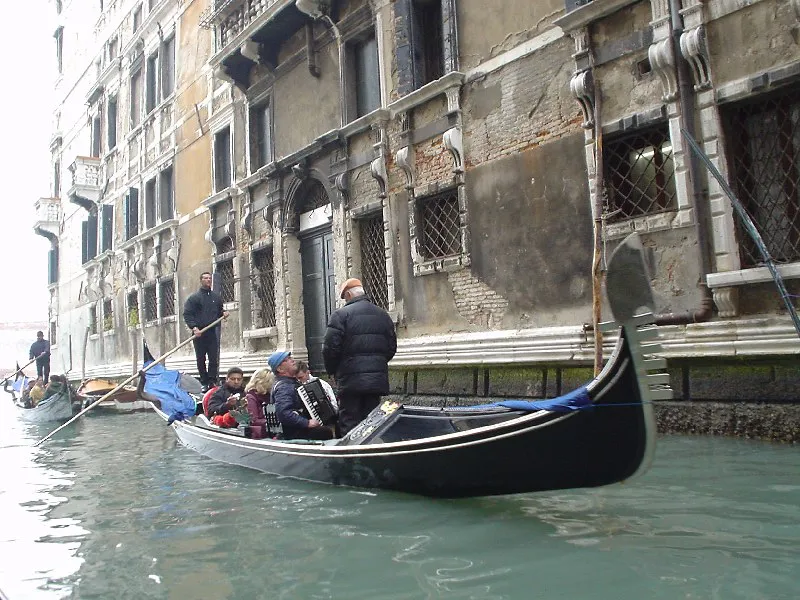
Without that freshwater current, the tidal creeks around the island became stagnant. Sediment accumulated rapidly, turning navigable channels into mudflats and reed beds. The shallow, brackish pools that formed became perfect breeding grounds for the Anopheles mosquito, which spread malaria through the remaining population. The disease did not arrive by chance — it was the direct result of a hydraulic shift that no one at the time fully understood.
By the 15th century, the population had effectively evacuated to Venice proper, taking much of the island's stone and brick with them for use in construction. The ornate palaces and monasteries described in medieval chronicles were cannibalized down to their foundations. What you walk among today — the cathedral, Santa Fosca, and a handful of foundations poking through the grass — are what remained because they were too important or too heavy to dismantle entirely. The Wikipedia entry on Torcello records a full-time population of around 10 residents today.
This collapse is precisely what makes Torcello so atmospheric. The emptiness is not natural wilderness. It is the outline of a lost city, visible in the slight rises and depressions of the ground beneath the reeds.
Santa Maria Assunta: The Cathedral in the Desert and Its Mosaics
The Basilica of Santa Maria Assunta stands as the island's most significant landmark and one of the oldest churches in Europe. Founded in 639 AD, its simple brick exterior hides some of the most stunning Byzantine art in the world. Stepping inside feels like entering a golden treasury from a civilization that no longer exists. The silence inside — even when other visitors are present — tends to hold.
The "Last Judgment" mosaic covers the entire west wall in a tier-by-tier narrative that reads from top to bottom. The uppermost register shows the Anastasis: Christ descending into hell, trampling its gates, and freeing the righteous dead from their tombs. Below that, the Deesis — Christ enthroned between the Virgin and John the Baptist — occupies the central position of intercession. Flanking apostles and angels fill the remaining space of the upper section in glittering gold tessera.
The middle registers shift tone sharply. An archangel holds scales weighing souls while demons crowd the losing side. The imagery grows increasingly graphic as you move down: serpents, demons with specific physical forms, and tormented souls in recognizable poses drawn from Byzantine theological tradition. This was visual catechism for an illiterate congregation, and the detail was deliberate. According to VenetoInside: What to see in Torcello, the complete composition is among the finest preserved examples of this iconographic program in Italy.
On the opposite apse, the Virgin Hodegetria stands alone against a field of pure gold. Her slender, elongated figure follows strict Byzantine canon — facing forward, one hand gesturing toward the Christ child she holds. The use of empty gold background around her is not minimalism; it represents divine light made visible. Arrive before 11:00 to see the morning light move across the gold tiles as the sun rises over the lagoon. The effect is worth the early boat.
The cathedral is open daily from 10:30 to 17:30. Entry costs €6 for adults and €5 for children aged 6 to 12. A combined ticket covering the cathedral, the bell tower climb, and the Museo di Torcello is available and represents better value if you plan to see all three.
Arrive before 11:00 to see morning light move across the gold mosaic tiles in Santa Maria Assunta — the effect is most dramatic in the first hour after the cathedral opens at 10:30. The combined ticket covering the cathedral, bell tower, and museum saves money over individual entry fees.
Top Sights: Attila's Throne, the Devil's Bridge, and Santa Fosca
Outside the cathedral, several smaller landmarks fill out the visit. A large stone chair known as Attila's Throne sits in the grassy central square. Local tradition links it to the King of the Huns, but historians are confident he never actually reached the island. The chair most likely served as a seat for the Bishop of Torcello or for the local governor presiding over civil matters.
The Devil's Bridge — Ponte del Diavolo — is one of only two bridges in the entire lagoon that lacks protective railings. It sits along the path between the dock and the square, making it impossible to miss. A Venetian legend places a deal with the devil here, struck by a witch to reunite two forbidden lovers during the Austrian occupation. The story is elaborate and specific enough that it feels like it belongs to this place rather than having been invented for tourism. You can find many hidden gems in Venice like this by exploring beyond the main island.
Santa Fosca stands directly beside the main cathedral and rewards a slower look. Its layout follows a Greek cross plan internally, while outside a five-sided portico with elegant Byzantine capitals surrounds three of its facades. Dating to around the year 1000, it was built specifically to house the relics of Saint Fosca of Ravenna, a third-century martyr whose remains still lie under the altar. The building feels quieter and more personal than its towering neighbor.
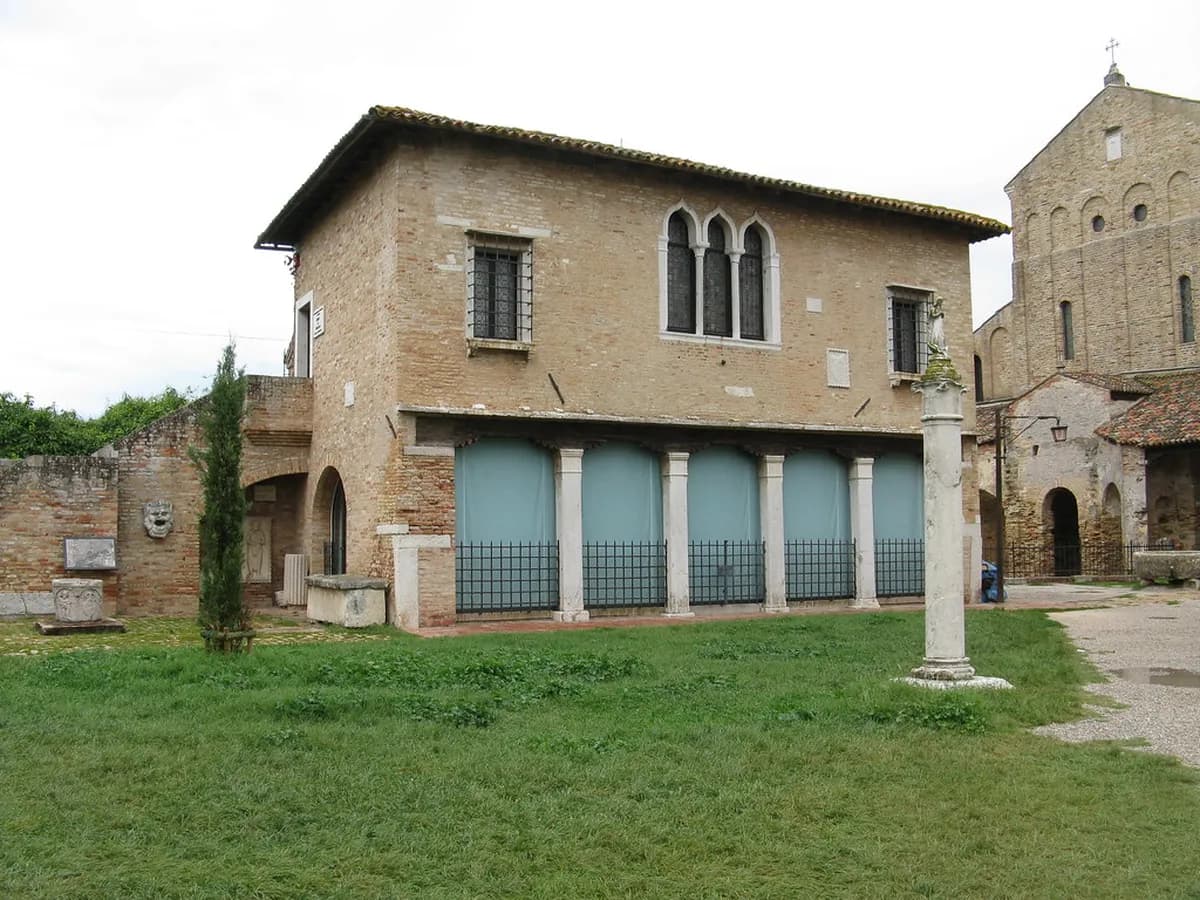
The Museo di Torcello occupies two adjacent palaces — the Palazzo del Consiglio and the Palazzo dell'Archivio — on the left side of the square. Its collection covers Latin, Byzantine, and medieval periods and includes early stone carvings, ancient pottery, and jewelry excavated from the surrounding lagoon floor. The museum is open daily except Mondays from 10:30 to 17:30, with admission at €3 for adults and €1.50 for children. Check Beescover: What to do in Torcello before your visit for any seasonal hour changes in 2026.
The bell tower attached to the cathedral is an underrated stop. Climbing its 11th-century staircase takes roughly five minutes and delivers an unobstructed view across the lagoon's northern reed beds toward the mainland. On a clear morning you can see the Dolomites to the north and trace the curve of the Venice sandbar to the south.
The Northern Lagoon: Murano, Burano, and Torcello Compared
Many visitors wonder how to split their time between the three main northern lagoon islands. Each offers a completely different experience and suits different travel priorities. Murano, reachable in about 10 minutes from Venice on Line 3 or 4.1, is the busiest and most commercial — glass furnaces, showrooms, and souvenir shops dominate. Burano, about 40 minutes from Venice on Line 12, is famous for its intensely painted houses and handmade lace tradition, and draws large photography crowds from mid-morning onward.
Torcello stands apart because it has almost no commercial infrastructure. There are no souvenir shops, no glass demos, and no lace boutiques. What it has instead is archaeological weight and silence — qualities that become increasingly rare as you move closer to the main island of Venice. If your priority is atmosphere and history over shopping or Instagram shots, Torcello belongs at the top of your list rather than as an afterthought following Burano.
A practical note: most tour boats visit all three in sequence, which means arriving at Torcello in the early afternoon when light is flat and energy is low. If Torcello is genuinely important to you, consider reversing the order: take Line 12 directly past Murano and Burano to Torcello first, spend the morning there, then work your way back toward Venice stopping at Burano. The Line 9 shuttle between Burano and Torcello runs approximately every 30 minutes and the crossing takes five minutes.
| Island | Travel from Venice | Key Attraction | Character |
|---|---|---|---|
| Murano | ~15 min (Line 4.1/4.2) | Glass furnace demos | Busy, commercial |
| Burano | ~45 min (Line 12) | Coloured houses, lace | Photogenic, moderate crowds |
| Torcello | ~50 min (Line 12 + Line 9) | Santa Maria Assunta mosaics | Quiet, archaeological |
How to Get to Torcello: Vaporetto Routes from Venice and Burano
The primary route begins at the Fondamente Nove stop in northern Venice. Take ACTV Vaporetto Line 12 toward Burano — it stops at Murano Faro en route and the full journey to Burano takes around 40 minutes. At Burano, transfer to Line 9, the shuttle that runs exclusively between Burano and Torcello. The crossing takes five minutes. Total journey time from Venice is approximately 50 minutes, though weather and seasonal timetable variations can push this to an hour.
Single ACTV tickets cost €7.50 per person and are valid for 75 minutes — not long enough to cover a return journey. Buy a 24-hour travel pass at €20 per person if you plan to visit more than one island. Children under 6 travel free. The pass covers all vaporetto lines including the Line 9 shuttle. A water taxi from Venice to Torcello runs approximately €115 for the boat, not per person, making it viable for groups of four or more if time is tight.
Be careful with your return timing. The last Line 9 shuttle from Torcello back to Burano typically departs well before sunset, and the final Line 12 back to Fondamente Nove leaves Burano around 20:00 in summer (earlier in winter). Check the current ACTV timetable at Camping Ca' Savio: A guide to the visit before you travel, as seasonal schedules shift significantly. Missing the last shuttle to Burano means hiring a private water taxi, which will cost considerably more than the €20 day pass.
The walk from the Torcello dock to the main square follows the single canal path and takes about ten minutes. The path is flat and unpaved. After heavy rain it becomes muddy in sections, and during Acqua Alta events in autumn or winter the lowest-lying stretches can flood completely. Waterproof footwear is strongly advised from October through February.
Where to Eat: Authentic Dining and the Famous Locanda Cipriani
Locanda Cipriani is the island's most famous restaurant and has been since Ernest Hemingway stayed here in 1948 while writing "Across the River and Into the Trees". It occupies a low, vine-draped building near the main square and serves refined Venetian cuisine — risotto di gò (goby fish risotto), grilled eel from the lagoon, and house-made pasta — in a garden setting that feels detached from the rest of the modern world. A full lunch for two with wine runs €120 to €180. Reservations are essential and should be made at least a week in advance during high season.
Several smaller trattorias line the canal path between the dock and the square and offer more affordable alternatives. Seafood risotto, grilled polenta with baccalà, and fried lagoon fish are the standard offerings. Prices on the island run higher than the mainland because everything arrives by boat. A pasta course with a glass of house wine typically costs €20 to €28.
Many visitors choose to bring food from Venice or Burano, which is a practical strategy. A few benches near the water and the grassy area around Attila's Throne provide decent picnic spots. The island has no supermarkets, so plan ahead. Carry out all your rubbish — there are very limited bins and the island's handful of residents notice.
Where to Stay: Overnight on Torcello
Locanda Cipriani also functions as a small hotel, with a handful of rooms above the restaurant. Staying overnight is the closest thing to having the island to yourself: after the last vaporetto leaves in the evening, the silence becomes absolute. No passing motorboats, no tourist foot traffic, no ambient city noise — just the tidal sounds of the lagoon and the occasional call of a night heron in the reeds. Rates start around €250 per room per night in 2026 and availability is extremely limited, particularly in late spring and September.
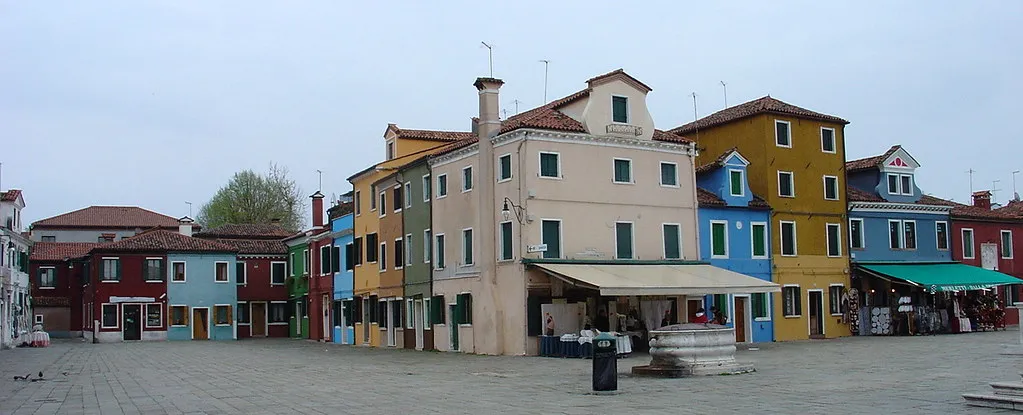
If Torcello accommodation is fully booked, Burano is the practical alternative. The 5-minute shuttle connection means you can be on Torcello well before the first tour boats arrive from Venice — typically before 10:00 — and have the square and cathedral largely to yourself for an hour. Several small B&Bs and family-run guesthouses operate on Burano, generally at lower prices than comparable rooms in Venice proper.
For travelers who want the lagoon experience without staying on the islands, the Cavallino-Treporti coast (accessible via the Treporti ferry stop on Line 12) offers camping sites and apartments within 40 minutes of Torcello by vaporetto. This is a useful option for families or longer stays in the region during summer 2026.
Planning Your Visit: Timetables, Costs, and Practical Tips
Arrive before 10:30 if possible — the cathedral opens at 10:30 and the first organized tour groups from Venice typically arrive around noon. The island is at its most atmospheric in that first hour, when the square is empty and the only sounds are birds and water. Most visitors spend two to three hours in total, which is enough to cover the cathedral, the bell tower, Santa Fosca, the museum, and the Devil's Bridge without rushing.
Admission breakdown for 2026: cathedral entry is €6 for adults, €5 for children aged 6 to 12 (free under 6). The Museo di Torcello costs €3 for adults and €1.50 for children. A combined ticket covering both is available at the cathedral entrance and saves a small amount. The bell tower is included in the combined ticket. There are plenty of free things to do in Venice if you are working to a tight budget, but skipping the cathedral entrance fee here would mean missing the reason most people make the journey.
Acqua Alta affects Torcello differently than central Venice. The island's unpaved paths have no flood barriers and no elevated walkways. During high-water events between October and February, the path from the dock to the square can be ankle-deep in water even at moderate tide levels. Check the Centro Maree tide forecast (centromaree.venezia.it) the evening before your visit. A forecast above 100cm at Punta della Salute typically means wet shoes at Torcello. Rubber boots are more useful here than in the main city.
The last Line 9 shuttle from Torcello back to Burano departs well before sunset, and the final Line 12 back to Venice leaves Burano around 20:00 in summer (earlier in winter). Missing the last shuttle means hiring a private water taxi at significantly higher cost — always check the current ACTV timetable before you travel.
Photography conditions are best in the early morning and on overcast days. The cathedral interior is dim and the mosaics photograph poorly with a phone flash. A camera with good low-light performance or a short tripod makes a significant difference. Dress modestly for the cathedral — shoulders and knees covered — as it is an active place of worship.
Frequently Asked Questions
Is Torcello worth visiting on a day trip?
Yes, it is worth visiting for its incredible history and peaceful atmosphere. The Byzantine mosaics are among the finest in Europe. It provides a necessary contrast to the crowded streets of central Venice. You can find more non-touristy things to do in Venice to balance your trip.
How do you get from Venice to Torcello?
Take Vaporetto Line 12 from the Fondamente Nove stop in Venice. The boat stops at Murano and Burano first. From Burano, you can take the Line 9 shuttle for the final leg. The total travel time is approximately 50 minutes.
What is the oldest church in the Venetian lagoon?
The Basilica of Santa Maria Assunta is widely considered the oldest. It was founded in 639 AD by refugees from the mainland. The structure has been rebuilt but retains its ancient spirit. It remains a primary destination for history lovers.
How long does it take to see the island?
Most visitors spend between two and three hours on the island. This allows enough time to see the cathedral, the museum, and the Devil's Bridge. You can also enjoy a leisurely lunch at a local trattoria. It is a perfect half-day excursion.
Can you stay overnight on the island of Torcello?
Yes, there are a few limited accommodation options like Locanda Cipriani. Staying overnight allows you to experience the island in total silence after the tourists leave. It is an ideal choice for a romantic or quiet retreat. Availability is very limited, so book early.
Torcello remains a vital piece of the Venetian story that every traveler should see. It offers a rare glimpse into the humble beginnings of a great maritime empire. The combination of ancient art and natural beauty is truly unique. You will leave with a deeper understanding of how Venice came to be.
Make sure to plan your transit carefully to enjoy a stress-free day. The golden mosaics of Santa Maria Assunta will stay in your memory forever. It is a place where history feels alive in every stone and blade of grass. Take your time and enjoy the silence of the northern lagoon.
Continue exploring
More guides you'll find useful