Ca' Rezzonico Visitor Guide: Plan Your Visit to 18th-Century Venice
Discover Ca' Rezzonico with our comprehensive visitor guide. Get tips on tickets, hours, highlights, and how to experience Venice's opulent 18th-century museum.
On this page
Ca' Rezzonico Visitor Guide: Explore 18th-Century Venetian Art & Life
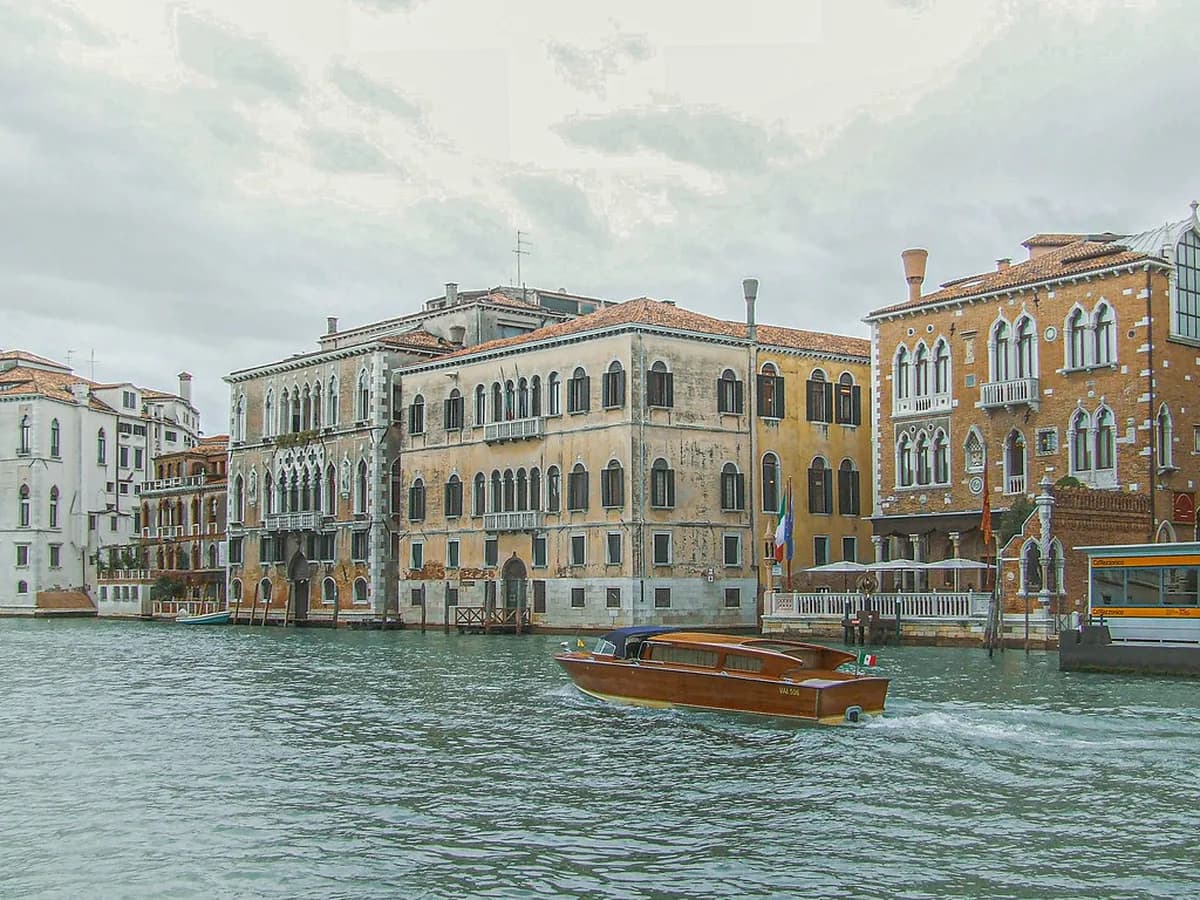
Ca' Rezzonico is Venice's dedicated museum of the Settecento, set inside a Grand Canal palazzo that still feels more like an aristocratic residence than a conventional gallery. Its frescoed ceilings, carved staircases, period furniture, and paintings by Giambattista Tiepolo and Pietro Longhi make it one of the clearest places to understand 18th-century Venetian life.
This 2026 Ca' Rezzonico visitor guide focuses on practical planning as much as art history. It covers tickets, opening hours, the Ca' Rezzonico vaporetto stop, accessibility, family considerations, the best time of day to visit, and the rooms worth prioritizing if your Venice schedule is tight.
Use the museum as a quieter counterpoint to the busy San Marco sights. The visit rewards slow looking, but it is also manageable in a compact itinerary through Dorsoduro. Discover why Ca' Rezzonico remains a distinctive stop in Venice's cultural landscape.
Why Visit Ca' Rezzonico?
Ca' Rezzonico is worth visiting because it combines three experiences in one: a Grand Canal palace, a museum of Venetian Rococo art, and a walk through the social world of Venice's last great aristocratic century. Instead of presenting paintings in isolation, the rooms place art, furniture, frescoes, and decorative objects back into a believable domestic setting.
The museum is especially strong for visitors interested in Tiepolo's ceiling painting, Pietro Longhi's scenes of everyday Venetian behavior, and the contrast between public grandeur and private life. It is also a useful choice for travelers who want a major cultural stop without the constant compression of the busiest San Marco attractions.
Beyond the collection, the palazzo itself is part of the reason to go. The staircase, ballroom, carved details, and Grand Canal views help explain how noble families used architecture to project status. Ca' Rezzonico stands as a cultural beacon in Venice.
If you only have time for one less-crowded museum in Venice, Ca' Rezzonico is strongest for period atmosphere and social history. It is less comprehensive than the Accademia for painting, less political than the Doge's Palace, and less modern than the Peggy Guggenheim Collection, but it gives the Settecento a depth those broader museums cannot.
Ca' Rezzonico History and Architecture
The history of Ca' Rezzonico begins in the mid-17th century with the Bon family. They commissioned Baldassare Longhena, a renowned Baroque architect, to design their Grand Canal residence. Longhena also designed the iconic Santa Maria della Salute basilica. His vision for the palazzo was one of immense grandeur.
Construction faced financial difficulties and paused for decades after Longhena's death in 1682. The unfinished palace was later acquired by the wealthy Rezzonico family in 1751. They entrusted Giorgio Massari with completing the ambitious project. Massari largely followed Longhena's original plans, adding his own touches.
The Rezzonico family, recently elevated to the Venetian nobility, sought to establish their status through this magnificent home. They filled its halls with exquisite art, frescoes, and luxurious furnishings. The palace became a symbol of their power and refined taste. It hosted grand parties and important guests.
After the Rezzonico family, the palazzo passed through several owners, including the poet Robert Browning. It eventually became the property of the City of Venice in 1935. Today, Ca' Rezzonico functions as the Museo del Settecento Veneziano, preserving 18th-century Venetian culture. Its architectural journey reflects Venice's changing fortunes. You can find its exact location on Casa Rezzonico (Google Maps).
Planning Your Visit: Tickets, Hours, and Getting There
To ensure a smooth visit to Ca' Rezzonico, plan your tickets, timing, and route before you cross Venice. A full-price single ticket is €15.00 and the reduced ticket is €7.50 (children 6-14, students 15-25, visitors 65+, and Rolling Venice or ISIC card holders). Children aged 0-5, disabled visitors with a helper, and Venetian residents enter free. A combined 'Museums of 18th-Century Venice' ticket covering three museums is €20.00 (€10.00 reduced).
| Ticket Type | Price | Who |
|---|---|---|
| Full Ticket | €15.00 | Adults |
| Reduced Ticket | €7.50 | Children 6–14, students 15–25, seniors 65+, Rolling Venice or ISIC cardholders |
| Combined Museums | €20.00 (€10.00 reduced) | Three 18th-century museums |
| Free Admission | Free | Children under 6, disabled visitors with helper, Venetian residents |
Ca' Rezzonico is open Wednesday to Monday from 10:00 to 18:00 between April 1 and October 31 (last admission 17:00), and 10:00 to 17:00 between November 1 and March 31 (last admission 16:00). Closing operations begin 20 minutes before closing time. The museum is closed every Tuesday, so do not plan a Dorsoduro museum loop around that day.
Buy tickets through the Ca' Rezzonico Official Website (Visit MUVE) or at the ticket office. Online booking is most useful in spring, early autumn, public holidays, and cruise-heavy periods, but Ca' Rezzonico usually has a calmer entry experience than Venice's highest-demand sights.
The easiest public transport route is Vaporetto Line 1 to the Ca' Rezzonico stop, then a very short walk to the entrance at Dorsoduro 3136. If you are walking, allow extra time for bridge crossings and narrow lanes; Venice routes that look short on a map can slow down quickly with luggage, crowds, or high water.
Most visitors spend about 1 to 1.5 hours inside. Allow up to 2 hours if you want to study the Tiepolo frescoes and Pietro Longhi paintings closely, use the free audioguide, or move at a slower pace through the historic rooms.
Ca' Rezzonico closes every Tuesday, so plan your visit Wednesday through Monday. Book online during peak seasons (spring, early autumn, holidays), though the museum typically has shorter queues than Venice's most popular sights.
Highlights of the Ca' Rezzonico Collection
Ca' Rezzonico's collection offers a comprehensive look at 18th-century Venetian art and life. The grand Ballroom, adorned with frescoes by Giambattista Crosato, immediately sets the scale of the palace. Its theatrical proportions make it the right place to start thinking about how elite Venetian families staged power, ceremony, and entertainment.
The must-see exhibits include Giambattista Tiepolo's ceiling frescoes, especially the allegorical works that show his light, airborne style at full force. Giandomenico Tiepolo's Pulcinella fresco cycle from Villa Zianigo is another highlight because it brings a more playful, theatrical side of Venetian visual culture into the museum.
Pietro Longhi's genre paintings are essential for understanding the museum's human dimension. His masked figures, salon scenes, domestic rituals, and social encounters make the Settecento feel observed rather than simply decorated. Look at the gestures and props in these works; they often explain more about status and etiquette than a wall label can.
Beyond paintings, the collection includes period furniture, porcelain, sculpture, tapestries, and a reconstructed 18th-century pharmacy. The Puppet Theater and pastel portraits are easy to miss if you rush, but they add useful texture to the museum's story of leisure, performance, and domestic refinement.
Insider Tips for a Smooth Ca' Rezzonico Visit
For the smoothest Ca' Rezzonico visit, arrive shortly after opening or in the later afternoon after tour activity has thinned. Weekdays are generally calmer than weekends, and the museum's Tuesday closure makes Wednesday mornings a little more likely to attract visitors who missed the previous day.
Do not overpack your schedule. A common mistake is treating Ca' Rezzonico as a quick palace stop between two timed reservations. The rooms reward a slower pace, and the route across Venice can take longer than expected. Build in a buffer for the vaporetto, bridge crossings, and the cloakroom.
Photography without flash is generally permitted for personal use inside the museum. However, always double-check current regulations upon entry or on the official website. Avoid tripods, selfie sticks, and blocking narrow room entrances while taking photos.
The museum describes itself as fully accessible, with a lift between floors, accessible restrooms, free audioguides, and the ground-floor Spazio '700 - MUVE FOR ALL room designed for universal accessibility. Because this is still a historic listed building, visitors with mobility needs should expect some irregular surfaces and should ask staff for the best route through the rooms.
Families can make the visit work by focusing on visual anchors: the Ballroom, Pulcinella scenes, pharmacy, puppet theater, and Grand Canal views. Younger children may not connect with every gallery, so a shorter highlights route is usually better than trying to read every label.
Photography without flash is permitted for personal use, but avoid tripods, selfie sticks, and blocking room entrances. Leave large bags, backpacks, and umbrellas in the free cloakroom upon arrival.
The Building: Three Centuries of a Palazzo’s Life
Ca' Rezzonico began its life in 1649, designed by Baldassare Longhena for the Bon family. This initial phase laid the foundation for its iconic Grand Canal facade. However, financial woes halted construction for many years. The unfinished structure remained a prominent, albeit incomplete, landmark.
In 1751, the wealthy Rezzonico family purchased the palazzo and commissioned Giorgio Massari to complete it. Massari meticulously followed Longhena's original Baroque plans, adding Rococo elements to the interiors. This blend created a harmonious yet lavish aesthetic. The palace became a symbol of their newly acquired noble status.
Throughout the 19th century, the palazzo changed hands numerous times, hosting various distinguished residents. Poet Robert Browning and his son, Pen, lived here for a period. Each owner left their mark, contributing to the building's rich tapestry of stories. These transformations reflect Venice's evolving social landscape.
In 1935, the City of Venice acquired Ca' Rezzonico, transforming it into the Museum of 18th-Century Venice. This act preserved the palace and its collections for public enjoyment. Today, visitors can appreciate its architectural evolution and historical significance. It continues to stand as a testament to Venetian grandeur.
The Collection: A Floor-by-Floor Guide
The Ca' Rezzonico collection is spread across three main floors, each offering distinct insights into 18th-century Venetian life. Start with the monumental staircase and the first Piano Nobile, where the architecture does much of the storytelling before you even reach the paintings.
The first Piano Nobile houses the most magnificent reception rooms, including the Ballroom and major Tiepolo works. This is the floor to prioritize if you are short on time because it carries the strongest sense of aristocratic display and ceremonial life.
The second Piano Nobile shifts toward more intimate rooms and social observation. This is where Pietro Longhi's paintings are especially valuable, because they show masked encounters, domestic scenes, and rituals of polite society. The reconstructed Pharmacy and pastels are also worth slowing down for.
The upper galleries add decorative arts, smaller collections, and the charming Puppet Theater. If you have only one hour, focus on the Ballroom, Tiepolo, Longhi, the Pharmacy, and Pulcinella material. If you have two hours, add the pastels, furniture details, and quieter side rooms that many visitors pass too quickly.
For a more guided route, consider downloading the MUVE APP iOS Store or MUVE APP Android Store before arrival. The official audioguide adds useful context without forcing you into a group tour pace.
The World Ca’ Rezzonico Depicts: 18th-Century Venice
Ca' Rezzonico offers a vivid window into the vibrant and complex world of 18th-century Venice. This period, known as the Settecento, was a time of artistic flourishing and social extravagance. The city was a major cultural hub, attracting artists, writers, and aristocrats from across Europe.
The museum's collection beautifully illustrates the daily lives, social rituals, and fashion trends of the era. Pietro Longhi's paintings, for instance, capture intimate scenes of Venetian nobility and common folk. They show masquerades, concerts, and domestic moments. These works provide a candid look at society.
Beyond the grand ballrooms, the museum reveals aspects of domestic life, from elaborate furniture to delicate ceramics. Visitors can appreciate the craftsmanship and artistic styles prevalent at the time. The reconstructed rooms transport you directly into this bygone era. It truly feels like stepping back in time.
The 18th century was also a period of political decline for the Venetian Republic, yet its cultural influence remained immense. Ca' Rezzonico serves as a poignant reminder of this final burst of glory. It showcases the city's enduring legacy of beauty and artistic innovation. This makes it a crucial historical landmark.
The Artists: Who Made 18th-Century Venice’s Visual Culture
The artistic landscape of 18th-century Venice was shaped by several influential painters, many of whom are showcased at Ca' Rezzonico. Giambattista Tiepolo stands out as a master of grand Baroque and Rococo frescoes. His dramatic ceiling paintings are famous for their illusionistic qualities. He created breathtaking celestial scenes.
Tiepolo's works, often characterized by vibrant colors and dynamic compositions, adorned palaces and churches throughout Venice. At Ca' Rezzonico, you can admire his allegorical frescoes, which were originally from other Venetian residences. These pieces demonstrate his mastery of large-scale decorative art. They are truly magnificent to behold.
Pietro Longhi, in contrast, focused on smaller, more intimate genre scenes. His paintings offer a unique social commentary, capturing the everyday lives of Venetians, from the aristocracy to the common people. He depicted masked balls, card games, and domestic interactions. Longhi's work provides a charming and realistic perspective.
Other notable artists represented include Giambattista Piazzetta, known for his dramatic chiaroscuro, and Francesco Guardi, a master of vedute (views of Venice). Together, these artists created the rich visual culture of 18th-century Venice. Their works collectively tell the story of a vibrant and sophisticated city. Their contributions are invaluable to art history.
Ca’ Rezzonico vs. Other Venice Museums
Choosing which museums to visit in Venice can be challenging because the city has several world-class collections. Ca' Rezzonico is the best fit when you want a focused, atmospheric look at 18th-century Venetian art and aristocratic life rather than a broad survey.
The Doge's Palace is stronger for politics, state power, prisons, and the machinery of the Venetian Republic. The Accademia Gallery is stronger for a chronological overview of Venetian painting from the medieval period through the Renaissance and beyond. The Peggy Guggenheim Collection is the obvious choice for modern art.
Ca' Rezzonico's advantage is coherence. The building, furniture, frescoes, paintings, and decorative arts all reinforce one historical world. The trade-off is that it is more specialized: travelers who want Tintoretto, Titian, or modern masters should choose differently, while travelers who want a palazzo that still explains how Venice's elite lived should come here.
In a two- or three-day Venice itinerary, Ca' Rezzonico works best after a major San Marco day, when a quieter Dorsoduro museum feels welcome. In a longer stay, pair it with nearby canals, cicchetti stops, and another smaller museum rather than rushing directly to the next landmark.
MUVE APP Audioguide – Ca’ Rezzonico: In-Depth Review
The official MUVE APP provides an excellent audioguide for Ca' Rezzonico, enhancing your visit with detailed commentary. This app is available for both iOS and Android devices. Downloading it before your visit is highly recommended. It offers a rich layer of information.
The app features comprehensive descriptions of key artworks, rooms, and historical contexts. It allows you to explore at your own pace, focusing on areas that interest you most. The content is well-researched and presented clearly. This makes complex historical details accessible.
To use the MUVE APP effectively, ensure your phone is fully charged and bring headphones for the best experience. You can download the Ca' Rezzonico specific content once the app is installed. This allows for offline access during your visit. The app provides a user-friendly interface.
While the app is generally reliable, occasionally you might encounter minor technical glitches. If this happens, try restarting the app or your device. For more detailed instructions, refer to the MUVE APP How to Use Guide. The audioguide significantly deepens your appreciation of the museum's treasures.
Best Time to Visit Ca' Rezzonico & Venice
The best time to visit Ca' Rezzonico is usually shortly after opening on a weekday, or in the later afternoon when many visitors are moving toward dinner plans. Morning is better for a quiet first pass through the Ballroom and Tiepolo rooms; late afternoon can feel more atmospheric if you want softer Grand Canal light.
Spring (April-May) and early autumn (September-October) offer pleasant temperatures and more comfortable walking conditions across Venice. These shoulder seasons are also good for pairing the museum with Dorsoduro streets, canal views, and nearby bacari without the heaviest summer heat.
Summer brings peak demand, warmer rooms, and slower movement through Venice's narrow routes. Winter offers fewer crowds and a more contemplative museum visit, but high water can complicate walking routes and vaporetto timing. During Carnival and major public holidays, book ahead and keep your schedule flexible.
Because Ca' Rezzonico closes on Tuesdays, avoid building your itinerary around a Tuesday Dorsoduro museum day. If you are also visiting other civic museums, check opening patterns together so that you do not lose time crossing the city for a closed door.
Nearby Attractions and Dining
After Ca' Rezzonico, stay in Dorsoduro if you want the day to feel coherent rather than rushed. The area is good for canal walks, quieter campi, and bacari breaks, and it gives you a softer landing after the museum's formal interiors.
For additional culture, Museo Fortuny makes a strong companion if you want another historic interior with an artist-designer focus. Ca' Pesaro International Gallery of Modern Art offers a sharper contrast, but plan it as a longer walk or vaporetto extension rather than assuming it is directly next door.
For a more playful bookshop stop elsewhere in Venice, the Libreria Acqua Alta is known for storing books in bathtubs and gondolas to protect them from high tides. It is not in Dorsoduro, so treat it as a separate detour instead of a natural post-museum stop.
For food near Ca' Rezzonico, keep lunch simple unless you have booked a formal meal. Dorsoduro is well suited to cicchetti and a glass of wine after the visit. Cantinone Gia Schiavi is a classic casual option, while quieter osterie around Campo Santa Margherita work better for a seated meal.
Visitor Etiquette and Rules
To ensure a pleasant experience for all visitors at Ca' Rezzonico, it is important to observe certain etiquette and rules. Large bags, backpacks, and umbrellas are not permitted inside the exhibition areas. You must deposit these items in the free cloakroom upon arrival. This helps protect the artworks and maintain clear pathways.
Photography without flash is generally allowed for personal use, but avoid using tripods or selfie sticks. Always be mindful of other visitors and do not obstruct their views. Respect any signs indicating 'no photography' in specific areas. Following these guidelines helps maintain a respectful atmosphere.
Eating and drinking are strictly prohibited inside the museum galleries. There are designated areas outside for refreshments. Please dispose of any trash properly in provided bins. Maintaining cleanliness helps preserve the historic palazzo and its valuable collections.
Keep your voice low and avoid loud conversations to respect the tranquil environment of the museum. Children should be supervised at all times. Running and touching exhibits are not allowed. Adhering to these simple rules contributes to a smooth and enjoyable visit for everyone. You can review the full regulations on the Ca' Rezzonico Official Website (Visit MUVE).
Frequently Asked Questions
Why is Ca' Rezzonico worth visiting?
Ca' Rezzonico is worth visiting for its immersive glimpse into 18th-century Venetian life and art. The museum showcases opulent Baroque architecture, magnificent frescoes by Tiepolo, and intimate genre paintings by Longhi. It offers a unique cultural experience in a less crowded setting. You can discover the rich history of a Grand Canal palazzo.
How much time should I plan for Ca' Rezzonico?
Most visitors spend about 1 to 1.5 hours at Ca' Rezzonico. Allow up to 2 hours if you want to study the Tiepolo frescoes and Pietro Longhi paintings closely, use the MUVE APP audioguide, or move slowly through all three main floors.
What are the opening hours for Ca' Rezzonico?
Ca' Rezzonico is open Wednesday to Monday from 10:00 to 18:00 between April 1 and October 31 (last admission 17:00), and 10:00 to 17:00 between November 1 and March 31 (last admission 16:00). Closing operations begin 20 minutes before closing time. Check the Ca' Rezzonico Official Website (Visit MUVE) before your visit in case of exceptional closures.
How do I buy tickets for Ca' Rezzonico?
Tickets for Ca' Rezzonico can be purchased directly at the museum's ticket office or online through the official website. A full-price single ticket is €15.00 and the reduced ticket is €7.50 (children 6-14, students 15-25, visitors 65+, and Rolling Venice or ISIC card holders). A combined 'Museums of 18th-Century Venice' ticket covering three museums is €20.00 (€10.00 reduced).
Is the MUVE APP audioguide for Ca' Rezzonico good?
Yes, the MUVE APP audioguide for Ca' Rezzonico is highly recommended for enhancing your visit. It provides detailed commentary on the artworks and rooms, offering valuable historical and artistic context. Download the app for free on iOS or Android before your visit and bring headphones for the best experience.
What are the must-see exhibits at Ca' Rezzonico?
Prioritize the Ballroom, Tiepolo ceiling frescoes, Giandomenico Tiepolo's Pulcinella cycle, Pietro Longhi's genre paintings, the reconstructed Pharmacy, and the Puppet Theater. These stops give the clearest picture of Ca' Rezzonico as both a palace and a museum of 18th-century Venetian life.
How does Ca' Rezzonico compare to other museums in Venice?
Ca' Rezzonico is more focused than many Venice museums. Choose it for 18th-century palace atmosphere, decorative arts, Tiepolo, and Longhi. Choose the Doge's Palace for political history, the Accademia for a broader painting survey, and the Peggy Guggenheim Collection for modern art.
What is the best time of day to visit Ca' Rezzonico?
The best time of day is shortly after opening on a weekday, when the main rooms are usually calmer. Later afternoon can also work well if you want a quieter finish to the day, but remember that last admission is before closing and operations begin winding down near the end of the day.
Can you take photos inside Ca' Rezzonico?
Photography without flash is generally allowed for personal use, but rules can vary by room or temporary display. Avoid tripods, selfie sticks, and blocking doorways, and check current visitor regulations when you enter.
How do you get to Ca' Rezzonico by public transport?
Take Vaporetto Line 1 to the Ca' Rezzonico stop. From there, the museum entrance at Dorsoduro 3136 is only a short walk away. This is usually easier than walking across Venice if you are coming from the train station, Rialto, or San Marco with limited time.
Other Eighteenth-Century Interiors Worth Crossing Europe For
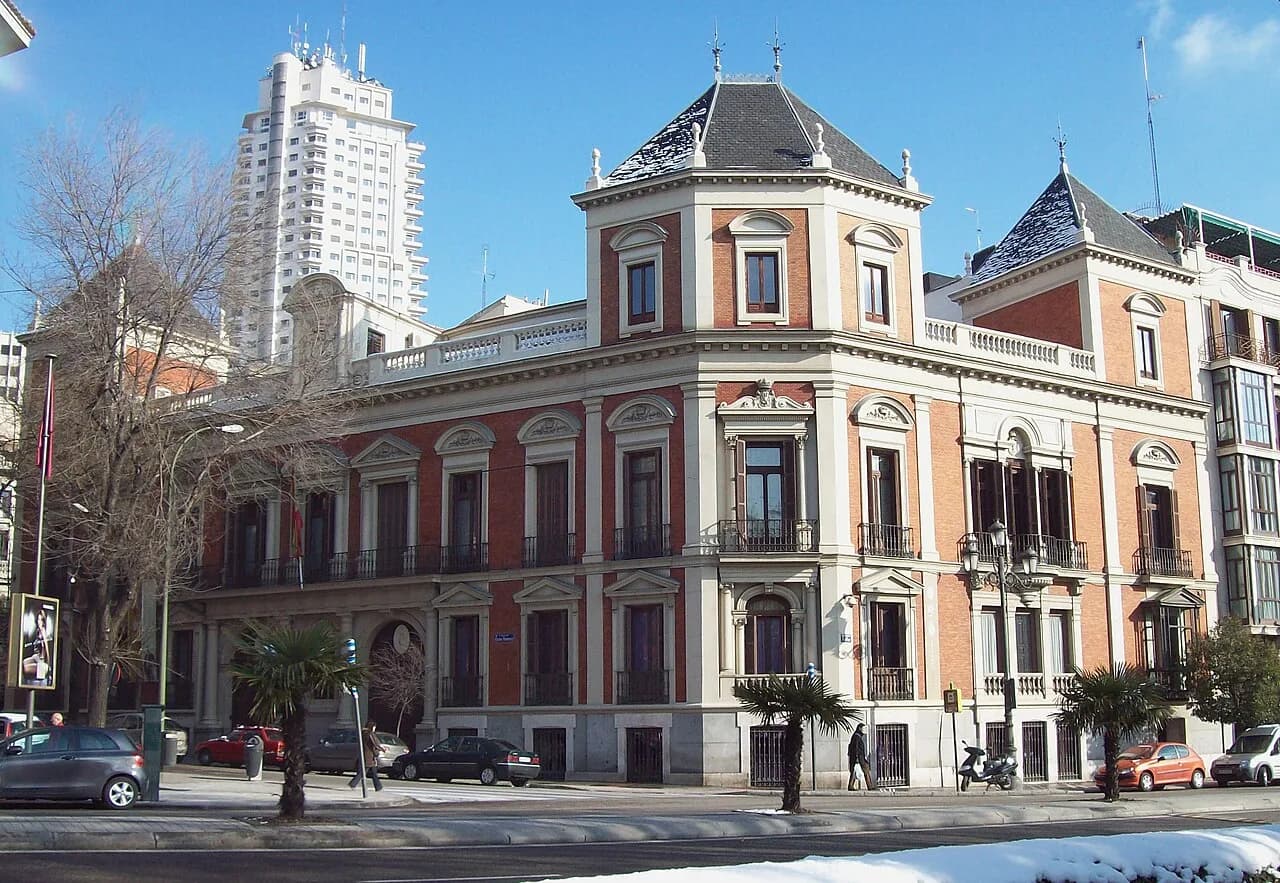
Ca' Rezzonico is the benchmark for a Venetian settecento interior, ballroom ceilings and all. Paris holds the closest painterly equivalent in the Musée Cognacq-Jay, where the Samaritaine founders' eighteenth-century collection is shown in panelled Marais rooms. Madrid's Museo Cerralbo preserves a marquis's house exactly as he left it in 1922, which is the nearest thing to walking into a period photograph.
Ca' Rezzonico is one of the best Venice museums for travelers who want atmosphere, art, and social history in the same visit. Its grand halls, Tiepolo frescoes, Longhi paintings, pharmacy, furniture, and canal setting make the 18th century feel tangible rather than abstract.
Plan around the Tuesday closure, use Vaporetto Line 1 if it saves walking time, and give yourself enough space to move slowly through the major rooms. The museum is manageable in 1 to 1.5 hours, but the experience improves when you are not rushing to the next reservation.
Whether you are an art enthusiast, a history-focused traveler, or simply looking for a quieter cultural stop in Venice, Ca' Rezzonico offers a polished and memorable route into the city's aristocratic past.
For official details, visit the Ca' Rezzonico on Wikipedia.
Planning the rest of your trip? This stop pairs naturally with our guides to hidden gems in Venice, non-touristy things to do in Venice, and map of Venice's canals and neighborhoods.
Continue exploring
More guides you'll find useful