Antiquarium de Sevilla Visitor Guide: Explore Roman Ruins Under Metropol Parasol
Discover the Antiquarium de Sevilla, an archaeological museum beneath Metropol Parasol. Get essential visitor information, highlights, practical tips, and reviews for your trip to Seville's Roman past.
On this page
Antiquarium de Sevilla Visitor Guide: Roman Ruins Beneath Metropol Parasol
Welcome to the Antiquarium de Sevilla visitor guide, your essential resource for exploring this unique archaeological site. This fascinating museum lies hidden beneath the modern marvel of the Metropol Parasol. Here, you can step back in time to discover ancient Roman and Almohad ruins.
The Antiquarium de Sevilla offers an incredible journey through Seville's layered past. It presents a captivating glimpse into the city's rich history. This guide provides all the practical information and insider tips you need for a memorable visit.
Introduction to Antiquarium de Sevilla
The Antiquarium de Sevilla is an extraordinary archaeological museum in the heart of the city. It showcases Roman and Almohad remains discovered during the construction of the Metropol Parasol. This site provides a unique window into Seville's ancient foundations. Visitors can walk above and through these historical layers. The museum creates an immersive experience of the city's past. It is an unmissable stop for history enthusiasts.
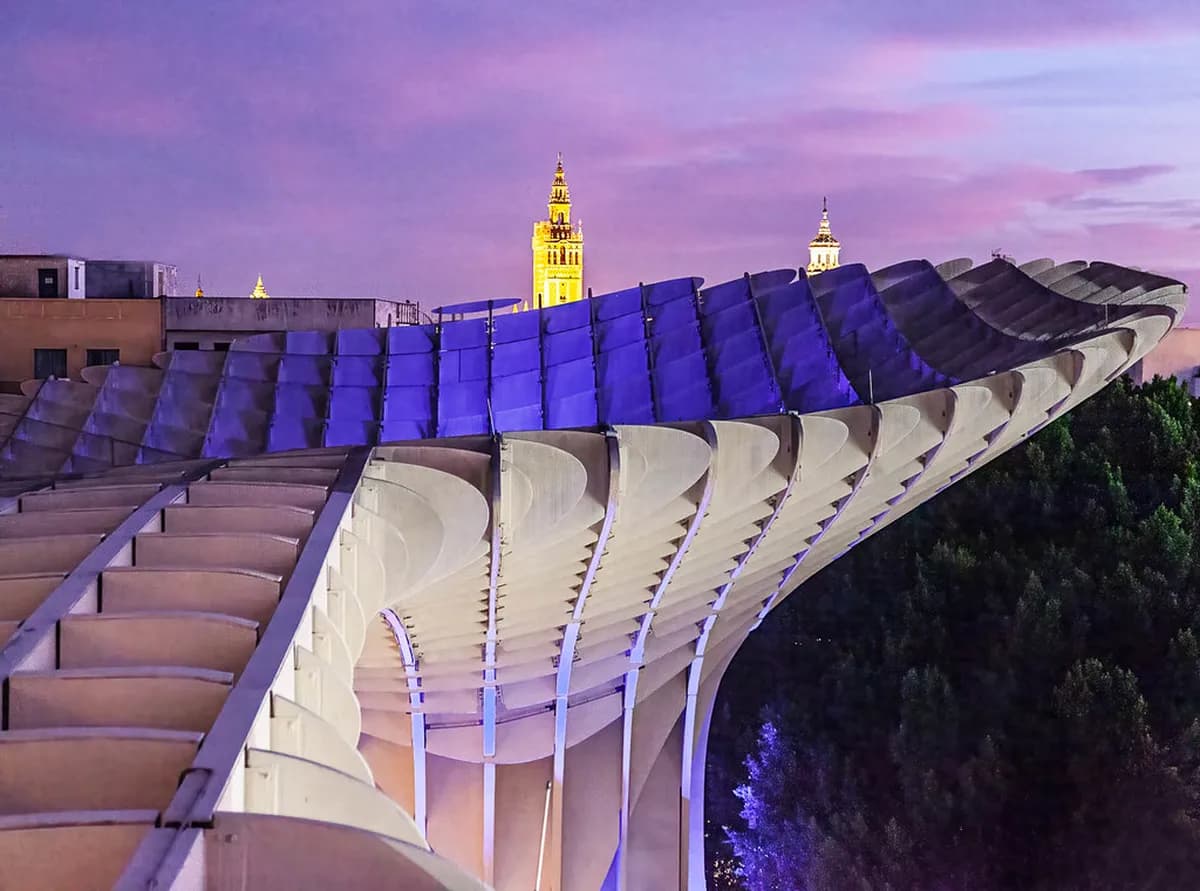
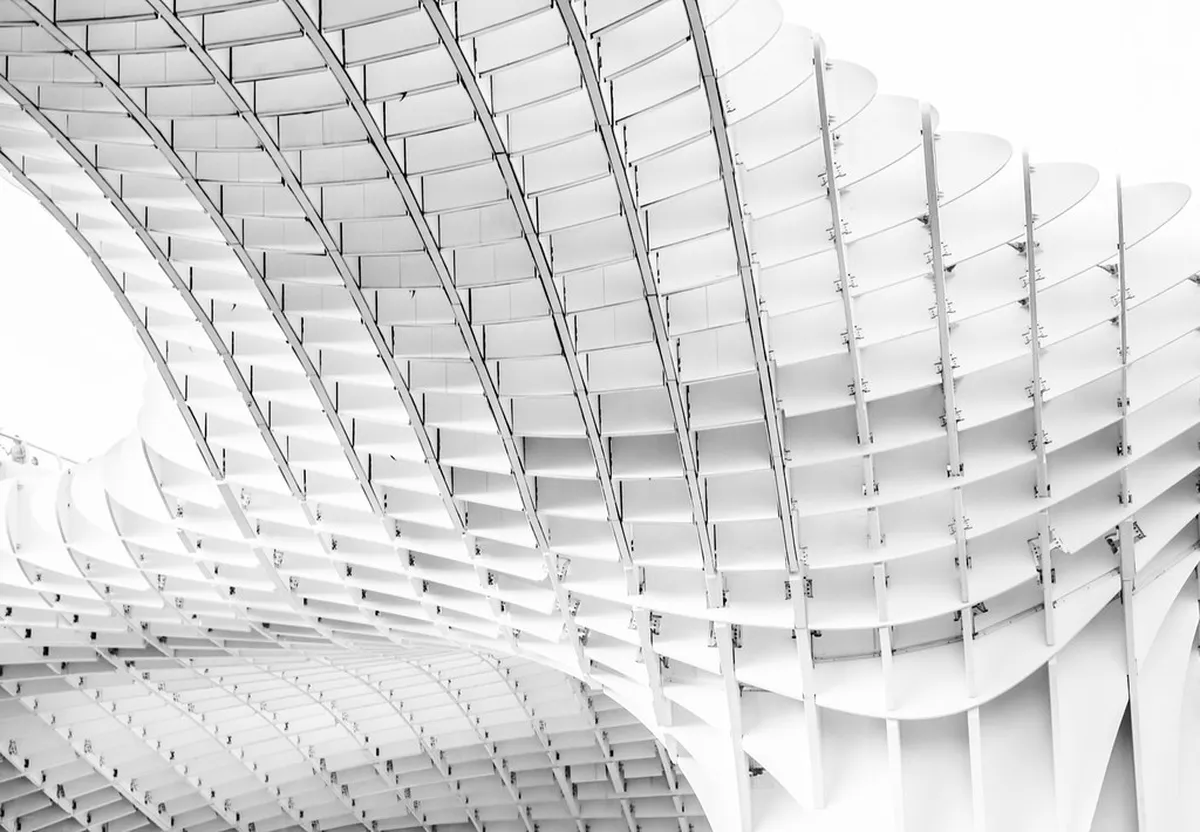
The Metropol Parasol, also known as Las Setas de Sevilla, is a giant wooden structure resembling mushrooms. Its construction in the early 2000s led to the discovery of these significant ruins. The Antiquarium was then designed to protect and display them. This integration makes the Antiquarium a truly unique attraction. It blends ancient history with striking contemporary architecture. You can explore two distinct periods of Seville's development.
These archaeological findings include well-preserved Roman houses, mosaics, and even a fish-salting factory. Later, an Almohad house and Islamic remains were also uncovered. The site tells a compelling story of urban evolution over centuries. The Antiquarium de Sevilla offers more than just artifacts. It provides a tangible connection to the people who lived in Seville long ago. This makes it a profound historical experience for visitors.
A Glimpse into Roman Seville: What to See at the Antiquarium
The Antiquarium de Sevilla offers a captivating journey through ancient Roman Hispalis. You can explore the remains of Roman streets and buildings. These ruins provide a clear layout of the ancient city. The excavation reveals daily life from the 1st to 6th centuries AD. Visitors walk on elevated walkways above these incredible discoveries. This perspective helps visualize the past.
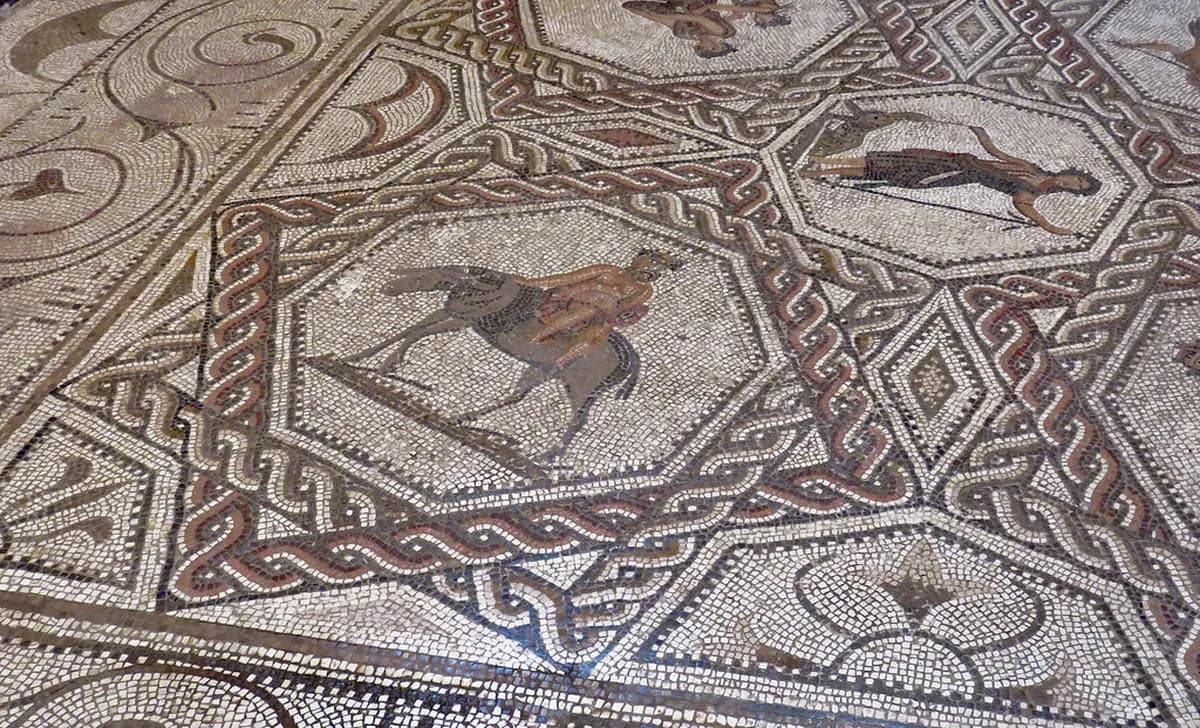
One of the main highlights is the collection of intricate Roman mosaics. These colorful floor decorations once adorned wealthy homes. They showcase impressive artistic skill and historical detail. Look for the mosaic depicting the goddess Medusa, a truly remarkable piece. Other mosaics display geometric patterns and mythological scenes. They offer a vivid picture of Roman aesthetics.
Beyond the mosaics, you will find the remains of a Roman fish-salting factory. This industrial area highlights Seville's economic importance during the Roman Empire. It demonstrates ancient methods of food preservation. Visitors can also see parts of Roman houses with their courtyards and rooms. These structures offer insights into domestic life in ancient Hispalis. They paint a picture of how residents lived.
The site also includes vestiges from the Almohad period, following the Roman era. An Almohad house and other Islamic remains illustrate the city's subsequent cultural layers. This adds another dimension to Seville's rich history. This archaeological museum beautifully presents the evolution of a bustling city. The blend of Roman and Almohad discoveries is truly fascinating. It makes the Antiquarium de Sevilla a comprehensive historical experience.
Planning Your Visit: Essential Information
Understanding the practical details is crucial for a smooth visit to the Antiquarium de Sevilla. The museum is located in the Plaza de la Encarnación, beneath the Metropol Parasol. It is easily accessible from many parts of central Seville. You can find the entrance clearly marked at street level. Plan your route using public transport or a short walk from other attractions. This central location makes it convenient for travelers.
The Antiquarium keeps a set schedule: Tuesday to Saturday from 10:00 to 20:00, and Sunday and public holidays from 10:00 to 14:00. It is closed on Mondays, plus 25 December and 1 and 6 January. Check the Official Antiquarium de Sevilla website before you go, since holiday closures shift slightly year to year and 2026 dates should be confirmed ahead of a visit. Arriving right at 10:00 on a Saturday morning is the surest way to beat the small tour groups that pass through midday.
Adult admission is €2 — one of the cheapest paid sights in central Seville. Entry is free for children under 16, and also free for students, retirees, disabled visitors, and Seville residents with valid ID. The Antiquarium and the Metropol Parasol rooftop walkway above it are separate attractions with independent tickets, so don't expect the rooftop viewpoint fee to cover the ruins below (or vice versa) — a mix-up that trips up a lot of first-time visitors. What isn't advertised on the booking page is that a standard Real Alcázar ticket often waives the Antiquarium's €2 fee entirely; ask at the counter, since staff don't always volunteer this.
At just €2 for adults, the Antiquarium is one of Seville's most affordable major attractions. If you already hold a Real Alcázar ticket, ask the staff—many Real Alcázar passes waive the €2 Antiquarium fee entirely.
The site is built with ramps and elevators connecting the elevated walkways to the excavation floor, so wheelchairs and strollers move through comfortably. One practical gap worth knowing before you go: the Antiquarium itself has no public restroom. Use the facilities at the Metropol Parasol market level at street level, or plan your bathroom stop at a nearby café before descending.
The Antiquarium has no public restroom. Plan a bathroom break at the Metropol Parasol's market-level facilities or at a nearby café before descending into the ruins.
- Visitor Profile: Is it for you?
- History Buffs: Absolutely, deep dive into Roman and Almohad past.
- Casual Tourists: Yes, if interested in unique historical context.
- Families: Good, engaging for older children with historical interest.
- Short on Time: Possible, can be seen in 60-90 minutes.
- Accessibility: Wheelchair-friendly with ramps and elevators.
- Before You Go Checklist
- Check Hours: Verify current opening times on official site.
- Comfortable Shoes: Essential for walking on varied surfaces.
- Camera Policy: Usually allowed, but check for flash restrictions.
- Visit Duration: Plan for 60-90 minutes for a thorough visit.
- Alcázar Ticket: Ask staff if your Real Alcázar entry waives the €2 fee.
Insider Tips for a Smooth Experience
To make the most of your Antiquarium de Sevilla visit, consider going in the morning. Early hours often mean fewer crowds and a more peaceful exploration. Weekday visits are generally less busy than weekends. This allows for better photo opportunities and a deeper immersion. Avoiding peak times enhances the overall experience. Plan your schedule for a relaxed visit.
The Antiquarium is located directly beneath the Metropol Parasol, offering a fantastic combination visit. Consider exploring the archaeological site first, since it's a quick, focused visit. Afterward, ascend to the Metropol Parasol's rooftop for panoramic city views — buy that ticket separately, since it isn't bundled with the ruins below. Pairing the two lets you experience both ancient history and modern architecture in under two hours. It provides a full perspective of Seville's evolution.
Engaging with the information panels throughout the museum enhances understanding. They provide context for the ruins and artifacts. Many panels offer details in multiple languages. Take your time to read these explanations. They enrich the experience significantly. This helps connect with the history beneath your feet.
Don't expect a scheduled guided tour desk on-site — the Antiquarium is normally a self-guided visit built around its multilingual info panels, not staffed group tours. Seville's city archaeology service occasionally opens the site for guided heritage-day visits, so check the official website if you specifically want a docent-led walk. For families, encourage children to imagine life in Roman times; the visible streets and houses spark curiosity even without interactive exhibits, and the stroller-friendly walkways make it an easy stop with young kids.
The most common first-timer mistake is treating the Antiquarium as an afterthought squeezed between Metropol Parasol photos — because it's compact, some visitors rush through in under 15 minutes and miss the fish-salting vats or the Medusa mosaic tucked along the side walkways. Slow down for the 60 to 90 minutes it deserves, and if you're already holding a Real Alcázar ticket, check it before paying again at the counter.
| Visitor Type | Admission Price |
|---|---|
| Adult | €2 |
| Children under 16 | Free |
| Students | Free |
| Retirees (65+) | Free |
| Disabled visitors | Free |
| Seville residents with ID | Free |
Antiquarium de Sevilla Reviews & Visitor Insights
Visitor reviews for the Antiquarium de Sevilla often highlight its unique setting and historical significance. Many appreciate the clever integration of ancient ruins beneath a modern structure. The well-preserved mosaics receive particular praise. Travelers frequently mention the peaceful atmosphere compared to busier Seville attractions. This allows for a more reflective historical journey. The experience is often described as surprisingly engaging.
Most visitors agree that the Antiquarium is worth visiting, especially for history enthusiasts. Those with a keen interest in Roman history will find it particularly rewarding. It offers a tangible connection to Seville's past. At €2 a ticket, and often free with a Real Alcázar entry, it adds real value for very little cost. This makes it an attractive option for many travelers, even ones on a tight Seville budget.
Not every review is glowing. A recurring criticism is that parts of the site feel under-maintained relative to Seville's better-funded museums, and the lack of an on-site restroom draws occasional complaints. Fans of the Roman mosaics and the unusual underground setting tend to outweigh these gripes in most write-ups. Some reviews suggest combining the Antiquarium visit with the Metropol Parasol rooftop for a complete historical-and-contemporary experience, and recommend allocating 60 to 90 minutes for the Antiquarium itself to explore the ruins and read the informational displays without rushing.
Travelers often note the clear signage and well-maintained pathways. This makes navigation easy for all ages. The accessibility features are also frequently commended. The Seville Tourism Board page on Antiquarium offers further details. Overall, the Antiquarium de Sevilla is considered a valuable historical gem. It offers a different perspective on the city. It is a highly recommended stop for those seeking depth beyond the typical tourist path.
Frequently Asked Questions
Beyond the Ruins: Nearby Attractions in Seville
The Antiquarium de Sevilla's central location makes it easy to combine with other iconic Seville attractions. After exploring the ancient ruins, step out into the bustling Plaza de la Encarnación. From here, you can ascend to the Metropol Parasol viewpoint. The Metropol Parasol offers stunning panoramic views of the city. It's an excellent way to see Seville from above. You can appreciate the city's blend of old and new architecture.
A short walk from the Antiquarium will lead you to the majestic Seville Cathedral and its Giralda Tower. These UNESCO World Heritage sites are essential stops for any visitor. Explore their grandeur and rich history. Nearby, you will also find the beautiful Real Alcázar of Seville, a royal palace with stunning gardens. Consider visiting these major landmarks on the same day. This creates a rich cultural itinerary.
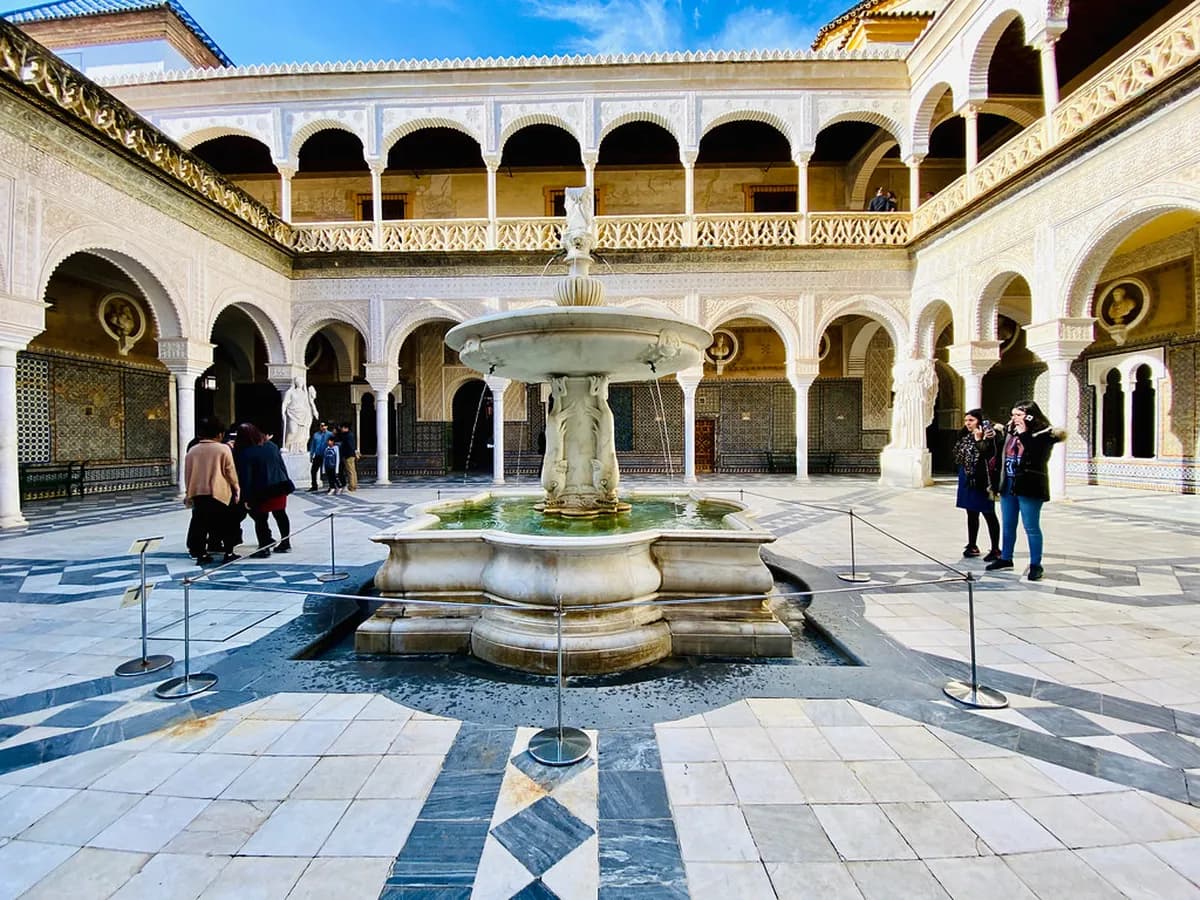
For art lovers, the Museo de Bellas Artes de Sevilla is also within easy reach. It houses an impressive collection of Spanish art, particularly from the Baroque period. This museum offers a quieter, contemplative experience. Another charming option is the Casa de Pilatos, a stunning Andalusian palace. Its intricate architecture and tranquil courtyards are a delight to explore. It provides a glimpse into Seville's aristocratic past.
You can also wander through the charming streets of the Santa Cruz quarter, Seville's old Jewish quarter. Discover hidden plazas, flower-filled patios, and traditional tapas bars. This area is perfect for a leisurely stroll and a taste of local life. Many of Seville's best attractions are concentrated in the historic center. This makes planning a walking tour efficient and enjoyable. Explore more of Seville at your own pace.
The History Beneath Your Feet: Significance of the Site
The discovery of the Antiquarium de Sevilla was a pivotal moment for Seville's understanding of its own past. During the construction of the Metropol Parasol, archaeologists unearthed significant Roman remains. This provided an unprecedented look into ancient Hispalis. The site revealed a thriving Roman city with organized streets, houses, and industrial areas. These findings shifted previous perceptions of Roman Seville's size and importance. It confirmed its role as a key urban center.
The archaeological layers extend beyond the Roman period, showcasing Almohad influences as well. This Islamic dynasty ruled Seville for centuries, leaving its own distinct mark. The Antiquarium reveals structures from this era built directly atop Roman foundations. This layering of history provides a unique chronological narrative. It illustrates how Seville continuously evolved over millennia. The site serves as a physical timeline of the city's development.
The decision to integrate the Antiquarium into the Metropol Parasol design was innovative. Instead of simply relocating the finds, the museum was built around them. This allows visitors to experience the ruins in their original context. This approach preserves the authenticity of the site. It also creates a dynamic relationship between ancient and modern architecture. The Metropol Parasol's Wikipedia page details its construction challenges.
The Antiquarium de Sevilla holds immense archaeological and cultural significance. It offers tangible proof of Seville's deep historical roots. It connects contemporary Seville with its ancient origins. This site is a testament to the city's enduring legacy. It reminds us that every step in Seville is a step over centuries of history. The Antiquarium de Sevilla is truly a treasure.
Frequently Asked Questions
What are the opening hours for Antiquarium de Sevilla?
Opening hours for the Antiquarium de Sevilla typically run from Tuesday to Saturday, with shorter hours on Sundays and holidays. The museum is usually closed on Mondays. Always check the Official Antiquarium de Sevilla website for the most current schedule and any special closures for 2026 before planning your visit.
How much does it cost to visit the Antiquarium de Sevilla?
Entry to the Antiquarium de Sevilla is generally quite affordable. Standard adult tickets are usually a few euros, with reduced rates available for students, seniors, and children. Look for potential combined tickets that include access to the Metropol Parasol viewpoint for better value.
Is the Antiquarium de Sevilla worth visiting?
Yes, the Antiquarium de Sevilla is highly worth visiting, especially for those interested in history and archaeology. It offers a unique opportunity to explore well-preserved Roman and Almohad ruins beneath a modern structure. The experience provides a deep insight into Seville's ancient past and is often praised for its educational value.
How long should I spend at the Antiquarium de Sevilla?
Most visitors find that 60 to 90 minutes is sufficient time to explore the Antiquarium de Sevilla thoroughly. This allows you to walk through the ruins, admire the mosaics, and read the informative panels without feeling rushed. You can combine it with a visit to the Metropol Parasol rooftop.
Is the Antiquarium de Sevilla accessible for wheelchairs/strollers?
Yes, the Antiquarium de Sevilla is designed to be accessible for wheelchairs and strollers. The site features ramps and elevators throughout, ensuring that all visitors can comfortably navigate the archaeological remains. This commitment to accessibility makes it a welcoming attraction for everyone.
Other Roman Remains Left Under a Modern Building
Building the Metropol Parasol uncovered a Roman quarter, so the mosaics now sit in a basement beneath a timber canopy. Budapest's Aquincum takes the opposite approach and leaves a whole provincial town in the open air. Athens's Hadrian's Library sits in the middle of Monastiraki with Roman, Byzantine and Ottoman layers exposed together.
The Antiquarium de Sevilla offers a truly unique and enriching experience for any visitor to Seville. It provides an extraordinary glimpse into the city's ancient Roman and Almohad foundations. Walking among these historical layers is both educational and awe-inspiring.
This comprehensive antiquarium de sevilla visitor guide has provided all the essential information needed for your trip. From planning details to insider tips, you are now well-equipped. Embrace the opportunity to connect with Seville's profound past.
Don't miss the chance to explore this hidden gem beneath the Metropol Parasol. It offers a fascinating contrast between ancient history and modern architecture. The Antiquarium is a testament to Seville's enduring legacy and vibrant story.
For the latest official information, see the Antiquarium de Sevilla official site.
For more Seville planning, read our 24 Best Things to Do in Seville (2026), 10 Essential Tips for a 3-Day Seville Itinerary, and 8 Best Ways to Experience Free Things to Do in Seville (2026) guides.
Continue exploring
More guides you'll find useful