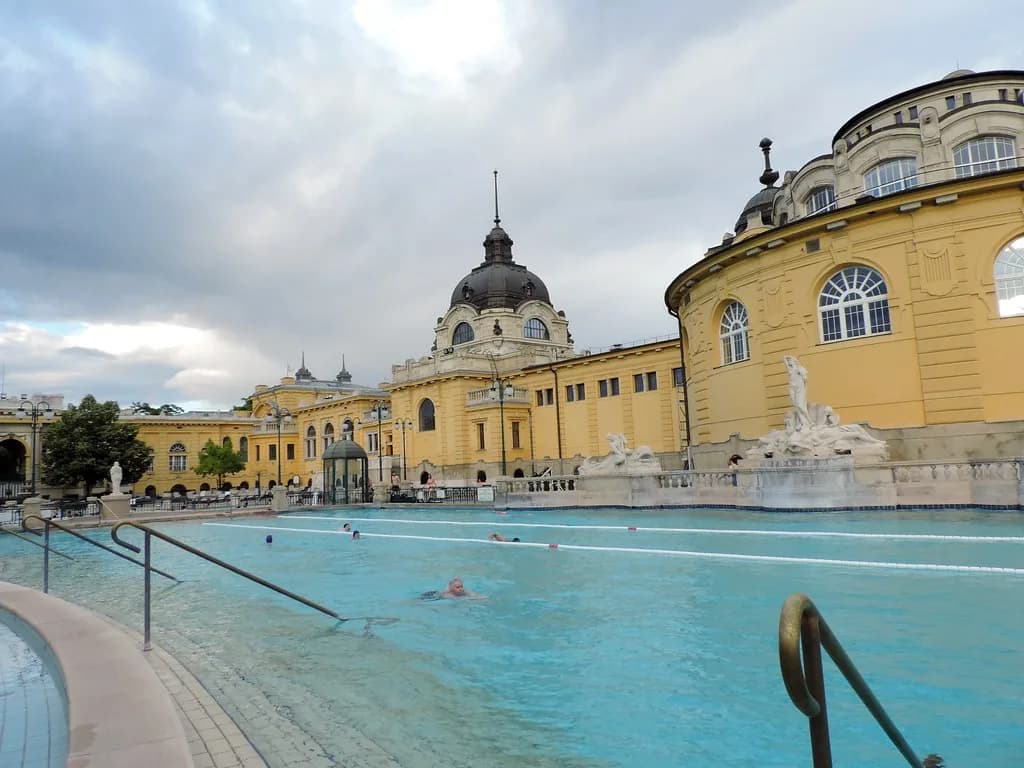
Obuda Budapest Neighborhood Guide Travel Guide
Plan obuda budapest neighborhood guide with top picks, neighborhood context, timing tips, and practical booking advice for a smoother trip.
On this page
Obuda Budapest Neighborhood Guide
Budapest is officially divided into 23 numbered districts, each with its own name, character, and pace of life. The Danube River cuts the city in two: Buda on the hilly west bank is older, quieter, and greener; Pest on the flat east bank is denser, louder, and more cosmopolitan. Knowing which side — and which district — suits your plans makes a significant difference in how your trip unfolds.
This guide focuses on Óbuda (District III), Budapest's oldest continuously inhabited area, while putting it in context alongside the city's other key neighborhoods. Whether you are deciding where to stay or simply planning a half-day excursion, the district-by-district breakdown below gives you concrete details to compare. Districts closer to the Danube are generally the most central regardless of their number; higher-numbered districts are mostly residential and can be skipped on a first visit.
A quick orientation: the most useful districts for visitors are I, III, V, VI, VII, VIII, and XI. Each occupies a distinct slot in the city's atmosphere spectrum, from the tourist-heavy riverside of District V to the slow, ancient lanes of Óbuda. The sections below cover each in enough detail to inform a real decision.
Understanding Budapest's Layout Before You Pick a Base
The first decision any visitor faces is Buda or Pest. Buda is hilly, historic, and quieter — good for families, couples, and anyone who wants calm evenings. Pest is flat, walkable, and energetic — better for first-timers who want everything within reach and for travelers who plan to eat and drink late. Most sightseeing landmarks sit in or near both halves, connected by tram lines and a handful of bridges you will cross constantly.
Budapest's districts are numbered in a clockwise spiral outward from the center. Districts I, V, VI, VII, and VIII form the urban core. District III (Óbuda) sits north of District II along the Buda bank and feels noticeably removed from central tourism despite being only a 20-minute tram ride from downtown. District XI anchors southern Buda. Understanding this spiral helps you avoid booking accommodation in a high-numbered district that looks close on a map but requires multiple connections to reach major sights.
Public transport is reliable across the central districts. Three metro lines converge at Deák Ferenc tér in District V — the single most useful hub if you need to reach anywhere in the city quickly. Tram lines 4 and 6 run along the Grand Boulevard in a circular route connecting Pest districts. For Óbuda, tram 17 and bus 86 run along the Danube bank north from Batthyány tér, reaching Fő tér (Óbuda's main square) in roughly 15 minutes.
Belváros and Lipótváros (District V)
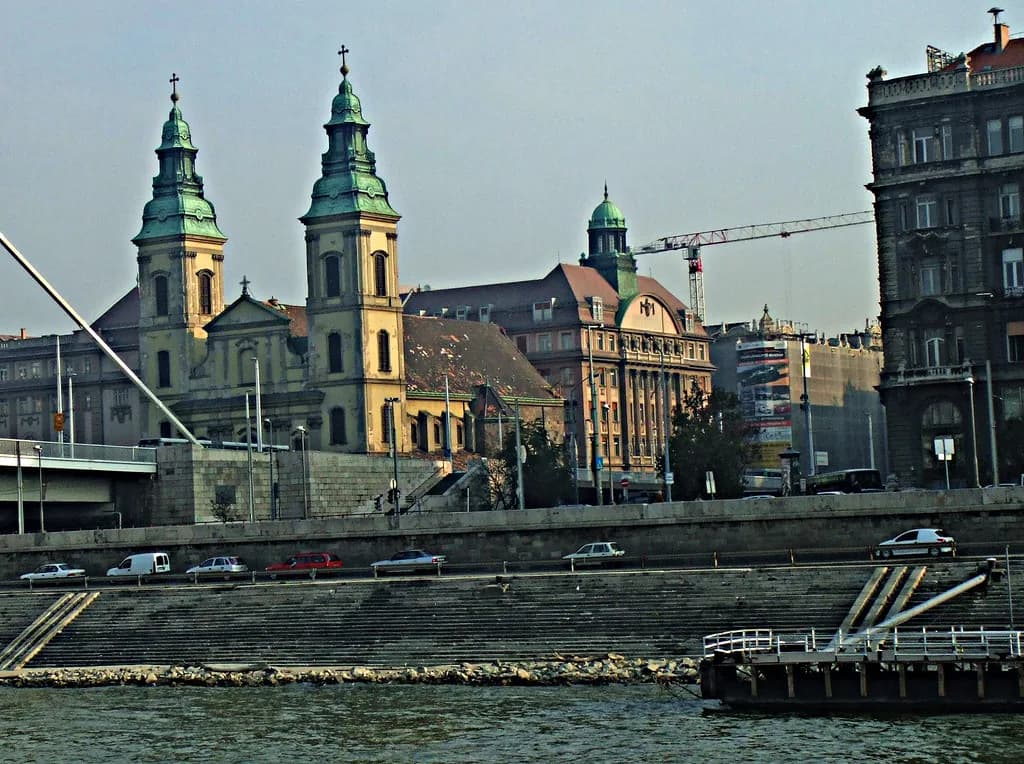
District V sits in downtown Pest and is as central as Budapest gets. It splits into two sub-districts: Lipótváros to the north (the Central Banking District, home to the Hungarian Parliament and St. Stephen's Basilica) and Belváros to the south (the more commercial, cafe-dense downtown core). Almost everything iconic in Budapest is within a 20-minute walk of this district's center. The Hungarian Parliament, Shoes on the Danube memorial, Vigadó Concert Hall, and Deák tér metro hub are all here.
The trade-off is crowds. Váci Street — the main tourist drag — is aggressively commercial and should be avoided for dining. A few blocks away from the main arteries, though, the district feels like a real city center with neighborhood bakeries, antique shops on Falk Miksa Street, and small squares like Károly Garden that locals use daily. Michelin-starred restaurants including Borkonyha Winekitchen are clustered here, as are classic cafes like Café Gerbeaud. Consider W Budapest or Hotel Aria Budapest if budget allows — both are positioned for walkable sightseeing.
District V is the right base for first-time visitors on short stays (two to three days). You will not feel immersed in local life here, but you will cover more ground with less transit time than anywhere else. Book accommodation a few streets back from the riverfront to reduce noise at night without sacrificing location.
Erzsébetváros (District VII)
Erzsébetváros is Budapest's historic Jewish Quarter, and it divides opinion. By day it is a genuinely interesting area: the Dohány Street Synagogue (Europe's largest) anchors the district, the architecture mixes grand Austro-Hungarian buildings with crumbling courtyards, and street art appears on nearly every blank wall. The Hungarian Jewish Museum adjacent to the synagogue is worth two hours of your time. By night, District VII becomes Budapest's nightlife center, driven by its famous ruin bars built inside abandoned buildings and courtyards.
Szimpla Kert is the original and most famous ruin bar, but the neighborhood runs dozens of them. The crowds they generate — including significant bachelor-party tourism from western Europe — make parts of the district genuinely noisy until 03:00 on weekends. If you stay here, choose a hotel on the eastern edge of the district, away from the bar cluster around Kazinczy Street. You can explore more of Budapest's best ruin bars without having to sleep above them.
The district is well connected — multiple metro and tram stops, and a 15-minute walk to District V. Prices for accommodation and food run slightly lower than District V or VI, and the overall energy is younger and more eclectic. For second-time visitors who already have the main sights covered and want to focus on food, culture, and nightlife, District VII is a strong choice. Avoid it entirely if you are traveling with young children or value quiet evenings.
Buda Castle District (District I)
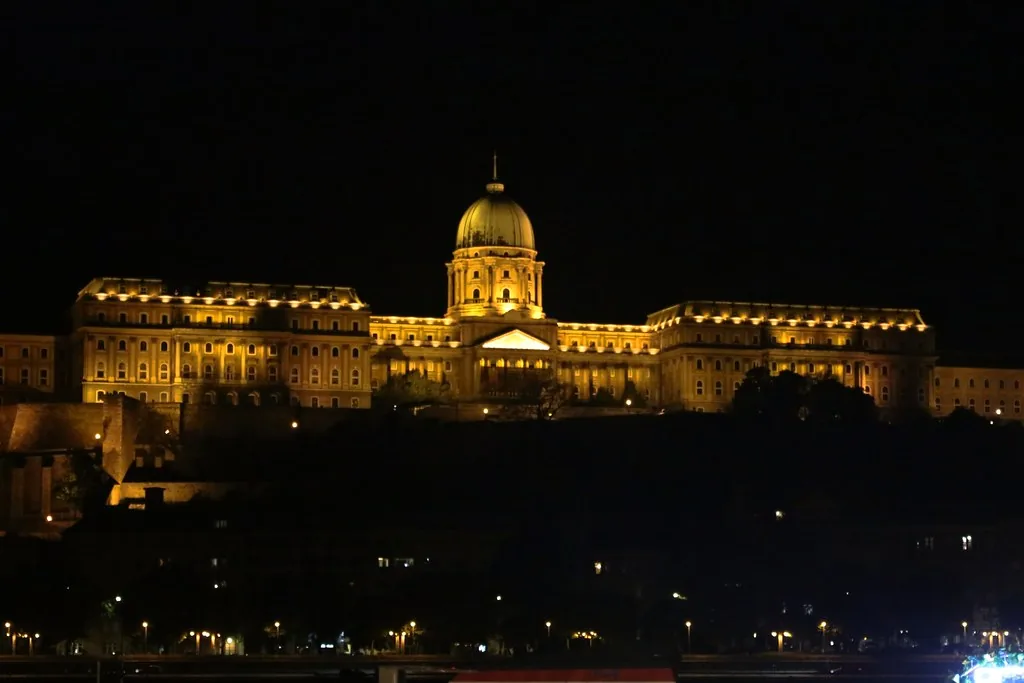
District I sits on a limestone plateau above the Danube, connected to the city below by the historic Buda Castle Funicular and several stairway paths. It is a UNESCO World Heritage Site and one of the most photographed areas in Central Europe. Buda Castle houses the Hungarian National Gallery and the Budapest History Museum; Matthias Church and Fisherman's Bastion flank the main square; the views across the Danube to Parliament are exceptional at any hour. The cobblestone streets, lined with medieval and Baroque buildings, reward slow walking.
The district is primarily a daytime destination. Once tour groups clear out by early evening, the streets feel almost empty, which either appeals (atmospheric, quiet, romantic) or does not (limited dining and nightlife). Restaurants here cater to tourists and charge accordingly. Staying in the district — the Hilton Budapest is embedded in the historic fabric — works best for couples who prioritize views and atmosphere over convenience. Getting to Pest for dinner means either the funicular, a bus, or walking down the hill, which adds 15–20 minutes each way.
Visit early morning (before 09:00) or around sunset for the best light and smallest crowds. The Castle District is also a strong standalone day-trip from any other base in the city — you do not necessarily need to stay here to make the most of it. Discover more places to visit in Budapest for free, many of which cluster in and around this hill.
Terézváros (District VI)
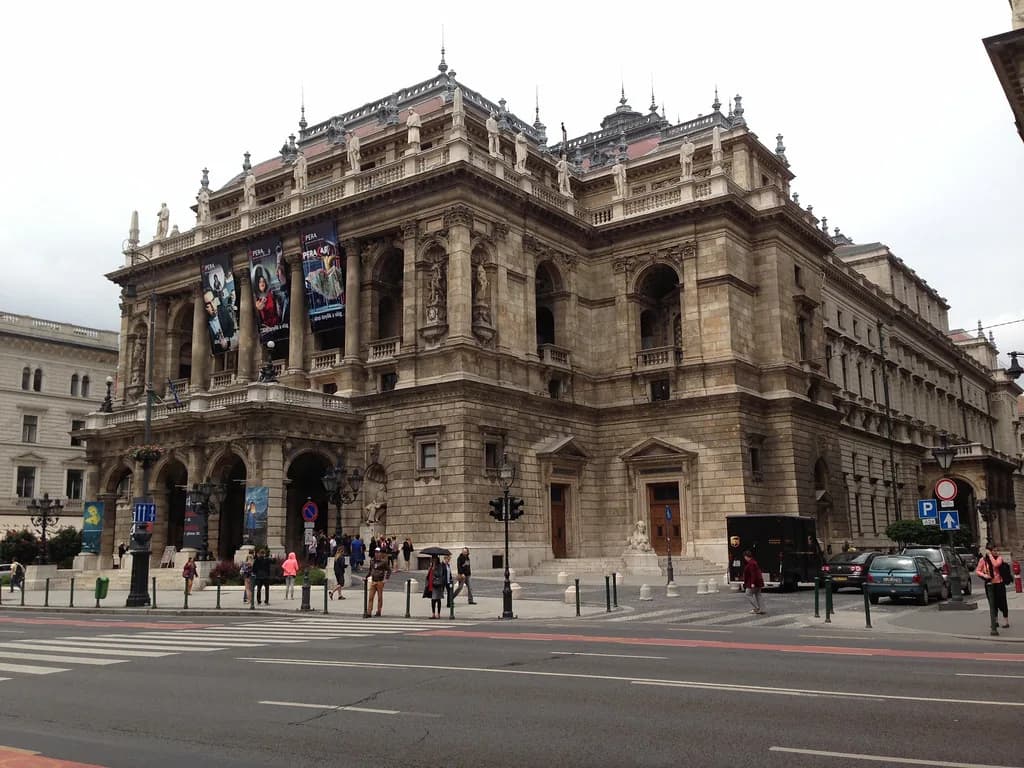
District VI is anchored by Andrássy Avenue, a tree-lined UNESCO World Heritage boulevard that runs from Erzsébet Square to Heroes' Square and City Park. The avenue is often compared to Paris's Champs-Élysées, though it is narrower, leafier, and more mixed in how its buildings have aged — some immaculately restored, others in eloquent decay. The Hungarian State Opera House, Liszt Ferenc Music Academy, and a cluster of theaters along Nagymező Street (known locally as "Budapest Broadway") make this the city's cultural center.
The district divides at Oktogon, where Andrássy Avenue crosses the Grand Boulevard. Below Oktogon toward downtown, the area is convenient and touristy. Above Oktogon toward Heroes' Square, it becomes quieter, more residential, and better for families. The area around Széchenyi Baths and City Park — Budapest's largest green space — sits at the top of the district. Consider Corinthia Budapest for a central mid-district position with good links to both ends.
District VI is the local consensus pick for the best overall base in Budapest: central enough to walk to sights, upscale enough for good restaurants and hotels, but less overwhelmingly touristy than District V. The main drawback is price — both accommodation and dining run higher here than in Districts VII or VIII. Read the Budapest neighborhoods guide for a fuller comparison if you are still weighing options.
District VIII — Palace District (Józsefváros)
District VIII carries a reputation that has been steadily improving over the past decade. The Palace District (Palota Negyed) — the inner section of Józsefváros — contains some of the most impressive 19th-century architecture in the city: grand mansions, wide baroque streets, and the Hungarian National Museum, which is free to enter on national holidays. The area around Mikszáth Kálmán Square has become a lively hub of independent cafes, wine bars, and restaurants without the tourist-trap pricing common in Districts V–VII.
Trams 4 and 6 run along the Grand Boulevard on the district's western edge, and metro lines 2 and 3 both stop nearby, making connections easy. Semmelweis Medical University brings a large student population, which keeps the café culture active and prices competitive. The district feels genuinely local — fewer selfie sticks, more people eating lunch at neighborhood spots. It is a particularly good choice for stays of four or more days when you want daily life to feel less staged.
The outer parts of District VIII, beyond the Grand Boulevard, are more residential and require more research if you plan to stay there. The Palace District itself is safe and walkable. For travelers seeking non-touristy things to do in Budapest, this district consistently delivers without requiring much effort to find them.
District III — Óbuda: Budapest's Oldest Neighborhood
Óbuda, meaning "Old Buda," predates both Buda and Pest as a settlement. The Romans established the city of Aquincum here around 89 AD, making this patch of ground one of the longest continuously inhabited sites in Central Europe. Today, the district covers a 10-kilometer stretch of the Danube's west bank north of Margaret Island, encompassing steep wooded slopes, riverside terraces, and one of Budapest's most quietly rewarding historic cores. An Óbuda Budapest neighborhood guide is, at its core, a guide to how the city began.
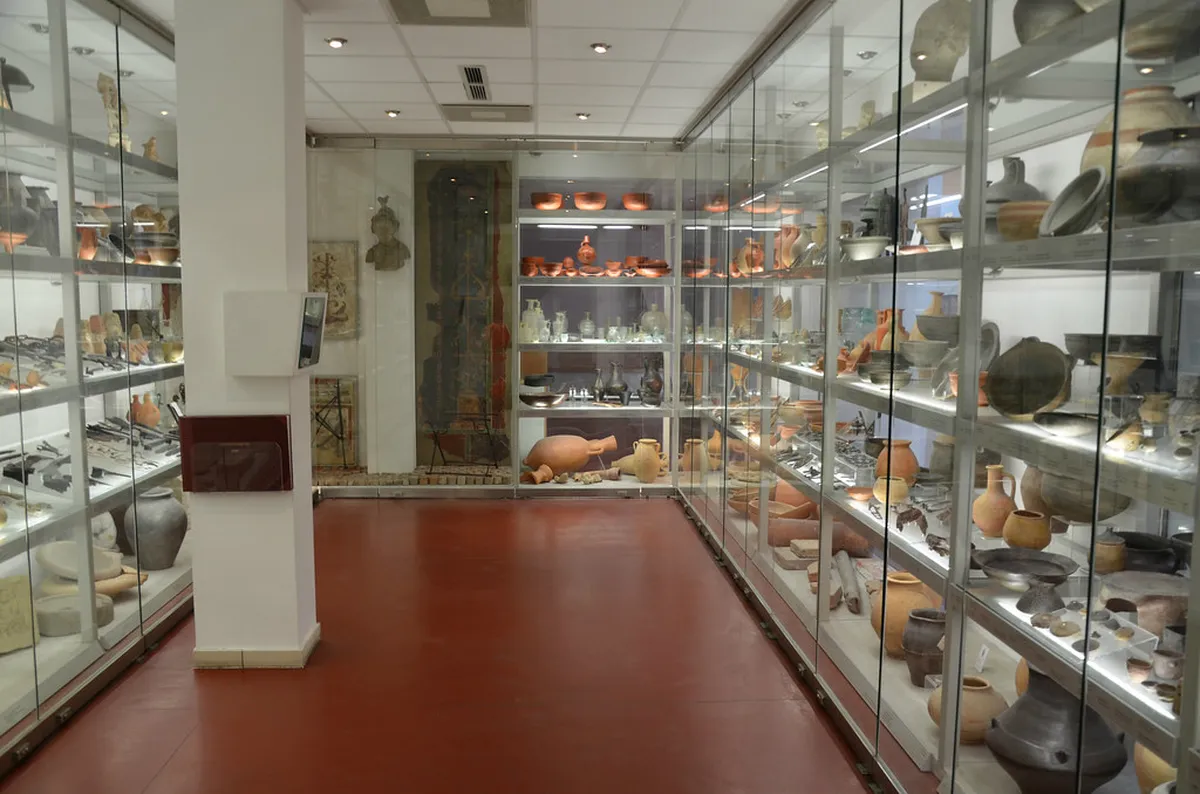
The Aquincum Museum and Archaeological Park (Záhony utca 4, open Tuesday–Sunday 10:00–18:00 in summer, admission around 2,500 HUF / €7 in 2026) is the district's anchor attraction. The open-air ruins spread across a significant footprint and include a civilian amphitheatre, heated room floors (hypocausts), and a small but well-curated museum of Roman artifacts. A second Roman site — the Hercules Villa on Meggyfa utca — contains one of the finest Roman mosaics in Hungary, depicting the labors of Hercules, but receives a fraction of Aquincum's visitors. It is free to view through the glass-paneled structure and takes about 20 minutes. Combined, the two sites give you a Roman Budapest that most visitors completely miss.
Aquincum Museum is open Tuesday–Sunday 10:00–18:00 with admission around 2,500 HUF (€7 in 2026). Allow 90 minutes minimum for the outdoor archaeological park plus museum. Bring water and sun protection; the site is largely unshaded.
Fő tér (Main Square) is the social and architectural heart of Óbuda. Baroque buildings — many now housing art galleries, including the Vasarely Museum dedicated to Op Art pioneer Victor Vasarely — frame a square that feels like a village green transplanted into a European capital. The pace here is slower by design: locals sit at outdoor tables, a few antique dealers open when the mood strikes, and the tourist-to-local ratio inverts from what you find in central Pest. Parking on Fő tér is free on weekends, which matters if you are day-tripping from elsewhere in the city by car — a practical detail no competitor guide mentions.
| Roman Site | Location | Admission | Key Features | Time Needed |
|---|---|---|---|---|
| Aquincum Museum & Archaeological Park | Záhony utca 4 | 2,500 HUF (€7) | Civilian amphitheatre, hypocaust ruins, artifact museum, open-air park | 90 mins |
| Hercules Villa | Meggyfa utca | Free (glass-paneled viewing) | Roman mosaic depicting Hercules labors, finest mosaics in Hungary | 20 mins |
Reach Óbuda by tram 17 northbound from Batthyány tér (allow 15 minutes), or by bus 86 along the riverside road. The Csillaghegyi outdoor thermal bath in the northern part of the district is a seasonal option (open May–September), much cheaper than the central spas and almost entirely local in clientele. Ticket prices run around 1,800 HUF (€5) compared to 8,000–12,000 HUF at Széchenyi or Gellért. Plan a half-day minimum for Óbuda; a full day if you combine Aquincum, Hercules Villa, Fő tér, and the riverside promenade at Római part.
Csillaghegyi thermal bath (May–September only) costs 1,800 HUF (€5) — a fraction of central spa prices (8,000–12,000 HUF). Clientele is almost entirely local, making it an authentic Budapest experience. Best on weekday mornings for the smallest crowds.
District XI — Újbuda and Bartók Béla Avenue
District XI (Újbuda, or "New Buda") is Buda's most livable district for visitors who want a local experience without sacrificing access to the city center. Bartók Béla Avenue is its main artery: a long street of galleries, independent cafes, wine bars, and small bookshops that runs from Gellért Hill to the Danube. The population skews young, creative, and international — students from nearby universities, musicians, and artists have settled here over the past decade.
Gellért Hill anchors the northern edge of the district. The Gellért Thermal Bath, a magnificent Art Nouveau complex built before World War I and reopened with a famous wave pool in 1927, operates independently of the adjoining Gellért Hotel. Walking up the hill takes 20–30 minutes but rewards with panoramic views equal to or better than Fisherman's Bastion. Móricz Zsigmond Square and Gellért Square offer strong tram connections (lines 4, 6, 18, 19, 41, 47, 49) that link the district to both Buda Castle and central Pest efficiently.
Accommodation here runs noticeably cheaper than in Districts V–VI, and the cafes and restaurants along Bartók Béla Avenue tend to be genuine neighborhood spots rather than tourist-facing businesses. It is a strong choice for a second visit to Budapest, when you already know the main sights and want to spend more time eating and walking like a resident. Explore unusual things to do in Budapest using this district as a quieter, more affordable base.
Other Pest Districts Worth Knowing
District IX (Ferencváros) has transformed rapidly since the mid-2010s. The Corvin Quarter development brought new apartment blocks and a large mall, but the older parts around Ráday Street retain genuine character. Ráday Street is a restaurant corridor: Costes (Michelin-starred), Café Delion, and jazz café Jederman all sit within a few blocks. Corvinus University keeps the area intellectually active. Trafó Performing Arts Theatre and the Budapest Music Center (BMC) are both nearby. It is a reasonable alternative to District VIII for travelers who want local dining in easy reach of the center.
District XIII (Újlipótváros) extends north from District V along the Danube and has developed a reputation for outdoor living. Margaret Island — 2.5 square kilometers of parkland between Buda and Pest — falls partly within District XIII and is accessible by trams 4 and 6 stopping at the Margaret Bridge. The island has running tracks, a music fountain, a small petting zoo, and the ruins of a Dominican convent. It is one of the few genuinely green spaces within the central city, popular with families and joggers rather than tourists. District XIII also has a large stock of interwar apartment buildings that are increasingly popular with longer-stay visitors.
District X (Kőbánya) sits further east and is largely industrial in character, with limited visitor appeal beyond the Kőbánya Cellar System — a vast underground labyrinth used historically for beer brewing. It is the kind of area that rewards curious urban explorers on a return trip but does not belong on a first itinerary. For hidden gems in Budapest that are genuinely off the radar, Kőbánya's underground network and the outer reaches of District III near Csillaghegy are where you are most likely to have a site to yourself.
If you want to experience Budapest like a local, the gradient runs roughly like this: Districts V and VII are the most visitor-oriented; Districts VI and I are a step toward local with better infrastructure; Districts VIII, IX, and XI are where residents actually live; Districts III and XIII are genuinely residential and feel the most removed from tourist Budapest without requiring a long commute back to the center.
Frequently Asked Questions
Which obuda budapest neighborhood guide options fit first-time visitors?
First-time visitors to Budapest usually prefer central districts like Belváros (District V) or Erzsébetváros (District VII). These areas offer easy access to major attractions, diverse dining, and vibrant nightlife. Óbuda (District III) is better for those seeking history and tranquility, perhaps on a second visit or for a dedicated half-day trip.
How much time should you plan for obuda budapest neighborhood guide?
For Óbuda specifically, plan at least a half-day to explore its Roman ruins, Fő tér, and museums. If you wish to visit other lesser-known neighborhoods, dedicate a full day. This allows for travel time and thorough exploration. Combine it with a trip to Margaret Island for a full day's outing.
What should travelers avoid when planning obuda budapest neighborhood guide?
Avoid expecting a bustling nightlife scene in Óbuda; it is a quieter, more residential district. Do not rush your visit, as its charm lies in slow exploration. Also, avoid relying solely on English, as fewer locals may speak it compared to central tourist areas. Always verify opening hours for smaller attractions.
Is obuda budapest neighborhood guide worth including on a short itinerary?
For a very short itinerary (1-2 days), focusing on central districts like Buda Castle and Belváros is usually best. However, if you have 3 or more days, including Óbuda adds a unique historical and cultural dimension. It offers a peaceful contrast to the city center. It is a great addition for those interested in ancient history.
WHAT ARE THE BEST DISTRICTS WITHIN BUDA?
The best districts within Buda include District I (Buda Castle District) for history and panoramic views. District III (Óbuda) offers ancient Roman ruins and a charming village feel. District XI (Újbuda) provides a modern, artistic vibe with access to Gellért Hill. Each offers unique attractions and a quieter atmosphere than Pest.
Budapest's neighborhoods each tell a unique story, from the ancient ruins of Óbuda to the bustling ruin bars of Erzsébetváros. This Óbuda Budapest neighborhood guide offers a practical framework for choosing where to focus your time and energy. Knowing the city's Buda-Pest divide, understanding which district number corresponds to which atmosphere, and building at least a half-day for District III into your itinerary will put you ahead of most visitors.
Whether you seek historical grandeur, vibrant nightlife, or peaceful local life, Budapest has a district to match. Venture beyond the well-known tourist spots to discover the genuine city. Óbuda in particular rewards the small effort of a tram ride north with Roman ruins, free mosaic sites, and a main square where nobody is trying to sell you anything.
Plan your itinerary with these district comparisons in mind. Allow enough time in each area to move at walking pace rather than rushing between sights. Budapest consistently rewards travelers who slow down.
Continue exploring
More guides you'll find useful