Stockholm Neighborhoods Guide: Where to Stay and Explore in 2026
This Stockholm neighborhoods guide compares Södermalm, Gamla Stan, and Östermalm with transit tips, price tiers, and 2026 booking advice.
On this page
Stockholm Neighborhoods Guide: Where to Stay and Explore
Last updated July 2026, this Stockholm neighborhoods guide breaks down the Swedish capital's seven core inner-city districts so you can pick a home base by trade-off, not guesswork. Each island-bound quarter, from cobbled Gamla Stan to bohemian Södermalm, comes with its own atmosphere, price tier, and tunnelbana connections worth weighing before you book. Use the comparison table and district-by-district breakdowns below to match your travel style, budget, and mobility needs to the right corner of the city.
Stockholm Geography 101: Islands, Bridges, and Innerstaden
Stockholm is built across 14 islands linked by 57 bridges, a layout locals and visitors alike compare to Venice. That geography can look chaotic on first glance at a map, but almost everything worth seeing on a short trip sits within Innerstaden, Swedish for 'inside the tolls' (inom tullarna) - the historic toll-gate boundary that still shapes how Stockholmers describe their city, even though the physical gates disappeared in the 19th century. Seven districts make up this inner core: Gamla Stan, Norrmalm, Östermalm, Södermalm, Kungsholmen, Djurgården, and Vasastan, and this guide focuses on those seven rather than the outer suburbs. With around 1.5 million residents across the wider metro area, Stockholm feels dense in its core but opens up quickly once you cross onto quieter islands like Kungsholmen or Djurgården. Beyond Innerstaden, the archipelago fans out toward the Baltic Sea, and travelers with extra time often pair a district-based stay with day trips beyond the city or a detour to Skogskyrkogården's UNESCO cemetery just south of the inner islands.
The Stockholm Neighborhoods Guide: 7 Core Districts at a Glance
Before the full breakdown, here is the fast version of which of Stockholm's seven core districts fits your trip and travel style.
- Gamla Stan - historic Old Town, best for first-time sightseeing despite heavy tourist crowds.
- Södermalm - creative, bohemian hub, best for nightlife, vintage shopping, and skyline views.
- Norrmalm - the modern center, best for convenience, shopping on Drottninggatan, and transit hub access.
- Östermalm - Stockholm's poshest quarter, best for fine dining, boutiques, and a quieter luxury pace.
- Vasastan - residential and local, best for families and travelers who prefer cafes over crowds.
- Kungsholmen - waterfront and relaxed, best for a quieter stay still close to the center.
- Djurgården - green museum island, best for day visits rather than overnight stays.
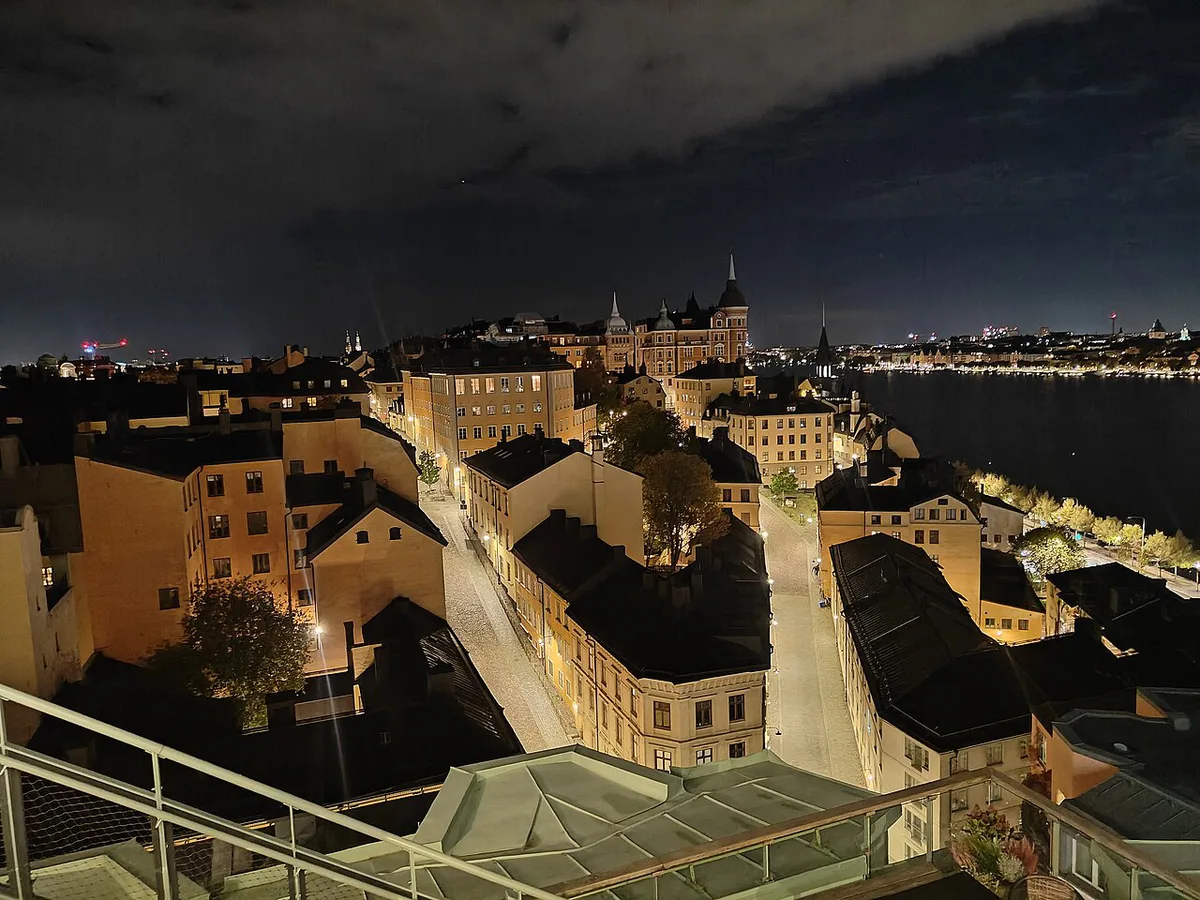
Gamla Stan: The Historic Old Town Core
Gamla Stan is Stockholm's oldest and most photographed district, a tight cluster of ochre and mustard-colored buildings, cobbled lanes, and courtyards wrapped around the Royal Palace and Stockholm Cathedral. Every tunnelbana line and most bus routes funnel past or under the Old Town, which makes it the single most convenient base for short, sightseeing-heavy trips. The trade-off is that Gamla Stan is almost entirely tourist-facing, with souvenir shops and set-menu restaurants lining the main streets, so travelers who want to see past the crowds should plan a detour to the city's hidden corners tucked into the quieter side alleys away from Västerlånggatan.
Södermalm: The Creative Hub with the Best Views
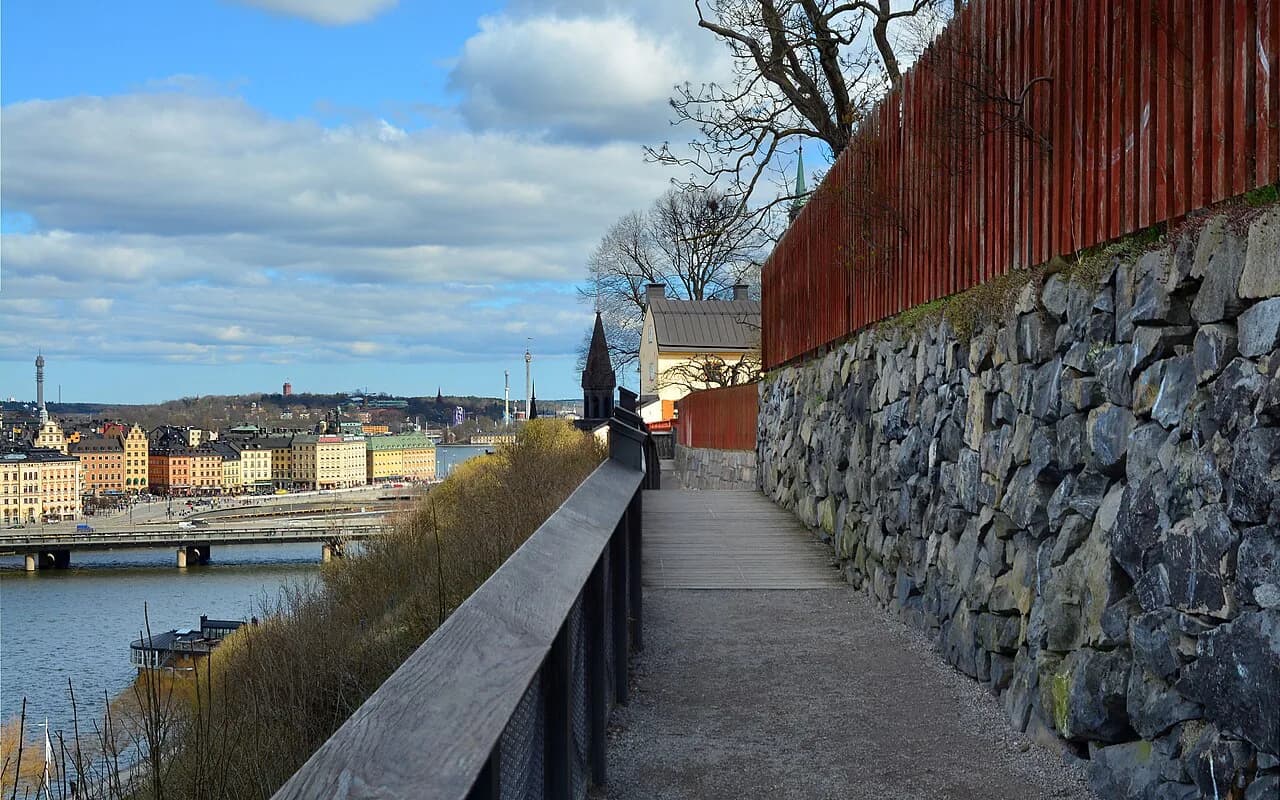
South across the bridges and transit interchange at Slussen, Södermalm is Stockholm's largest island and its creative, nightlife-driven center. Once a working-class district, it has gentrified into a bohemian, design-forward neighborhood, and the SoFo pocket around Folkungagatan is packed with vintage shops, independent boutiques, and some of the city's best fika stops. Unlike flat, easily walkable Norrmalm, Södermalm is genuinely hilly, and its cliffside perches deliver some of the best skyline views in the city, alongside a scenic commuter ferry option that runs alongside the tunnelbana. For a full local breakdown of the island, see the Södermalm neighborhood guide, and set aside time for a walk along Monteliusvägen viewpoint walk for the classic view over Riddarfjärden and City Hall. Travelers hunting for quieter corners beyond the main strip can also check under-the-radar Söder corners scattered through the side streets.
Norrmalm: The Modern, Convenient Center
Norrmalm is Stockholm's downtown: the business district, the main shopping street Drottninggatan, and the T-Centralen transit hub where all three tunnelbana lines cross. It is flat and easy to navigate on foot or with luggage, which makes it a practical, if less atmospheric, base for travelers prioritizing logistics over charm. Because nearly every bus, train, and metro route passes through or near Norrmalm, it also works well as a fallback choice for late arrivals or early departures, and it sits within easy walking distance of both Gamla Stan and Vasastan.
Östermalm: The Upscale Enclave
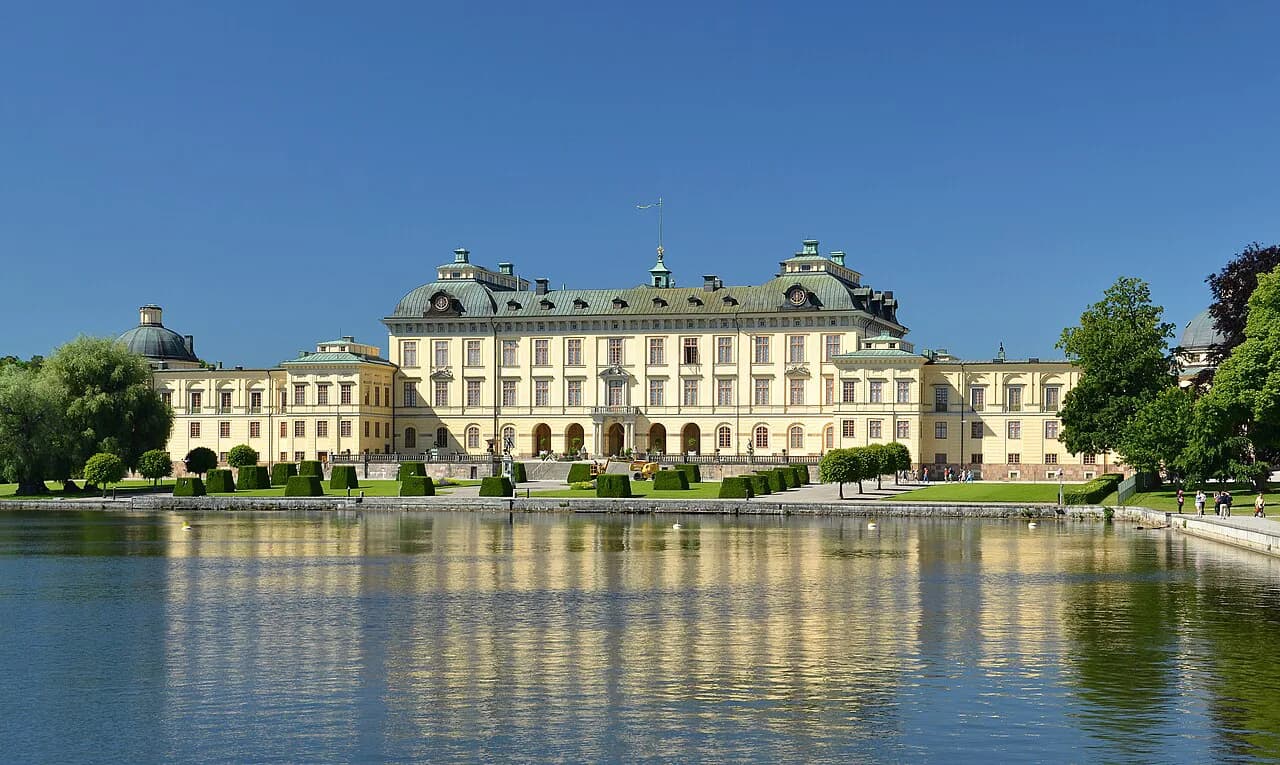
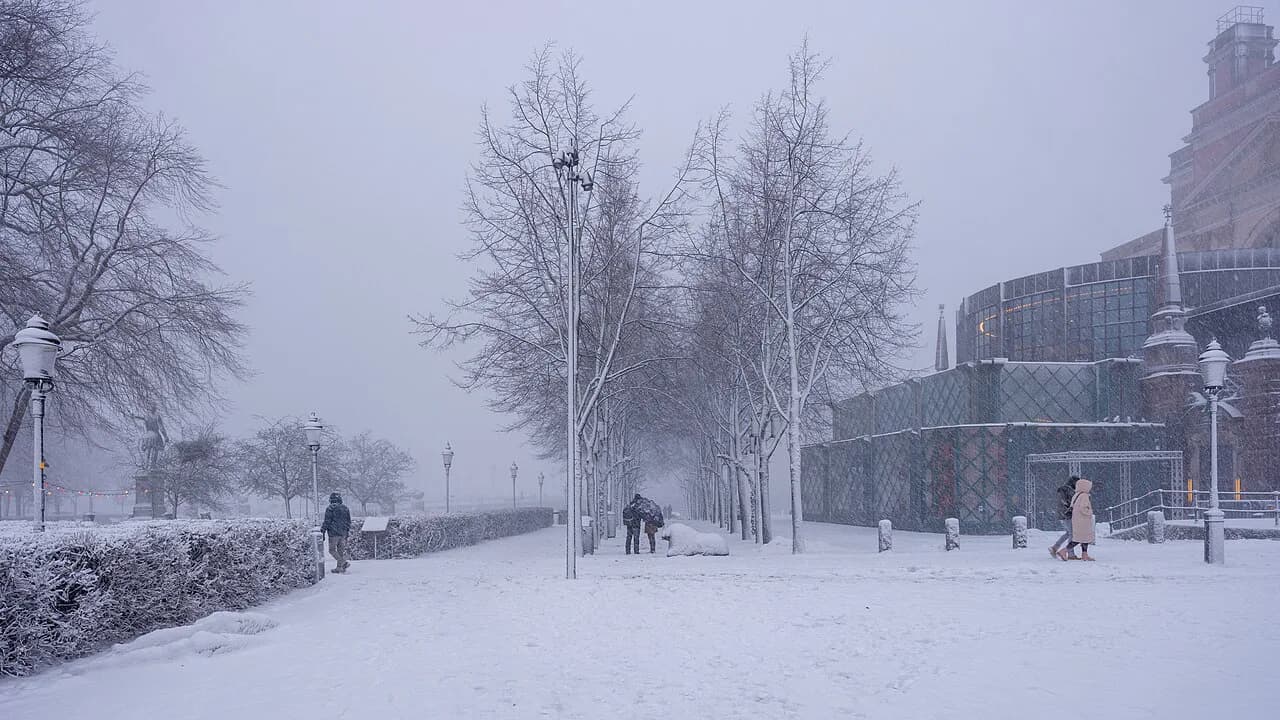
Östermalm is Stockholm's most upscale district, known for high-end boutiques, long-running fine-dining restaurants, and Saluhallen, the historic food market near Nybroplan. Its grandest stretch, Strandvägen, is a waterfront boulevard lined with ornate 19th-century townhouses, leafy promenades, and moored yachts, and it remains one of the most scenic places in the city for an evening walk. Travelers who want quiet, well-heeled surroundings with easy access to museums and the Djurgården ferry dock should read the full Östermalm neighborhood guide before booking.
Vasastan: The Local's Residential Choice
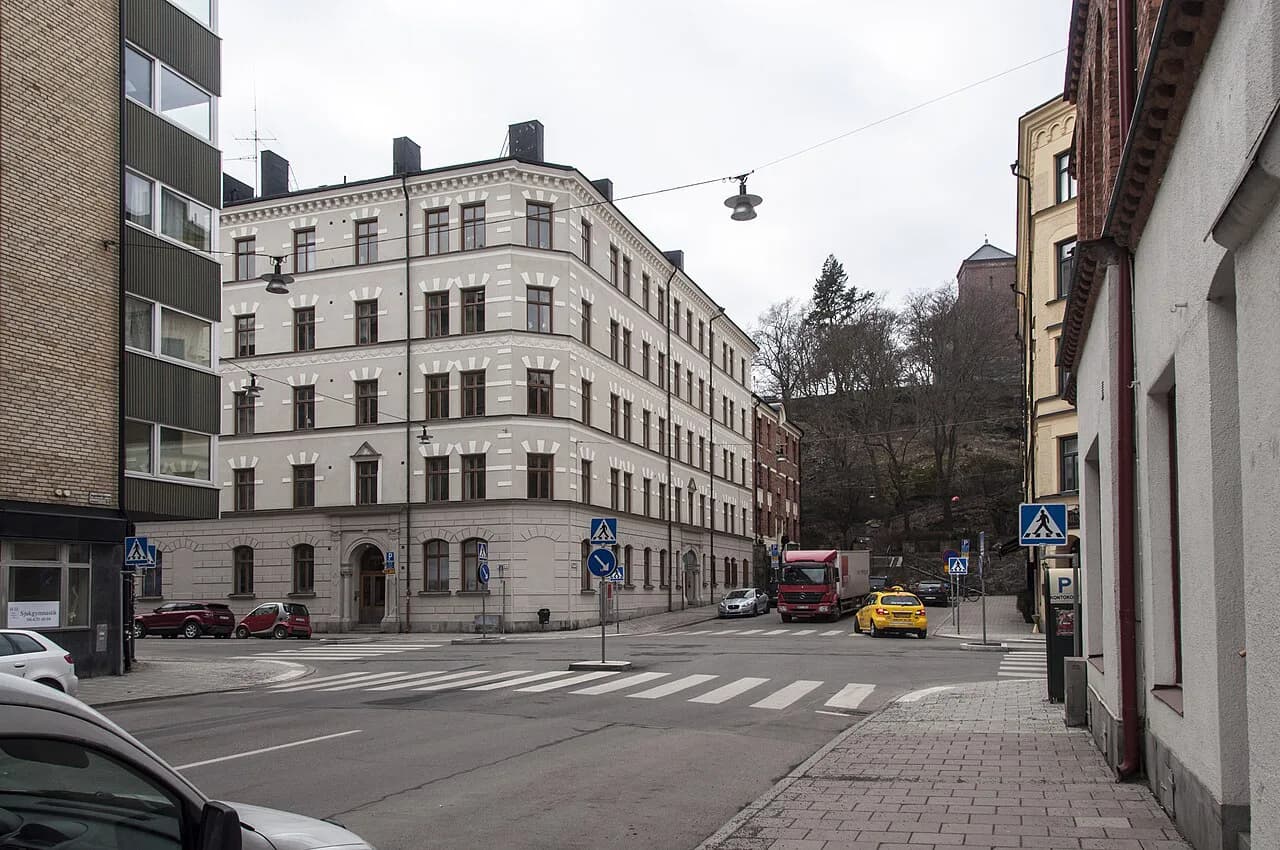
Vasastan sits just north of Norrmalm and reads as far more residential and lived-in than the city center, with tree-lined streets, neighborhood cafes, and the landmark Stockholm Public Library as its cultural anchor. It rarely appears on first-time visitor shortlists, which is exactly its appeal: fewer crowds, calmer evenings, and prices that undercut the more central districts without sacrificing tunnelbana access. It is a natural pick for families or longer stays, and travelers looking for under-the-radar Stockholm neighborhoods should treat Vasastan's quiet streets as a starting point. The Vasastan neighborhood guide covers specific streets and cafes worth prioritizing.
Kungsholmen: The Waterfront Retreat
Kungsholmen is the westernmost of the inner-city islands and home to Stadshuset, Stockholm's City Hall and the venue for the annual Nobel Prize banquet. Largely residential with an iconic waterfront skyline, it trades some central buzz for a calmer, more local pace while remaining a short tunnelbana ride from both Norrmalm and Gamla Stan. It suits travelers who want a genuine neighborhood feel without leaving the inner core, and the full Kungsholmen neighborhood guide breaks down its best waterfront walks and quiet cafes.
Djurgården: The Green Museum Island
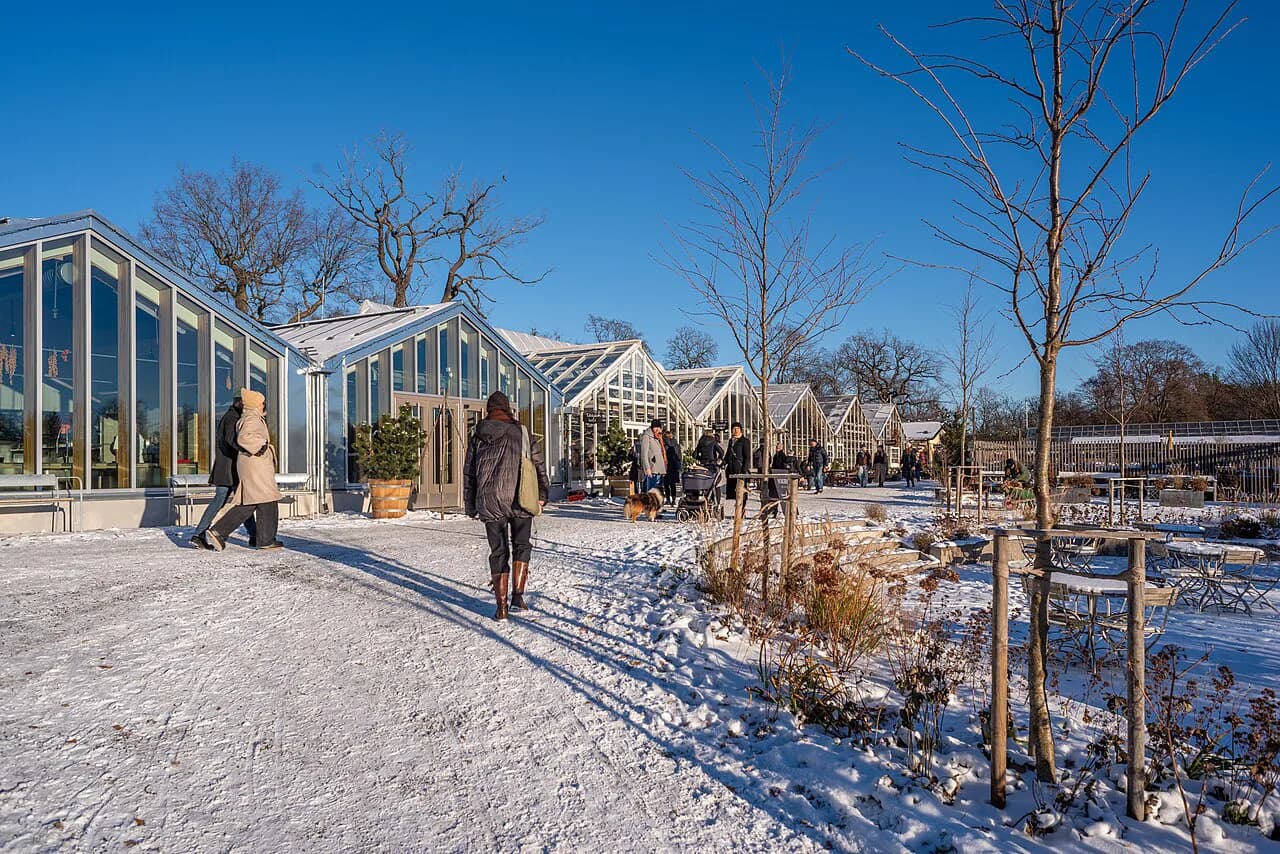
Djurgården is Stockholm's green, museum-dense island, home to the Vasa Museum, the ABBA Museum, and the Skansen open-air museum, along with parkland and royal grounds that make it the city's most popular day-visit district. Very few hotels operate on Djurgården itself, so most travelers treat it as a destination rather than a base, reaching it by the short commuter ferry from Slussen or Nybroplan rather than the tunnelbana, which does not run onto the island. For a rundown of memorable Stockholm experiences on the island beyond the obvious highlights, the Djurgården neighborhood guide is worth reading before you go, since its outdoor sites feel very different in winter than during the busy summer season.
Which Stockholm Neighborhood Is Right for You?
Once the geography clicks, the choice usually comes down to a short trade-off list. The table below compares all seven districts by vibe, price tier, and transit connectivity, followed by quick picks by travel style.
First-time visitors typically choose Gamla Stan or Norrmalm, but Vasastan offers a residential alternative with solid transit access and notably lower crowds and prices without sacrificing walkability or tunnelbana connections.
| Neighborhood | Best For | Vibe | Price Point | Transit Connectivity |
|---|---|---|---|---|
| Gamla Stan | First-time sightseeing | Historic, touristy | Mid-range to upscale | Excellent - every line nearby |
| Södermalm | Nightlife and trendy dining | Bohemian, creative | Mid-range, budget on the fringes | Very good - red line plus ferry |
| Norrmalm | Convenience and shopping | Busy, commercial | Mid-range to upscale | Excellent - T-Centralen hub |
| Östermalm | Luxury and fine dining | Upscale, refined | Upscale | Very good - red line |
| Vasastan | Families and longer stays | Residential, calm | Mid-range | Good - green and blue lines |
| Kungsholmen | A quieter base near the center | Residential, waterfront | Mid-range | Good - blue line |
| Djurgården | Museum day visits only | Green, park-like | Very limited lodging | Ferry only - no tunnelbana stop |
- First-time visitors: Gamla Stan or Norrmalm, for proximity to major sights and easy transit.
- Nightlife and trendy dining: Södermalm, for its bars, restaurants, and creative scene.
- Luxury and quiet: Östermalm, for upscale shopping, fine dining, and a calmer pace.
- Families: Vasastan or Kungsholmen, for residential streets, parks, and shorter lines at local amenities.
- Budget-conscious travelers: Norrmalm's hostel-style stays or Södermalm's southern fringes, paired with free activities to offset dining costs.
Budget Reality Check for Where You Stay
Stockholm is rarely a budget destination, but travelers watching costs closely tend to do best in Norrmalm's hostels and chain hotels near the central station, or on Södermalm's southern fringes away from the SoFo core, where both rents and room rates drop. Either way, stacking a stay around some of the city's budget-friendly local activities helps offset pricier meals in the center.
Getting Around: The SL System, Tunnelbana, and Ferries
Public transport across the districts runs on SL (Storstockholms Lokaltrafik), which combines the tunnelbana metro, buses, trams, and commuter ferries under one ticketing system. The tunnelbana network currently runs three lines, color-coded red, green, and blue, across roughly 100 stations, and it is the fastest way to move between Norrmalm, Södermalm, Östermalm, Vasastan, and Kungsholmen. For Djurgården, and as a scenic alternative from Södermalm, the commuter ferry is a genuinely practical option rather than a novelty, cutting out a longer walk or bus transfer around the water. Stockholm is also highly walkable within Innerstaden, and its flat central islands like Norrmalm make cycling an easy option too, though Södermalm's hills are tougher going by bike. Several central stations double as sightseeing stops in their own right, and the metro's artistic stations are worth a detour even if you are not catching a train there.
Mistakes to Avoid When Choosing Your Base
A few recurring mistakes trip up first-time visitors choosing where to stay in Stockholm.
Djurgården hosts Stockholm's major museums and parkland, making it a premier day-visit destination, but very few hotels operate on the island—a recurring planning oversight for first-time visitors who should base in neighboring Östermalm instead.
- Booking a 'cheap' hotel in Solna or Bromma without realizing it: these are separate suburban municipalities outside Innerstaden, and a listing that looks like a bargain can add a 45-minute commute each way into the center.
- Assuming Gamla Stan prices match its cobblestone charm: dining on the Old Town's most visible streets tends to run higher than equivalent meals a few minutes away in Södermalm or Vasastan.
- Ignoring seasonal timing: Djurgården's parkland and outdoor museums feel completely different in the long daylight of summer versus the quiet, dark winter months, so it is worth checking the least crowded travel months before locking in dates tied to a specific district.
- Assuming every district has equal hotel supply: Djurgården in particular has very few overnight options, so travelers set on staying near the museums often end up basing in neighboring Östermalm instead.
Local Food and Dining by District
Each district has its own dining identity worth factoring into where you stay. Södermalm's cafes anchor the classic fika stop, with a dense cluster of independent coffee roasters and bakeries around SoFo. Östermalm leans upscale and seafood-forward, centered on Saluhallen market hall and the fine-dining rooms along Strandvägen. Norrmalm and Gamla Stan carry more tourist-priced, convenience-driven options, while Vasastan and Kungsholmen skew toward quieter neighborhood restaurants favored by locals over visitors. For specific picks in each area, the district-by-district food guide and the roundup of locally loved restaurant picks both break down where to eat by neighborhood and price point.
Frequently Asked Questions
What is the best neighborhood to stay in for first-time visitors to Stockholm?
Gamla Stan and Norrmalm are the most practical bases for a first visit: Gamla Stan puts travelers inside the historic core with transit passing nearby, while Norrmalm keeps them close to the central station and Drottninggatan's shopping.
Is Södermalm or Östermalm the better choice for a first trip?
Södermalm suits travelers who want nightlife, vintage shopping, and hilltop views, while Östermalm fits those who prioritize upscale dining, boutique shopping, and a quieter, more formal atmosphere.
How many islands make up central Stockholm?
The city sits across 14 islands connected by 57 bridges, though visitors generally only need to think about the seven core districts inside Innerstaden.
Can you stay on Djurgården?
Very few hotels operate on Djurgården itself, so most travelers visit its museums and parkland by ferry or bus and base themselves in neighboring Östermalm or Gamla Stan instead.
How much time should I plan for getting between Stockholm's neighborhoods?
The SL network covers the whole city with three tunnelbana lines, buses, trams, and commuter ferries, and Innerstaden is compact enough that most central districts are also within a comfortable walk of each other.
Continue exploring
More guides you'll find useful