Skogskyrkogården Stockholm: Visiting the UNESCO Woodland Cemetery
Plan a visit to Skogskyrkogården in Stockholm: what it is, how to get there, what to see, and who this UNESCO woodland cemetery is really worth the trip for in 2026.
On this page
Skogskyrkogården, Stockholm
Last updated July 2026: if a search for skogskyrkogarden stockholm brought you here, you're likely trying to work out whether a UNESCO-listed cemetery is worth building into a short Stockholm trip. Skogskyrkogården, the Woodland Cemetery in Gamla Enskede south of the city centre, is a still-active burial ground designed by architects Gunnar Asplund and Sigurd Lewerentz between 1915 and 1940, and it earned UNESCO World Heritage status in 1994 for how its pine-forest landscape and chapel architecture work together. This guide separates the confirmed facts from the details you should verify directly with the official site before you go, and flags who this stop genuinely suits.
What Is Skogskyrkogården, Stockholm's UNESCO Woodland Cemetery?
Skogskyrkogården sits in Gamla Enskede, a residential district south of central Stockholm, and functions as a working cemetery rather than a museum piece. It was inaugurated in 1920 and built out in stages between 1915 and 1940 under architects Gunnar Asplund and Sigurd Lewerentz, whose winning design reshaped a pine-covered gravel ridge into a burial landscape rather than imposing a formal plan on top of it. UNESCO added the site to its World Heritage list in 1994, citing it under criteria ii and iv as reference number 558, for the interplay between architecture, landscape, and vegetation. With roughly 100,000 graves, it is Sweden's largest cemetery by grave count and the country's second-largest by area, after Kvibergs kyrkogård in Gothenburg, spread across land that grew from an original 85 hectares to just over 100. For travelers already working through lists of 10 Hidden Gems in Stockholm Locals Actually Visit or Secret Spots in Stockholm: Hidden Gems Locals Know, Skogskyrkogården earns its place for architectural substance, not novelty alone.
| Detail | Figure |
|---|---|
| Inaugurated | 1920 |
| Built | 1915–1940 |
| Architects | Gunnar Asplund and Sigurd Lewerentz |
| UNESCO status | World Heritage since 1994 (criteria ii, iv; ref. 558) |
| Graves | About 100,000 (Sweden's largest by count) |
| Area | About 100 hectares (from an original 85) |
The History and Architecture Behind the Design
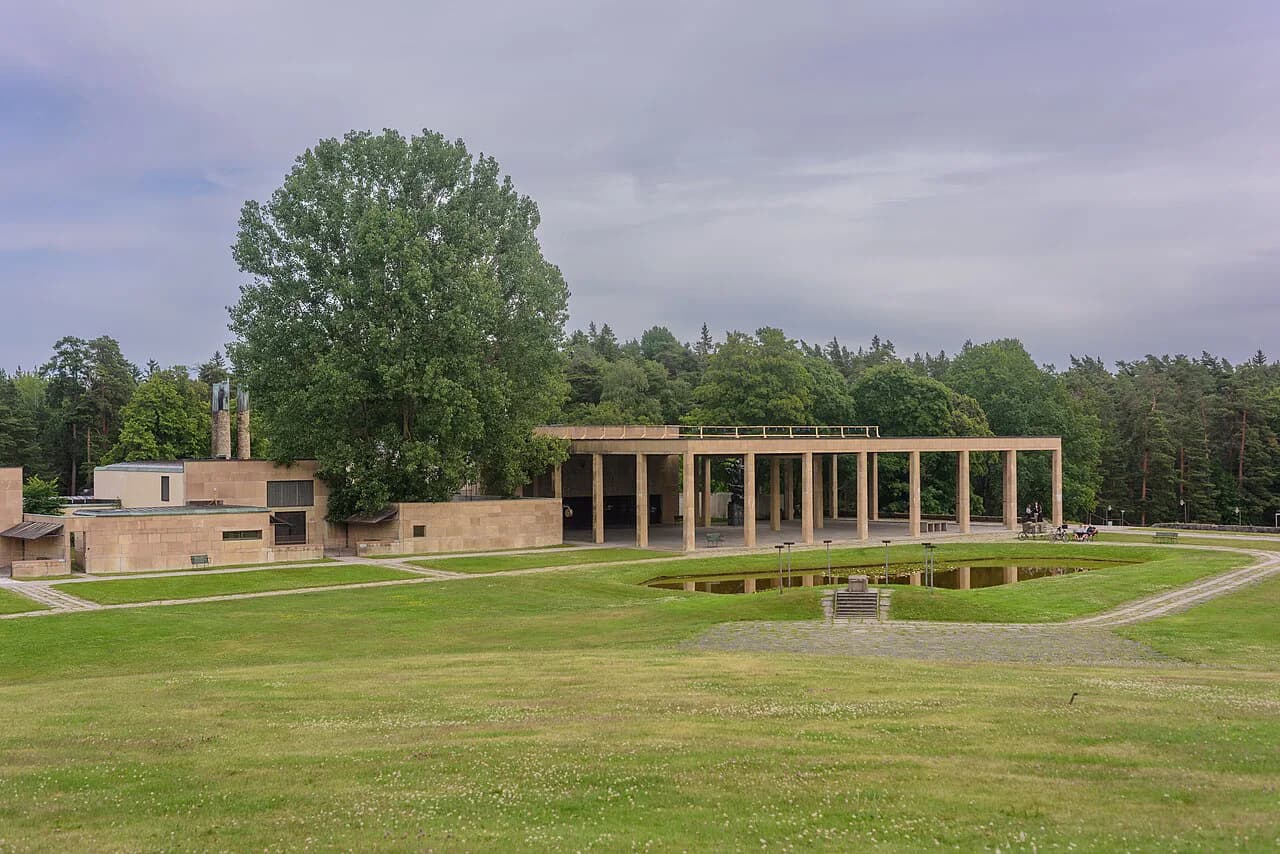
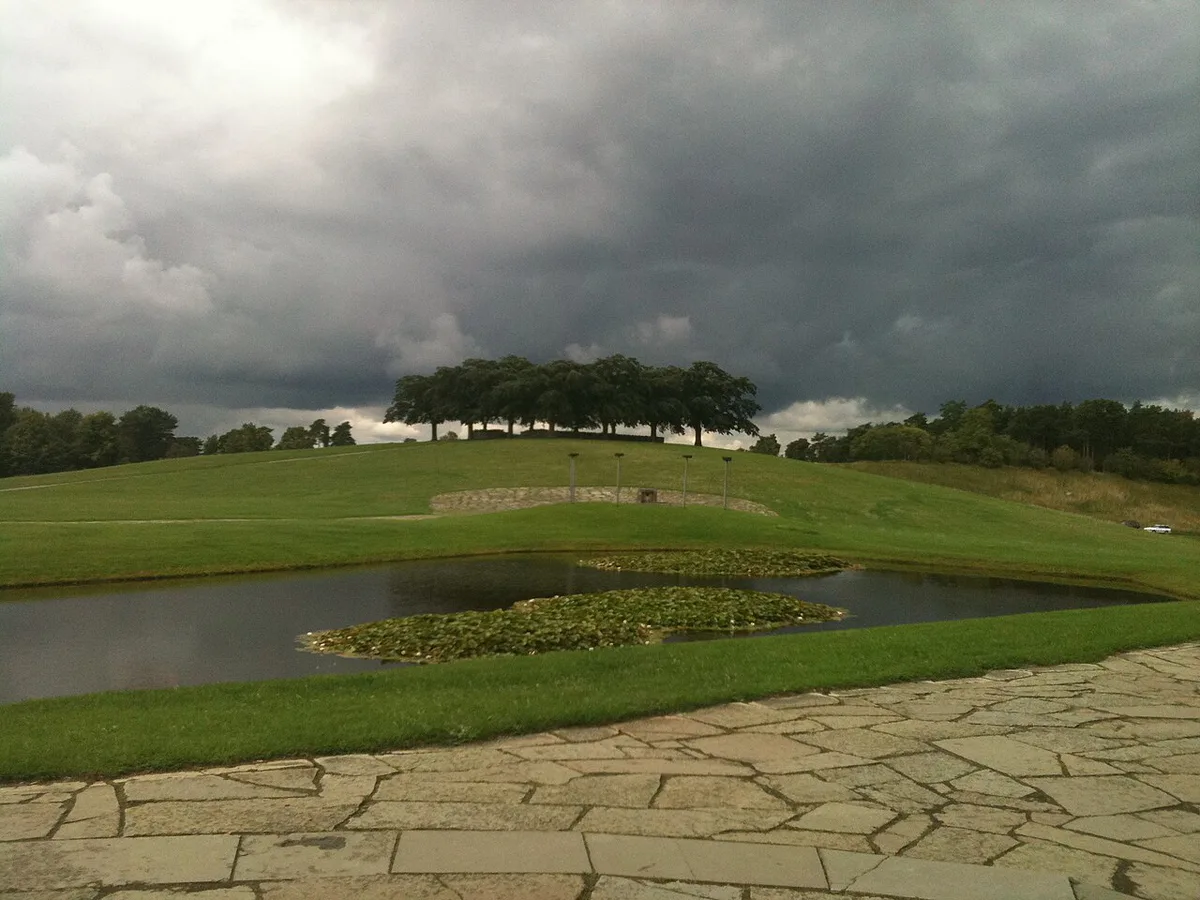
The city of Stockholm set aside land south of the older Södra begravningsplatsen (now Sandsborgskyrkogården) for a new cemetery in 1912, then ran an international design competition in 1914 to select an architect. Fifty-three entries were submitted, and the jury awarded first prize to a submission called Tallum, from two 30-year-old architects, Gunnar Asplund and Sigurd Lewerentz, who received a prize of 3,500 kronor. Their approach kept the site's natural pine forest and rolling gravel-ridge terrain largely intact rather than flattening it for a conventional grid of plots, which is the core reason the site is regarded as a landmark of modern landscape and architectural design. Construction proceeded in phases from 1915 to 1940, ultimately producing five funeral chapels across the grounds, three of which are combined into the single Skogskrematoriet (Woodland Crematorium) complex alongside a monument hall.
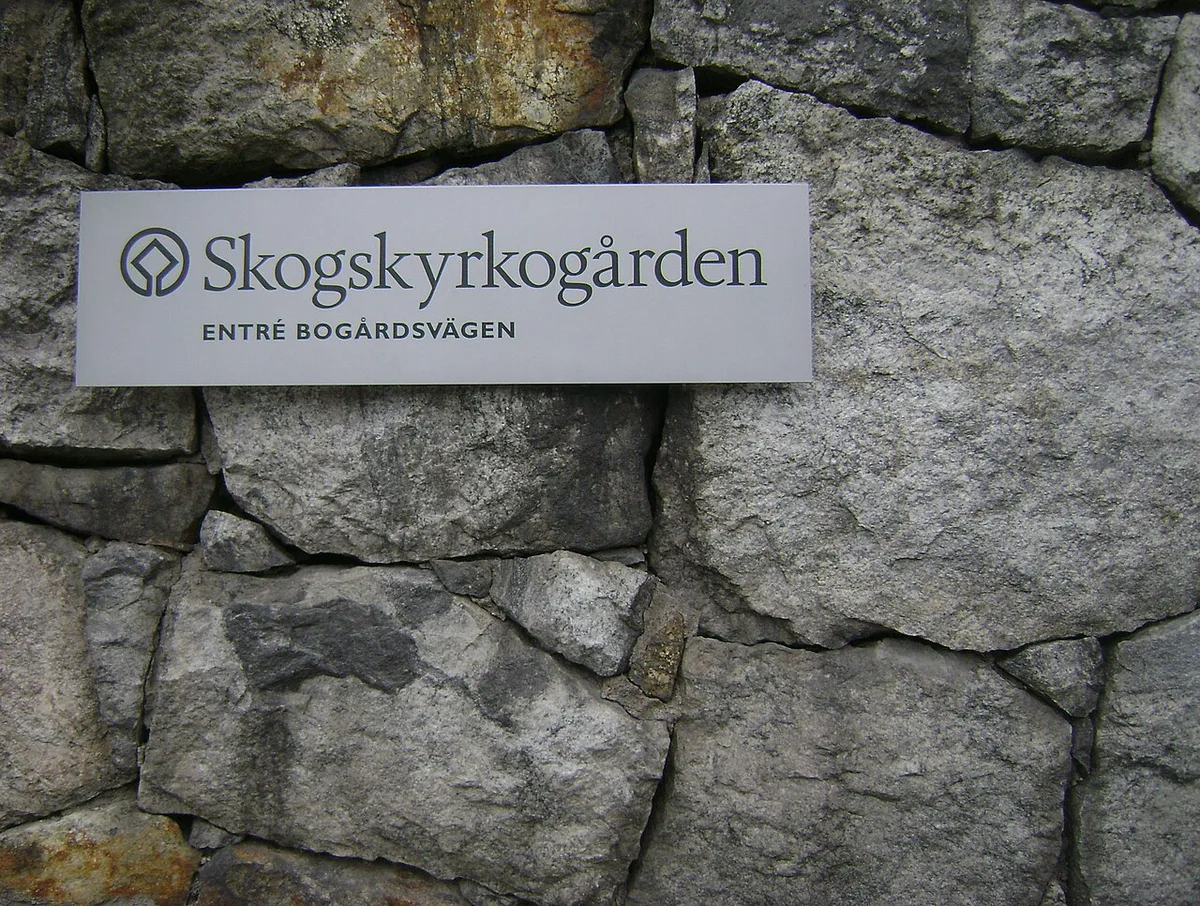
Best Things to See: Chapels, the Meditation Grove, and the Landscape
The two standalone chapels are Skogskapellet, the Woodland Chapel, one of the earliest structures completed on site, and Uppståndelsekapellet, the Chapel of Resurrection. The Skogskrematoriet complex houses three further chapels, the Chapel of Faith, the Chapel of Hope, and the Chapel of the Holy Cross, plus the monument hall used for larger services. Beyond the buildings, the landscape itself is the attraction: Meditationslunden, a raised meditation mound, the granite cross (Granitkorset) that marks the approach to the crematorium, and Minneslunden, a memorial grove for scattered ashes, are all part of the original Asplund-Lewerentz composition rather than later additions. If you're hoping to locate a specific grave rather than simply take in the landscape, that's a separate logistics question covered further down.
- Skogskapellet (the Woodland Chapel)
- Uppståndelsekapellet (the Chapel of Resurrection)
- The three chapels inside Skogskrematoriet: Faith, Hope, and the Holy Cross
- Meditationslunden, the raised meditation grove
- Granitkorset, the granite cross near the crematorium approach
- Minneslunden, the memorial grove for ashes
How to Plan Your Time: Guided vs Self-Guided
Skogskyrkogården is open for self-guided walking, and the grounds and chapel exteriors can be explored at your own pace without joining a group. Guided walks, branded as the World Heritage Skogskyrkogården tour, run from July through September and combine art, culture, and architecture themes with a stop inside one of the chapels; groups can also book a dedicated architecture walk outside that window. The Visitors Center is worth building into either version of a visit, since it has a café, a shop, and an exhibition on the site's history. If you're trying to decide when to fit this into a longer trip, the Best Time to Visit Stockholm Without Crowds: Seasonal Guide & Tips guide and the 6 Best Day Trips from Stockholm: Local Guide & Logistics (2026) guide both help with sequencing it against a shorter, busier city-centre itinerary.
Guided tours run July–September and typically include chapel interiors, but the Woodland Crematorium's three chapels underwent renovation targeted for completion in late 2027; confirm what's accessible before booking for a 2026 visit.
Costs, Tickets, and Opening Hours: What to Confirm Before You Go
Neither the cemetery's own site nor its historical record states a specific admission price, and self-guided access to the grounds appears to be open rather than ticketed. Guided or group architecture walks, however, may carry a separate cost that isn't published in general visitor information, so confirm current pricing, group-booking terms, and exact opening hours directly on the official Skogskyrkogården site before building a visit around them. There is also an active renovation to track: as of a 24 June 2025 update, the Woodland Crematorium and its three chapels (Faith, Hope, and the Holy Cross) were undergoing renovation work targeted for completion in the second half of 2027, which could affect access to those interiors specifically during a 2026 visit. Check the official site's news section for the current status rather than assuming the work is finished.
Getting There and What to Pair It With
Skogskyrkogården sits in Gamla Enskede, south of central Stockholm, and is reachable using Stockholm's SL public transit network; check SL's own journey planner for the current route and travel time from wherever you're staying, since specific lines and stops can change. Because it sits outside the compact tourist core, it works best paired with a wider look at the city rather than as a single isolated stop. Refuel afterward with the local restaurants in Stockholm guide or the Stockholm Local Food Guide: Where Locals Actually Eat, and for a broader sense of how the surrounding districts connect, see the Stockholm Neighborhoods Guide: Where to Stay and Explore in 2026. Consider combining the visit with:
- Södermalm's café streets for a change of pace afterward
- Östermalm's upscale blocks if dining is part of the plan
- Vasastan's residential streets for a slower, local-feeling afternoon
- Kungsholmen's waterfront for a walk before heading back into the centre
- Djurgården's museums and parkland for another outdoor-leaning stop the same day
- Stockholm's subway art stations on the way back into town
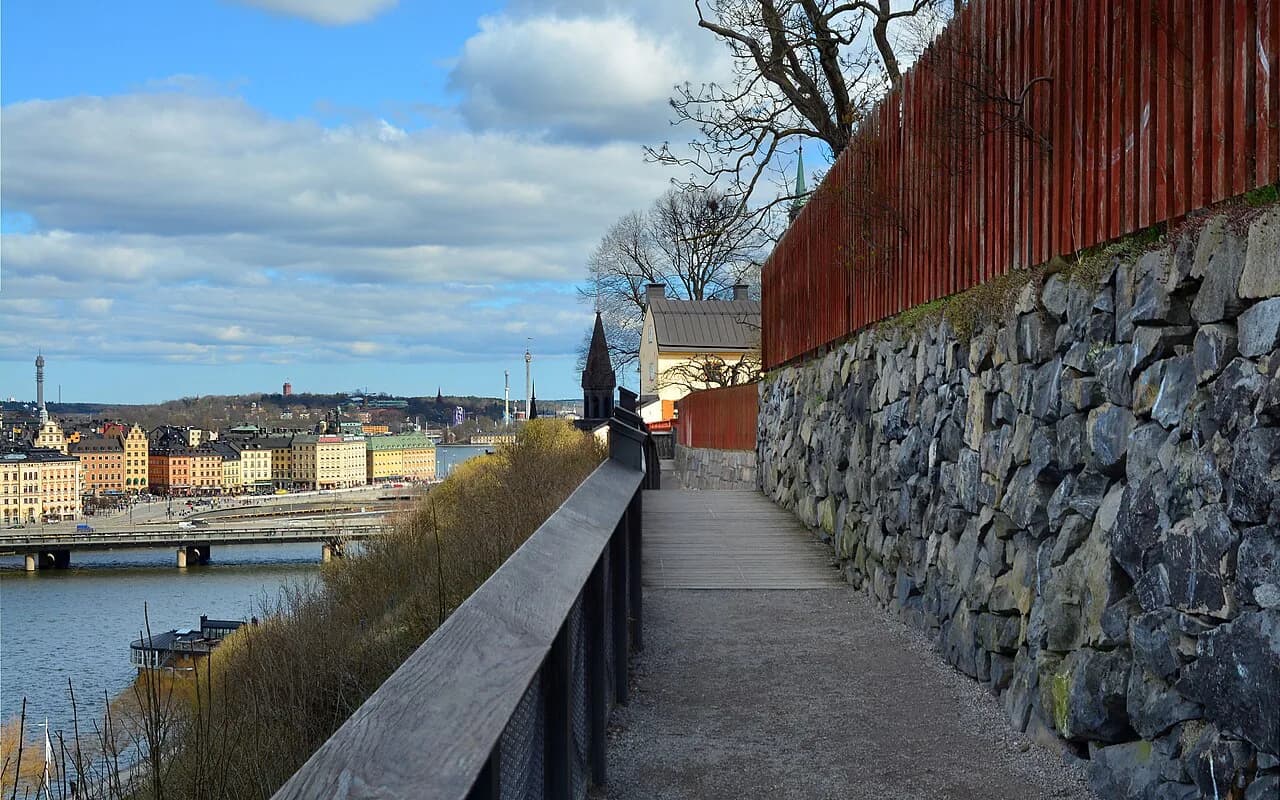
- Monteliusvägen's skyline views for a very different kind of quiet stop
Visitor Etiquette and Mistakes to Avoid
Skogskyrkogården is an active cemetery, with real funerals taking place on the grounds, not a park or open-air museum, so treat paths near chapel entrances and open services with the same quiet you'd bring to any funeral. If you're trying to locate a specific grave, the official Hitta graven (Find the grave) search and map tool exists for that purpose, but it is published in Swedish only, so plan on translating it or asking staff at the Visitors Center for help rather than assuming an English version exists. Don't assume a guided tour will be running whenever you show up, either: those walks are scheduled for July through September, so an off-season visit means self-guided exploration only, without the chapel-interior access a tour typically includes. Finally, don't treat the renovation status of the Woodland Crematorium's three chapels as settled based on older sources; confirm what's open before planning a visit around seeing those interiors specifically.
Though architects Gunnar Asplund and Sigurd Lewerentz earned international recognition for this design, the site functions as a working cemetery with active funerals. Treat the landscape like the architectural achievement it is—with the quiet and respect befitting ongoing memorial services.
- Keep noise low near chapels and active funeral services
- Don't rely on Hitta graven working in English; it's Swedish-only
- Don't expect a guided tour outside the July–September window
- Don't assume the crematorium renovation is finished without checking the official site first
Who Should Prioritize This Stop
Skogskyrkogården rewards architecture and design fans, UNESCO-list travelers working through World Heritage sites methodically, and anyone looking for a genuinely quiet, reflective landscape away from central Stockholm's crowds. It's a strong match for the kind of traveler already drawn to off-the-beaten-path stops and 9 Unique Things to Do in Stockholm: A Local's Guide to Hidden Gems (2026) rather than a checklist of headline sights. First-time visitors on a tight one- or two-day schedule who haven't covered the central core yet should likely deprioritize it in favor of closer attractions, since the round trip from the centre takes real time out of a short itinerary. Because self-guided grounds access appears to carry no separate admission fee, it can also fit a Free Things to Do in Stockholm: A 2026 Budget Guide itinerary, provided you've confirmed that's still accurate before you go.
Notable Graves to Look Up Before You Visit
Skogskyrkogården is not a celebrity-sightseeing stop, but its notable graves can add context if you are already visiting for the architecture. Greta Garbo is the best-known name associated with the cemetery, and Gunnar Asplund, one of the two architects behind the Woodland Cemetery itself, is also buried here. Other figures commonly linked with the cemetery include writer Ivar Lo-Johansson, choreographer Birgit Cullberg, jazz musician Jan Johansson, and footballer Lennart “Nacka” Skoglund.
Do not expect these graves to be obvious from the main walking route between the Woodland Chapel, the granite cross, and the crematorium area. Use the official Hitta graven search before you arrive, or ask at the Visitors Center in Gamla Enskede if you need help interpreting the Swedish-only tool. Keep any grave visit brief and quiet, especially near active memorial areas or funeral services.
Frequently Asked Questions
What makes Skogskyrkogården a UNESCO World Heritage Site?
UNESCO added Skogskyrkogården to its World Heritage list in 1994 under criteria ii and iv, recognizing how architects Gunnar Asplund and Sigurd Lewerentz combined landscape and architecture between 1915 and 1940, using the site's natural pine forest and terrain rather than overriding it with a formal cemetery layout.
Is Skogskyrkogården free to visit?
Self-guided access to the grounds appears to be open, since no admission price is published on the official site or in historical records, but guided and group architecture walks may involve a separate cost. Confirm current pricing and any entry conditions on the official Skogskyrkogården site before you go.
How much time should you plan for a visit to Skogskyrkogården?
There's no official minimum visit length published, so budget time based on your interests: a walk through the main chapels, Meditationslunden, and the crematorium exterior can be done at a measured pace, while joining a guided architecture walk or stopping at the Visitors Center's café and exhibition will extend a visit further.
Are guided tours available year-round or only in summer?
Guided tours, listed as the World Heritage Skogskyrkogården tour, run from July through September. Outside that window, visitors can still explore the grounds and chapel exteriors on a self-guided basis, and groups can separately book an architecture walk through the Visitors Center.
Is Skogskyrkogården worth adding to a short Stockholm itinerary?
It depends on your priorities: architecture and design fans, UNESCO-site travelers, and anyone seeking a quiet, reflective stop tend to find it worthwhile, while first-timers with only a day or two who haven't covered central Stockholm yet may want to prioritize closer sights instead.
What should visitors avoid doing at Skogskyrkogården?
Avoid treating it like a park: it's an active cemetery with ongoing funerals, so keep noise down near chapels and services. Also avoid assuming Hitta graven works in English (it's Swedish-only), that a guided tour will be running outside July–September, or that the Woodland Crematorium's three chapels are fully renovated without checking the official site first.
Continue exploring
More guides you'll find useful