Secret Spots in Stockholm: Hidden Gems Locals Know
Escape the crowds with this guide to secret spots in Stockholm: hidden courtyards, underrated viewpoints, and local fika spots, updated for 2026 with real logistics.
On this page
Secret Spots in Stockholm: Hidden Gems Locals Know
Last updated July 2026, this guide to secret spots in Stockholm moves past Gamla Stan's main square and the Vasa Museum queues to reach the pocket courtyards, raw viewpoints, and neighborhood bakeries that locals actually return to. Stockholm's layout across fourteen islands, paired with a cluster of distinct micro-neighborhoods from Södermalm's rocky cliffs to Djurgården's quiet lanes, makes it unusually rewarding for hidden-gem hunting once you know which street to turn down. Each entry below notes how genuinely hidden a spot is, roughly how long it takes to reach from T-Centralen, and whether the detour is worth the time.
Why Stockholm Rewards Hidden-Gem Hunters
Stockholm spreads across fourteen islands stitched together by bridges, short ferry hops, and one of Europe's most reliable metro systems, which is exactly why it rewards travelers willing to wander past the postcard stops. Most first-time visits revolve around Gamla Stan's main square and the queue outside the Vasa Museum, but every neighborhood keeps something back for people who stay a day or two longer - Södermalm's rocky cliffs, Djurgården's quiet garden lanes, Östermalm's hidden courtyards, and Vasastan's residential streets each carry a different, slower rhythm. None of it requires a guide or a ticket; it mostly requires knowing which street to turn down. For a wider starting point before diving into specific spots, the broader hidden gems roundup and the off-the-beaten-path guide map out the city's quieter corners in more depth than a single article can. Timing also changes how secret a spot feels: visiting during the quieter shoulder-season weeks means even the well-known viewpoints below feel closer to a genuine discovery, since fewer tour groups compete for the same bench or boardwalk rail.
Shoulder-season visits and early morning departures minimize crowds across viewpoints, parks, and streets throughout the city. Even well-known spots like Monteliusvägen and Isbladskärret transform into genuine discoveries when fewer visitors compete for the same spaces.
Secret Spots in Stockholm by Neighborhood
Before working through each stop in detail, use this at-a-glance breakdown to plan an efficient route rather than criss-crossing the city all day. Ratings run from Hidden in Plain Sight, meaning locals walk past it daily while tourists rarely stop, up to Requires a Trek, meaning it's worth a deliberate detour but not a casual add-on to another errand. Every time estimate below is a rough guide from T-Centralen, Stockholm's central hub, using the metro, bus, or ferry rather than a taxi. Pair this table with the neighborhood-by-neighborhood breakdown to cluster visits by area instead of doubling back across town.
| Spot | Neighborhood | How Hidden | Rough Time from T-Centralen |
|---|---|---|---|
| Östra Varvsgatan & Breda Gatan | Djurgården | Hidden in Plain Sight | ~20 min by tram/bus |
| Skeppsholmen's pocket forest & dry docks | Skeppsholmen | Hidden in Plain Sight | ~15 min on foot from Gamla Stan |
| Oxenstiernska Malmgården garden | Östermalm | Requires Local Knowledge | ~15 min by metro |
| Skinnarviksberget | Södermalm | Hidden in Plain Sight | ~10 min by metro |
| Monteliusvägen | Södermalm | Curated but Underused | ~10 min by metro |
| Stora Haga Slottsruin | Hagaparken | Requires a Trek | ~30-40 min by bus/metro |
| Isbladskärret | Royal National City Park | Requires a Trek | ~25 min by bus |
| Skogskyrkogården | Southern suburbs | Requires a Trek (though UNESCO-famous) | ~15 min by metro |
Hidden Courtyards and Historic Alleys
Just a short walk from the Vasa Museum's ticket line, Östra Varvsgatan and Breda Gatan hold rows of small, colorful wooden houses that once sheltered shipyard workers - a striking contrast to the crowds a few streets away in Djurgården's busier core. Both streets are still residential, so keep visits to daylight hours, stay on the public lane, and resist the urge to step into a front garden for a photo; locals are generally welcoming to quiet foot traffic but not to lingering groups. Across the water in Östermalm, Oxenstiernska Malmgården hides an 1700s townhouse and walled garden behind an unassuming gate on a street that gives no hint of what's behind it - a scene covered in more depth by the Östermalm neighborhood guide. It's easy to walk past entirely unless you're specifically looking for the address, which is exactly why it stays quiet even in peak summer. Both stops work best as a slow half-hour detour rather than a destination on their own, so fold them into a longer walk through either neighborhood.
- Visit Östra Varvsgatan and Breda Gatan on weekday mornings for the fewest people and the least disruption to residents.
- Treat Oxenstiernska Malmgården as a five-to-ten-minute stop within a longer Östermalm walk, not a standalone trip.
Underrated Viewpoints Beyond the Postcard Platforms
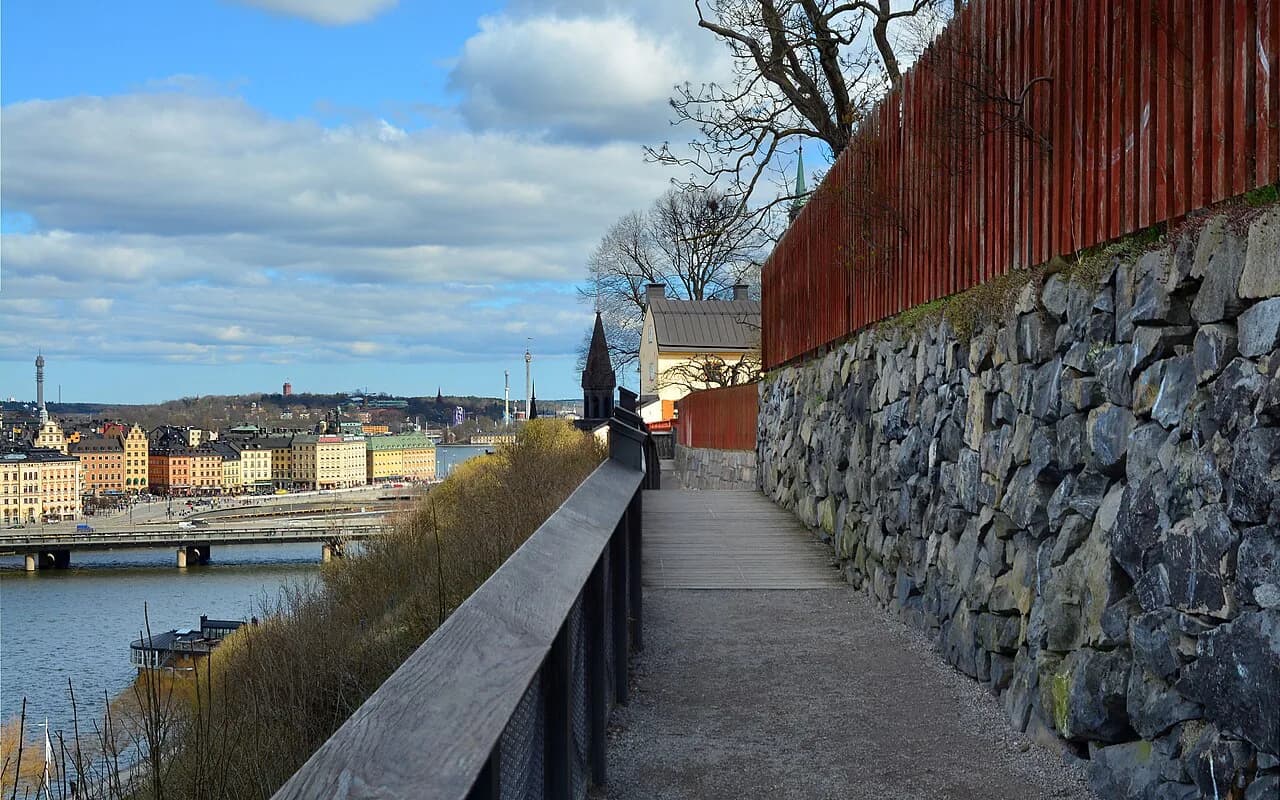
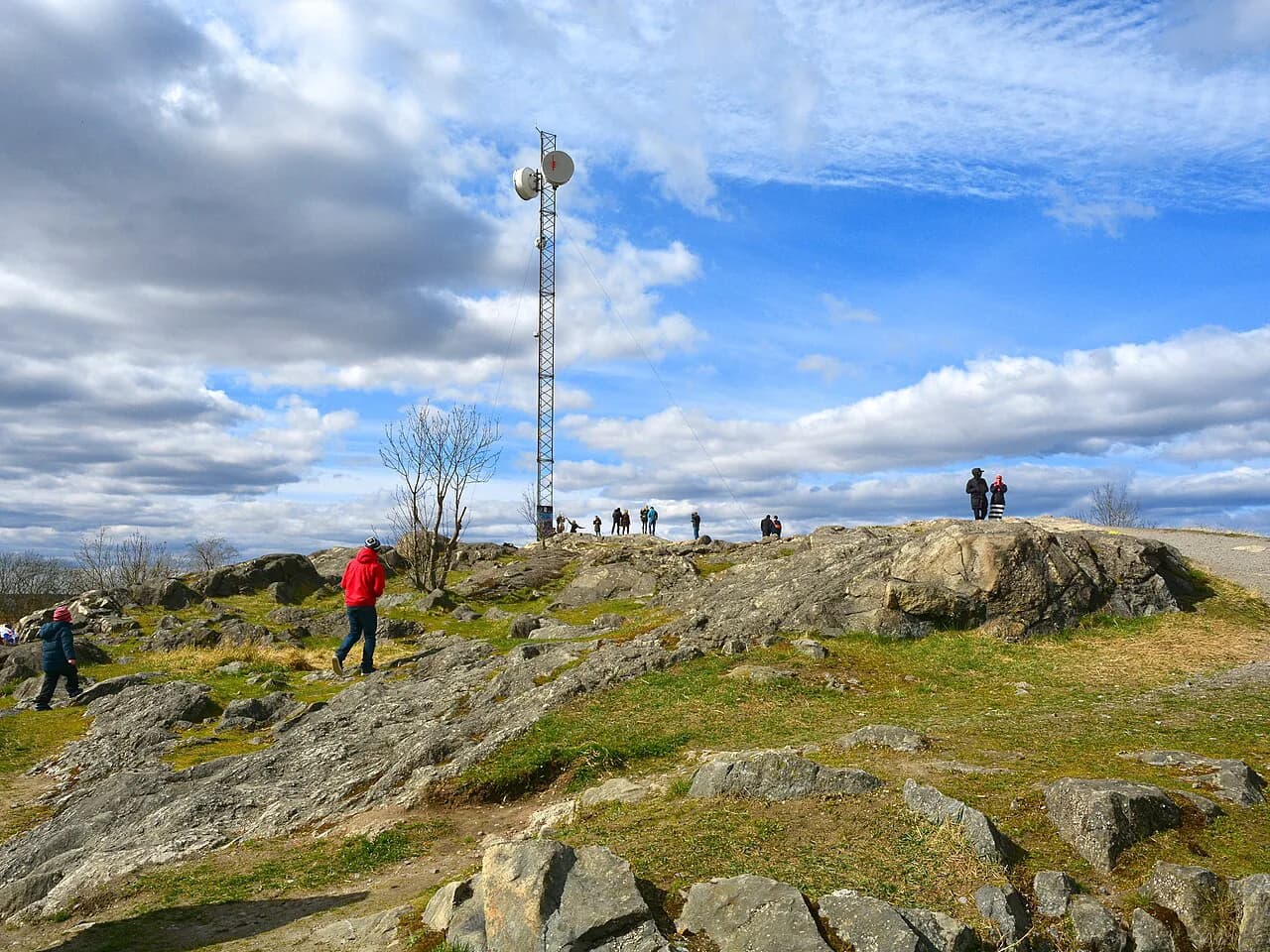
Monteliusvägen gets most of the attention, and for good reason: its wooden boardwalk along Södermalm's cliff edge delivers a curated, railing-lined view across Lake Mälaren toward City Hall, covered stop by stop in the Monteliusvägen walkway guide. A short climb further along the ridge, Skinnarviksberget swaps the boardwalk for bare, sloping rock, and it's where locals actually bring sundowner barbecues and bottles of wine rather than cameras alone - a rawer, more social version of essentially the same skyline, part of the wider Södermalm area guide. Go for sunset on a clear evening and expect to share the rock with picnicking groups rather than tour buses. For a third angle entirely, the City Hall tower in Kungsholmen's waterfront district opens only from May through August under a strict timed-ticket system, which means it demands advance booking rather than a spontaneous stop - confirm the current summer opening dates before building a day around it. The park at the tower's base, by contrast, stays free and open year-round, so it's worth a stop even outside the tower's short season.
Industrial Gems and Underground Art
Stockholm's subway system is often nicknamed the world's longest art gallery, but most visitors only ever photograph T-Centralen's blue rock-cut ceiling. The Blue Line's lesser-visited stations carry the same cave-like ceilings and large-scale murals with a fraction of the people in every frame, a contrast the subway art guide breaks down station by station so you know exactly where to get off. North of the center, near the streets covered in the Vasastan neighborhood guide, Hagaparken hides the ruins of Stora Haga Slott, an unfinished 18th-century castle whose stone foundation and base walls are still climbable and make for an unusual photo backdrop. Because access to structures like this can be restricted for safety with little notice, treat the ladder and upper base as a bonus rather than a guarantee, and confirm current conditions on arrival rather than assuming an older trip report still applies exactly. Either stop rewards a deliberate, single-purpose visit rather than a quick pass-through, since both sit slightly outside the usual tourist loop.
Local Fika and Dining Secrets
Skip the queue-heavy cafés near Gamla Stan and head to Stora Bageriet in Östermalm, an artisanal bakery set inside a historic building and known for pastries baked the traditional way rather than mass-produced for tour groups. St:Paul Bageri, a long-standing favorite among residents, runs three locations across the city - two in Södermalm, at Sankt Paulsgatan 24 and Götgatan 42, and one on Drottninggatan 73C - and the cinnamon buns are the reason regulars keep coming back rather than trying somewhere new. For a savory stop, Blå Dörren serves Swedish meatballs in the center of town without the markup that tends to come with a Gamla Stan address, making it a better-value alternative for the same dish tourists queue for elsewhere. None of these three require a reservation, and all three fit naturally into a slower fika crawl rather than a single rushed stop, as outlined further in the local food scene guide and the favorite local restaurants list.
Green Escapes for Quiet Mornings
The Royal National City Park stretches from the city center out toward Uppsala, and its Isbladskärret wetland is the spot for early-morning birdwatching without another visitor in sight - a genuinely free outing detailed alongside other no-cost options in the free activities roundup. Go early, bring binoculars if possible, and expect reed beds and open water rather than manicured paths. Further south, Skogskyrkogården - the Woodland Cemetery - is a UNESCO World Heritage site whose pine forest and minimalist chapels feel worlds away from downtown traffic, even though it sits a short metro ride from the center. It remains an active burial ground, so quiet, respectful visits are expected rather than optional; the full Woodland Cemetery guide covers the site's layout and etiquette in more detail before you go.
Planning a Secret Stockholm Itinerary
Most of the spots above cost nothing beyond a metro ticket, so weigh a GoCity pass against what's actually on the day's list rather than buying one by default: the Essentials tier suits a handful of paid attractions, while the All-Inclusive tier only pays off once the day includes three or four ticketed sites - neither tier unlocks the free viewpoints, courtyards, or bakeries covered in this guide. The SL app sells tickets for metro, bus, tram, and ferry in one place, and the ferry routes across Lake Mälaren and the harbor double as an inexpensive alternative to a paid boat tour past the same waterfront skyline. One note on what to skip: don't treat the Royal Palace as a hidden find, since it's the most visited site in the city; if the guards are on the list anyway, plan around the Changing of the Guard timing instead of expecting any solitude there. Before building a full day around these spots, check the day-trip options beyond the city in case a longer excursion fits the itinerary better, and browse less conventional Stockholm experiences for a couple more additions to round out the day.
Most viewpoints, courtyards, parks, and subway stations cost only a transit ticket; paid spots like the City Hall tower and bakeries don't justify a GoCity pass unless the day includes three or four other ticketed attractions. The free park at City Hall's base provides a year-round alternative.
- Don't assume every hidden spot is free - some bakeries and the City Hall tower ticket still cost money.
- Check seasonal hours before planning around one spot, especially anything open summer-only like the City Hall tower.
- Buy SL app tickets ahead of peak commuting hours if the plan includes a ferry crossing.
Frequently Asked Questions
Is it worth visiting Stockholm's secret spots if only one day is available?
With a single day, prioritize what's walkable or a short metro ride from the center: Monteliusvägen and Skinnarviksberget sit roughly ten minutes from T-Centralen and can be combined with a Södermalm courtyard walk. Save a trek like Stora Haga Slottsruin or Isbladskärret for a trip with at least two full days, since the round-trip time cuts significantly into a single day's schedule.
When is the Stockholm City Hall tower open?
The tower runs on a summer-only schedule, roughly May through August, and tickets use a strict timed-entry system that can sell out in advance during peak weeks. Confirm the current season's exact opening dates before planning a visit, since the window can shift slightly year to year, and treat the free park at the tower's base as the fallback if timed tickets aren't available.
Are Stockholm's hidden gems actually free to visit?
Most of them are: Skinnarviksberget, Monteliusvägen, Skeppsholmen's pocket forest, Isbladskärret, and the subway art all cost nothing beyond a standard transit ticket. A few carry a price tag, though, including the City Hall tower's timed ticket and anything ordered at bakeries like St:Paul Bageri or Stora Bageriet, so don't assume every spot on this list is automatically cost-free.
What's the easiest way to reach these spots without renting a car?
Buy tickets through the SL app, which covers metro, bus, tram, and ferry travel in one place, and lean on the ferry network in particular - routes across the harbor and Lake Mälaren double as a low-cost sightseeing cruise past the same skyline paid boat tours cover. Most spots in this guide sit within a 10-to-40-minute transit ride of T-Centralen, so a car adds cost without adding access.
Is a GoCity pass worth buying for a hidden-gems-focused trip?
Not necessarily. Most of the spots in this guide - viewpoints, courtyards, parks, and subway stations - are free regardless of any pass. A GoCity pass earns its cost only when the day also includes several paid, ticketed attractions: the Essentials tier suits a handful of stops, while the All-Inclusive tier needs three or four ticketed sites in one day to make sense financially.
Continue exploring
More guides you'll find useful