Vasastan, Stockholm: A Local's Guide to the Neighborhood
A practical guide to Vasastan, Stockholm's residential north-side district — what to see, how much time to budget, getting around, and what to skip.
On this page
Vasastan Stockholm Guide
Last updated July 2026: this vasastan stockholm guide orients you to Stockholm's north-side literary quarter, the residential district bordered by Kungsholmen and Östermalm where Gunnar Asplund's rotunda-fronted Stockholm Public Library anchors a walkable grid of early-20th-century blocks. Vasastan trades marquee attractions for a lived-in, local feel — leafy parks, secondhand bookshops, and quiet boulevards around Odenplan — making it a strong pick for travelers who want Stockholm without the queues. This guide breaks down what to see, how much time to budget, and how Vasastan stacks up against Södermalm, Östermalm, and Kungsholmen.
Where Vasastan Is and Why It's Worth Visiting
Vasastan sits at the northern edge of inner-city Stockholm, sandwiched between Kungsholmen to the west and Östermalm to the east, with the downtown core just to the south. For Stockholm's district breakdown, it helps to see how Vasastan fits against the rest of the city center before you zoom in here. Until the 1880s, the area was mostly large estates; explosive population growth during Sweden's industrial era pushed the city to redevelop the fields of Vasastan into housing from the early 1900s onward, and that early-20th-century residential grid still defines the district's character today. Unlike ticket-driven districts built around a single headline sight, Vasastan rewards travelers hunting for Stockholm's lesser-known corners — real architecture and literary history rather than novelty attractions.
Best Things to Do in Vasastan
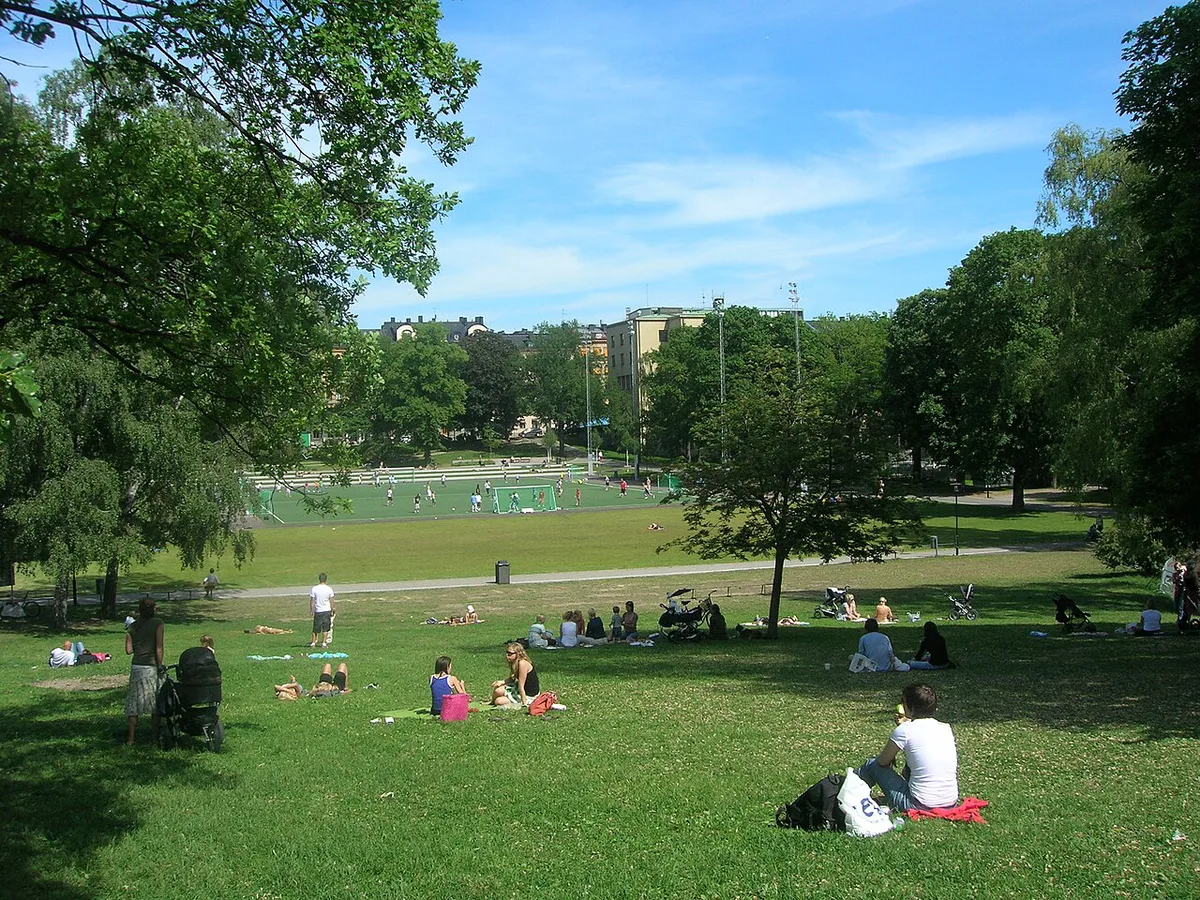
Vasastan's highlights cluster into three groups: one architectural landmark, a handful of small museums, and four parks worth a stroll. None demand a full day on their own, which is part of why the district works well as a half-day add-on to a longer Stockholm itinerary. Carl Eldh Studio Museum, the sculptor's former home and workspace, ranks among the city's more overlooked stops — exactly the kind of pick worth flagging if you're after under-the-radar Stockholm spots. For something off the museum trail entirely, the gaming halls clustered near Odenplan — Inferno Online, Red Bull Gaming Sphere, and the arcade inside pool hall RoQ — count among the more unique Stockholm activities in the district.
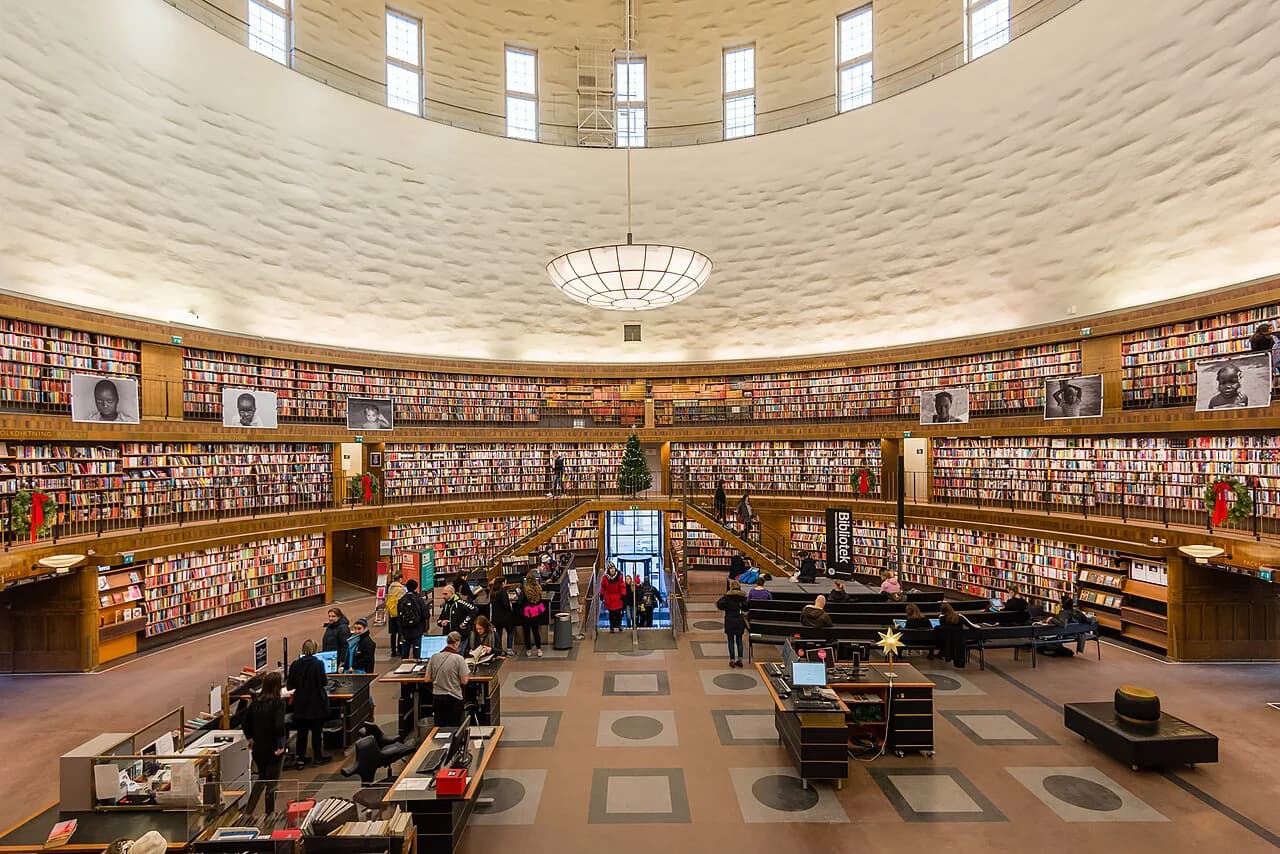
- Stockholm Public Library (Stadsbiblioteket): Gunnar Asplund's rotunda-fronted building at Sveavägen 73, a defining example of Swedish Grace architecture.
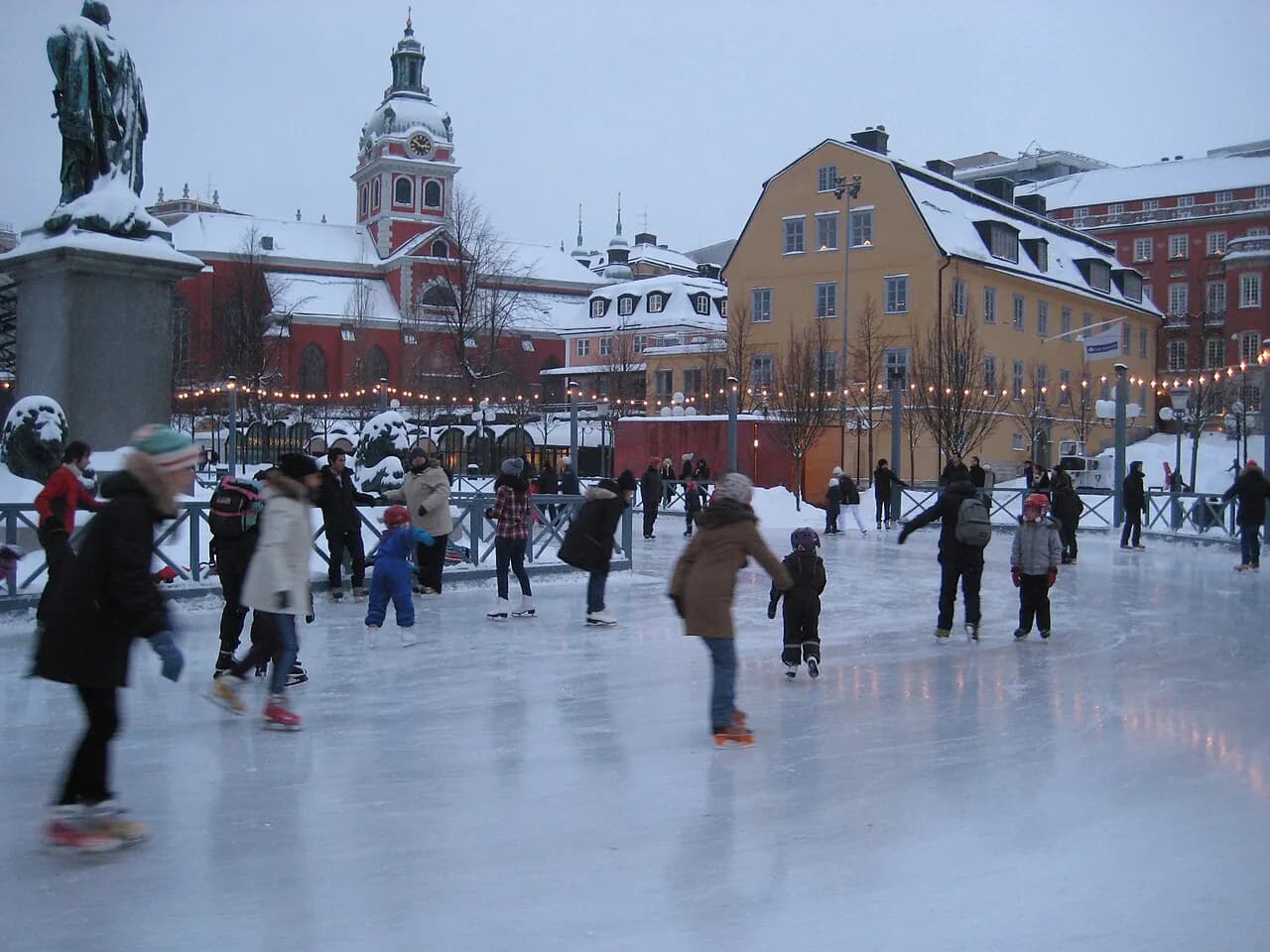
- Vasaparken: the district's largest park, used for picnics in summer and ice skating in winter.
- Observatorielunden: a hilltop park beside Stockholm's old observatory, home to a weather station that has recorded temperature and rainfall since 1756.
- Vanadislunden and Tegnérlunden: two smaller parks — the former known for skyline views, the latter a popular outdoor lunch spot with statues of Astrid Lindgren and August Strindberg.
- Sven-Harry's Art Museum, Bonniers Konsthall, Carl Eldh Studio Museum, and the Strindberg Museum: four small museums covering Swedish fine art, contemporary work, a sculptor's home studio, and the playwright's former residence.
History and Architecture Worth Noticing
Most of Vasastan's building stock dates from the early 20th century, built in the Nordic Classicism style that defined Swedish architecture through the 1920s — look for restrained facades, symmetrical windows, and warm brick or stucco as you walk. The Stockholm Public Library, designed by Gunnar Asplund and built between 1924 and 1928, is the clearest example: its rotunda and the sober blocks around Sveavägen still read as textbook Swedish Grace. For contrast, walk through Atlasområdet, a former industrial zone whose factories were cleared in 1927 and rebuilt as housing — the block layout there reads noticeably different from the older streets nearby. At the other end of the timeline, the Norra Tornen high-rises give Vasastan its one clearly contemporary landmark, a useful marker of how much — and how little — the district's skyline has changed in a century.
Literary and Cinematic Landmarks
Readers who enjoy tracing a neighborhood through its books and films can treat this as an optional detour rather than a core stop. Astrid Lindgren, creator of Pippi Longstocking, lived at Dalagatan 46 for 60 years, and her statue stands in Tegnérlunden alongside one of August Strindberg. A couple of doors down at Dalagatan 34 is the address used as the setting in Maj Sjöwall and Peter Wahlöö's crime novel The Abominable Man and its 1976 film adaptation, The Man on the Roof — a small but specific stop for Nordic noir fans. Round out the theme at Bio Capitol, one of Stockholm's better-known independent cinemas, which pairs film screenings with a bistro and bar on site.
Vasastan Stockholm Guide: How to Plan Your Time
Budget two to three hours for a highlights-only pass: the library exterior on Sveavägen, a loop through Vasaparken, and a stop in Tegnérlunden or Observatorielunden. Add a museum or two — Sven-Harry's, Bonniers Konsthall, or the Carl Eldh Studio Museum — and the visit stretches comfortably to a half day. A workable route runs south to north: start near Odenplan, work through the parks and library area, then finish at Rörstrandsgatan near Sankt Eriksplan for coffee or an early dinner. For when to visit Stockholm to keep the parks and cafés uncrowded, plan around shoulder-season weeks rather than peak summer weekends.
Costs, Tickets, and Access Notes
Most of what makes Vasastan worth visiting doesn't require a ticket. Vasaparken, Vanadislunden, Observatorielunden, and Tegnérlunden are free and open year-round, and simply walking the streets around Atlasområdet or Rörstrandsgatan costs nothing — for more no-cost options across the city, see free Stockholm activities. The one access note worth flagging before you plan around it: the Stockholm Public Library closed for renovation in June 2024, with the city targeting a 2027 reopening, so travelers visiting Vasastan in 2026 should plan to view Asplund's building from the outside rather than expect an interior visit. The district's small museums — Sven-Harry's, Bonniers Konsthall, Carl Eldh Studio Museum, and the Strindberg Museum — charge standalone admission; check each museum's own site for current hours and prices before visiting, since none publish shared or bundled ticketing.
Stockholm's defining architectural landmark, Gunnar Asplund's rotunda-fronted Public Library exemplifying Swedish Grace from 1924–1928, remains closed for renovation until 2027—visitors should plan to view the exterior on Sveavägen rather than expect interior access.
Where to Stay and How to Get Around
Vasastan's two neighborhood anchors are Odenplan, a square framed by Odengatan and Sankt Eriksgatan, and Sankt Eriksplan, the transit stop that opens directly onto Rörstrandsgatan's row of cafés and pubs. Both areas cluster restaurants and casual dining, making them sensible bases if you'd rather stay somewhere residential than in the tourist core — pair a stay here with top local restaurants or Stockholm's local food scene to plan meals around Odenplan and Rörstrandsgatan. Getting around relies on Stockholm's T-bana and bus network connecting both hubs to the city center; confirm current routes and frequencies with SL before you travel, since service details change year to year. If you're already riding the metro through the area, it's worth knowing several Stockholm stations double as public art installations — see Stockholm's subway art stations for the standout stops nearby. Travelers basing themselves in Vasastan can also use it as a launch point for day-trip options from Stockholm, since its transit connections reach the wider network without doubling back through downtown.
How Vasastan Compares to Other Central Districts
Vasastan reads as more residential and less curated for tourists than several of Stockholm's other central districts — exactly its appeal for some travelers, and a reason to look elsewhere for others. Compared with Södermalm's nightlife district, which trades on bars, vintage shopping, and viewpoints, Vasastan is quieter and more residential. Against Östermalm's upscale shopping streets just across the border to the east, Vasastan feels distinctly more local and less polished. Residential Kungsholmen, directly to the west, shares some of that lived-in character, making it Vasastan's closest cousin among the four districts. And unlike museum-island Djurgården, given over almost entirely to museums and green space, Vasastan is a working neighborhood you walk through rather than a single destination you visit. Prioritize Vasastan for a lived-in pocket of the city with genuine architecture and literary history; prioritize Södermalm or Östermalm first if marquee sights and nightlife matter more than a quiet afternoon.
| District | Primary Character | Notable Features |
|---|---|---|
| Vasastan | Residential, quieter, local | Architecture, parks, literary history |
| Södermalm | Nightlife-focused, curated | Bars, vintage shopping, viewpoints |
| Östermalm | Upscale, polished | Upscale shopping, marquee sights |
| Kungsholmen | Residential, lived-in | Local neighborhood feel; closest to Vasastan |
| Djurgården | Museum destination | Museums and green space; single destination to visit |
Mistakes to Avoid
A handful of planning mistakes account for most of the disappointment travelers report about Vasastan, and each one is avoidable with a bit of preparation.
Vasastan succeeds when approached as a free walking tour through streets and parks shaped by early-20th-century Nordic Classicism, rather than a museum checklist—the gaming halls near Odenplan and smaller museums serve as texture, not the main event.
- Assuming the Stockholm Public Library is open for interior visits — it has been closed for renovation since June 2024 and isn't due back until 2027.
- Treating Vasastan as a checklist of ticketed attractions rather than a walking district — the real value is in the streets, parks, and architecture, not a string of paid sights.
- Skipping a time budget — without one, it's easy to either rush through in under an hour or lose a full day to a district built for two to three hours plus optional museum stops.
- Overlooking the district's quieter stops — the gaming halls near Odenplan and the smaller museums rarely make general Stockholm itineraries, so travelers hunting for off-the-beaten-path Stockholm picks often walk past them without realizing they're here.
Rörstrandsgatan and Odenplan for Food Stops
For a practical break, use Odenplan and Rörstrandsgatan as Vasastan’s food-and-drink spine rather than treating them as separate sightseeing stops. Odenplan is the easier meeting point, with transit connections, the Gustav Vasa Church nearby, and quick access to Odengatan, Sveavägen, and the library area. It works best for starting a walk or resetting between museum stops.
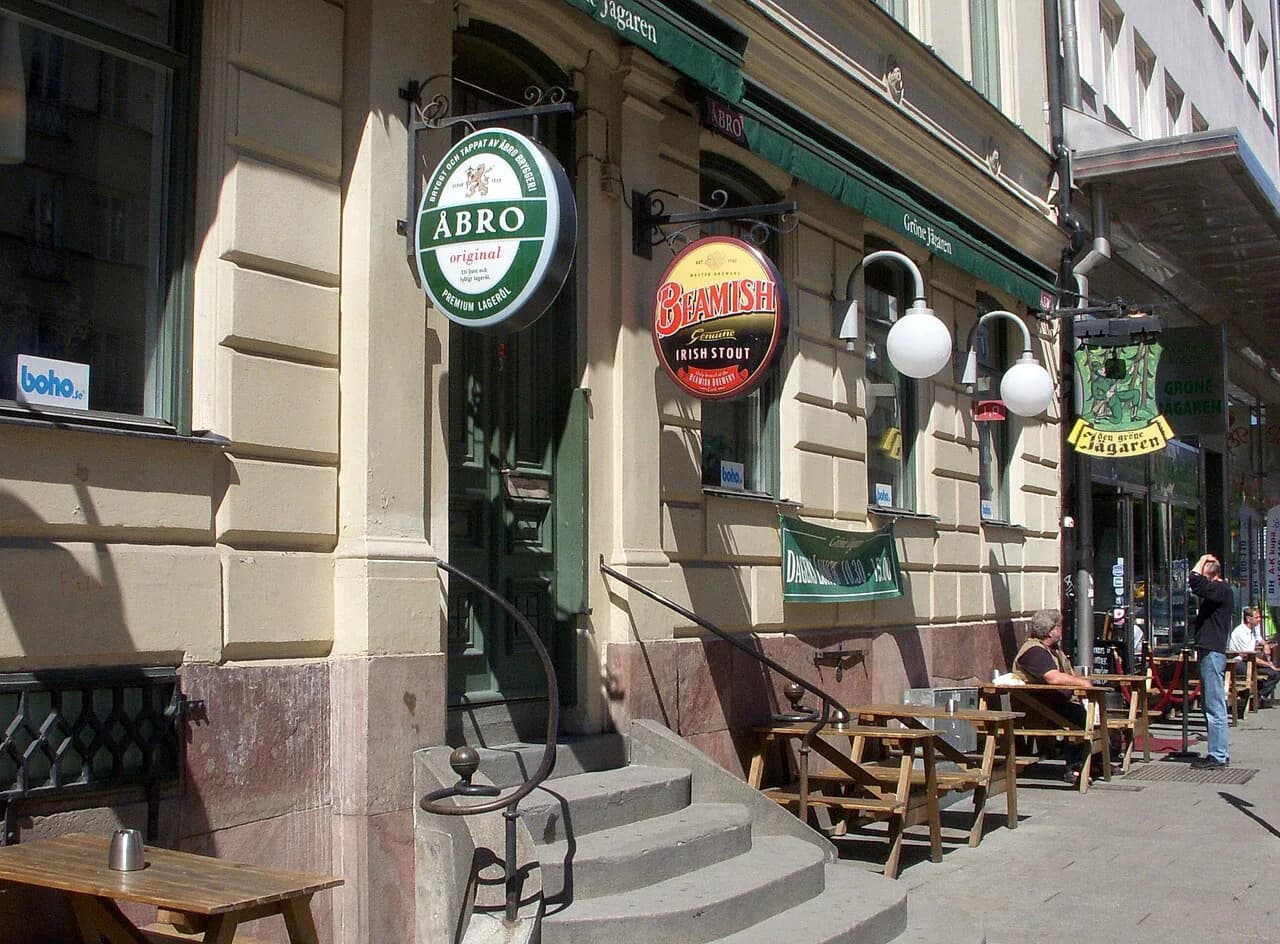
Rörstrandsgatan, running west from Sankt Eriksplan into Birkastan, is the better choice when you want the neighborhood to slow down. The street is lined with cafés, bakeries, casual restaurants, and bars, so it is a natural end point after Vasaparken, Bonniers Konsthall, or the Atlasområdet streets. In warm weather, terraces and outdoor tables make it one of Vasastan’s most pleasant low-effort evening stops; in colder months, it is still useful because so many places are packed into a short walk.
Frequently Asked Questions
What is Vasastan known for?
Vasastan is known as Stockholm's residential, literary north-side district — home to Gunnar Asplund's Stockholm Public Library, leafy parks like Vasaparken and Tegnérlunden, and connections to Astrid Lindgren and Nordic crime fiction.
How much time do you need in Vasastan?
Plan two to three hours for the core highlights — the library exterior, Vasaparken, and one smaller park — or a half day if adding a museum stop such as Sven-Harry's or Bonniers Konsthall.
Is Vasastan worth visiting compared to Södermalm or Östermalm?
Vasastan suits travelers who want a quieter, more local pocket of Stockholm rather than nightlife or upscale shopping; prioritize Södermalm or Östermalm first if marquee sights and bars matter more than a residential, walkable atmosphere.
Can you still visit the Stockholm Public Library in 2026?
The building's interior is closed — it has been shut for renovation since June 2024, with a 2027 reopening target — so 2026 visits should plan to view Asplund's rotunda-fronted exterior on Sveavägen rather than the reading rooms inside.
What should first-time visitors prioritize in Vasastan?
First-time visitors should prioritize the Stockholm Public Library exterior, a walk through Vasaparken and Tegnérlunden, and a stop on Rörstrandsgatan near Sankt Eriksplan for cafés — that combination covers the district's architecture, green space, and local dining in roughly half a day.
How do you get to Vasastan by public transit?
Vasastan is reached via the Odenplan and Sankt Eriksplan transit hubs, both connected to Stockholm's T-bana and bus network; confirm current routes and frequencies with SL before traveling, since schedules are updated periodically.
Continue exploring
More guides you'll find useful