Stockholm Local Food Guide: Where Locals Actually Eat
Use this Stockholm local food guide to eat like a local in 2026 - from fika and husmanskost to Södermalm's best dagens lunch deals and Saluhall stalls.
On this page
Stockholm Local Food Guide 2026: Where Locals Actually Eat
Last updated July 2026, this stockholm local food guide breaks down exactly where to eat like a local, from fika-fueled mornings in Vasastan to dagens lunch deals that cut fine-dining prices in half. Expect a mix of traditional husmanskost, New Nordic plates, and the neighborhood logic that separates a genuine smörgåsbord from a Gamla Stan tourist trap. Every recommendation below accounts for Stockholm's cashless-first culture, seasonal ingredients, and the practical logistics of getting from the airport to your first meal.
The Local's Approach to Stockholm Food
Stockholm's food scene rests on three pillars: husmanskost, the country's hearty working-class classics; fika, the daily coffee-and-cake ritual that structures the day; and a New Nordic movement built on foraged, seasonal, high-quality ingredients. None of it comes cheap - Sweden's cost of living touches every menu - but the quality-to-price ratio rewards travelers who plan ahead rather than wander into whichever dining room looks busiest near Stortorget. Treat fika as a non-negotiable stop rather than an optional coffee break. Locals build entire afternoons around a cardamom-laced kanelbulle and unhurried conversation at an old-school Vasastan konditori, and skipping it means missing the single most Swedish thing you can do at a table. For context on how residents spend time beyond the plate, this guide's companion piece on hidden gems beyond Gamla Stan pairs well with the food-first plan below, since many of the best eating streets sit just outside the main tourist loop.

Traditional vs Modern: What to Eat in Stockholm
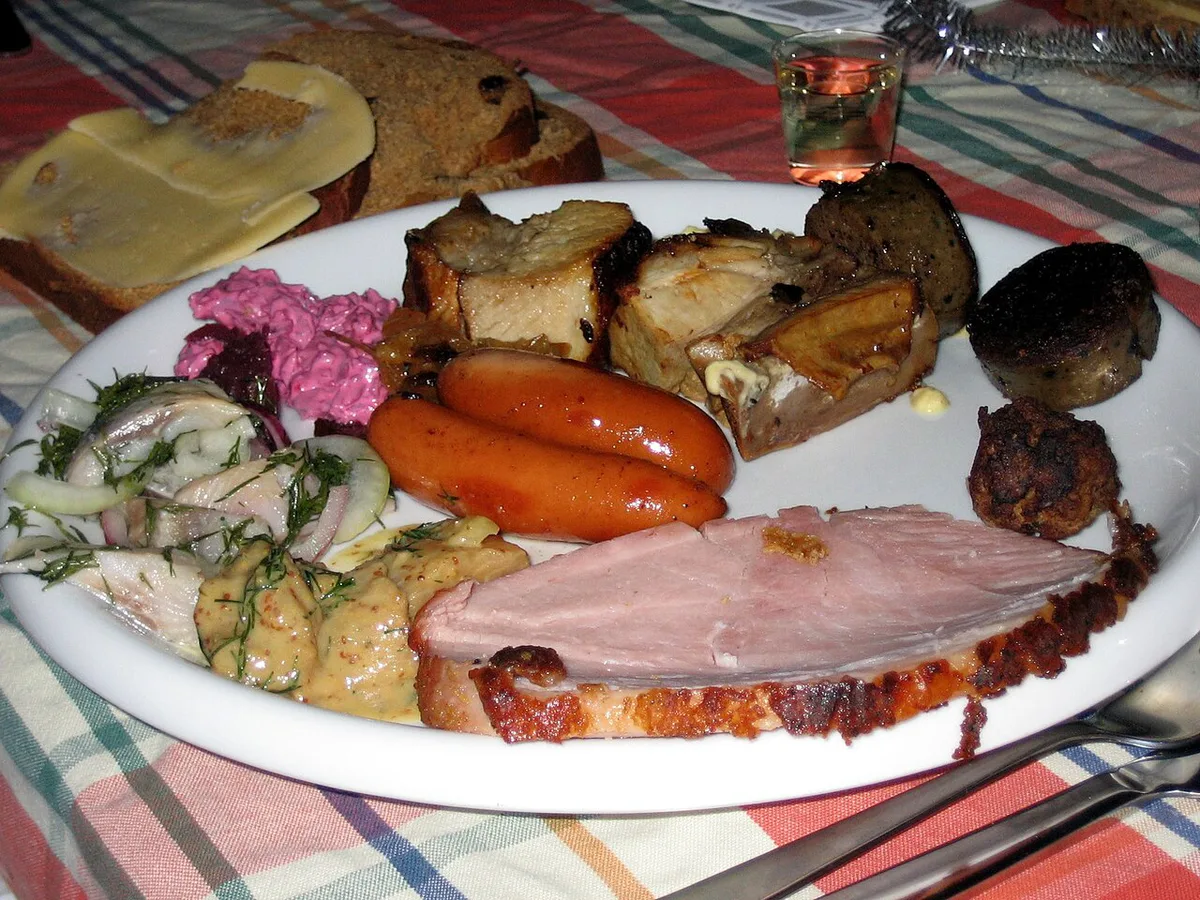
Two culinary currents run through Stockholm at once, and knowing both keeps a trip from feeling one-note. Husmanskost covers the traditional canon: pickled herring (sill) served with boiled potatoes and sour cream at a classic smörgåsbord spread, Swedish meatballs (köttbullar) with silky potato purée, creamy veal gravy and tart lingonberries, and toast skagen - a shrimp, dill and mayonnaise mix piled onto fried bread. Order a chef's-choice meatball sampler and you'll typically get eight meatballs across several varieties, including a moose option worth seeking out. New Nordic and fusion cooking, by contrast, concentrates in Norrmalm and Södermalm, where chefs plate foraged greens, kimchi-spiked salmon bowls and wonton-crisp starters in dining rooms that sit many floors above street level. Seasonality drives both camps: Sweden's long coastline and archipelago make seafood a genuine seasonal event rather than a year-round given, so timing a trip around one of the archipelago day trip options often turns up fresher, better-value seafood than anything plated downtown. For a curated shortlist spanning both camps, see the guide's standout local restaurants.
- Köttbullar (Swedish meatballs) - pork, beef or moose, served with lingonberry preserves
- Sill (pickled herring) with boiled new potatoes, a smörgåsbord staple
- Toast skagen - shrimp, dill and mayonnaise on fried bread
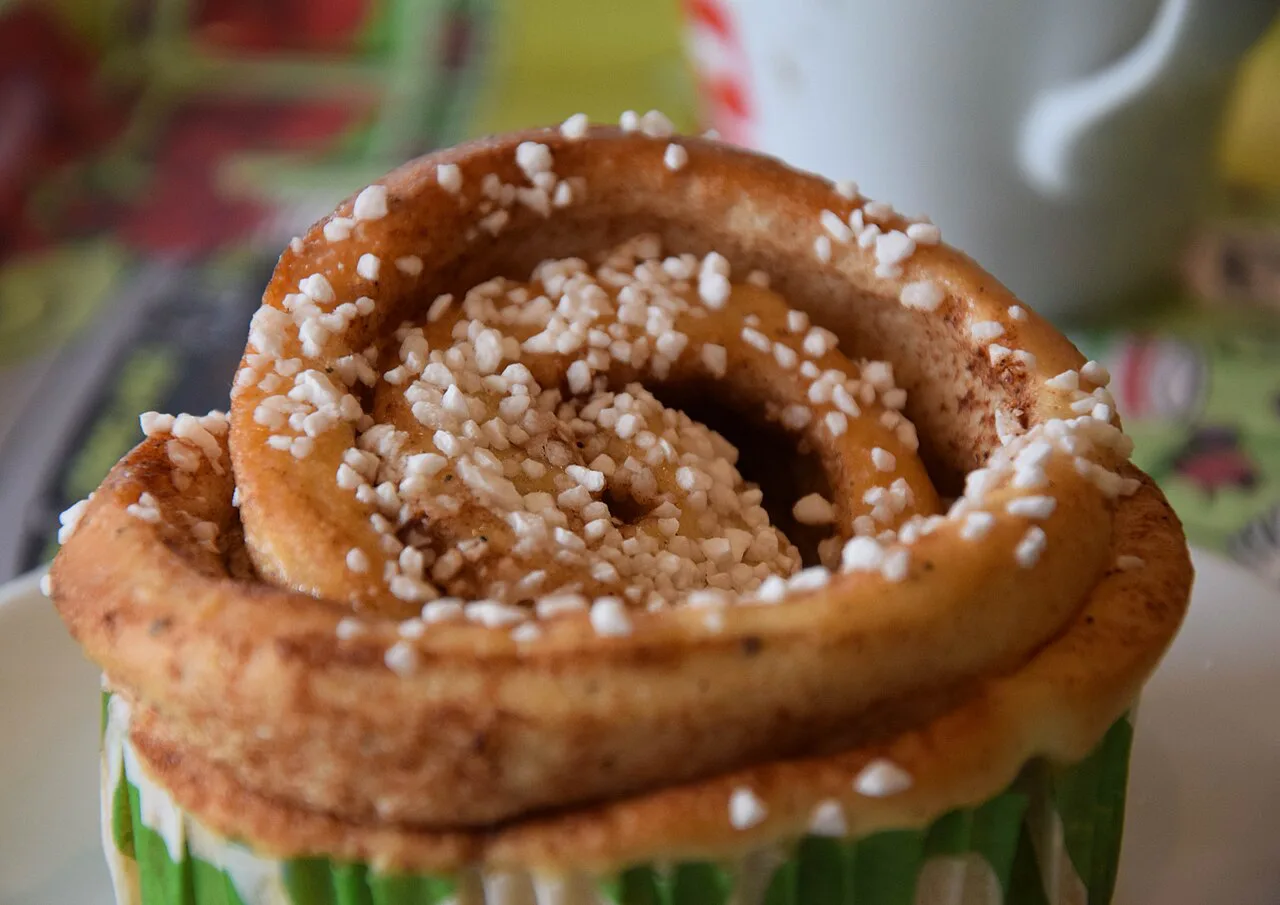
- Kanelbulle - the cardamom-and-cinnamon bun built for fika
- New Nordic tasting plates - foraged, seasonal ingredients in Norrmalm and Södermalm dining rooms
Your Stockholm Local Food Guide by Neighborhood
Stockholm's food map splits cleanly along neighborhood lines, and matching the right district to the right meal saves both money and disappointment. This guide's full neighborhood-by-neighborhood breakdown covers lodging and sightseeing; here's how each area translates to a plate.
- Södermalm: the creative heart of the scene, dense with natural wine bars, meatball specialists and vegan brunch spots - reservations matter most here on weekend nights. Read the full Södermalm neighborhood overview, then walk off dinner along Monteliusvägen's lake views.
- Gamla Stan: the old town holds Stockholm's most photographed square and its highest concentration of overpriced, underwhelming set menus. Fika here can still be worthwhile - it's simply the most touristed version of it - but check the off-the-beaten-path dining picks before booking anything within sight of Stortorget.
- Östermalm: Stockholm's wealthiest district pairs high-end dining rooms with the Saluhall food hall, a covered market built for grazing rather than a sit-down meal. See the Östermalm neighborhood guide for the full lay of the land.
- Vasastan and Kungsholmen: this is where residents actually live and eat, favoring neighborhood konditori and unfussy dinner spots over anything built for visitors, and where locals guard their own secret spots most closely. Browse the Vasastan neighborhood guide and Kungsholmen neighborhood guide before you go.
- Djurgården: technically a separate island rather than a dining district, but worth the detour for Rosendals Trädgård, an organic garden café baking its own bread and cake. The Djurgården island guide covers the rest of what's there.
Getting to Your First Meal: Airport Logistics
How you get in from Stockholm Arlanda Airport affects how quickly you're at a table, and the two main options trade cost for convenience in opposite directions. The Arlanda Express train runs directly to Stockholm Central Station and costs roughly 150-200 SEK (about $15-20) per person, with online booking typically pricing lower than at-station fares and weekend tickets often cheaper than weekday ones. Flygbussarna's airport bus runs about every 10-15 minutes, takes roughly 40 minutes, and costs 119 SEK (about $14) per person - the better call if your hotel sits closer to Kungsholmen or Fridhemsplan than to Central Station. A private taxi costs more than either option but skips transfers entirely, which matters if you're arriving late or carrying luggage for a group.
Flygbussarna bus reaches Kungsholmen and Fridhemsplan more directly than the Arlanda Express, placing arriving travelers closer to residential neighborhoods where Stockholm residents actually eat.
| Option | Price | Time to Table | Best For |
|---|---|---|---|
| Arlanda Express train | ~150-200 SEK ($15-20) | Fastest of the three; direct to Stockholm Central | Travelers prioritizing speed over cost |
| Flygbussarna airport bus | 119 SEK (~$14) | ~40 minutes; departures every 10-15 minutes | Budget travelers, especially near Kungsholmen or Fridhemsplan |
| Private taxi | Higher than either option; fare varies | Door-to-door, no transfers | Groups, late-night arrivals, or heavy luggage |
When to Visit for Seasonal Swedish Specialties
Stockholm's food calendar moves with the seasons more than most capital cities. August brings crayfish parties (kräftskiva), a genuinely local tradition built around boiled, dill-seasoned crayfish, bibs and paper lanterns; December brings saffron buns (lussekatter) tied to the run-up to Christmas. Timing a trip around either gives you a seasonal specialty that simply isn't on the menu the rest of the year. For travelers who'd rather skip the peak summer crush altogether, the guide's quietest months to visit breaks down when the city empties out without the food scene going quiet too - and a slower, off-season fika crawl pairs surprisingly well with a walk through Skogskyrkogården's quiet grounds before the summer crowds return.
The Dagens Lunch Hack, Reservations, and the Monday Rule
Weekday lunch is the single best value in Stockholm dining, and it's the trick locals use to eat at kitchens that would otherwise be a splurge. Dagens lunch ("today's lunch") specials typically run from 11:00 to 14:00 and pair a main course with bread, salad, coffee and sometimes a soft drink for a fraction of the evening à la carte price - the same kitchen, the same skill, at lunch pricing. Two scheduling quirks catch first-time visitors off guard: plenty of well-regarded local restaurants close entirely on Mondays, and the most talked-about Södermalm spots book out days in advance for dinner, so reserve ahead rather than assuming you can walk in. Vegetarians and vegans have it easier here than in most European capitals - Stockholm's plant-based scene is genuinely mainstream rather than an afterthought, and a brunch spot like Mahalo is a reasonable test of whether a menu treats vegan cooking as a real category rather than a single token dish. One more easy saving: Stockholm's tap water is safe and genuinely good, so skip the bottled water at every meal.
Costs and Budgeting for a Stockholm Food Trip
Budget in tiers rather than a single daily number. A dagens lunch special is the cheapest way to eat well; a sit-down husmanskost dinner with a drink runs meaningfully higher; and a tasting menu at a New Nordic dining room sits at the top of the range, in our editorial assessment worth reserving for one splurge night rather than every night. Alcohol is where budgets go sideways fastest: a stor stark (Sweden's standard large beer) is reasonable at a casual bar but the price climbs quickly for craft or import options, and Systembolaget, the state alcohol monopoly, keeps limited hours and shuts entirely on Sundays, so plan any self-catered drinking earlier in the week. Card payment is assumed everywhere - carrying cash for a Stockholm meal is closer to a liability than a backup plan, since some smaller spots don't accept it at all. Between meals, Stockholm also has a long list of free things to do that stretch a food budget further without cutting into the trip.
Weekday lunch specials provide access to fine-dining kitchens at moderate prices. This strategy lets travelers sample more restaurants than sit-down dinner budget alone allows.
- Budget: dagens lunch specials, served roughly 11:00 to 14:00 on weekdays
- Moderate: a sit-down husmanskost dinner with one drink
- Splurge: a New Nordic tasting menu, best booked for a single standout night
Common Foodie Mistakes to Avoid in Stockholm
A handful of avoidable mistakes account for most disappointing meals in Stockholm. Falling for a meatball trap - a tourist-menu restaurant parked directly on Stortorget or another high-traffic square - is the most common one; better versions of the same dish are a short walk away in Södermalm or Vasastan. Assuming Stockholm runs on cash is another: card and phone payment are the default nearly everywhere, and turning up cash-only is more likely to cause a delay than solve one. Rushing between restaurants without building in time for the city itself is a subtler mistake - the art-filled metro stations are free to see between meals, and there's a long list of unique things to do around the city that fit neatly into the gaps between a late lunch and a dinner reservation.

- Skipping the walk-in restaurants on Stortorget for a short walk to Södermalm or Vasastan instead
- Carrying cash as a backup plan rather than relying on card or phone payment
- Booking every meal as a sit-down dinner instead of using dagens lunch to try more kitchens
- Rushing between reservations without time to see the art-filled metro stations in between
For trip-planning details, see Coffee in Sweden – Wikipedia.
Frequently Asked Questions
What's the best neighborhood in Stockholm for authentic local food?
Södermalm and Vasastan generally offer the most authentic, resident-driven dining, from natural wine bars to neighborhood konditori, while Gamla Stan and central Norrmalm carry the highest concentration of tourist-priced set menus.
What exactly is fika, and do you need to book it in advance?
Fika is a dedicated coffee-and-cake break built around unhurried conversation, typically a cardamom bun or pastry alongside coffee. It's an everyday ritual rather than a formal sitting, so walk-ins are normal at most konditori, though a well-known spot on a busy square can still mean waiting for a table.
How does the dagens lunch deal work in Stockholm?
Dagens lunch is a fixed weekday lunch special, typically served from 11:00 to 14:00, that bundles a main course with bread, salad and coffee at a price well below the same kitchen's evening menu - it's the most reliable way to eat at a well-regarded restaurant without dinner pricing.
Is Stockholm really a cashless city for restaurants?
Card and mobile payment are the default at nearly every restaurant, café and bar in Stockholm, and some smaller spots don't accept cash at all. Carrying a card is far more reliable than carrying cash for a food-focused trip.
When should you visit Stockholm for seasonal Swedish food?
August is crayfish party season, with kräftskiva gatherings built around boiled, dill-seasoned crayfish, while December brings saffron buns ahead of Christmas. If you'd rather avoid the summer crowds, aim for the shoulder months instead.
Continue exploring
More guides you'll find useful