Off the Beaten Path in Stockholm: 2026 Local Guide
Go off the beaten path in Stockholm with this 2026 guide to subway art, secret viewpoints, quiet archipelago islands, and hidden fika spots.
On this page
Off the Beaten Path in Stockholm: A Guide to the City's Secret Side
Last updated July 2026: this guide moves past Gamla Stan's cobblestones and the Vasa Museum queue to show what going off the beaten path in Stockholm actually looks like on the ground. Expect underground art galleries on the Tunnelbana, cliffside walking routes above Lake Mälaren, and outer archipelago islands where the crowds simply do not follow the cruise-ship schedule, all mapped alongside the broader hidden gems guide. Every section below pairs a hidden spot with the logistics needed to reach it — which line to ride, what season suits it, and whether the entry fee is zero or well into the hundreds of kronor.
Off the Beaten Path in Stockholm: Where to Start
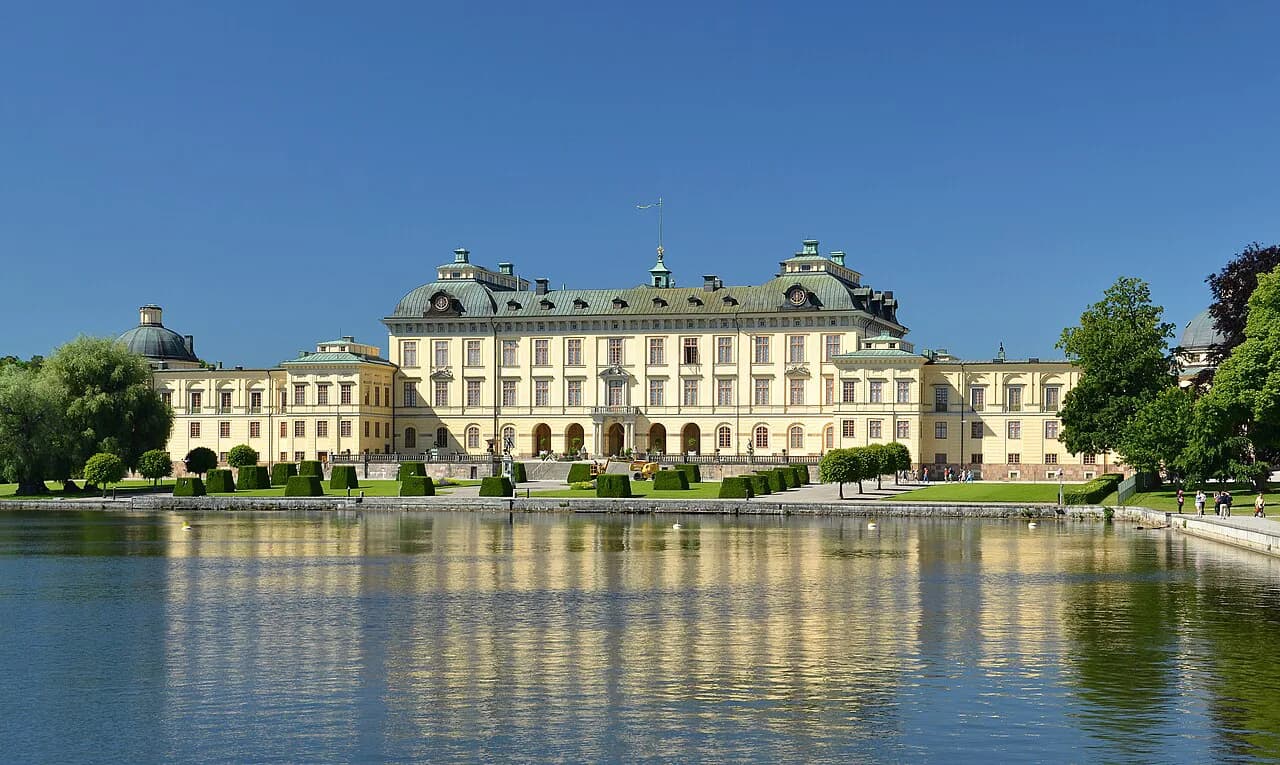
Stockholm rewards a second look far more than a first one. Once the Royal Palace — largely shaped by court architect Nicodemus Tessin the Younger — and Skansen's crowds are checked off, the city's real texture shows up in cliffside footpaths, converted prison islands, and suburban art hubs that rarely make a first-timer's itinerary. A companion secret spots roundup tracks newer finds, but every route below is mapped for logistics first: which transit line to take, how long to budget, and whether a fee applies.
The Underground Gallery: Stockholm's Subway Art
Stockholm's Tunnelbana is routinely billed as the world's longest art gallery, and the claim holds up best on the Blue Line, where cave-like stations such as Kungsträdgården and T-Centralen turn a commute into a walk through painted bedrock. A standard SL ticket bought through the app now covers 75 minutes of travel across all zones, enough time to hop between two or three stations, photograph the vaulted ceilings, and continue on to a neighborhood stop without buying a second fare. Go mid-morning on a weekday, when platforms are calm enough to actually see the murals rather than dodge rush-hour crowds. The full route is mapped in the dedicated Tunnelbana art guide.
Neighborhoods the Tourists Miss
Most visitors circle Gamla Stan and never cross into the residential grid beyond it, which is exactly where Stockholm's quieter character lives. The neighborhoods guide breaks down the full map, but four districts are worth prioritizing on an off-the-beaten-path day, each with its own rhythm rather than a single postcard view.
- Vasastan: antique shops along the side streets and the domed reading room of Stadsbiblioteket, Gunnar Asplund's 1928 public library, covered in the Vasastan neighborhood guide.
- Södermalm and Kungsholmen: both get dedicated cliffside and waterfront routes later in this guide.
- Hammarby Sjöstad: a former industrial harbor rebuilt as a sustainability showcase, with functionalist apartment blocks from the Million Programme era and a passenger ferry link to Södermalm.
- Östermalm: known for boutiques on the surface, but its market hall hides a locals-only counter culture, detailed in the food section below.
Södermalm's Secret Viewpoints and Cliffside Walk
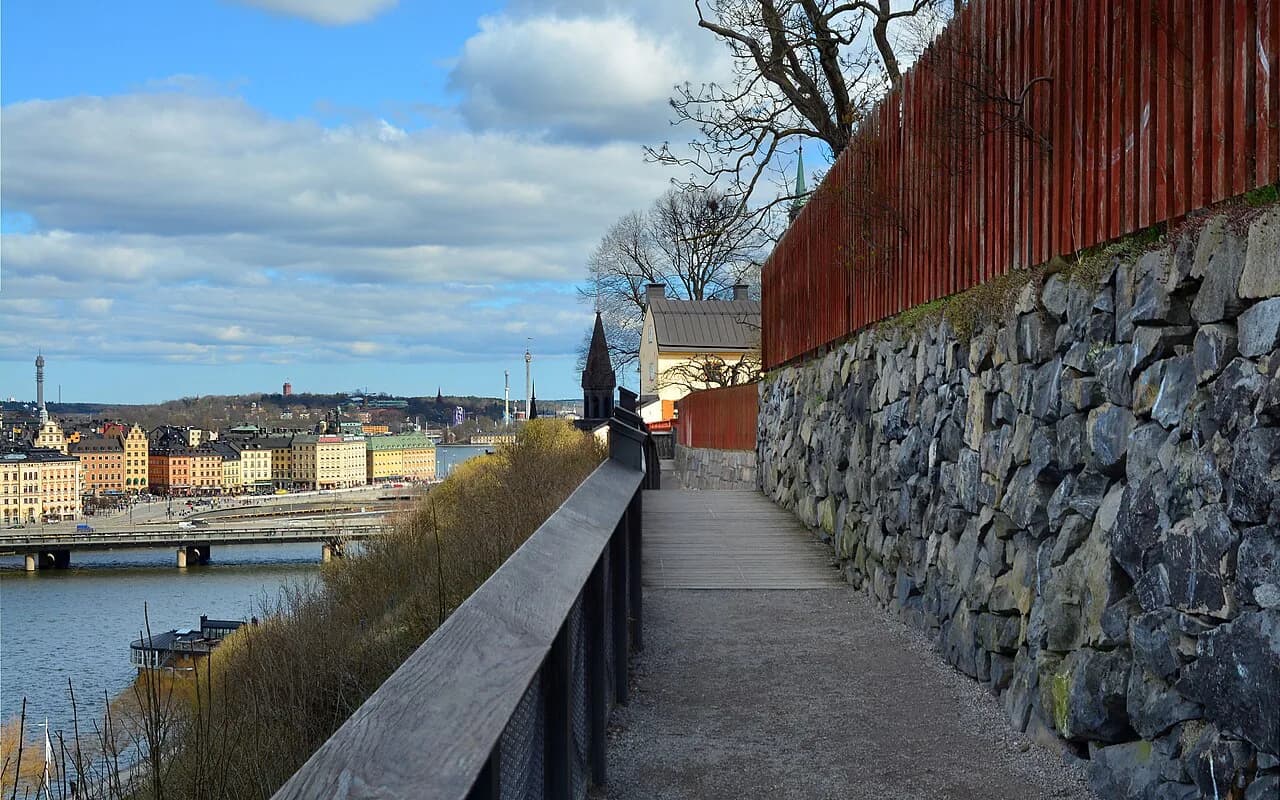
The full cliffside loop from Monteliusvägen to Fjällgatan is the single best half-day route for skipping Södermalm's souvenir strip while keeping its best views. Start at Monteliusvägen, a narrow walkway carved into the rock above Riddarfjärden, then continue on to Skinnarviksberget, the highest natural point in central Stockholm and a favorite spot for locals to sit with a thermos rather than a camera. The walkway gets crowded at sunset in summer, so aim for the first two hours after sunrise or a weekday lunch break instead — the same view, a fraction of the people. Note that the rock ledges along this route are uneven and not stroller- or wheelchair-friendly. Both the walkway and the wider district are covered in the Monteliusvägen walking guide and the Södermalm neighborhood guide.
Kungsholmen's Waterfront Cycle Route
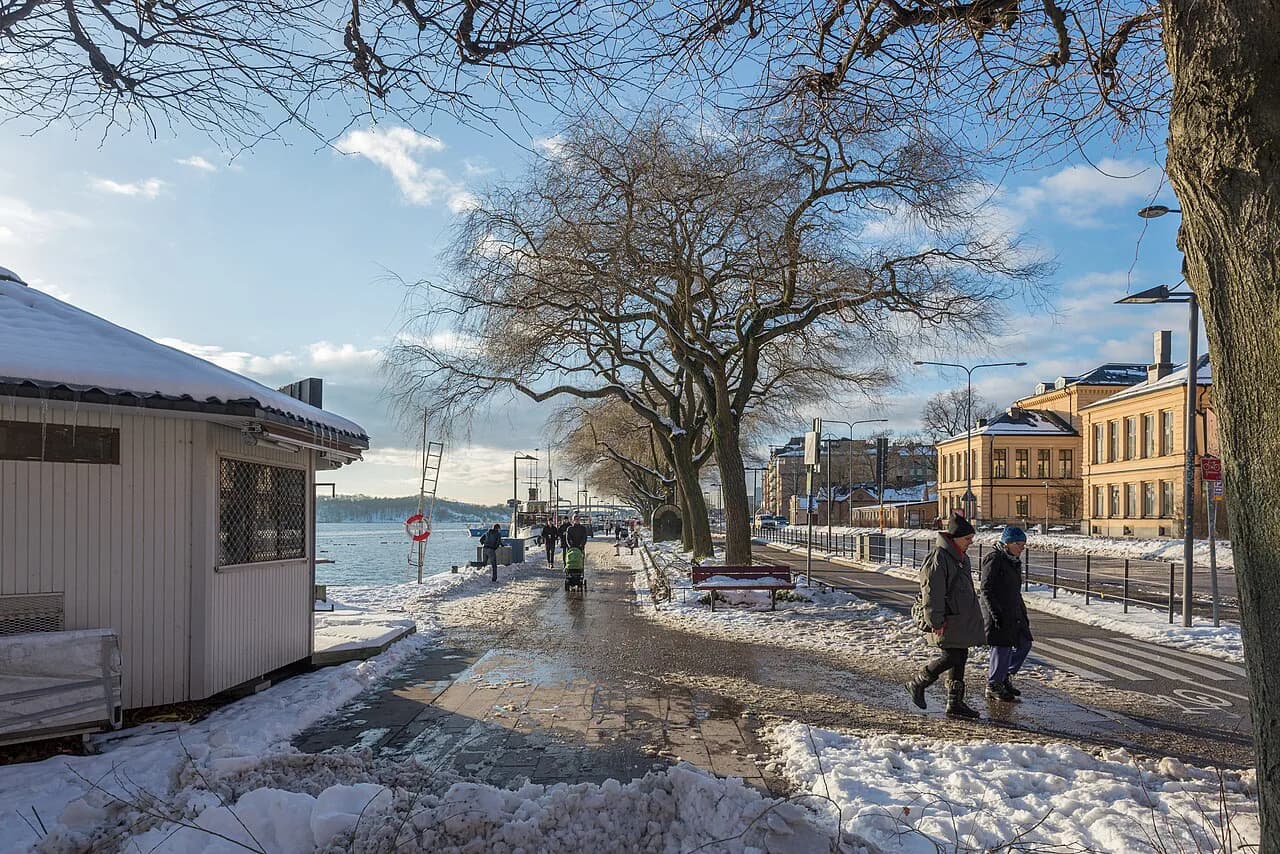
Kungsholmen trades Södermalm's hills for a flat, bikeable waterfront that most itineraries skip entirely. The Norr Mälarstrand promenade runs along Lake Mälaren from City Hall's public gardens out to Rålambshovsparken, passing houseboats, swimming docks, and picnic lawns that fill with residents rather than tour groups. Rent a city bike or walk the same stretch in under an hour; either way, the payoff is a lake-level view of City Hall's tower that most photographers only see from across the water. The full neighborhood breakdown, including where to pick up a bike, is in the Kungsholmen guide.
Södermalm's cliffside walk features uneven, unpaved rock ledges unsuitable for wheelchairs or strollers, but Kungsholmen's flat Norr Mälarstrand waterfront delivers comparable lake views with reliable accessibility, making it the better choice for visitors with mobility constraints.
Skogskyrkogården and Stockholm's Quiet Green Escapes
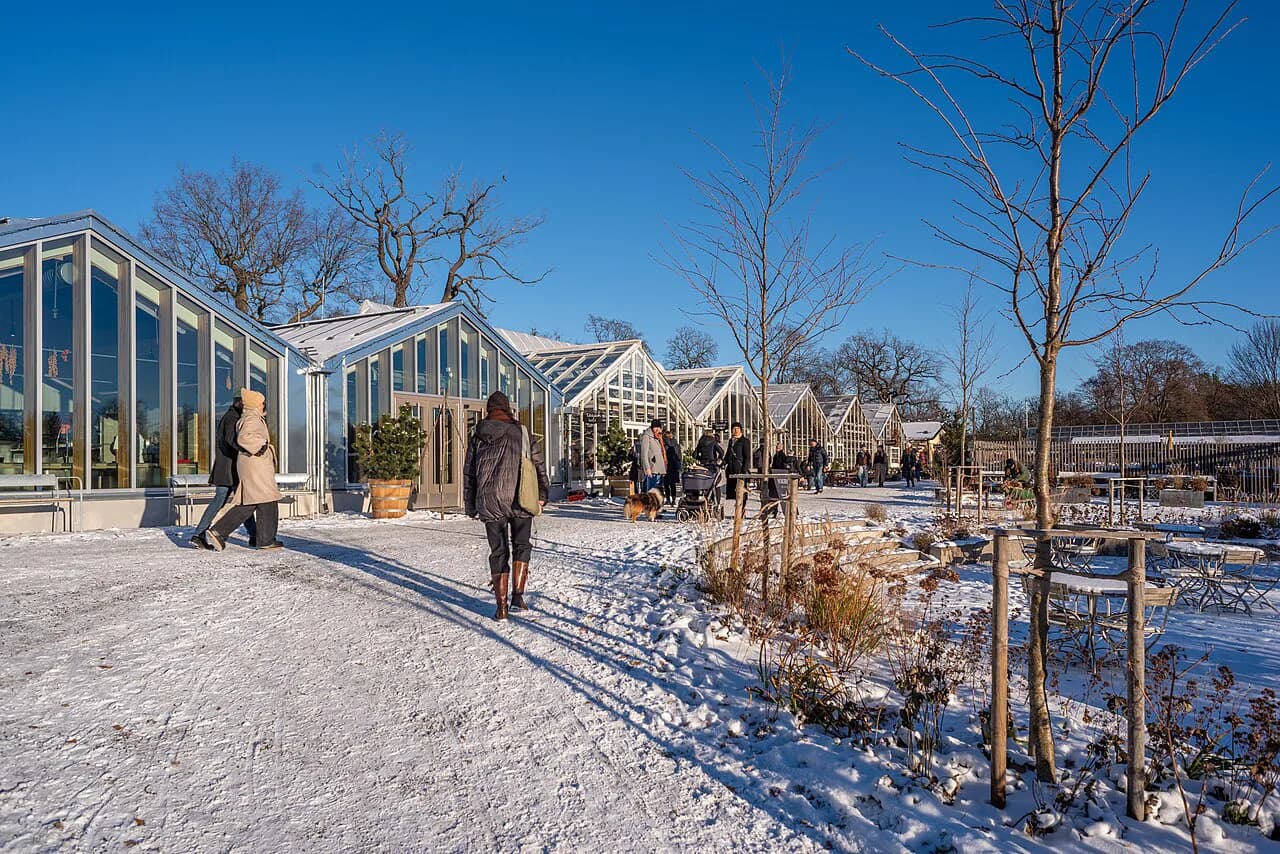
Skogskyrkogården, the Woodland Cemetery designed by Gunnar Asplund and Sigurd Lewerentz, remains a UNESCO World Heritage Site with free grounds access — the pine forest, meditation hill, and chapel exteriors cost nothing to walk. Paid guided tours inside the chapels run seasonally and are worth booking ahead if the interiors matter, otherwise the grounds alone justify the trip on the Green Line. For water instead of woods, Långholmen offers kayak rentals and swimming beaches on the site of a former prison, popular with residents on summer evenings and nearly empty by early evening once the day crowd clears. On Djurgården, Rosendals Trädgård's biodynamic garden café is a genuinely local stop, though it trims its opening days in the depths of winter, so check current hours before making it the centerpiece of a visit — more of the island is covered in the Djurgården guide and the Skogskyrkogården guide.
Suburban Street Art vs. Brutalist Calm
The contrast between Stockholm's inner city and its suburbs is where the label off the beaten path stops being a cliché. Snösätra, a former quarry turned legal street art park in the southern suburbs, delivers the urban grit end of that spectrum — floor-to-ceiling murals updated constantly by local artists, reachable by bus toward Farsta Strand. Skogskyrkogården sits at the opposite pole: the same city, expressed in restrained concrete and pine forest rather than spray paint. Seeing both in a single day is the clearest way to understand Stockholm beyond its postcard center, and both fall under the broader unique things to do roundup.
Beyond Fjäderholmarna: The Outer Archipelago
Fjäderholmarna is the archipelago island most visitors reach because it is the closest, which also makes it the most crowded. Grinda sits further out but stays a manageable day trip, with pine forest trails, a small store, and swimming rocks that rarely feel packed even in July. Sandhamn asks for more commitment — a longer ferry crossing and, ideally, an overnight stay to see the village once the day-trip boats leave — but rewards it with a genuinely maritime, less package-tour atmosphere. Landsort, the southernmost inhabited island in the archipelago, trades convenience entirely for solitude: a lighthouse, a nature reserve, and very few other travelers. The visual shift is as sharp as the pace: swap Stockholm's grey stone facades for the falu-red timber cottages that dot every one of these islands, a contrast no city viewpoint quite matches. Some archipelago boat tours are bundled with the Stockholm Pass, though inclusions change, so confirm current coverage before assuming a route is included. Full route options and seasonal ferry schedules sit in the day trips from Stockholm guide.
Local Food Markets and Hidden Fika Spots
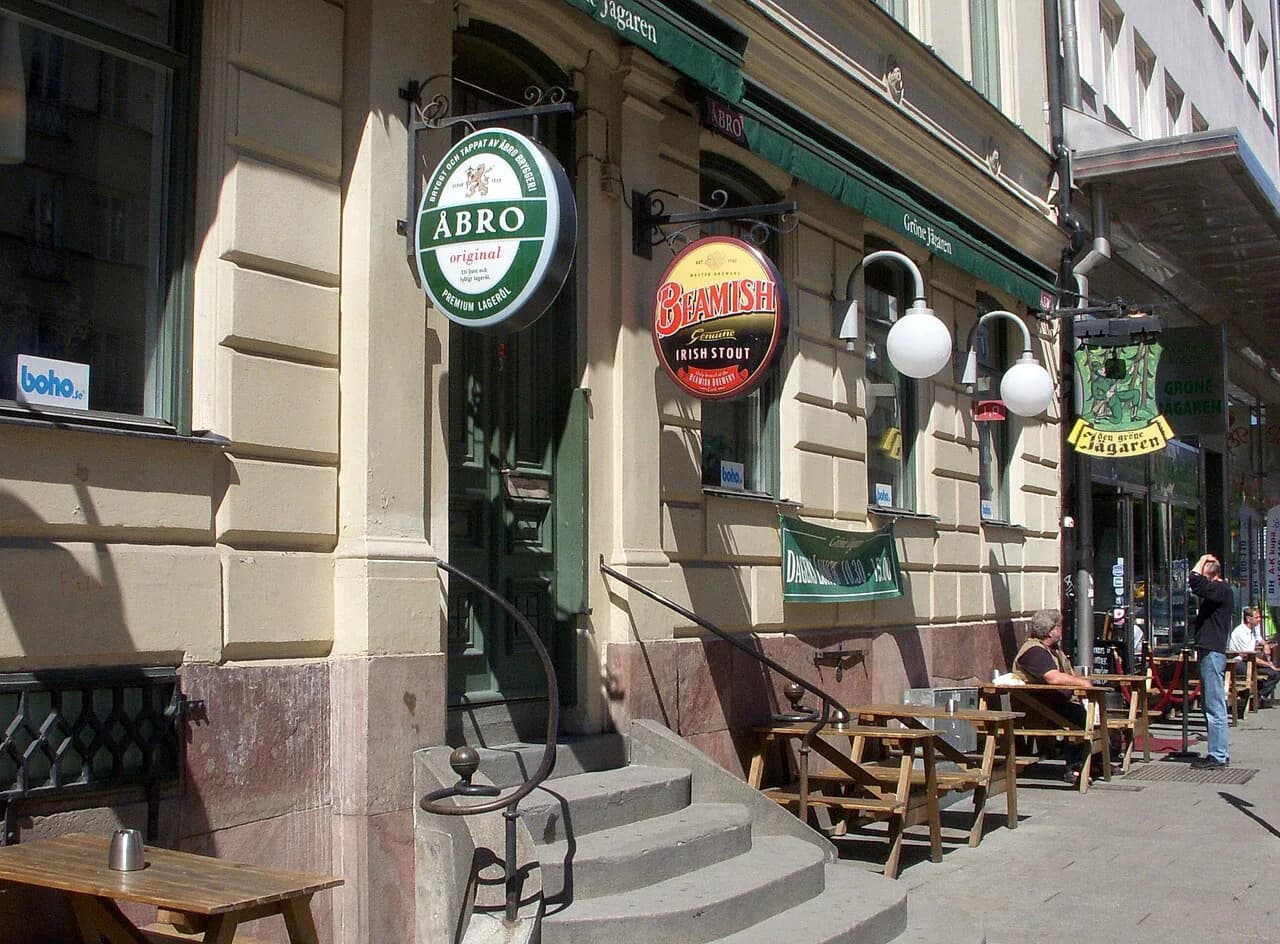
Östermalms Saluhall gets covered in nearly every guidebook, but the tourist path stops at the ground-floor stalls; the local side is upstairs and at the back counters, where regulars order the same fish soup they have for years — more on the market in the Östermalm neighborhood guide. Hötorgshallen, the basement market beneath Hötorget square, skews more everyday and less curated, with produce stalls and lunch counters aimed at people who live nearby rather than visitors. For fika, the distinction that matters is a hidden neighborhood bakery versus a tourist café: the former runs on a handwritten daily menu and cash-preferred habits, while the latter posts an English menu and card-only pricing — both are fine, but only one gives the actual local rhythm. Södermalm's basement stammis bars, the kind with no sign and a regulars-only feel, round out the after-dark version of the same idea; both threads are picked up further in the local food guide and the local restaurants guide.
Practical Logistics: Free vs. Paid and Crowd-Free Timing
Budget clarity matters more than most guides admit: Skogskyrkogården's grounds, Södermalm's viewpoints, Kungsholmen's promenade, and the subway art itself are all free to see with nothing more than an SL ticket, while sit-down museums like Spiritmuseum or Millesgården charge a separate entrance fee that typically runs 150 SEK or more per adult. A full list of no-cost options sits in the free things to do guide. The SL app's journey planner also surfaces archipelago and cross-harbor ferries that do not show up on tourist maps, worth checking before assuming a route requires a car. Cruise ships dock heaviest from late morning through mid-afternoon, so shifting a Gamla Stan-adjacent stop to before 10am or after 4pm avoids the bulk of that traffic — a fuller seasonal breakdown, including which months and hours to target, is in the crowd-free timing guide.
Avoid peak crowds through staggered timing: visit subway art mid-morning on weekdays, reach Södermalm viewpoints at sunrise or lunch rather than sunset, and plan central areas before 10am or after 4pm when cruise ships dock, for solitude.
Decision Matrix: Which Hidden Gem Fits Your Day
Not every hidden corner suits every schedule, budget, or mobility level. Use the comparison below to match the time available against the payoff before setting out, then build a half or full day from the notes above.
| Spot | Time Needed | Cost | Vibe |
|---|---|---|---|
| Subway art (Blue Line) | 1-2 hours | One SL ticket, 75 min/all zones | Underground, otherworldly |
| Södermalm cliffside walk | 2-3 hours | Free | Panoramic, residential |
| Kungsholmen waterfront cycle | 2-3 hours | Free (bike rental extra) | Flat, lakeside, local |
| Skogskyrkogården | 2-4 hours | Free grounds; paid chapel tours seasonal | Contemplative, UNESCO |
| Grinda (archipelago) | Full day | Ferry fare | Easy island escape |
| Sandhamn (archipelago) | Full day to overnight | Ferry fare, higher if staying over | Maritime village |
| Landsort (archipelago) | Full day, early start | Ferry fare | Remote, solitude |
Building a Half-Day or Full-Day Route
For a single half-day, the Södermalm cliffside loop from Monteliusvägen to Fjällgatan is the most efficient option — a few hours of walking covers viewpoints, quiet residential streets, and a coffee stop, with no transit needed beyond the walk back. For a second half-day, the flat Kungsholmen route works well as a lower-effort counterpart: cycle or walk the Norr Mälarstrand promenade out to Rålambshovsparken, then loop back past City Hall's gardens. Combine the two into a single full day for a largely car-free, largely free itinerary that covers cliffs, water, and one of the city's best green spaces without a single stop inside Gamla Stan's walls.
Small Museums Beyond the Blockbusters
If the weather pushes the day indoors, skip the obvious museum corridor and use smaller collections as neighborhood anchors. Spiritmuseum on Djurgården works well before or after a ferry ride: it sits in the Galärskjulen waterfront buildings near Gröna Lund and covers Swedish drinking culture, design, and the Absolut Art Collection rather than royal history. Reach it by tram 7, bus, or the Djurgården ferry, then walk the quay instead of looping back through the busiest museum entrances.
Millesgården is the stronger detour when you want art with a view. The former home and sculpture garden of Carl and Olga Milles sits on Lidingö, above the water at Herserudsvägen, with terraces looking back toward Stockholm. Take the Red Line to Ropsten, continue by Lidingöbanan or local bus, and budget it as a separate paid stop. Treat the Museum of Medieval Stockholm cautiously: its old underground site by Norrbro closed for relocation, so verify the reopened location before planning around it.
Frequently Asked Questions
What is the best way to see Stockholm's subway art off the beaten path?
Ride the Blue Line on a weekday mid-morning, when stations like Kungsträdgården and T-Centralen are calm enough to actually see the painted rock ceilings. A single SL ticket covers 75 minutes of travel across all zones, enough to hop between two or three stations without buying a second fare.
Is Skogskyrkogården free to visit?
Yes. The Woodland Cemetery's grounds, forest paths, and chapel exteriors are free to walk any day, and the UNESCO-listed site charges nothing for entry. Guided tours inside the chapels run seasonally and require a separate paid ticket, so budget extra time and cost only if the interiors matter to the visit.
How much time should you plan for an archipelago day trip like Grinda or Sandhamn?
Grinda works comfortably as a single day trip, with enough ferry frequency to allow a few hours on the island before heading back. Sandhamn takes longer to reach and rewards an overnight stay once the day-trip boats clear out, so treat it as a full day at minimum, more if staying over.
When is the best time to visit Stockholm's hidden spots to avoid crowds?
Cruise ships dock heaviest from late morning through mid-afternoon, so visiting central viewpoints like Monteliusvägen before 10am or after 4pm sidesteps most of that traffic. Beyond daily timing, going off the beaten path in Stockholm looks different by season — outdoor routes like Långholmen's kayaking suit July, while basement fika spots and stammis bars carry the city through a quieter November.
Are Södermalm's viewpoints stroller or wheelchair-friendly?
No. The rock ledges along Monteliusvägen and Skinnarviksberget are uneven and unpaved in stretches, so they are not reliably stroller- or wheelchair-friendly. Kungsholmen's flat waterfront promenade along Norr Mälarstrand is the better accessible alternative for a comparable lake view.
Do any of these hidden spots require the Stockholm Pass?
None of the free routes in this guide require it. Some outer archipelago boat tours are bundled with the Stockholm Pass, but inclusions change from year to year, so confirm current coverage before assuming a specific route is included.
Continue exploring
More guides you'll find useful