Östermalm, Stockholm: Neighborhood Guide (2026)
A practical Östermalm Stockholm guide: what to see, how much time to plan, what's free vs ticketed, and how it compares to other neighborhoods.
On this page
Östermalm, Stockholm Guide
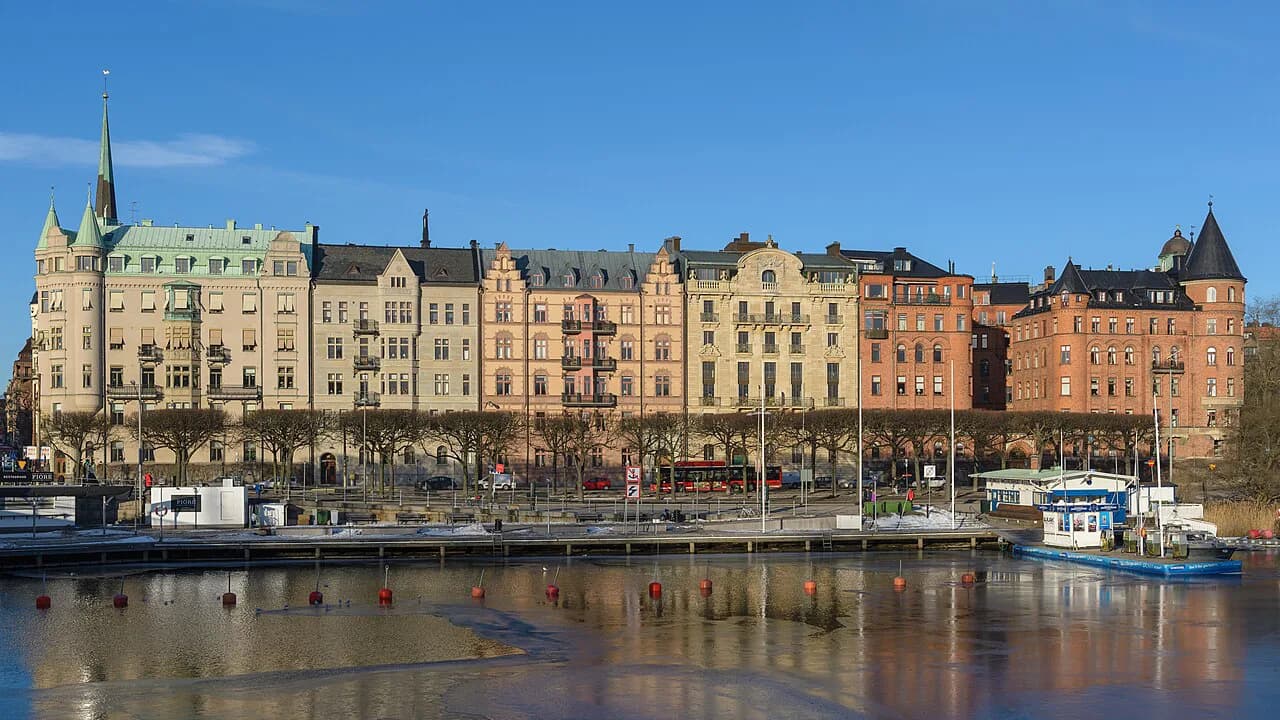
Last updated July 2026, this Östermalm Stockholm guide breaks down Stockholm's poshest quarter east of Kungsträdgården so you know what to see, what it costs, and how much time to give it. Expect grand waterfront mansions along Strandvägen, the historic food stalls of Östermalmshallen market hall, upscale boutiques along Biblioteksstan, and a cluster of museums that most visitors either rush through or skip entirely. This guide separates the free, walkable core from the paid, detour-worthy Ladugårdsgärdet museums so you can decide how much of Östermalm actually fits your trip.
Östermalm Stockholm Guide: Quick Orientation
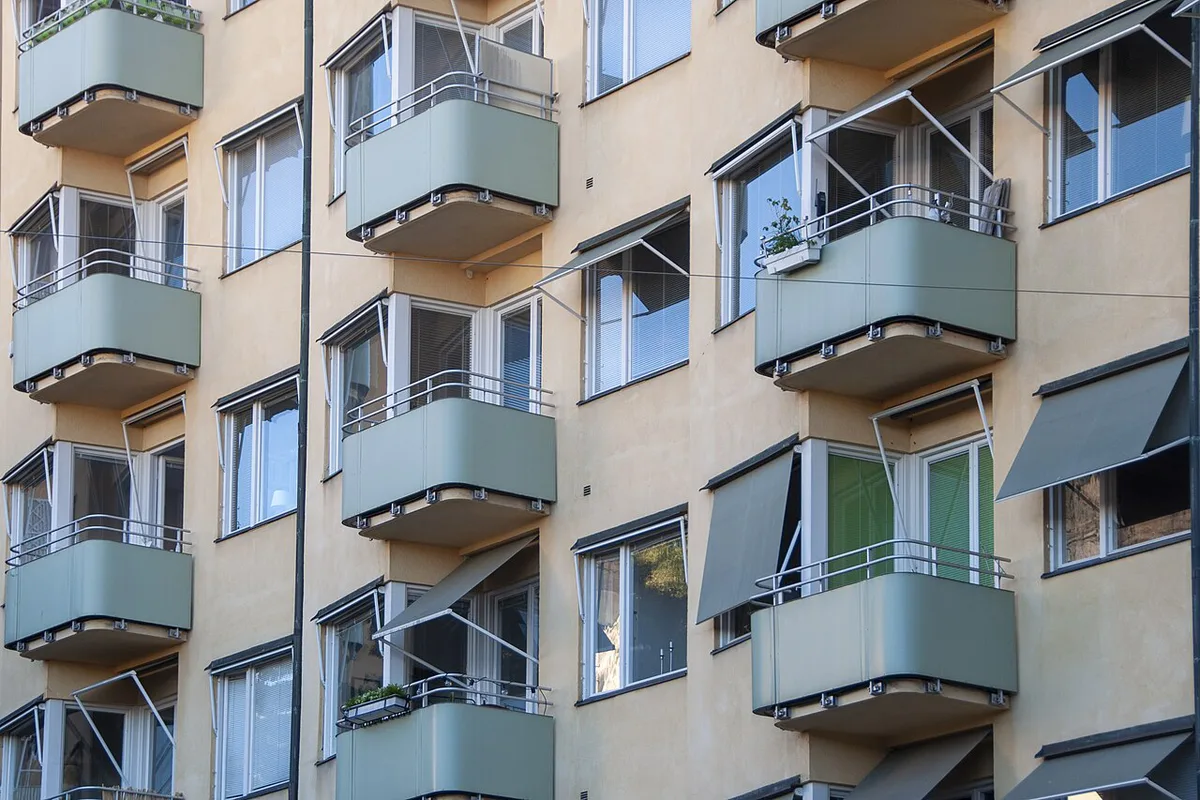
Östermalm sits in the eastern part of inner-city Stockholm, running from Sveavägen to Valhallavägen and extending into the neighborhoods of Gärdet, Norra Djurgårdsstaden, and Hjorthagen. It's Stockholm's most consistently upscale address, built up from the 1880s onward with blocks of townhouses and residential buildings for the city's wealthier residents — the district was known as Ladugårdslandet before that redevelopment gave it its current name. Expect high-end shopping, fine dining, posh bars, and a concentration of cultural institutions rather than budget hostels or student nightlife. This makes Östermalm best suited to travelers prioritizing architecture, museums, and shopping over nightlife density or a tight budget — if that's not your trip, browse under-the-radar Stockholm spots elsewhere in the city first.
Östermalm's polished reputation masks its accessible core: Strandvägen's waterfront walk, Östermalmshallen's stalls, and Biblioteksstan's window-shopping require no ticket, making the district worthwhile even on budget trips.
Best Things to Do: Architecture, Museums, and Culture
Östermalm's central sights cluster around Östermalms Torg and Karlaplan, within easy walking distance of each other. The district's cultural landmarks span theater, film, sport, and military history, and most can be covered on foot in a single loop:
- Royal Dramatic Theatre (Kungliga Dramatiska Teatern) — founded in 1788; the national theater has occupied its Art Nouveau building overlooking Nybrokajen since 1908, with five stages and a summer terrace bar (confirm the current show schedule before booking).
- National Library (Kungliga biblioteket) — Sweden's national library, based in Humlegården park since 1878, now also archiving Swedish radio, TV, film, and music recordings.
- Zita cinema — an independent cinema that has operated since 1913 (verify the current program and hours locally).
- Filmhuset — headquarters of the Swedish Film Institute at Gärdet, a brutalist building with a film-literature library and two screens used by the Swedish Cinematheque.
- Stockholm Olympic Stadium — built for the 1912 Olympic Games and still used for sports events and concerts.
- Army Museum (Armémuseet), Riddargatan 13 (address to confirm) — exhibitions covering Swedish military history from the 1500s to today.
- Swedish History Museum (Historiska Museet), Narvavägen 13–17 (address to confirm) — Viking-era artifacts, a Gold Room, and medieval collections.
- Royal Stables — a working stable in a historic building dating to 1890, with guided visits of horses, carriages, and harnesses.
Östermalmshallen and Biblioteksstan: Market Hall and Shopping
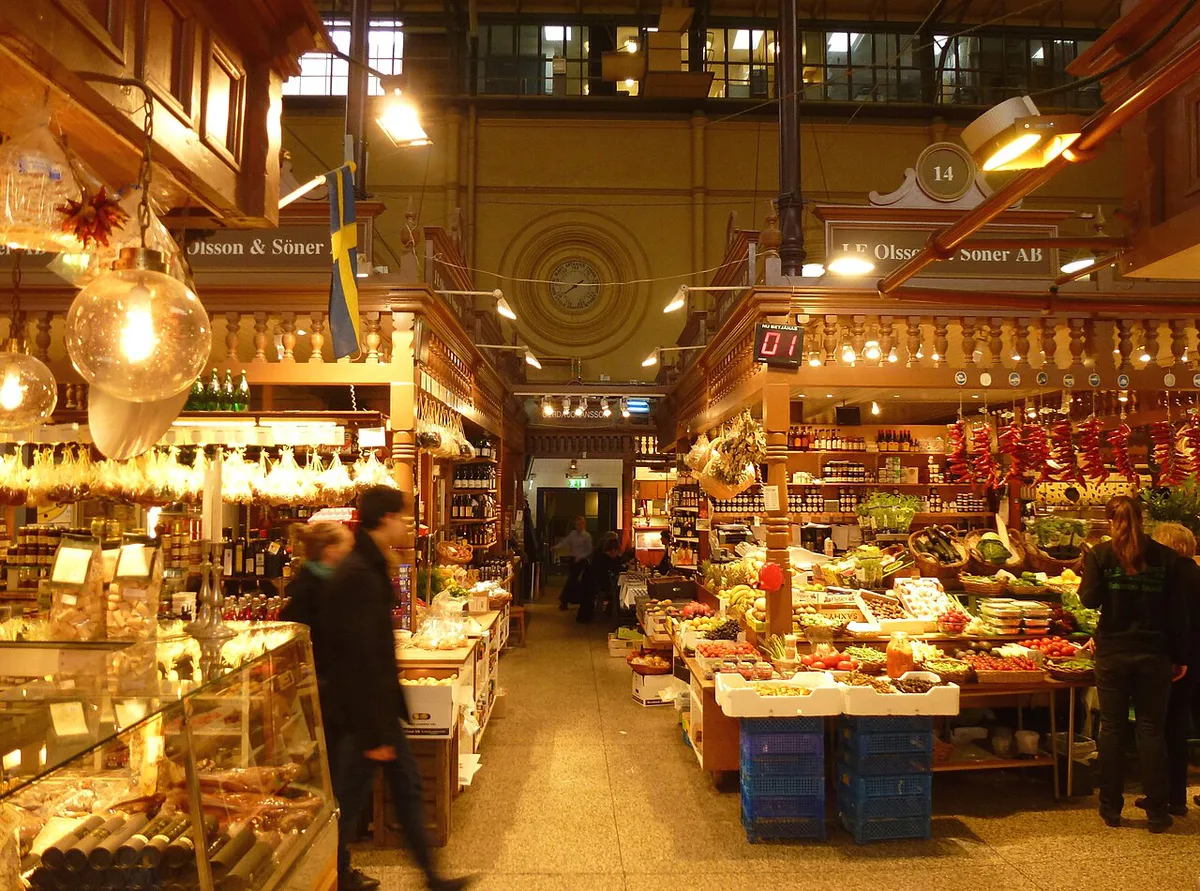
Östermalmshallen has operated as the district's covered food market since the late 19th century, with vendors selling fresh fish, meat, cheese, and other delicacies inside a landmark industrial-era building; expect roughly a dozen or more individual traders under one roof, and confirm the current vendor line-up on-site since stalls change. It's as much a browsing destination as a place to eat, and pairs naturally with a wider look at Stockholm's local food scene or a stop from top local restaurant picks. A few streets over, Biblioteksstan is Östermalm's shopping quarter — a concentration of Scandinavian and international fashion and design brands aimed at browsing rather than bargain-hunting.
The Ladugårdsgärdet Extension: Is the Extra Walk Worth It?
A second museum cluster sits in Ladugårdsgärdet, east of central Östermalm, reachable via roughly a 20-minute walk along the waterfront promenade of Strandvägen. Treat this as a deliberate detour rather than an extension of the core district — conflating the two is one of the biggest planning mistakes visitors make. Two museums anchor the cluster: Scenkonstmuseet (Swedish Performing Arts Museum), with interactive exhibits on theater, dance, and music history, and Etnografiska museet (the Ethnographic Museum), with ethnographic collections gathered largely by Swedish explorers of earlier centuries. If your time in Östermalm is limited to a couple of hours, the central sights alone are the higher-yield choice; only add Ladugårdsgärdet if you have a genuine interest in performing arts or ethnographic collections and an extra hour or more to spare for the round trip.
Costs, Hours, and Booking Notes
Much of Östermalm costs nothing to experience: walking Strandvägen's waterfront, browsing Östermalmshallen's stalls, and window-shopping Biblioteksstan are all free, making the district worth a visit even on a tight budget — see more free things to try around the city. What isn't free is museum and theater admission: six of Östermalm's marquee sights — the Army Museum, Swedish History Museum, Scenkonstmuseet, Etnografiska museet, Royal Dramatic Theatre performances, and Royal Stables tours — are all ticketed, and each keeps its own hours and calendar rather than sharing a combined pass. Confirm current opening hours, ticket prices, and any seasonal closures directly on each venue's official site before you go, since none of that is fixed here.
How Much Time to Plan
Budget a half-day for the central Östermalm core near Östermalms Torg and Karlaplan — enough time to walk Biblioteksstan, browse Östermalmshallen, and visit one or two museums or the Royal Dramatic Theatre's exterior and terrace. Add a full day if you're including the Ladugårdsgärdet cluster, since the roughly 20-minute walk each way along Strandvägen plus two more museums easily doubles your time on the ground. Pair either plan with a look at when to visit without crowds before you fix your dates.
Östermalm's biggest planning pitfall: conflating the central district (half-day) with Ladugårdsgärdet's museum cluster requiring a full day, including 40-minute round-trip walking along Strandvägen. Separating these prevents under-budgeting time.
Getting Around: Access and Route Planning
Strandvägen is the key walking corridor in Östermalm — it runs along the waterfront from the central district out toward Ladugårdsgärdet, and it's the route both local guides and Visit Stockholm point to for reaching the eastern museum cluster on foot in around 20 minutes. Because the district sits centrally within inner-city Stockholm, it also works well as a base if you're planning day trips beyond the city, giving you a quieter neighborhood to return to each evening rather than a nightlife-heavy base. Confirm current public transit routes and journey times with SL, Stockholm's transit operator, before you travel, since specific lines and schedules aren't fixed in this guide.
Östermalm vs. Other Stockholm Neighborhoods
Östermalm isn't the only base worth considering in Stockholm, and it isn't the right fit for every trip. Use the comparison below, then see the full how Stockholm's districts compare breakdown before you commit to a neighborhood.
| Neighborhood | Best For | Vibe |
|---|---|---|
| Östermalm | Museums, architecture, upscale shopping | Polished, quiet, higher-budget |
| Södermalm | Nightlife, vintage shopping, viewpoints | Bohemian, youthful |
| Vasastan | Residential streets, local cafes | Relaxed, low-key |
| Kungsholmen | Waterfront walks, City Hall views | Green, residential |
| Djurgården | Parks, open-air and green-space museums | Leafy, family-friendly |
- If Östermalm's museum-and-shopping focus isn't the trip you're after, explore Södermalm instead for nightlife and vintage shopping.
- For a more residential, low-key base, Vasastan's quiet streets are a closer fit.
- For waterfront walks without Östermalm's price tag, try Kungsholmen's lakeside setting.
- For green space alongside culture, Djurgården's park museums are the closer match.
Mistakes to Avoid
A few planning missteps come up often enough with Östermalm to flag directly:
- Treating Östermalm and Ladugårdsgärdet as one walkable district — they're connected by a roughly 20-minute walk along Strandvägen, not next door to each other.
- Assuming museums share one combined ticket or schedule — Armémuseet, Historiska Museet, Scenkonstmuseet, and Etnografiska museet each run independently.
- Skipping Östermalm because it 'sounds expensive' — walking Strandvägen, browsing Östermalmshallen, and window-shopping Biblioteksstan cost nothing.
- Not confirming opening hours or ticket prices before arriving, since none of Östermalm's museums or theaters share a single operating calendar.
Stureplan and Evening Plans
Östermalm is quiet by day in many residential blocks, but its nightlife concentrates around Stureplan, where Birger Jarlsgatan, Sturegatan, and Biblioteksgatan meet near the western edge of the district. Treat this as a separate evening add-on rather than part of a museum day: it pairs best with Biblioteksstan shopping, dinner around Östermalmstorg, or a short walk from Humlegården, not with the Ladugårdsgärdet museum detour.
The area is more polished than Södermalm, with dressier bars, hotel lounges, and club entrances clustered around Stureplan and Sturegallerian. It is useful if you want a refined night out close to central Stockholm, but less useful if you are looking for casual late bars, live-music grit, or cheaper drinks. Check individual venues before going, since door policies, age limits, guest lists, and opening nights vary by place.
Frequently Asked Questions
What is Östermalm known for in Stockholm?
Östermalm is known as Stockholm's most upscale district — high-end shopping along Biblioteksstan, the historic Östermalmshallen market hall, grand waterfront architecture on Strandvägen, and a concentration of museums and theaters including the Royal Dramatic Theatre and the Army Museum.
How much time do you need to see Östermalm?
Plan a half-day for the central core around Östermalms Torg and Karlaplan, or a full day if you're adding the Ladugårdsgärdet museum cluster, since that adds roughly a 20-minute walk each way along Strandvägen plus two more museums.
Is Östermalm worth visiting if you're on a budget?
Yes — walking Strandvägen's waterfront, browsing the stalls at Östermalmshallen, and window-shopping Biblioteksstan are all free. The costs come from optional museum and theater admission, which you can skip entirely and still get a feel for the district.
What's the difference between Östermalm and Ladugårdsgärdet?
Östermalm refers to the central, walkable district with the market hall, shopping streets, and theaters, while Ladugårdsgärdet is a separate museum cluster to the east, reached by a roughly 20-minute walk along Strandvägen — treat it as a deliberate add-on, not part of the core neighborhood.
How do you get from central Östermalm to the Ladugårdsgärdet museums?
The most direct route is on foot along Strandvägen, Östermalm's waterfront promenade, which takes roughly 20 minutes to reach Ladugårdsgärdet; confirm current public transit alternatives with SL if you'd rather not walk.
Which Stockholm neighborhood should you pick if not Östermalm?
If nightlife and vintage shopping matter more than museums, Södermalm is the better fit; for a quieter residential base try Vasastan, for waterfront walks try Kungsholmen, and for parks alongside culture try Djurgården.
Continue exploring
More guides you'll find useful