Best Time to Visit Stockholm Without Crowds: Seasonal Guide & Tips
Discover the best time to visit Stockholm without the crowds. Compare shoulder season weather, daylight hours, and local costs to plan a quiet 2026 getaway.
On this page
Best Time to Visit Stockholm Without Crowds
Last updated July 2026, this guide breaks down the best time to visit Stockholm without crowds using month-by-month patterns in weather, daylight, and tourist volume. Peak season from June through August brings near-endless daylight and a full archipelago boat schedule, but it also means packed lanes in Gamla Stan and long queues at Skansen. Shoulder months like May and September offer a calmer trade-off: mild temperatures, thinner crowds, and lower prices without sacrificing much daylight.
Best Time to Visit Stockholm Without Crowds: The Short Answer
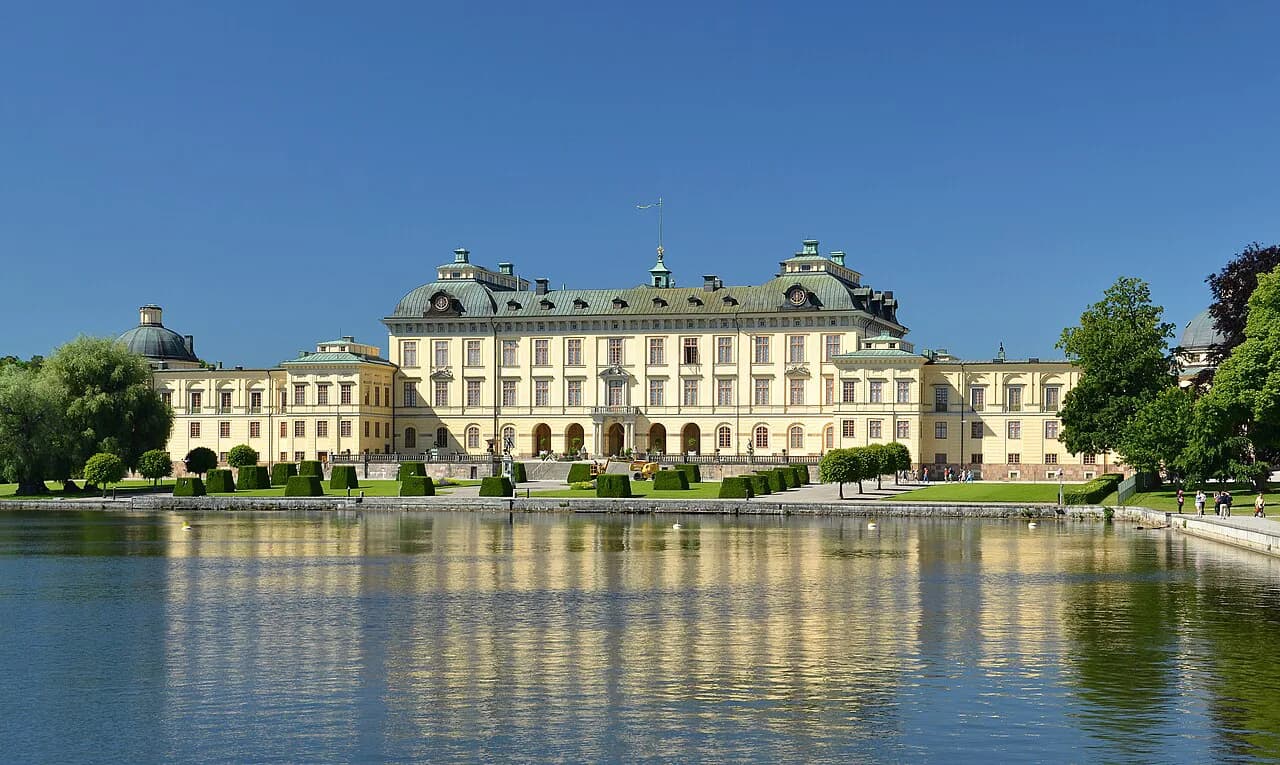
If there is one answer to when is the best time to visit Stockholm without crowds, it is May or September. Both months sit in the shoulder season, when parks and waterfront paths turn green, terrace season is underway, and neither Gamla Stan's lanes nor the Vasa Museum queue are choked with tour groups. From May through early July the city typically holds at a mild 15-20°C (59-68°F), almost as warm as peak summer, but with noticeably lighter foot traffic than the July-August stretch, when Baltic cruise ships and vacationing Swedes converge on the same handful of sights at once. Early June, before Midsummer, is a close runner-up for travelers who want maximum daylight with minimum density.
May and September both rank as shoulder-season sweet spots with low-to-medium crowds, yet diverge significantly: May delivers mild 15-20°C warmth and long sunlit evenings, while September brings crisp cooling air and shortening daylight. Together they bookend Stockholm's best compromise between weather, light, and solitude.
Seasonal Breakdown: Crowds, Weather, and Daylight Month by Month
Stockholm's crowd curve tracks its weather and daylight closely, which makes it possible to plan a visit around both instead of guessing. The season comparison below maps what to expect month by month, from the quiet cold-weather stretch through the height of summer congestion, so you can weigh temperature and light against how busy the streets will feel.

| Month | Weather | Daylight | Crowd Level | Key Notes |
|---|---|---|---|---|
| April | Cool and changeable, occasional late snow | Lengthening quickly | Low | City still quiet before the shoulder season begins |
| May | Mild, around 15°C (59°F) | Long, sunlit evenings | Low-Medium | Sweet-spot month: parks green, terraces open, lines short |
| June (to Midsummer) | Warm, 15-20°C (59-68°F) | Near-endless, about 18 hours | Medium, rising fast | Midsummer (mid-June) empties the city as locals head to the countryside |
| July | Warm, upper end of 15-20°C (59-68°F) | About 18 hours | High / Peak | Baltic cruise ships dock daily; Gamla Stan and Skansen busiest |
| August | Warm, holding near 15-20°C (59-68°F) | Long but shortening | High | Swedes return from vacation; festival season continues |
| September | Cooling, crisp air | Shortening steadily | Low-Medium | Cruise ship calls taper off; second sweet-spot month |
| October-November | Cold, nights draw in | Short | Low | Some archipelago ferries and niche museums cut back hours |
| December-March (winter) | Cold, can drop to -3°C (27°F) | As little as 6 hours | Low, except a cozy December peak | Christmas markets in Gamla Stan and at Skansen draw locals in December |
Spring in Stockholm: The Awakening (April-May)
Spring arrives unevenly: April can still deliver a late snow flurry across Gamla Stan's rooftops, and the shift out of winter takes visitors by surprise if they expect Scandinavian spring to mirror central Europe's. By May, though, the trade-off tips firmly in your favor a mild 15°C (59°F) average, blossoming parks, and a city that has not yet filled with summer tour groups. Late May is one of the most photogenic low-crowd windows of the year, and hotel and tour pricing still sits closer to shoulder-season rates than the July squeeze, making it a strong pick for travelers weighing weather against crowd tolerance.
Early Summer: Why Early June Beats July
Early June is arguably the best-kept secret on the calendar: daylight is already stretching toward the summer's roughly 18-hour high, gardens and outdoor cafes are in full swing, and the crowds that will fill Gamla Stan by July have not yet arrived in force. The city then empties out again around Midsummer, the third weekend in June, when many Swedes leave the capital for the countryside, temporarily thinning central crowds even as temperatures climb into the 15-20°C (59-68°F) range. Visitors who time a trip for the first two weeks of June get most of summer's daylight and warmth without July's density or the cruise-ship traffic that peaks a few weeks later.
Late Summer and Autumn: September and the Cruise Ship Exodus
By September, the Baltic cruise ships that dock through the height of summer begin tapering off their calls, and Gamla Stan's alleys noticeably thin out even as the weather stays crisp and pleasant. Swedes are back at work and school, daylight is still generous compared with the shoulder season's other bookend, and outdoor dining continues into the month. September functions as a second sweet spot alongside May, combining shoulder-season quiet with weather that has not yet turned properly cold, and it is a strong choice for travelers who want to avoid the deepest summer congestion without giving up mild conditions.
Winter Solitude: November Through March
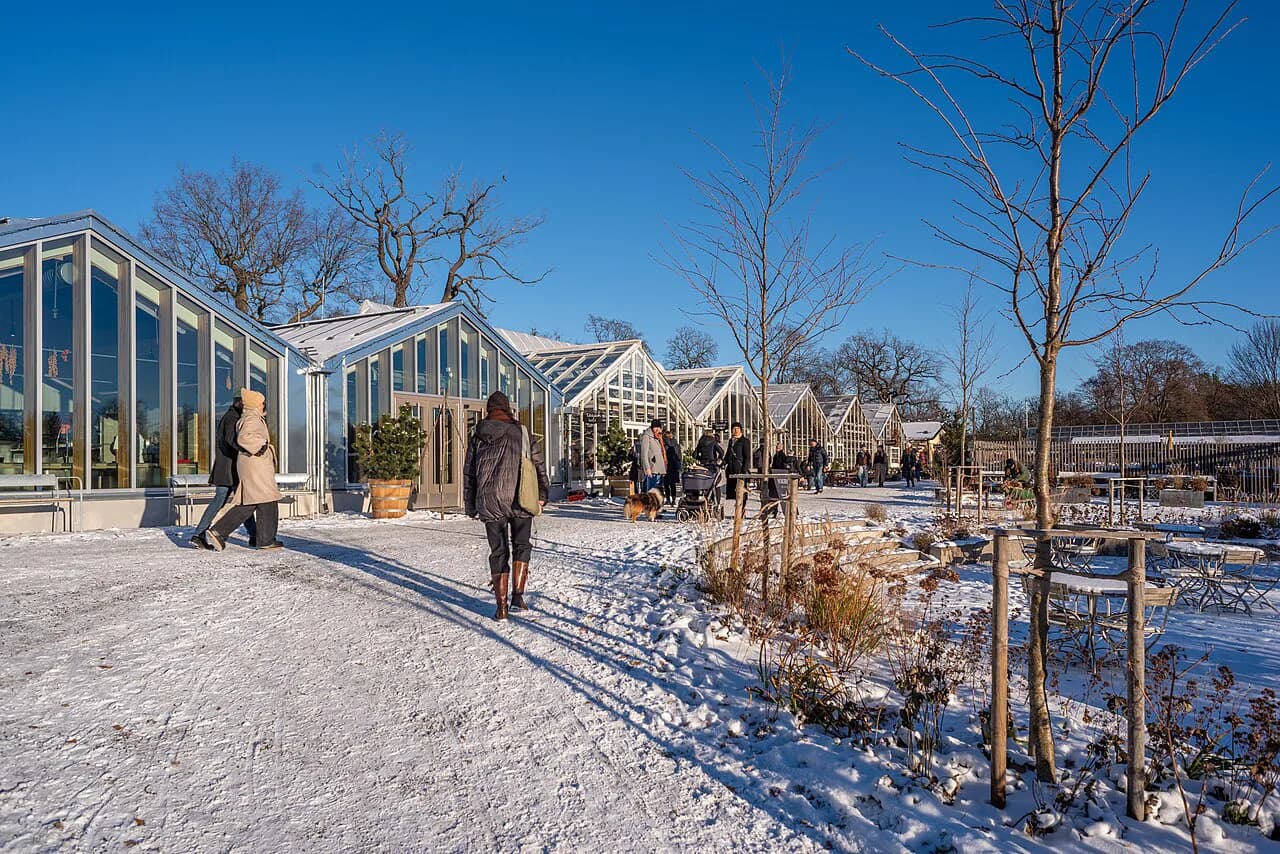
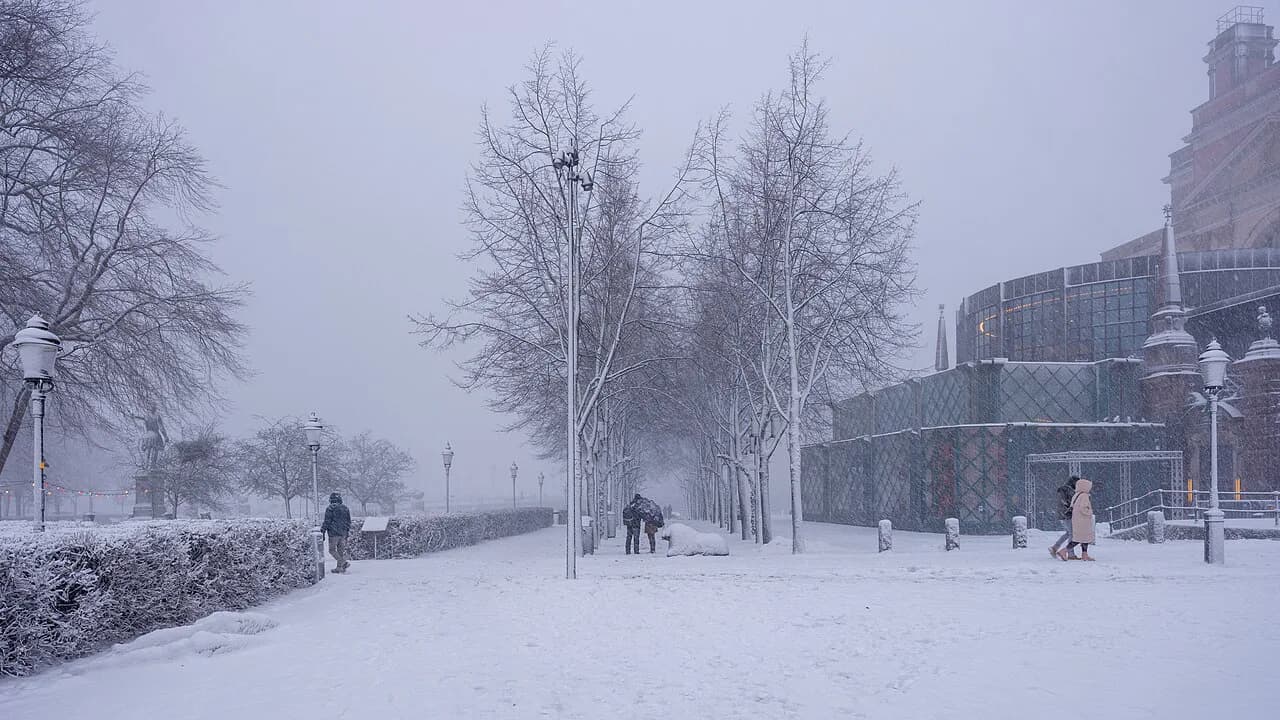
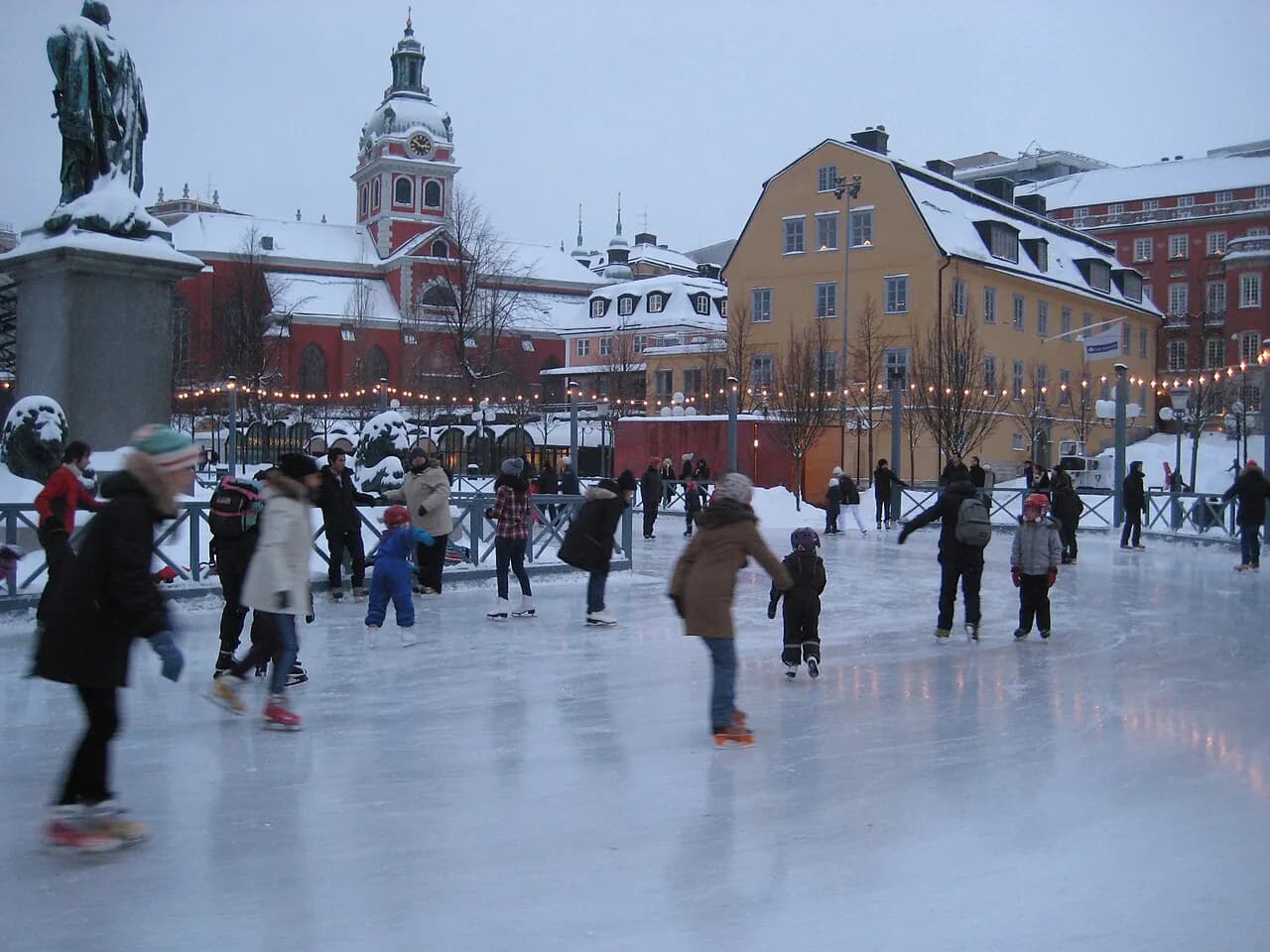
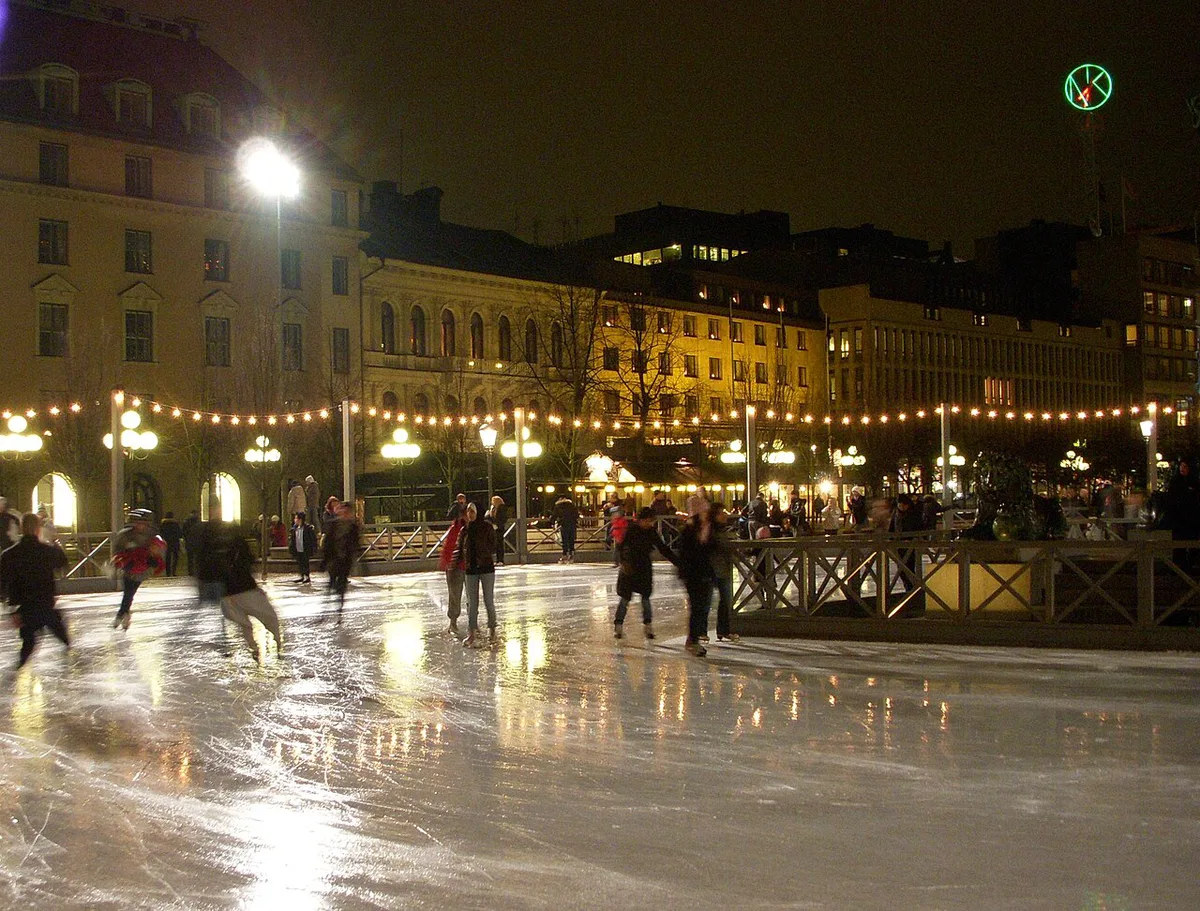
From November through March, Stockholm sees the fewest visitors of the year, and popular sights that require timed-entry booking in summer often have walk-up availability instead. Temperatures can drop to -3°C (27°F) in the coldest stretches, and daylight shrinks to as little as 6 hours in December and January, so this is genuinely a trade of comfort and light for solitude. December is the exception to the quiet rule: Christmas markets in Gamla Stan and at Skansen draw a cozy local crowd even though snow is not guaranteed, so travelers who want winter's near-total emptiness without the holiday bump should target January or February instead.
The Daylight Factor: Stockholm's Unique Light Constraint
Stockholm's far-northern latitude makes daylight, not just temperature, a genuine planning variable. Midsummer brings close to 18 hours of usable light, so even a crowd-conscious visit timed for June or early July leaves long evenings free for the archipelago, Djurgården's parks, or a late fika. At the opposite extreme, deep winter can offer as little as 6 hours of daylight, meaning a quiet November or January trip trades away most of the afternoon to darkness. Balancing the two factors time of year against time of day is the core decision behind any crowd-avoidance strategy here, and shoulder months like May and September are the closest the city gets to a compromise between the two extremes.
How to Experience Gamla Stan and the Vasa Museum Without the Masses
Crowds in Gamla Stan often follow the Baltic cruise ship docking schedule as much as the calendar, so checking which ships are in port that day and visiting before mid-morning or after late afternoon can matter more than the season alone. The Vasa Museum is similarly cyclical: arriving at opening or in the last two hours before closing avoids the tour-bus rush that clusters around midday. For a quieter alternative to the old town's busiest lanes, the hidden gems around Stockholm and the city's off-the-beaten-path corners offer the same historic character with a fraction of the foot traffic, especially outside the June-August peak. The same logic applies to the archipelago: ferries run far less often outside summer, so a quiet-season boat trip needs a checked timetable rather than an assumption of frequent departures.
Neighborhood Guide for a Quiet Stockholm Stay
Choosing where to base a trip does as much to control crowd exposure as choosing when to go. The city's neighborhoods guide breaks down the full picture, but a few districts stand out for a quieter shoulder-season stay:
Crowd avoidance hinges on multiple timing dimensions: daily timing in Gamla Stan often matters as much as choosing the right month, since crowds there follow Baltic cruise ship docking schedules. Pairing this intra-day strategy with neighborhood selection—Södermalm, Vasastan, Kungsholmen, Östermalm—over central attractions builds a more complete solitude strategy.
- Södermalm's residential lanes stay busy with locals rather than tour groups, even in high summer.
- Vasastan's quiet streets put you a short transit ride from the center without the old-town density.
- Kungsholmen's waterfront paths offer Lake Mälaren views with far fewer visitors than Djurgården's museum row.
- Östermalm's residential blocks suit travelers who want upscale calm within walking distance of the center.
- Djurgården's parkland gets crowded near Skansen and the Vasa Museum but stays peaceful toward its outer trails.
Costs, Tickets, and Off-Peak Logistics
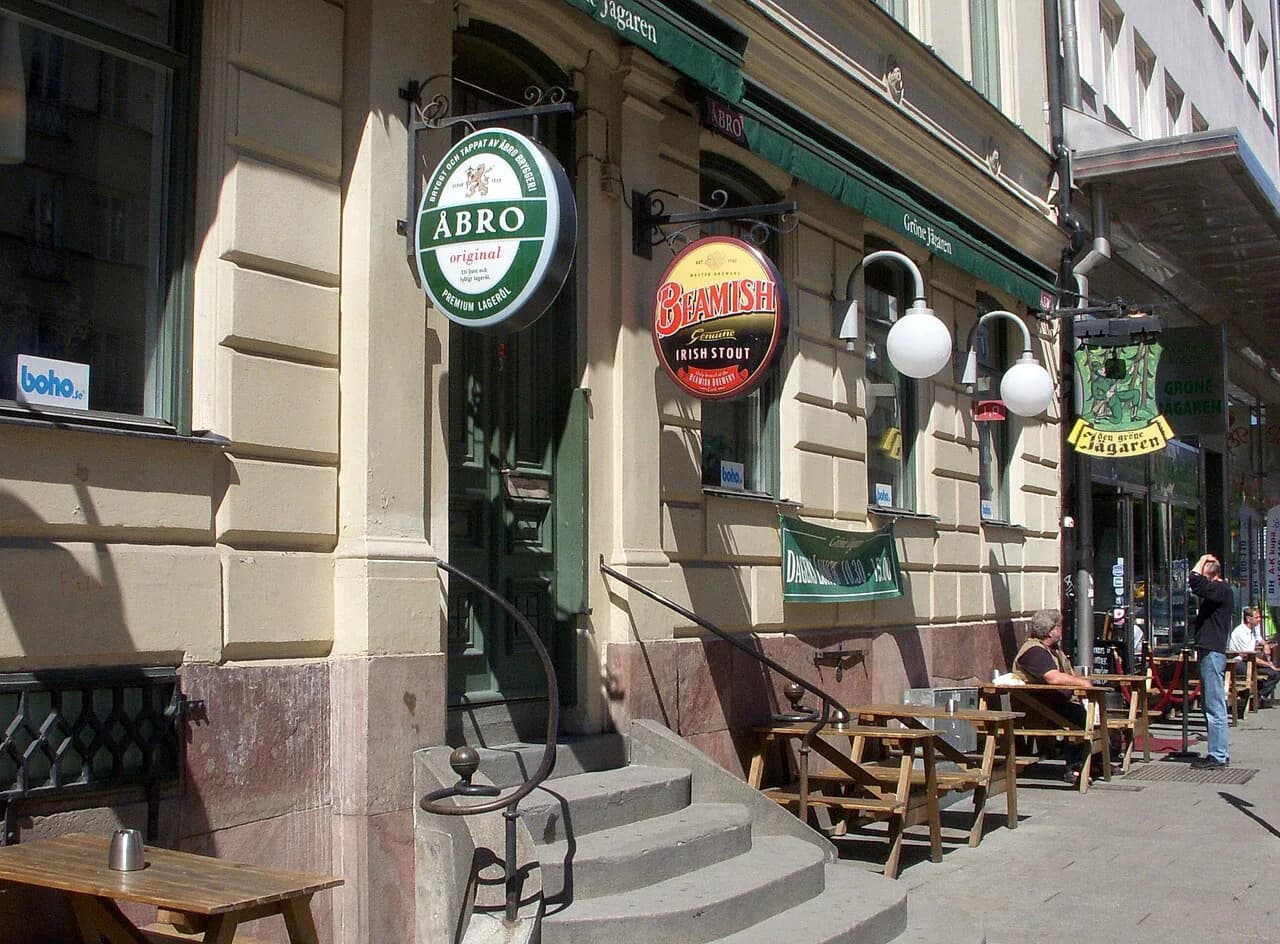
Off-peak travel pays off in Stockholm's restaurant economy as much as in ticket lines. The city's local food guide and its picks for local restaurants both point to the trick locals use year-round: order the Dagens lunch between 11:00 and 14:00 for a set meal with salad, bread, and coffee for around SEK 80-100, instead of paying SEK 200 or more for the same restaurant's dinner menu. In our editorial assessment, accommodation follows a similar seasonal curve a standard double room that runs roughly 900 kr a night in shoulder-season May or September can climb past 1,500 kr during the July peak, when Midsummer travelers and cruise-ship passengers compete for the same rooms. For getting around, the SL transit app covers the metro, buses, trams, and inner-city ferries on a single ticket, and off-peak months mean fewer crowded carriages during rush hour. Alcohol bought for a hotel room or self-catered stay is cheaper through Systembolaget, the state-run retailer, than by the glass in a restaurant.

Mistakes to Avoid When Seeking Solitude in Stockholm
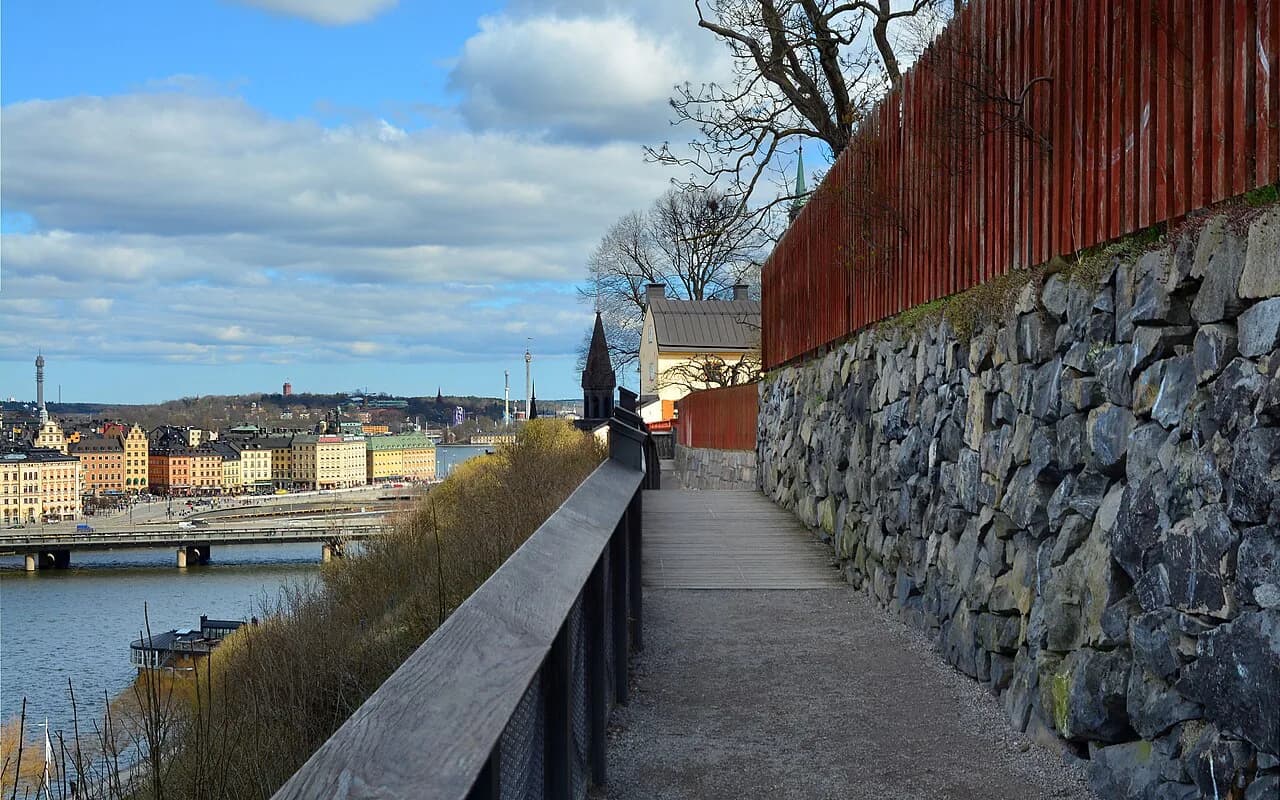
The most common trap for solitude-seekers is the Monday closure many Stockholm museums and smaller attractions post reduced hours or shut entirely on Mondays, which can undercut an otherwise well-timed off-season visit. Archipelago ferry frequencies also drop sharply outside June-August, so a shoulder-season or winter day trip needs a checked timetable rather than an assumption that boats run as often as they do in summer. Winter travelers who want to avoid crowds but also dislike short days should build in indoor options like Stockholm's subway art stations, which stay uncrowded and are not dependent on daylight. Quiet, less-visited spots such as Skogskyrkogården's wooded grounds and the view from Monteliusvägen's walking path stay peaceful nearly year-round, but confirm opening hours before making them the centerpiece of a winter itinerary, since some facilities scale back outside the June-August season.
Local Tips for a Crowd-Free Stockholm Itinerary
Build a shoulder-season day around the same logic locals use: mornings for the marquee sights, afternoons for wandering. Stockholm's secret spots around the city and its list of unique things to do both work well as afternoon fillers once the cruise-ship crowds have thinned out of Gamla Stan. Because so many of the best low-crowd options cost nothing, it is worth checking the roundup of free things to do before booking paid attractions. For a full day away from the center entirely, several day trips from Stockholm reach quieter parts of the archipelago and countryside, though shoulder-season and winter travelers should confirm reduced ferry schedules before committing to a route.
Should You Buy a Stockholm Pass in the Off-Season?
A city sightseeing pass can be useful in July, when you are likely to stack paid sights on Djurgården, boat tours, and central museums into long daylight hours. In quieter months, check the arithmetic more carefully before buying. Stockholm’s off-season advantage is slower pacing, but that also means fewer usable hours, more Monday closures, and reduced schedules for seasonal attractions such as archipelago cruises.
Compare the pass against your actual plan, not a best-case itinerary. If your day is built around the Vasa Museum, Skansen, Fotografiska, the Nobel Prize Museum, and one boat tour, it may save money. If you mainly want Gamla Stan walks, Monteliusvägen views, Stockholm subway art, cafes in Vasastan, and free waterfront wandering on Kungsholmen, individual tickets usually give you more flexibility. Always check each attraction’s official opening hours before purchase, especially from October through April.
Frequently Asked Questions
What is the best time to visit Stockholm without crowds?
May and September are the best windows: both sit in the shoulder season, when temperatures hover around 15°C (59°F), daylight is still generous, and Gamla Stan and the Vasa Museum see far fewer visitors than the June-August peak.
Is Stockholm crowded in December?
December brings a cozy exception to winter's quiet: Christmas markets in Gamla Stan and at Skansen draw local crowds even though the rest of the season, from January through March, is genuinely low-traffic.
How much daylight does Stockholm get in winter versus summer?
Daylight swings dramatically with the seasons around 18 hours near Midsummer in June, dropping to as little as 6 hours during the darkest weeks of December and January, so a crowd-free winter trip trades away most of the afternoon light.
Do Stockholm's archipelago ferries run less often outside summer?
Yes. Ferry frequencies drop significantly once the June-August season ends, and some routes and niche museums reduce hours or close outright, so shoulder-season and winter day trips need a checked timetable rather than an assumption of summer-level service.
Is it cheaper to visit Stockholm outside peak summer?
Generally yes: in our editorial assessment, a standard double room that runs roughly 900 kr a night in shoulder-season May or September can climb past 1,500 kr during the July peak, and the Dagens lunch deal, around SEK 80-100 for a full meal between 11:00 and 14:00, keeps food costs down any time of year.
Continue exploring
More guides you'll find useful