9 Unique Things to Do in Stockholm: A Local's Guide to Hidden Gems (2026)
Discover 9 unique things to do in Stockholm in 2026 — from the subway art gallery to hidden 18th-century streets — plus local tips on cost, timing, and crowds.
On this page
9 Unique Things to Do in Stockholm You Won't Find on the Standard Checklist
Last updated July 2026, this guide rounds up unique things to do in Stockholm for travelers who have already covered Gamla Stan and the Vasa Museum. Stockholm is built across fourteen islands where Lake Mälaren meets the Baltic Sea, and that city-on-water layout makes it easy to swap the standard checklist for painted subway platforms, hidden 18th-century streets, and a woodland cemetery recognized by UNESCO. Each pick below lists cost, time commitment, and crowd level so you can slot it into your itinerary quickly.
Beyond the Tourist Trail: What Makes Stockholm Unique
Stockholm is built across fourteen islands where Lake Mälaren meets the Baltic Sea, and that city-on-water layout is exactly why so many unique things to do in Stockholm cluster around bridges, waterfront paths, and hilltop lookouts rather than a single historic core. For travelers short on time, three picks stand out above the rest: ride the Tunnelbana art line, watch sunset from Skinnarviksberget, and wander the wooden shipyard streets on Djurgården. Pair this guide with a look at Stockholm's hidden gems or these secret spots around the city, and browse more off-the-beaten-path Stockholm picks for additional ideas.
9 Unique Things to Do in Stockholm
These nine picks trade the standard checklist for underground art, hilltop picnic spots, hidden streets, and a UNESCO cemetery, each with practical notes on cost, timing, and how busy it tends to get.
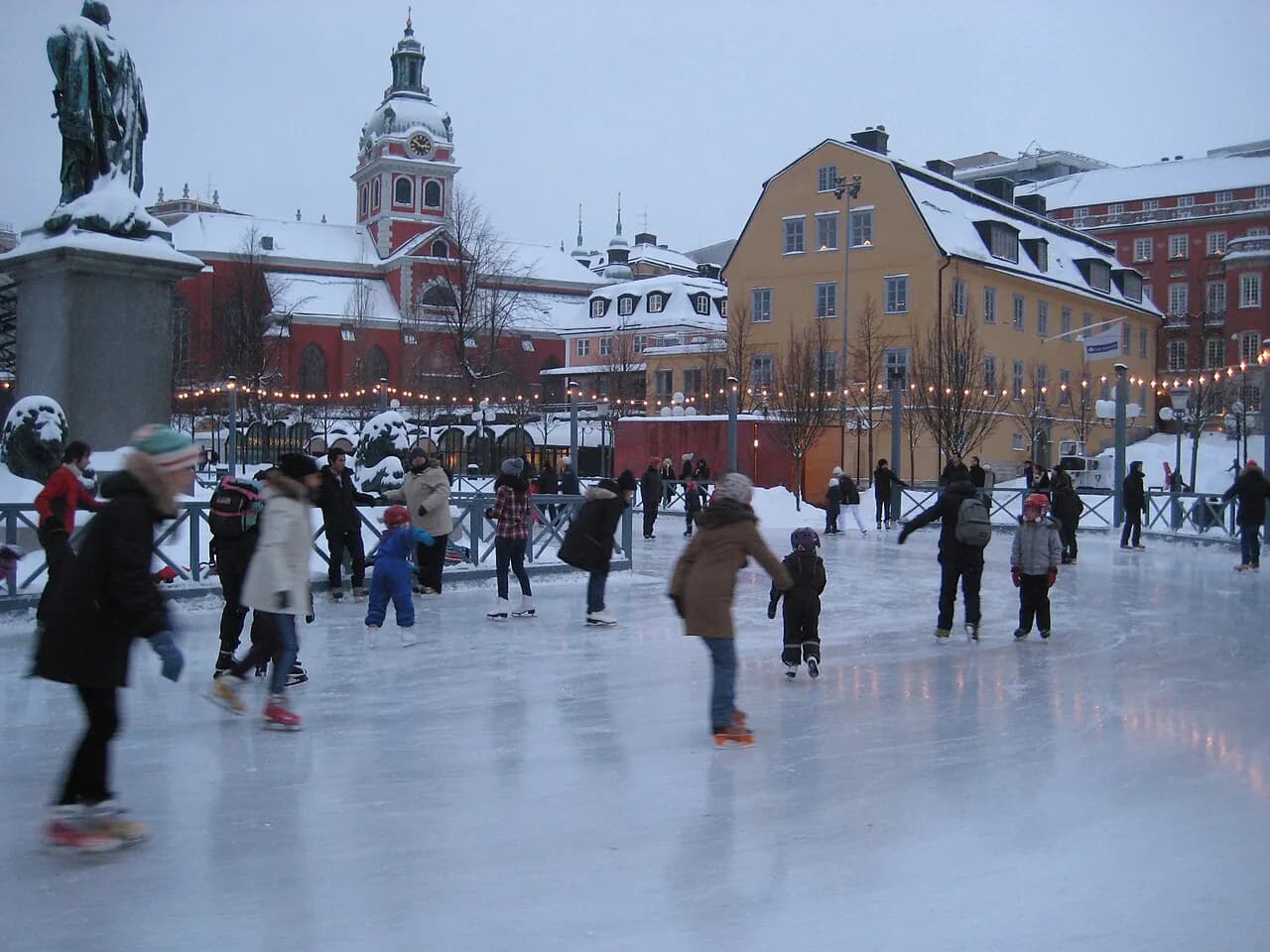
Stops like Kungsträdgården on the Tunnelbana transform seasonally—cherry blossoms in spring, ice rinks in winter. Viewpoints like Skinnarviksberget and Monteliusvägen see significantly fewer visitors outside peak summer, reshaping the experience based on travel dates.
- Ride the Tunnelbana Art Line
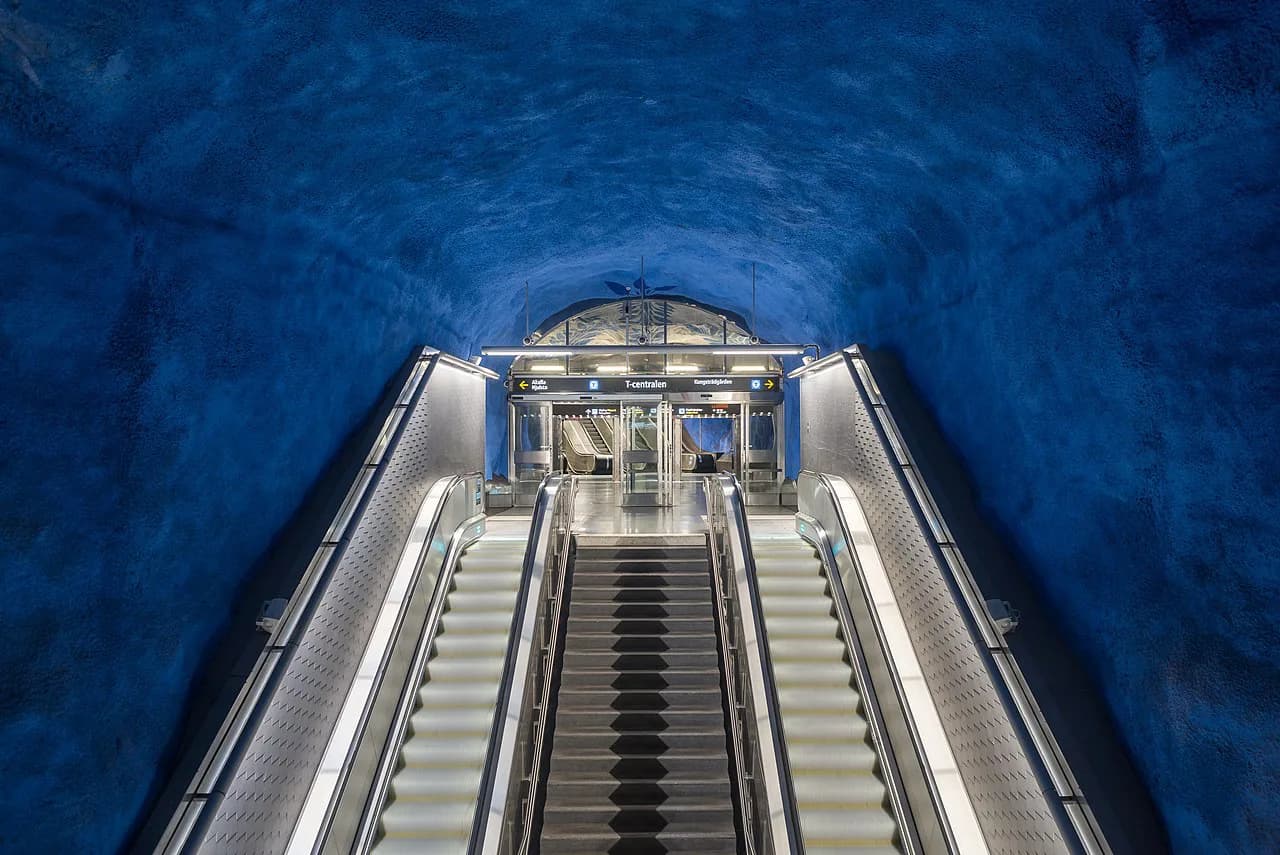
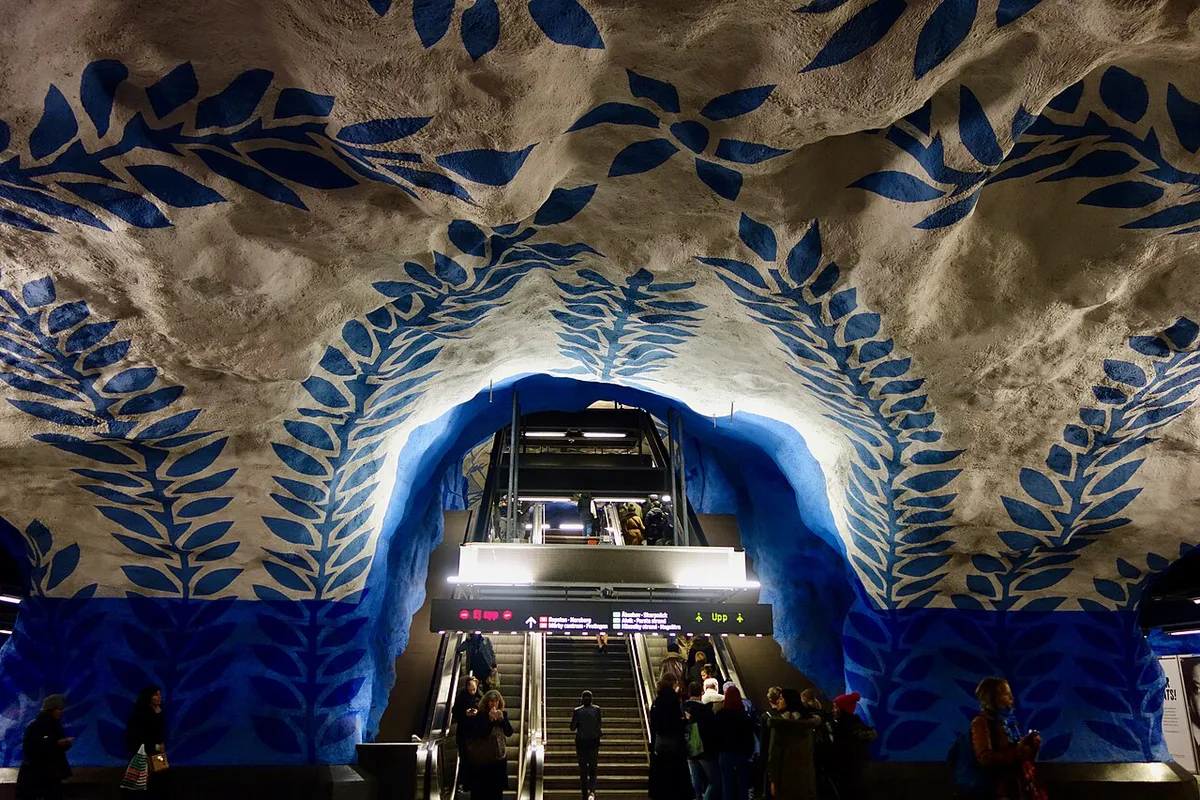
- Stockholm's Tunnelbana doubles as what locals call the world's longest art gallery, with murals, mosaics, and rock-cut sculpture spread across stations on every line.
- T-Centralen's blue-and-white cave ceiling, Kungsträdgården's exposed stone ruins, and Stadion's rainbow-painted arch at Solna Centrum are the stops worth prioritizing if time is limited.
- A standard SL ticket, the same one used for any ride, covers every station, so there's no separate admission to budget for; see the underground art gallery guide for a station-by-station route.
- Watch Sunset from Skinnarviksberget
- This rocky outcrop on Södermalm is where residents gather for sunset rather than the more photographed viewpoints nearby, with open bedrock ledges that work well for an evening picnic over Lake Mälaren.
- It's a short walk from the busier Monteliusvägen path but sees noticeably fewer visitors even during the peak summer months.
- There are no kiosks on-site, so bring food and drink along and expect long daylight hours during the Nordic summer.
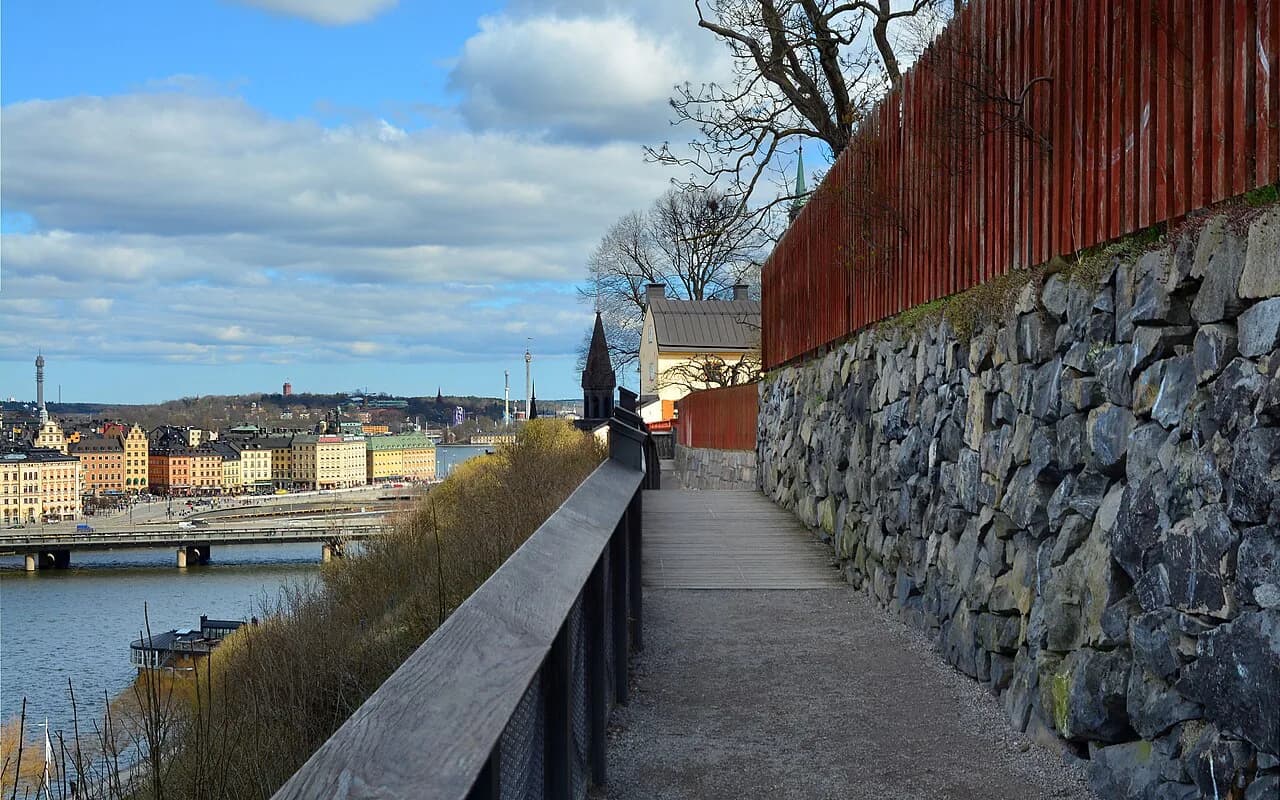
- Walk Monteliusvägen and Mariaberget for a Free Skyline View
- The cliffside path along Monteliusvägen and Mariaberget delivers a wide panorama over Riddarfjärden, Gamla Stan, and City Hall, and it costs nothing and needs no advance ticket.
- Compare that with the City Hall Tower, which only opens from May through August and requires a timed ticket booked ahead of arrival.
- Walk the full route via the Monteliusvägen cliffside walk guide, which also covers the connecting stairs down toward central Södermalm.
- Step Into 18th-Century Stockholm on Djurgården's Old Shipyard Streets
- Östra Varvsgatan and Breda Gatan preserve rows of wooden workers' cottages built for the royal naval shipyard, and walking between them feels closer to a rural village than a capital-city island.
- The nearby Oxenstiernska Malmgården adds a quiet manor-house garden that most day-trippers heading straight to Skansen or the Vasa Museum never find.
- Pair the walk with the rest of Djurgården's sights guide to fit it alongside the island's larger museums.
- Explore Skogskyrkogården, the UNESCO Woodland Cemetery
- Skogskyrkogården, the Woodland Cemetery, is a UNESCO World Heritage Site where architecture and pine forest were designed as one composition, and its Meditation Grove and Chapel of the Resurrection are considered landmarks of Nordic design.
- It sits on the green metro line, which makes it an easy add-on to a day rather than a dedicated half-day trip on its own.
- Read the woodland cemetery guide before visiting, since access points and hours vary by season.
- Hike Beyond Djurgården Into the Royal National City Park
- The Royal National City Park is described as the world's first national city park, stretching from Djurgården's museums north through quieter forest and shoreline that most itineraries skip entirely.
- Walking paths connect the crowded southern tip of Djurgården to secluded stretches further north, so the crowd level drops the farther the walk goes.
- It's free to enter at any point, with no gates or fixed opening hours to plan around.
- Try Traditional Husmanskost at Blå Dörren
- Blå Dörren serves Swedish meatballs and other husmanskost, or home cooking, in a plain, non-touristy dining room rather than a menu built for first-time visitors.
- Pair it with a stop at Stora Bageriet for a historic bakery setting and classic sweet treats such as cinnamon buns.
- For more options beyond these two, see the wider local food scene and more local restaurant picks.
- Brunch Like a Local at Pom och Flora
- Pom och Flora represents the modern Stockholm brunch scene favored by residents over the set breakfast buffets found in the hotel-heavy central districts.
- It works well as a slower, café-style morning to balance out a schedule built around walking routes and viewpoints.
- Weekend mornings run busier than weekdays, so arriving earlier cuts down on the wait.
- Take a Unique Day Trip to the Archipelago or Uppsala
- The Stockholm Archipelago offers a choice between a roughly two-hour scenic boat loop and a full day on a car-free island such as Grinda or Sandhamn, depending on how much time is available.
- Uppsala is about a 45-minute train ride from Stockholm Central Station and swaps islands for Viking-age history and cathedral views instead.
- Compare both routes in the day trip options beyond the city guide before booking transport.
Quick-Glance: Cost, Time, and Crowd Level for Each Pick
Use this quick-glance summary to decide which picks fit a tight schedule and which deserve a slower half-day.
| Experience | Cost | Time Commitment | Best For | Crowd Level |
|---|---|---|---|---|
| Tunnelbana Art Line | Free (with SL ticket) | 1-2 hours | Photographers | Low-Medium |
| Skinnarviksberget Sunset | Free | 1 hour | Solo travelers | Low |
| Monteliusvägen & Mariaberget | Free | 1 hour | Photographers | Medium |
| Djurgården Shipyard Streets | Free | 1-2 hours | History lovers | Low |
| Skogskyrkogården | Free | 1-2 hours | Architecture fans | Low-Medium |
| Royal National City Park | Free | Half-day | Nature lovers | Low |
| Blå Dörren | $$ | 1 hour | Foodies | Medium |
| Pom och Flora | $$ | 1 hour | Foodies | Medium |
| Archipelago or Uppsala | $$-$$$ | Half-day to full day | Day-trippers | Medium-High |
GoCity Essentials Pass vs Individual Tickets
For travelers pairing this list with mainstream sights like the Vasa Museum or Skansen, the GoCity Essentials Pass bundles a handful of paid attractions into one purchase, while the All-Inclusive tier tends to pay off once a trip includes more than three or four ticketed attractions in the same visit. Because most of the unique things to do in Stockholm on this list are free or low-cost on their own, a pass isn't necessary just for this itinerary — it earns its price back once several ticketed mainstream sights get stacked into the same day. Weigh a pass against individual tickets before buying, since paying per attraction can work out cheaper for a lighter schedule.
Neighborhoods and Transit for Reaching These Spots
Several of these spots sit inside specific districts worth building a day around. Skinnarviksberget and the shipyard streets near Djurgården connect naturally with a longer walk through wider Södermalm walks, while the bakery stops overlap with Östermalm's bakery district and Vasastan's café streets. Travelers based near Kungsholmen's waterfront paths are a short walk from the City Hall viewpoint and Rådhuset metro station. For a full district-by-district breakdown, see the Stockholm neighborhoods overview, and check more no-cost activities citywide if budget is a priority. Getting between all of them is simplest through the SL app, which covers Tunnelbana, bus, tram, and ferry tickets in one place rather than hunting down a physical card at a kiosk.
Practical Planning: Mistakes to Avoid in Stockholm in 2026
Stockholm runs almost entirely on card and contactless payment, and a growing number of kiosks and small cafés no longer accept cash at all, so relying on cash is a real risk worth planning around before arrival. Timing changes the experience significantly across seasons: Kungsträdgården hosts cherry blossoms in spring and an open-air ice rink in winter, so the same square looks completely different depending on when a trip lands. For a full seasonal breakdown, including which months keep the viewpoints and archipelago boats less crowded, see the seasonal crowd patterns guide.
Most picks are free entry: the Tunnelbana art line, Skogskyrkogården, and the Royal National City Park. Bring a card or phone for payments, since Stockholm runs almost entirely on card and contactless payment, and kiosks rarely accept cash.
Visit the Hallwyl Museum, a Preserved Palace Time Capsule
If you want one niche museum that still feels distinctly Stockholm, choose the Hallwyl Museum over another headline stop on Djurgården. The house at Hamngatan 4, opposite Berzelii Park and near Dramaten, was built in the 1890s for Walther and Wilhelmina von Hallwyl, then donated to Sweden with its interiors preserved. The result is a compact time capsule of upper-class Stockholm around 1900, with furnished rooms, kitchens, art, ceramics, weapons, and domestic details left in place rather than displayed like a standard gallery.
Plan on 60 to 90 minutes. A regular admission ticket covers two of the five floors; book a guided tour if you specifically want access to more of the house and deeper context on Wilhelmina’s collection. The closest Tunnelbana stops are Östermalmstorg and Kungsträdgården, so it fits neatly before a walk through Norrmalmstorg, Nybroplan, or Kungsträdgården. The museum is closed on Mondays, and bags need to go in the free lockers.
Frequently Asked Questions
How much time should you set aside for these unique things to do in Stockholm?
Most individual picks on this list take one to two hours, but pairing a few — such as the subway art line with Skinnarviksberget or Monteliusvägen — fills a comfortable half-day. Save a separate half-day to full day for the Stockholm Archipelago or Uppsala since both are trips outside the city center.
Is the Stockholm subway art free to see?
Yes. A standard SL ticket, the same one used for any Tunnelbana journey, covers entry to every decorated station, so there's no separate museum admission to budget for.
When is the best time to visit Stockholm to avoid crowds at these spots?
Viewpoints like Monteliusvägen and Skinnarviksberget stay quieter outside the peak summer months, and Kungsträdgården looks completely different depending on the season, from cherry blossoms in spring to an open-air ice rink in winter. Check the seasonal crowd patterns guide for month-by-month detail before booking.
Do you need cash for these activities?
No. Stockholm runs almost entirely on card and contactless payment, and many smaller cafés and kiosks no longer accept cash at all, so a contactless card or mobile payment app covers nearly everything on this list.
Is the GoCity Essentials Pass worth buying for a trip built around this list?
Not necessarily. Most of these unique things to do in Stockholm are free or low-cost on their own, so a pass pays off mainly when the itinerary also includes several ticketed mainstream attractions in the same day.
Continue exploring
More guides you'll find useful