Istanbul Neighborhoods Guide: Where to Stay & Explore in 2026
An istanbul neighborhoods guide comparing Sultanahmet, Karaköy, Kadıköy, Cihangir, and Balat by vibe, transit access, and trade-offs for planning a 2026 trip.

On this page
Istanbul Neighborhoods Guide: Where to Stay in Every District
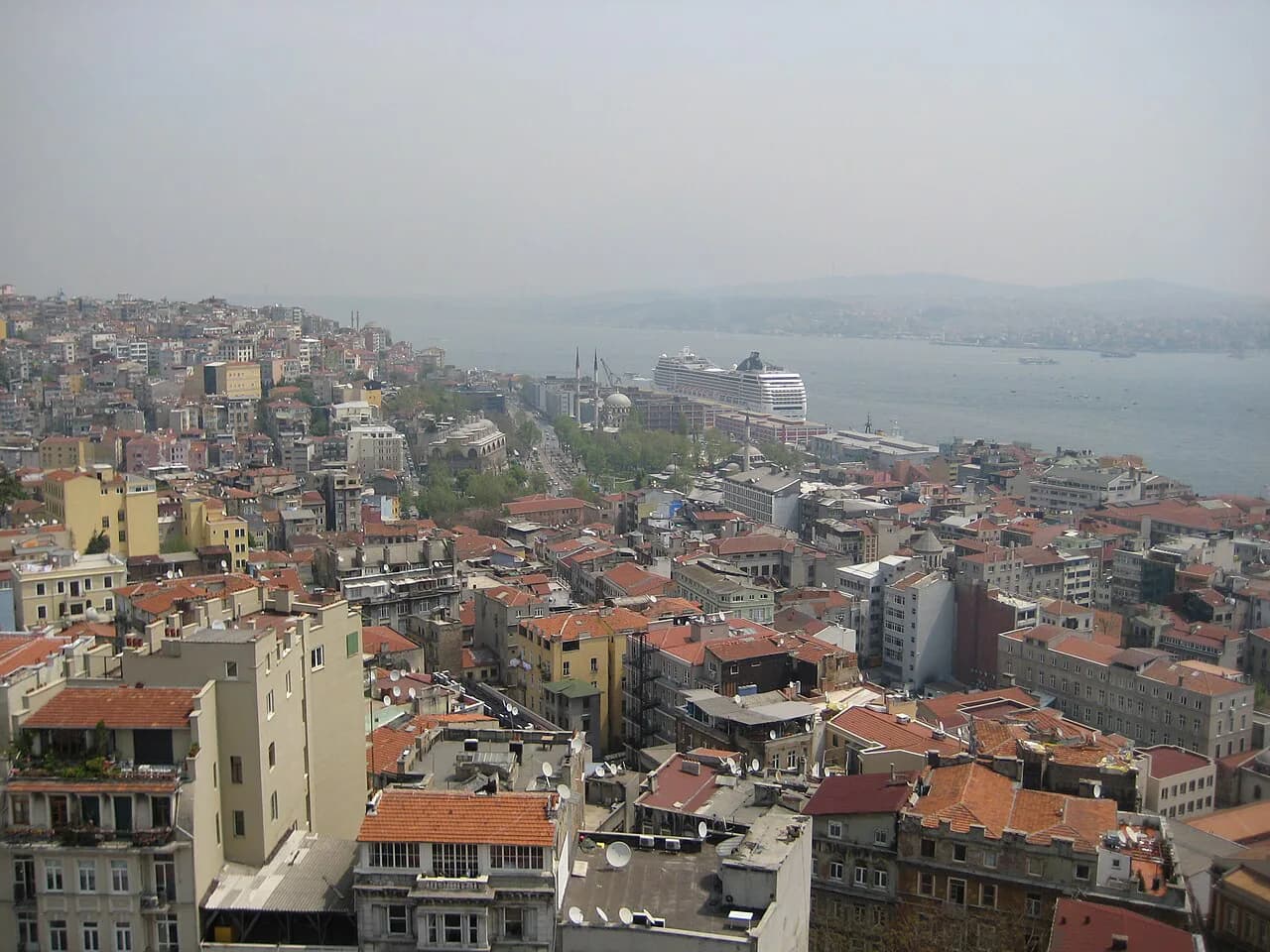
Last updated July 2026, this istanbul neighborhoods guide breaks the city down the way locals actually think about it: as a patchwork of self-contained villages spread across two continents rather than one sprawling metropolis. With a resident population near 16 million and annual foreign arrivals that topped 18 million in 2024, deciding where to base yourself and which districts to prioritize can make or break a short trip. The sections below compare vibe, transit access, and trade-offs for each neighborhood so you can match a district to the way you actually want to travel.
Using This Istanbul Neighborhoods Guide: European Side vs Asian Side
Istanbul is not one city but a collection of distinct villages stitched together across two continents by the Bosphorus and the Golden Horn. The European side holds most of the historic sights and nightlife, while the Asian side moves at a calmer, more residential pace; understanding that split is the first step in any istanbul neighborhoods guide, because it determines how much ferry or metro time you'll spend each day. Before you start comparing districts, load an Istanbulkart — the contactless card works across trams, the metro, buses, and ferries — so neighborhood-hopping never stalls at a ticket machine. It also helps to remember that Istanbul is built across seven hills, so a route that looks short on a map can involve a genuinely steep climb, especially in the older quarters. If your priority is ducking away from the headline sights entirely, pair this guide with a look at Istanbul's hidden gems for context on what lies beyond the neighborhoods covered below.
- Load an Istanbulkart before your first tram or ferry ride — it works across the whole transit network.
- Expect real hills: Istanbul's 'Seven Hills' nickname is a literal description, not a marketing line.
- Decide European side vs Asian side first, then pick a neighborhood — it shapes your whole itinerary.
The Historic Heart: Sultanahmet & Sirkeci
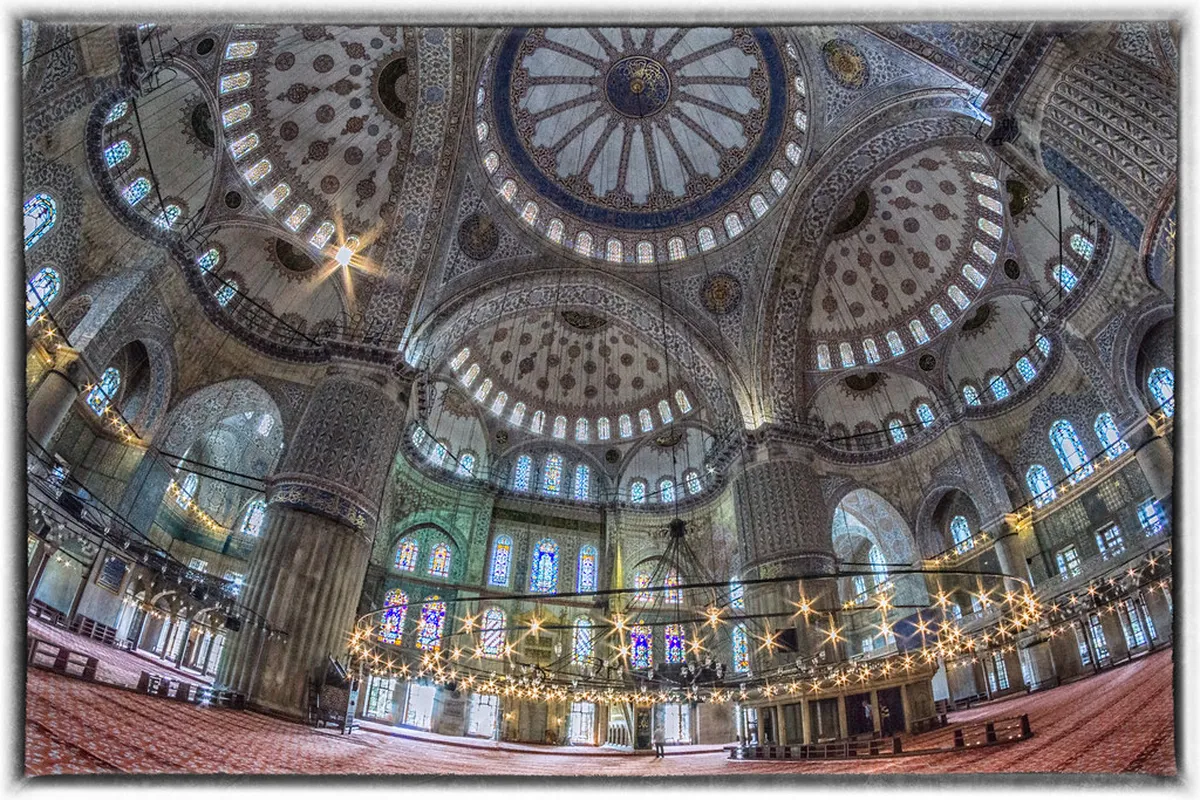
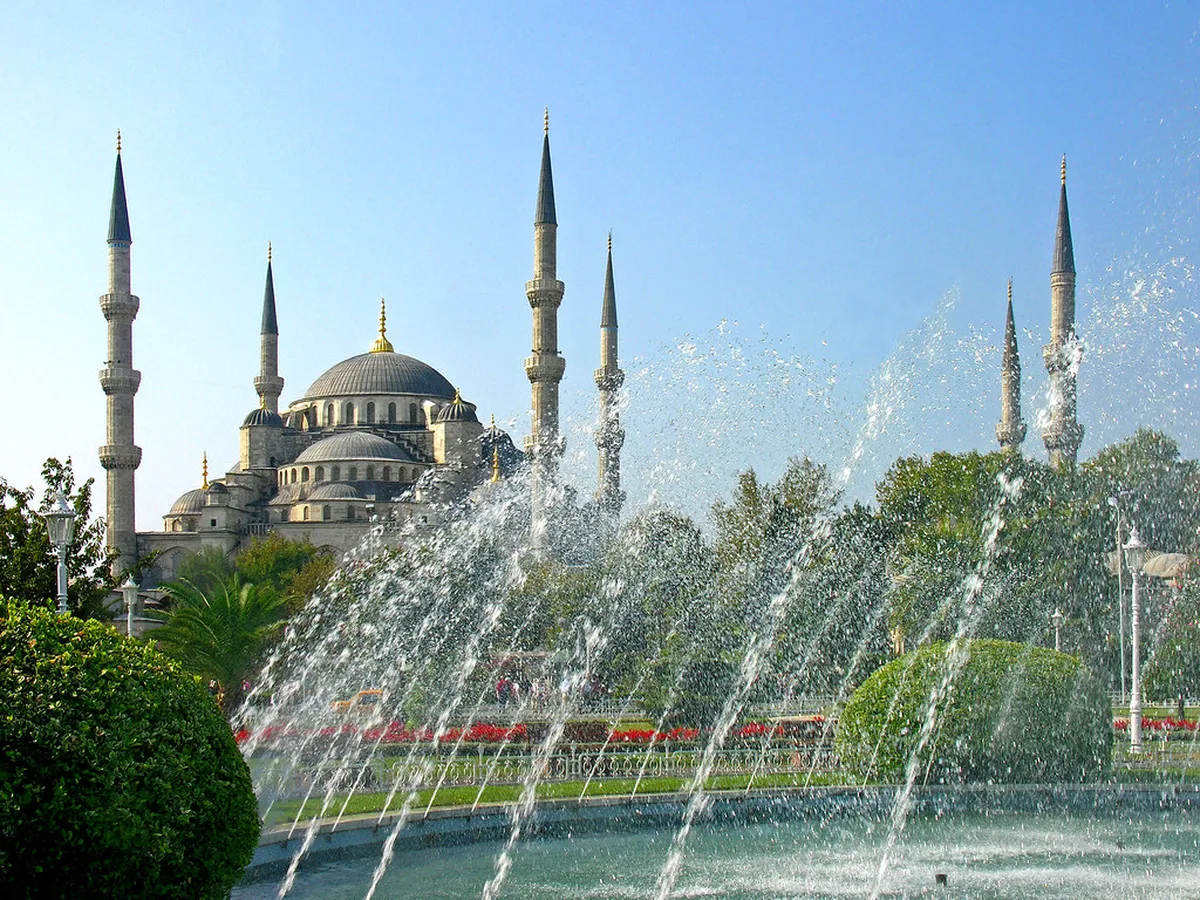
Sultanahmet is Old Istanbul's baseline and the neighborhood most first-time visitors picture before they arrive. Hagia Sophia, the Blue Mosque, and Topkapi Palace all sit within walking distance of one another, so a Sultanahmet base means you can step out the door and start sightseeing immediately. The trade-off is that the neighborhood is extremely touristy and goes quiet once the day-trip crowds clear out, with restaurant prices geared toward visitors rather than locals and little in the way of nightlife. For a break from the crowds without losing that walkability, head underground to the Şerefiye Cistern, a Byzantine-era water reservoir a short walk from the main sights. Next door, Sirkeci offers a calmer, more affordable alternative with the same historic-center convenience. It's a former working-class and commercial district that's now largely touristic, but it sits right by the Eminönü ferry docks and the Marmaray line, making it a genuinely practical base if you plan to move around the city a lot rather than stay rooted in one spot.
Bohemian and Cool: Cihangir, Çukurcuma & Galata
Cihangir, just below Taksim Square on the European side, is often nicknamed the French Quarter for its café culture, boutique coffee shops, and resident street cats. It's popular with young Istanbullus and expats alike, and its small squares and stepped streets keep a genuinely local feel even as it fills with restaurants and bars in the evening. The full guide to Cihangir covers specific streets worth prioritizing if you base yourself here. Immediately adjacent, Çukurcuma is the city's antique quarter, built around a dense run of vintage shops, dealers, and small museums tied to the neighborhood's literary history; the antique district of Çukurcuma rewards slow, unhurried browsing more than a checklist visit. Galata, on the hill above the water, feels distinctly European in its architecture and is anchored by the Galata Tower and a cluster of shops selling musical instruments. It's touristy and the streets are steep, but the location is hard to beat: nightlife in Beyoğlu is a short walk away, Cihangir sits just north, and Sultanahmet is visible across the Golden Horn. Across all three neighborhoods, comfortable shoes matter more than anywhere else on this list — the hills here are constant, not occasional.
The Modern Waterfront: Karaköy & Beşiktaş
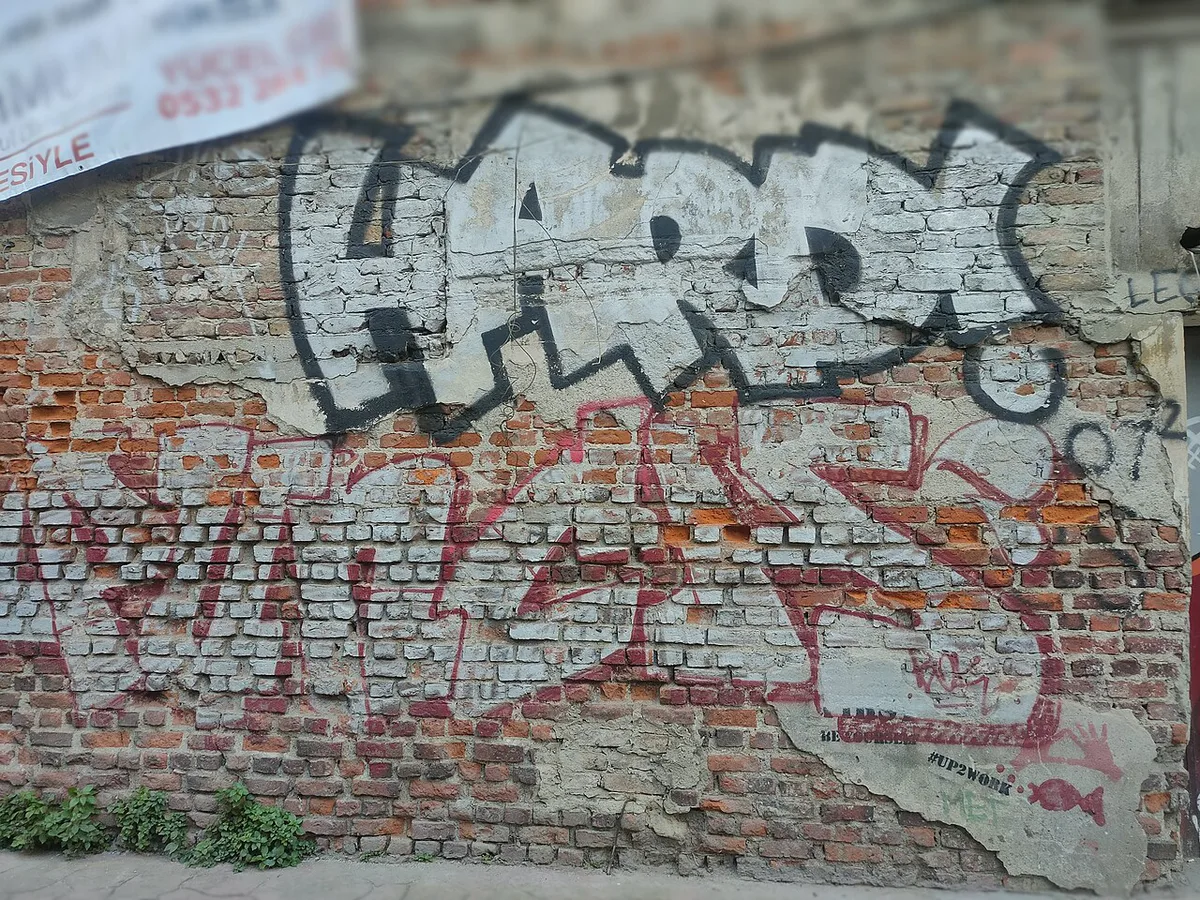
Karaköy has shifted from working port and former red-light district to one of Istanbul's most design-forward neighborhoods, with the Galataport development reshaping its waterfront and street art, specialty coffee, and independent shops filling the blocks back from the water. The Karaköy neighborhood guide breaks down where that transformation is most visible. Its trade-off is that the transformation has been thorough enough that it now draws heavy tourist traffic of its own, especially near the ferry terminal. Further north along the Bosphorus, Beşiktaş has a different energy entirely: a wealthier but unpretentious, student-driven district with a lively seafood market at its center and increasingly upscale hotels as you move away from the core. It has genuine nightlife, good bars, and Bosphorus views that improve the further north you walk, making it a solid choice if you're staying in the city for more than a few days rather than passing through.
Crossing to Asia: Kadıköy & Kuzguncuk
Kadıköy, and its Moda district in particular, is the strongest contender for Istanbul's coolest neighborhood right now — a genuinely local, food-driven district on the Asian side that rewards repeat visits more than a single afternoon. The ferry ride over is part of the appeal rather than an inconvenience, and the Kadıköy neighborhood guide covers the market streets and waterfront worth building an itinerary around. Getting there and back is straightforward: ferries, the Marmaray undersea rail line, and Metrobüs services all connect the Asian side to the European center, so you don't need to treat a Kadıköy visit as a major expedition. Further along the Bosphorus shoreline, Kuzguncuk is a smaller, more nostalgic village atmosphere — brightly painted wooden houses, narrow lanes, and a slower pace that contrasts sharply with Kadıköy's energy. The colorful Kuzguncuk village is easy to combine with a Kadıköy day since both sit on the Asian shore within reach of the same ferry and bus connections.
Kadıköy rewards repeat visits as genuinely local and food-driven, partly shielded by its ferry distance from heavy tourist currents. Karaköy, similarly transformed into a design-forward neighborhood with strong café culture, draws crowds through its waterfront accessibility—similar pulls, opposite outcomes.
The Instagram Icons: Balat & Fener
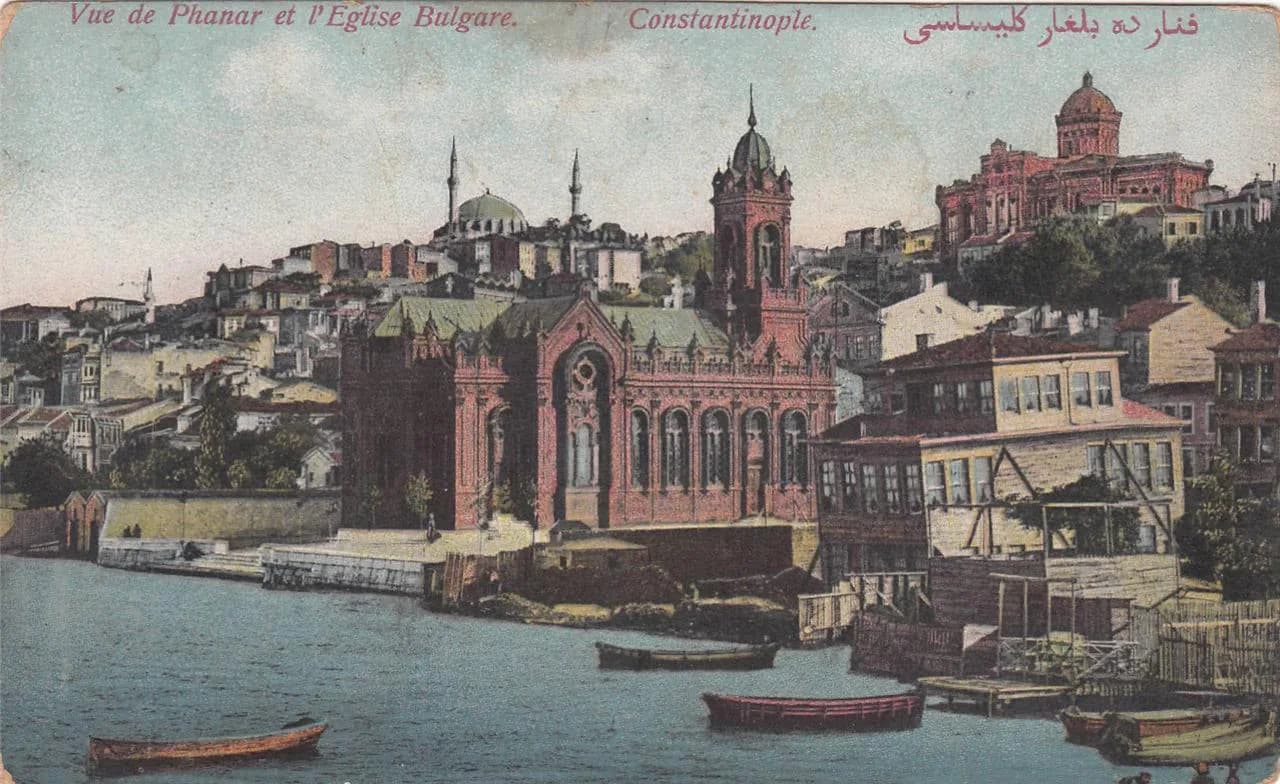
Balat and Fener, set along the Golden Horn, are Istanbul's most photographed residential streets — a hillside grid of brightly colored houses layered with the city's Jewish and Greek Orthodox heritage. Fener takes its name from the Byzantine-era lighthouse district and remains home to the Greek Orthodox Patriarchate, while Balat's steep, sloping lanes are lined with the colorful facades that now draw photographers as much as history-focused travelers. The Balat neighborhood guide covers which streets carry the most character versus which are purely residential and best left undisturbed. Just beyond Balat and Fener, along the upper Golden Horn, the Pierre Loti Hill in Eyüp gives you an elevated view back over the water and the neighborhoods you've just walked through — a natural pairing for anyone spending a full day in this part of the city.
Neighborhood Matchmaker: Which District Fits Your Travel Style
Rather than ranking neighborhoods against each other, it helps to match them to the kind of trip you're taking; use the comparison below as a starting point, then narrow down using whichever trade-off matters most to you. Food-focused travelers should build extra time around the best local restaurants and the city's broader local food guide before locking in a neighborhood, since proximity to a good market street matters more than proximity to a famous landmark for this kind of trip. If the priority is getting away from the headline sights, look past this guide's seven core districts toward Istanbul's secret spots around town, its off-the-beaten-path corners, and its unique things to do for ideas that sit outside the standard neighborhood circuit. Budget-conscious travelers can lean on a running list of free things to do to fill out days without adding cost, regardless of which district serves as a base. And if a neighborhood base still leaves you wanting a change of scenery, several day trips from Istanbul are reachable without switching hotels.
| Neighborhood | Vibe | Best For | The Trade-off |
|---|---|---|---|
| Sultanahmet | Imperial, historic | First-timers with limited days | Iconic by day, very quiet at night |
| Sirkeci | Transit-friendly, working-class | Budget travelers who move around a lot | Fewer standalone sights of its own |
| Cihangir & Çukurcuma | Bohemian, residential | Café culture, antiques, a local feel near the center | Constant hills, some tourist pricing |
| Karaköy | Gritty-chic, design-forward | Art, coffee, and waterfront walks | Increasingly crowded near the port |
| Beşiktaş | Lively, unpretentious | Nightlife and multi-day stays | Traffic-heavy main roads |
| Kadıköy & Moda | Local, creative, food-driven | Returning visitors and food-focused trips | A ferry ride removed from the historic core |
| Balat & Fener | Colorful, heritage-rich | Photography and slow heritage walks | Steep lanes, limited dining options |
Getting Around: Istanbulkart, Tram, Metro & Ferries
Istanbul's public transit network is genuinely good, and using it well is what makes hopping between neighborhoods realistic rather than exhausting. The T1 tram is the tourist artery, running through Sultanahmet and the historic peninsula and connecting across the Galata Bridge toward Karaköy and Kabataş — for most first-time visitors, it will be the single most-used line. The M2 metro line is the better tool for reaching Taksim Square and the Levent business district, and it connects with the funicular up from Kabataş. Ferries are arguably the best value in the city: for the price of a standard transit fare, a Bosphorus or Golden Horn crossing doubles as a scenic tour past the neighborhoods covered above, and they're consistently the fastest way to reach the Asian side. Traffic in central districts like Beyoğlu runs heavy around the clock, so relying on taxis or rideshares to cover short distances usually costs more time than it saves. Timing matters too — cross-referencing a neighborhood plan against advice on visiting Istanbul without crowds can meaningfully change how crowded the tram and ferry lines feel at any given stop in 2026.
- T1 Tram: the tourist artery through Sultanahmet, over the Galata Bridge, toward Karaköy and Kabataş.
- M2 Metro: the fastest link to Taksim Square and the Levent business district.
- Ferries: cross the Bosphorus and Golden Horn for a standard transit fare — the best-value tour in the city.
Neighborhood Mistakes to Avoid
A few recurring mistakes shape how much visitors actually get out of Istanbul's neighborhoods. The most common is staying in Sultanahmet and never leaving what amounts to a tourist bubble — the Old City is worth its reputation, but Istanbul's character lives just as much in Cihangir's side streets, Kadıköy's market stalls, and Balat's residential lanes. The second is underestimating the hills: this is the City of Seven Hills, and neighborhoods like Cihangir, Çukurcuma, and Balat involve genuinely steep, sustained walking, so comfortable shoes are non-negotiable rather than a nice-to-have. The third is defaulting to taxis in Beyoğlu and the surrounding center, where traffic runs heavy 24 hours a day; a short ride can end up slower than walking or taking the tram.
- Don't confine an entire trip to Sultanahmet — the neighborhood's character is only part of the city's.
- Pack comfortable, broken-in shoes; Istanbul's hills are constant in Cihangir, Çukurcuma, Balat, and Fener.
- Avoid relying on taxis in Beyoğlu and central districts, where traffic is heavy at all hours.
Beyoğlu & Taksim: Nightlife, Shopping and Late-Night Energy
Beyoğlu is the best fit if you want Istanbul to feel busy after dark rather than quiet and museum-focused. Its spine is İstiklal Caddesi, the pedestrian avenue running between Taksim Square and Tünel, with the nostalgic red tram, churches, arcades, bookstores, dessert shops, and constant foot traffic. Side streets around Asmalımescit, Nevizade, and Çiçek Pasajı are stronger for bars, meyhanes, and late dinners, while the Şişhane end puts you closer to Galata Tower and downhill access toward Karaköy.
The practical advantage is transit: Taksim and Şişhane both sit on the M2 metro, and the Tünel funicular connects quickly down to Karaköy. The trade-off is noise and traffic, especially near Taksim Square and the busiest stretches of İstiklal. For hotels, look a block or two off the main avenue, or closer to Şişhane and Pera, if you want the location without the loudest late-night crowds.
Frequently Asked Questions
Which neighborhood is best for first-timers in Istanbul?
Sultanahmet is the default recommendation for first-timers since Hagia Sophia, the Blue Mosque, and Topkapi Palace all sit within walking distance, though the area has little nightlife after dark. Sirkeci next door offers similar historic-center convenience at a lower price point.
Is the Asian side worth visiting on a short trip?
Yes — Kadıköy and Kuzguncuk are reachable by a short ferry ride from the European side, and even a half-day visit rewards you with a more local, less touristy pace than the historic peninsula.
Where is the best local food located in Istanbul's neighborhoods?
Kadıköy and its Moda district are consistently the strongest bet for food-focused wandering, and Karaköy and Cihangir both have a dense concentration of cafés and casual restaurants worth building a day around.
How do you get between Istanbul's European and Asian neighborhoods?
Ferries, the Marmaray undersea rail line, and Metrobüs services all cross the Bosphorus. Ferries are the slowest but most scenic option and cost the same as a standard transit fare.
Do you need to book hotels in multiple neighborhoods for one trip?
Not necessarily. Many visitors base themselves in one well-connected district such as Sultanahmet, Sirkeci, Cihangir, or Karaköy and day-trip to the rest of the city using the tram, metro, and ferry network.
Continue exploring
More guides you'll find useful