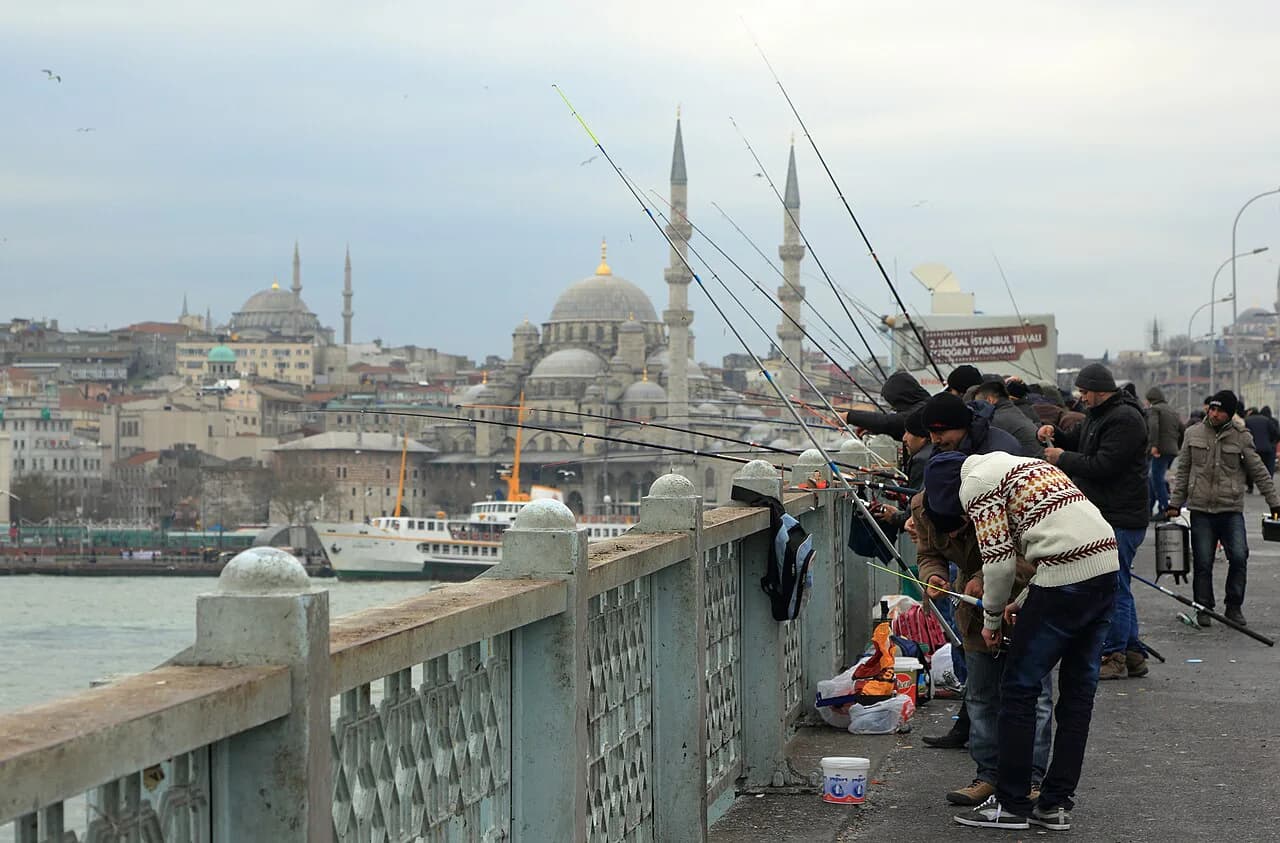
Best Time to Visit Istanbul Without Crowds (2026 Season Guide)
Find the best time to visit Istanbul without crowds, from the quiet winter months to the late-autumn shoulder season, with 2026 pricing and timing tips.
On this page
Best Time to Visit Istanbul Without Crowds
Last updated July 2026, this guide pinpoints the best time to visit Istanbul without crowds by weighing seasonal weather against real queue patterns at Hagia Sophia, Topkapi Palace, and the Grand Bazaar. Crowd levels in the Old City are driven less by the calendar than by cruise-ship arrivals at Galataport, so the quiet stretches of December through February and late October into November trade a few degrees of warmth for empty courtyards and shorter lines. What follows is a month-by-month breakdown, plus the neighborhood pivots and daily timing tricks that keep the crush of Sultanahmet from ever finding you.
Best Time to Visit Istanbul Without Crowds: The Quick Answer
If minimal crowds matter more than perfect weather, target mid-November through mid-December or January through February, when hotel occupancy drops and the queue outside Hagia Sophia can shrink to a fraction of its June peak. A single large ship docking at Galataport can release close to 5,000 passengers into Sultanahmet within an hour, so the table below tracks not just temperature but the cruise-driven crowd swings that define each season. Pricing swings just as hard as foot traffic: Sultanahmet hotel rooms that run roughly ~1,500 lira a night in January routinely climb past 5,000 lira during peak July, when cruise season and summer holidaymakers overlap. Think of the calendar in three tiers: a true low season (December to February) where solitude is close to guaranteed but weather is unpredictable; a true high season (June to September) where cruise ships and summer holidaymakers combine at the Bosphorus, Sultanahmet, and the Princes' Islands; and two shoulder windows, late October-November and March, that split the difference. Anyone searching for the Istanbul shoulder season or an outright Istanbul low season should treat those two shoulder windows as the real answer, not the on-paper best-weather months of April and May that most guides recommend by default.
| Season | Crowd Level | Average Temperature | Typical Hotel Cost Trend |
|---|---|---|---|
| December - February | Low | 4°C to 10°C (40°F to 50°F) | Lowest rates of the year, roughly ~1,500 lira/night in Sultanahmet |
| Late October - November | Low to Moderate | 13°C to 24°C (55°F to 75°F), easing toward the cooler end | Falling sharply from autumn's peak |
| March, pre-Tulip Festival | Moderate | Cool end of spring's range, near 10°C (50°F) | Rising, but still below peak shoulder pricing |
| April - May | High, Tulip Festival plus shoulder season | 10°C to 21°C (50°F to 70°F) | Peak shoulder-season pricing |
| June - September | Very High, cruise season | 24°C to 29°C (75°F to 85°F) | Highest rates of the year, 5,000+ lira/night in Sultanahmet |
The Winter Quiet Season: December to February
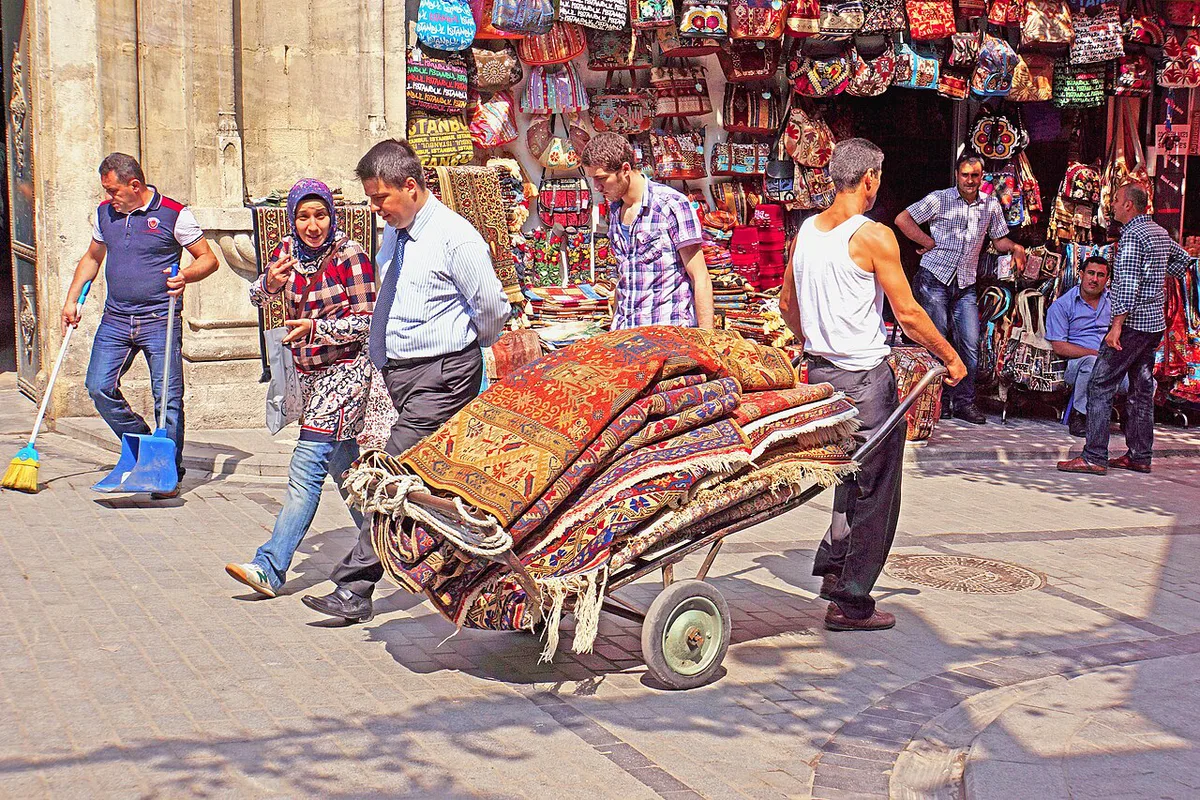
December through February is Istanbul's genuine low season, and it shows the moment you step off the plane: taxi lines are short, Hagia Sophia's forecourt is walkable rather than wall-to-wall, and Grand Bazaar vendors have time to talk rather than hustle. Average temperatures hold between 4°C and 10°C (40°F and 50°F), with damp Bosphorus winds and the occasional snow flurry over the Golden Horn, so pack for rain rather than sun. The trade-off is real: short daylight hours and grey skies mean fewer rooftop-view days, but hotel rates hit their annual floor, often near the roughly 1,500-lira-a-night mark quoted above for a mid-range Sultanahmet stay. Indoor alternatives matter more in winter than in any other season, since rain can wash out a full day of walking tours; save outdoor sightseeing for the clearer afternoons that typically follow most winter fronts.
Winter's December-to-February low season offers the year's lowest hotel rates, typically near 1,500 lira per night, and shortest queues at landmarks. However, Ramadan and Eid shift yearly on the Islamic calendar and draw domestic visitors to major mosques regardless of season, so confirming holiday dates before booking prevents a seemingly quiet month from becoming crowded at religious sites.
- Trade a queue for calm at the Serefiye Cistern, a tranquil alternative to the Basilica Cistern that rarely sees a line even at midday.
- New Year's fireworks along the Bosphorus draw locals more than tour groups, so late December evenings stay walkable.
- Check the Islamic calendar before booking: Ramadan and Eid shift every year and can bring waves of domestic visitors to major mosques regardless of season.
The Autumn Transition: Late October to November
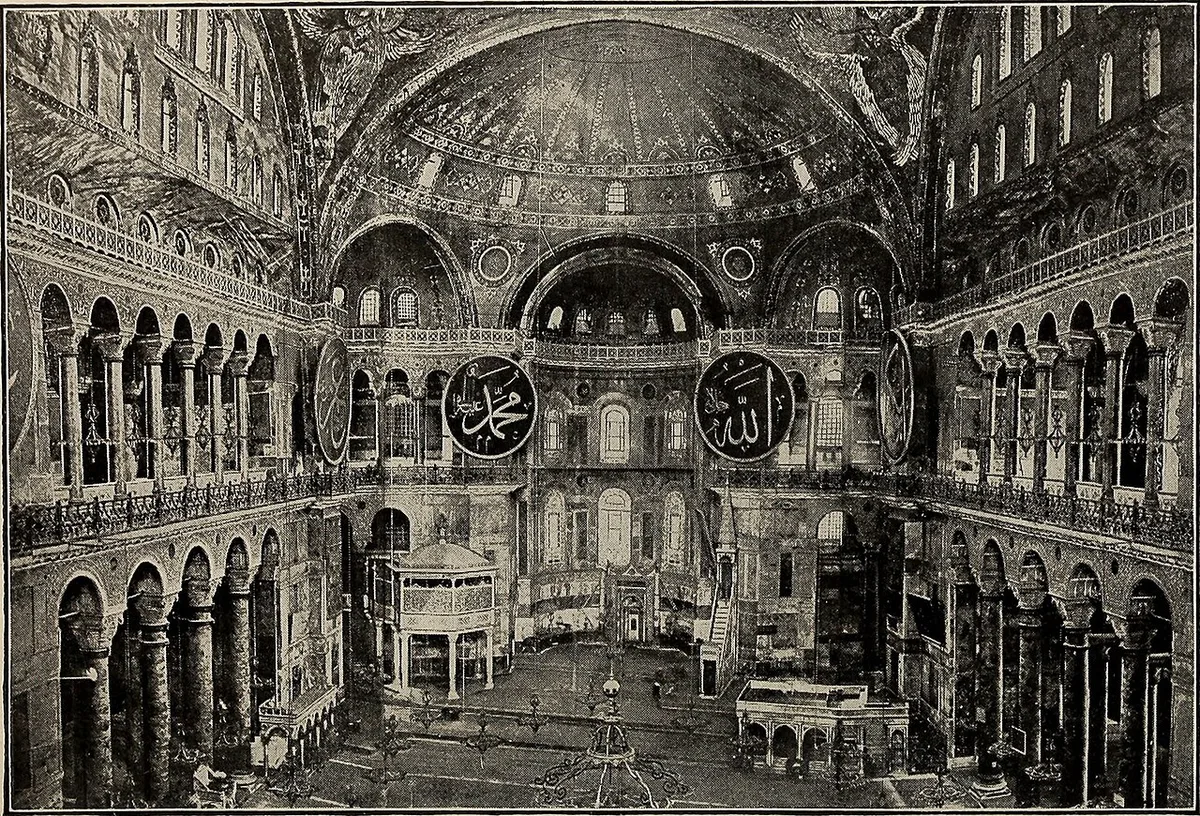
By late October, Istanbul's summer humidity has broken and the cruise ships that packed Galataport all summer begin thinning out, leaving September's leftover crowds to fade fast through November. Daytime temperatures still run a comfortable 13°C to 24°C (55°F to 75°F), warm enough for a Bosphorus walk without the June-level queues at Topkapi Palace. For a tactical crowd-dodge, head up to Pierre Loti Hill on a weekday morning rather than a weekend, when the cable car and viewpoint fill with local day-trippers instead of tour buses. Autumn is also when the last ferries to the Princes' Islands run without summer's crush, so weekday mornings remain the single best trick for having a major sight to yourself before November's short daylight hours set in.
Early Spring Before the Tulip Rush: March
March sits in the narrow window after winter's chill but before the Istanbul Tulip Festival floods Emirgan Park and Sultanahmet Square with April's crowds. Temperatures still sit at the cool end of the spring range, closer to 10°C (50°F) than the 21°C (70°F) highs of late May, so pack layers rather than summer clothes. The pay-off is a city that looks like it is waking up, with parks turning green and café terraces reopening, without the density that arrives the moment the tulips peak in April. Because the festival is concentrated in April, waiting even two to three weeks and visiting in March instead trades peak bloom for a materially thinner crowd at Emirgan Park and Sultanahmet Square, while still catching the first flowers opening across the city's parks.
How to Time Your Days to Avoid Crowds
Even in a quiet month, the wrong hour can put you back in a scrum. Arrive at Sultanahmet's major sites within the first hour of opening, well before the day's cruise excursions and tour buses arrive, or return in the late-afternoon golden hour once day-trip groups have already moved on to dinner. This golden-hour approach works at Topkapi Palace and the Blue Mosque just as well as at Hagia Sophia: arriving early or staying until the last hour before closing consistently produces the thinnest crowds of the day, cruise season included. The weekend rule matters just as much as time of day: locals treat Saturday and Sunday as their own sightseeing days, so the Grand Bazaar and Istiklal Street get busier, not quieter, on weekends. Spend Saturday and Sunday instead in residential hubs like Kadikoy on weekends or Kuzguncuk's quiet lanes, where the crowds are neighbors doing their own shopping rather than tour groups.
Even in winter's low season, a single large cruise ship can release close to 5,000 passengers into Sultanahmet within an hour. Arriving at major sites within the first hour of opening—well before day-trip groups depart their ships and organized tours take to the streets—remains the single most effective daily timing tactic for thin crowds.
Neighborhoods for a Crowd-Free Istanbul
Istiklal Street's pedestrian crush is avoidable simply by choosing a different neighborhood as your base. Consult the Istanbul Neighborhoods Guide: Where to Stay & Explore in 2026 before booking, then look at Balat and Cukurcuma for atmosphere without the queues: wander Balat's colorful streets for Ottoman-era houses and street art, then browse Cukurcuma's antique shops for a slower, dealer-by-dealer pace. Across the Golden Horn, Karakoy's waterfront cafes and Cihangir's cafe culture stay trendy without the tour-group density of Sultanahmet, giving you a genuinely local evening even in July. None of these neighborhoods require sacrificing Istanbul's signature Bosphorus views or historic texture; they simply spread that experience away from the single congested strip between Sultanahmet and Istiklal Street that absorbs most first-time visitors.
Hidden Gems and Off-Peak Activities Beyond the Landmarks
Once the marquee sights are checked off during their quiet hours, spend the rest of a low-crowd trip on the city's hidden gems and off-the-beaten-path corners, most of which never see a tour bus regardless of season. The list of unique things to do includes riding a public ferry to the Asian side outside the morning and evening commuter rush, when the deck is quiet enough to actually enjoy the Bosphorus view. Pair that with the secret spots list and a stop at the best local restaurants or the local food guide for meals eaten where residents actually go rather than at tourist-menu spots near the mosques. If a full day of city density is too much even in low season, the day trips from Istanbul guide covers escapes for 24 hours outside the center. Layering these lower-profile experiences into a low-season or shoulder-season trip compounds the crowd-dodging effect: a quiet month plus a quiet neighborhood plus an off-peak hour adds up to an Istanbul that feels closer to a resident's daily rhythm than a tour-group circuit.
Mistakes That Undo a Well-Timed Trip
A handful of easy-to-miss mistakes can undo an otherwise well-timed trip. Chief among them is visiting the Grand Bazaar on a Saturday, when local shoppers stack on top of the usual tourist traffic and the covered alleys turn genuinely slow-moving. Booking a Bosphorus cruise without checking the day's Galataport arrivals is another: a single large ship can put close to 5,000 extra passengers on the water and the waterfront at once, so a quick look at the port schedule before booking is worth the five minutes it takes. Booking accommodations around a peak Islamic holiday without checking the calendar is a related trap for travelers who assume summer alone determines demand at major sites. Finally, do not overlook the value of the city's free things to do, many of which are quiet public parks and waterfront paths that stay pleasant no matter how packed Sultanahmet gets that day.
- Grand Bazaar: shop on a weekday morning, not a Saturday.
- Bosphorus cruises: check Galataport's daily arrivals before booking a sailing time.
- Ramadan and Eid: confirm the dates each year, since they shift mosque crowds from international to local.
Frequently Asked Questions
What is the single best month to visit Istanbul without crowds?
For the clearest trade-off between mild weather and thin queues, target late October into November or January into February; both sit outside the June-to-September cruise season and the April Tulip Festival rush, giving you noticeably shorter lines at Hagia Sophia and Topkapi Palace.
Is Istanbul cold and crowded in January?
January is Istanbul's quietest month for tourist crowds, with average temperatures between 4°C and 10°C (40°F and 50°F) and occasional rain, but it is also when hotel rates hit their annual low, often near roughly 1,500 lira a night in Sultanahmet, making the cold worth it for many low-crowd travelers.
Does Ramadan or Eid change how crowded Istanbul feels?
Yes. Ramadan and Eid shift on the Islamic calendar each year, and during these periods mosque visiting hours and crowd composition change, with more domestic and regional visitors at major religious sites regardless of the season, so check the current year's dates before booking a low-crowd trip.
Which Istanbul neighborhoods stay quiet even during peak season?
Residential hubs away from Sultanahmet, including Kadikoy, Kuzguncuk, Balat, and Cihangir, keep a local pace even in July and August, since most cruise-ship and tour-group itineraries rarely extend beyond the Old City and Istiklal Street.
How much cheaper are Istanbul hotels in low season?
Sultanahmet hotel rates swing hard across the year: rooms that run roughly ~1,500 lira a night in the January low season can climb past 5,000 lira during the June-to-September peak, so shifting a trip by even a few weeks can meaningfully cut accommodation costs.
Continue exploring
More guides you'll find useful