Off the Beaten Path Edinburgh: A Local Guide
Off the beaten path Edinburgh means real neighbourhoods, quiet trails, and local buses and pubs, not another checklist of spots to tick off.
On this page
How to Explore Edinburgh Off the Beaten Path
If you already climbed Edinburgh Castle and walked the length of the Royal Mile, you have seen the postcard version of the city. Off the beaten path Edinburgh is less about finding one more secret spot and more about changing how you move through the city. This guide covers the neighbourhoods, walking routes, and local habits that turn a weekend trip into something closer to living here.
We will point you toward areas locals actually live in, not just another ranked list of attractions. For the full picture of where those areas sit, our Edinburgh's neighbourhoods breaks the city into its distinct districts. Expect real bus routes, real pub names, and a slower pace than the Royal Mile ever allows.
Overlooked Edinburgh Neighbourhoods Worth a Slow Wander
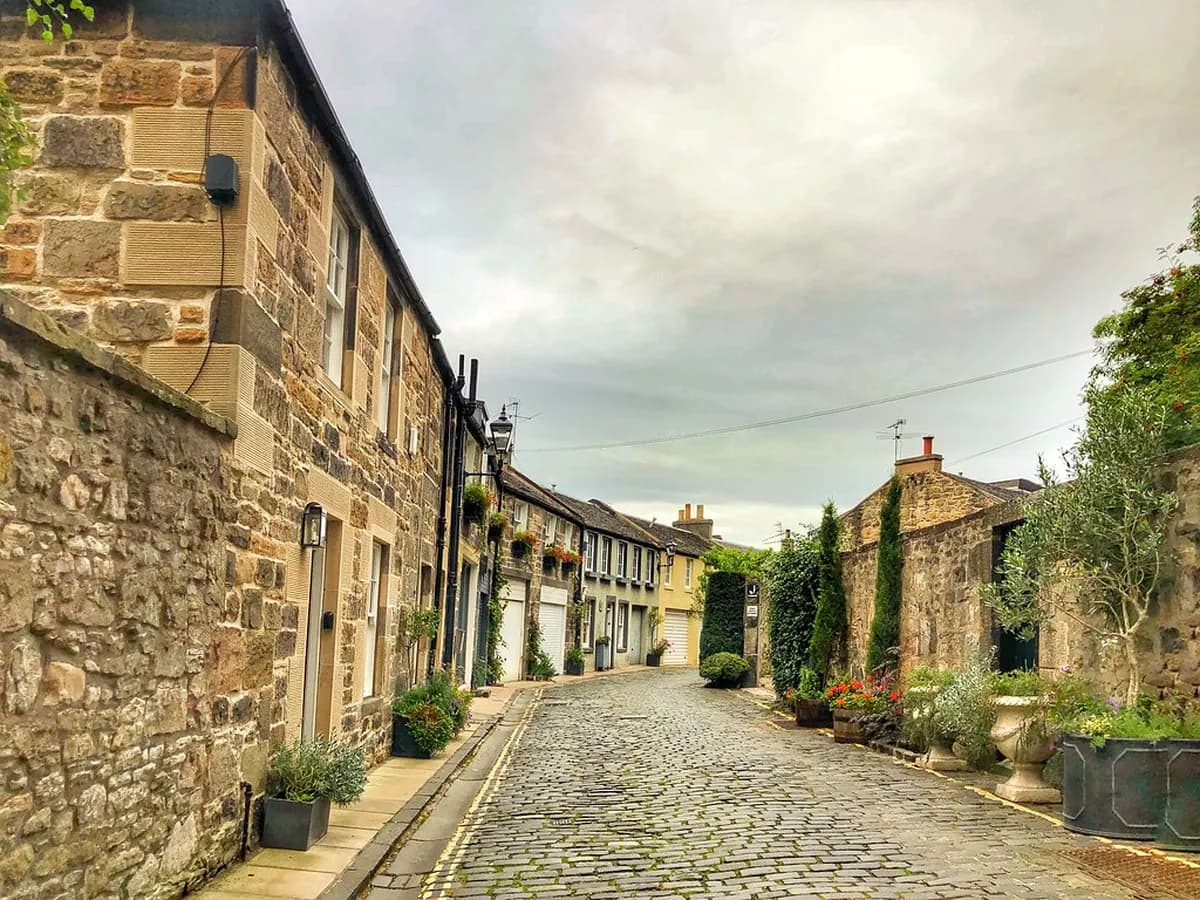
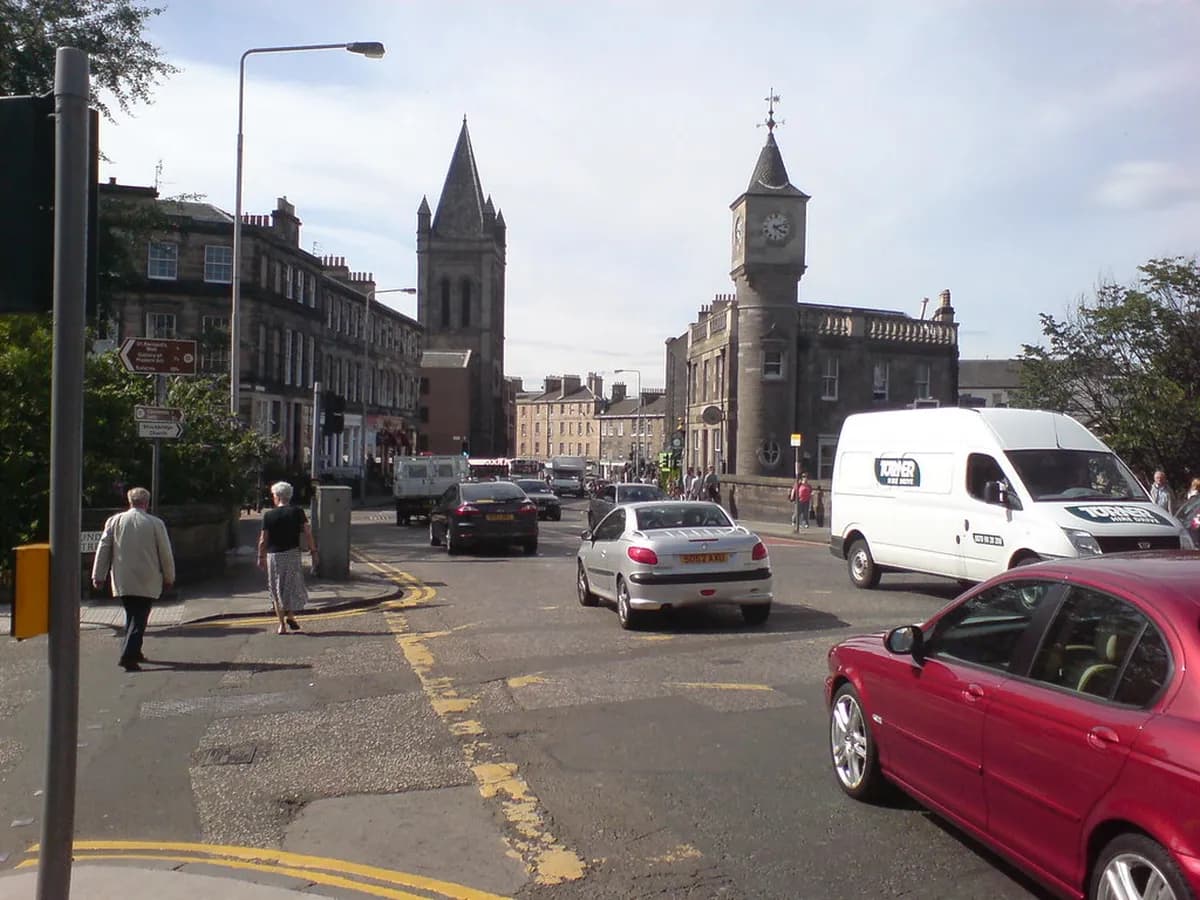
Stockbridge feels like a village that got pulled into the city by accident, with a bakery on almost every corner. Sunday mornings bring a busy market along the Water of Leith, and the colourful mews of Circus Lane sit two minutes away. Our Stockbridge guide covers the market hours and the best cafes for a slow morning.

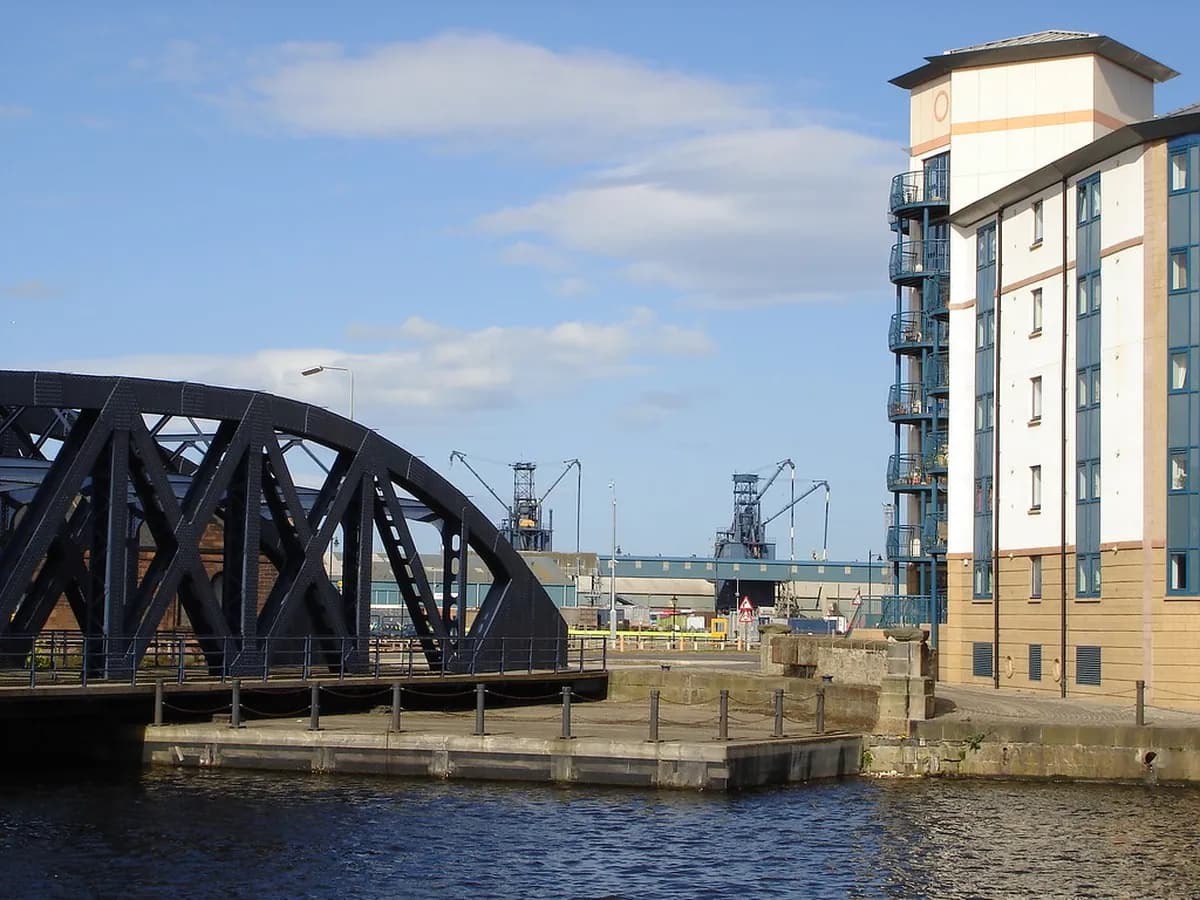
Leith was Edinburgh's working port for centuries, and the old warehouses now hold restaurants instead of rope and timber. The Shore, the waterfront strip along the Water of Leith, still feels like a neighbourhood rather than a tourist stop. Our Leith neighbourhood guide has the transit options and a rundown of the harbourside pubs.
South of the centre, Bruntsfield and Marchmont are quiet tenement neighbourhoods built around the Meadows park. Further east, Portobello keeps a proper seaside promenade, while Corstorphine and Duddingston Village sit quietly on opposite edges of town. Our Portobello guide has the tide times and beach details for a proper coastal afternoon.
- Stockbridge
- A village high street with a Sunday market beside the Water of Leith.
- Circus Lane offers a quiet, colourful mews just off the main street.
- Leith
- A former dockland turned into a relaxed waterfront with real working pubs.
- The Shore connects directly into the wider Water of Leith walkway network.
- Bruntsfield and Marchmont
- Tenement streets popular with students and locals near the Meadows park.
- A good base for slower mornings away from the Old Town crowds.
- Portobello
- A two-mile promenade with a sandy beach and a historic Victorian swim centre.
- Good for a sea swim or a windy walk any time of year.
- Corstorphine
- A quieter western suburb built around the zoo and Corstorphine Hill woodland.
- Rarely visited by tourists despite easy bus access from the city centre.
- Duddingston Village
- A loch-side conservation village that feels miles from the city centre.
- Home to the historic Sheep Heid Inn and Dr Neil's Garden nearby.
Coastal Walks and Hill Escapes Away from the Crowds
Portobello beach gives you two miles of sand without the queues you find at Arthur's Seat. Blackford Hill offers a similar panoramic view of the city and the Pentland Hills, usually with far fewer people. The Royal Observatory sits at the top, and the climb takes most walkers about twenty minutes from the car park.
Cramond Island connects to the mainland by a causeway that only clears at low tide. Check the tide tables before you walk out, since the crossing floods fast and strands people every year. Give yourself a two to three hour window around low tide to cross, explore the old gun emplacements, and return safely.
Cramond Island's causeway only clears at low tide and floods fast. Check tide tables before you visit and plan a two to three hour window around low tide—people get stranded most years.
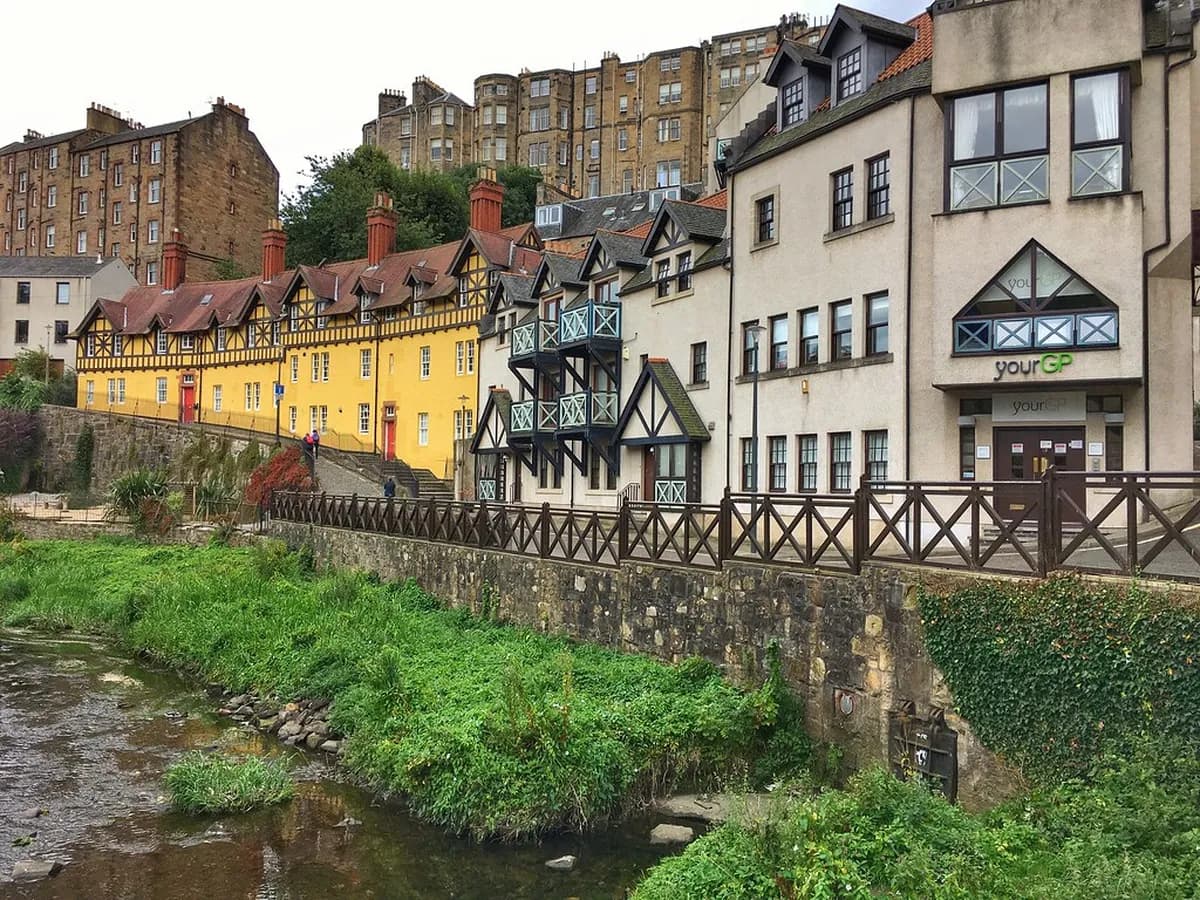
The Water of Leith walkway runs about twelve miles from Balerno down to Leith, and most visitors only see the Dean Village stretch. Walking the full route, or even half of it, takes you through Colinton, Slateford, and the murals inside Colinton Tunnel. The Union Canal towpath heads the other direction, a flat and easy walk or cycle out to the village of Ratho.
Local Markets, Quiet Gardens, and Cemeteries
The Edinburgh Farmers Market sets up at Castle Terrace every Saturday from 9 am to 2 pm, rain or shine. Around fifty stalls sell coffee, baked goods, and local cheese right below the castle esplanade. Stockbridge also runs its own Sunday market along the water, a smaller and quieter option.
The Farmers Market at Castle Terrace runs year-round every Saturday 9 am–2 pm with around fifty stalls. Saturday evenings in Stockbridge and Leith fill up fast, so book ahead for dinner if you're visiting on the weekend.

Dunbar's Close Garden hides behind an easy-to-miss doorway just off the Royal Mile, free to enter and rarely crowded. Dr Neil's Garden in Duddingston sits beside the loch and was built as a place for quiet recovery, not sightseeing. Our Dr Neil's Garden guide covers opening hours and the short walk in from the village.
Dean Cemetery, tucked beside Dean Village, holds elaborate Victorian monuments under old trees and rarely sees a tour group. Warriston Cemetery in Leith has grown wilder and more overgrown, popular with photographers and local dog walkers. Both are working cemeteries, so keep your visit quiet and respectful, especially near active graves.
Getting Around and Eating Like a Local
Lothian Buses run frequent routes across the whole city, and a single day ticket covers unlimited rides. The tram line connects the airport to York Place, a quick way to reach New Town without waiting on parking. Check the operator's site for current fares before you travel, since prices change year to year.
Skip the pubs directly on the Royal Mile and head to Teuchters Landing in Leith instead. It sits right on the water with a wide whisky selection and a proper local crowd most evenings. The outdoor deck gets busy on warm evenings, so arrive early or book ahead for a table.
ScotBeer Tours runs a walking crawl through Edinburgh's brewing history if you want context with your pint. The guides mix historic pub stops with modern taprooms across the Old and New Town. It works well as a structured way to meet locals rather than just sightsee.
For a wider list of neighbourhood restaurants and cafes, our local food guide covers where residents actually eat. Booking a table midweek is easy, but Friday and Saturday evenings fill up fast in Stockbridge and Leith. Walking or taking the bus between neighbourhoods also means you notice far more than you would from a tour bus window.
Planning an Area-First Day Instead of a Checklist
A checklist of individual named spots works well for a single afternoon between bigger sights. Exploring by area instead means picking one neighbourhood, like Stockbridge or Duddingston, and giving it three to four hours. You trade seeing more named attractions for actually understanding how a district fits together.

This approach costs less, since walking and short bus hops replace paid tours between scattered sites. It works best for repeat visitors or slower travellers with three days or more in the city. First-time visitors on a tight schedule may still prefer a shorter, named list of specific spots.
Invisible Cities runs guided walks led by people who have experienced homelessness in Edinburgh. It is one way to get area-level context without doing all the research yourself. Tours run most days and typically last around two hours through the Old Town.
If you still want a ranked list of individual spots to check off, our Edinburgh's secret spots guide covers those separately. Use it as a companion piece once you already know which neighbourhood you plan to explore first.
Frequently Asked Questions
What does 'off the beaten path' actually mean in Edinburgh?
It means exploring by neighbourhood instead of chasing a ranked list of individual spots. Areas like Stockbridge, Leith, and Duddingston reward a slow visit more than a single quick photo stop. Spending three or four hours in one district usually beats rushing between five unconnected addresses across the city.
How much time should I set aside for these neighbourhoods?
Plan at least half a day per neighbourhood if you want to walk rather than rush through it. Stockbridge, Leith, and Portobello each reward three to four hours on foot. Two full days let you cover two areas properly plus one coastal or hill walk without feeling rushed.
Is the Cramond Island causeway safe to walk at any time?
No, the causeway only clears at low tide and floods quickly once the water turns. Check official tide tables before you set out and plan for a two to three hour window. People get stranded most years, so treat the timing seriously rather than as a rough guide.
How do locals get around Edinburgh without a car?
Most residents rely on Lothian Buses, the tram line to the airport, or simply walking between central neighbourhoods. A day ticket covers unlimited bus rides, which suits a day of neighbourhood hopping better than paying single fares. Walking also lets you notice details a bus window hides.
What is the difference between this guide and a list of secret spots?
A secret-spots list ranks individual attractions one by one, while this guide focuses on entire neighbourhoods and how to move between them. Both are useful, but this one suits travellers who already saw the Castle and want context, routines, and local habits instead of one more single stop.
Planning other European city breaks? Compare our similar guides for Dublin, Paris and Barcelona.
For the wider city context, see our complete guide to hidden gems in Edinburgh.
Off the beaten path Edinburgh is less a hunt for secret addresses and more a shift in pace. Pick one or two neighbourhoods, walk the water or the hills nearby, and let the bus schedule set your day. Do this over two or three days and Edinburgh starts to feel like somewhere you live, not somewhere you visit.
Continue exploring
More guides you'll find useful