Dr Neil's Garden: Edinburgh's Secret Garden Guide
Plan your visit to Dr Neil's Garden, Edinburgh's free secret garden by Duddingston Loch, with 2026 opening hours, history, wildlife, and directions.
On this page
Visiting Dr Neil's Garden, Edinburgh's Secret Garden
Dr Neil's Garden sits quietly on the shore of Duddingston Loch, tucked beside the twelfth-century Duddingston Kirk below Arthur's Seat. Locals call it Edinburgh's secret garden, and the name fits a walled plot that most visitors never find. This guide covers its history, its free admission, and the best way to reach it, alongside a look at nearby Edinburgh's hidden gems.
You'll also find the story of Thomson's Tower, once a curling store and an artist's studio. The loch beside the garden draws swans, geese, and other birds throughout the year. Free entry, a volunteer-run charity, and easy access from Holyrood Park round out the practical picture.
The History of Dr Neil's Garden
Andrew and Nancy Neil, a husband-and-wife team of Edinburgh doctors, started this garden in the 1960s. They turned a neglected patch of ground called the Calves Field into a peaceful retreat. Patients from their surgery often joined in, weeding and planting as part of their recovery.
Both doctors died in 2005, and their legacy grew even richer soon after. In 2012 and 2013, volunteers laid out a dedicated Physic Garden in their memory. It highlights medicinal plants and ties directly to the Neils' careers in medicine.
In 1997, supporters formed Dr Neil's Garden Trust, a registered charity, to protect the site long term. The Trust still runs the garden today with a small band of dedicated volunteers. Their work keeps this walled corner of Duddingston feeling wild rather than manicured.
Thomson's Tower and the Duddingston Curling Society
In one corner of the garden stands Thomson's Tower, an octagonal building designed by architect William Henry Playfair. The Duddingston Curling Society built it in 1825 to store its curling stones. Curling has deep roots on this loch, and the tower still marks that history.
The tower served a second purpose beyond storage for the curlers. Rev. John Thomson, minister of Duddingston from 1805 to 1840, used its upper floor as an artist's studio. He was a respected landscape painter, and the room gave him quiet light over the loch.
Today, Thomson's Tower doubles as a small curling museum inside the garden grounds. It's easy to miss on a quick walk, so slow down near the loch-facing wall. A few minutes here connects the garden's quiet plants to a much older local sport.
Duddingston Loch, the Bird Reserve, and Garden Wildlife
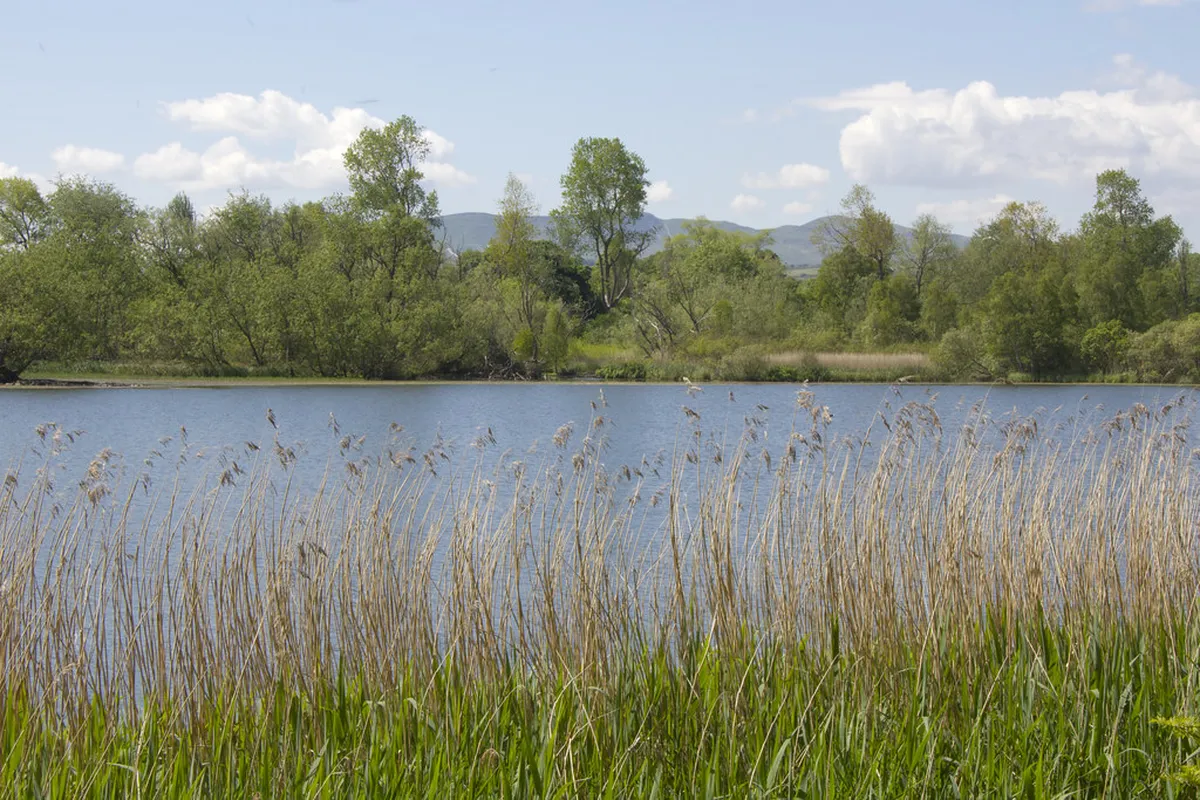
Duddingston Loch runs along one side of the garden and is Edinburgh's largest natural loch. Reed beds ring much of the shore, and the site holds status as a local nature reserve. That protection keeps the water and its birds relatively undisturbed, even this close to the city.
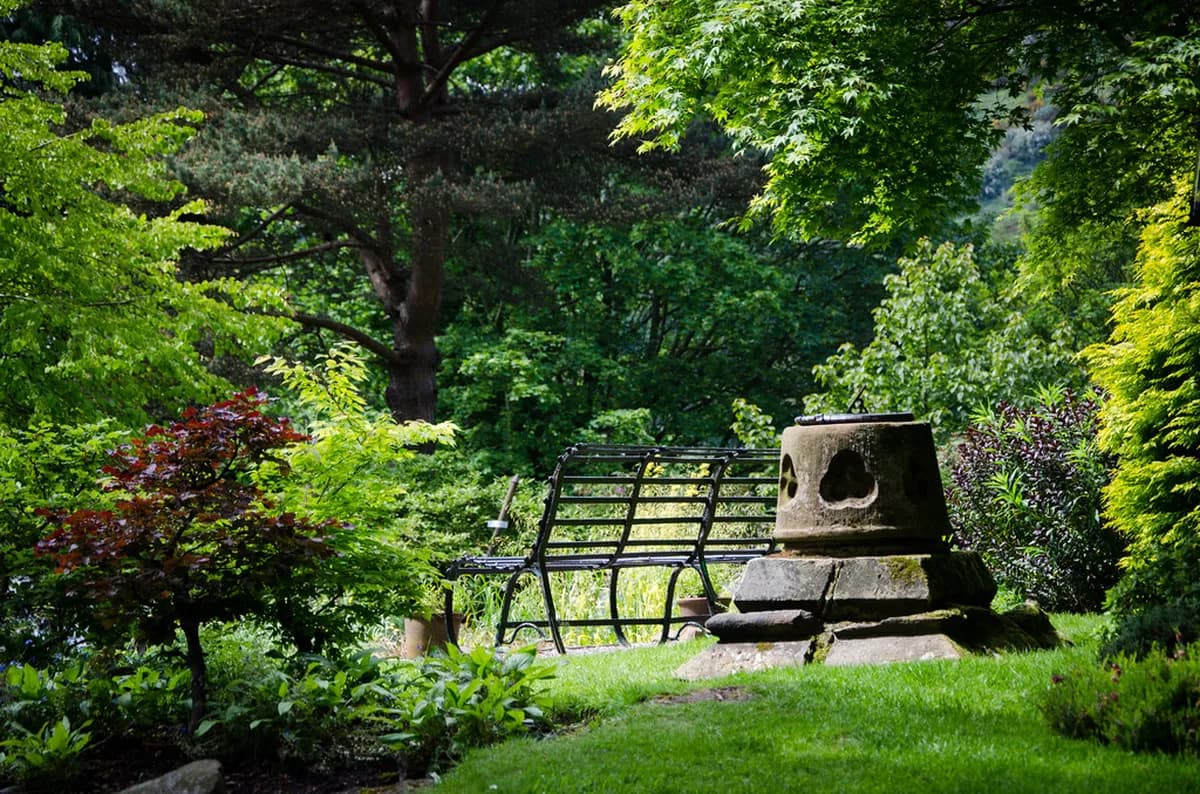
Inside the walls, the planting favours conifers, heathers, alpines, and shade-loving primulas. Magnolias, rhododendrons, and azaleas add colour through spring, alongside quieter mushrooms and mosses. Every one of these plants supports smaller life, from insects to the birds above them.
Birdwatchers regularly spot swans, geese, and diving waders on the loch's open water. Owls nest in the garden's older trees, and frogs and butterflies fill the warmer months. For more low-key finds like this, our roundup of Edinburgh's secret spots is worth a look.
Opening Hours, Free Admission, and Volunteer Care
Dr Neil's Garden opens daily from 10 am until dusk, and entry costs nothing. Donations toward its upkeep are welcome but never required at the gate. That makes it a natural addition to any list of free Edinburgh attractions.

No ticket office or paid staff run this place day to day. A charity, Dr Neil's Garden Trust, and a rota of volunteers manage the grounds instead. Because hours can shift around winter dusk or occasional closures, check www.drneilsgarden.co.uk before you travel.
Unlike the Royal Botanic Garden Edinburgh, which charges for glasshouse entry and draws steady crowds, this walled garden charges nothing. It also rarely feels busy, even on a sunny weekend afternoon. That trade-off, smaller and quieter over larger and grander, is worth weighing before you plan your day.
- Opening hours
- The garden opens every day of the year from 10 am until dusk.
- Dusk arrives earlier in December and January than at midsummer.
- Admission and donations
- Entry has always been free, with no ticket booth at the gate.
- Small donations help the volunteer-run trust maintain the grounds.
Entry is completely free year-round, and donations are welcome but never required. The garden is run by volunteers, so even small contributions go directly toward maintenance and upkeep.
How to Get to Dr Neil's Garden
The main entrance runs through the grounds of Duddingston Kirk, a twelfth-century church. From there, a tree-lined path leads down toward the loch and the garden gate. The whole approach feels like leaving the city behind within a few minutes.
Duddingston Village itself is a small cluster of cobbled streets and old cottages. It sits at the edge of Holyrood Park, tucked below Arthur's Seat. For more context on this pocket of the city, see our Edinburgh's neighbourhoods.
Public buses stop on Duddingston Road West, a short walk from the entrance. Many visitors instead walk over from the city centre through Holyrood Park. Parking near the kirk is limited, so arriving on foot or by bus works best.
- By bus
- Lothian Buses stop on Duddingston Road West a short walk from the gate.
- Check current routes and times before you set off.
- On foot through Holyrood Park
- Walk from the city centre past Arthur's Seat for a scenic approach.
- The route takes roughly thirty to forty minutes at an easy pace.
- By car
- Only a handful of spaces sit near Duddingston Kirk on Old Church Lane.
- Weekends fill fast, so plan to walk or take the bus instead.
Pairing Your Visit with the Sheep Heid Inn and Arthur's Seat
Just around the corner from the garden sits the Sheep Heid Inn, one of Scotland's oldest pubs. Locals date the building back to the 1360s, and it still serves hearty Scottish food today. It makes a fitting stop before or after your visit to the garden.
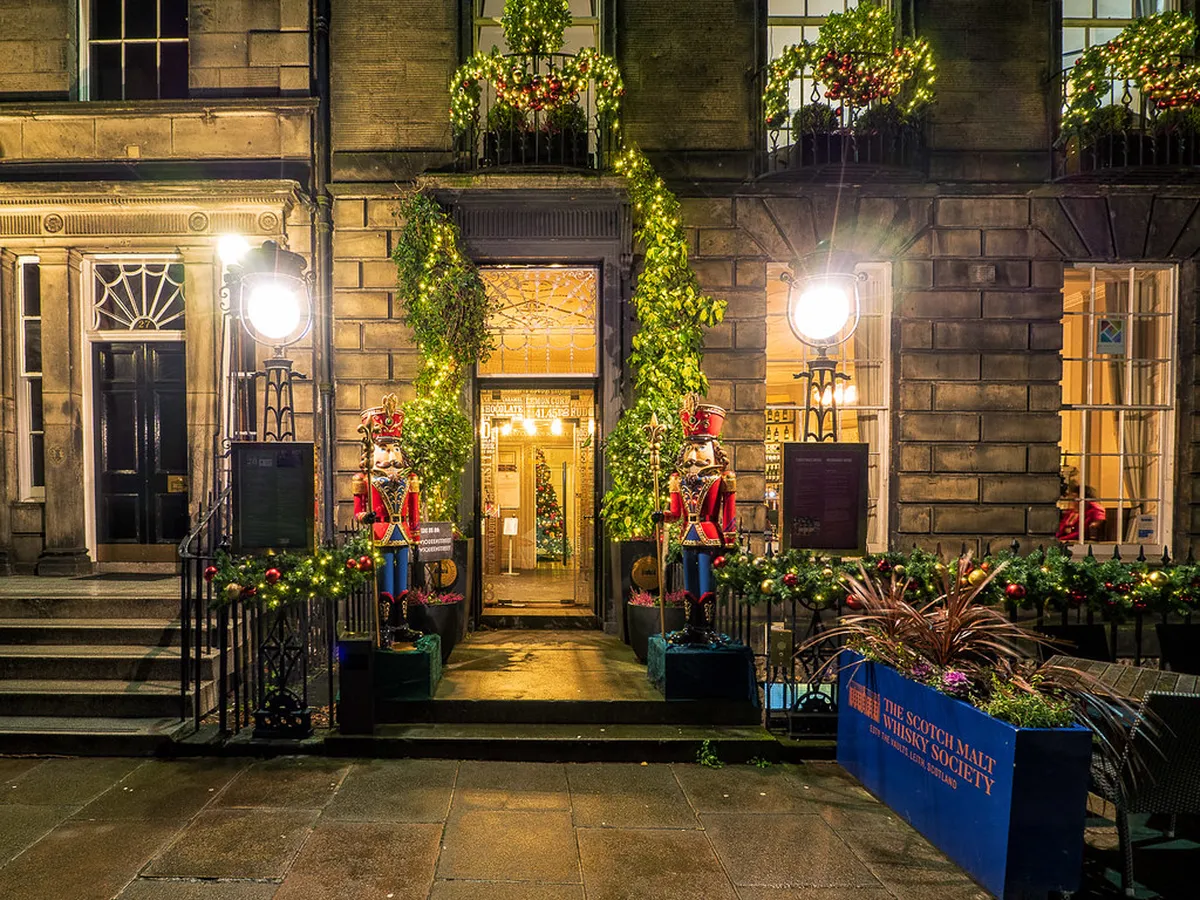
For more spots like it, browse our guide to the where locals eat in Edinburgh. Booking ahead helps on weekends, since the small dining room fills quickly. Its warm, wood-lined bar rewards a stop after a walk by the loch.
From the garden, paths lead up into Holyrood Park and toward Arthur's Seat. The climb rewards you with wide views over Edinburgh and the Forth beyond. Our Edinburgh's best viewpoints guide covers routes up if you want to add the hike.
Hours can shift earlier around winter dusk (December–January), and occasional closures occur. Check www.drneilsgarden.co.uk before you travel to confirm opening times for your visit.
Frequently Asked Questions
How do I get into Dr Neil's Garden?
Enter through the grounds of Duddingston Kirk, a twelfth-century church beside Duddingston Loch. A tree-lined path leads from the churchyard down to the garden gate, and buses on Duddingston Road West stop nearby. Many visitors prefer walking through Holyrood Park instead, since parking near the kirk is limited.
What is the history of Dr Neil's Garden?
Doctors Andrew and Nancy Neil began clearing this patch of ground in the 1960s, turning it into a healing space for their patients. A dedicated Physic Garden followed in 2012 and 2013, honouring their shared careers in medicine and horticulture. Dr Neil's Garden Trust, formed in 1997, still protects the site today.
Is Dr Neil's Garden free to visit?
Yes, admission has always been free, and the garden opens daily from 10 am until dusk. Donations are welcomed but never required at the entrance. Because a volunteer-run charity manages the site, hours can shift slightly earlier around the winter dusk each year.
What's the best time to visit Dr Neil's Garden?
Late spring brings magnolias and rhododendrons into bloom, while quiet winter mornings suit a slow, reflective walk. Weekday visits almost always feel calmer than weekend afternoons. For wider seasonal advice, see our guide on the when to visit Edinburgh.
What can I see at Dr Neil's Garden besides the plants?
Beyond the borders and mature trees, look for Thomson's Tower, an 1825 curling store turned small museum. Duddingston Loch runs along one edge, drawing swans, geese, and diving waterbirds year-round. Frogs, butterflies, and the occasional owl round out this compact wildlife haven.
Exploring more of Europe? Browse our hidden-gems guides to London, Dublin and Paris.
Dr Neil's Garden rewards anyone willing to walk a little further than the usual sights. Its free admission, quiet paths, and volunteer spirit set it apart from busier gardens nearby. History, wildlife, and a slice of curling heritage all sit inside one small walled space.
Pair your visit with the Sheep Heid Inn or a climb up Arthur's Seat for a fuller day. However you arrive, leave enough time to simply sit by the loch. Few corners of Edinburgh feel this unhurried, and that is exactly the point.
Continue exploring
More guides you'll find useful